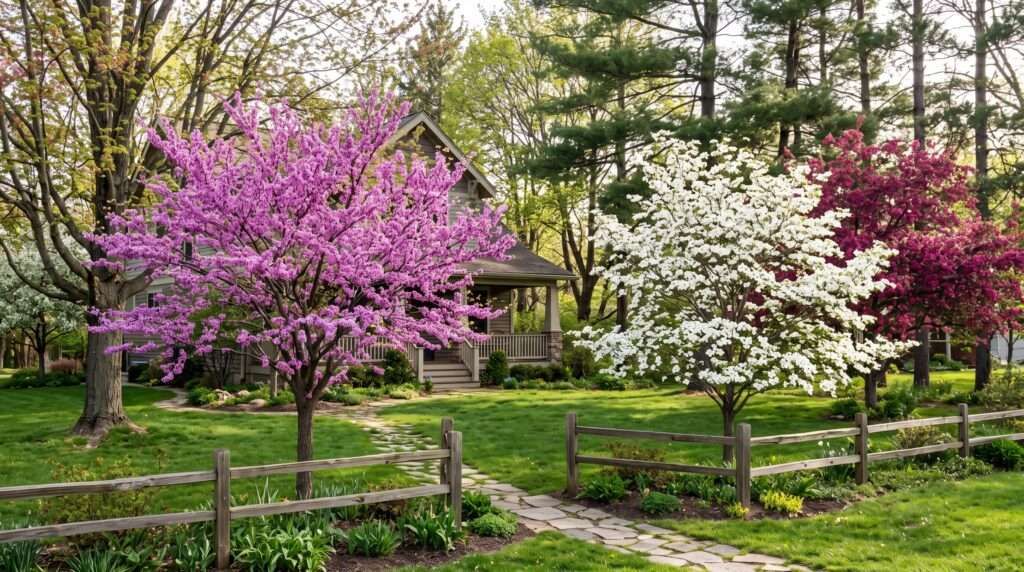
Landscaping in the Great Lakes state comes with its own unique set of rewards and brutal challenges. If you are looking to add vibrant, neighborhood-stopping color to your yard after a long, grey season, you need resilient species that can survive freezing winters, heavy lake-effect snows, and unpredictable late spring frosts. To help you build a stunning, weather-hardy landscape, we have put together the ultimate guide to the best 10 flowering trees for michigan.
Many homeowners experience the deep frustration of ordering bare-root trees or saplings online, only to watch them fail during their very first year in the ground. Often, generic online purchases simply cannot handle our state’s diverse microclimates, the notoriously short growing season, or the dense clay soils found in the southern regions and sandy loams up north. It is heartbreaking—and expensive—to invest time and money into a gardening project only to see your new additions succumb to a harsh, unforgiving environment.
Fortunately, you don’t have to leave your landscaping success up to chance. We’ve done the research for you to find the best 10 flowering trees for michigan that are scientifically proven to thrive locally in USDA Hardiness Zones 4 through 6. Not only will these specific, cold-hardy species transform your home’s curb appeal, but they can also be shipped directly and safely to your door from Amazon’s top-rated, highly vetted nurseries. Read on to discover exactly which trees will give you the highest chance of planting success and the most beautiful springtime blooms.
II. How We Evaluated and Chose the Best Trees
To ensure this guide functions as a reliable, authoritative resource for Michigan homeowners, we didn’t just pick trees with pretty flowers. We rigorously evaluated dozens of species based on the following criteria:
-
Climate Compatibility: Every tree on this list is rated for USDA Hardiness Zones 4, 5, or 6, ensuring they can withstand Michigan’s deep freezes and unpredictable spring thaws.
-
Soil Adaptability: We selected trees that are adaptable to Michigan’s challenging soil profiles, including heavy, slow-draining clay and nutrient-poor sandy loams.
-
Vendor Reliability & Shipping Viability: We analyzed Amazon seller ratings, focusing on top-tier nurseries that specialize in safe live-plant shipping, offer healthy bare-root or potted saplings, and provide strong arrival guarantees.
-
Ecological Value & Disease Resistance: We prioritized native species and highly cultivated varieties that support local pollinators, resist common Midwest fungal diseases, and possess strong branch structures to handle heavy snow loads.
III. Quick Comparison Table
For optimal mobile viewing, we’ve condensed our comparison into three key decision-making columns.
IV. In-Depth Product Reviews
1. Eastern Redbud (Cercis canadensis) – Best Overall Native Tree
-
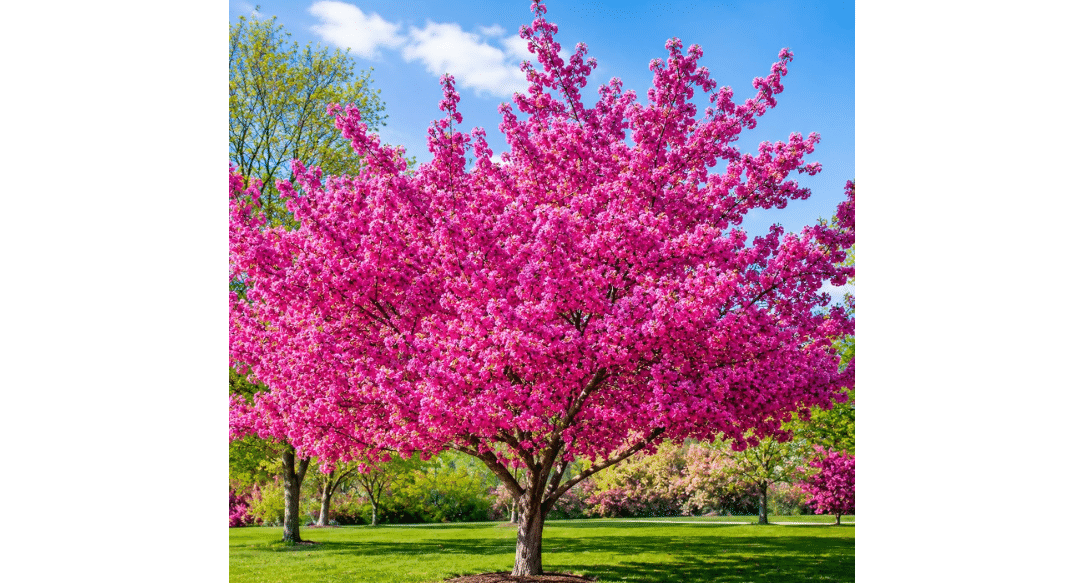
Product Description: The Eastern Redbud is a breathtaking native tree that puts on a spectacular show before its leaves even appear. It features clusters of vibrant, rosy-pink and purple flowers that bloom directly on the dark bark of its trunk and branches. Once the blooms fade, stunning heart-shaped leaves emerge, turning a beautiful golden-yellow in the fall.
-
Price: $39.89
-
Key Features and Benefits: Reaches a highly manageable mature height of 20-30 feet. It is incredibly adaptable to various light conditions, functioning perfectly as an understory tree or a full-sun focal point. It is also highly attractive to early spring pollinators, bringing immediate life to your post-winter garden.
-
Pros and Cons:
-
Pros: Native to the region; drought-tolerant once established; visually striking early color; manageable size.
-
Cons: Has a relatively shorter lifespan (20-30 years); bark can be susceptible to canker if damaged by lawnmowers or string trimmers.
-
-
Amazon Customer Ratings and Reviews: Highly rated (typically 4.2+ stars). Customers consistently praise the careful packaging of dormant bare-root shipments and note high survival rates when planted promptly in early spring.
-
Why It’s a Good Choice for Michigan: It is perfectly adapted to Michigan’s Hardiness Zones 4-6. It easily survives freezing winters and is highly tolerant of the state’s diverse soil types, from Detroit clay to Traverse City sand.
-
Ideal Use Case: Perfect for front yard focal points, woodland garden edges, and eco-conscious landscapes where native planting is a priority.
2. Autumn Brilliance Serviceberry (Amelanchier x grandiflora) – Best for Fall Color & Wildlife
-
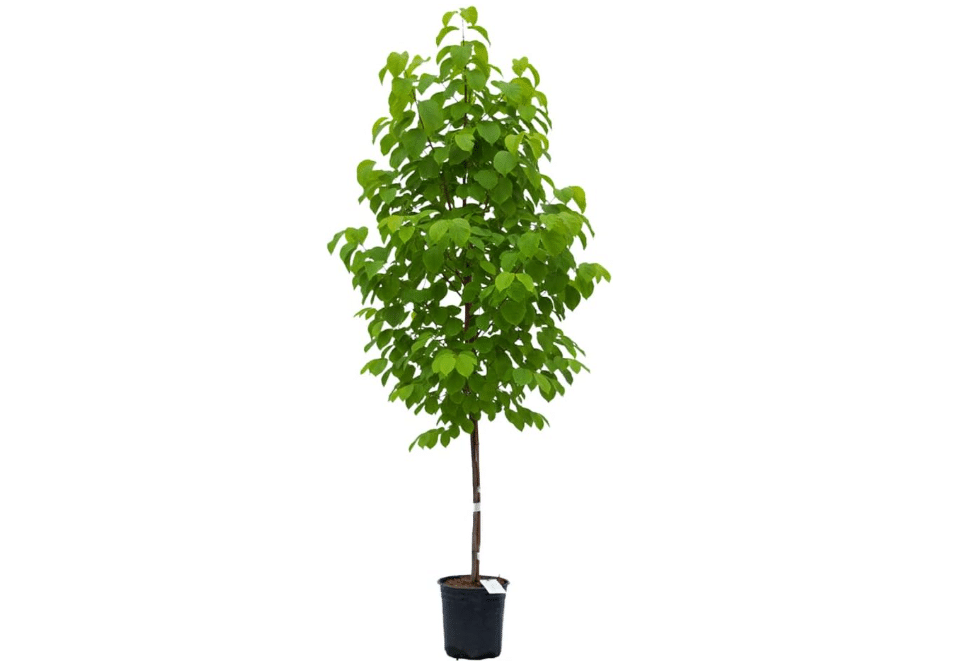
Product Description: An absolute powerhouse of multi-season interest. In early spring, it produces delicate, drooping clusters of white flowers. By early summer, it yields edible, blueberry-like fruits loved by local birds (and humans!). Come autumn, the foliage explodes into brilliant shades of fiery orange and red.
-
Price:
-
Key Features and Benefits: Grows 15-25 feet tall. Highly disease-resistant compared to other fruit-bearing trees. Provides year-round visual interest and supports the local ecosystem.
-
Pros and Cons:
-
Pros: Exceptional fall color; produces edible fruit; highly cold tolerant; low maintenance.
-
Cons: Birds will often eat the berries before you can harvest them; can produce suckers at the base that require occasional pruning.
-
-
Amazon Customer Ratings and Reviews: Excellent ratings (4.4+ stars). Buyers highlight the tree’s rapid growth rate and the healthy, well-hydrated root systems provided by top Amazon nursery vendors.
-
Why It’s a Good Choice for Michigan: This tree laughs at Michigan winters. Rated down to Zone 4, it thrives in the Upper Peninsula and the Lower Peninsula alike, handling heavy snow loads without branch breakage.
-
Ideal Use Case: Ideal for bird watchers, permaculture enthusiasts, and homeowners looking for a low-maintenance tree that offers changing colors through all four seasons.
3. White Flowering Dogwood (Cornus florida) – Best Classic Landscape Tree
-
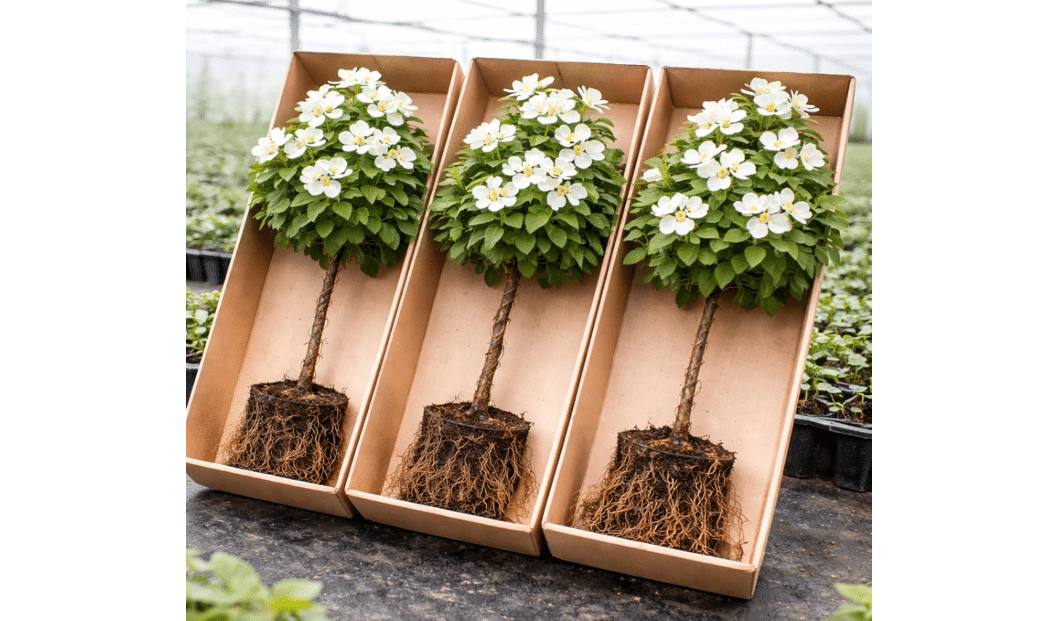
Product Description: The quintessential American landscape tree. The White Flowering Dogwood is famous for its iconic, crisp white, four-petaled “blooms” (which are actually bracts) that blanket the tree in mid-spring. It develops a beautiful, tiered horizontal branching structure as it ages.
-
Price: $89.99
-
Key Features and Benefits: Grows 15-25 feet tall. Produces glossy red berries in the fall alongside burgundy foliage. The distinct horizontal branches offer excellent winter architectural interest.
-
Pros and Cons:
-
Pros: Timeless, elegant aesthetic; excellent shade tolerance; beautiful fall foliage.
-
Cons: Susceptible to dogwood anthracnose (a fungal disease) if planted in areas with poor air circulation; requires well-draining soil.
-
-
Amazon Customer Ratings and Reviews: Solid ratings (4.0+ stars). Reviewers emphasize the importance of following the vendor’s unboxing and immediate watering instructions for the best root establishment.
-
Why It’s a Good Choice for Michigan: It thrives in Zone 5 and 6 (perfect for Mid and Southern Michigan). Its natural preference for the dappled shade of larger trees makes it ideal for established, wooded Michigan neighborhoods.
-
Ideal Use Case: Best used as a specimen tree near patios, underneath the canopy of larger oaks or maples, or lining a long driveway.
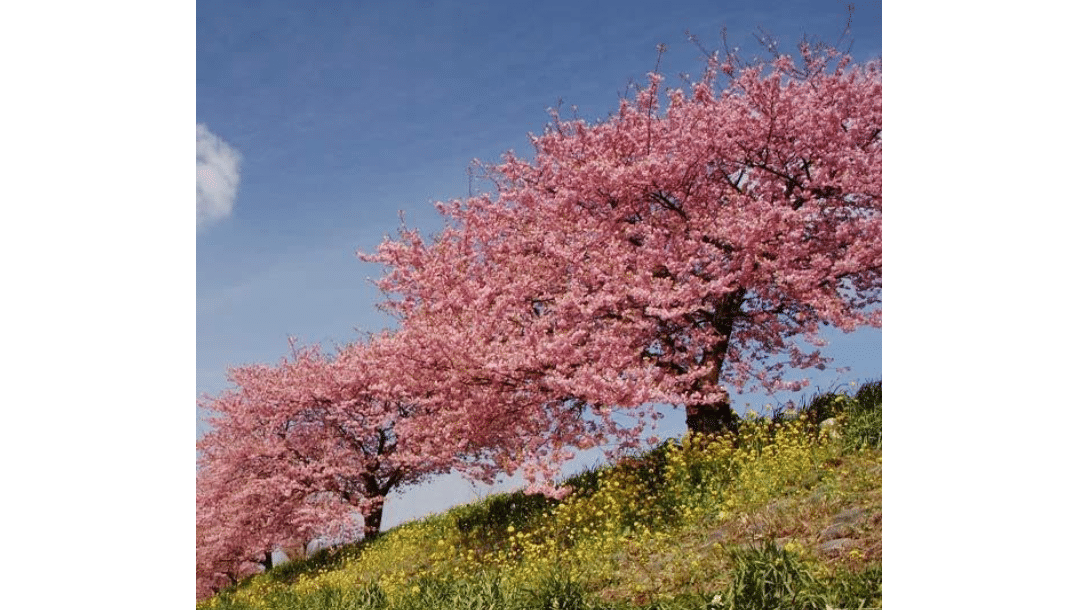
4. Kwanzan Japanese Cherry (Prunus serrulata ‘Kwanzan’) – Best for Showy Spring Blooms
-
Product Description: If you want traffic to stop in front of your house, this is the tree. The Kwanzan Cherry produces massive, double-pink, carnation-like blossoms that hang in heavy clusters. It is one of the most flamboyant and celebrated flowering trees in the world.
-
Price: $133.99
-
Key Features and Benefits: Reaches 25-30 feet tall with a beautiful vase-shaped canopy. It puts on a truly unmatched, densely packed floral display in mid-spring, completely obscuring the branches in pink.
-
Pros and Cons:
-
Pros: The most spectacular pink blooms available; relatively fast grower; creates an instant, high-end landscape feel.
-
Cons: Shorter lifespan (15-25 years); does not produce fruit; susceptible to late spring frosts damaging the flower buds.
-
-
Amazon Customer Ratings and Reviews: Very high ratings (4.5+ stars). Customers rave about the careful pruning done by Amazon nurseries prior to shipping, ensuring a strong central leader and healthy branching upon arrival.
-
Why It’s a Good Choice for Michigan: Rated for Zones 5-9, it is well-suited for the Lower Peninsula. While late frosts can occasionally nip the blooms, planting it in a sheltered location near the home (which provides micro-climate warmth) guarantees a stunning spring show.
-
Ideal Use Case: Centerpiece plantings in front yards, lining walkways, or anywhere you want a dramatic, high-impact spring display.
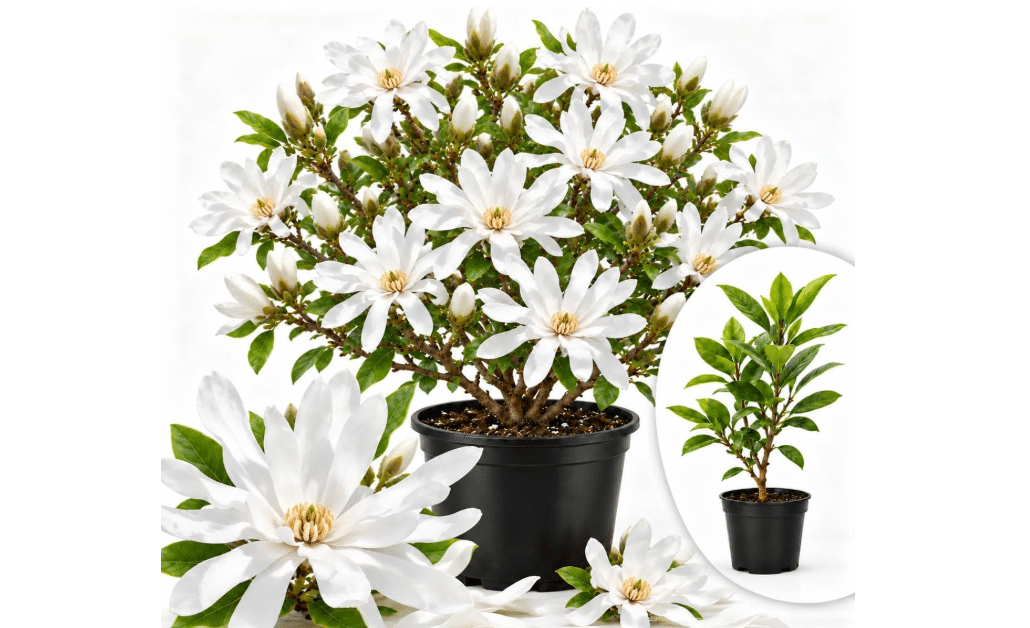
5. Star Magnolia (Magnolia stellata) – Best Early Spring Bloomer
-
Product Description: If you are impatient for spring to arrive, the Star Magnolia is your best bet. Often blooming in March or early April before the snow has completely melted, this tree produces dozens of striking, star-shaped white flowers with a delicate fragrance. It acts as a harbinger of warmer weather and features a dense, multi-stemmed growth habit.
-
Price:
-
Key Features and Benefits: Remains a compact 10-15 feet tall, making it ideal for small yards. It features a unique, silver-gray bark that adds winter interest when the branches are bare. It is naturally pest-resistant and requires very little pruning.
-
Pros and Cons:
-
Pros: One of the earliest bloomers; highly fragrant; exceptionally cold-hardy; low maintenance.
-
Cons: Because it blooms so early, late-season frost can sometimes damage the open flowers (turning them brown); slow growth rate.
-
-
Amazon Customer Ratings and Reviews: Excellent ratings (4.5+ stars). Customers appreciate how well the root ball is secured during transit, preventing dirt spillage and root exposure.
-
Why It’s a Good Choice for Michigan: It is extremely cold-tolerant (Zones 4-8) and can handle the heavy, wet clay common in the Lower Peninsula, provided it is not planted in a low-lying area with standing water.
-
Ideal Use Case: Excellent for planting near a patio, front porch, or window where its early spring fragrance and visual impact can be fully enjoyed from indoors.
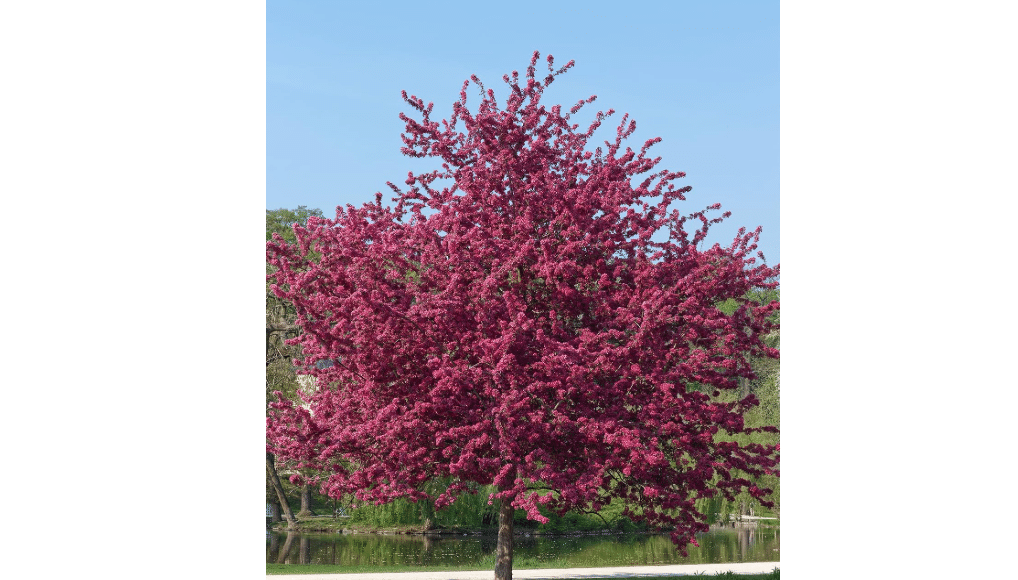
6. Prairifire Crabapple (Malus ‘Prairifire’) – Best Disease-Resistant Option
-
Product Description: Crabapples are a Midwest staple, but older varieties are notorious for fungal diseases like apple scab that cause them to drop their leaves by August. The Prairifire is a modern, highly disease-resistant cultivar that solves this problem. It explodes with dark pinkish-red flowers in the spring, features maroon foliage in the summer, and produces tiny, ornamental red fruits in the fall.
-
Price:
-
Key Features and Benefits: Reaches 15-20 feet in height with a beautiful, rounded canopy. Its small fruit persists on the branches well into winter, providing an essential food source for overwintering birds like Cedar Waxwings.
-
Pros and Cons:
-
Pros: Exceptional resistance to apple scab, cedar-apple rust, and fire blight; stunning, intense flower color; provides winter food for birds.
-
Cons: Can require minor structural pruning in its early years to develop a strong canopy shape.
-
-
Amazon Customer Ratings and Reviews: High ratings (4.3+ stars). Reviewers routinely report that Amazon’s top bare-root vendors ship robust, healthy saplings that leaf out quickly once planted.
-
Why It’s a Good Choice for Michigan: Rated for Zones 4-8, it handles extreme winter cold effortlessly. Its high disease resistance makes it a highly sustainable, low-chemical choice for Michigan’s humid summers.
-
Ideal Use Case: Perfect as a standalone specimen tree in suburban yards, or planted in rows along a property line for a massive burst of spring color.
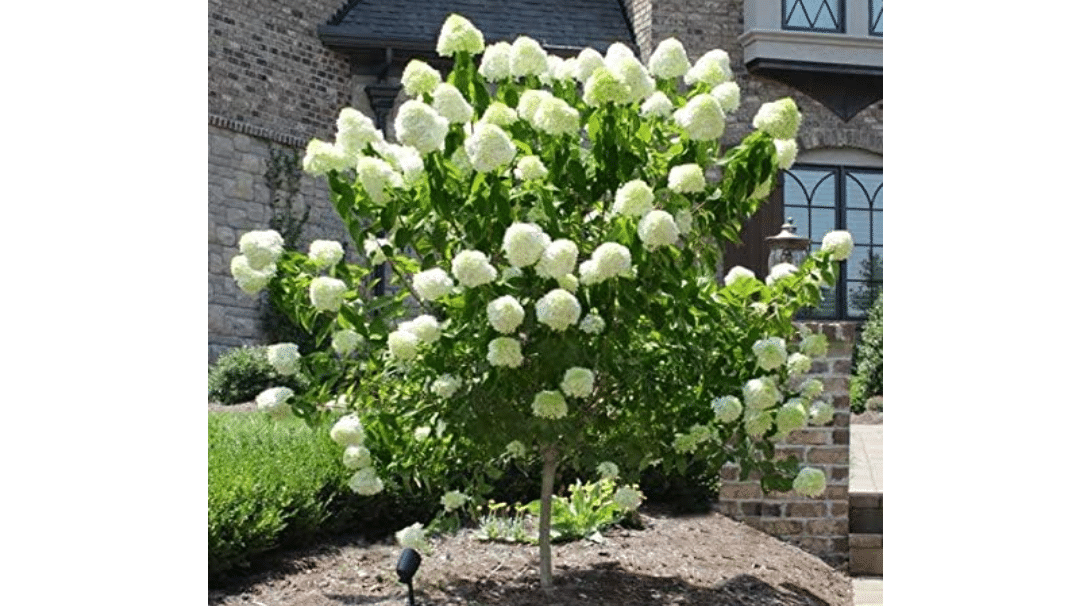
7. Limelight Hydrangea Tree (Hydrangea paniculata ‘Limelight’) – Best Summer Bloomer
-
Product Description: While most flowering trees put on their show in the spring, the Limelight Hydrangea Tree waits until mid-summer. This unique “tree form” (a standard) features massive, 12-inch, football-shaped flower panicles that start lime green, transition to creamy white, and finally fade to a dusty pink or burgundy in the fall.
-
Price: $183.99)
-
Key Features and Benefits: A highly manageable dwarf tree that typically reaches 6-8 feet tall. Blooms exclusively on new wood, meaning winter dieback will never ruin your summer flower display. The long-lasting blooms are highly prized for fresh and dried floral arrangements.
-
Pros and Cons:
-
Pros: Exceptionally long bloom time; blooms when most other trees are just green; incredibly cold hardy; great for small spaces.
-
Cons: The heavy flower heads can droop if subjected to heavy summer rains; requires consistent moisture.
-
-
Amazon Customer Ratings and Reviews: Outstanding ratings (4.6+ stars). Buyers are consistently thrilled by the size of the blooms in the first year and praise vendors like Proven Winners for their robust shipping methods.
-
Why It’s a Good Choice for Michigan: Surviving winter temperatures down to -40°F, it is a powerhouse in Zones 3-9. Unlike bigleaf hydrangeas, its flower buds won’t be killed by a late Michigan frost.
-
Ideal Use Case: Flanking a front entryway, acting as a focal point in a small urban garden, or planted in a large, decorative patio container.
8. Snow Fountains Weeping Cherry (Prunus ‘Snofozam’) – Best for Small Spaces
-
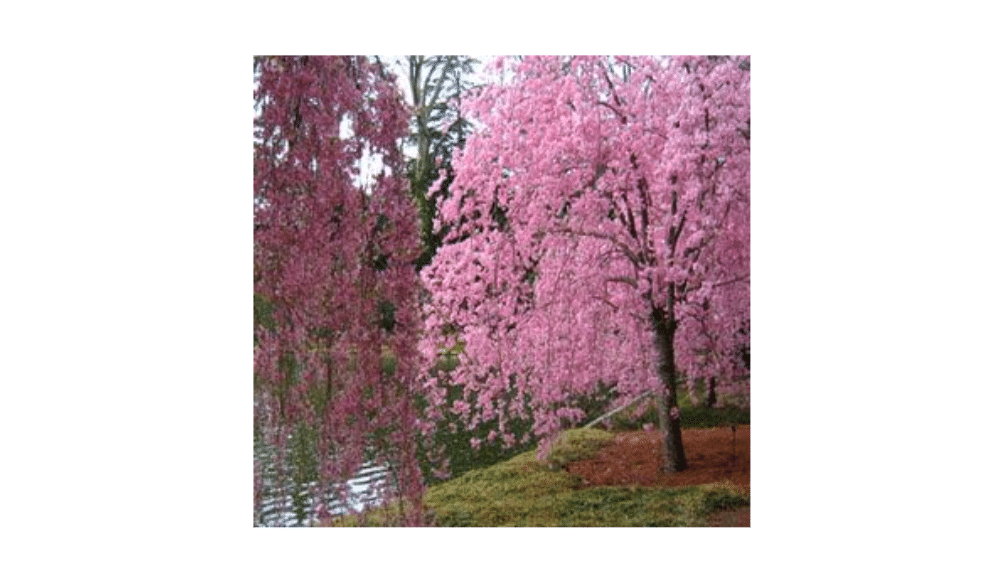
Product Description: A true showstopper that looks like a waterfall of white flowers. This weeping cultivar features cascading branches that reach all the way to the ground. In early spring, the bare branches are completely covered in pure white blooms, creating a stunning architectural silhouette.
-
Price:
-
Key Features and Benefits: Naturally remains very small, typically maxing out at 8-15 feet tall and wide depending on the graft height. It features lush, dark green foliage in the summer that turns a lovely golden-orange in the autumn.
-
Pros and Cons:
-
Pros: Incredibly unique weeping form; fits perfectly in tight landscaping spaces; gorgeous autumn color.
-
Cons: Needs a bit of formative pruning to keep the cascading branches off the actual ground to prevent soil-borne diseases.
-
-
Amazon Customer Ratings and Reviews: Strong ratings (4.2+ stars). Customers note that these trees establish quickly, provided you stake the trunk firmly during the first two windy Michigan winters.
-
Why It’s a Good Choice for Michigan: Thriving in Zones 5-8, it does very well in the Lower Peninsula. Its flexible weeping branches are uniquely suited to shed heavy spring snowfalls without snapping.
-
Ideal Use Case: Zen gardens, courtyard centerpieces, or planted near a water feature where its weeping form can be reflected.
9. American Plum (Prunus americana) – Best for Edible Landscaping
-
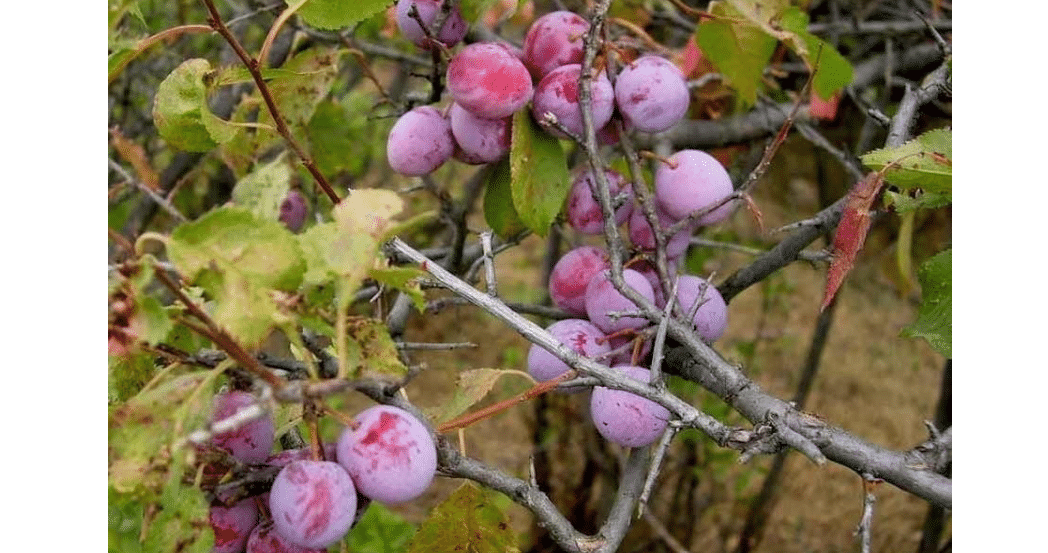
Product Description: A hardy, thicket-forming native tree that bursts into a cloud of white, heavily scented flowers before its leaves emerge in the spring. By late summer, it yields small, tart, red or yellow plums that are highly prized for making preserves, jellies, and wines.
-
Price: $59.99
-
Key Features and Benefits: Very fast-growing and typically reaches 15-25 feet. It is an ecological powerhouse, serving as a host plant for numerous butterfly species and providing excellent cover for wildlife.
-
Pros and Cons:
-
Pros: Native and highly beneficial to local wildlife; produces edible fruit; very fast grower; excellent for erosion control.
-
Cons: Naturally wants to form a thicket by sending up root suckers; you must aggressively prune the suckers if you want to maintain a single-trunk “tree” shape.
-
-
Amazon Customer Ratings and Reviews: Solid ratings (4.0+ stars). Buyers appreciate its extreme hardiness but note that bare-root plums look like plain sticks upon arrival and require patience to break dormancy.
-
Why It’s a Good Choice for Michigan: Rated for Zones 3-8, this native plant handles the harshest Michigan winters and thrives in almost any soil type, including poor, sandy dirt.
-
Ideal Use Case: Property borders, windbreaks, naturalized woodland edges, or permaculture food forests.
10. Kousa Dogwood (Cornus kousa) – Best Cold-Hardy Alternative
-
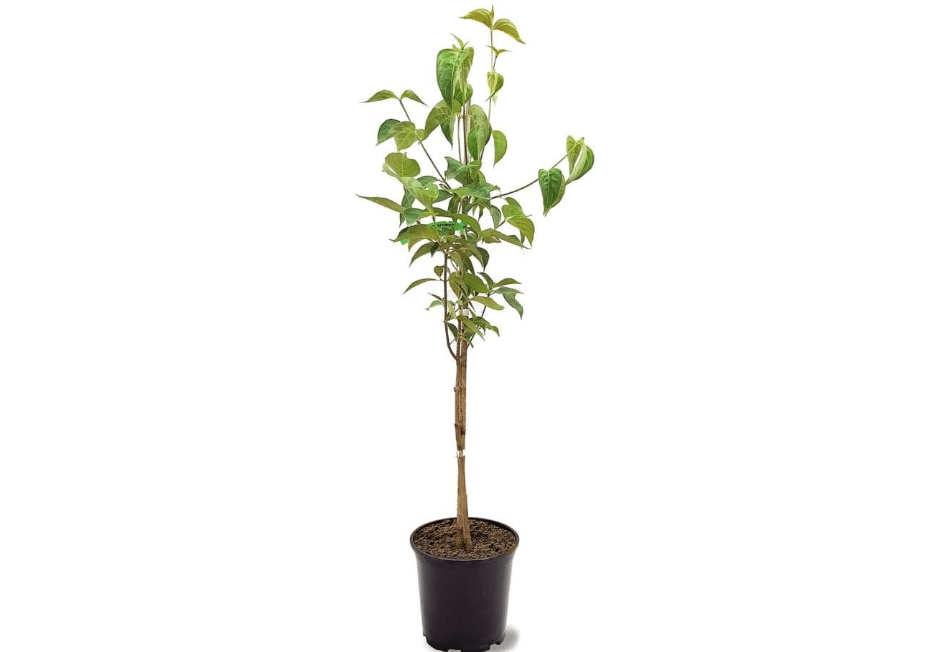
Product Description: The Kousa Dogwood is an Asian cousin to the native White Flowering Dogwood (Cornus florida) and is highly valued for its superior disease resistance and later bloom time. It produces stunning, star-shaped creamy-white flowers (bracts) in late spring, followed by unique, raspberry-like red fruits in late summer.
-
Price:
-
Key Features and Benefits: Reaches 15-25 feet tall. As the tree matures, the bark exfoliates to reveal a beautiful patchwork of tan, gray, and brown underneath, providing excellent winter interest.
-
Pros and Cons:
-
Pros: Highly resistant to dogwood anthracnose; blooms later, avoiding spring frosts; beautiful exfoliating bark; striking red fall color.
-
Cons: Requires well-drained, slightly acidic soil; does not tolerate extended drought well.
-
-
Amazon Customer Ratings and Reviews: Excellent ratings (4.4+ stars). Reviewers praise its durability and note that Amazon shipments of Kousa varieties tend to arrive with less transit shock than native dogwoods.
-
Why It’s a Good Choice for Michigan: Thriving in Zones 5-8, it handles Michigan winters well. Because it blooms in late May to early June (after the native dogwood), it safely avoids the notorious late-spring frosts that can destroy the flowers of earlier blooming trees.
-
Ideal Use Case: A stunning specimen tree for front yards or planted near outdoor living areas where its multi-season interest can be viewed up close.
V. Buyer’s Guide: Successfully Growing Amazon Live Trees in Michigan
Buying a live tree on Amazon is a fantastic, cost-effective way to access a massive variety of species, but protecting your investment requires a bit of local know-how.
-
Understanding Your Hardiness Zone: Michigan is heavily influenced by the Great Lakes. The Upper Peninsula sits firmly in Zone 4, requiring the toughest trees (like the Prairifire Crabapple or Limelight Hydrangea). The Lower Peninsula ranges from Zone 5 down to Zone 6 in Detroit and Ann Arbor. Always match your tree to your specific zip code’s zone.
-
Bare-Root vs. Potted Saplings: Many Amazon trees ship “bare-root” to save on shipping costs. They will arrive dormant, looking like a lifeless stick wrapped in damp paper or gel. Do not panic. This is completely normal. Unwrap them immediately, soak the roots in a bucket of water for 3 to 6 hours, and plant them exactly as instructed.
-
When to Plant in Michigan: Timing is everything. Aim to plant in early spring (late April to May) after the ground has thawed but before the summer heat hits, or in early fall (September to October) giving roots 6 to 8 weeks to establish before the deep winter freeze.
-
Soil Preparation & Protection: Michigan has extreme soil variance. If you live in a region with heavy clay, dig a hole twice as wide as the root ball and amend the backfill dirt with compost to improve drainage. Furthermore, wrap the trunk with a plastic tree guard in the fall; Michigan’s high deer population loves to aggressively rub their antlers on young saplings during the winter rut, which will easily kill a young tree.
VI. Frequently Asked Questions (FAQ)
Can I successfully order live flowering trees on Amazon?
Absolutely. Top Amazon vendors utilize sophisticated dormancy protocols and moisture-retaining root wraps to safely ship live saplings. The key to success is unboxing the plant the day it arrives, hydrating the roots, and getting it into the ground quickly.
Which flowering tree blooms the longest in Michigan?
The Limelight Hydrangea Tree holds its massive blooms from mid-summer straight through the first hard frost of autumn, making it the longest-blooming option on this list.
Are there any flowering trees that survive Michigan winters in containers?
Yes, but you must choose a tree rated for at least two zones colder than your actual location (because above-ground pots freeze solid). A Limelight Hydrangea (Zone 3) or a Star Magnolia (Zone 4) planted in an insulated, oversized container can survive a Zone 5/6 Michigan winter.
VII. Conclusion & Final Recommendation
Choosing the right best 10 flowering trees for michigan comes down to matching the tree to your yard’s specific soil, sunlight, and available space.
If you are looking for an ecologically friendly, low-maintenance native showstopper, you cannot beat the Eastern Redbud. If your yard suffers from tight spacing but you still want a dramatic impact, the Snow Fountains Weeping Cherry is a perfect architectural fit. And for those who want completely foolproof, season-long color without fear of winter die-back, the Limelight Hydrangea Tree stands in a class of its own.
Don’t wait until the local nurseries are picked clean in late May. Click through to Amazon today to check the current seasonal availability, secure your desired species, and get your landscape ready for a truly breathtaking spring display