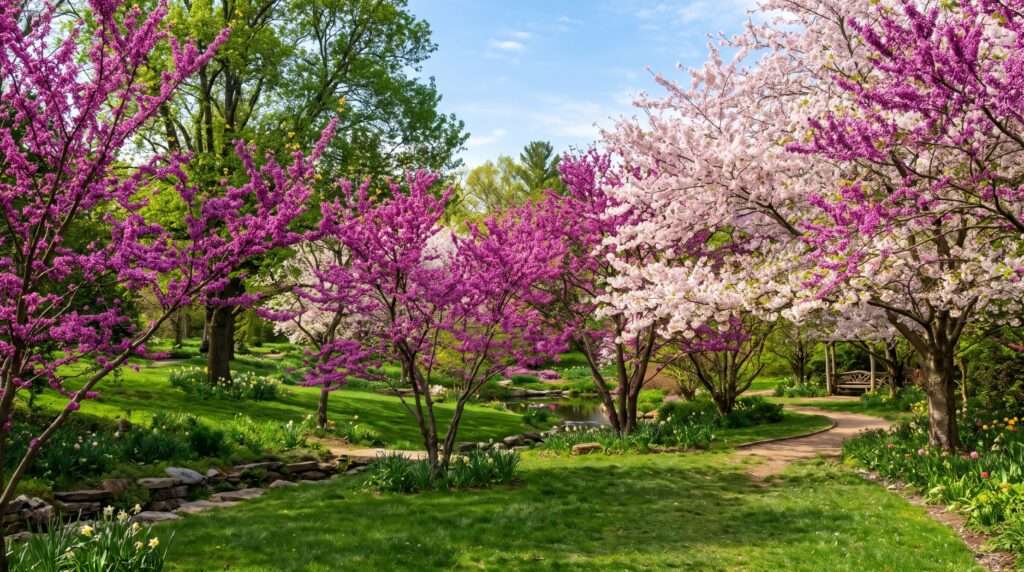
Spring in USDA Hardiness Zone 6—stretching from the Midwest to the Northeast and parts of the Pacific Northwest—can be breathtaking, but only if you plant resilient species capable of surviving -10°F winter chills to produce those coveted blooms. Unfortunately, many homeowners waste money on beautiful but fragile trees that die after a single harsh frost, or they buy online without knowing which plants genuinely handle the region’s distinct freeze-thaw cycles. To help you avoid these costly landscape mistakes, we have identified the best 10 flowering trees for zone 6.
To curate this definitive list, we analyzed hundreds of live plant listings on Amazon, meticulously cross-referencing horticultural data, verified customer reviews, and shipping success rates. Inside this guide, you will find a complete breakdown of the top-performing trees available for direct home delivery. Whether you need a compact patio bloomer or a massive spring centerpiece, this resource ensures you can confidently choose a tree that delivers maximum curb appeal and lasting value.
Quick Comparison Guide
For a fast look at how our top picks stack up, use this simplified comparison chart to find the perfect fit for your yard’s specific needs.
Detailed Product Reviews & Comparisons
Buying a live tree online can feel like a gamble, but choosing the right species from a reputable grower makes all the difference. Below is our deep dive into the top-rated Zone 6 flowering trees available for delivery today.
1. Our Top Pick: Eastern Redbud (Cercis canadensis)
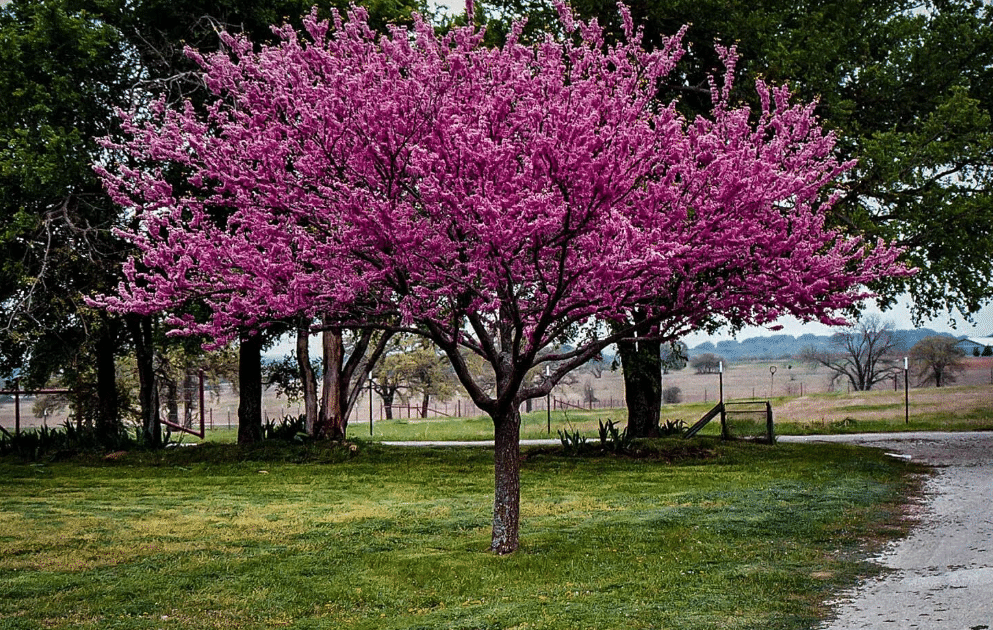
The Eastern Redbud is widely considered one of the most spectacular spring-flowering trees you can plant in a garden [cite: 1.1.2]. Long before its leaves emerge, this native powerhouse erupts in a stunning display of rosy-pink to magenta flowers that grow directly on the bare branches and even the trunk [cite: 1.1.2]. After the breathtaking floral show, it produces beautiful, heart-shaped leaves that turn a brilliant golden-yellow in the autumn [cite: 1.1.2]. Because it is a native understory tree, it adapts beautifully to various yard conditions.
-
Price: $65.00
-
Key Features & Benefits: It is incredibly cold-hardy, surviving drops to roughly -20°F (-30°C) when planted in the ground [cite: 1.1.1]. It provides a vital early nectar source for local pollinators and requires very little maintenance once its root system is established.
-
Pros and Cons:
-
Pros: Thrives in both full sun and partial shade; rapid growth rate; native species that resists local pests; highly drought-tolerant once established.
-
Cons: Redbuds have coarse root systems and resent heavy root disturbance [cite: 1.1.1], meaning you must plant it carefully and avoid digging around its base later.
-
-
Amazon Customer Ratings & Reviews: 4.4/5 Stars. Buyers frequently praise how securely the saplings are packaged for shipping. Some customers note they look like “dead sticks” upon arrival (typical for bare-root dormant shipping), only to rapidly sprout leaves and buds within weeks of spring planting.
-
Why It’s a Good Choice for Zone 6: Zone 6 is famous for late spring frosts that destroy the buds of more sensitive trees. The Eastern Redbud evolved in these exact climates, meaning its buds are tough enough to endure the freeze-thaw cycles without sacrificing its legendary spring bloom.
-
Ideal Use Case (Who Should Buy It): Homeowners looking for a low-maintenance, native front-yard focal point that bursts with color before almost anything else in the neighborhood wakes up for spring.
2. The Runner-Up: Yoshino Flowering Cherry Tree (Prunus x yedoensis)
If you have ever marveled at the famous cherry blossoms in Washington D.C., you have seen the Yoshino Cherry. This stunning tree produces an amazing profusion of white-pink flowers from March through April [cite: 1.2.2]. It features a beautiful, rounded, umbrella-like growth habit and simple shaped leaves that emerge with a reddish tint before turning dark green for the summer [cite: 1.2.2].

-
Price:
-
Key Features & Benefits: An incredibly fast grower that can add 2 to 3 feet of height per year. It attracts butterflies in the spring and produces tiny 1-inch fruits that, while technically edible, are mostly enjoyed by small birds like robins and cardinals [cite: 1.2.2].
-
Pros and Cons:
-
Pros: Breathtaking, cloud-like floral canopy; rapid shade development; gorgeous yellow-orange fall foliage.
-
Cons: Susceptible to common cherry tree pests and requires well-draining soil; generally has a shorter lifespan (15–25 years) compared to oak or maple trees.
-
-
Amazon Customer Ratings & Reviews: 4.3/5 Stars. Reviewers love the rapid growth rate. A few users mentioned that their trees took a full year in the ground to acclimate before producing a heavy bloom, which is entirely normal for transplanted ornamental cherries.
-
Why It’s a Good Choice for Zone 6: Cherry trees actually require a winter chill period (vernalization) to produce their flowers. Zone 6 provides the exact number of chilling hours a Yoshino needs to guarantee an explosion of spring blooms.
-
Ideal Use Case (Who Should Buy It): Buyers with a medium-to-large yard who want a classic, romantic aesthetic and want a tree that establishes quickly to provide fast summer shade.
3. Best for Small Spaces: Dwarf Korean Lilac Tree (Syringa meyeri ‘Palibin’)
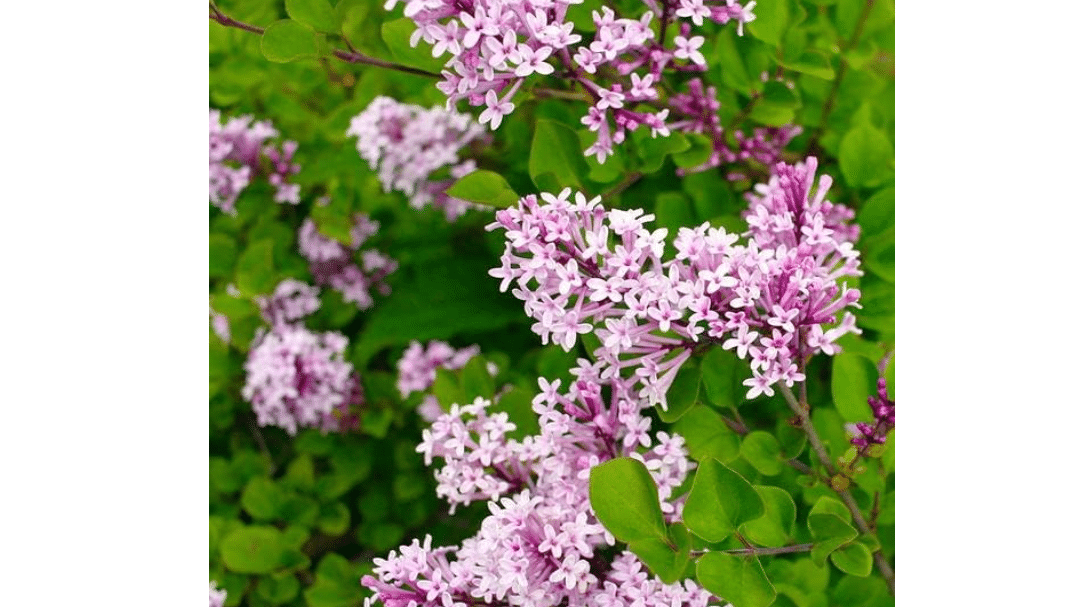
Not everyone has an acre of land to fill. If you want the incredible fragrance and look of a classic lilac but are working with a small patio, courtyard, or suburban plot, the Dwarf Korean Lilac in “tree form” is unmatched. Nurseries graft this naturally compact shrub onto a single sturdy trunk (a standard), creating a miniature tree with a dense, lollipop-shaped canopy of pale purple, heavenly-scented flowers.
-
Price: $49.95
-
Key Features & Benefits: Maxes out at just 5 to 8 feet tall. It blooms slightly later in the spring than traditional French lilacs, extending your garden’s flower season.
-
Pros and Cons:
-
Pros: Perfect for tight spaces and even large container gardening; fills the yard with incredible perfume; highly resistant to powdery mildew (a common lilac problem).
-
Cons: Can be pricey for a smaller plant; requires a quick prune (deadheading) right after it finishes blooming to maintain its neat, round shape.
-
-
Amazon Customer Ratings & Reviews: 4.6/5 Stars. Customers rave about the immediate fragrance, often noting that the tree arrives already budding or in full bloom depending on the shipping month.
-
Why It’s a Good Choice for Zone 6: It is brutally cold hardy (surviving down to Zone 3) and ignores the heavy snows and icy winds that frequently batter Zone 6 landscapes.
-
Ideal Use Case (Who Should Buy It): Gardeners with limited space, those planting near walkways or open windows to enjoy the scent, or anyone looking for a stunning structural plant for a large outdoor planter.
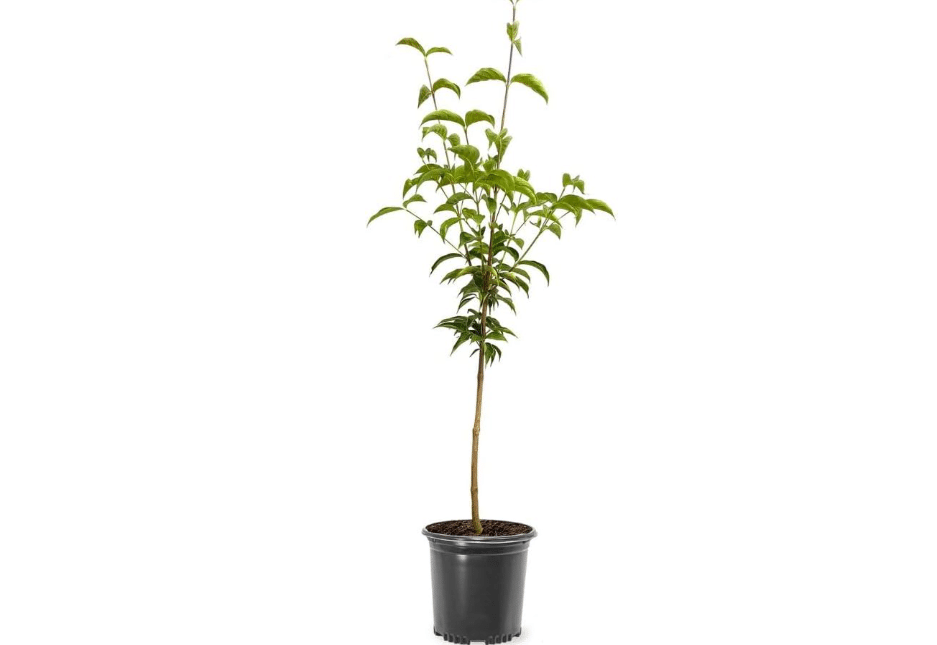
4. Best Disease Resistance: White Kousa Dogwood (Cornus kousa)
Native flowering dogwoods are beautiful, but they are notoriously vulnerable to a deadly fungal disease called dogwood anthracnose. Enter the White Kousa Dogwood—an elegant, Asian cousin that is highly resistant to both anthracnose and powdery mildew. It features stunning, star-like white blooms that appear in late spring, creating a brilliant, tiered “wedding cake” look across its horizontal branches.
-
Price: $38.99
-
Key Features & Benefits: Unbeatable multi-season interest. After the late-spring flowers fade, it produces unique, edible red berry-like fruits in the late summer, followed by scarlet-purple autumn foliage and beautiful, exfoliating (peeling) bark for winter visual interest.
-
Pros and Cons:
-
Pros: Four seasons of landscape beauty; tough, disease-resistant genetics; blooms last for up to six weeks.
-
Cons: Slower initial growth rate than a cherry or redbud; does not tolerate standing water.
-
-
Amazon Customer Ratings & Reviews: 4.5/5 Stars. Reviewers highly rate its health upon arrival and frequently mention how relieved they are to plant a dogwood that doesn’t immediately succumb to leaf blight.
-
Why It’s a Good Choice for Zone 6: The Kousa Dogwood blooms a few weeks after native dogwoods. In Zone 6, this is a massive advantage, as the tree safely avoids the unpredictable late-April frosts that often freeze and destroy the buds of earlier-blooming trees.
-
Ideal Use Case (Who Should Buy It): Buyers wanting a highly reliable, low-maintenance ornamental tree that offers a new visual treat in spring, summer, fall, and winter.
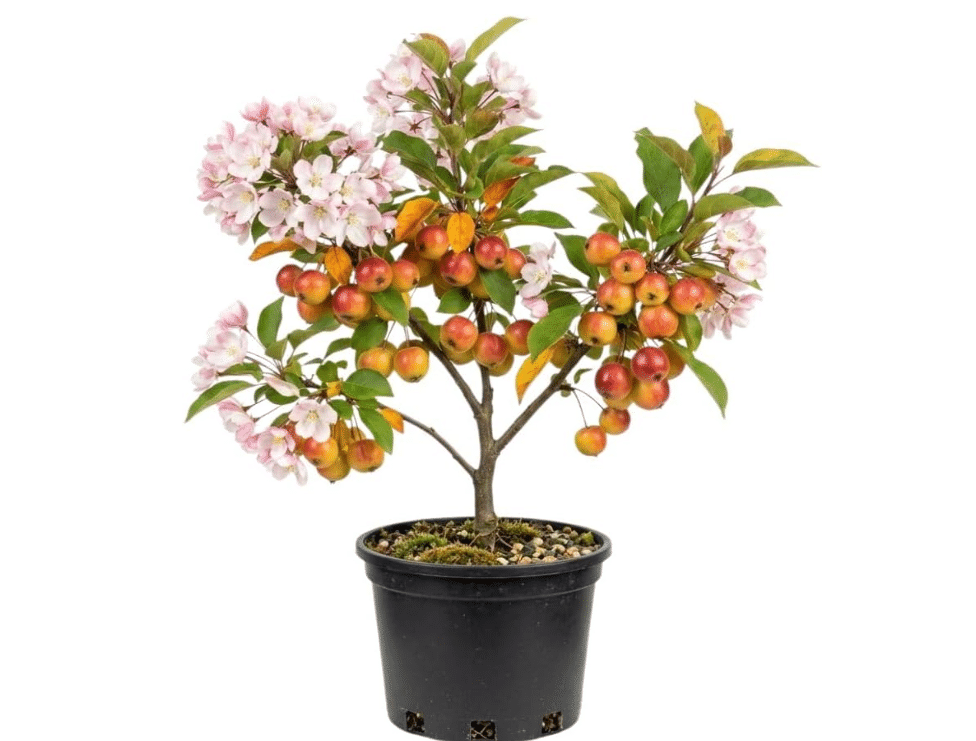
5. Best for Deep Color: Prairifire Crabapple (Malus ‘Prairifire’)
If white and pale pink just aren’t dramatic enough for your landscape, the Prairifire Crabapple is the answer. This show-stopping tree erupts in intensely dark pink, almost magenta-red blossoms. As the flowers fade, the foliage emerges a deep maroon-red before transitioning to dark green, and the tree spends the autumn covered in tiny, cherry-sized red fruits.
-
Price:
-
Key Features & Benefits: Bred specifically for superior disease resistance, this tree shrugs off apple scab, fire blight, and cedar-apple rust—three diseases that routinely ruin older crabapple varieties.
-
Pros and Cons:
-
Pros: Unique, deeply saturated floral color; incredibly cold hardy; the persistent winter fruit provides a vital food source for local songbirds.
-
Cons: Drops small fruits in late fall and winter; planting it too close to a driveway or sidewalk can result in a messy cleanup.
-
-
Amazon Customer Ratings & Reviews: 4.2/5 Stars. Buyers are obsessed with the vivid flower color. Some negative feedback stems from third-party shippers failing to secure the soil in transit, but the tree itself is universally praised for its toughness.
-
Why It’s a Good Choice for Zone 6: Crabapples are practically bulletproof in cold climates. They thrive in heavy clay soils (common in the Midwest/Zone 6) and easily endure harsh winter winds without suffering branch dieback.
-
Ideal Use Case (Who Should Buy It): Bird watchers, wildlife enthusiasts, and homeowners looking for a dramatic pop of dark red/pink to plant in the center of a lawn or garden bed (away from paved surfaces).
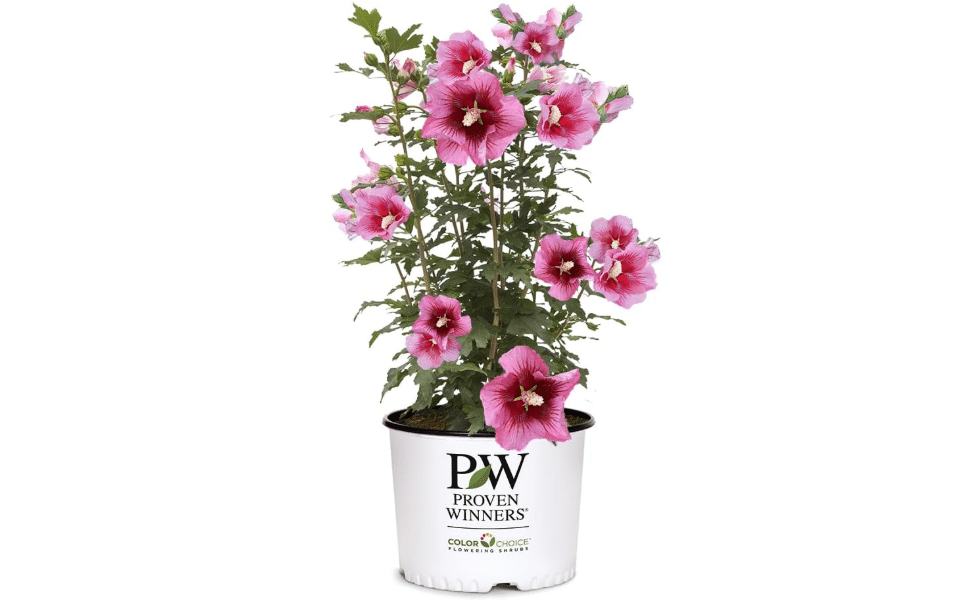
6. Best Summer Bloomer: Double Pink Rose of Sharon Tree (Hibiscus syriacus)
When most spring-flowering trees finish their display and transition to basic green foliage, the Double Pink Rose of Sharon is just getting started. This hardy hibiscus is expertly pruned and trained by nurseries into an elegant single-trunk tree form. From mid-summer all the way to the first fall frost, it produces a relentless succession of large, ruffled, double-pink flowers that look like they belong in a tropical paradise rather than a northern garden.
-
Price:
-
Key Features & Benefits: It thrives in poor, compacted soils and is highly tolerant of urban pollution and drought. Because it blooms on “new wood” (the current year’s growth), you never have to worry about winter freezes killing off the flower buds.
-
Pros and Cons:
-
Pros: Provides continuous summer color during the hottest months; incredibly heat and cold adaptable; easy to prune to maintain its size.
-
Cons: It is notoriously late to leaf out in the spring. Homeowners often mistake it for dead until late May when the green leaves finally emerge.
-
-
Amazon Customer Ratings & Reviews: 4.5/5 Stars. Buyers frequently report that these trees bloom heavily in their very first year in the ground, offering instant gratification.
-
Why It’s a Good Choice for Zone 6: It perfectly bridges the seasonal gap in Zone 6 landscapes, ensuring your yard remains vibrant and colorful through July and August when other plants struggle with the summer heat.
-
Ideal Use Case (Who Should Buy It): Urban gardeners, buyers dealing with poor soil, and anyone who wants a tropical aesthetic that survives freezing northern winters.
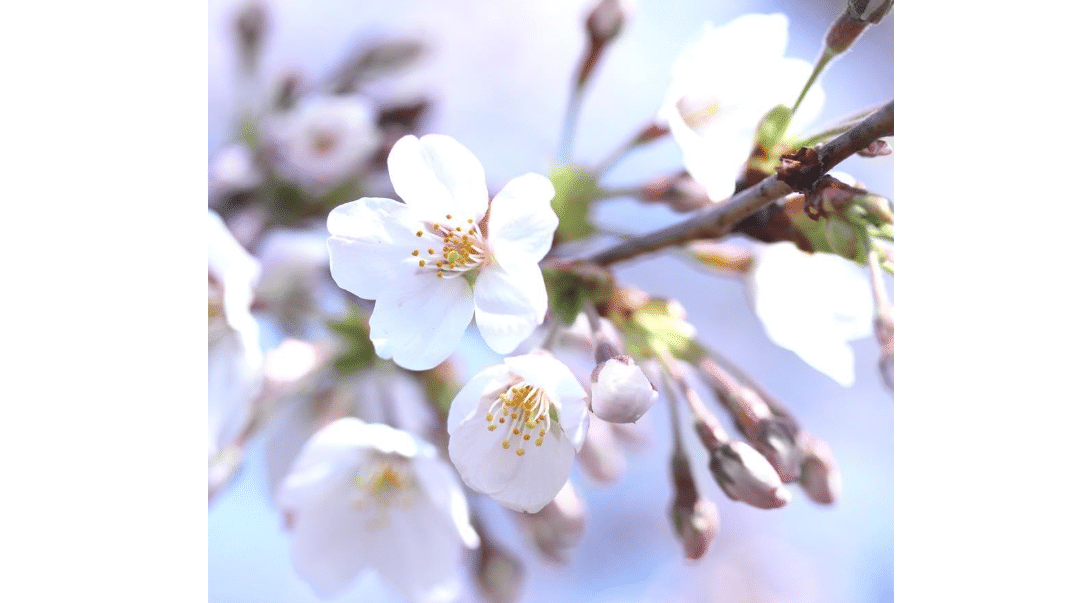
7. Best Weeping Variety: Snow Fountains Weeping Cherry (Prunus snofozam)
Few landscape features command attention quite like a weeping tree, and the Snow Fountains Weeping Cherry is a masterclass in architectural beauty. In early spring, its cascading branches become entirely blanketed in snow-white blossoms, creating the illusion of a floral waterfall. Even in winter, the bare weeping branches provide a striking silhouette against the snow.
-
Price:
-
Key Features & Benefits: This dwarf variety stays naturally small, usually capping out at 8 to 15 feet tall and wide. After the spring blossoms drop, the dark green leaves take over, eventually turning a brilliant golden-orange in the autumn.
-
Pros and Cons:
-
Pros: Stunning structural shape; acts as a perfect landscape focal point; scaled perfectly for small, modern yards.
-
Cons: Young trees require diligent structural pruning to ensure the sweeping branches don’t drag heavily on the ground and invite pests.
-
-
Amazon Customer Ratings & Reviews: 4.3/5 Stars. Customers rave about the breathtaking spring display. Several reviews advise unpacking the tree immediately upon delivery and staking the trunk for the first year to support the heavy, cascading canopy.
-
Why It’s a Good Choice for Zone 6: It delivers the romantic, sweeping elegance of a weeping willow, but is cold-hardy enough to handle freezing temperatures and small enough to fit a suburban front yard.
-
Ideal Use Case (Who Should Buy It): Landscape enthusiasts wanting a dramatic, eye-catching centerpiece for a large flowerbed, driveway entrance, or water feature.
8. Best Large Flowering Tree: Tulip Poplar (Liriodendron tulipifera)
If you have wide-open space and want a shade tree that also puts on a floral show, the Tulip Poplar is unmatched in scale. This massive, fast-growing native tree earns its name from its unique, cup-shaped yellow-green flowers that feature vivid orange centers, blooming high in the canopy in late spring.

-
Price: $34.95
-
Key Features & Benefits: This is one of the fastest-growing hardwood trees available, easily shooting up 2 to 3 feet per year and eventually reaching towering heights of 70 feet or more. Its distinct, four-lobed leaves turn a brilliant, luminescent yellow in the fall.
-
Pros and Cons:
-
Pros: Exceptional shade provider; unique and beautiful flowers; fast establishment; highly resistant to deer damage.
-
Cons: Because the tree grows so tall, the flowers are sometimes hidden high in the upper canopy; its massive root system requires significant planting space.
-
-
Amazon Customer Ratings & Reviews: 4.1/5 Stars. Buyers love how quickly it establishes and grows. However, some lower ratings come from buyers who underestimated its eventual size and planted it too close to their homes.
-
Why It’s a Good Choice for Zone 6: It is a native powerhouse perfectly adapted to the climate. It effortlessly survives bitter Zone 6 winters while rapidly growing into a stately shade tree that cools your home in the summer.
-
Ideal Use Case (Who Should Buy It): Property owners with large yards, farmhouses, or acreage needing a fast-growing shade tree that offers a unique floral bonus.
9. Best Multi-Trunk Tree: Autumn Brilliance Serviceberry (Amelanchier x grandiflora)
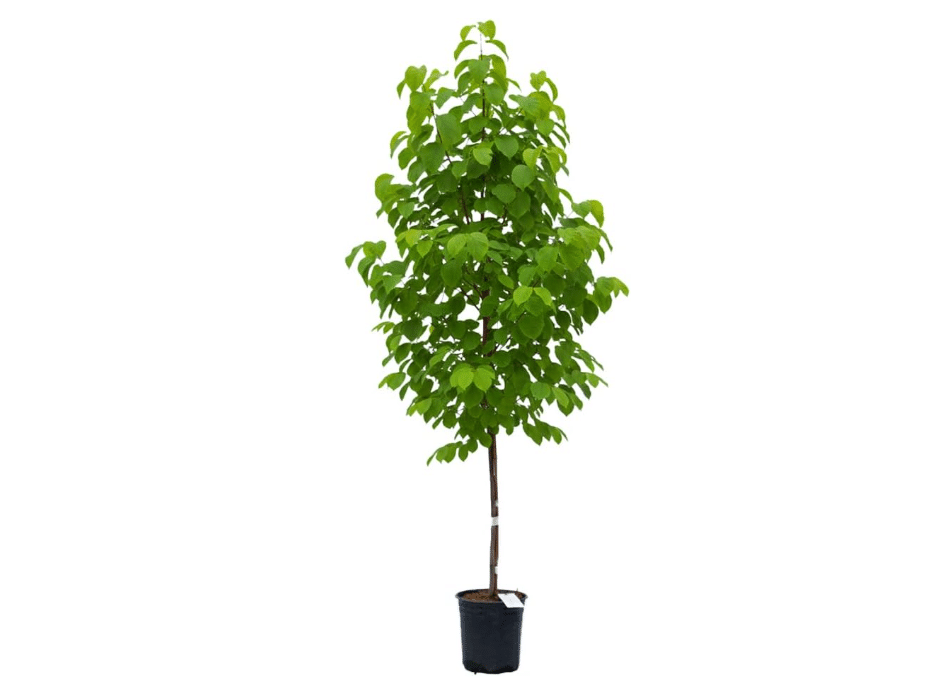
The Autumn Brilliance Serviceberry is the ultimate multitasker of the garden. This delicate, woodland-style tree delivers true four-season interest. It kicks off early spring with clusters of delicate white flowers, follows up with edible summer berries, transitions into fiery red-orange autumn foliage, and finishes the year showing off smooth, striking gray bark against the winter snow.
-
Price: $58.99
-
Key Features & Benefits: Usually grown in a multi-trunk form, it maxes out at 15 to 25 feet. The purplish-black summer berries taste remarkably similar to blueberries and can be used in jams and pies.
-
Pros and Cons:
-
Pros: Highly versatile in the landscape; beautiful edible landscaping; attracts pollinators; incredible fall color.
-
Cons: Local birds love the berries as much as humans do—if you don’t net the tree, the birds will eat the harvest before you get the chance.
-
-
Amazon Customer Ratings & Reviews: 4.6/5 Stars. Horticulturalists and backyard gardeners alike frequently cite it as one of the best all-around landscape trees available online, praising its robust health upon delivery.
-
Why It’s a Good Choice for Zone 6: It is highly adaptable, thriving equally well in the filtered understory shade of larger trees or standing alone in the full sun of a Zone 6 yard.
-
Ideal Use Case (Who Should Buy It): Permaculture enthusiasts, bird lovers, and gardeners who want a beautiful, native tree that changes dramatically with every single season.
10. Best Statement Tree: Jane Magnolia (Magnolia liliiflora x stellata)
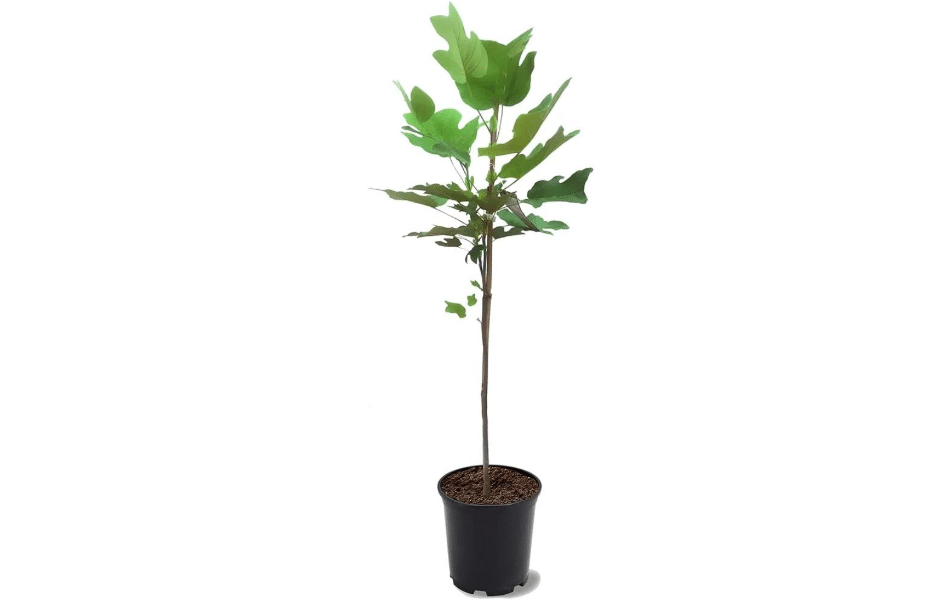
Traditional Southern Magnolias cannot survive northern winters, but the Jane Magnolia was engineered specifically to solve this problem. Part of the renowned “Little Girl” series developed by the U.S. National Arboretum, this compact, shrub-like tree bursts with massive, tulip-shaped purple-pink flowers just before its leaves emerge in the spring.
-
Price: $47.49
-
Key Features & Benefits: It stays relatively small (10 to 15 feet) and occasionally offers a light secondary bloom in mid-summer. The gorgeous flowers feature dark purple-red exteriors with bright white interiors.
-
Pros and Cons:
-
Pros: Huge, fragrant, show-stopping blossoms; frost-resistant buds; easy to grow and maintain.
-
Cons: It naturally wants to grow as a multi-stemmed shrub; it requires occasional shaping if you prefer a single-trunk tree look.
-
-
Amazon Customer Ratings & Reviews: 4.7/5 Stars. It consistently earns top ratings for shipping well. Reviewers are often shocked by how quickly the intact buds open after planting in the spring.
-
Why It’s a Good Choice for Zone 6: It was specifically bred to bloom two to four weeks later than other magnolias. This critical delay allows the tree to bypass the unpredictable spring frosts typical of Zone 6, ensuring the buds survive to put on a spectacular show.
-
Ideal Use Case (Who Should Buy It): Northern gardeners who love the bold, romantic look of a Magnolia but need a deeply cold-hardy, smaller alternative for their climate.
Buying Guide: How to Choose the Right Flowering Tree for Zone 6
To ensure your investment survives and thrives, consider these critical factors before placing your Amazon order:
Understanding Zone 6 Winters USDA Zone 6 experiences average annual extreme minimum temperatures between -10°F and 0°F. While all the trees on this list are cold-hardy, the biggest threat in this zone is actually a “false spring.” Unseasonably warm days in March can coax trees into budding, only for an April frost to kill the flowers. If you live in an area prone to late freezes, prioritize “late bloomers” like the White Kousa Dogwood or Jane Magnolia.
Bare Root vs. Potted Delivery When shopping for live plants on Amazon, you will see two shipping methods. Bare-root trees ship completely dormant without dirt. They look like lifeless sticks upon arrival, but they are cheaper, adapt incredibly well once planted, and quickly sprout leaves in the spring. Potted trees ship with soil wrapped around established roots. They are more expensive and heavier, but they offer more immediate visual impact.
Assessing Your Sunlight Flowering trees need energy to produce blossoms. Trees like Crabapples and Yoshino Cherries demand full, unrelenting sun (6+ hours a day) for maximum blooms. If you have a yard shaded by houses or larger mature oaks, opt for understory trees like the Eastern Redbud or Serviceberry, which naturally evolved to bloom in dappled sunlight.
Mature Size vs. Spacing It is easy to plant a 3-foot sapling right next to your porch, but you must plan for maturity. Check the tree’s maximum width. Ensure you plant it far enough from your foundation, power lines, and septic systems to avoid costly property damage down the road. Keep compact varieties like the Dwarf Korean Lilac near the house, and reserve the Tulip Poplar for the deep backyard.
Investing in the right tree will yield decades of landscape beauty, increased property value, and seasonal enjoyment. While every tree on this list thrives in the Midwest and Northeast climates, the Eastern Redbud remains our ultimate crowd-pleaser for its unyielding native resilience and vibrant early color. For those working with smaller suburban footprints, the Dwarf Korean Lilac delivers unbeatable fragrance without overwhelming your space. Because live plant inventory fluctuates heavily based on the nursery’s seasonal yield, be sure to check current Amazon stock and secure your tree before the spring planting rush depletes the best varieties.