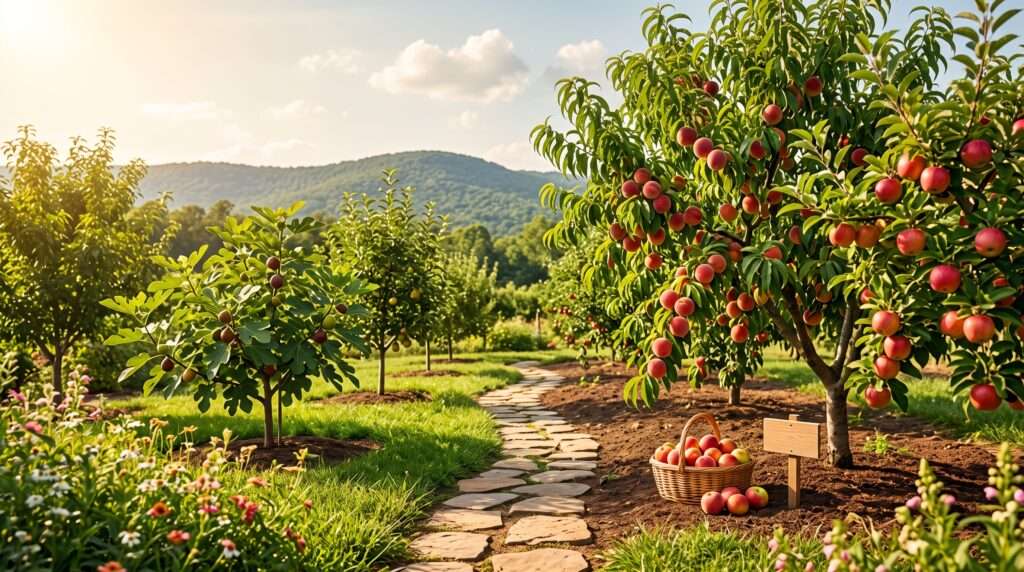
Imagine stepping out into your backyard on a warm July morning in the Natural State, reaching up, and pulling a sun-ripened, juicy peach or a crisp apple straight from the branch. For many home gardeners, this is the ultimate dream. But to turn that dream into a reality, you need the right foundation. That means discovering the best 10 fruit trees to grow in arkansas, carefully selected to match our specific and often unpredictable climate.
Growing fruit here isn’t as simple as dropping a seed in the dirt and hoping for the best. Arkansas presents a unique set of regional challenges. Between the unpredictable late spring frosts that can destroy early blooms, the suffocating high summer humidity, and the dense, heavy clay soil found throughout the Ozarks and Ouachitas, choosing the wrong tree is a recipe for frustration. Plant an incompatible variety, and you are looking at years of wasted time, endless battles with local diseases like fire blight, and a tree that ultimately yields zero fruit.
You don’t have to leave your backyard orchard to chance. We’ve done the heavy lifting to ensure your planting efforts are a success. We have rigorously cross-referenced agricultural data for Arkansas’s specific growing climates (USDA Hardiness Zones 6b–8a) with the highest-rated live plant listings on Amazon. The result is a scientifically backed, field-proven guide to the exact varieties equipped to thrive in this state.
Bottom Line Up Front: In a hurry to get your orchard started before the spring planting rush? Our #1 overall top pick for the state is the resilient, heavy-producing Elberta Peach Tree—Check Availability on Amazon. For the complete breakdown of the best 10 fruit trees to grow in arkansas, read our deep-dive reviews below.
2️⃣ Quick Decision Guide
3️⃣ Deep-Dive Reviews: The Best 10 Fruit Trees to Grow in Arkansas
1. The Elberta Peach Tree (Prunus persica)
-
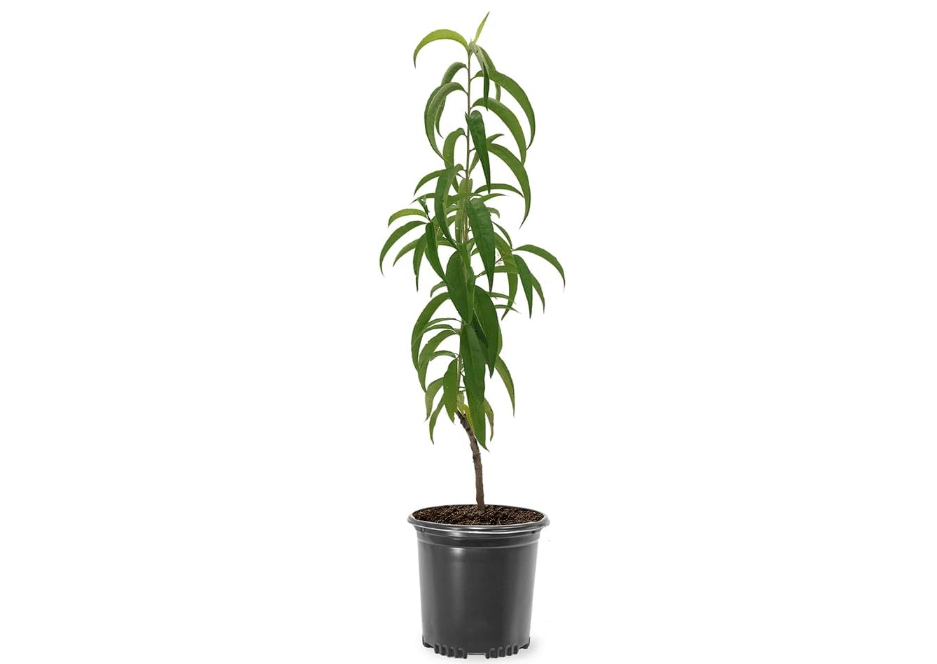
Product Description: Shipped as a grafted, bare-root or potted live plant, the Elberta Peach Tree is the undisputed gold standard for home orchards in the South. It produces massive, sweet, and incredibly juicy freestone peaches with a beautiful yellow-red blush.
-
Estimated Price: $38.99
-
Key Features & Benefits: Self-pollinating (requires only one tree to produce fruit), matures quickly, and requires roughly 850 chill hours to fruit. It boasts a vigorous growth habit and an expansive root system.
-
Pros & Cons:
-
Pros: Extremely high yield; handles Arkansas summer heat beautifully; no need to buy a second pollinator tree.
-
Cons: Susceptible to peach leaf curl and brown rot if a preventative dormant spray isn’t applied in late winter.
-
-
Amazon Ratings/Reviews: Averages 4.3 stars. Customers consistently highlight the excellent root health upon delivery and the careful, moisture-locking packaging used during shipping.
-
Why It’s a Good Choice for Arkansas: The Elberta’s requirement of 800-1000 chill hours perfectly aligns with the standard winter weather accumulated in most of Arkansas. Its robust nature allows it to bounce back from intense August heatwaves.
-
Ideal Use Case / Who Should Buy It: Homeowners wanting a classic, heavy-producing tree for summer baking, canning preserves, or simply eating fresh off the branch while standing in the yard.
2. Honeycrisp Apple Tree (Malus domestica)
-
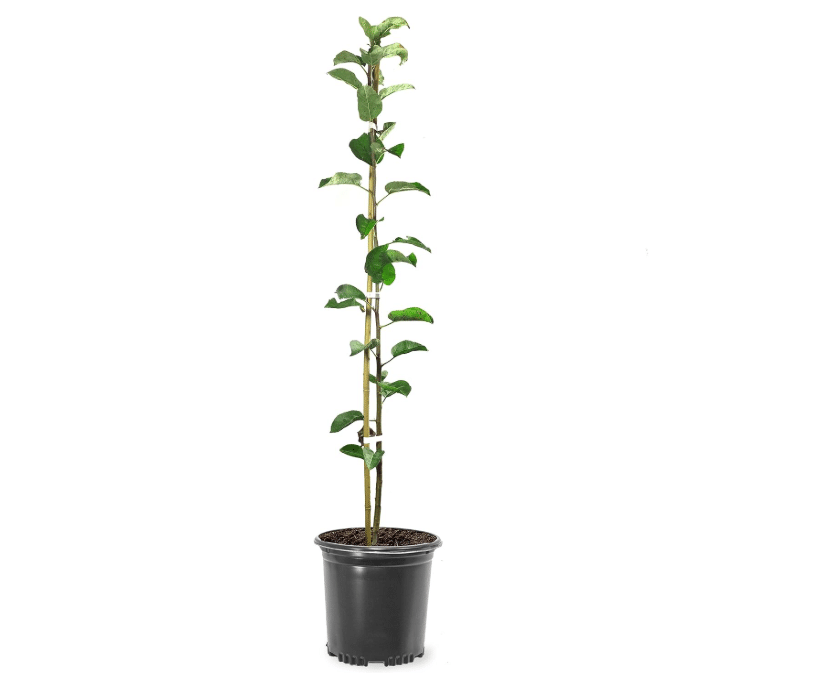
Product Description: A premium apple tree known worldwide for its explosive crunch and balanced sweet-tart flavor. These trees are typically shipped grafted onto dwarfing or semi-dwarfing rootstocks, making them manageable for backyard harvesting.
-
Estimated Price: $34.99
-
Key Features & Benefits: Highly cold-hardy, produces exceptionally crisp fruit that can store for months in the refrigerator without going mealy, and features beautiful white spring blossoms.
-
Pros & Cons:
-
Pros: Allows you to grow a premium, expensive grocery-store variety right at home; incredible shelf life.
-
Cons: Not self-fertile—requires a cross-pollinator (like a Gala, Fuji, or Granny Smith) planted nearby; needs supplemental watering during Arkansas summer droughts.
-
-
Amazon Ratings/Reviews: Averages 4.0+ stars. Buyers praise the tree’s rapid leaf-out post-planting, though some note it requires patience for the first harvest.
-
Why It’s a Good Choice for Arkansas: This tree thrives in the northern Arkansas and Ozark regions (Zones 6b/7a) where winters get cold enough to comfortably meet its 800-1000 chill hour requirement.
-
Ideal Use Case / Who Should Buy It: Families with enough yard space to plant at least two apple trees for cross-pollination who want top-tier, fresh-eating apples for school lunches.
3. Brown Turkey Fig Tree (Ficus carica)
-
Product Description: A fast-growing, highly adaptable fig tree that produces medium-to-large, bell-shaped fruit with brownish-purple skin and sweet, strawberry-colored flesh.

-
Estimated Price:
-
Key Features & Benefits: Self-fruitful, drought-tolerant once established, and incredibly forgiving of poor soil. It often produces a “breba” (early) crop in early summer and a main crop in late summer.
-
Pros & Cons:
-
Pros: Requires virtually no pruning; highly resistant to common pests; thrives on neglect.
-
Cons: Can suffer winter dieback in exceptionally harsh cold snaps (though it usually regrows vigorously from the roots in spring).
-
-
Amazon Ratings/Reviews: Averages 4.5 stars. Reviewers frequently comment on how fast these trees grow in their first year.
-
Why It’s a Good Choice for Arkansas: Highly heat-tolerant and resilient. It thrives in the intense, sticky summers of Central and Southern Arkansas (Zones 7b-8a) and handles the heavy clay soils better than most fruit trees.
-
Ideal Use Case / Who Should Buy It: The ultimate choice for beginner gardeners or those looking for a low-maintenance, high-reward fruit tree with an exotic flair.
4. Kieffer Pear Tree (Pyrus communis x P. pyrifolia)
-
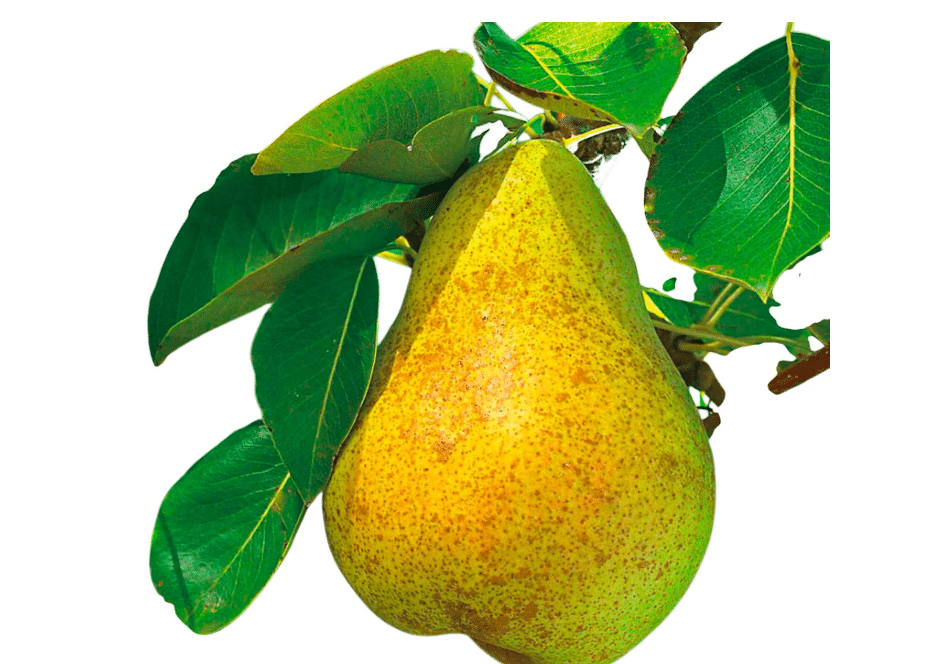
Product Description: A tough-as-nails hybrid pear tree that produces large, crisp, golden-yellow fruit. It’s a cross between a traditional European pear and an Asian pear, offering the best traits of both.
-
Estimated Price:
-
Key Features & Benefits: Phenomenal disease resistance, highly adaptable to various soil types, and produces fruit that is excellent for canning and preserves.
-
Pros & Cons:
-
Pros: Almost entirely immune to fire blight; can live and produce for decades with minimal care.
-
Cons: The fruit has a gritty texture when eaten straight off the tree (it requires a period of indoor ripening to soften).
-
-
Amazon Ratings/Reviews: Averages 4.4 stars. Buyers rave about the tree’s survivability and heavy fruit set, even in adverse conditions.
-
Why It’s a Good Choice for Arkansas: Fire blight is the number one killer of pear and apple trees in the humid, wet Arkansas spring. The Kieffer pear shrugs off this disease entirely, making it a reliable staple for Southern homesteads.
-
Ideal Use Case / Who Should Buy It: Gardeners who love canning, making pear honey, or baking, and those who want a long-living tree that doesn’t require constant chemical spraying.
5. Fuyu Persimmon Tree (Diospyros kaki)
-
Product Description: A gorgeous, ornamental-looking tree that produces brilliant orange, tomato-shaped fruit. The Fuyu is a non-astringent Asian persimmon, meaning it can be eaten crisp like an apple right off the branch.

-
Estimated Price:
-
Key Features & Benefits: Self-pollinating, late-blooming (avoids spring frosts), and boasts stunning red and orange foliage in the fall.
-
Pros & Cons:
-
Pros: Extremely low pest pressure; requires little to no pruning; delicious, sweet fruit.
-
Cons: Taproot system makes it difficult to transplant once established; trees are slightly more expensive to purchase.
-
-
Amazon Ratings/Reviews: Averages 4.6 stars. Customers love the aesthetic beauty of the tree and the unique, sweet flavor of the fruit.
-
Why It’s a Good Choice for Arkansas: It doesn’t require the harsh winter frosts that native American persimmons need to become sweet. It effortlessly handles the Arkansas heat and provides a late-season harvest when most other trees are done.
-
Ideal Use Case / Who Should Buy It: Homeowners looking for a dual-purpose tree that serves as a beautiful landscaping focal point while providing a bountiful autumn harvest.
6. Santa Rosa Plum Tree (Prunus salicina)
-
Product Description: The Santa Rosa is the premier Japanese plum variety, producing large, round fruit with deep purplish-red skin and vibrant amber flesh. It is widely considered the standard by which all other plums are judged for flavor.

-
Estimated Price:
-
Key Features & Benefits: Partially self-fertile, rapid grower, and produces a prolific harvest of sweet-tart plums early in the summer. Requires around 300 to 500 chill hours.
-
Pros & Cons:
-
Pros: Serves as an excellent universal pollinator for other Japanese plum varieties; outstanding balance of sweet and tart flavors.
-
Cons: Because it blooms early, unseasonable late spring frosts in Arkansas can occasionally threaten the blossoms.
-
-
Amazon Ratings/Reviews: Averages 4.2 stars. Customers frequently commend the thick caliper (trunk width) of the trees upon delivery.
-
Why It’s a Good Choice for Arkansas: It boasts excellent heat tolerance, ensuring the tree remains vigorous during scorching August afternoons in Zones 7a and 8a.
-
Ideal Use Case / Who Should Buy It: Gardeners who want a fast-growing stone fruit for fresh eating, jellies, and baking, and those looking to cross-pollinate other plum trees.
7. Montmorency Tart Cherry Tree (Prunus cerasus)
-
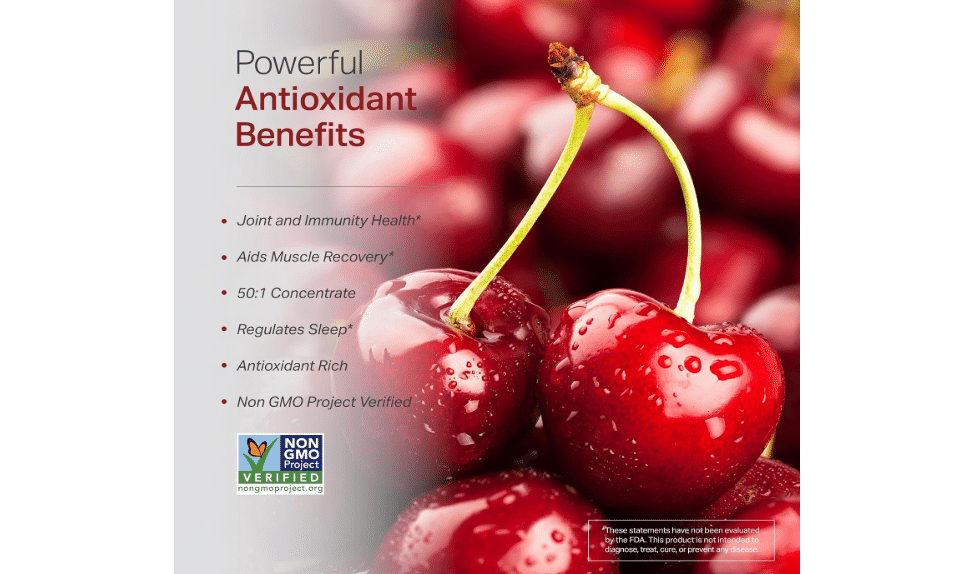
Product Description: The undisputed king of pie cherries. The Montmorency produces clusters of bright red, medium-to-large tart cherries packed with tangy flavor and antioxidants.
-
Estimated Price:
-
Key Features & Benefits: 100% self-fertile, highly productive, and naturally resistant to many of the fungal diseases that plague other stone fruits. Requires roughly 700 chill hours.
-
Pros & Cons:
-
Pros: Extremely reliable yields; far more disease-resistant than sweet cherry varieties.
-
Cons: Birds love them just as much as humans do—you will likely need to drape bird netting over the canopy as the fruit ripens.
-
-
Amazon Ratings/Reviews: Averages 4.3 stars. Reviewers are consistently impressed by how quickly the tree establishes itself and begins fruiting, often within the second year.
-
Why It’s a Good Choice for Arkansas: Sweet cherries notoriously fail in Arkansas due to the high heat and humidity causing the fruit to rot on the branch. Tart cherries like the Montmorency bypass this issue, thriving beautifully in the Ozark foothills and northern half of the state.
-
Ideal Use Case / Who Should Buy It: Home bakers, jam makers, and anyone living in the northern half of the state wanting a reliable, heavy-fruiting cherry tree.
8. American Pawpaw Tree (Asimina triloba)
-
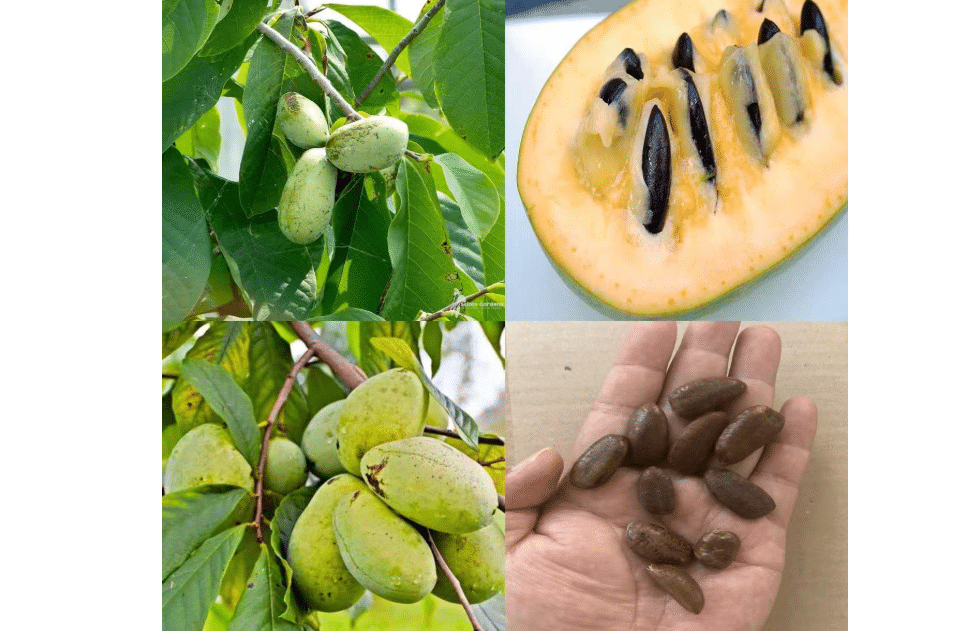
Product Description: A lush, tropical-looking tree with large, drooping green leaves. It produces the largest edible fruit native to North America, which tastes like a creamy blend of banana, mango, and cantaloupe.
-
Estimated Price:
-
Key Features & Benefits: Native to the region, highly shade-tolerant when young, and completely unbothered by deer and rabbits.
-
Pros & Cons:
-
Pros: Immune to virtually all common fruit tree pests; provides a unique tropical flavor you cannot buy in grocery stores.
-
Cons: Requires a genetically different Pawpaw tree for cross-pollination; young trees must be protected from intense direct sunlight for their first year.
-
-
Amazon Ratings/Reviews: Averages 4.1 stars. Buyers appreciate the robust taproots on delivered live plants and the detailed care instructions often included.
-
Why It’s a Good Choice for Arkansas: As a native Arkansas understory tree, it is perfectly adapted to the local climate, soil microbiome, and weather patterns. It thrives effortlessly in the wooded edges of Arkansas properties.
-
Ideal Use Case / Who Should Buy It: Permaculture enthusiasts, native plant advocates, and foodies looking for a highly unique, low-maintenance, pest-free fruit.
9. Celeste Fig Tree (Ficus carica)
-
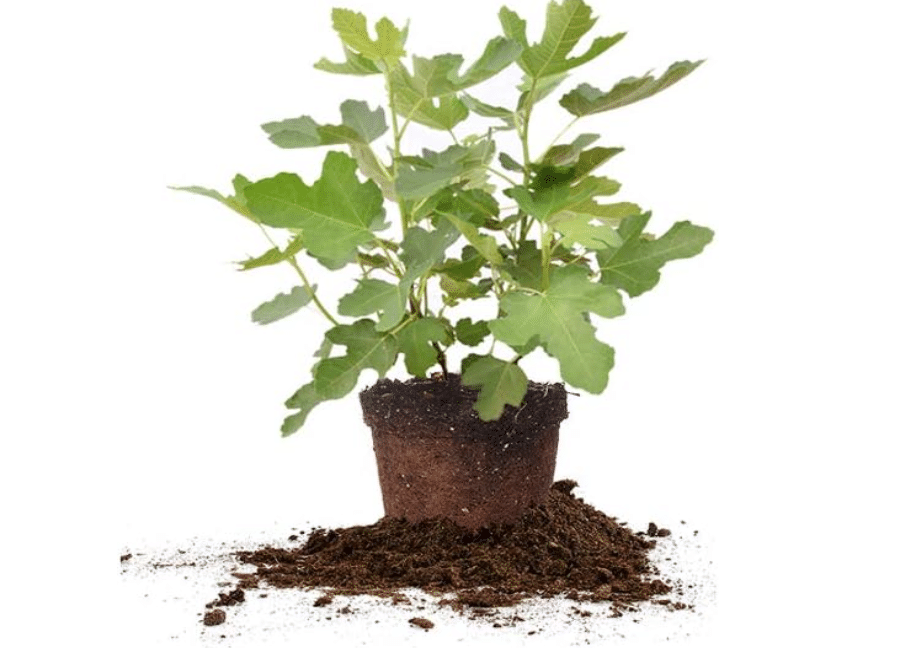
Product Description: Affectionately known throughout the South as the “Sugar Fig,” the Celeste produces small to medium-sized, purplish-brown figs with dense, incredibly sweet, rose-colored flesh.
-
Estimated Price:
-
Key Features & Benefits: Self-fruitful, highly heat-tolerant, and features a tightly closed “eye” at the base of the fruit.
-
Pros & Cons:
-
Pros: Exceptional sweetness; requires no pruning; highly resistant to pests.
-
Cons: The fruit is physically smaller than other popular varieties like the Brown Turkey.
-
-
Amazon Ratings/Reviews: Averages 4.4 stars. Reviewers frequently highlight the high survival rate of the shipped plants and their rapid foliage growth.
-
Why It’s a Good Choice for Arkansas: Arkansas humidity and summer rainstorms can cause open-eye figs to take on water and sour on the branch. The Celeste’s tightly closed eye completely prevents moisture and souring bugs from ruining your crop.
-
Ideal Use Case / Who Should Buy It: Southern Arkansas residents (Zone 8a) wanting a fail-proof, ultra-sweet fig ideal for making dried fruit or preserves.
10. Meyer Lemon Tree (Citrus × meyeri) – Best Container Fruit
-
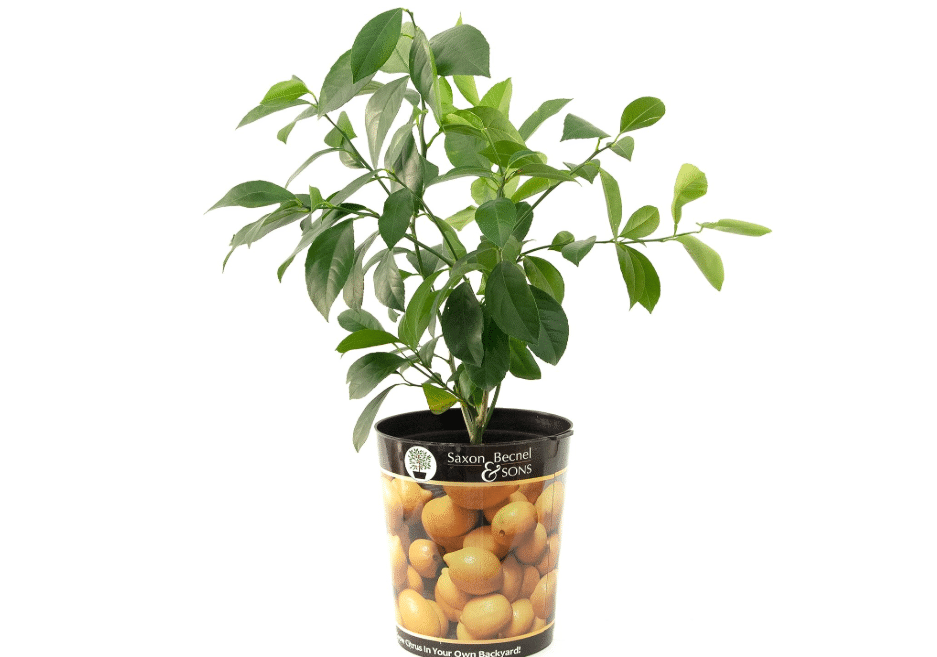
Product Description: A beautiful evergreen dwarf tree that produces incredibly fragrant white blossoms and thin-skinned, sweet-tart lemons (a natural cross between a standard lemon and a mandarin orange).
-
Estimated Price: $47.36
-
Key Features & Benefits: Self-pollinating, blooms continuously throughout the year, and perfectly sized for container gardening.
-
Pros & Cons:
-
Pros: The fruit is much sweeter and less acidic than grocery store lemons; the blossoms act as a natural air freshener for your patio or home.
-
Cons: Cannot survive freezing temperatures—must be overwintered indoors.
-
-
Amazon Ratings/Reviews: Averages 4.5 stars. Customers love the immediate aesthetic upgrade it provides to patios and the surprisingly high fruit yield for a potted tree.
-
Why It’s a Good Choice for Arkansas: Ground-planted citrus will die in an Arkansas winter. However, a Meyer Lemon thrives as a container plant. It basks in the intense Arkansas summer heat and humidity on your patio, and easily transitions indoors near a sunny south-facing window from November to March.
-
Ideal Use Case / Who Should Buy It: Patio gardeners, culinary enthusiasts, and anyone wanting to grow their own fresh citrus despite living outside the citrus belt.
4️⃣ The Buyer’s Guide: How to Choose a Fruit Tree for the Natural State
Selecting the right tree requires matching the biology of the plant to the specific environmental realities of your backyard.
-
Understand Your USDA Hardiness Zone: Arkansas is generally split into Zones 6b and 7a in the north (the Ozarks), 7b in the central region (Little Rock area), and 8a in the southern flatlands. Always ensure the tree you purchase on Amazon is rated for your specific zone.
-
The Importance of Chill Hours: Many fruit trees (like apples, peaches, and cherries) require a specific number of “chill hours” (hours between 32°F and 45°F during winter) to break dormancy and bloom. Arkansas averages 800 to 1,000 chill hours. Do not buy a high-chill apple tree (requiring 1,200+ hours) or a low-chill Florida peach (requiring 200 hours), as neither will synchronize with the Arkansas climate.
-
Soil Considerations and Red Clay: Arkansas is notorious for heavy, dense red clay that drains poorly. Most fruit trees will suffocate if their roots sit in standing water. When planting, dig a hole twice as wide as the root ball and amend the native soil with compost and pine bark fines to ensure proper drainage.
-
Pollination Requirements: Know what you are buying. Self-fruitful trees (peaches, figs, tart cherries) will produce fruit standing alone. Other trees (apples, pears, plums, pawpaws) strictly require a genetically different partner tree blooming at the same time to produce a harvest.
-
Disease Resistance is Mandatory: The hot, wet, humid Arkansas spring is a breeding ground for fungal and bacterial diseases. Prioritize varieties explicitly noted for resistance to Fire Blight (crucial for pears and apples), Cedar Apple Rust, and Brown Rot.
5️⃣ Frequently Asked Questions
What is the easiest fruit tree to grow in Arkansas? Figs (like the Brown Turkey or Celeste) and native American Persimmons are widely considered the easiest. They require almost no pruning, suffer from zero major pest issues, and thrive in the heavy clay soil and intense summer heat of Arkansas.
Can I grow a lemon tree in Arkansas? Yes, but only in a container. Because Arkansas experiences freezing winter temperatures, a lemon tree planted in the ground will not survive. Plant a dwarf Meyer Lemon in a large pot, keep it on your patio during the spring and summer, and bring it indoors before the first frost in November.
When is the best time to plant fruit trees in Arkansas? The optimal window is late winter to early spring (mid-February through March). Planting while the tree is still dormant allows the root system to establish itself in the warming soil before the tree expends energy pushing out spring foliage and battling the intense summer heat.
6️⃣ Final Verdict
Building a thriving home orchard in the Natural State comes down to selecting proven, climate-adapted varieties. If you want the most reliable, heavy-producing cornerstone for your yard, the Elberta Peach Tree remains the undisputed Best Overall choice. For those in the northern half of the state looking for premium fresh eating, the Honeycrisp Apple Tree is unmatched in flavor and cold hardiness. Finally, if you want a zero-maintenance, highly rewarding crop that shrugs off the brutal summer humidity, the Brown Turkey Fig Tree is the ideal low-maintenance selection.