Charleston’s postcard-perfect charm, historic architecture, and coastal breezes make it a dream place to live. But when it comes to landscaping, the reality of sweltering summer heat, oppressive humidity, and sandy coastal soils makes growing a pristine, lush lawn a massive challenge for local homeowners. If you are desperately searching for the best 10 grass for charleston sc, you already know that a generic bag of seed from a big-box store simply won’t survive our unique Lowcountry climate.
Trying to grow traditional cool-season grasses here is a recipe for a dead, scorched yard by the time July rolls around. Yet, even if you pivot to warm-season grasses, choosing the wrong specific variety can lead to a patchy, weed-infested nightmare. The wrong choice traps you in an endless cycle of constant watering, expensive fertilizers, and heavy chemical intervention just to keep your yard on life support.
II. Buying Guide: How to Choose the Right Grass for the Lowcountry
Selecting the right turfgrass is a long-term investment. Here is what you need to consider before making a purchase:
-
Understanding Zone 8b/9a: Charleston sits squarely in a transitional coastal zone where warm-season grasses reign supreme. Planting time is critical—these grasses need soil temperatures above 70°F to establish, making late spring (May through June) the optimal planting window.
-
Seed vs. Plugs: Premium, highly desirable grasses like St. Augustine do not produce commercially viable seeds and must be planted via live plugs or sod. Bermuda, Zoysia, and Centipede offer the economical advantage of being growable from seed, though they require patience and diligent watering during germination.
-
The Salt Factor: If you live on James Island, Mount Pleasant, or the Isle of Palms, salt spray and soil salinity are major factors. St. Augustine and Zoysia offer moderate to excellent salt tolerance, whereas Centipede struggles in highly saline environments.
-
Decision Framework: Match the grass to your lifestyle. Need a high-traffic lawn for dogs and kids? Bermuda is your workhorse. Dealing with live oak shade? St. Augustine is the most shade-tolerant. Want a low-maintenance, “lazy man’s” lawn? Go with Centipede.
Before diving into the products, use this interactive comparison to explore how different grasses meet your specific yard conditions:
III. The Quick Comparison
Use this quick-reference table to narrow down your top choices before diving into the detailed reviews below.
IV. Detailed Product Comparison & Reviews (The Top 10)
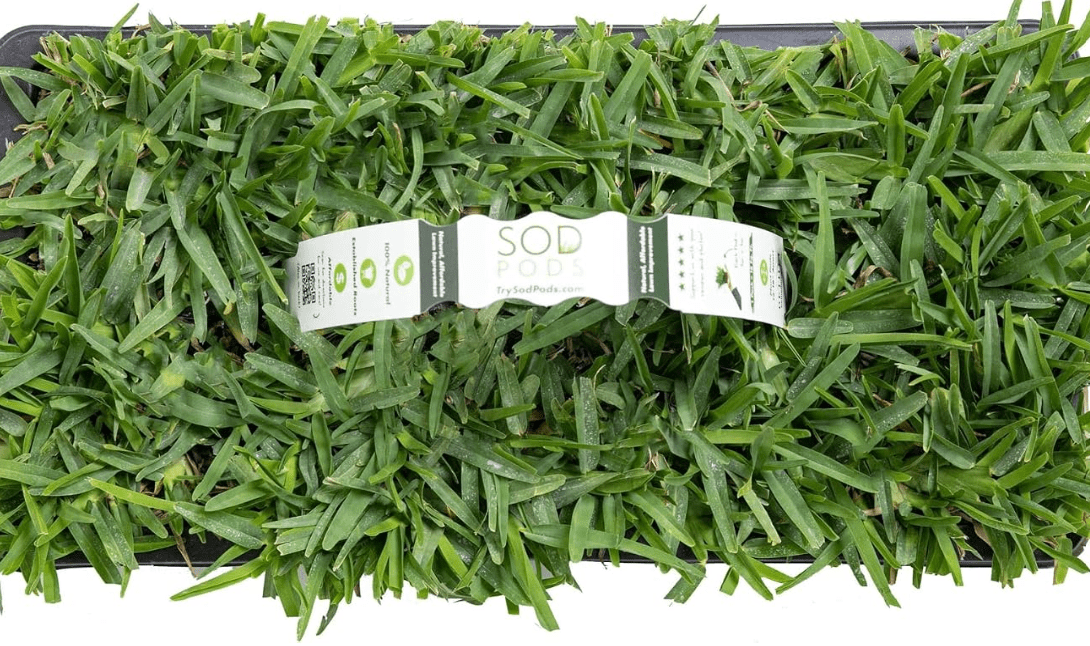
1. Bethel Farms SodPods Palmetto St. Augustine Grass Plugs
Product Description: Live, deeply rooted plugs of the Palmetto St. Augustine cultivar. They arrive in protective trays, ready to be planted directly into your soil to rapidly spread and form a lush, emerald-green carpet.
-
Price: $109.98
-
Key Features & Benefits: Features broad, luxurious blades. It possesses exceptional heat and shade tolerance and spreads via aggressive above-ground runners (stolons) to naturally choke out weeds.
-
Pros and Cons:
-
Pros: The undisputed king of shade tolerance for warm-season grasses; establishes a thick, barefoot-friendly carpet; fantastic cold/frost tolerance for a Southern grass.
-
Cons: Higher upfront cost compared to seed; requires consistent daily watering until roots establish.
-
-
Amazon Ratings/Reviews: Averages 4.0–4.5 stars. Buyers consistently praise the root health upon delivery, though a few note that shipping during peak August heat can stress the plants.
-
Why it’s a good choice for Charleston, SC: Palmetto was practically made for the Lowcountry. It handles the dappled shade of grand oak trees better than Bermuda or Centipede, and it tolerates coastal salt spray.
-
Ideal Use Case: Homeowners with mixed sun-and-shade yards looking to establish a premium, classic Southern lawn.
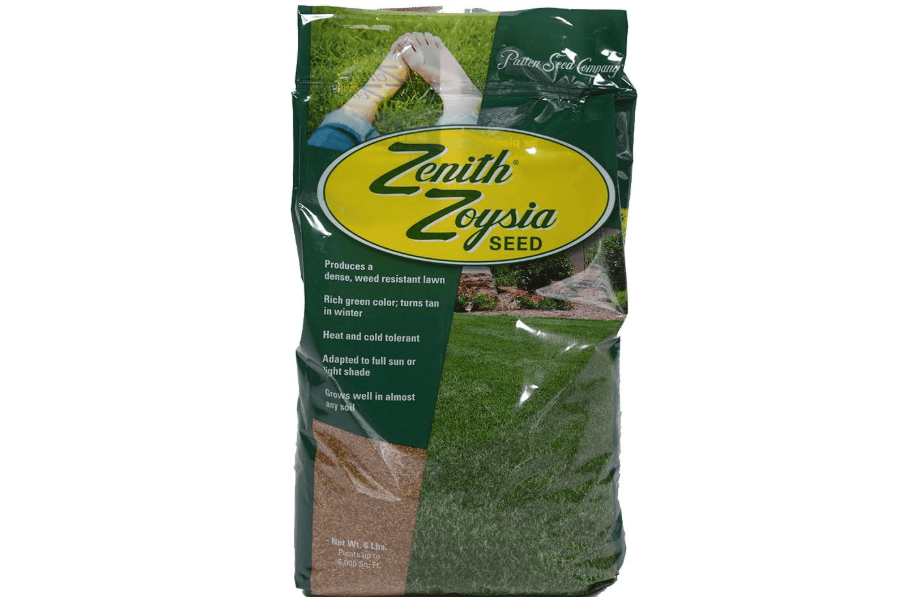
2. Zenith Zoysia Grass Seed (by Seed Ranch)
Product Description: A premium, 100% pure Zenith Zoysia seed blend. Once established, Zoysia creates an incredibly dense, medium-bladed turf that looks and feels like a golf course fairway.
-
Price: $577.70
-
Key Features & Benefits: Unmatched barefoot-soft texture. It boasts a deep root system that makes it highly drought-tolerant, and its sheer density acts as a natural weed barrier.
-
Pros and Cons:
-
Pros: Incredible drought and cold resistance; spreads to heal damaged spots; requires much less frequent mowing than Bermuda.
-
Cons: Extremely slow to germinate and establish (can take an entire season to fill in); seed is expensive.
-
-
Amazon Ratings/Reviews: 4.2 stars. Users absolutely love the final result but frequently caution new buyers to have immense patience during the 3-to-4-week germination phase.
-
Why it’s a good choice for Charleston, SC: Zoysia handles Charleston’s blistering heat and dry spells effortlessly while providing a luxurious texture and tolerating partial shade.
-
Ideal Use Case: Patient homeowners who want a luxury, premium-grade lawn from seed and are willing to baby the soil during establishment.
3. Scotts Turf Builder Grass Seed Bermudagrass
Product Description: A highly refined Bermuda seed blend featuring Scotts’ proprietary WaterSmart PLUS coating, which helps the seed absorb twice as much water as uncoated seed.

-
Price: $21.40
-
Key Features & Benefits: Engineered for rapid germination and aggressive spreading. It is highly wear-resistant and thrives in the most punishing, direct sunlight.
-
Pros and Cons:
-
Pros: Extremely fast to establish; repairs itself quickly from pet or foot traffic damage; very affordable.
-
Cons: Highly invasive (it will creep into your flower beds); zero shade tolerance (will thin out and die under trees).
-
-
Amazon Ratings/Reviews: 4.3 stars. Highly rated for its explosive speed of growth. Most negative reviews come from buyers who mistakenly planted it in shaded areas.
-
Why it’s a good choice for Charleston, SC: Bermuda loves the blazing South Carolina sun and sandy soils. It is the ultimate survivor in unshaded, punishing heat.
-
Ideal Use Case: Active families with kids, dog owners, and those with wide-open, full-sun yards.
4. Pennington Smart Seed Centipede Grass Seed and Mulch
Product Description: A smart, pre-mixed blend of Centipede seed and biodegradable mulch. The mulch protects the seed from washing away and retains vital moisture during the vulnerable germination phase.

-
Price: $38.99
-
Key Features & Benefits: Centipede is known across the South as the “lazy man’s grass”. It requires very little fertilizer, grows slowly, and naturally prefers acidic soils.
-
Pros and Cons:
-
Pros: Extremely low maintenance; requires very little nitrogen fertilizer; perfect for sandy, acidic coastal soils.
-
Cons: Very sensitive to over-fertilization; poor traffic tolerance (not great for heavy play areas).
-
-
Amazon Ratings/Reviews: 4.1 stars. Users appreciate the hands-off maintenance aspect once established but note it takes a full summer to look its best.
-
Why it’s a good choice for Charleston, SC: Charleston soils are often naturally sandy and acidic, which Centipede prefers.
-
Ideal Use Case: The hands-off homeowner who wants a reliable green lawn without spending every Saturday mowing, fertilizing, and edge-trimming.
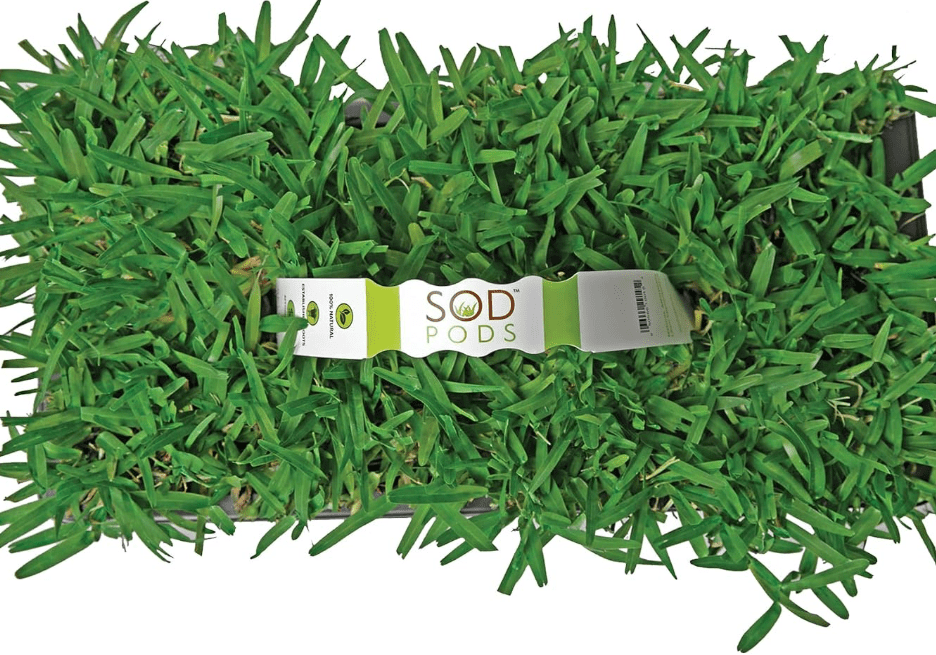
5. Bethel Farms SodPods Seville St. Augustine Grass Plugs
Product Description: Live plugs of the Seville cultivar of St. Augustine. Seville is known for its dwarf, compact growth habit and a striking, dark green/blue hue.
-
Price: $109.98
-
Key Features & Benefits: Features excellent salt tolerance and handles high heat effortlessly. As a semi-dwarf variety, it requires less vertical mowing than standard St. Augustine.
-
Pros and Cons:
-
Pros: Fantastic for coastal proximity; rich, dark color; excellent shade tolerance.
-
Cons: Susceptible to chinch bugs (a common Southern pest); requires consistent irrigation during the first month.
-
-
Amazon Ratings/Reviews: 4.0 stars. Praised for its rich color, though some users recommend having an insecticide ready to protect the new, tender plugs.
-
Why it’s a good choice for Charleston, SC: Its excellent salt tolerance makes it perfect for homes directly on the coast or islands catching regular sea breezes.
-
Ideal Use Case: Coastal property owners looking for a plush, dark green lawn with moderate shade.
6. Scotts Turf Builder Centipede Grass Seed and Mulch
1. Product Description: This blend pairs Centipede seed with a proprietary mulch coating designed to hold essential moisture close to the seed. It thrives in the sandy, acidic soils typical of the region and slowly forms a dense, apple-green lawn.

-
2. Price: $44.99
-
3. Key Features & Benefits: Naturally disease-resistant, requires very few soil nutrients, and the built-in mulch layer protects fragile young seeds from drying out in the baking sun.
-
4. Pros and Cons:
-
Pros: Coating drastically improves germination rates in dry, sandy soil; low mowing requirements; very fertilizer-efficient.
-
Cons: Slow spreading rate; does not recover well from heavy foot traffic.
-
-
5. Amazon Ratings/Reviews: 4.2 stars. Reviewers highlight how the coating saves them from having to water three times a day, though some note the slow initial growth rate.
-
6. Why it’s a good choice for Charleston, SC: The moisture-retaining coating is a lifesaver during Charleston’s intense late-spring planting season, preventing seeds from scorching before they can root.
-
7. Ideal Use Case: Budget-conscious homeowners with large, sunny, naturally acidic lots who want a decent-looking lawn without hiring a professional service.
7. Outsidepride Argentine Bahiagrass Seed
1. Product Description: Bahiagrass is the ultimate survivor. This deep-rooted warm-season grass thrives where other more delicate grasses fail. The Argentine variety features wider leaves and a darker green color than the standard Pensacola Bahia, making it more suitable for residential lawns.
-
2. Price: $49.99
-
3. Key Features & Benefits: Unmatched drought tolerance, incredibly deep root system, and thrives in poor, nutrient-depleted sandy soils without the need for an irrigation system.
-
4. Pros and Cons:
-
Pros: Will grow in almost pure sand; requires almost zero watering once established; highly disease resistant.
-
Cons: Produces tall, unsightly V-shaped seed heads that require frequent mowing in mid-summer; coarse texture.
-
-
5. Amazon Ratings/Reviews: 3.9 to 4.2 stars. Valued for its utility and high germination rate, though buyers readily admit it is more about survival and soil stabilization than aesthetics.
-
6. Why it’s a good choice for Charleston, SC: Perfect for the sandy, rural outskirts of Charleston, Johns Island, or Wadmalaw where installing a full irrigation system isn’t viable.
-
7. Ideal Use Case: Large properties, acreage, or homeowners prioritizing soil stabilization and drought survival over a manicured look.
8. Pennington Smart Texas Bermuda Grass Seed
1. Product Description: Do not let the “Texas” name fool you—this premium Bermuda blend is optimized for maximum heat tolerance and fast establishment across the entire humid South.

-
2. Price: $29.99
-
3. Key Features & Benefits: Bred for superior drought resistance, this seed requires up to 30% less water than standard Bermuda varieties while offering incredibly high wear tolerance.
-
4. Pros and Cons:
-
Pros: Establishes a thick turf rapidly; holds up beautifully to rough play and large dogs; highly drought tolerant.
-
Cons: Demands 8+ hours of direct sunlight; goes completely dormant and turns brown after the first winter frost.
-
-
5. Amazon Ratings/Reviews: 4.4 stars. Widely praised by homeowners for its ability to fill in bare dirt patches in just a few weeks.
-
6. Why it’s a good choice for Charleston, SC: It handles 95-degree August days without flinching and rapidly repairs damage caused by summer thunderstorms or heavy yard use.
-
7. Ideal Use Case: Southern homeowners with completely open, unshaded yards looking for a durable, sports-turf feel.
9. Seed Ranch Zoysia Japonica Seed (Bulk)
1. Product Description: A raw, uncoated Zoysia Japonica seed intended for broadcast spreading over large areas. This is the bulk approach to achieving a luxury Zoysia lawn.

-
2. Price:
-
3. Key Features & Benefits: Creates a thick, weed-choking carpet, features excellent cold tolerance for a warm-season grass, and handles medium shade better than Bermuda.
-
4. Pros and Cons:
-
Pros: Great value for large lawns; excellent wear tolerance; incredibly soft underfoot.
-
Cons: Raw seed requires precise, consistent watering to avoid drying out; very slow establishment process.
-
-
5. Amazon Ratings/Reviews: 4.0 stars. Users note it requires diligent soil prep and watering, but emphasize that the second-year results are spectacular.
-
6. Why it’s a good choice for Charleston, SC: Zoysia’s slight cold tolerance keeps it greener a bit longer into the mild Charleston winters, providing a longer visual growing season than Bermuda.
-
7. Ideal Use Case: Experienced DIYers seeding a large area who have the time and irrigation setup to commit to a strict watering schedule during germination.
10. Hancock Seed Co. Centipede Seed
1. Product Description: Premium Centipede seed sourced directly from a reputable Southern seed farm. The coated version enhances moisture retention for faster, healthier establishment in poor soils.

-
2. Price: $1,012.99
-
3. Key Features & Benefits: Naturally adapts to low-fertility soils, requires minimal mowing, and features a creeping growth habit that slowly fills in bare spots.
-
4. Pros and Cons:
-
Pros: High coverage rate per pound; farm-direct quality; thrives in poor, sandy soil with very little chemical treatment.
-
Cons: Takes time to spread and fully establish; vulnerable to heavy foot traffic.
-
-
5. Amazon Ratings/Reviews: 4.4 stars. Highly praised for its purity, secure packaging, and excellent germination rate when planted at the correct depth.
-
6. Why it’s a good choice for Charleston, SC: A localized, farm-direct seed that works perfectly with the natural, un-amended, acidic soils of the SC coastal plain.
-
7. Ideal Use Case: Homeowners establishing a massive front or back yard on a budget, provided they do not need the lawn to withstand heavy athletic use.
IV. How to Plant and Maintain Your Lawn in the Lowcountry (Expert Tips)
Successfully growing the best 10 grass for charleston sc requires matching your planting strategy to the coastal environment.
Timing is Everything
Cool-season rules do not apply here. Do not plant warm-season grass seed in early spring. You must wait until late May or early June when soil temperatures consistently hit 70°F or higher. Planting too early leaves seed dormant and vulnerable to rot or birds.
Soil Preparation
Charleston soils are notoriously sandy, meaning water drains right through them. Before planting seed or plugs, aerate the area and top-dress it with a ¼-inch layer of organic compost or peat moss. This vital step helps the sandy soil retain enough moisture to support shallow, newly germinated roots.
Watering Regimen
The transition is key. During germination (Weeks 1-3), water frequently and shallowly—up to 2-3 times a day for just 5-10 minutes to keep the seedbed moist. Once the grass is established and you’ve mowed it twice, transition to deep, infrequent watering (1 inch of water once a week). This forces the roots to grow deep into the soil, building crucial drought tolerance.
Pest & Weed Defense
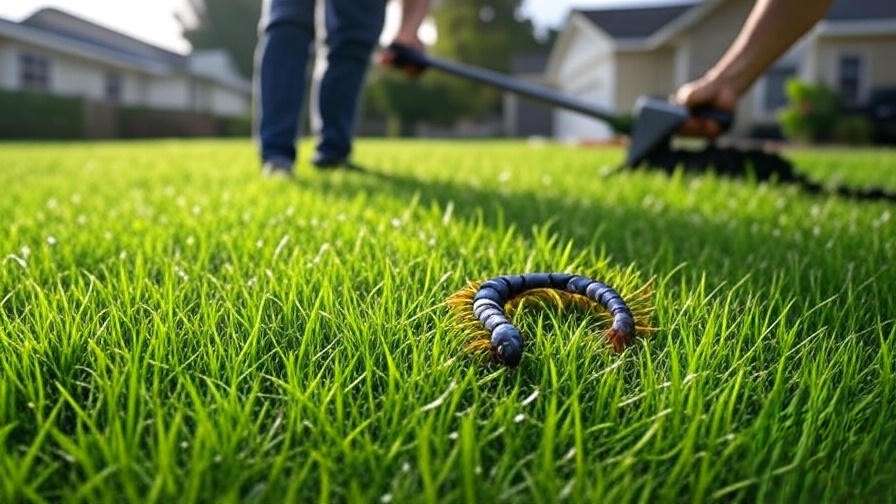
The humid Southern climate is a breeding ground for lawn pests. Keep an eye out for Mole Crickets (which tunnel and uproot young seedlings) and Chinch Bugs (which suck the moisture out of St. Augustine grass, leaving circular dead patches). Apply a preventative granular insecticide in early summer, and use a pre-emergent herbicide in February to stop crabgrass before it sprouts.
V. Conclusion & Top Recommendations
There is no single “perfect” grass—the right choice depends entirely on your yard’s sun exposure, your soil, and your lifestyle.
-
Best Overall for Shade & Looks: If you have grand oak trees or want a lush, premium look, invest in the Bethel Farms Palmetto St. Augustine Plugs.
-
Best for High Traffic & Full Sun: If you have active kids, dogs, and zero shade, the Scotts Turf Builder Bermudagrass will establish the fastest and take the most abuse.
-
Best for Low Maintenance: If you want a green yard with minimal effort and you have sandy, acidic soil, choose the Pennington Smart Seed Centipede.
Take a quick walk around your yard at noon to assess your shade levels, check your irrigation setup, and click the links above to grab your seed or plugs while they are in stock for the summer planting season.