Centipede grass is famously known as the “lazy man’s grass” because of its low-maintenance appeal. However, its shallow roots, poor shade tolerance, and long winter dormancy often leave homeowners staring at a patchy, yellowing, or weed-filled yard. If you want to fix those bare spots and achieve year-round color, you are likely looking for the best 10 grass to mix with centipede.
Finding a compatible companion seed is a major challenge for lawn care DIYers. Because centipede thrives in acidic soil and requires very low nitrogen, choosing the wrong grass type can spark aggressive competition for nutrients, eventually choking out and killing your existing lawn.
The secret to a flawless turf without destroying your current foundation is strategic overseeding. By carefully matching your centipede with the right shade-tolerant, high-traffic, or winter-hardy companion seeds, you can bridge the gaps where centipede naturally struggles. In this guide, we break down the top-performing seeds on the market based on real-world results. By the end of this article, you will know exactly which blend to choose to achieve a lush, resilient, and continuously green yard.
II. Buying Guide: How to Make the Right Choice for Your Lawn
Before you tear open a bag of seed, it is critical to understand why you are mixing a new grass type into your existing lawn and what factors will determine its success.
Why Mix Grasses with Centipede?
-
Solving the Shade Problem: Centipede grass simply will not grow in heavy shade. If you have large oak trees or structural shadows from your home, companion seeds like Tall Fescue are necessary to fill in the bare dirt.
-
Winter Color Solutions: In late fall, centipede goes completely dormant, turning a brittle brown. Overseeding with a temporary cool-season grass like Annual or Perennial Ryegrass provides a vibrant green lawn through the winter holidays.
-
Fixing Durability Issues: Centipede is fragile and does not recover well from heavy foot traffic or pets. Mixing in a tougher grass like Zoysia can reinforce high-traffic zones.
Crucial Compatibility Factors
-
Soil pH: Centipede prefers highly acidic soil (pH 5.0–6.0). You must choose companion seeds that will not just survive, but thrive, in acidic conditions without demanding loads of lime.
-
Maintenance Overlap: Centipede hates heavy nitrogen fertilizer. Your companion grass needs to be a low-nitrogen, low-maintenance variety. Furthermore, you need a grass that shares a similar mowing height (around 1.5 to 2 inches) so your yard looks uniform.
III. At a Glance: Top Grass Seed Comparison
Use this quick-reference table to find the perfect companion seed for your specific lawn problem.
| Product Name | Best Feature for Centipede | Est. Price Range |
| Pennington Smart Seed Sun & Shade | Best for repairing heavy shade areas | $60.73 |
| Scotts Turf Builder Zoysia | Best for high-traffic and dog damage | $42.46 |
| Pennington Smart Perennial Ryegrass | Best for instant winter green color | $13.57 |
| Scotts Sun & Shade Mix | Best for unpredictable sunlight patterns | |
| Pennington TifBlair Centipede | Best for thickening existing sparse turf | $267.77 |
| Scotts Turf Builder Bermudagrass | Best for aggressive summer repair | $21.40 |
| Sunday Fescue Rescue | Best eco-friendly shade alternative | $28.47 |
| Outsidepride Zenith Zoysia | Best premium transition-zone grass | |
| Gulf Kist Seed Co. Centipede | Best raw seed for lawn purists | $189.99 |
| Barenbrug Annual Ryegrass | Best temporary winter grass |
IV. Detailed Reviews: The Best 10 Grass to Mix with Centipede
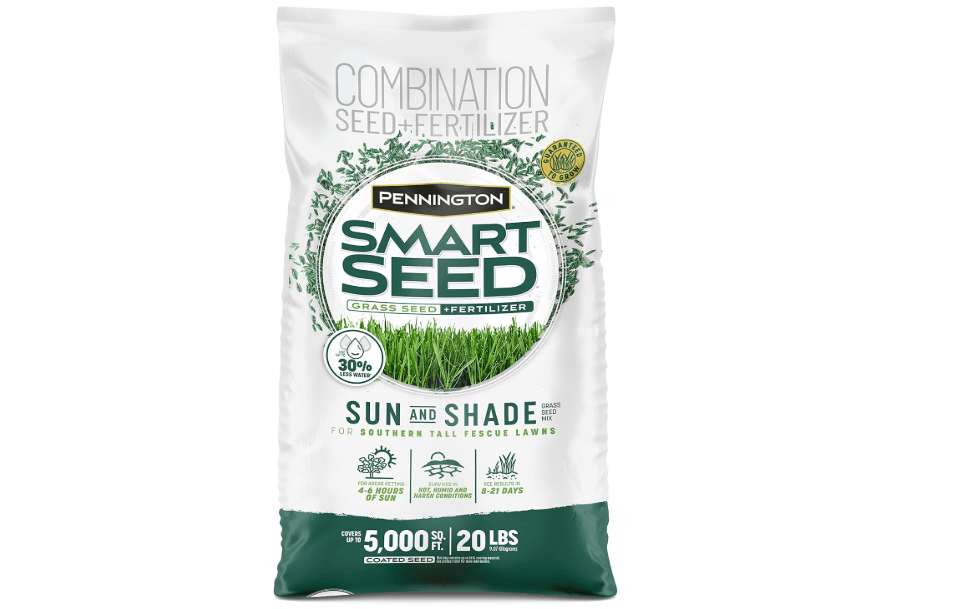
1. Pennington Smart Seed Sun and Shade Tall Fescue
-
Product Description: Pennington’s Sun and Shade mix is a premium blend of tall fescue, perennial ryegrass, and Kentucky bluegrass designed specifically to survive harsh, humid southern conditions. It features Pennington’s proprietary fertilizer-enhanced seed coating that speeds up establishment and protects against fungal disease.
-
Price: $60.73
-
Key Features & Benefits: This mix is engineered for superior drought tolerance. Once established, the purebred Smart Seed requires up to 30% less water year after year compared to ordinary grass seed. It germinates in 8 to 21 days and thrives on just 4 to 6 hours of filtered sunlight.
-
Pros and Cons:
-
Pros: Incredible shade tolerance; highly adaptable to heat and humidity; water-saving genetics.
-
Cons: Fescue grows faster in the spring than centipede, meaning you may have to mow those shaded patches more frequently than the rest of the yard.
-
-
Amazon Ratings & Reviews: Averaging 4.4/5 stars. Reviewers consistently praise its rapid germination rate in transitional zones and its ability to finally grow grass under stubborn shade trees where everything else has failed.
-
Why it’s a good choice for Centipede: Centipede naturally recedes and dies as shade trees mature. This fescue blend fills those shaded voids perfectly without aggressively spreading into the sunny areas where your centipede thrives.
-
Ideal Use Case: Homeowners dealing with heavy shade from mature trees (like large oaks or pines) or transitional climate zones where the sun exposure varies dramatically across the yard.
2. Scotts Turf Builder Zoysia Grass Seed and Mulch
-
Product Description: This product takes the guesswork out of planting one of the toughest grasses on the market. Scotts has combined premium Zoysia seed with a protective mulch coating and a starter fertilizer designed to keep the seeds moist and fed during their critical establishment phase.

-
Price: $42.46
-
Key Features & Benefits: Rated at 99.9% weed-free, this mix produces a medium-bladed turf with extreme heat and drought tolerance. The mulch coating absorbs and holds water right next to the seed, protecting it from drying out in the intense southern sun.
-
Pros and Cons:
-
Pros: Extremely durable against wear and tear; dense growth habit naturally chokes out weeds.
-
Cons: Zoysia is notoriously slow to germinate (often taking 14–21 days) and requires patience compared to faster-growing fescues.
-
-
Amazon Ratings & Reviews: Averaging 4.1/5 stars. Users highlight its incredible survivability during deep southern heat waves, though a few note you must strictly follow the daily watering schedule for it to sprout successfully.
-
Why it’s a good choice for Centipede: Zoysia matches centipede’s love for hot weather and its spreading growth habit, but it adds a dense, incredibly durable turf layer that can withstand the physical abuse that brittle centipede cannot.
-
Ideal Use Case: Families with active children, large dogs, or high-traffic pathways that are constantly tearing up the existing centipede grass.
3. Pennington Smart Seed Perennial Ryegrass
-
Product Description: If you are tired of looking at a dead-brown yard from November to March, this premium cool-season ryegrass is the answer. It is designed for rapid germination, producing a fine-bladed, lush green texture right as your warm-season grass goes to sleep.

-
Price: $13.57.
-
Key Features & Benefits: Germinates incredibly fast—often in just 7 to 14 days. It is disease-resistant, holds up exceptionally well under foot traffic, and uses up to 30% less water than standard seed thanks to Pennington’s Smart Seed technology.
-
Pros and Cons:
-
Pros: Provides instant, beautiful winter greenery; very inexpensive way to boost curb appeal.
-
Cons: Because it is a perennial in cooler climates, if you live in the upper transition zone, it may try to survive into the summer and compete with your centipede.
-
-
Amazon Ratings & Reviews: Averaging 4.5/5 stars. Buyers love how quickly it transforms dormant lawns and rave about its rich, dark green color even after deep winter frosts.
-
Why it’s a good choice for Centipede: It serves as the ultimate temporary winter companion. It thrives in the cold while your centipede sleeps, keeping the lawn beautiful, and then naturally dies off or recedes in the severe summer heat, returning the yard back to the centipede.
-
Ideal Use Case: Anyone hosting winter holidays, looking to sell their home in the off-season, or who simply hates looking at dormant, brown centipede grass all winter.
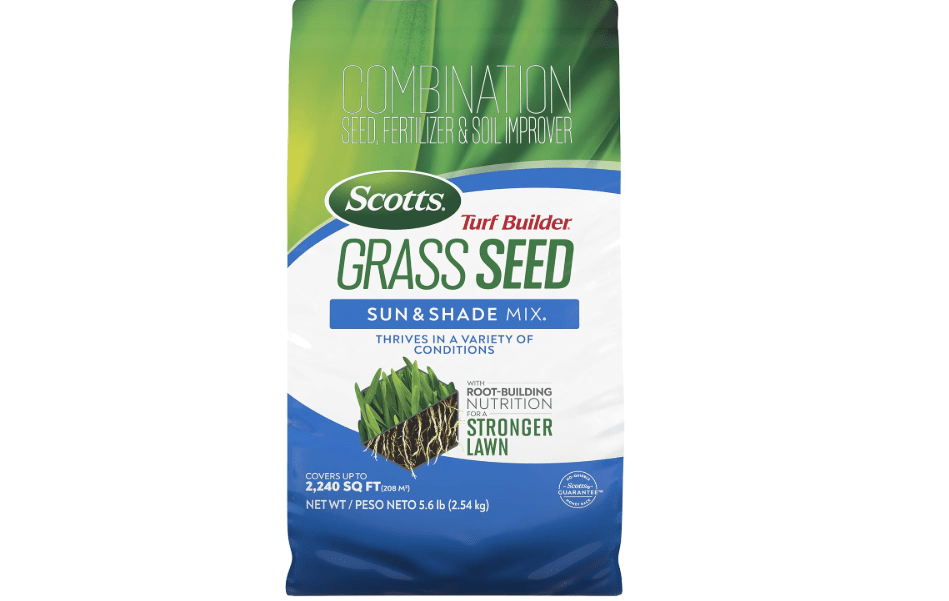
4. Scotts Turf Builder Grass Seed Sun & Shade Mix
-
Product Description: This is Scotts’ most versatile seed mix, containing a proprietary blend of Bluegrass, Fescue, and Ryegrass. It features Scotts’ exclusive WaterSmart Plus coating technology, which absorbs twice as much water as uncoated seed.
-
Price:
-
Key Features & Benefits: The specialized coating not only holds moisture against the seed but also feeds it with essential nutrients to jumpstart growth while protecting the vulnerable sprouts from common lawn diseases.
-
Pros and Cons:
-
Pros: Nearly foolproof germination rates; highly adaptable to shifting light conditions throughout the day.
-
Cons: The bluegrass component occasionally requires slightly more nitrogen than centipede prefers, meaning you have to be careful not to over-fertilize the patch.
-
-
Amazon Ratings & Reviews: Averaging 4.4/5 stars. Thousands of positive reviews point to how reliable this seed is, even for beginners who have struggled to grow grass in the past.
-
Why it’s a good choice for Centipede: It provides a safety net for yards with highly variable and unpredictable sunlight patterns where you aren’t sure if a dedicated shade or sun grass will survive.
-
Ideal Use Case: Yards with a complex mix of dappled shade from small trees, full sun spots, and heavy structural shadows from fences or the house.
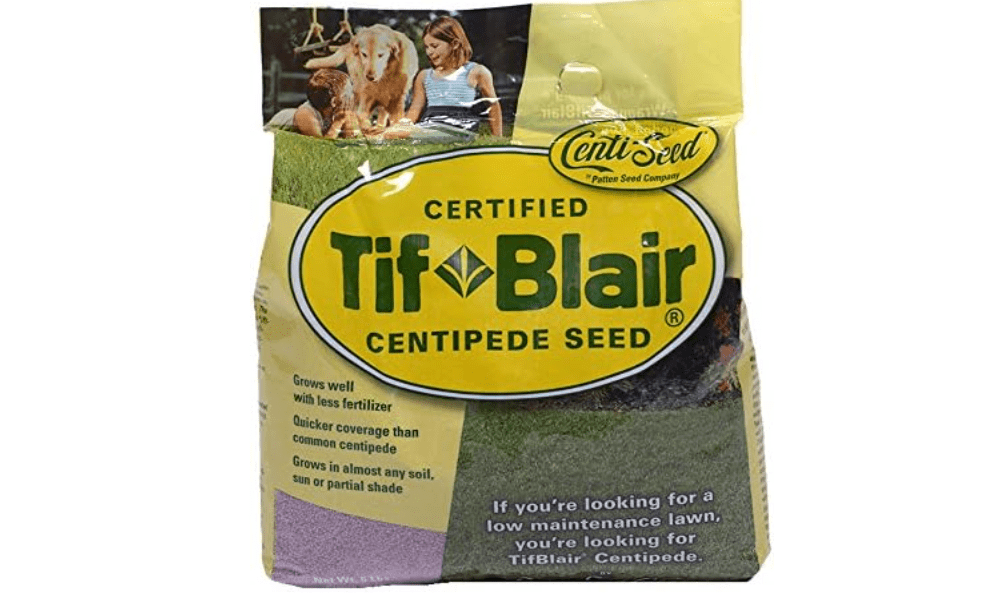
5. Pennington TifBlair Centipede Grass Seed
-
Product Description: Sometimes, the best grass to mix with a struggling centipede lawn is simply more, higher-quality centipede. Pennington’s TifBlair is a certified, patented variety known for being one of the most cold-tolerant centipede strains available.
-
Price: $267.77
-
Key Features & Benefits: Features a deep root system bred for both cold tolerance and extreme low-maintenance. It grows slowly and dense, meaning less mowing for you (only 1 to 2 inches in height) and excellent natural weed resistance.
-
Pros and Cons:
-
Pros: A perfect genetic match for your existing lawn; guarantees a uniform texture and color.
-
Cons: Very slow to germinate and establish; it can take up to 30 days just to see sprouts.
-
-
Amazon Ratings & Reviews: Averaging 4.3/5 stars. Veteran lawn care enthusiasts note that while it requires immense patience and strict watering for the first month, it yields incredible, permanent results.
-
Why it’s a good choice for Centipede: It thickens sparse turf and fills in massive bare spots without introducing a competing grass species that might ruin the uniform look of the lawn.
-
Ideal Use Case: Homeowners who want to maintain a pure centipede lawn but need to fill in large, damaged patches caused by disease, pests, or previous neglect.
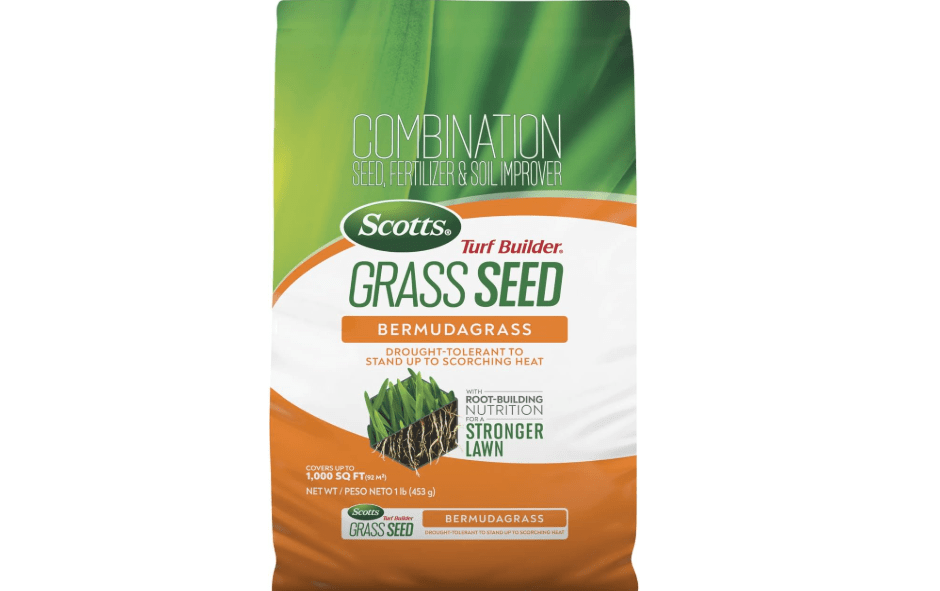
6. Scotts Turf Builder Bermudagrass Seed
-
Product Description: Bermudagrass is the aggressive, heat-loving heavyweight champion of southern lawns. This Scotts blend includes a proprietary coating that absorbs water and protects against disease while the seed establishes its aggressive root system.
-
Price: $21.40
-
Key Features & Benefits: Unmatched drought resistance and the ability to self-repair. Bermuda spreads rapidly through both above-ground stolons and below-ground rhizomes, meaning it aggressively fills in bare spots.
-
Pros and Cons:
-
Pros: Incredible recovery from damage; handles blistering heat with ease.
-
Cons: Can become highly invasive. If you over-fertilize, the Bermuda will overpower and choke out the weaker centipede patches.
-
-
Amazon Ratings & Reviews: Averaging 4.4/5 stars. Users consistently praise its ability to survive and thrive during relentless summer heat waves where other grasses burn up.
-
Why it’s a good choice for Centipede: It fills in dead spots rapidly during peak summer heat when traditional cool-season seeds would fail instantly.
-
Ideal Use Case: Full-sun, heavy-traffic areas (like dog runs or right next to a hot concrete driveway) where your centipede has been completely destroyed and you need something indestructible.
7. Sunday Fescue Rescue Grass Seed
-
Product Description: Sunday offers a modern, eco-conscious alternative to big-box brands. Fescue Rescue is a premium, direct-to-consumer style seed mix focused on natural lawn care, containing a blend of elite tall fescues tailored for resilience.

-
Price: $28.47
-
Key Features & Benefits: Highly resilient against drought, engineered for heavy foot traffic, and offers fast germination. It is free from harsh synthetic coatings, making it a favorite for natural lawn care enthusiasts.
-
Pros and Cons:
-
Pros: Excellent heat and drought tolerance for a fescue; deep, rich color.
-
Cons: Smaller bag size at a higher premium price point compared to standard commercial brands.
-
-
Amazon Ratings & Reviews: Averaging 4.2/5 stars. Buyers appreciate its high germination rate and survivability in tough, dry conditions without the need for intense synthetic fertilizers.
-
Why it’s a good choice for Centipede: Its deep root system allows it to survive alongside centipede in the transition zone without demanding excess water or choking out the surrounding native grass.
-
Ideal Use Case: Eco-conscious buyers looking to repair shaded, dry patches while maintaining a natural, low-chemical yard environment.
8. Outsidepride Zenith Zoysia Grass Seed
-
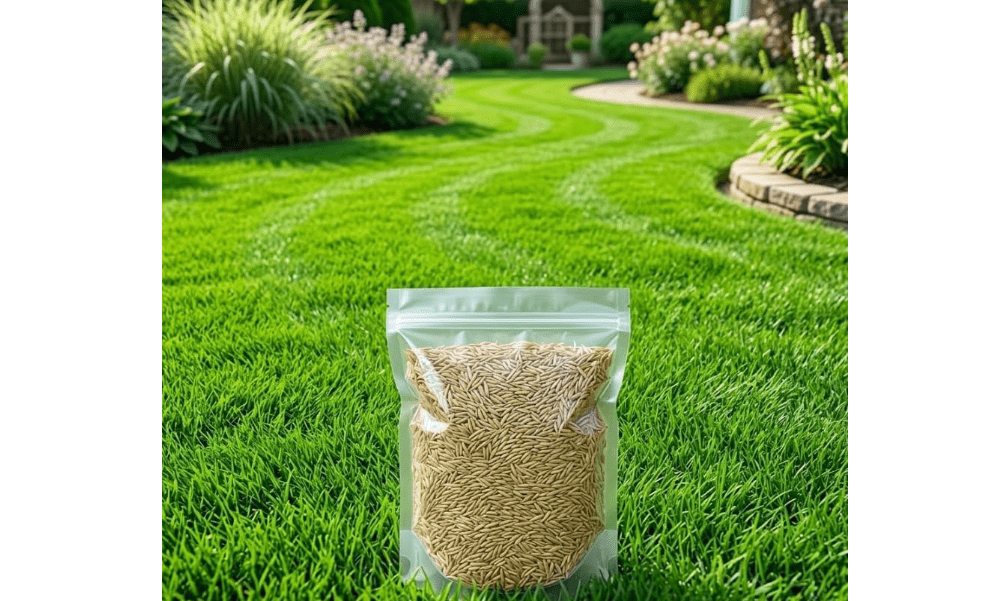
Product Description: Most premium Zoysia lawns are established using expensive sod or plugs. Zenith Zoysia is unique because it is one of the very few high-quality Zoysia varieties that can be successfully grown from seed.
-
Price:
-
Key Features & Benefits: Offers excellent cold tolerance for a warm-season grass, a stunning dark green color, and surprisingly good shade tolerance compared to Bermuda or Centipede.
-
Pros and Cons:
-
Pros: Beautiful, barefoot-friendly texture; highly resistant to weeds and disease.
-
Cons: Premium price point and requires meticulous soil preparation and precise watering to successfully germinate.
-
-
Amazon Ratings & Reviews: Averaging 4.0/5 stars. Successful buyers heavily emphasize the need to strictly follow the planting instructions, noting that when done right, the resulting lawn is golf-course quality.
-
Why it’s a good choice for Centipede: Zenith Zoysia shares similar soil and climate preferences to centipede but offers superior aesthetics, feel, and traffic tolerance.
-
Ideal Use Case: High-budget homeowners looking to slowly transition, patch, or upgrade their brittle centipede lawn into a premium, durable Zoysia turf.
9. Gulf Kist Seed Co. Centipede Grass Seed
-
Product Description: For purists who want to avoid synthetic coatings and fillers, Gulf Kist offers raw, uncoated centipede seed. This is a heritage brand popular among professional landscapers in the deep south.

-
Price: $189.99
-
Key Features & Benefits: High purity rate with zero filler coatings. Because you are buying raw seed, you actually get more seeds per pound compared to heavily coated brands.
-
Pros and Cons:
-
Pros: Highly economical for large areas; authentic southern heritage seed.
-
Cons: No protective moisture coating means your watering routine must be incredibly precise, otherwise the tiny seeds will dry out and die.
-
-
Amazon Ratings & Reviews: Averaging 4.3/5 stars. Veteran lawn care enthusiasts highly recommend this product, preferring the raw seed value over the water-weight of coated alternatives.
-
Why it’s a good choice for Centipede: It provides seamless blending with legacy centipede lawns that need rejuvenation without altering the genetic makeup of the yard.
-
Ideal Use Case: Experienced lawn care DIYers who have automated irrigation systems dialed in perfectly and want to cover large areas cost-effectively.
10. Barenbrug Annual Ryegrass
-
Product Description: Barenbrug offers a quick-sprouting annual ryegrass used heavily by turf professionals and golf courses for fast winter over-seeding and rapid erosion control.

-
Price:
-
Key Features & Benefits: Germinates in as little as 5 days. It establishes rapidly to prevent winter soil erosion and provides an immediate pop of vibrant green color.
-
Pros and Cons:
-
Pros: Lightning-fast results, incredibly cheap, and guaranteed to die off in the summer.
-
Cons: Its annual lifespan means it will not return next year; you must re-buy and re-seed every single winter.
-
-
Amazon Ratings & Reviews: Averaging 4.5/5 stars. Users point out its reputation for near 100% germination success rates, even in marginal soils.
-
Why it’s a good choice for Centipede: It is the absolute safest way to get a green lawn in December. Because it is strictly an annual, it will completely die out by June, posing zero risk of permanent competition with your centipede roots.
-
Ideal Use Case: Homeowners hosting winter events, fighting winter mud, or needing a fast, temporary green aesthetic without long-term commitments.
V. How to Successfully Overseed and Mix Grass with Centipede
Buying the seed is only half the battle. Centipede has a thick, creeping growth habit that can block new seeds from reaching the dirt. Follow these steps for successful germination.
Step 1: Prep and Dethatch
New seeds must make direct contact with the soil to survive. Scalp the target areas of your lawn by mowing down to 1–1.5 inches. Use a dethatching rake or machine to pull up the thick, dead organic matter (thatch) so the new seeds do not get trapped above the dirt.
Step 2: Aeration
Centipede roots are shallow, but companion seeds like Fescue and Zoysia need depth. Perform core aeration on compacted or heavy clay soils. This pulls small plugs of dirt out of the yard, giving new roots a place to anchor deeply without aggressively disturbing the surrounding centipede runners.
Step 3: Proper Seeding Techniques
Use a broadcast spreader for large areas or a hand spreader for patches. To avoid uneven, streaky grass, apply half the seed walking north-to-south, and the second half walking east-to-west in a crisscross pattern. Lightly rake the seeds into the top quarter-inch of the soil.
Step 4: Watering and Fertilizing (The Golden Rule)
Centipede grass detests heavy nitrogen; applying standard high-nitrogen lawn food will burn your centipede and encourage weeds. Instead, use a gentle starter fertilizer (like a 15-20-10 blend) to promote root growth. Mist the seeded area lightly 2 to 3 times per day to keep the soil constantly damp until the seeds germinate. Do not let puddles form, as this will wash the seeds away.
VI. Frequently Asked Questions (FAQs)
Can you mix Bermuda and Centipede grass? Yes, but with caution. Bermuda is excellent for repairing high-traffic damage where Centipede fails. However, Bermuda requires significantly more nitrogen fertilizer to stay green. If you feed the Bermuda, it will eventually aggressively spread and choke out your Centipede.
Will Tall Fescue take over my Centipede lawn? No. Tall Fescue has a bunching growth habit, meaning it does not spread via runners like Centipede or Bermuda. It thrives in the shade where Centipede naturally thins out, meaning the two grasses generally respect each other’s boundaries based on the sunlight available.
When is the exact best time to overseed Centipede? If you are mixing in warm-season grasses (like Zoysia, Bermuda, or more Centipede), overseed in late spring to early summer when soil temperatures reach 70°F. If you are mixing in cool-season grasses for winter color (like Ryegrass or Fescue), overseed in early to mid-fall before the first frost.
VII. Final Verdict and Top Recommendations
Choosing the perfect companion seed comes down to diagnosing exactly why your centipede grass is struggling.
For the absolute best overall shade repair, the Pennington Smart Seed Tall Fescue provides unmatched drought tolerance and thrives under the canopy of large trees where centipede refuses to grow. If your yard resembles a brown wasteland during the holidays, Pennington Smart Seed Perennial Ryegrass is the ultimate inexpensive hack for instant, temporary winter greenery. Finally, for homeowners battling large dogs and heavy foot traffic, Scotts Turf Builder Zoysia provides the indestructible, dense armor that fragile centipede turf lacks.
Identify your lawn’s weakest link, select the matching seed from the list above, check your local soil temperatures, and start transforming your patchy yard into a resilient, year-round green landscape this weekend.