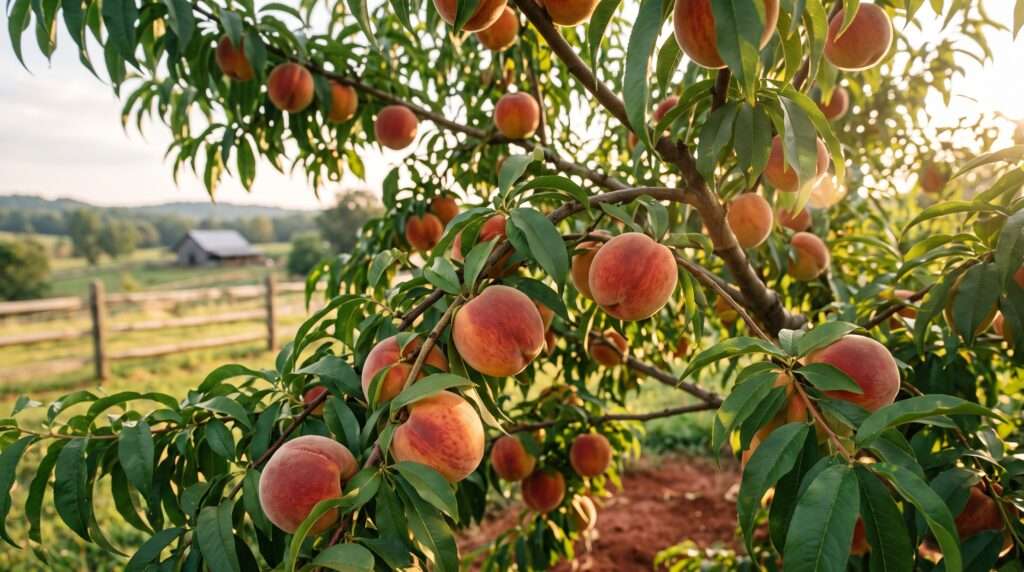
Georgia is proudly known as the “Peach State,” and for good reason. Imagine stepping into your own backyard on a warm summer morning, plucking a sweet, juicy, sun-ripened peach right off the branch, and taking that first delicious bite. It is the ultimate home gardener’s dream. However, to make that dream a reality, you need to start with the right foundation. If you are searching for the best 10 peach tree for georgia, you might quickly realize that despite our state’s famous nickname, cultivating these fruits here is notoriously challenging. Unpredictable fluctuating “chill hours,” intense summer humidity, late spring frosts in the northern mountains, and aggressive soil nematodes in the sandy south can easily ruin a harvest before it even begins.
Fortunately, you don’t have to rely on trial and error. This data-backed, comprehensive guide is designed to remove the guesswork entirely. We have deeply analyzed UGA Extension data, local climate variables, and hundreds of verified Amazon buyer reviews to curate the absolute best 10 peach tree for georgia growers. Carefully categorized by USDA hardiness zones and specific chill hour requirements, this article will help you confidently choose, plant, and harvest from a tree perfectly suited to your specific backyard climate.
II. The Georgia Peach Tree Buying Guide (Decision-Making Framework)
Before you add a tree to your Amazon cart, you must understand that Georgia’s climate is not uniform. A tree that thrives in the Blue Ridge mountains will struggle and fail in Savannah. Here is the framework for making an informed buying decision:
1. Understanding Chill Hours (The Crucial Factor)
Peach trees need a specific number of winter hours between 32°F and 45°F to end their dormancy and produce fruit.
-
North Georgia (Zones 7a-7b): Requires high-chill varieties (750–1,050 hours). These trees delay their spring blooming, protecting their delicate flowers from devastating late-season mountain frosts.
-
Central/Middle Georgia (Zones 8a): Requires medium-chill varieties (600–850 hours).
-
South & Coastal Georgia (Zones 8b-9a): Requires low-chill varieties (150–450 hours). The mild winters here mean high-chill trees will never wake up from dormancy properly.
2. Disease Resistance
Georgia summers are legendary for their thick humidity. This moisture is a breeding ground for Bacterial Spot and Brown Rot. Choosing a cultivar bred specifically for disease resistance will save you from endless rounds of spraying chemical fungicides.
3. Rootstock Matters
Particularly in the sandy soils of South Georgia, microscopic soil pests called root-knot nematodes can destroy a tree’s root system. Look for trees grafted onto nematode-resistant rootstocks (like Guardian or Nemaguard) for long-term survival.
4. Freestone vs. Clingstone
-
Freestone: The flesh separates cleanly from the pit. These are the gold standard for fresh eating, baking, and canning. Most mid-to-late season peaches are freestone.
-
Clingstone: The flesh clings tightly to the pit. Usually found in early-season varieties, they are often used for commercial processing but are still delicious fresh.
III. Quick Comparison Table
For skim-readers looking to make a quick, informed decision, here is our cheat sheet for the top-rated trees based on Georgia’s unique regions.
| Tree Variety & Chill Hours | Best For (GA Region) | Price Range |
| 1. Elberta (850 hrs) | Central & North GA | |
| 2. Redhaven (800 hrs) | North/Middle GA | $89.99 |
| 3. Belle of Georgia (800 hrs) | Central & North GA | |
| 4. Harvester (750 hrs) | Central GA | $90.00 |
| 5. Contender (1050 hrs) | Extreme North GA | $85.00 |
| 6. Florida Prince (150 hrs) | Deep South/Coastal GA | |
| 7. Cresthaven (850 hrs) | Central & North GA | |
| 8. Hale Haven (850 hrs) | Borderline Central/North | $89.99 |
| 9. Tropic Beauty (150 hrs) | Deep South/Coastal GA | $89.99 |
| 10. Reliance (1000 hrs) | Extreme North GA | $89.99 |
IV. In-Depth Product Reviews: The Best 10 Peach Tree for Georgia
1. Elberta Peach Tree (The Classic Georgia Standard)
Compelling Product Description:
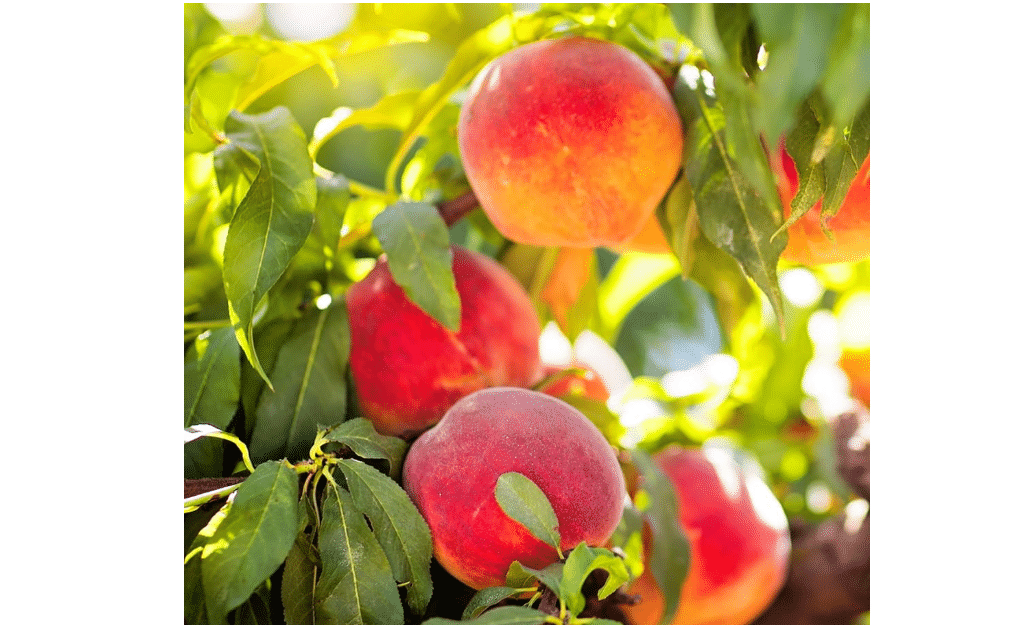
When people think of the legendary “Georgia Peach,” they are usually dreaming of the Elberta. Introduced in the 1880s, this heritage variety is the most famous peach in the world. It produces massive, yellow-fleshed, freestone fruits with a beautiful red blush. The Elberta is renowned for its incredibly juicy texture and classic, sweet-tart peach flavor that makes it perfect for eating straight off the tree, canning, or baking into cobblers.
Price of the product:
Typically ranges from $39.00 to $89.00 on Amazon, depending on the pot size and age of the tree at shipping (e.g., bare-root vs. potted).
Key Features & Benefits:
-
Chill Hour Requirement: 850 hours.
-
USDA Zone Compatibility: Zones 5–9.
-
Harvest Month: Late Summer (late July to August).
-
Pollination: Self-pollinating (no partner tree required).
Pros & Cons:
-
Pros: Exceptionally large fruit; highly adaptable; heavy and reliable producer; excellent for canning.
-
Cons: Highly susceptible to brown rot and bacterial spot in wet, humid summers; requires a strict spray schedule.
Amazon Customer Ratings & Reviews:
Boasts a solid 4.5/5 star rating. Verified Amazon buyers consistently praise how vigorously the bare-root versions leaf out upon arrival. However, some novice growers note that without proper pruning and thinning, the tree can overproduce, leading to smaller individual fruits.
Why It’s a Good Choice for Georgia:
Its 850 chill-hour requirement perfectly aligns with the historic winter averages of Middle and North Georgia (cities like Macon, Athens, and Atlanta). It is the historical backbone of Georgia’s peach industry.
Ideal Use Case / Who Should Buy It:
Best for traditionalists in Central or North Georgia who want a highly productive tree for preserving and canning large batches of classic summer peaches.
2. Redhaven Peach Tree (Most Reliable for North/Central GA)
Compelling Product Description:
The Redhaven is the gold standard by which all other early-season peaches are judged. Known for its gorgeous, almost completely red skin over a yellow background, this tree yields medium-to-large freestone fruits that are exceptionally sweet and firm. What sets the Redhaven apart is its almost unmatched reliability; it is a vigorous grower that consistently produces a heavy crop even when other varieties succumb to unpredictable spring weather.

Price of the product: $89.99
Generally priced between $45.00 and $95.00, highly dependent on seasonal availability and shipping height.
Key Features & Benefits:
-
Chill Hour Requirement: 800 hours.
-
USDA Zone Compatibility: Zones 5–8.
-
Harvest Month: Early to Mid-Summer (typically July).
-
Pollination: Self-pollinating.
Pros & Cons:
-
Pros: Incredible disease resistance (especially to leaf spot); highly reliable yields; firm flesh prevents bruising.
-
Cons: Requires aggressive fruit thinning early in the season to prevent branch snapping from heavy loads.
Amazon Customer Ratings & Reviews:
Holding a stellar 4.7/5 star rating, buyers rave about the Redhaven’s disease resistance. Many Amazon reviews highlight that this tree survived late frosts that wiped out other fruit trees in their orchards.
Why It’s a Good Choice for Georgia:
Georgia springs can be notoriously fickle, bouncing between warm and freezing in March and April. The Redhaven blooms slightly later than low-chill varieties and possesses natural cold-hardiness in its buds, making it a fantastic insurance policy against late North Georgia frosts.
Ideal Use Case / Who Should Buy It:
The absolute best choice for the beginner home orchardist in North or Middle Georgia who wants a low-maintenance, highly reliable, disease-resistant tree.
3. Belle of Georgia Peach Tree (Best White-Flesh Variety)
Compelling Product Description:
If you prefer your peaches to have a sweeter, more floral, and less acidic flavor profile, the Belle of Georgia is the undisputed champion. This tree produces large, beautiful fruits with a creamy white skin featuring a brilliant red cheek. Inside, the freestone white flesh is melt-in-your-mouth tender and dripping with honey-like juice. It is an old-world delicacy that brings a gourmet touch to any backyard.

Price of the product:
Expect to pay between $40.00 and $85.00 on Amazon for healthy, grafted stock.
Key Features & Benefits:
-
Chill Hour Requirement: 800 – 850 hours.
-
USDA Zone Compatibility: Zones 5–8.
-
Harvest Month: Late Summer (late August).
-
Pollination: Self-pollinating.
Pros & Cons:
-
Pros: Unbeatable, complex sweet flavor; highly productive; beautiful ornamental spring blossoms.
-
Cons: White peaches bruise very easily; they do not store or transport well, meaning they must be eaten or processed quickly.
Amazon Customer Ratings & Reviews:
With a 4.6/5 star rating, customers are obsessed with the flavor of this peach. Reviewers frequently state that you simply cannot buy white peaches this sweet in a grocery store. A few noted that the delicate fruit requires gentle handling during harvest.
Why It’s a Good Choice for Georgia:
Bred originally in Georgia in the 1870s, it is literally native to the state’s soil and climate profile. It handles the humidity well and its chill hours are perfectly suited for everything north of the Fall Line.
Ideal Use Case / Who Should Buy It:
Perfect for dessert lovers in Central and North Georgia who want a premium, high-sugar peach for fresh eating, fruit salads, and homemade ice cream.
4. Harvester Peach Tree (Best Mid-Season Yield for Central GA)
Compelling Product Description:
True to its name, the Harvester is an absolute workhorse. This tree is highly sought after by commercial and home growers alike for its massive, dependable yields of uniform, round, yellow-fleshed freestone peaches. The fruit is firm, beautifully blushed with red, and boasts an excellent texture that holds up brilliantly to canning and freezing.
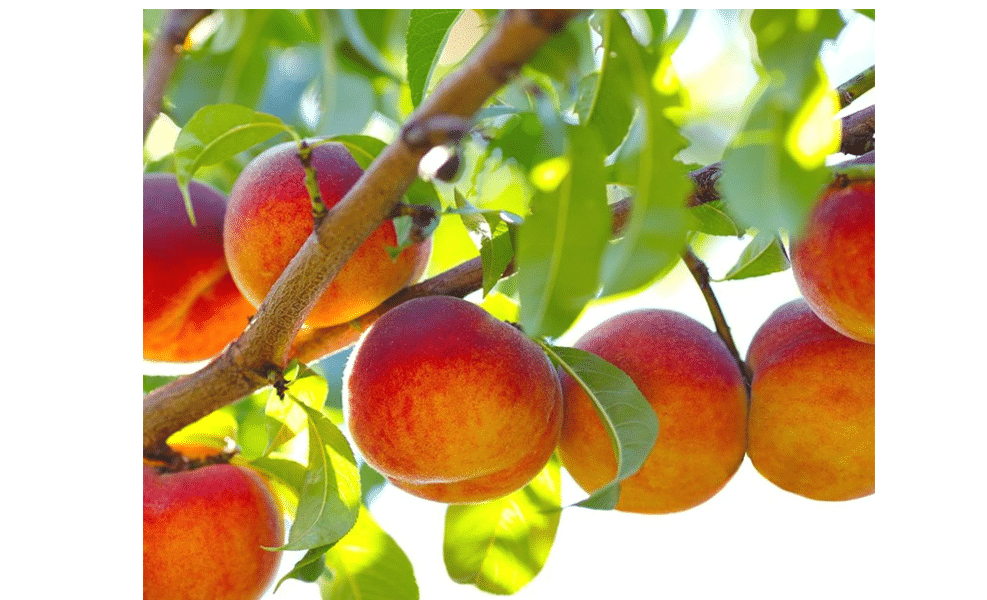
Price of the product: $90.00
Key Features & Benefits:
-
Chill Hour Requirement: 750 hours.
-
USDA Zone Compatibility: Zones 6–9.
-
Harvest Month: Mid-Summer (June to July).
-
Pollination: Self-pollinating.
Pros & Cons:
-
Pros: Outstanding yields; excellent disease resistance to bacterial leaf spot; firm fruit that stores longer than average.
-
Cons: Growth can be overly vigorous, requiring strict and structured pruning regimens to maintain a harvestable height.
Amazon Customer Ratings & Reviews:
Earning a 4.5/5 rating, Amazon buyers frequently mention how quickly this tree establishes itself. Many reviewers note seeing their first small harvest by year two or three, praising the firmness and perfectly balanced tart-to-sweet ratio of the fruit.
Why It’s a Good Choice for Georgia:
Its slightly lower chill hour requirement (750) makes it the ultimate sweet spot for Central Georgia (Macon, Columbus, Augusta) where winters are sometimes too mild for an Elberta, but too cold for a Florida Prince. Its strong resistance to leaf spot is a lifesaver in GA’s July humidity.
Ideal Use Case / Who Should Buy It: Best for homeowners in Middle Georgia who want a sturdy, fast-growing tree capable of producing enough firm fruit to share with the whole neighborhood.
5. Contender Peach Tree (Best Frost Insurance for North GA Mountains)
Compelling Product Description: Mountain weather is unpredictable, and nothing is more heartbreaking than a late April frost killing a tree full of peach blossoms. Enter the Contender. This extraordinarily cold-hardy tree blooms much later in the spring than other varieties, allowing it to safely dodge devastating late frosts. It yields large, exceptionally sweet, yellow freestone peaches that resist browning when sliced.
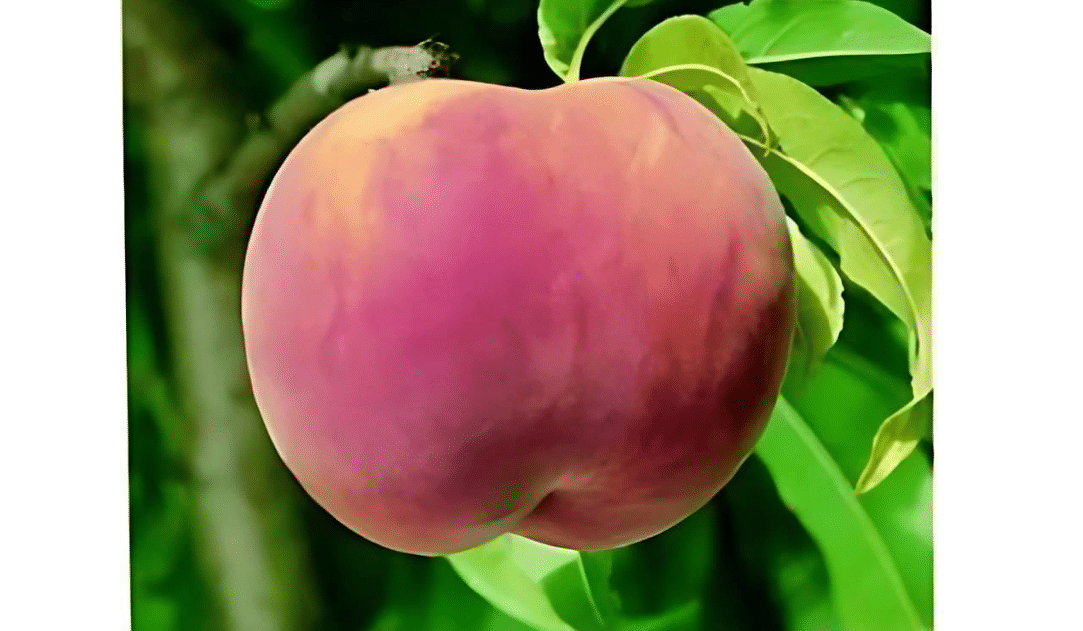
Price of the product: $85.00
Key Features & Benefits:
-
Chill Hour Requirement: 1,050 hours.
-
USDA Zone Compatibility: Zones 4–8.
-
Harvest Month: Mid to Late Summer (August).
-
Pollination: Self-pollinating.
Pros & Cons:
-
Pros: Late blooming protects against frost; incredibly cold-hardy; flesh does not brown quickly after slicing.
-
Cons: Will absolutely fail to produce fruit if planted anywhere south of Atlanta due to its massive chill hour requirements.
Amazon Customer Ratings & Reviews: It holds an impressive 4.8/5 star rating on Amazon. Northern growers consistently leave reviews expressing relief that they finally found a peach tree that survives their erratic spring freezes, frequently calling it a “surefire producer.”
Why It’s a Good Choice for Georgia: For residents in the Blue Ridge Mountains (Blairsville, Dahlonega, Clayton), the Contender is your best bet. Up here, late frosts are a regular occurrence, and this tree is genetically wired to sleep right through them.
Ideal Use Case / Who Should Buy It: The definitive choice for gardeners living in the high elevations of Extreme North Georgia (Zone 7a) who have struggled with frost-bitten fruit blossoms in the past.
6. Florida Prince Peach Tree (Best for Deep South/Coastal GA)
Compelling Product Description: For decades, gardeners in the Deep South were told they simply couldn’t grow peaches because the winters were too mild. The Florida Prince changed everything. Bred by the University of Florida specifically for hot, humid, mild-winter climates, this tree is a low-chill marvel. It produces medium-sized, semi-freestone peaches with a beautiful dark red blush over a yellow background. The fruit is exceptionally sweet, juicy, and ripens very early in the season, giving southern growers a jumpstart on summer.

Price of the product:
Key Features & Benefits:
-
Chill Hour Requirement: 150 hours.
-
USDA Zone Compatibility: Zones 8b–10.
-
Harvest Month: Early Summer (May to early June).
-
Pollination: Self-pollinating.
Pros & Cons:
-
Pros: Thrives where traditional peaches fail; produces fruit very early in the season; excellent heat tolerance.
-
Cons: Because it requires so few chill hours, it blooms incredibly early; planting this in North Georgia guarantees frost will kill the blossoms.
Amazon Customer Ratings & Reviews: Maintains a 4.4/5 star rating. Southern coastal buyers praise its vigorous growth in sandy soils, though some note it requires careful watering during its first scorching summer to establish a deep root system.
Why It’s a Good Choice for Georgia: This is the ultimate lifesaver for South Georgia and the coastline (Savannah, Brunswick, Valdosta). In these regions, winter temperatures rarely stay cold long enough to satisfy a traditional Elberta. The Florida Prince requires practically no winter chill to trigger a massive spring harvest.
Ideal Use Case / Who Should Buy It: The definitive choice for coastal and Deep South Georgia gardeners who want a reliable, heat-loving tree.
7. Cresthaven Peach Tree (Best Late-Season Harvest)
Compelling Product Description: When the early and mid-summer peach harvests have come and gone, the Cresthaven steps up to extend your season. This late-blooming, late-ripening tree produces large, nearly fuzzless freestone peaches. The flesh is a deep, golden yellow with a gorgeous red coloring near the pit. Notably, Cresthaven peaches resist browning when sliced, making them the absolute best choice for fresh fruit salads, canning, and baking late-summer pies.

Price of the product:
Key Features & Benefits:
-
Chill Hour Requirement: 850 hours.
-
USDA Zone Compatibility: Zones 5–8.
-
Harvest Month: Late Summer (late August to September).
-
Pollination: Self-pollinating.
Pros & Cons:
-
Pros: Extends the harvesting season; flesh does not brown quickly; firm enough for easy handling and transport.
-
Cons: Requires excellent soil drainage; can be susceptible to peach leaf curl if a preventative dormant spray is skipped.
Amazon Customer Ratings & Reviews: Holds a strong 4.5/5 rating. Buyers frequently mention that planting a Cresthaven alongside an early-bearing tree like a Redhaven provides a continuous, summer-long supply of fresh fruit.
Why It’s a Good Choice for Georgia: Its 850 chill hours make it perfectly suited for the Piedmont region and northward. It gives Georgia growers a staggered harvest so they aren’t overwhelmed with hundreds of peaches ripening all in the exact same week.
Ideal Use Case / Who Should Buy It: Best for home canners in Middle and North Georgia looking to stretch their harvest season into early autumn.
8. Hale Haven Peach Tree (Best for Borderline Central GA Climates)
Compelling Product Description: A brilliant cross between the J.H. Hale and the South Haven, the Hale Haven is renowned for its exceptional vigor and tough constitution. It yields large, oval-shaped freestone peaches with a sweet, classic flavor. What makes the Hale Haven stand out is its slightly thicker skin, which naturally deters some of the bruising and bug damage that softer peaches suffer from in a backyard setting.
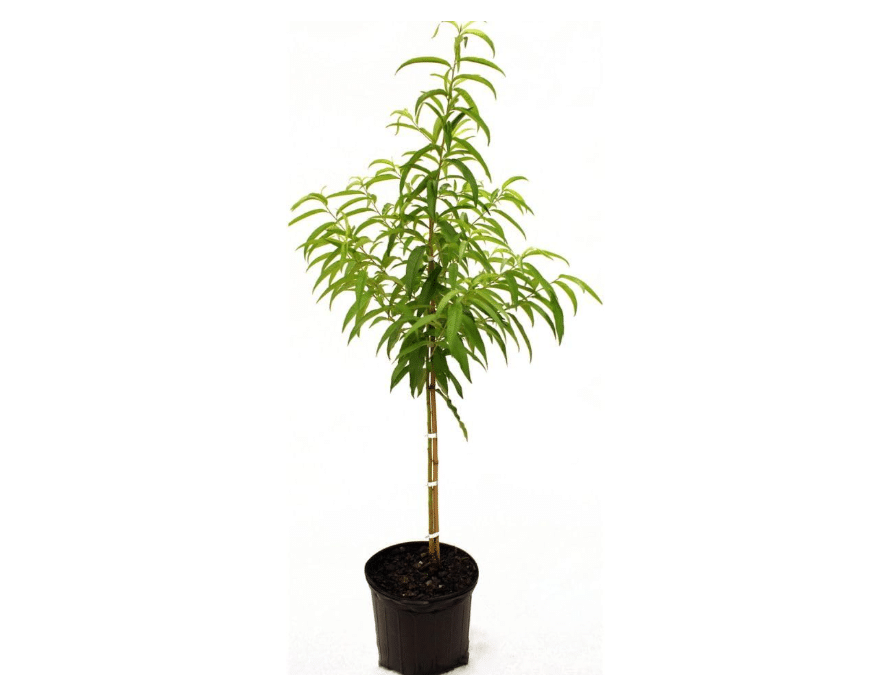
Price of the product: $89.99
Key Features & Benefits:
-
Chill Hour Requirement: 850 hours.
-
USDA Zone Compatibility: Zones 5–8.
-
Harvest Month: Mid to Late Summer (August).
-
Pollination: Self-pollinating.
Pros & Cons:
-
Pros: Very tough, thick-skinned fruit resists insect damage; highly adaptable to less-than-perfect soils; very sweet flesh.
-
Cons: The thicker skin isn’t preferred by everyone for fresh eating (though it easily slips off after a quick blanching for canning).
Amazon Customer Ratings & Reviews: Earning a 4.6/5 star rating, reviewers highly rate this tree’s hardiness. Several Amazon buyers noted that the Hale Haven survived accidental droughts and poor clay soil better than other varieties in their orchard.
Why It’s a Good Choice for Georgia: Georgia’s heavy red clay can be tough on young fruit trees. The Hale Haven’s vigorous root systems and adaptability make it a robust survivor in the transitional soils of the state’s Piedmont region.
Ideal Use Case / Who Should Buy It: Ideal for growers in Central and North Georgia dealing with tough red clay or those who want a lower-maintenance tree that naturally resists minor pest damage.
9. Tropic Beauty Peach Tree (Best High-Yield Low-Chill Option)
Compelling Product Description: The Tropic Beauty is another triumph of low-chill breeding. This tree not only provides an abundance of delicious, medium-to-large, semi-freestone peaches, but it also serves as a stunning ornamental centerpiece in the spring with its vibrant, showy pink blossoms. The fruit features a bright red skin and sweet, melting yellow flesh that is perfect for eating fresh in the early southern heat.
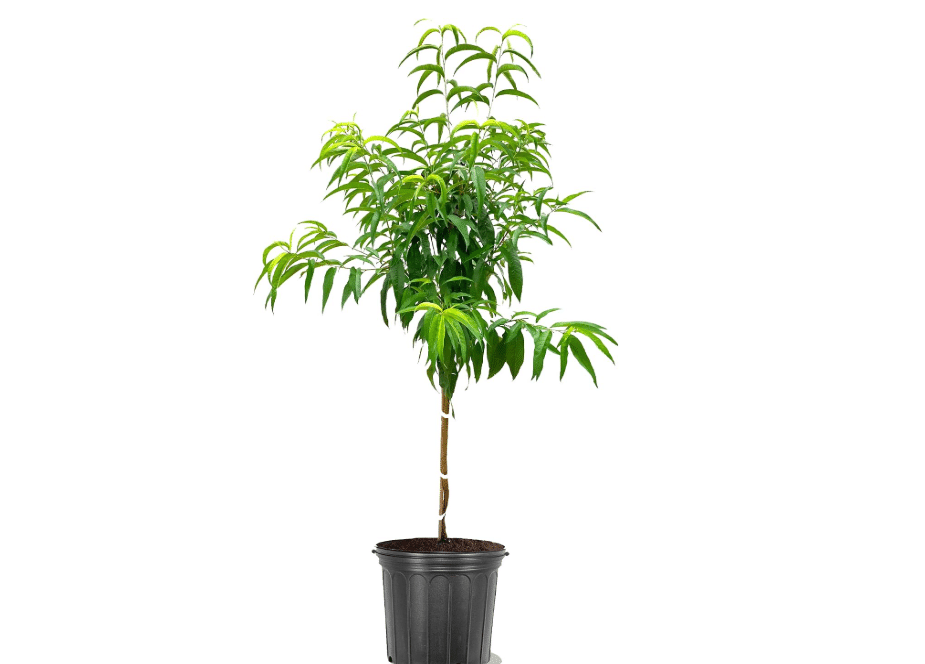
Price of the product: $89.99
Key Features & Benefits:
-
Chill Hour Requirement: 150 hours.
-
USDA Zone Compatibility: Zones 8b–10.
-
Harvest Month: Early Summer (May to June).
-
Pollination: Self-pollinating.
Pros & Cons:
-
Pros: Beautiful ornamental blossoms; highly productive in very mild winters; fruit colors up beautifully even in the heat.
-
Cons: Prone to root-knot nematodes if not grafted onto a resistant rootstock (ensure you check the Amazon listing details).
Amazon Customer Ratings & Reviews: With a 4.3/5 star rating, customers love the dual-purpose nature of this tree—it looks like an ornamental cherry blossom in the spring but yields delicious fruit by early summer.
Why It’s a Good Choice for Georgia: Just like the Florida Prince, the Tropic Beauty is bred to wake up and produce with barely any winter cold. It brings the joy of the “Peach State” to the absolute lowest, hottest corners of the state near the Florida border.
Ideal Use Case / Who Should Buy It: Best for Deep South and Coastal Georgia residents who want a heavy-yielding fruit tree that also elevates their home landscaping.
10. Reliance Peach Tree (Most Cold-Hardy for Extreme North GA)
Compelling Product Description: If you live in a microclimate where winter temperatures plummet and spring is a rollercoaster of freezes, the Reliance is your ultimate weapon. Known as one of the most cold-hardy peach trees in existence, it can withstand winter temperature drops well below zero without bud damage. It produces medium-sized, freestone peaches with a dull red blush and soft, incredibly juicy yellow flesh.
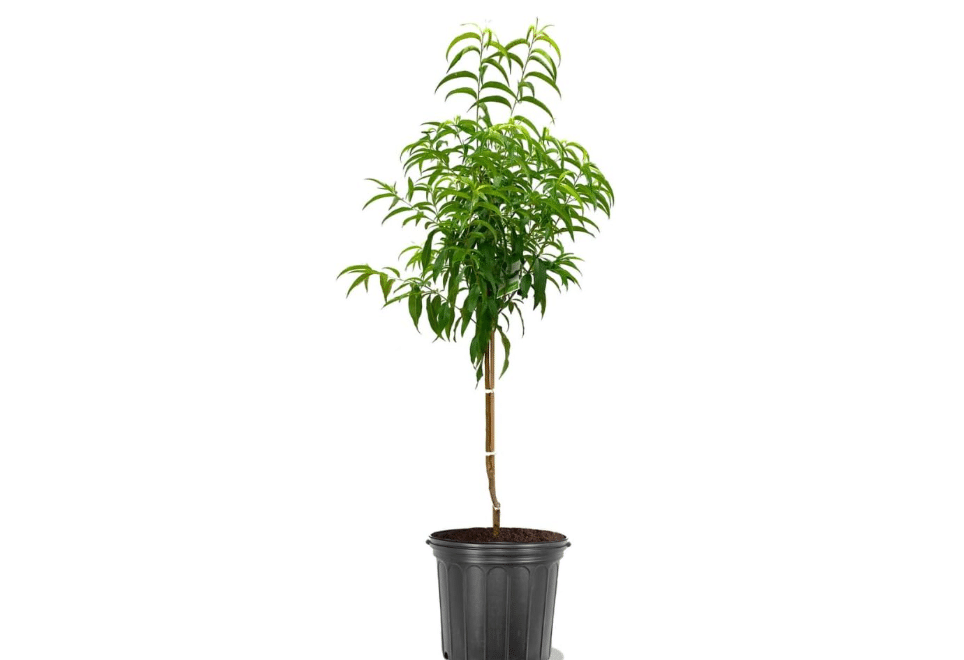
Price of the product: $89.99
Key Features & Benefits:
-
Chill Hour Requirement: 1,000 hours.
-
USDA Zone Compatibility: Zones 4–8.
-
Harvest Month: Mid to Late Summer (August).
-
Pollination: Self-pollinating.
Pros & Cons:
-
Pros: Unmatched cold hardiness; practically guarantees a crop even after a brutal winter; very juicy.
-
Cons: The flavor is slightly milder and less complex than an Elberta or Redhaven.
Amazon Customer Ratings & Reviews: Boasts a 4.7/5 star rating. Reviewers in mountainous and northern regions are fiercely loyal to the Reliance, frequently stating it is the only peach tree that consistently fruits for them year after year.
Why It’s a Good Choice for Georgia: While Georgia is a southern state, the high elevations of the Appalachian foothills experience brutal winter winds and deep freezes. The Reliance acts as the ultimate insurance policy for mountain homesteaders.
Ideal Use Case / Who Should Buy It: Strictly for growers in the extreme northern mountains of Georgia (Zone 7a) who prioritize guaranteed cold-weather survival over everything else.
V. Essential Planting and Care Tips for Georgia
Selecting one of the best 10 peach tree for georgia is only the first step. Proper planting and care are what guarantee a bucket full of fruit.
-
Site Selection: Peaches require full sun—at least 8 solid hours of direct sunlight daily. In Georgia, avoid planting in low-lying frost pockets. Ensure your soil is well-draining; if you are battling heavy Georgia red clay, heavily amend the planting hole with organic compost and consider planting on a slight mound to keep the “feet” of the tree dry.
-
Planting Time: Late winter to early spring (February through March) is the optimal time to plant in the Southeast. This allows the root system to establish before the brutal heat of July arrives.
-
Pruning (The Open Center System): Georgia’s high humidity is a breeding ground for fungal diseases. You must prune your peach tree into an “Open Center” or “V” shape (like a martini glass). Removing the central trunk allows maximum sunlight and wind to penetrate the canopy, keeping the leaves dry and disease-free.
-
Pest & Spray Schedules: To fight off the Peach Tree Borer and Brown Rot, you must be proactive. Apply a dormant horticultural oil in late winter before the buds swell, followed by a copper fungicide spray schedule in the early spring.
VI. Frequently Asked Questions
Can I grow just one peach tree, or do I need two? Every tree on our top 10 list is self-pollinating (self-fruitful). You only need to plant one tree to get a full harvest, though planting two different varieties can stagger your harvest times and slightly increase overall yields.
How long does it take for a peach tree to bear fruit? When purchasing a grafted tree from Amazon (usually 1 to 2 years old upon arrival), you can expect your first small harvest within 2 to 3 years after planting. By year 4 or 5, the tree will reach peak production.
What happens if my tree doesn’t get enough chill hours in a mild Georgia winter? If a high-chill tree (like a Contender) is planted in South Georgia, it will experience delayed foliation. It will struggle to wake up, bloom erratically, produce weak leaf canopies, and ultimately yield little to no fruit before eventually declining.
Can I grow a peach tree in a container in Georgia? Yes! If you want the best 10 peach tree for georgia to thrive on a patio, you can grow them in large containers. Look for dwarf rootstock varieties or be prepared to prune heavily to maintain a small size. Potted trees require much more frequent watering during Georgia summers.
VII. Conclusion & The Ultimate Verdict
Growing peaches in the Peach State is incredibly rewarding, provided you respect the geographical differences of the region. By matching your local chill hours and USDA hardiness zone to the right cultivar, you can bypass the heartbreak of late frosts or mild-winter dormancy failures.
Top Overall Recommendation: For the vast majority of Georgia residents (Central and North), the Redhaven Peach Tree is our top overall pick. Its unparalleled reliability, incredible disease resistance, and outstanding flavor make it the most forgiving and rewarding tree for home growers. If you live in the Deep South or on the coast, pivot immediately to the Florida Prince.
Call to Action: Don’t wait until the spring rush when nurseries sell out. Check the current Amazon prices and availability via the links above, verify your exact USDA hardiness zone, and start prepping your soil today. Your future summer harvests await!