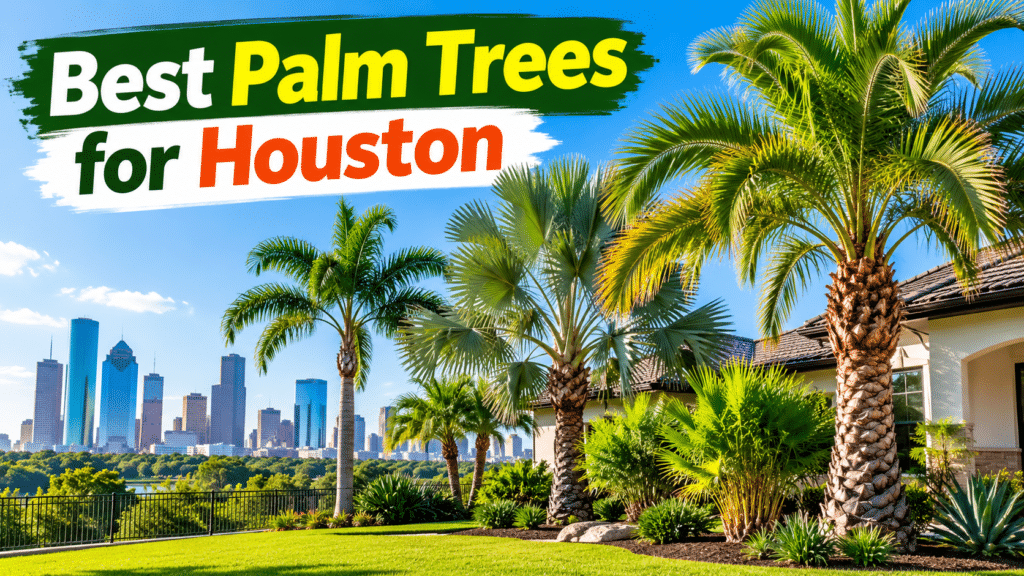
Picture a lush, tropical oasis in your backyard. You invest in beautiful landscaping, only to watch a notorious winter freeze—like Winter Storm Uri—turn your expensive fronds brown and wilted overnight.
Houston’s unique climate (USDA Zone 9a/9b) demands a delicate balance. Landscaping must withstand extreme summer heat, high humidity, heavy gumbo clay soil, and sudden, severe winter freezes.
To cut through the guesswork, we’ve researched the most resilient options to bring you the best 10 palm trees for Houston. This guide analyzes Amazon’s top-rated, freeze-hardy live plants and seeds proven to survive and thrive in the Texas Gulf Coast climate.
II. Buying Guide: How to Choose the Right Palm for Houston
Before adding a palm to your Amazon cart, it is critical to understand the environmental factors unique to the Greater Houston area. Here is what you need to evaluate:
-
Cold Hardiness (The “Uri” Test): Houston is primarily USDA Zone 9a. While winters are generally mild, historic freezes that drop temperatures into the teens (or lower) happen. If a palm isn’t rated to survive at least 15°F, it will require extensive winter protection, or it will die. We prioritized palms with strong genetic cold tolerance.
-
Soil Adaptability: Houston is notorious for its dense, alkaline “gumbo” clay soil, which drains poorly and can drown roots during the rainy season. Look for palms that tolerate heavy soils, and always consider planting on a slight mound with added organic matter to improve drainage.
-
Space & Scale: Palm trees come in wildly different sizes. A towering Sabal palm requires a massive vertical footprint and shouldn’t be planted under power lines, while a compact Windmill palm is perfect for tight suburban side-yards.
-
Live Plants vs. Seeds on Amazon: Buying live plants on Amazon offers instant gratification but requires a period of acclimation to recover from “shipping shock.” Seeds are highly cost-effective but demand years of patience. We’ve factored in shipping viability and customer success rates for our top picks.
III. Quick Comparison Table
IV. Detailed Product Reviews & Comparisons
1. Windmill Palm (Trachycarpus fortunei)
-
Product Description: The Windmill Palm is a highly sought-after, compact fan palm instantly recognizable by its signature fibrous, burlap-like trunk. It features a tight, symmetrical canopy of dark green, sword-like fronds that create an immediate tropical vibe without overwhelming the landscape.

-
Price on Amazon: $9.99
-
Key Features & Benefits: This palm grows relatively slowly, meaning it won’t rapidly outgrow its designated space. It has a very narrow footprint and surprisingly thrives in both full Texas sun and partial shade under taller canopy trees.
-
Pros and Cons:
-
Pros: Extremely cold hardy (capable of surviving drops to 5°F unassisted), fits beautifully in tight spaces, and has minimal frond shedding, making it a very clean pool-side plant.
-
Cons: The fronds can look battered and shredded if exposed to high, constant winds without a natural windbreak.
-
-
Amazon Ratings & Reviews: Averages 4.5/5 stars. Buyers frequently praise its robust arrival condition, secure packaging, and high winter survival rates even during unexpected frost events.
-
Why it’s a good choice for Houston: It easily survives Houston’s unpredictable deep freezes. Furthermore, its compact, non-invasive root system handles heavy clay soils incredibly well, provided it is planted slightly elevated to avoid sitting in standing water.
-
Ideal Use Case: Small suburban backyards, narrow side yards between houses, or planted as accent pieces near swimming pools.
2. Pindo Palm / Jelly Palm (Butia capitata)
-
Product Description: For those seeking dramatic flair, the Pindo Palm is a stout, robust feather palm featuring gorgeous, recurved blue-gray fronds and a thick, textured trunk. It is colloquially known as the “Jelly Palm” because it produces edible, sweet-tart yellow fruit in late summer.

-
Price on Amazon:
-
Key Features & Benefits: It boasts a wide, arching canopy that can reach up to 15 feet across, providing significant shade. It is highly drought-resistant once established and incredibly forgiving of varied soil pH levels.
-
Pros and Cons:
-
Pros: The single most cold-hardy feather palm available on the market; stunning architectural shape; highly drought-tolerant for brutal August heat.
-
Cons: The wide wingspan requires significant horizontal space, and dropped fruit can create a mess on concrete driveways if not harvested.
-
-
Amazon Ratings & Reviews: Averages 4.3/5 stars. Reviewers highlight its incredible drought resilience and unique blue-tinted foliage, though some note it requires patience when starting from a 1-gallon pot.
-
Why it’s a good choice for Houston: Unfazed by Zone 9 winter blasts, the Pindo Palm actively thrives in Texas heat. It also tolerates the salty, humid air common closer to Galveston and the Gulf Coast.
-
Ideal Use Case: A standalone centerpiece for front yards, large island garden beds, or anywhere you want a dramatic focal point away from foot traffic.
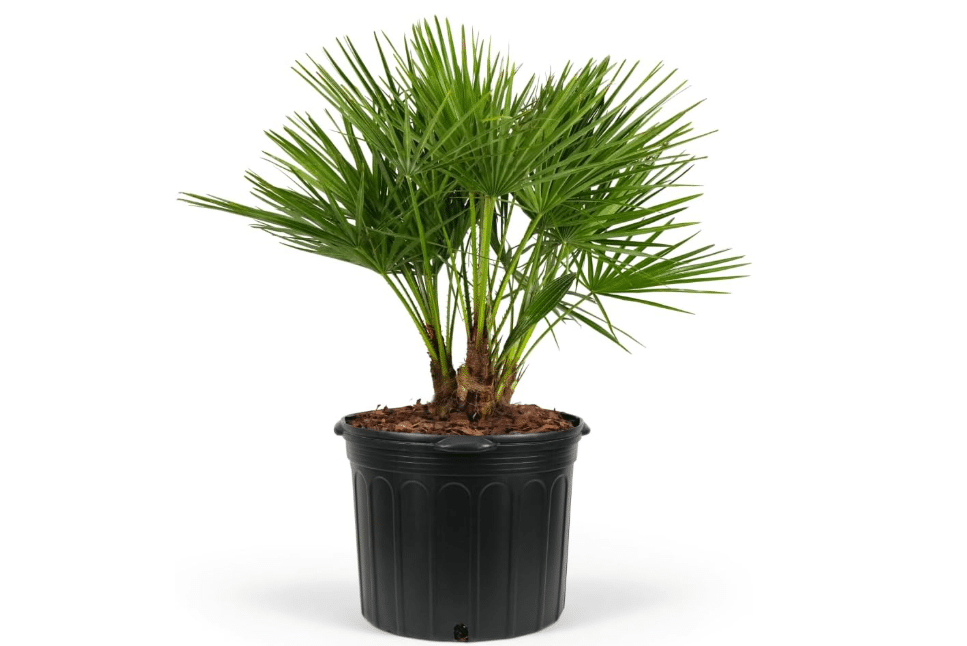
3. Mediterranean Fan Palm (Chamaerops humilis)
-
Product Description: Unlike single-trunk varieties, the Mediterranean Fan Palm is an attractive, multi-trunked evergreen that creates a bushy, highly textured landscape feature. As it matures, it sends up side-shoots (pups), resulting in a dense cluster of blue-green fan leaves.
-
Price on Amazon: $100.00
-
Key Features & Benefits: Natural clumping growth habit, highly textured leaf scars along the trunks, and an incredibly slow growth rate that makes landscape maintenance a breeze.
-
Pros and Cons:
-
Pros: Exceedingly tough (easily survives 5°F to 10°F), acts as an excellent, impenetrable privacy screen, and is virtually pest-free.
-
Cons: The frond stems (petioles) are lined with sharp, outward-facing teeth, making pruning a job requiring thick leather gloves.
-
-
Amazon Ratings & Reviews: Averages 4.6/5 stars. Reviewers love the multi-trunk aesthetic and repeatedly mention how little water and care the plant requires after its first year.
-
Why it’s a good choice for Houston: Its aggressive hardiness allows it to bounce back quickly; even if the outer frond tips are burned by a severe frost, the core remains protected, pushing out fresh green growth in the spring.
-
Ideal Use Case: Privacy hedges, natural property dividers, corner lot accents, or grown in large decorative containers to restrict its size.
4. Dwarf Palmetto (Sabal minor)
-
Product Description: The Dwarf Palmetto is a deeply native, shrub-like palm with large, deeply split, dark green fan leaves. Interestingly, it typically grows with a subterranean trunk, meaning it rarely forms an above-ground “tree” structure, maxing out at about 5 to 7 feet tall.

-
Price on Amazon: $149.95
-
Key Features & Benefits: Features massive leaves up to 5 feet across. Because it evolved naturally in the swamps and woodlands of Texas and the Deep South, it is perfectly adapted to the local ecosystem.
-
Pros and Cons:
-
Pros: Nearly indestructible in cold (documented surviving below 0°F), highly shade tolerant, and practically immune to local diseases.
-
Cons: Very slow growing; if you are looking for a tall canopy palm to string hammock from, this is not the plant for you.
-
-
Amazon Ratings & Reviews: Averages 4.7/5 stars. Highly lauded by native plant enthusiasts and permaculture designers for boasting a 100% winter survival rate.
-
Why it’s a good choice for Houston: It is a Texas native that literally evolved to handle the swampy humidity, heavy rains, gumbo clay, and deep freezes of the Gulf Coast. It is the definition of “plant it and forget it.”
-
Ideal Use Case: Understory planting beneath large established oaks, low-maintenance woodland borders, or naturalized native landscaping projects.
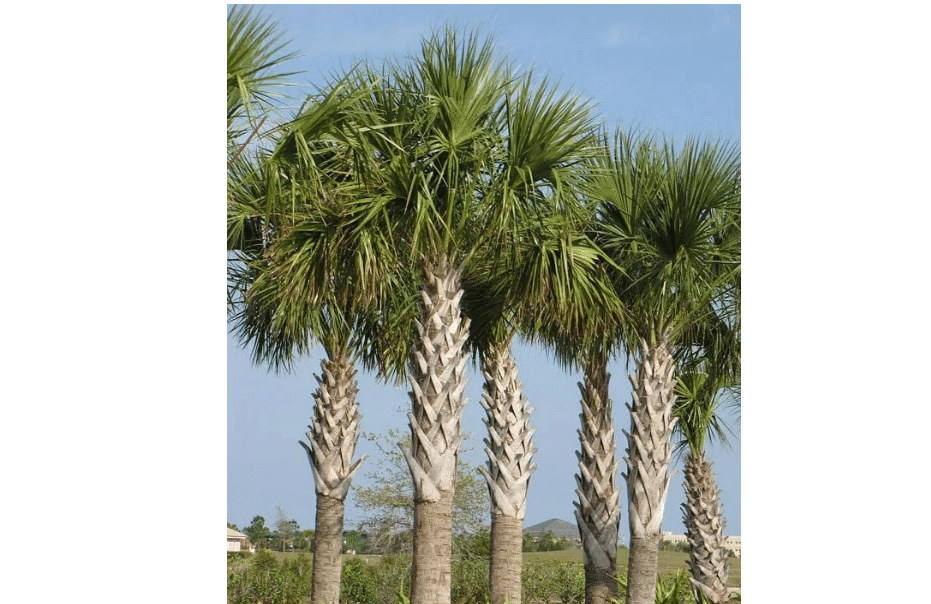
5. Cabbage Palm (Sabal palmetto)
-
Product Description: The Cabbage Palm is the iconic, tall canopy palm of the Southeast. When the old leaf bases (boots) are left on, the trunk features a distinct, visually striking “crisscross” pattern. Once pruned or naturally shed, it reveals a smooth, pale trunk that sweeps upward to support a large, rounded crown of deeply curved, yellow-green fan leaves.

-
Price on Amazon: $5.98
-
Key Features & Benefits: This palm is an architectural giant that can reach 40+ feet tall at maturity. It is highly salt-tolerant and boasts extreme wind resistance, able to bend without breaking during severe coastal storms.
-
Pros and Cons:
-
Pros: Ultimate hurricane and wind resistance; very cold hardy (surviving down to 10°F); highly adaptable to poor soil conditions.
-
Cons: Transplanting larger, mature specimens is notoriously difficult and requires heavy root pruning; growing from seed requires significant patience.
-
-
Amazon Ratings & Reviews: Averages 4.2/5 stars. Seed germination rates are highly reviewed, and buyers appreciate the affordability, though many note that live plants take a year or two to establish a robust root system.
-
Why it’s a good choice for Houston: Proven to survive Texas freezes and Gulf Coast hurricanes alike, the Cabbage Palm thrives in almost any soil condition, from heavy Houston clay to sandy coastal loam.
-
Ideal Use Case: Lining long driveways, structural street planting, or providing high-canopy, tropical shade in large front yards without obstructing the view of the home.
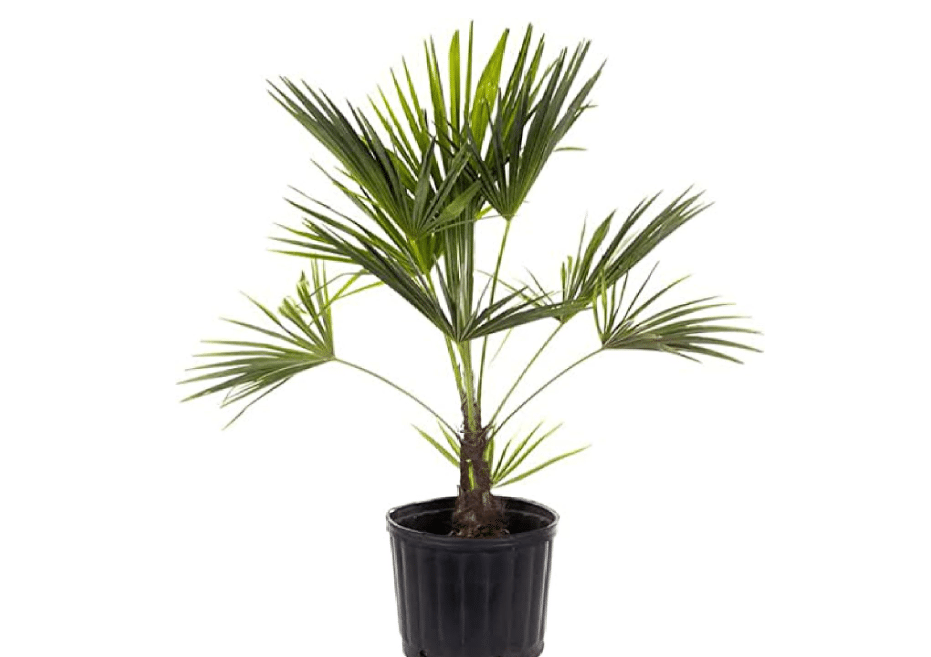
6. Needle Palm (Rhapidophyllum hystrix)
-
Product Description: The Needle Palm is a rare, clumping, bushy palm prized primarily for its unparalleled cold survival. It features deep green, glossy fronds and a thick, fibrous base. Its namesake comes from the long, sharp, needle-like spines that protect the trunk and crown from grazing animals.
-
Price on Amazon:
-
Key Features & Benefits: It stays low to the ground, rarely exceeding 6 to 8 feet in height or width. The deep green foliage retains its color beautifully through the winter, and the protective needles naturally deter pests, deer, and rodents.
-
Pros and Cons:
-
Pros: Widely considered the most cold-hardy palm in the world (documented surviving temperatures as low as -10°F); zero winter protection required.
-
Cons: The protective needles are dangerously sharp; it has a very slow growth rate.
-
-
Amazon Ratings & Reviews: Averages 4.8/5 stars. Buyers in colder zones consider it the ultimate bulletproof landscape investment, consistently leaving 5-star reviews after severe winter storms.
-
Why it’s a good choice for Houston: This palm offers absolute peace of mind. During any historic Houston freeze event, you will never need to climb a ladder to wrap, cover, or heat this plant.
-
Ideal Use Case: Security hedging planted under first-floor windows, low understory planting beneath larger shade trees, or structural garden accents (best kept slightly away from high-traffic walkways due to the needles).
7. Sylvester Date Palm (Phoenix sylvestris)
-
Product Description: Often called the Silver Date Palm, this luxury landscape tree is the crown jewel of high-end neighborhood design. It features a dense, symmetrical canopy of silvery-green fronds and a thick trunk that landscapers routinely “diamond-cut” for a highly textured, geometric appearance.

-
Price on Amazon: .
-
Key Features & Benefits: The Sylvester boasts rapid canopy development once established in the ground. Its rigid, arching fronds and thick caliper trunk give it an immediate, resort-style appearance.
-
Pros and Cons:
-
Pros: Stunning visual impact and elite curb appeal; significantly more cold-hardy than traditional true date palms (Phoenix dactylifera).
-
Cons: Requires regular professional pruning to maintain the highly desired diamond-cut trunk look; susceptible to lethal bronzing disease if proper sterile pruning techniques aren’t used.
-
-
Amazon Ratings & Reviews: Averages 4.4/5 stars. Highly rated by homeowners looking to grow their own luxury landscape centerpieces affordably from starter plants.
-
Why it’s a good choice for Houston: It provides the high-end “Miami or Vegas” resort look but actually has the requisite cold hardiness to survive Zone 9 winters.
-
Ideal Use Case: Luxury front yard centerpieces, flanking a large driveway entrance, or framing a high-end backyard pool design.
8. Texas Sabal Palm (Sabal texana / mexicana)
-
Product Description: A massive, robust native palm characterized by a very thick trunk and a dense, spherical canopy of bright green, deeply costapalmate fan leaves. It is a dominant, heavy-duty tree that commands attention.
-
Price on Amazon: $21.99
-
Key Features & Benefits: Native to the Rio Grande Valley and South Texas, it features completely smooth petioles (thornless stems) and a massive trunk diameter that can reach up to 30 inches across.
-
Pros and Cons:
-
Pros: Extremely drought and heat tolerant; fully acclimated to local Texas soil microbiomes; requires zero supplemental watering once established.
-
Cons: Because of its massive eventual scale and trunk girth, it can quickly outgrow standard, tightly packed subdivision front yards.
-
-
Amazon Ratings & Reviews: Averages 4.5/5 stars. Texas buyers specifically seek this out on Amazon, appreciating its massive scale and zero-maintenance nature.
-
Why it’s a good choice for Houston: It is genetically wired for the Texas Gulf Coast. It handles Houston’s heavy clay, torrential spring rains, high hurricane-force winds, and hard freezes effortlessly.
-
Ideal Use Case: Large estates, wide-open backyards, municipal plantings, or ambitious native xeriscape designs.
9. Sago Palm (Cycas revoluta)
-
Product Description: Though technically a cycad (a prehistoric seed plant) and not a true botanical palm, the Sago is an absolute staple in southern landscaping. It features dark green, stiff, feathery fronds arranged in a perfect, symmetrical rosette atop a shaggy, textured trunk.

-
Price on Amazon: $28.42.
-
Key Features & Benefits: Incredibly symmetrical growth pattern, deeply textured caudex (trunk), and a stunning prehistoric aesthetic that adds geometric structure to any garden bed.
-
Pros and Cons:
-
Pros: Readily available, provides striking formal symmetry, and excels when grown long-term in decorative containers.
-
Cons: Highly toxic to dogs, cats, and humans if eaten (especially the seeds); the fronds often suffer frost burn and turn white in hard freezes, requiring a complete cut-back in early spring.
-
-
Amazon Ratings & Reviews: Averages 4.6/5 stars. It remains an Amazon best-seller due to its rugged shipping durability and immediate visual impact upon unboxing.
-
Why it’s a good choice for Houston: Despite the winter tip-burn, the core trunk of the Sago easily survives Houston winters. Even if it loses its leaves in a freeze, it predictably flushes a beautiful, perfect ring of soft, bright green new growth every spring.
-
Ideal Use Case: Flanking front door entryways, planted in formal garden urns, or used symmetrically in poolside planters.
10. Pygmy Date Palm (Phoenix roebelenii)
-
Product Description: A miniature, highly elegant feather palm that rarely exceeds 10 feet in height. It is incredibly popular on Amazon, often sold with two or three curving trunks planted together in a single pot to create a full, cascading canopy.

-
Price on Amazon:
-
Key Features & Benefits: Features soft, delicate, feathery arching fronds. Its small scale and graceful curvature create an immediate, high-end tropical ambiance suitable for intimate outdoor spaces.
-
Pros and Cons:
-
Pros: The perfect scale for small patios; relatively inexpensive compared to larger feather palms; highly adaptable to container life.
-
Cons: The least cold-hardy plant on this list (requires wrapping or moving indoors when temperatures drop below 25°F); features sharp, needle-like thorns at the base of the fronds near the trunk.
-
-
Amazon Ratings & Reviews: Averages 4.5/5 stars. It is beloved by buyers for its indoor/outdoor flexibility and fast acclimation to patio planters.
-
Why it’s a good choice for Houston: While it does require frost protection during severe cold fronts, its compact size makes it incredibly easy to cover with a frost blanket or wheel into a garage on a dolly. It is the best true-tropical aesthetic option that Houstonians can realistically manage.
-
Ideal Use Case: Patios, covered pool decks, large decorative terra cotta pots, or protected courtyard micro-climates.
V. Conclusion & Final Recommendations
Choosing the right landscaping for the Texas Gulf Coast requires balancing aesthetic desires with the harsh reality of unpredictable winter weather. By selecting from these resilient varieties, you ensure your investment survives to look beautiful year after year.
-
The “Best Overall” Winner: The Windmill Palm takes the top spot for Houston. Its unbeatable mix of extreme cold hardiness, narrow footprint, easy Amazon availability, and pristine tropical look makes it the safest, most versatile investment for the average homeowner.
-
The “Best for Privacy/Hedges”: If you are looking to screen a fence line or block a neighbor’s view, the Mediterranean Fan Palm is the ultimate choice. Its clumping habit, drought tolerance, and freeze immunity make it an impenetrable, lush barrier.
Before making your final choice, measure your available space, note your daily sunlight, and consider your soil drainage. Click the links in the reviews above to check current Amazon availability and secure your plants before the busy spring planting season drives prices up.