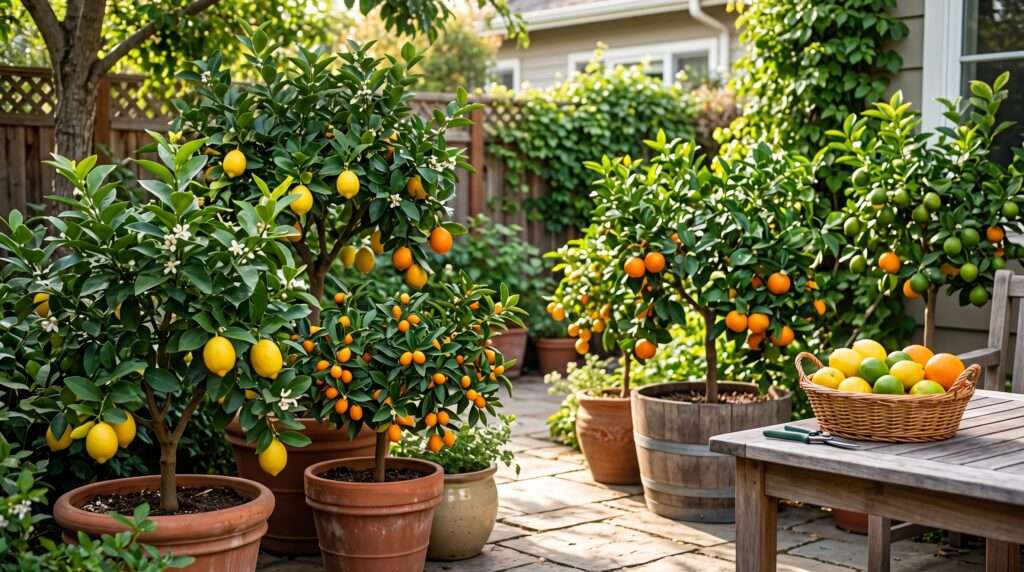
Imagine stepping onto your patio or into your living room to pluck a sun-ripened lemon right off the branch. Store-bought fruit simply cannot compete with the vibrant flavor, aromatic zest, and deep satisfaction of a homegrown harvest. Yet, many beginners hesitate, assuming that cultivating these plants is too difficult, requires a massive yard, or is completely impossible in colder climates. In reality, with the right container-friendly or cold-hardy variety, anyone can succeed indoors or out. To help you choose the perfect plant for your space, we’ve researched and ranked the best 10 citrus trees available to buy online.
We have meticulously analyzed top-rated live plants on Amazon, cross-referencing shipping reliability and buyer feedback with expert horticultural data to identify the healthiest, most robust options on the market. Whether you want fresh Key limes for baking, sweet navel oranges for breakfast, or a stunning ornamental houseplant that produces year-round blossoms, our guide to the best 10 citrus trees cuts through the guesswork. We will walk you through everything from hardiness zones to ideal use cases, ensuring you can make a fully informed buying decision and start growing with absolute confidence.
II. Quick Comparison Table
If you are short on time, use this quick reference guide to find the perfect tree for your specific needs. We have limited this table to the essentials to keep it highly readable on mobile devices.
III. In-Depth Reviews: The Best 10 Citrus Trees to Buy Online
When buying live plants on Amazon, the nursery source, rootstock quality, and shipping methods matter just as much as the variety itself. Below is our deep dive into the top-rated trees, analyzing current Amazon customer feedback, plant vigor, and overall value.
1. Improved Meyer Lemon Tree (Best Overall for Beginners)
Product Description: The Improved Meyer Lemon is not actually a traditional lemon; it is a brilliant hybrid between a standard lemon and a mandarin orange. This genetic pairing produces a fruit with a thinner skin, a deeper golden-orange hue when fully ripe, and a much sweeter, highly floral juice that lacks the aggressive bite of grocery store lemons. The “Improved” designation means modern nursery stock has been bred to be completely virus-free. It is widely considered the undisputed king of home citrus.

Price: $47.36
Key Features & Benefits:
-
Self-Pollinating: You only need one tree to produce a massive harvest.
-
Continuous Blooming: It pushes out highly fragrant, jasmine-scented white blossoms almost year-round.
-
Container Adaptable: The root system comfortably adapts to standard indoor planters.
Pros and Cons:
-
Pros: Exceptionally sweet and floral juice; highly prolific producer; fast-growing; forgiving of minor watering mistakes.
-
Cons: Not a “true” tart lemon (which some purists prefer for cooking); the thin skin means the fruit bruises easily and cannot be stored for long periods.
Amazon Customer Ratings & Reviews: Sitting at roughly 4.5 out of 5 stars across major Amazon nurseries, customers consistently praise the Meyer Lemon for arriving healthy with secure packaging. Many reviewers note that 1-to-2-year-old grafted trees arrived with blossoms already forming, though some mention that it drops leaves easily if exposed to drafts near air conditioning vents.
Why it’s a Good Choice: This is the most foolproof entry point into the best 10 citrus trees. It thrives beautifully as an indoor-outdoor patio plant, offering both aesthetic beauty and practical culinary value. Because it produces fruit in clusters continuously, you get a much higher return on investment than varieties that only fruit once a year.
Ideal Use Case / Who Should Buy It: Apartment dwellers, beginner gardeners, and culinary enthusiasts looking for a versatile, sweet lemon for desserts, lemonades, and marinades.
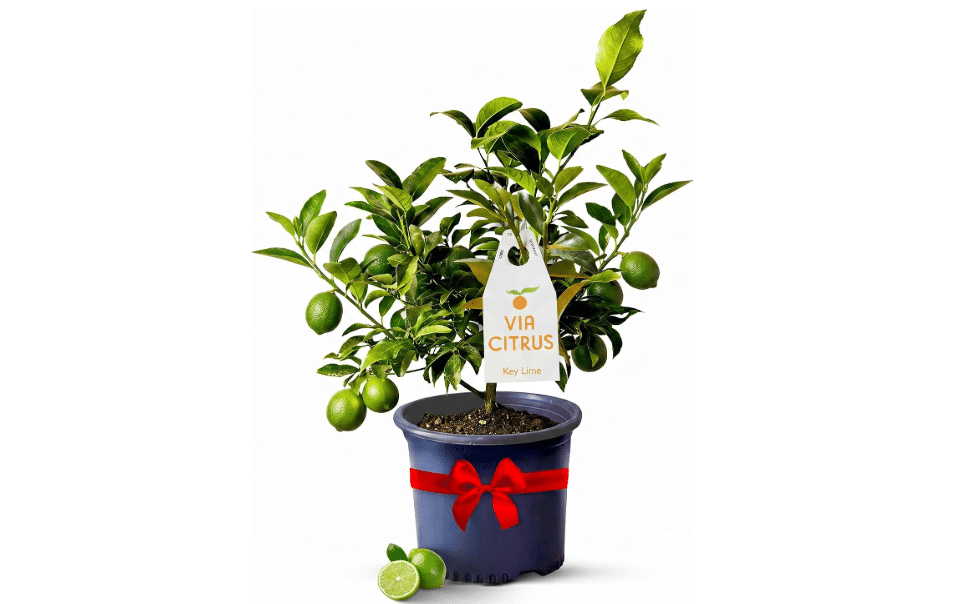
2. Key Lime Tree (Best for Cocktails & Baking)
Product Description: Famous worldwide for its role in the iconic Key Lime Pie, this compact, bushy tree produces small, golf-ball-sized limes packed with a distinct, sharply tart, and highly aromatic flavor. Unlike the large, thick-skinned Persian limes you find in the supermarket, Key Limes (also known as Mexican Limes) have a thin rind and an intense concentration of essential oils that elevate both baking and mixology to a professional level.
Price:
Key Features & Benefits:
-
Pest Resistance: Naturally resistant to many common citrus pests.
-
Heavy Yielder: Produces a staggering amount of fruit relative to its small size.
-
Fast Maturation: Fruits ripen relatively quickly from blossom to harvest.
Pros and Cons:
-
Pros: Unbeatable authentic flavor profile; very bushy and compact growth habit; highly decorative.
-
Cons: Branches can be quite thorny; highly sensitive to frost and must be brought indoors when temperatures drop below 40°F.
Amazon Customer Ratings & Reviews: Averaging 4.3 out of 5 stars, Amazon buyers are generally thrilled with the fast growth rate and the sheer volume of fruit. The most common critical feedback revolves around winter care—buyers who left it outside during a cold snap reported severe die-back.
Why it’s a Good Choice: Store-bought Key limes are notoriously difficult to find fresh; they are often imported, old, and dried out. Growing your own guarantees that the zesty essential oils are fresh for your recipes, making a night-and-day difference in flavor.
Ideal Use Case / Who Should Buy It: Bakers, home mixologists (perfect for margaritas and mojitos), and warm-climate gardeners in Zones 9-11 who want a highly productive patio plant.
3. Calamondin Orange Tree (Best for Indoor Growing)
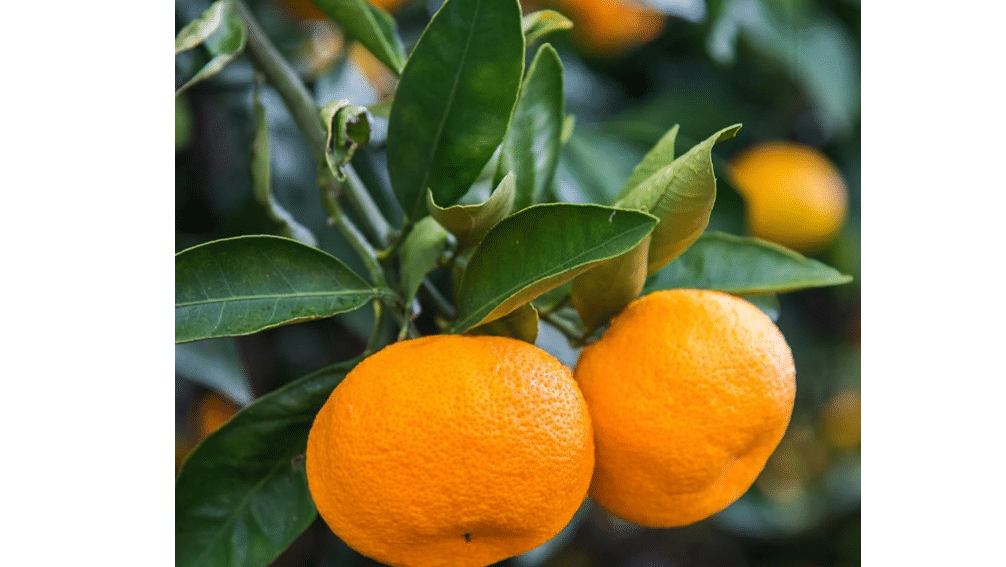
Product Description: Originating from the Philippines (where it is often called Calamansi), the Calamondin is a stunning ornamental fruit tree. It yields tiny, vibrant orange fruits that look like miniature tangerines but pack a uniquely sour, zesty punch. It is often utilized as a natural cross between a sweet orange and a kumquat. While the juice is sharply tart, the peel itself is sweet and entirely edible.
Price:
Key Features & Benefits:
-
Extreme Shade Tolerance: Survives in lower light conditions much better than other citrus.
-
Ever-bearing: Capable of displaying white blossoms, green fruit, and ripe orange fruit all at the exact same time.
-
Compact Roots: Perfectly suited for small tabletop planters.
Pros and Cons:
-
Pros: Thrives indoors year-round with less direct sunlight; visually stunning; the sweet peel and sour juice make incredible marmalades.
-
Cons: The fruit is too tart for most people to eat raw out-of-hand.
Amazon Customer Ratings & Reviews: Holding a very strong 4.6 out of 5 stars, the Calamondin is frequently purchased as an indoor houseplant or a gift. Reviewers love its resilience and nearly indestructible nature. Users frequently mention how quickly it bounces back even if they forget to water it for a week.
Why it’s a Good Choice: Out of all the best 10 citrus trees, this is the ultimate low-maintenance indoor plant. It provides a tropical, Mediterranean aesthetic to your living room 365 days a year without demanding the intense greenhouse conditions that other varieties require.
Ideal Use Case / Who Should Buy It: People living in cold, northern climates with zero outdoor space who want a decorative, fruiting houseplant that will actually survive in a living room environment.
4. Owari Satsuma Mandarin Tree (Best Cold-Hardy Option)
Product Description: If you thought you couldn’t grow citrus because your winters get a little too chilly, the Owari Satsuma Mandarin will prove you wrong. This weeping, graceful tree produces incredibly sweet, completely seedless, and notoriously easy-to-peel mandarins. The fruit typically ripens in late fall to early winter, making it a classic holiday treat.

Price:
Key Features & Benefits:
-
Cold Hardy: Can survive temperatures dropping to 15°F when fully established in the ground.
-
Seedless: Kid-friendly, zipper-skin fruit that peels off effortlessly.
-
Slow Growing: Won’t quickly outgrow its designated space.
Pros and Cons:
-
Pros: Unmatched cold tolerance for edible citrus; incredibly sweet, gourmet-quality fruit; beautiful weeping foliage.
-
Cons: Fruit has a shorter shelf life once picked compared to standard oranges; tree is slower to mature and reach full fruiting capacity.
Amazon Customer Ratings & Reviews: Rated at 4.4 out of 5 stars. Amazon shoppers from the American South (like Georgia and Texas) frequently leave glowing reviews about this tree surviving unexpected winter freezes that killed their other plants. Some reviewers note it requires a bit of patience, as it takes a season or two to truly take off.
Why it’s a Good Choice: It pushes the boundaries of where citrus can be grown outdoors. By surviving in USDA Zones 8a, it offers hope to millions of gardeners who previously thought they were restricted to apples and pears. The convenience of a seedless, easy-peel snack also makes it a massive hit for households with children.
Ideal Use Case / Who Should Buy It: Gardeners in slightly cooler climates (like the Carolinas or Pacific Northwest) who want to plant a tree directly in their yard, and families looking for a healthy, backyard snack for kids.
5. Nagami Kumquat Tree (Best for Small Spaces & Edible Peels)
Product Description: The Nagami Kumquat is a naturally dwarf tree that produces bite-sized, olive-shaped fruits. What makes this plant completely unique in the citrus world is that the fruit is meant to be eaten whole—skin and all. The thin orange peel is surprisingly sweet, while the juice inside is sharply tart, creating an addictive sweet-and-sour explosion. Its dense, dark green foliage beautifully frames the bright orange fruits, making it a highly ornamental centerpiece.

Price:
Key Features & Benefits:
-
Compact Root System: Naturally restricts its own size, thriving in small pots for years.
-
Heavy Producer: Even small 2-foot trees can be completely covered in dozens of fruits.
-
Moderate Cold Tolerance: Survives brief temperature dips down to 20°F without severe damage.
Pros and Cons:
-
Pros: Eaten whole with zero peeling required; highly aesthetic color contrast; excellent for small-scale balcony gardening.
-
Cons: The intense sweet/sour flavor profile is polarizing and isn’t for everyone.
Amazon Customer Ratings & Reviews: Averaging 4.5 out of 5 stars, the Nagami Kumquat is highly praised by buyers for its visual appeal upon arrival. Reviewers frequently mention that it requires very little pruning to maintain a beautiful, rounded shape, though a few note it drops fruit if overwatered.
Why it’s a Good Choice: If you want to maximize your yield-per-square-inch in a tight living space, this tree is unmatched. It consistently ranks as one of the best 10 citrus trees for urban gardeners who want an abundant harvest without sacrificing half their patio.
Ideal Use Case / Who Should Buy It: Patio gardeners, balcony owners, and lovers of unique, tart snacks or homemade marmalades.
6. Australian Finger Lime Tree (Best Exotic / Novelty Citrus)
Product Description: Often referred to as “citrus caviar,” the Australian Finger Lime is one of the most sought-after exotic plants on the market. It produces fascinating, elongated fruits (shaped somewhat like a jalapeno) that are filled with tiny, individual vesicles of juice. When you bite into them, these spherical pearls pop in your mouth, releasing a burst of sharp lime flavor.
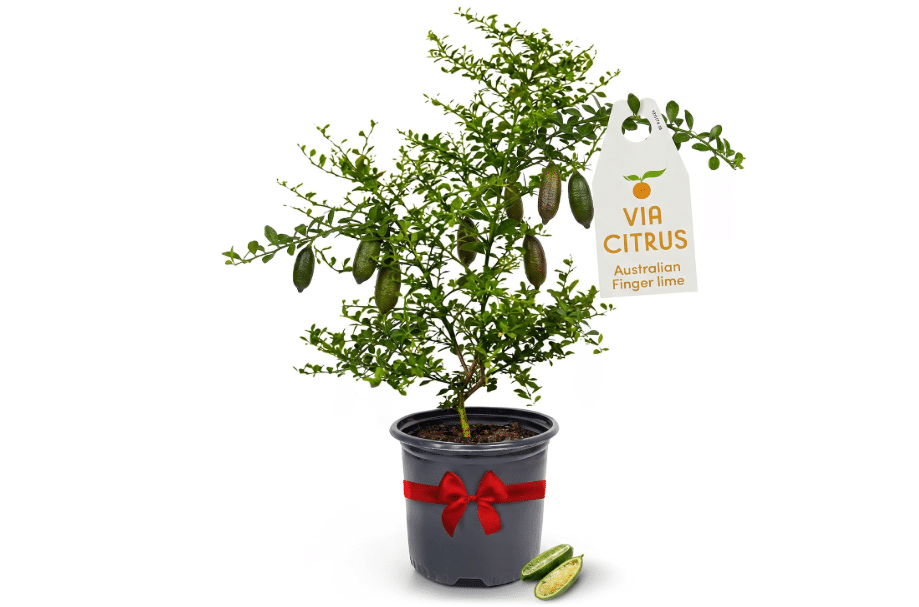
Price: $69.99
Key Features & Benefits:
-
Unique Culinary Texture: The caviar-like pearls hold their shape until eaten, making them a stunning garnish for seafood and desserts.
-
Drought Tolerant: More forgiving of dry soil than traditional lemons or oranges.
-
Shrub-like Growth: Naturally grows as a dense, low-to-the-ground bush rather than a tall canopy tree.
Pros and Cons:
-
Pros: Incredible gourmet culinary appeal; purchasing the fruit at specialty stores is exorbitantly expensive, making the tree a great investment.
-
Cons: Branches are covered in very sharp thorns; growth rate is noticeably slower than other citrus.
Amazon Customer Ratings & Reviews: Sitting at roughly 4.2 out of 5 stars, buyers are generally thrilled to get their hands on this rare plant. However, many reviews warn new buyers to wear thick gloves when repotting, as the thorns are uncompromising.
Why it’s a Good Choice: This is an investment in high-end culinary artistry. You simply cannot find finger limes in a standard grocery store, making this a true backyard luxury.
Ideal Use Case / Who Should Buy It: Gourmet home chefs, mixologists, foodies, and exotic plant collectors looking for a conversation starter.
7. Washington Navel Orange Tree (Best for Sweet Snacking)
Product Description: The Washington Navel is the quintessential eating orange. It is the exact same sweet, seedless, easy-to-peel fruit you buy in the produce aisle, characterized by the distinct “navel” formation at the blossom end. Growing it at home, however, allows you to let the fruit ripen fully on the branch, resulting in sugar levels and a juicy texture that commercial picking methods cannot replicate.
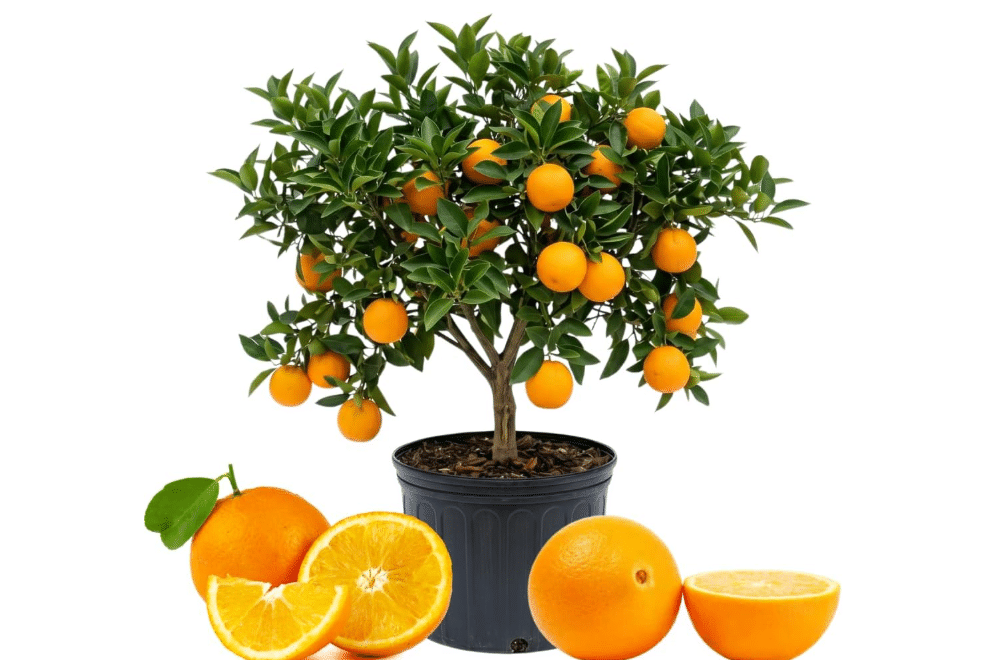
Price: $89.99
Key Features & Benefits:
-
Seedless: Pure, uninterrupted flesh that is perfect for slicing and juicing.
-
Perfectly Balanced Flavor: The gold standard for the ideal sugar-to-acid ratio.
-
Robust Foliage: Produces large, glossy evergreen leaves that look beautiful year-round.
Pros and Cons:
-
Pros: The ultimate standard for fresh-eating oranges; a highly reliable, heavy producer once established.
-
Cons: Requires massive amounts of direct sunlight and heat to develop its signature fruit sugars; can outgrow small indoor pots quickly.
Amazon Customer Ratings & Reviews: Earning 4.6 out of 5 stars, customers consistently praise the robust health of the trees shipped by major Amazon vendors. Reviewers highlight the impressive size of the fruit, though northern buyers note they struggle to get the fruit fully sweet without a greenhouse.
Why it’s a Good Choice: If you want a classic, reliable staple for your kitchen fruit bowl that the entire family will eat eagerly, the Washington Navel is the undisputed champion among the best 10 citrus trees.
Ideal Use Case / Who Should Buy It: Families with generous outdoor patio space or a backyard, ideally living in Zones 9-11 or possessing a heated greenhouse.
8. Ruby Red Grapefruit Tree (Best for Breakfast Fruits)
Product Description: The Ruby Red Grapefruit is a vigorous, fast-growing tree that produces large, blush-skinned fruits. Inside, the flesh is a deep, gorgeous crimson. Unlike traditional white grapefruits that often require a heavy dusting of sugar to be palatable, the Ruby Red is exceptionally sweet naturally, offering a complex, refreshing flavor profile that is perfect for morning meals.

Price:
Key Features & Benefits:
-
High Vitamin C: Packed with antioxidants and immune-boosting nutrients.
-
Large Fruit Clusters: Produces visually striking, heavy clusters of massive fruit.
-
Broad Canopy: Develops beautiful, large leaves that provide excellent shade in landscaping.
Pros and Cons:
-
Pros: Considerably sweeter than white grapefruits; excellent health benefits; highly attractive yard tree.
-
Cons: Requires significant summer heat to sweeten properly; the tree needs a larger container or a permanent spot in the ground.
Amazon Customer Ratings & Reviews: With roughly 4.3 out of 5 stars, users love the ultimate fruit quality but emphasize that this tree is a heavy feeder. Many reviewers note that regular application of citrus-specific fertilizer is mandatory to keep the leaves green and the fruit abundant.
Why it’s a Good Choice: It provides a gourmet, farm-to-table breakfast experience right in your backyard. Harvesting a massive, sun-warmed grapefruit to start your day is a profound gardening reward.
Ideal Use Case / Who Should Buy It: Gardeners in hot, humid climates (like Florida, Texas, and Southern California) with ample yard space or large 20-gallon half-barrel planters.
9. Eureka Lemon Tree (Best True Lemon & Year-Round Yield)
Product Description: If you want the classic, sharp, acidic lemon found in supermarkets and high-end restaurants, you want the Eureka. It provides brightly colored, thick-skinned fruits perfect for juicing into marinades, zesting for pastries, and slicing into water. Unlike the sweeter Meyer, the Eureka delivers that unadulterated, tart lemon bite.
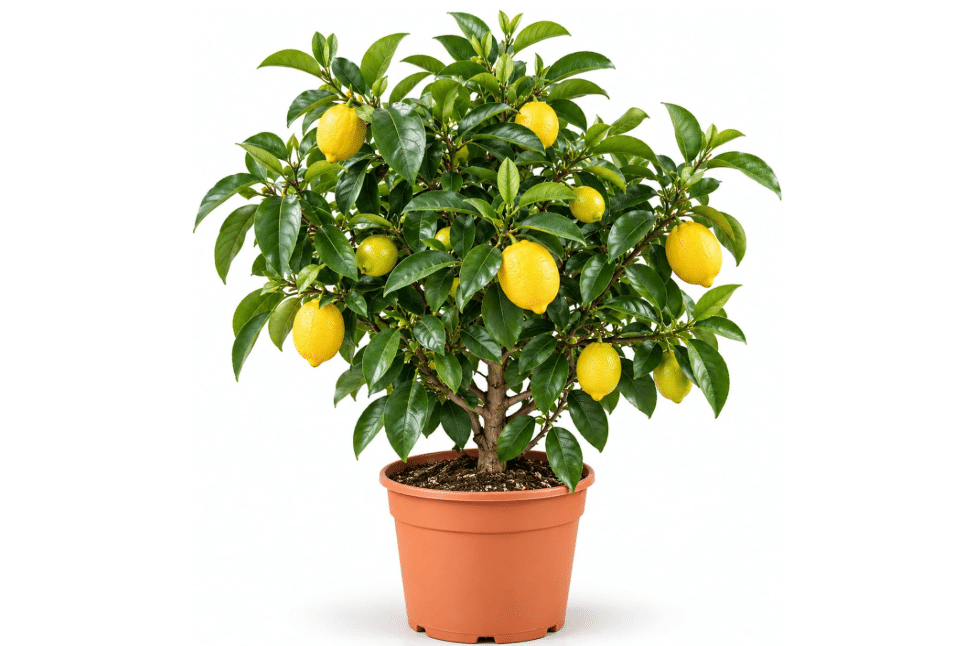
Price:
Key Features & Benefits:
-
Continuous Harvest: Known to produce fruit almost continuously year-round, with heavy peaks in spring and summer.
-
Thornless Variations: Many modern grafted varieties are nearly thornless for easier harvesting.
-
High Yield: A mature tree can supply an entire household with daily lemons.
Pros and Cons:
-
Pros: True, sharp lemon flavor; highly prolific; excellent for household cleaning and culinary zest.
-
Cons: Very cold sensitive; lacks the hardiness of the Meyer lemon and will drop leaves quickly in cold drafts.
Amazon Customer Ratings & Reviews: Averaging 4.5 out of 5 stars, this tree is loved by Amazon buyers for its sheer volume of production. Buyers often mention harvesting dozens of lemons in a single season, though some warn it requires strict watering schedules to prevent fruit splitting.
Why it’s a Good Choice: It is the absolute workhorse of the citrus world. Planting a Eureka ensures you will never have to buy a standard supermarket lemon again.
Ideal Use Case / Who Should Buy It: Avid home cooks, bakers, and health enthusiasts who consume high volumes of pure lemon juice and have a warm, sunny environment to house the plant.
10. Makrut (Kaffir) Lime Tree (Best for Aromatic Leaves & Asian Cuisine)
Product Description: The Makrut Lime (historically known as Kaffir) is entirely unique among the best 10 citrus trees because it is grown primarily for its foliage rather than its fruit. The tree produces highly fragrant, distinctively double-lobed leaves that are the secret, irreplaceable ingredient in authentic Thai, Cambodian, and Indonesian curries and soups.

Price: $11.99
Key Features & Benefits:
-
Year-Round Harvest: You do not have to wait for fruit to ripen; leaves can be plucked and used instantly.
-
Intense Aroma: Brushing against the plant releases a room-filling citrus-floral scent.
-
Partial Shade Tolerance: Performs admirably even without blazing, full-day sun.
Pros and Cons:
-
Pros: Essential for specific ethnic cuisines; the foliage is instantly usable; very easy to prune and manage.
-
Cons: The bumpy fruit it eventually produces is mostly dry pith and intensely bitter juice, rarely used in cooking.
Amazon Customer Ratings & Reviews: Standing strong at 4.7 out of 5 stars, this is a massive favorite among culinary buyers. Reviewers express relief at finally having a steady supply of fresh leaves, noting that the plants arrive bushy and vibrant.
Why it’s a Good Choice: Fresh Makrut leaves are notoriously difficult to find in Western supermarkets, and dried versions lose most of their volatile oils. Having your own living spice rack elevates your home cooking instantly and authentically.
Ideal Use Case / Who Should Buy It: Enthusiasts of Southeast Asian cooking, culinary explorers, and anyone who loves highly fragrant indoor plants.
IV. Ultimate Buyer’s Guide: How to Choose the Right Citrus Tree
Buying a live tree online requires a bit of foundational knowledge. To ensure your new plant thrives rather than simply survives, consider these core factors before adding anything to your cart.
-
Understanding Hardiness Zones: Always check your USDA Hardiness Zone. If you live in Zones 9-11, almost all citrus can be planted directly in your yard. If you live in Zones 8 or below, you must commit to container gardening, bringing your trees indoors before the first frost of the season.
-
Rootstock Matters: When shopping on Amazon, look closely at the product description for the words “Grafted Dwarf” or “Semi-Dwarf.” Standard citrus trees can grow 20 feet tall. Dwarf rootstock ensures the plant remains compact (usually maxing out at 6 to 8 feet in a container) while still producing full-sized fruit much earlier in its life cycle.
-
Sunlight and Placement: Citrus trees are sun-worshippers. They require a non-negotiable 6 to 8 hours of direct, blazing sunlight daily. If you are keeping them indoors over the winter, placing them near a South-facing window is mandatory. Supplementing with a high-quality full-spectrum LED grow light is highly recommended to prevent winter leaf drop.
-
Soil and Drainage: Standard indoor potting soil will suffocate citrus roots and cause fatal root rot. You must use a specialized, fast-draining citrus or cactus mix. Ensure your chosen container has large drainage holes at the bottom—citrus prefer to be drenched thoroughly and then allowed to dry out slightly before the next watering.
-
Unboxing Your Amazon Plant: Live plants experience shipping stress. When your box arrives, unbox it immediately in a shaded outdoor area. Do not place it in direct, baking sun on day one. Water it thoroughly and give it a week to acclimate to your environment before repotting it. Minor leaf drop in the first two weeks is a normal trauma response and not a sign of a dying tree.
V. Conclusion & Top Recommendations
Cultivating your own fruit is one of the most rewarding experiences a gardener can have. The vivid aromas, the bright pops of color, and the unbeatable flavor of fresh-picked harvest make the initial investment entirely worthwhile. Whether you are aiming to perfect a family pie recipe or just want a striking, fragrant addition to your sunroom, there is a perfect match for your space among the best 10 citrus trees.
Our Final Verdict (Category Winners):
-
Best Overall for Anyone: Improved Meyer Lemon – The most forgiving, prolific, and rewarding tree for absolute beginners.
-
Best for Indoors: Calamondin Orange – The most resilient choice for low-light living rooms and year-round visual appeal.
-
Best for Culinary Geeks: Australian Finger Lime – An exotic, high-value producer that brings professional-grade garnishes to your home kitchen.
Do not wait for prime planting seasons to pass. Check the current Amazon prices and availability for your favorite tree today, as popular grafted varieties frequently sell out during peak spring and early fall shipping windows. Select a sunny spot, grab a well-draining pot, and get ready to enjoy a lifetime of homegrown harvests.