Georgia summers are notoriously hot and humid, turning unshaded backyards into saunas and sending home cooling costs through the roof. However, finding the right tree to beat the heat isn’t easy. Between heavy red clay soil, unpredictable droughts, and USDA Hardiness Zones ranging from 6b in the northern mountains to 9a on the coast, planting the wrong species usually results in a dead sapling and wasted money.
To help you make a confident investment, we analyzed growth rates, canopy sizes, soil adaptability, and verified Amazon customer reviews from top-rated online nurseries to bring you the best 10 shade trees for georgia. Whether you need rapid growth to lower your monthly AC bills or a durable native species that naturally thrives in poor drainage, this data-backed guide will help you find the perfect canopy to protect and elevate your landscape.
II. Quick Comparison: Top Shade Trees at a Glance
III. Detailed Product Reviews: The Best 10 Shade Trees for Georgia
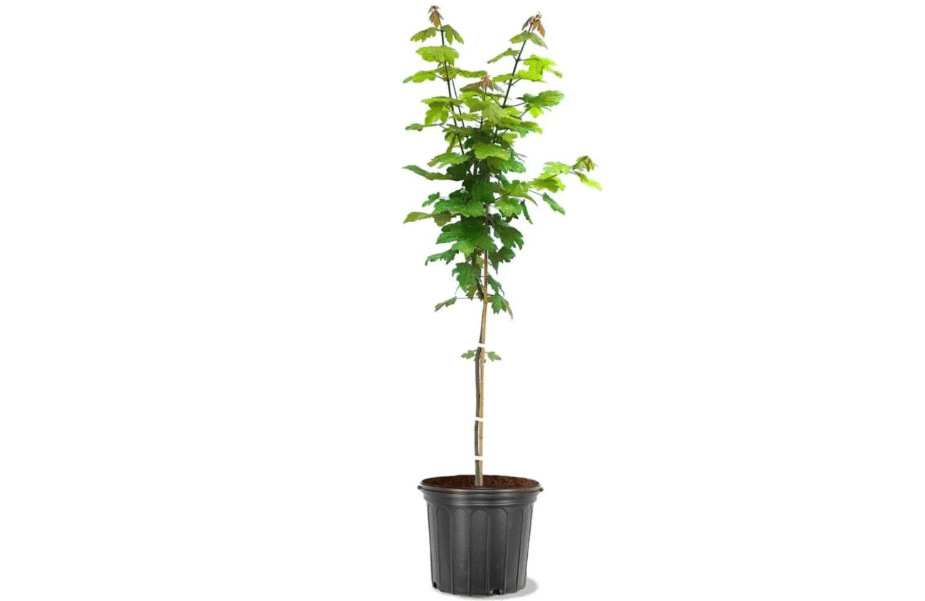
1. Autumn Blaze Maple (The Overall Best Fast-Growing Shade Tree)
A stunning hybrid of the Silver Maple and Red Maple, the Autumn Blaze captures the best of both worlds: the rapid growth of the Silver Maple and the structural strength and brilliant color of the Red Maple. It is widely celebrated as one of the most reliable shade trees for residential lawns.
-
Price:
-
Key Features and Benefits: Capable of growing up to 3 feet per year, this tree rapidly establishes a dense, rounded canopy that reaches 40 to 50 feet in height. It is seedless, meaning it will not drop messy helicopters over your driveway or gutters.
-
Pros and Cons:
-
Pros: Incredible growth speed; brilliant crimson fall foliage; highly adaptable to poor soils and urban pollution.
-
Cons: Shallow surface roots can complicate mowing if not watered deeply during the first two years of establishment.
-
-
Amazon Customer Ratings & Reviews: Averages 4.5/5 stars. Verified purchasers frequently highlight the excellent shipping packaging from sellers like Brighter Blooms and note that the tree frequently pushes two to three feet of growth in its first full summer.
-
Why It’s a Good Choice for Georgia: It thrives beautifully across Zones 3-8, tolerating the heavy clay soils of North and Central Georgia while withstanding intense July heat waves.
-
Ideal Use Case: Homeowners desperate for quick shade to lower summer AC bills, or anyone looking for a breathtaking front-yard focal point.
2. Tulip Poplar (Best for Large Estates & Maximum Shade)
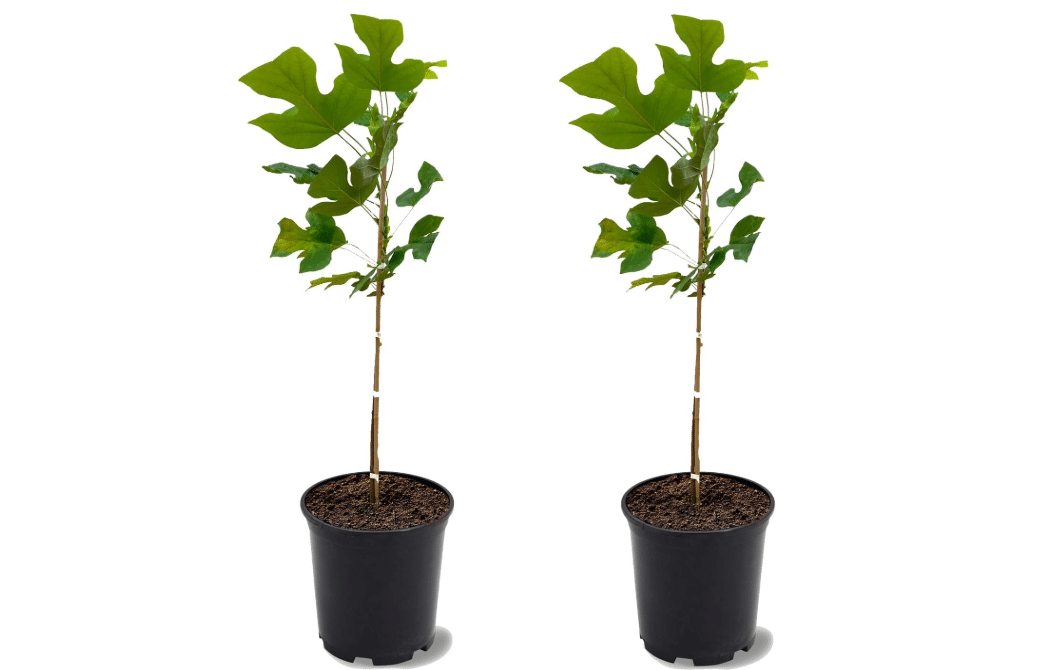
The Tulip Poplar (Liriodendron tulipifera) is the tallest eastern hardwood and a magnificent shade provider. Known for its distinctively shaped leaves and beautiful spring blooms, it is a powerhouse grower for spacious properties.
-
Price: $52.99
-
Key Features and Benefits: Features a massive, straight trunk and a soaring canopy that can easily reach 70 to 90 feet over time. In late spring, it produces striking, tulip-shaped flowers with yellow and orange bands that attract local pollinators.
-
Pros and Cons:
-
Pros: Enormous shade footprint; very fast-growing; beautiful seasonal blooms; excellent timber strength.
-
Cons: Too large for small suburban lots; drops fleshy flower petals in early summer that require sweeping if planted near patios.
-
-
Amazon Customer Ratings & Reviews: Averages 4.4/5 stars. Buyers praise its vigorous root system upon arrival and its ability to quickly establish itself even in less-than-ideal soil.
-
Why It’s a Good Choice for Georgia: As a native Southeastern tree, it is perfectly adapted to the state’s humidity, heavy rainfall, and clay-heavy topography.
-
Ideal Use Case: Rural property owners, homesteaders, or those with large, expansive backyards who want a grand, historic-feeling shade tree.
3. Live Oak (Best Classic Southern Evergreen)
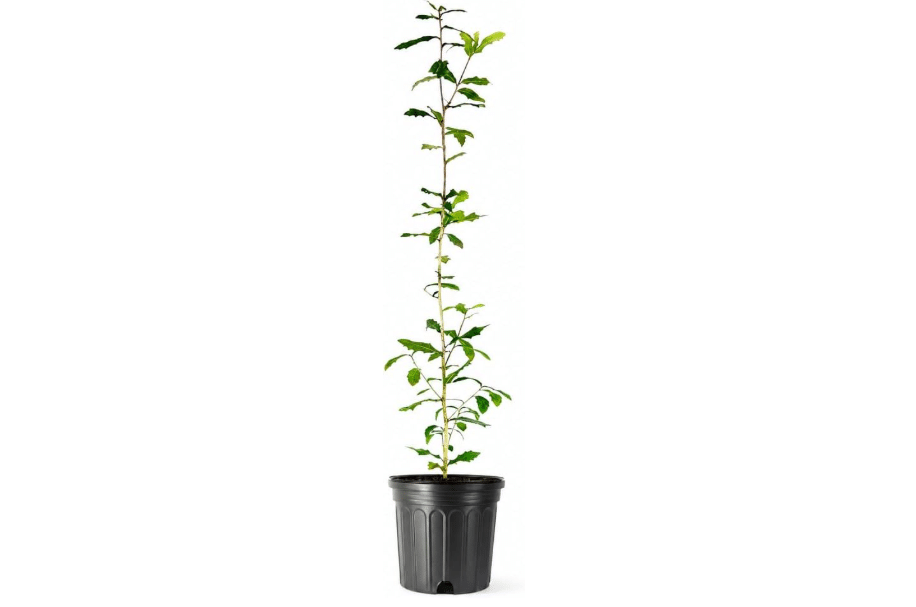
Nothing screams “Georgia landscape” quite like the sweeping, majestic branches of a Live Oak (Quercus virginiana). Unlike most shade trees, this is a semi-evergreen that retains its canopy year-round, dropping older leaves only briefly in the spring as new ones push through.
-
Price: $69.97
-
Key Features and Benefits: Famous for its broad, sprawling canopy that can stretch wider than the tree is tall. It features incredibly dense, storm-resistant wood and small, leathery leaves that provide excellent, cooling shade.
-
Pros and Cons:
-
Pros: Year-round foliage; incredible longevity (can live for centuries); exceptionally wind and storm-resistant.
-
Cons: Moderate growth rate compared to maples; low-hanging branches require structural pruning if planted near streets.
-
-
Amazon Customer Ratings & Reviews: Averages 4.6/5 stars. Customers consistently rave about the health of the foliage upon delivery and the tree’s remarkable survival rate through tough winters and blistering summers.
-
Why It’s a Good Choice for Georgia: It is highly salt-tolerant, making it perfect for coastal areas like Savannah and Brunswick, yet hardy enough to thrive in the Piedmont region.
-
Ideal Use Case: Coastal properties and large estates where homeowners want an iconic, legacy tree that provides year-round privacy and deep shade.
4. October Glory Red Maple (Best for Spectacular Fall Color)
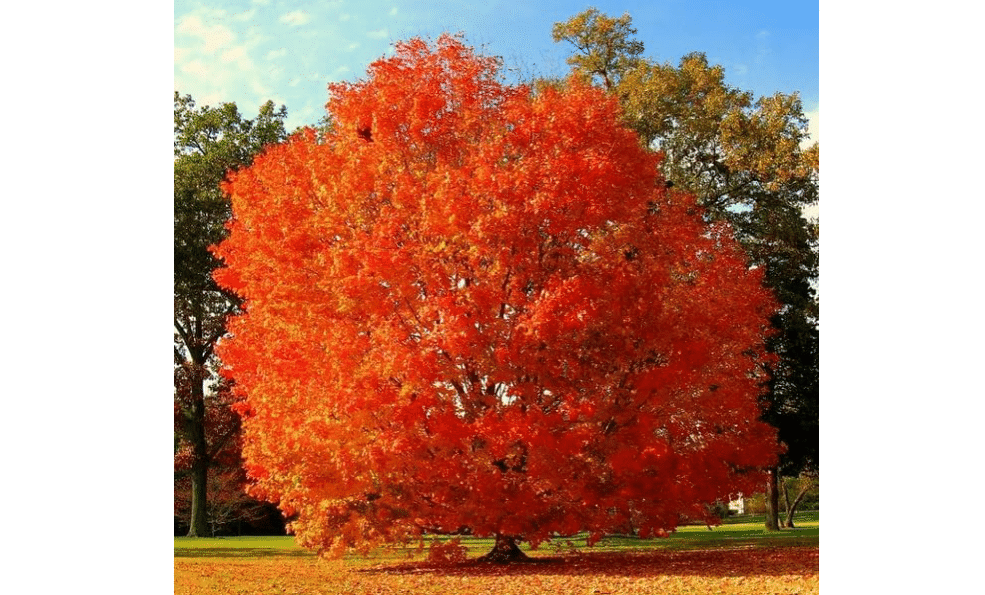
If you want your yard to stop traffic in November, the October Glory Red Maple is the standard-bearer. An improved cultivar of the native red maple, it is bred specifically for a late, intense color display.
-
Price:
-
Key Features and Benefits: It features a dense, oval-shaped canopy reaching up to 50 feet. Its defining feature is its ability to hold its vibrant, deeply red leaves much later into the autumn season than almost any other maple.
-
Pros and Cons:
-
Pros: Superior, long-lasting fall color; excellent shade density; highly adaptable to various soil pH levels.
-
Cons: Slightly slower growing than the Autumn Blaze; requires consistent watering during severe droughts to prevent leaf scorch.
-
-
Amazon Customer Ratings & Reviews: Averages 4.5/5 stars. Buyers frequently comment on the superior root balls provided by Amazon vendors and the breathtaking color payoff in late autumn.
-
Why It’s a Good Choice for Georgia: The October Glory actually benefits from Georgia’s mild autumns, as the warmer days and cool nights perfectly trigger its signature late-season crimson flush.
-
Ideal Use Case: Suburban homeowners looking for a medium-to-large shade tree that doubles as the neighborhood’s premier autumn centerpiece.
5. River Birch – ‘Heritage’ or ‘Dura Heat’ (Best for Wet Soil & Clay)
When dealing with low-lying areas or heavy Georgia clay that traps water, most trees will suffer from root rot. The River Birch, particularly the heat-tolerant ‘Heritage’ or ‘Dura Heat’ cultivars, aggressively thrives in these exact conditions.
-
Price:
-
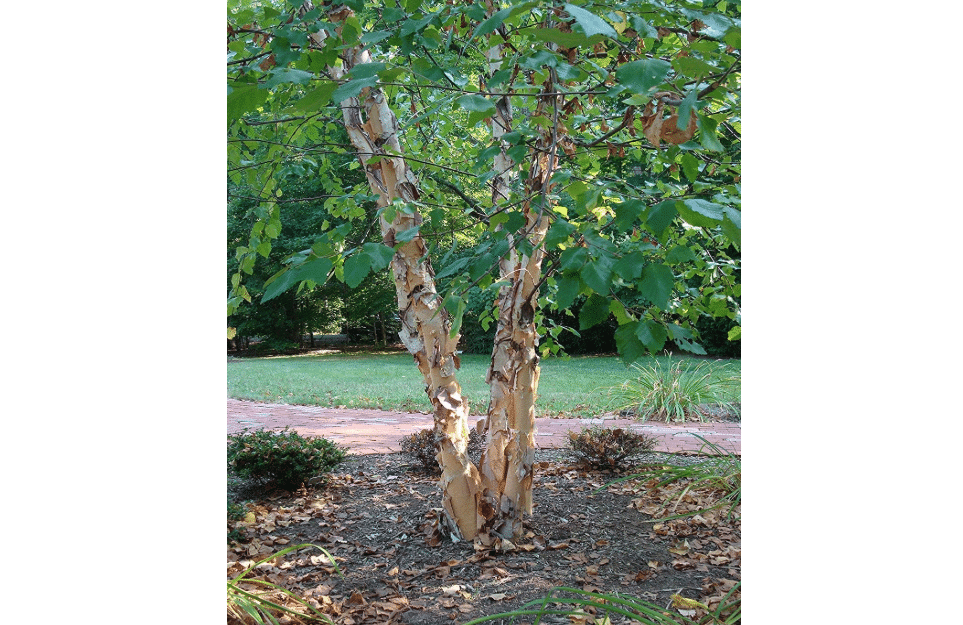
Key Features and Benefits: Grows at a blistering pace of up to 2-3 feet per year. It is most famous for its stunning, salmon-colored exfoliating bark that peels back to reveal creamy white layers, offering incredible winter interest once the leaves fall.
-
Pros and Cons:
-
Pros: Thrives in boggy, poorly drained soils; highly pest resistant; stunning peeling bark.
-
Cons: Drops a significant amount of small leaves and twigs during summer storms; not drought-tolerant once established.
-
-
Amazon Customer Ratings & Reviews: Averages 4.4/5 stars. Reviewers love the instant architectural appeal of the multi-trunk variations and praise its survival in yards where other trees previously drowned.
-
Why It’s a Good Choice for Georgia: Solves the exact problem many Georgia homeowners face: heavy, unyielding clay that refuses to drain after a spring downpour.
-
Ideal Use Case: Properties with natural slopes, drainage ditches, or low-lying backyards that stay soggy for days after heavy rain.
6. Ginkgo Biloba – Maidenhair Tree (Best for Urban & City Landscapes)
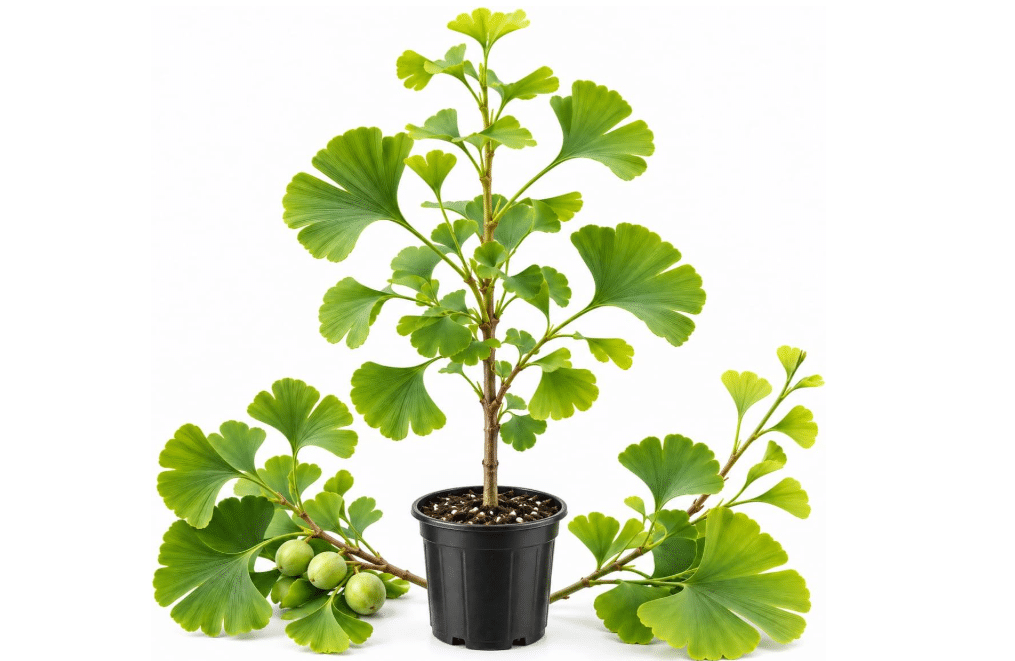
A living fossil that has existed for millions of years, the Ginkgo Biloba is one of the most resilient and visually distinctive trees you can plant. Its fan-shaped leaves flutter beautifully in the breeze and turn an unmissable, glowing golden-yellow in the fall.
-
Price:
-
Key Features and Benefits: Capable of reaching 50 to 75 feet, the Ginkgo features a deep, non-invasive taproot system. Crucial buying tip: Always ensure you are purchasing a grafted male tree (like the ‘Autumn Gold’ cultivar) to avoid the messy, foul-smelling fruit produced by female trees.
-
Pros and Cons:
-
Pros: Virtually immune to pests and disease; incredible smog and pollution tolerance; safe to plant near concrete.
-
Cons: Slower initial growth rate compared to maples; requires patience during the first few years of establishment.
-
-
Amazon Customer Ratings & Reviews: Averages 4.3/5 stars. Reviewers appreciate the careful dormant shipping and consistently mention how unique the foliage looks compared to standard neighborhood trees.
-
Why It’s a Good Choice for Georgia: It shrugs off the heat, humidity, and urban air pollution of metro Atlanta. Because its roots grow deeply rather than spreading on the surface, it won’t buckle your driveway or sidewalk.
-
Ideal Use Case: Urban and suburban homeowners who want a zero-maintenance, pollution-hardy shade tree near streets, driveways, or patios.
7. Weeping Willow (Best for Fast Privacy Near Water Features)
For sheer dramatic elegance and explosive growth, the Weeping Willow (Salix babylonica) is unmatched. Its sweeping, pendulous branches create a massive dome of shade and privacy that sways beautifully in the Southern breeze.

-
Price:
-
Key Features and Benefits: One of the fastest-growing shade trees available, capable of adding 3 to 4 feet of height per year until it reaches a mature height and width of 40 to 50 feet.
-
Pros and Cons:
-
Pros: Unbeatable growth speed; creates an instant privacy screen; absolutely stunning aesthetic.
-
Cons: Aggressive, water-seeking roots can invade septic systems or plumbing if planted too close to the house; weaker wood is prone to snapping in severe wind.
-
-
Amazon Customer Ratings & Reviews: Averages 4.5/5 stars. Amazon buyers are frequently shocked by the growth rate, with many reporting their willows grew several inches a week during the peak of summer.
-
Why It’s a Good Choice for Georgia: Willows thrive in the intense heat and heavy summer rainfall of the South. They are the ultimate solution for utilizing soggy, wet areas of a property.
-
Ideal Use Case: Homeowners with large properties, natural ponds, creeks, or lakefront yards looking for rapid shade and privacy.
8. Shumard Oak (Best Drought-Tolerant Native Shade Tree)
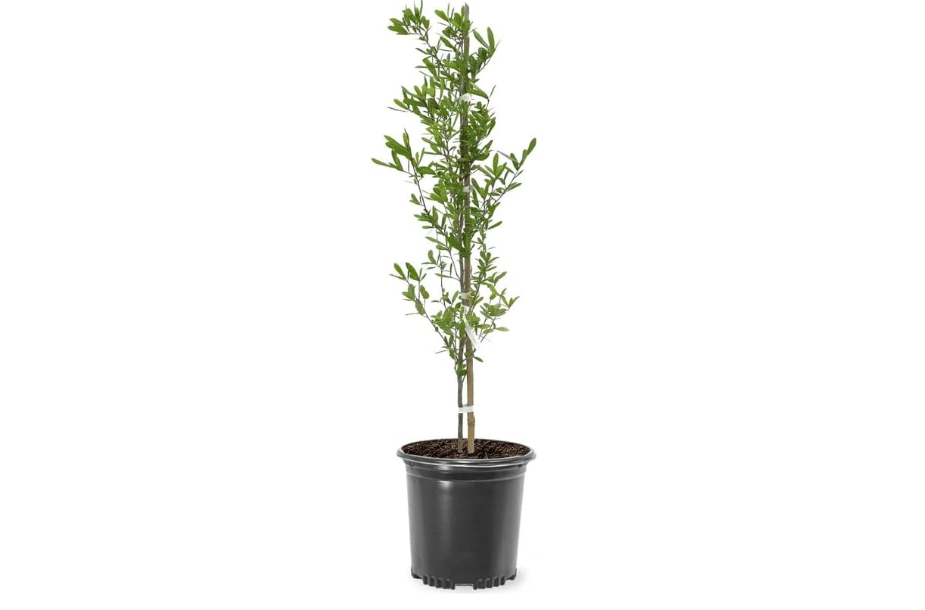
While the Live Oak gets the evergreen glory, the Shumard Oak (Quercus shumardii) is a deciduous powerhouse that offers the structural integrity of an oak combined with the brilliant late-season color of a maple.
-
Price:
-
Key Features and Benefits: Reaches 40 to 60 feet tall with a beautiful, broad, pyramidal canopy. It produces strong, flexible branches and leaves that transition from deep green to a rich, leathery red-orange in late November.
-
Pros and Cons:
-
Pros: Extremely strong wood resists storm damage; highly drought-tolerant once established; deeply rooted.
-
Cons: Produces acorns as it matures, which may require cleanup if planted directly over a driveway or patio.
-
-
Amazon Customer Ratings & Reviews: Averages 4.6/5 stars. Customers rave about its high survival rate and the robust, healthy root systems provided by top-rated Amazon nursery vendors.
-
Why It’s a Good Choice for Georgia: It is highly adaptable to a wide range of soil pH levels and is one of the most drought-resistant shade trees available, easily surviving Georgia’s unpredictable dry spells.
-
Ideal Use Case: Suburban lawns needing a long-term shade solution that won’t threaten the home’s foundation or snap during a heavy thunderstorm.
9. Dawn Redwood (Best Fast-Growing Conifer for Shade)
The Dawn Redwood (Metasequoia glyptostroboides) is a spectacular conversation piece. It is a “deciduous conifer”—meaning it has soft, feathery green needles like an evergreen, but it turns a rusty, brilliant copper in the fall before dropping its needles for winter.

-
Price:
-
Key Features and Benefits: Capable of growing 2 to 3 feet a year, it eventually reaches a towering 70 to 100 feet. The trunk becomes beautifully fluted and textured as it ages, adding incredible architectural interest to the yard.
-
Pros and Cons:
-
Pros: Extremely fast growth; unique seasonal color changes; very low maintenance and pest-free.
-
Cons: Requires a very large space; the base of the trunk can become quite wide over time.
-
-
Amazon Customer Ratings & Reviews: Averages 4.7/5 stars. Reviewers consistently praise it as the most unique tree in their landscape, noting its vigorous growth even in unamended soil.
-
Why It’s a Good Choice for Georgia: Like the River Birch, the Dawn Redwood loves moisture and thrives in Georgia’s humid climate and clay-heavy soils.
-
Ideal Use Case: Large properties where homeowners want a massive, fast-growing canopy tree that stands out from the typical neighborhood oaks and maples.
10. Lacebark Elm (Best Disease-Resistant Canopy Tree)
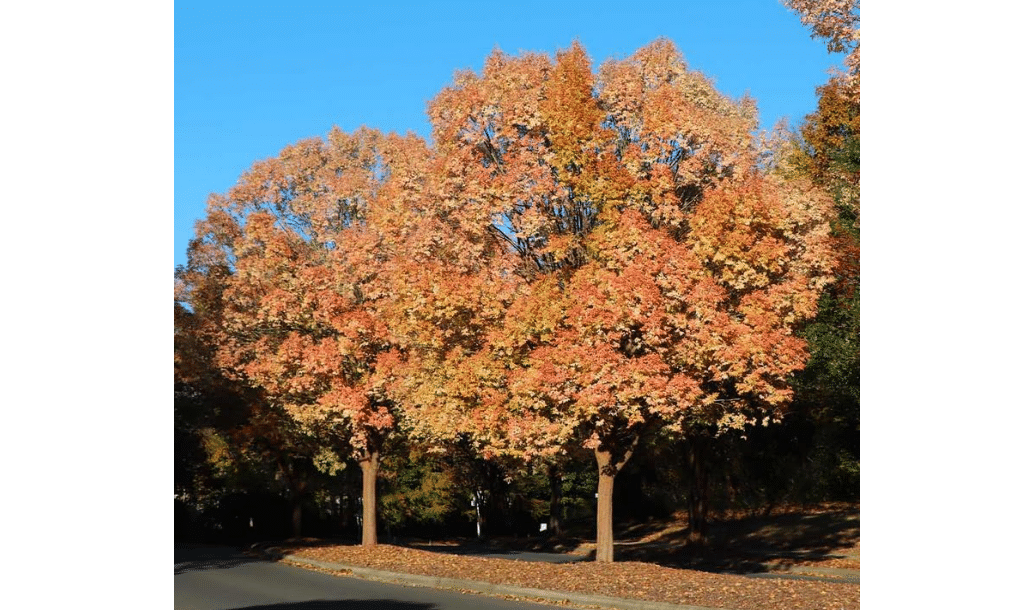
Also known as the Chinese Elm (Ulmus parvifolia), the Lacebark Elm is a tough, elegant shade tree that provides a classic, overarching canopy without the devastating vulnerability to Dutch Elm disease that wiped out native American Elms.
-
Price:
-
Key Features and Benefits: Grows rapidly to 40-50 feet. It forms a graceful, vase-shaped canopy that provides dappled shade—perfect for cooling a patio while still allowing enough light through for grass to grow underneath. Its namesake is its stunning, mottled bark that peels in patches of gray, green, and orange.
-
Pros and Cons:
-
Pros: Highly resistant to Dutch Elm disease; beautiful bark provides winter interest; excellent shade structure.
-
Cons: Can be prone to minor branch breakage in severe ice storms if not structurally pruned while young.
-
-
Amazon Customer Ratings & Reviews: Averages 4.4/5 stars. Buyers highlight the immediate curb appeal and the health of the foliage upon unboxing.
-
Why It’s a Good Choice for Georgia: It is incredibly tough, highly tolerant of poor urban soils, and laughs off the extreme heat of deep Southern summers.
-
Ideal Use Case: Ideal for shading patios, decks, or sidewalks where you want to enjoy the shade without completely blocking the view.
IV. The Buying Guide: How to Choose the Right Shade Tree for Your Georgia Yard
Investing in a tree is a multi-decade decision. Before clicking “add to cart,” consider these critical factors to ensure your new shade tree thrives in the Peach State.
-
Understanding Georgia’s Hardiness Zones: Georgia spans USDA Zones 6b (in the high elevations of the Blue Ridge mountains) down to 9a (along the southern coast). Always check your specific zip code. While all the trees on this list thrive in the middle ranges (Zones 7-8), coastal residents should prioritize salt-tolerant species like the Live Oak, while northern residents can comfortably plant the Autumn Blaze Maple.
-
Deciduous vs. Evergreen Strategy: To maximize energy savings, plant large deciduous trees (like Maples or Oaks) on the South and West sides of your home. They will block the brutal summer sun but drop their leaves in winter, allowing passive solar heat to warm your house. Reserve evergreens (like Live Oaks) for the North side to block cold winter winds.
-
Growth Rate vs. Wood Strength: It is tempting to buy the fastest-growing tree available, but rapid growth often means softer wood (as seen in Willows). If you live in an area prone to severe thunderstorms or ice, balance your landscape by planting a mix of fast growers for instant gratification and strong hardwoods (like the Shumard Oak) for long-term stability.
-
Dealing with Georgia Clay: Red clay drains incredibly slowly. When planting, dig a hole twice as wide as the root ball but no deeper. Avoid heavily amending the backfill soil with compost, as this creates a “bathtub effect” where water pools in the hole and drowns the roots. Instead, choose clay-adaptable species like the River Birch or Tulip Poplar.
V. Frequently Asked Questions
When is the best time to plant shade trees in Georgia? The optimal time to plant is late fall to early winter (November through February). Planting during dormancy allows the tree’s root system to establish in the soil before it has to endure the stressful, blistering heat of its first Georgia summer.
What is the fastest-growing shade tree in Georgia? If speed is your primary goal, the Weeping Willow, Autumn Blaze Maple, and Tulip Poplar are the undisputed champions, often pushing 2 to 4 feet of new growth per year under optimal conditions.
Is it safe to buy live trees on Amazon? Absolutely. When researching the best 10 shade trees for georgia, we found that top-tier Amazon vendors (like Brighter Blooms and Perfect Plants) operate as direct-to-consumer nurseries. They utilize specialized dormancy packaging, moisture-retaining root wraps, and rigorous quality control to ensure trees arrive alive, healthy, and ready to plant.
VI. Conclusion & Final Recommendations
Planting a shade tree is one of the highest-ROI investments you can make in your home. Beyond simply beautifying your property, the right canopy can drastically lower summer cooling costs, prevent soil erosion, and increase your home’s resale value by up to 15%.
Our Top Picks:
-
Best Overall: Autumn Blaze Maple – The perfect balance of rapid growth, brilliant fall color, and structural reliability. (Check Price on Amazon)
-
Best for Problem Soils: River Birch – The ultimate solution for heavy, wet clay that refuses to drain. (Check Price on Amazon)
-
Best for Legacy & Longevity: Live Oak – The iconic Southern classic for massive, year-round shade. (Check Price on Amazon)
Don’t spend another summer sweltering on your patio. Review the specific dimensions and current pricing on Amazon today, and get your tree in the ground this season so you can start enjoying the shade.