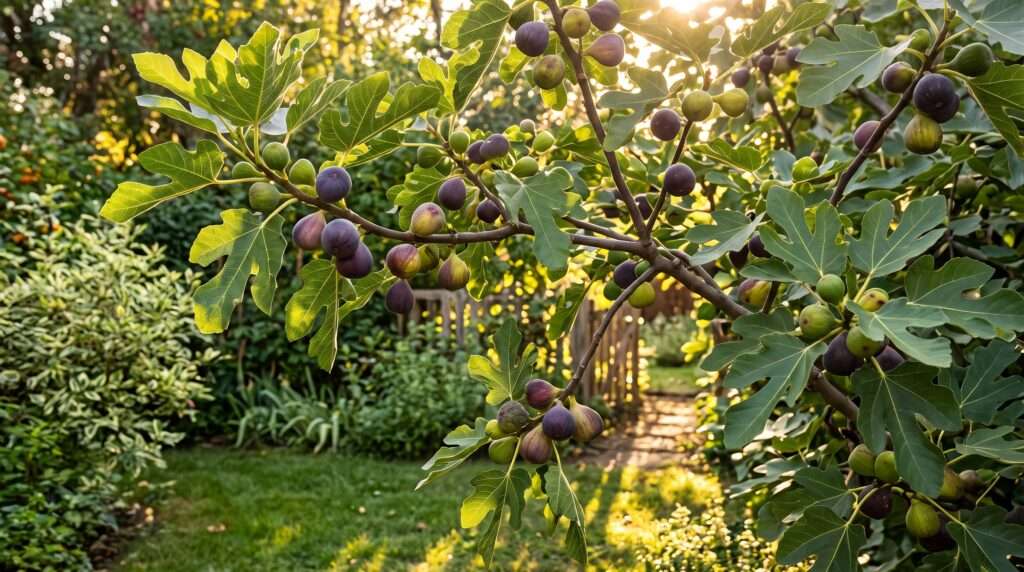
Growing fig trees in USDA Zone 7 can often feel like a roll of the dice. With winter temperatures occasionally plummeting to near 0°F, planting the wrong variety means watching a beautiful sapling freeze completely to the ground, leaving you empty-handed when the summer harvest season arrives. If you want to stop gambling with your garden and start enjoying fresh fruit, you need to find the best 10 fig tree for zone 7 to ensure your investment survives the frost and thrives in the heat.
The biggest problem home growers face is that not all fig trees sold online are labeled accurately for true cold hardiness or late-summer humidity tolerance. Buying blindly often leads to wasted money, years of lost growing time, and dead trees. You don’t just need a generic fig sapling; you need a resilient, climate-tested cultivar that either stubbornly survives freezing temperatures or vigorously pushes out new fruiting wood in the spring [cite: 1.2.3].
That is exactly where this guide comes in. We have cross-referenced nursery data, analyzed real buyer reviews, and evaluated winter survival rates to eliminate the guesswork. Whether you are looking for a massive in-ground producer or a compact patio container variety, our comprehensive breakdown of the best 10 fig tree for zone 7 will help you confidently choose a reliable tree that delivers sweet, jammy fruit year after year.
Buying Guide: How to Choose the Right Fig Tree for Zone 7
Before adding a tree to your cart, it is vital to understand the specific climate challenges of Zone 7. Here is what you need to know to make an informed buying decision:
-
Cold Hardiness (Root vs. Branch Survival): In Zone 7, some winters are mild, while others bring brutal freezes. For a tree to be reliable here, it must either have wood that can survive deep freezes, or it must be able to die back to the ground and aggressively regrow from the roots in the spring to produce a late-summer harvest [cite: 1.2.3; 1.3.1].
-
Closed vs. Open Eye: The “eye” (ostiole) is the small opening at the bottom of the fig. If you live in a humid or rainy part of Zone 7 (like Zone 7b), you want a “closed eye” variety [cite: 1.3.1]. An open eye allows rain and insects inside, causing the fruit to sour and rot on the branch before you can pick it.
-
Breba vs. Main Crop: Fig trees can produce two crops. The “breba” crop grows on old wood (last year’s branches) early in the summer. The “main crop” grows on new spring growth and ripens in late summer or fall. In Zone 7, a harsh winter will kill old wood, meaning you will lose the breba crop. Therefore, it is highly recommended to select varieties known for a heavy, reliable main crop [cite: 1.3.1].
-
In-Ground vs. Container: If you rent, have terrible soil, or live in the coldest northern pockets of Zone 7, container growing is a safe bet. Varieties that naturally stay compact are perfect for potting, allowing you to wheel them into an unheated garage during winter freezes [cite: 1.2.3].
Quick Comparison: Top Fig Trees for Zone 7
(Swipe left/right on mobile to view full table)
The Best 10 Fig Tree for Zone 7: Detailed Product Reviews
1. Chicago Hardy Fig Tree (Best Overall for Cold Climates)
-
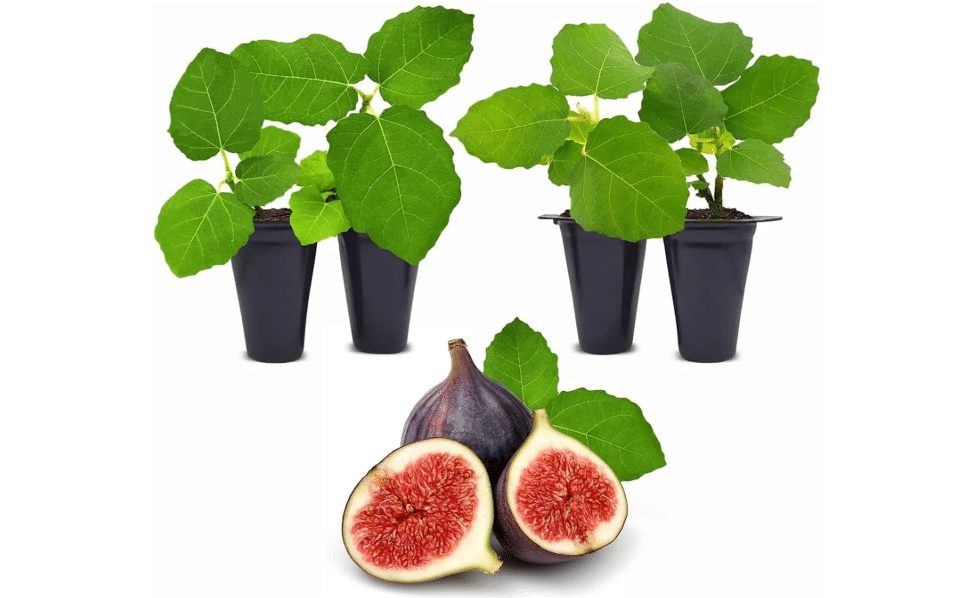
Product Description: The Chicago Hardy is the undisputed champion of cold-climate fig growing. It is a fast-growing, deciduous tree that produces deep mahogany-colored fruit with rich, purple-red flesh [cite: 1.2.3]. It features a shrub-like habit and large, tropical-looking lobed leaves that offer fantastic ornamental value in home landscapes [cite: 1.2.1; 1.2.2].
-
Price: $29.99
-
Key Features & Benefits: This self-pollinating variety is incredibly cold hardy, tolerating temperatures down to 10°F, with roots that survive even colder extremes [cite: 1.2.3]. Even if the above-ground branches freeze and die back in a severe Zone 7 winter, the crown will survive and aggressively push out new fruiting canes in the spring, yielding fruit that same year [cite: 1.2.1; 1.2.2; 1.2.3]. At maturity, it reaches 10 to 15 feet tall and can produce up to 100 pints of figs in a single growing season [cite: 1.2.2; 1.2.3].
-
Pros & Cons:
-
Pros: Exceptionally cold hardy; bears fruit on new wood; drought-tolerant once established; sweet, rich flavor excellent for fresh eating or preserves [cite: 1.2.1; 1.2.2; 1.2.3].
-
Cons: Fruit is on the smaller side (about the size of a golf ball) [cite: 1.2.3].
-
-
Amazon Ratings & Reviews: Customers frequently rate this highly (averaging 4+ stars), with reviewers specifically praising its reliable spring regrowth, how large the saplings are upon arrival, and its ability to fruit quickly after planting [cite: 1.2.2].
-
Why it’s a good choice for Zone 7: It completely eliminates the gamble of winter die-back; you will get fruit even after a harsh freeze because of its reliable main crop on new growth [cite: 1.3.1].
-
Ideal Use Case: Excellent for in-ground planting, beginner growers, or as a “thriller” plant in a large patio container [cite: 1.2.1; 1.2.2].
2. Celeste Fig Tree (Best for High Humidity & Sweetness)
-
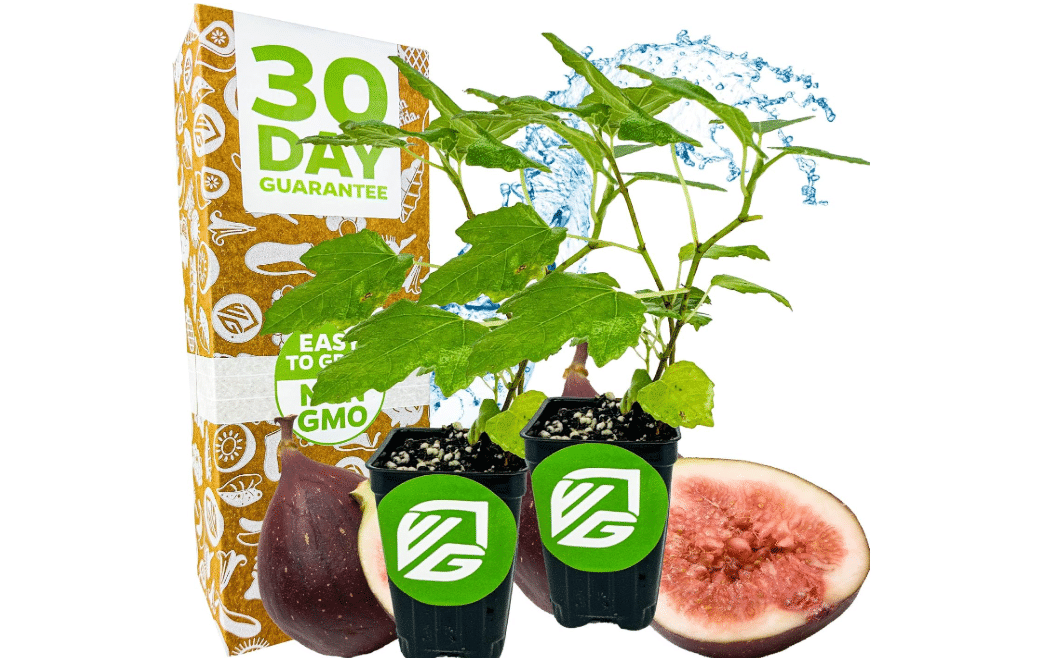
Product Description: The Celeste fig is a Southern classic that produces dependably even under less-than-ideal circumstances. It yields smaller fruit, but what it lacks in size, it makes up for with intense, sugar-sweet flavor [cite: 1.3.1].
-
Price: $31.99
-
Key Features & Benefits: Celeste is famous for its early ripening window and its tightly “closed eye.” It is highly resistant to splitting and souring, meaning it shrugs off summer rains beautifully [cite: 1.3.1]. It is categorized as a medium-sized tree that thrives in USDA Zones 7 through 10 [cite: 1.1.1].
-
Pros & Cons:
-
Pros: Almost never fails to produce; highly resistant to rain-souring and fruit splitting; requires minimal care [cite: 1.3.1].
-
Cons: The fruit size is relatively small compared to other varieties.
-
-
Amazon Ratings & Reviews: A popular choice among home orchardists who consistently praise its bakery-level sweetness and disease resistance.
-
Why it’s a good choice for Zone 7: If you live in a wetter part of Zone 7 (like the mid-Atlantic or Zone 7b), this tree prevents your harvest from turning to mush during late summer thunderstorms [cite: 1.3.1].
-
Ideal Use Case: Backyard growers in humid regions who want a low-maintenance, reliable tree for making sweet fig preserves.
3. Brown Turkey Fig Tree (Best Reliable Producer)
-
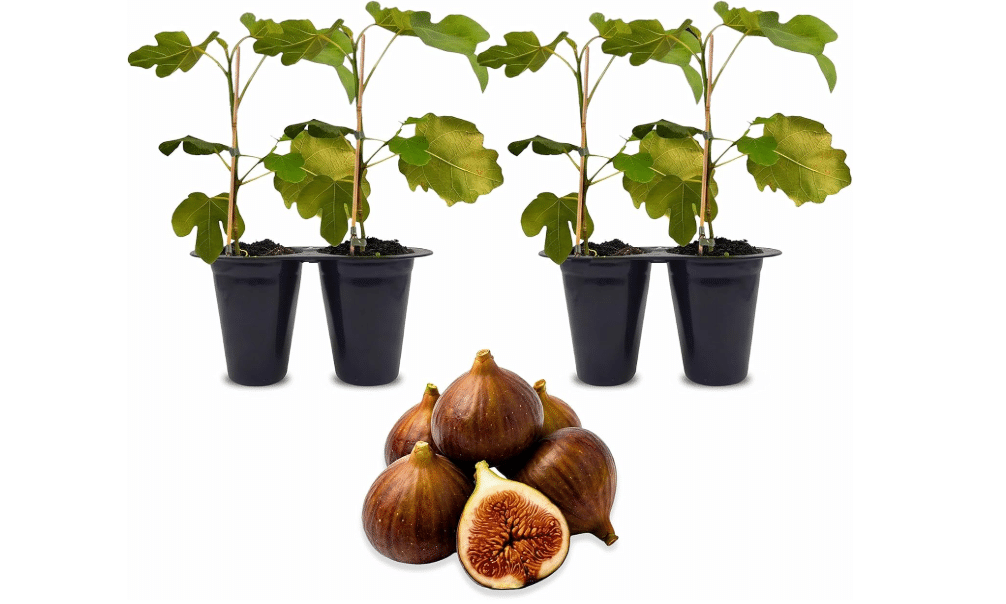
Product Description: Brown Turkey is perhaps the most widely grown and familiar fig in the United States. It is a vigorous, adaptable, and large tree that yields mild, sweet fruits with classic brownish skin [cite: 1.1.1; 1.3.1].
-
Price: $28.99
-
Key Features & Benefits: Thriving in Zones 7 to 9, this tree is a workhorse [cite: 1.1.1]. It handles pruning exceptionally well, recovers quickly after cold damage, and consistently produces heavy, reliable crops [cite: 1.3.1].
-
Pros & Cons:
-
Pros: Highly productive and vigorous; recovers well from winter damage; very easy to find and grow [cite: 1.3.1].
-
Cons: Flavor is moderate/mild compared to premium “berry” or “honey” tasting figs [cite: 1.3.1].
-
-
Amazon Ratings & Reviews: A perennial top-seller online. Buyers love its fast growth rate and how forgiving it is for first-time fruit growers.
-
Why it’s a good choice for Zone 7: It is a safe, proven default for Zone 7 backyards. While it may lack gourmet complexity, its resilience makes it incredibly valuable where reliability matters more than refinement [cite: 1.3.1].
-
Ideal Use Case: First-time growers looking for a traditional, crowd-pleasing fresh fig for large landscape plantings [cite: 1.3.1].
4. Black Mission Fig Tree (Best Premium Flavor)
-
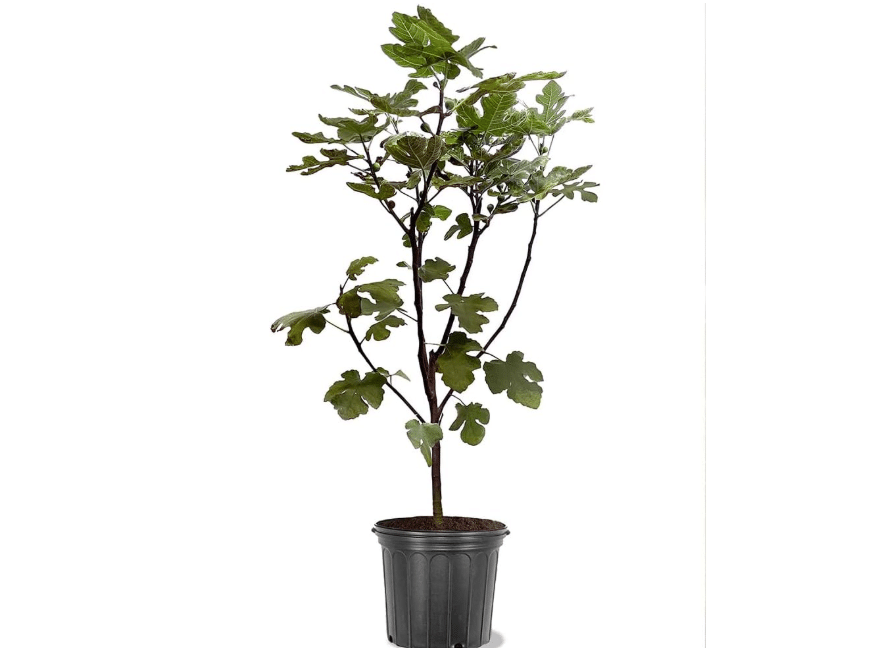
Product Description: The Black Mission fig is a legendary California classic that produces large, purplish-black fruit with a strikingly rich, strawberry-red interior. If you have ever bought premium dried figs at a gourmet grocery store, they were likely Black Mission.
-
Price:
-
Key Features & Benefits: This tree produces the most complex, robust flavor profile on this list. It is a large, vigorous grower that can reach up to 30 feet tall if left unpruned. It also features a semi-closed eye, providing decent resistance against pests.
-
Pros & Cons:
-
Pros: Unbeatable, gourmet flavor for fresh eating, baking, and drying; highly productive.
-
Cons: It is the least cold-hardy of the major varieties; twig damage is highly likely if winter temperatures drop below 12°F.
-
-
Amazon Ratings & Reviews: Buyers consistently rate it highly for its incredible taste, though northern growers often note it requires a sheltered planting spot to thrive.
-
Why it’s a good choice for Zone 7: While it pushes the limits of Zone 7 cold hardiness, it thrives beautifully if planted in a protected microclimate, such as against a heat-retaining, south-facing brick wall.
-
Ideal Use Case: Culinary enthusiasts, home chefs, and gardeners who have a warm, sheltered microclimate in their yard.
5. Violette de Bordeaux Fig Tree (Best for Containers & Small Spaces)
-
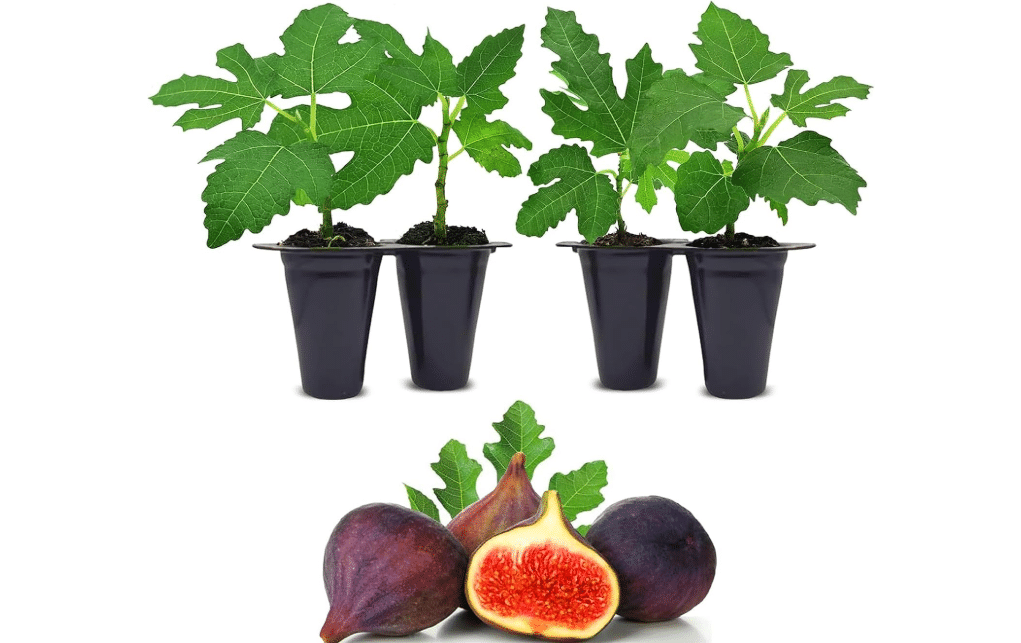
Product Description: Violette de Bordeaux is a naturally dwarf-leaning variety featuring dark purple, almost black skin and a deep, jam-like red interior. Its distinctive deeply lobed leaves make it an incredibly attractive landscape plant.
-
Price: $28.99
-
Key Features & Benefits: This tree boasts excellent cold tolerance, withstanding temperatures down to Zone 6. It provides an exceptional, intense berry-like flavor profile that many fig collectors consider to be world-class.
-
Pros & Cons:
-
Pros: Incredible, rich taste; compact growth habit makes it the ultimate patio plant; very cold hardy.
-
Cons: Slower growth rate compared to aggressive growers like Brown Turkey.
-
-
Amazon Ratings & Reviews: Highly sought after by fig enthusiasts, reviewers rave about the complex flavor of the fruit and how easily it can be managed in a 15-to-20-gallon pot.
-
Why it’s a good choice for Zone 7: It is perfectly adapted for the unpredictable Northern Zone 7 climates. Because it naturally stays small, you can easily wheel it into a garage or shed if a freak “once-in-a-decade” freeze occurs.
-
Ideal Use Case: Urban gardeners, patio growers, or anyone with limited yard space who still wants premium fruit.
6. LSU Purple Fig Tree (Best for Pest Resistance & Heat)
-
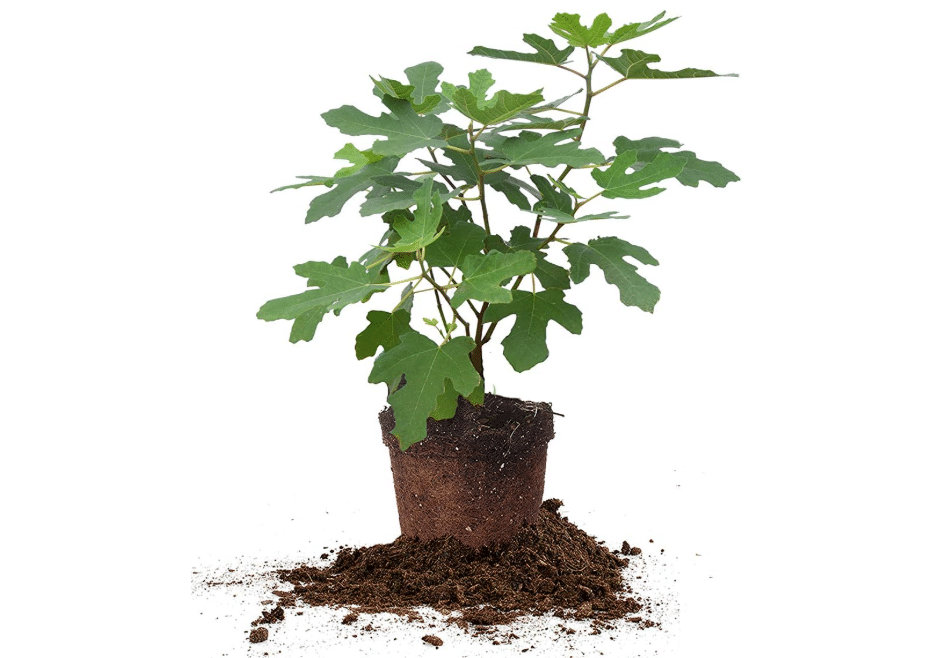
Product Description: Bred specifically by the Louisiana State University agricultural program to handle tough Southern climates, the LSU Purple yields glossy, reddish-purple figs with wonderfully sweet, amber-colored flesh.
-
Price:
-
Key Features & Benefits: This variety is a remarkably vigorous grower and is notably resistant to root-knot nematodes—a common soil pest that destroys other fig varieties. It also handles wild weather and temperature fluctuations beautifully.
-
Pros & Cons:
-
Pros: Extremely fast fruiting (often producing fruit in its second year); nematode resistant; great for hot, humid summers.
-
Cons: The skin has a slightly spicy or bitter bite that some growers prefer to peel before eating.
-
-
Amazon Ratings & Reviews: Growers frequently praise its extreme vigor, fast establishment, and unique, complex honey-berry flavor.
-
Why it’s a good choice for Zone 7: Its strong adaptability, disease resistance, and ability to handle the sweltering heat of late summer make it a hardy survivor for Southern Zone 7b growers.
-
Ideal Use Case: Growers with sandy soils that are prone to nematode issues, or those in the hotter, more humid pockets of Zone 7.
7. Desert King Fig Tree (Best Breba Crop Producer)
-
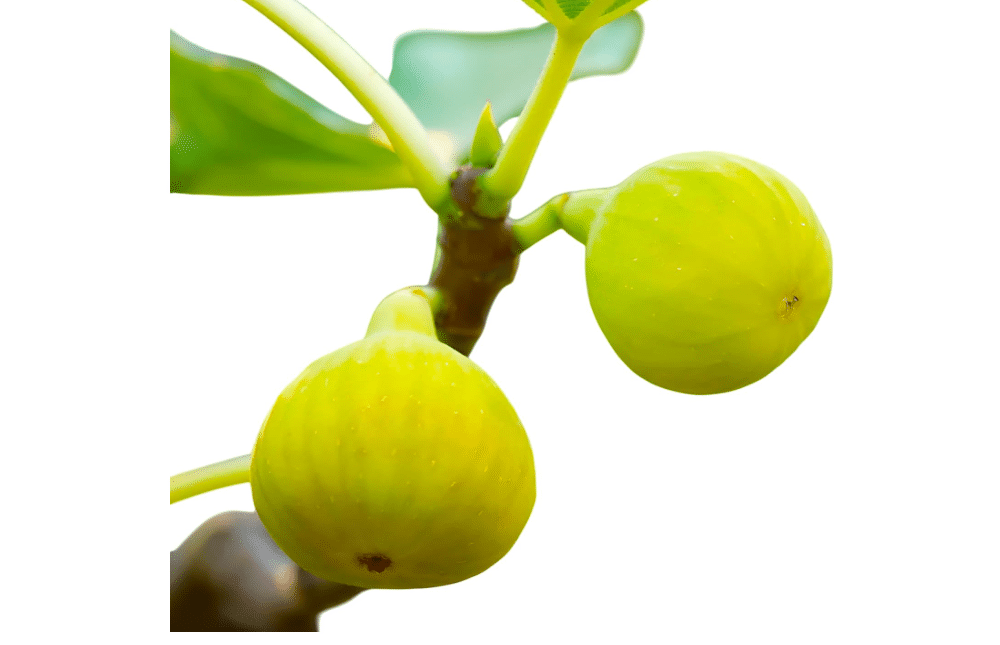
Product Description: Known among orchardists as the “King of Figs,” this green-skinned variety produces a massive, early breba crop. The interior flesh is strawberry-red and incredibly sweet.
-
Price: $89.99
-
Key Features & Benefits: Unlike most figs that rely on late-summer heat, Desert King ripens early in the summer by fruiting entirely on the previous year’s wood. It features a delicious melted-berry and honey flavor.
-
Pros & Cons:
-
Pros: Avoids late-season rains and fall pests by ripening its massive crop early in the summer.
-
Cons: Because the fruit grows on old wood, if a severe Zone 7 winter kills the branches down to the roots, you will lose that year’s crop entirely.
-
-
Amazon Ratings & Reviews: Highly rated by buyers for its exceptionally large fruit size and the sheer volume of its early summer harvest.
-
Why it’s a good choice for Zone 7: It is an excellent choice for coastal Zone 7 areas that have milder winters but shorter, cooler summers where late-season figs might struggle to ripen.
-
Ideal Use Case: Coastal Zone 7 gardeners or those willing to wrap/protect the branches of their tree during deep winter freezes.
8. Smith Fig Tree (Best Premium Choice for Rainy Areas)
-
Product Description: An exceptional heirloom fig originally from Croatia, Smith features a yellowish-green to grey skin and thick, syrupy, dark red flesh.

-
Price: $31.99
-
Key Features & Benefits: Smith has a biological superpower: the skin of the fruit actually sheds water rather than absorbing it. This prevents the figs from swelling, splitting, and souring during heavy summer downpours.
-
Pros & Cons:
-
Pros: Phenomenal eating experience; perfectly suited for rainy climates; resists splitting and souring.
-
Cons: Slightly lower cold hardiness compared to heavyweights like Chicago Hardy, requiring a bit more care during establishment.
-
-
Amazon Ratings & Reviews: It is considered a “holy grail” fig in the collector community, with reviewers noting it is one of the best-tasting figs you can possibly grow.
-
Why it’s a good choice for Zone 7: If you live in a Zone 7 area with wet, humid summers, this is the ultimate gourmet pick that won’t ruin your harvest after a rainstorm.
-
Ideal Use Case: Serious fig connoisseurs and home orchardists living in rainy, humid climates.
9. Ronde de Bordeaux Fig Tree (Best Early Ripener)
-
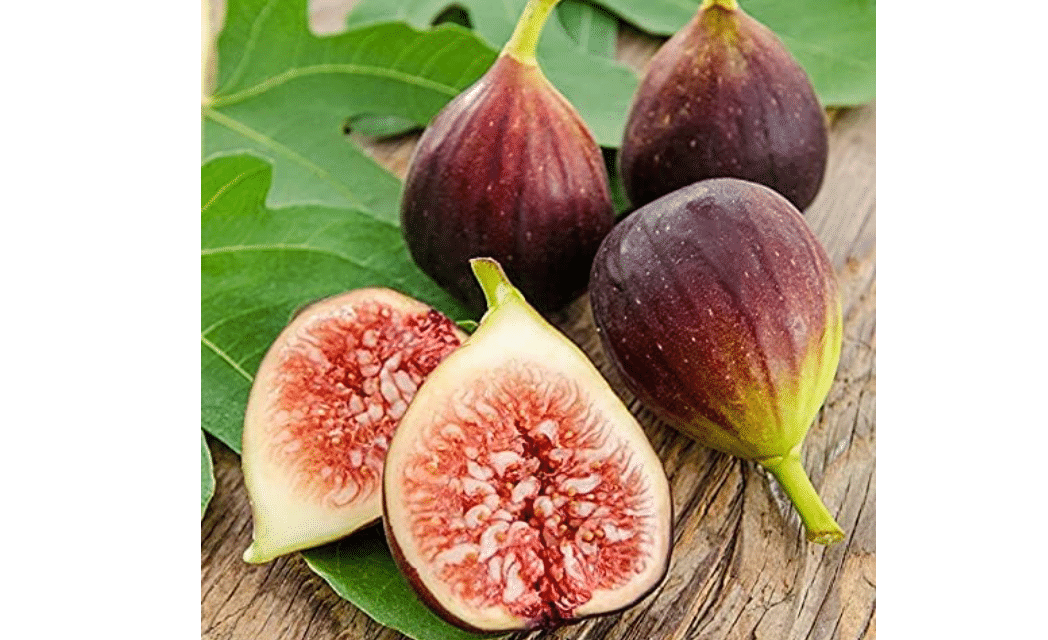
Product Description: A highly sought-after French variety known for producing small, dark, almost black fruits that are packed with an exceptionally concentrated berry flavor.
-
Price:
-
Key Features & Benefits: This tree is highly cold hardy and incredibly fast to ripen. Once the summer heat sets in, Ronde de Bordeaux is often the very first main-crop fig tree to produce ripe fruit.
-
Pros & Cons:
-
Pros: Superb, intense flavor; highly reliable in cooler climates; aggressive, fast grower.
-
Cons: The fruits are on the smaller side, meaning you need to harvest more of them to make a jar of jam.
-
-
Amazon Ratings & Reviews: Buyers highly rate this tree for its prolific yields and how quickly it bounces back and produces fruit even after a cold winter.
-
Why it’s a good choice for Zone 7: Its excellent hardiness and ultra-early ripening window make it a staple for mid-Atlantic Zone 7 regions where fall frosts can arrive early.
-
Ideal Use Case: Gardeners looking to harvest delicious, gourmet figs as early in the season as possible.
10. Florea / Michurinska 10 Fig Tree (Best for Extreme Microclimates)
-
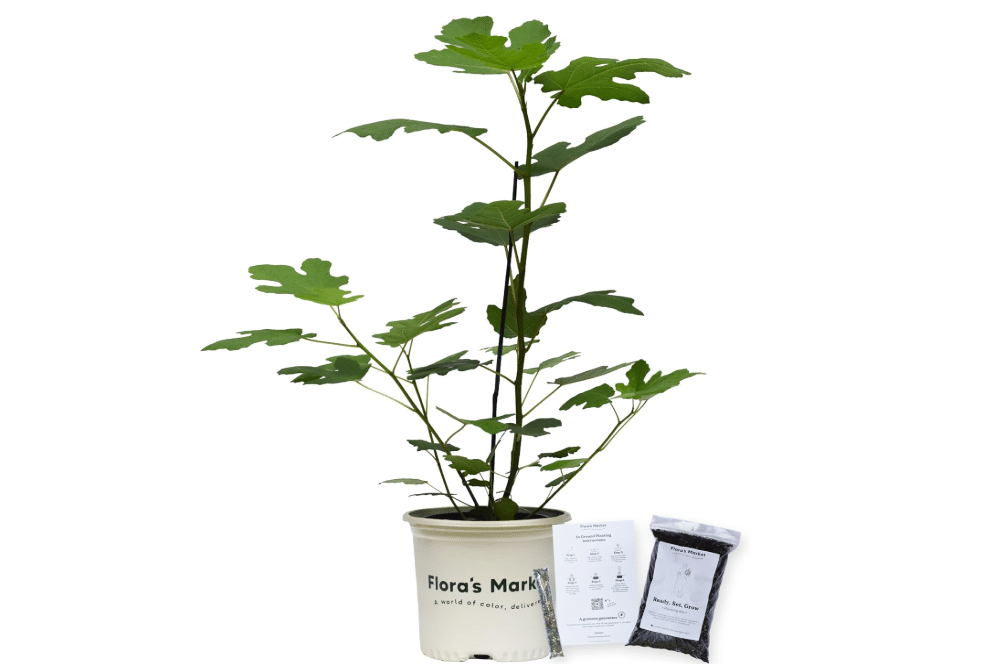
Product Description: Florea (also known as Michurinska 10) is a vigorous, highly resilient fig known for enduring terrible, exposed conditions and still pushing out a reliable harvest.
-
Price: $27.95
-
Key Features & Benefits: It is arguably the most durable tree on this list. Even if it freezes entirely to the ground in an unfriendly, windy, and exposed location, it will vigorously yield a crop on its brand-new branches that same year.
-
Pros & Cons:
-
Pros: Essentially bulletproof in Zone 7; guarantees a harvest no matter how bad the winter was.
-
Cons: Can sometimes be harder to find in standard big-box nurseries, requiring online purchasing.
-
-
Amazon Ratings & Reviews: Highly recommended on permaculture and homesteading forums; buyers rave about its low-maintenance nature and unstoppable will to live.
-
Why it’s a good choice for Zone 7: It acts as the ultimate insurance policy against the worst, most unpredictable Zone 7 winters. If all your other trees fail, Florea will still feed you.
-
Ideal Use Case: Completely hands-off gardeners, homesteaders, or those planting in exposed, windy areas with zero winter protection.
Conclusion & Final Recommendations
Growing figs in USDA Zone 7 doesn’t have to be an exercise in frustration. While the climate throws a mix of late frosts, deep freezes, and humid summers your way, choosing a resilient, climate-appropriate variety guarantees a massive, sweet harvest right in your backyard.
By analyzing winter survival traits, pest resistance, and fruit production on new wood, we’ve identified the top performers. To recap our top recommendations from the best 10 fig tree for zone 7:
-
Best Overall & Hardiest: Go with the Chicago Hardy. It is nearly indestructible and guarantees fruit even after a brutal winter.
-
Best for Humidity: Choose the Celeste. Its closed eye and intense sweetness make it perfect for wet Southern summers.
-
Best for Flavor & Patios: The Violette de Bordeaux offers gourmet taste in a compact, easily manageable size.
Ready to start growing? Spring and early fall are the best times to plant. Click through the links above to check current prices and availability on Amazon, and secure your tree before the seasonal planting rush wipes out nursery stock!