
Imagine watching your beautiful garden wither during a long dry spell while your water bill keeps rising. For many homeowners and gardening enthusiasts today, this is an all-too-familiar frustration. But what if you could have a stunning, vibrant landscape that thrives with almost no watering?
Drought tolerant plants succulents are the perfect solution. These remarkable plants have evolved to store water in their thick leaves and stems, allowing them to survive — and even flourish — in harsh, dry conditions with minimal care.
As a plant care specialist with over 12 years of hands-on experience in xeriscaping and sustainable gardening across different climates, I’ve helped hundreds of gardeners transform water-hungry yards into resilient, eye-catching oases. In this comprehensive guide, you’ll discover the 20 best drought tolerant plants succulents that deliver beauty, resilience, and serious water savings. Whether you’re a beginner or an experienced gardener facing water restrictions, this article will give you practical, proven strategies to create a low-maintenance garden that looks amazing year-round. 💧✨
Why Choose Drought Tolerant Succulents for Your Garden? 💧
Drought tolerant succulents are more than just trendy houseplants — they’re smart, sustainable choices for modern gardeners. With climate patterns becoming increasingly unpredictable, choosing plants that require little water isn’t just convenient; it’s essential.
Key Benefits Include:
- Significant Water Conservation: Many succulents need watering only once every 2–4 weeks once established.
- Low Maintenance Lifestyle: Perfect for busy people who want beauty without daily chores.
- Extreme Resilience: They handle intense sun, poor soil, and temperature swings better than most traditional plants.
- Year-Round Visual Appeal: From striking architectural shapes to vibrant colors and seasonal blooms.
- Support for Local Ecosystems: Many produce flowers that attract bees, butterflies, and other pollinators. 🐝
Succulents store moisture in their fleshy tissues, a natural adaptation that lets them go long periods without rain. This makes them ideal for regions with water scarcity, Mediterranean climates, or anyone practicing xeriscaping principles.
Understanding Succulents and Drought Tolerance
What Makes a Succulent Drought-Tolerant?
Succulents belong to several plant families but share a common trait: specialized tissues for water storage. Their leaves, stems, or roots act like internal reservoirs. Many also have waxy coatings or fine hairs that reduce water loss through evaporation.
Drought tolerance varies slightly among species. Some, like certain Agaves, can survive months without water, while others, like Sedums, prefer occasional deep watering during extreme heat.
Succulents vs. Traditional Plants
Unlike thirsty lawn grass or flowering annuals that demand daily attention, drought tolerant plants succulents have evolved survival mechanisms from arid regions of the world. This means dramatically lower irrigation needs, reduced fertilizer use, and fewer pest problems.
Best Climate and Hardiness Zones
While many succulents love full sun and warm temperatures (USDA Zones 9–11), several varieties are surprisingly cold-hardy down to Zone 5 with proper protection. In cooler or humid areas, growing them in containers or protected microclimates works wonderfully.
Top 20 Best Drought Tolerant Plants Succulents for Low-Maintenance Gardens 🌟
Here’s my carefully curated list of standout performers based on years of real-world testing in various conditions. Each includes key growing information to help you choose the right ones for your space.
1. Agave Blue Glow This stunning succulent features blue-green leaves with glowing red edges. It grows slowly into a striking rosette shape, making it an excellent focal point. Drought tolerant and deer-resistant, it thrives in full sun with excellent drainage. Perfect for rock gardens or modern landscapes. Hardiness: Zones 8–11.
2. Echeveria ‘Blue Elf’ Compact, powder-blue rosettes that form dense mats. This variety is one of the best groundcovers among drought tolerant plants succulents. It produces coral-pink flowers in spring. Ideal for borders and containers. Very beginner-friendly.
3. Aloe Vera A classic with medicinal properties and architectural beauty. Its plump leaves store plenty of moisture, making it extremely drought tolerant. Place it in bright light and enjoy its low-care nature both indoors and outdoors.
4. Sedum ‘Angelina’ Vibrant golden-yellow foliage that spreads quickly as a groundcover. It turns orange-red in cooler weather for extra seasonal interest. Extremely tough and drought resistant. Great for slopes and rock walls. 🪴
5. Hens and Chicks (Sempervivum) Cold-hardy rosettes that multiply rapidly, forming charming “hen and chick” colonies. They survive freezing temperatures and need almost zero winter care. Excellent for rock gardens and green roofs.
6. Jade Plant (Crassula ovata) A timeless favorite with thick, glossy leaves and tree-like structure. Highly drought tolerant once established. It can live for decades and even bloom with tiny white flowers under right conditions.
7. Blue Chalksticks (Senecio mandraliscae) Powdery blue, cylindrical leaves that create a striking color contrast. This spreading succulent works beautifully as a groundcover or in mixed containers. Very heat and drought tolerant.
8. Foxtail Agave (Agave attenuata) Softer, spineless leaves that arch gracefully like a fox tail. More forgiving than many agaves and excellent for larger landscapes or big pots.
9. Coral Aloe (Aloe striata) Wide, spineless leaves with coral-orange flowers on tall stalks. One of the most beautiful flowering succulents for dry gardens.
10. Kalanchoe luciae (Flapjack Plant) Dramatic round leaves that turn bright red in strong sunlight. A show-stopper that adds bold color to any water-wise garden.
11. Aeonium ‘Schwarzkopf’ Dark purple to almost black rosettes that look sculptural and elegant.
12. Prickly Pear Cactus (Opuntia) Tough, edible pads and delicious fruits. Extremely drought tolerant and great for wildlife gardens.
13. Ghost Plant (Graptopetalum paraguayense) Pastel lavender-gray rosettes with a ghostly appearance. Beautiful trailing or groundcover option.
14. Burro’s Tail (Sedum morganianum) Long, trailing stems packed with plump leaves — perfect for hanging baskets.
15. Red Yucca (Hesperaloe parviflora) Grass-like foliage with tall red flower spikes. Extremely tough and drought tolerant.
16. Haworthia Striped, architectural leaves that prefer partial shade. Excellent for indoor or shaded outdoor spots.
17. String of Pearls (Senecio rowleyanus) Unique trailing stems with bead-like leaves. A favorite for hanging displays.
18. Agave victoriae-reginae Compact, highly symmetrical beauty with striking white markings.
19. Ice Plant (Delosperma cooperi) Vibrant daisy-like flowers in bright colors. Excellent fast-spreading groundcover.
20. Euphorbia tirucalli ‘Fire Sticks’ Bold orange-red stems that add dramatic vertical interest and color.
Each of these drought tolerant plants succulents has been selected for proven performance, unique beauty, and genuine low-maintenance qualities.
How to Plant and Care for Drought Tolerant Succulents 🛠️
Choosing the Right Location and Soil
The golden rule is excellent drainage. Use cactus/succulent potting mix or amend garden soil with plenty of perlite, pumice, or coarse sand.
Planting Techniques
For in-ground planting, dig a hole twice as wide as the root ball but not deeper. For containers, choose pots with drainage holes and avoid over-potting.
Watering Best Practices
Use the “soak and dry” method: Water thoroughly until it drains out the bottom, then allow the soil to dry completely before watering again. Most established succulents prefer deep, infrequent watering over frequent light sprinkles.
Watering Best Practices
Use the “soak and dry” method: Water thoroughly until it drains out the bottom, then allow the soil to dry completely before watering again. Most established succulents prefer deep, infrequent watering over frequent light sprinkles.
In hot summer months, you might water every 10–14 days, while in winter, many can go 4–6 weeks or longer. Always check soil moisture by sticking your finger 2 inches deep — if it’s dry, it’s time to water. Overwatering remains the number one killer of succulents, so err on the side of underwatering. 💧
Sunlight, Fertilizing, and Pruning Tips
Most drought tolerant plants succulents crave 6+ hours of bright sunlight daily. However, in extremely hot climates, provide afternoon shade to prevent sunburn.
Fertilize sparingly — once or twice during the growing season (spring and early summer) with a balanced, diluted cactus fertilizer. Over-fertilizing can cause leggy growth and reduce drought tolerance.
Pruning is minimal. Remove dead leaves at the base and trim spent flower stalks to keep plants neat and encourage new growth.
Propagation Made Easy
One of the joys of succulents is how easily they propagate!
- Leaf cuttings: Gently twist off a healthy leaf and let it callous for 2–3 days before placing on moist soil.
- Offsets (pups): Separate baby plants from the mother plant once they have roots.
- Stem cuttings: Allow cuttings to dry for a few days, then plant in well-draining soil.
With these methods, you can quickly multiply your collection and share with friends — all while keeping costs low.
Designing a Stunning Water-Wise Succulent Garden 🌿✨
Creating a beautiful landscape with drought tolerant plants succulents goes beyond simply planting them. Thoughtful design turns your garden into a functional, artistic space that saves water and boosts curb appeal.
Landscape Ideas – Rock Gardens, Borders, and Slopes
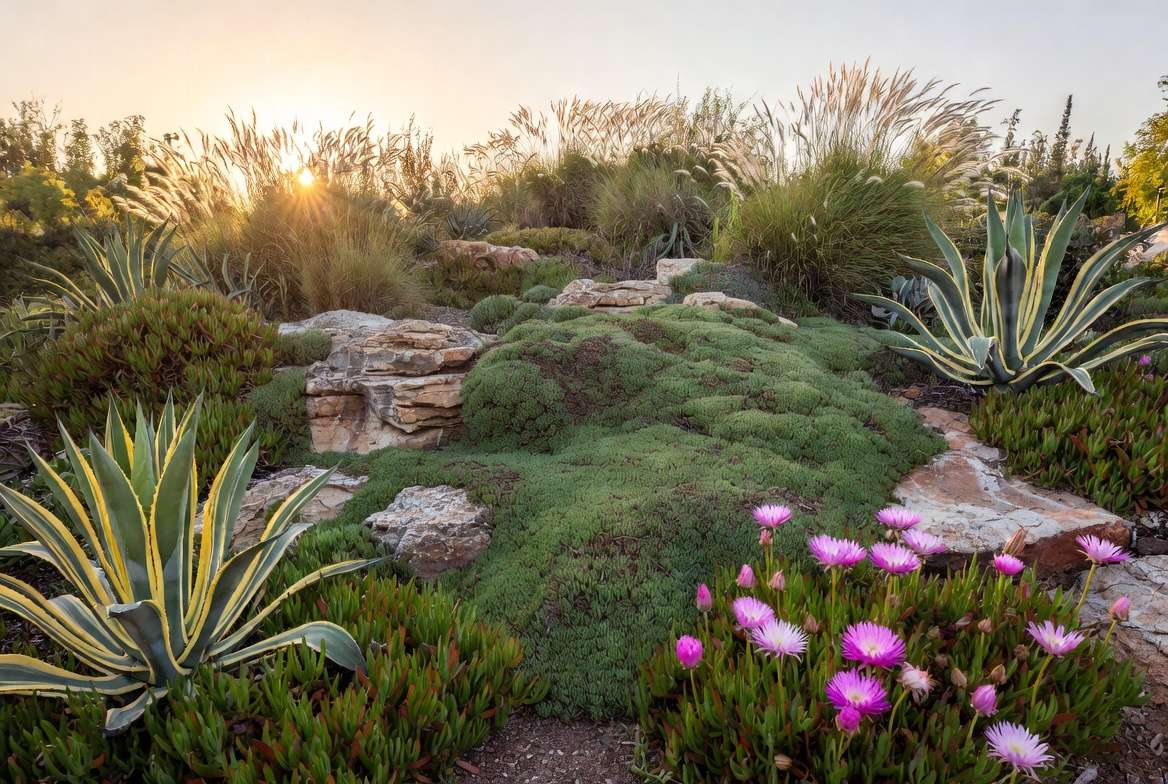
Rock gardens are a natural match for succulents. Use gravel, boulders, and varied heights to create visual interest while improving drainage. On slopes, succulents prevent erosion beautifully while requiring almost no irrigation after establishment.
For borders, combine taller agaves and yuccas as focal points with low-growing sedums and echeverias as edging. This layered approach creates depth and year-round texture.
Companion Planting
Pair succulents with other drought-tolerant companions like lavender, salvia, ornamental grasses, and Russian sage. These combinations support pollinators and create harmonious color schemes. Avoid pairing them with water-loving plants that would require different irrigation zones.
Container and Vertical Garden Inspiration
Succulents shine in containers! Use terracotta or ceramic pots for classic looks, or modern geometric planters for contemporary style. Vertical gardens and living walls made with drought tolerant plants succulents are perfect for small spaces, patios, and balconies.
Try mixing textures — spiky agaves with trailing burro’s tail and rosette-forming echeverias — for dynamic arrangements that look stunning from every angle.
Seasonal Care Calendar
- Spring: Time for repotting, fertilizing, and planting new additions.
- Summer: Monitor for intense heat; provide occasional deep watering.
- Fall: Reduce watering as temperatures drop; collect offsets.
- Winter: Protect cold-sensitive varieties and minimize watering significantly.
Following a seasonal rhythm ensures long-term success with minimal effort.
Common Mistakes to Avoid and Troubleshooting 🛠️
Even experienced gardeners make mistakes. Here are the most common issues I’ve seen over the years and how to fix them:
Overwatering Signs and Solutions Yellowing, mushy leaves, or black spots usually indicate too much moisture. Stop watering immediately, improve drainage, and remove affected parts. In severe cases, repot in fresh dry soil.
Pest Issues and Natural Remedies Mealybugs and aphids occasionally appear. Treat with neem oil spray or insecticidal soap. Encouraging beneficial insects like ladybugs helps maintain natural balance.
Sunburn and Etiolation Pale, stretched growth (etiolation) means insufficient light. Move plants to brighter spots gradually. Brown crispy patches signal sunburn — provide filtered light during peak afternoon hours.
Cold Damage For varieties not fully cold-hardy, use frost cloth or move containers indoors during freezes. Most can recover if protected early.
By avoiding these pitfalls, your drought tolerant succulents will thrive for years with very little intervention.
Benefits Beyond Beauty – Environmental and Practical Wins 🌍
Choosing drought tolerant plants succulents delivers rewards that extend far beyond aesthetics:
- Water Savings: Established succulent gardens can use up to 80% less water than traditional lawns.
- Pollinator Support: Bright blooms from aloe, sedum, and ice plant provide essential nectar during dry seasons when other flowers may be scarce.
- Mental Health Boost: Caring for resilient plants reduces stress and creates a sense of accomplishment.
- Increased Property Value: Well-designed xeriscapes are highly attractive to eco-conscious buyers.
- Soil Health: Succulents improve soil structure over time and require fewer chemical inputs.
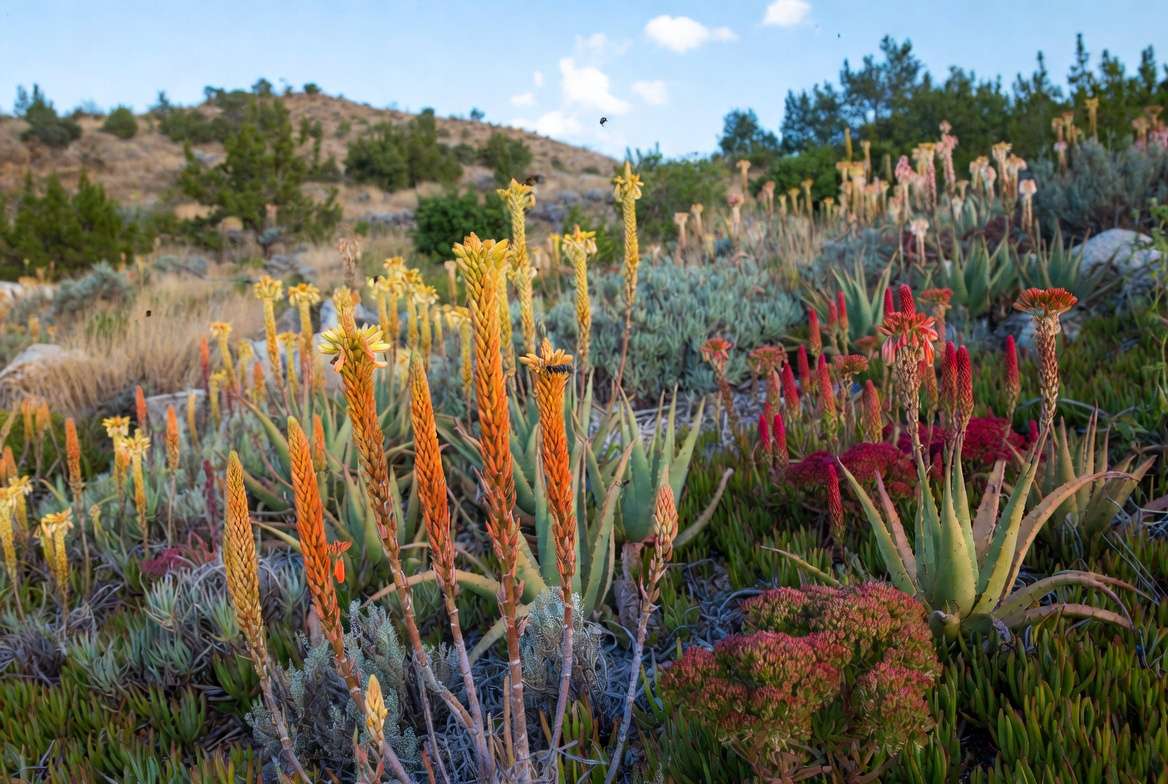
These plants truly represent sustainable gardening at its best.
Frequently Asked Questions (FAQs) ❓
How often should I water drought tolerant succulents? Once established, every 2–4 weeks is usually sufficient. Always check soil dryness first.
Can succulents survive freezing temperatures? Some varieties like Sempervivum and certain Sedum are cold-hardy to Zone 5. Others need winter protection or indoor shelter.
Are these plants pet-safe? Many are non-toxic (like Haworthia and Ghost Plant), but some (such as Euphorbia and certain Aloe) can be irritating. Always check specific varieties if you have curious pets.
What are the best succulents for beginners? Jade Plant, Hens and Chicks, Sedum ‘Angelina’, and Aloe Vera are extremely forgiving and resilient.
How fast do drought tolerant succulents grow? Most grow slowly, which makes them low-maintenance. Some groundcovers like Ice Plant spread faster.
Can I grow them indoors? Yes! Varieties like Haworthia, Jade Plant, and String of Pearls do excellently indoors with sufficient bright light.
Do succulents need special soil? Yes — fast-draining cactus or succulent mix is essential for preventing root rot.
How do I make my succulent garden more colorful? Mix varieties with different foliage colors (blue, red, purple, gold) and choose flowering types like Coral Aloe and Ice Plant.
Conclusion
Drought tolerant plants succulents offer an elegant, practical solution to the challenges of modern gardening. By selecting the right varieties and following proper care techniques, you can create a breathtaking, water-wise garden that requires minimal effort while delivering maximum beauty.
Whether you start with just one or two plants or transform your entire landscape, these 20 standout succulents will reward you with years of enjoyment and environmental benefits. The key is choosing plants suited to your specific conditions and giving them the excellent drainage they crave.
Ready to get started? Pick your first few favorites from the list above and watch your low-maintenance oasis come to life. Which of these drought tolerant plants succulents caught your eye first? Share your thoughts and gardening plans in the comments below — I love hearing from fellow plant enthusiasts!
For more expert tips on plant care, xeriscaping, and sustainable gardening, explore our other guides on the site. Happy planting! 🌵🪴💚











