

Picture this: a handful of tiny elm tree seeds, no bigger than a dime, transforming into towering giants that shade your yard, support wildlife, and stand as a legacy for generations. Sounds like magic, right? With the right knowledge, growing elm trees from seeds is not only possible but deeply rewarding. Whether you’re a seasoned gardener or a curious beginner, this guide will walk you through every step of planting and nurturing elm tree seeds to create thriving, majestic trees. From collecting viable seeds to caring for mature elms, we’ve got you covered with expert-backed advice and practical tips. Let’s dig in and grow a greener future together! 🌍
As a horticulturist with over a decade of experience in tree propagation, I’ve helped countless gardeners master the art of growing trees from seeds. This article draws on scientific research, hands-on expertise, and real-world insights to ensure your success. By the end, you’ll have a clear roadmap to avoid common pitfalls and cultivate healthy elm trees that enhance your landscape and ecosystem.
Why Grow Elm Trees from Seeds? 🌿
The Beauty and Benefits of Elm Trees
Elm trees are nature’s masterpieces, with their graceful, arching branches and vibrant green foliage that turns golden in fall. Beyond their aesthetic appeal, elms offer practical benefits. They provide cooling shade, reduce energy costs, and act as natural air filters by sequestering carbon. Wildlife, from birds to squirrels, thrives in their branches, while their deep roots help prevent soil erosion. Growing elm tree seeds is also budget-friendly compared to purchasing nursery saplings, which can cost $50 or more per tree. Plus, there’s an unmatched joy in watching a seed you planted grow into a towering tree. 🌳
Challenges and Rewards of Seed Propagation
Growing elms from seeds requires patience—germination can take weeks, and trees may take years to mature. However, the rewards are worth it. Unlike cloned nursery trees, seed-grown elms offer genetic diversity, making them more adaptable to local climates and soils. Dr. Sarah Bloom, a tree propagation expert, notes, “Seed-grown elms often develop stronger resilience to environmental stressors, giving them a unique edge.” By starting with elm tree seeds, you’re not just growing a tree—you’re creating a living legacy that could outlive you by centuries. 🌱
Tip Box: Did you know? A single mature elm can produce thousands of seeds annually, ensuring plenty of opportunities to grow your own trees! 🌍
Understanding Elm Tree Seeds: The Basics 🌱
What Are Elm Tree Seeds?
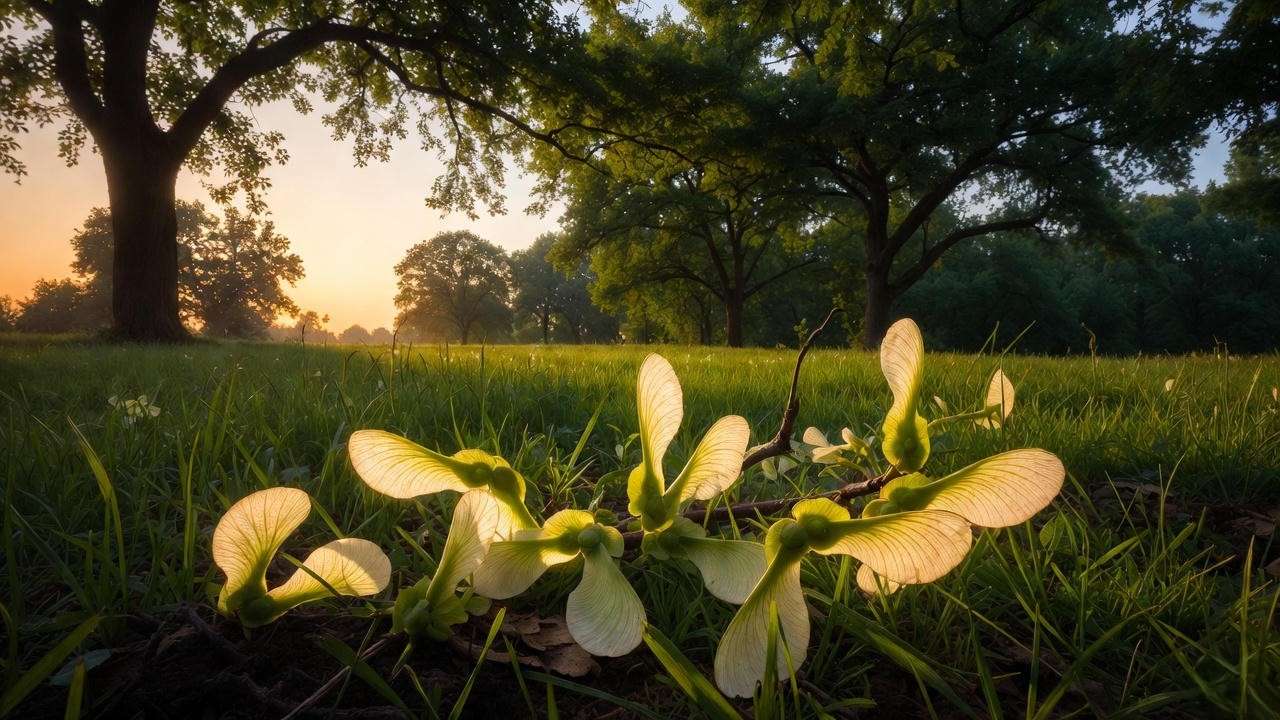
Elm tree seeds, often called samaras, are small, flat, winged structures that flutter to the ground like tiny helicopters. Each samara contains a single seed, protected by a papery wing. Common elm varieties, like the American elm (Ulmus americana) and Siberian elm (Ulmus pumila), produce abundant seeds. Fresh samaras are typically green, turning brown as they dry. Seed viability declines after a year, so using fresh seeds is key to successful germination. To test viability, soak seeds in water—viable ones sink, while non-viable ones float. 🌿
When and Where to Collect Elm Tree Seeds
Timing is critical for collecting elm tree seeds. In most regions, seeds ripen in spring (April to June), falling shortly after. Look for mature, healthy elm trees in parks, forests, or your neighborhood. Choose trees free of disease or stress for the best seed quality. Gently gather fallen samaras or shake low branches to collect them in a bag. Practice ethical harvesting—take only what you need to avoid impacting local ecosystems. If you’re unsure about local elm populations, check with your state’s forestry service for guidance. 🌳
Storing Elm Tree Seeds for Optimal Viability
Proper storage ensures your elm tree seeds remain viable. After collection, remove debris and dry the samaras in a well-ventilated area for 1–2 days. Store them in an airtight container with a desiccant (like silica gel) in a cool, dry place, ideally at 35–40°F. Avoid freezing, as it can damage the seed embryo. Stored correctly, seeds can remain viable for up to 12 months. Before planting, test a few seeds to confirm they’re still viable. This step saves time and boosts your success rate. 🌱
Visual Idea: Check out our labeled diagram of an elm samara below to identify seeds with ease! 📷
Step-by-Step Guide to Planting Elm Tree Seeds 🌳
Step 1: Preparing Your Seeds
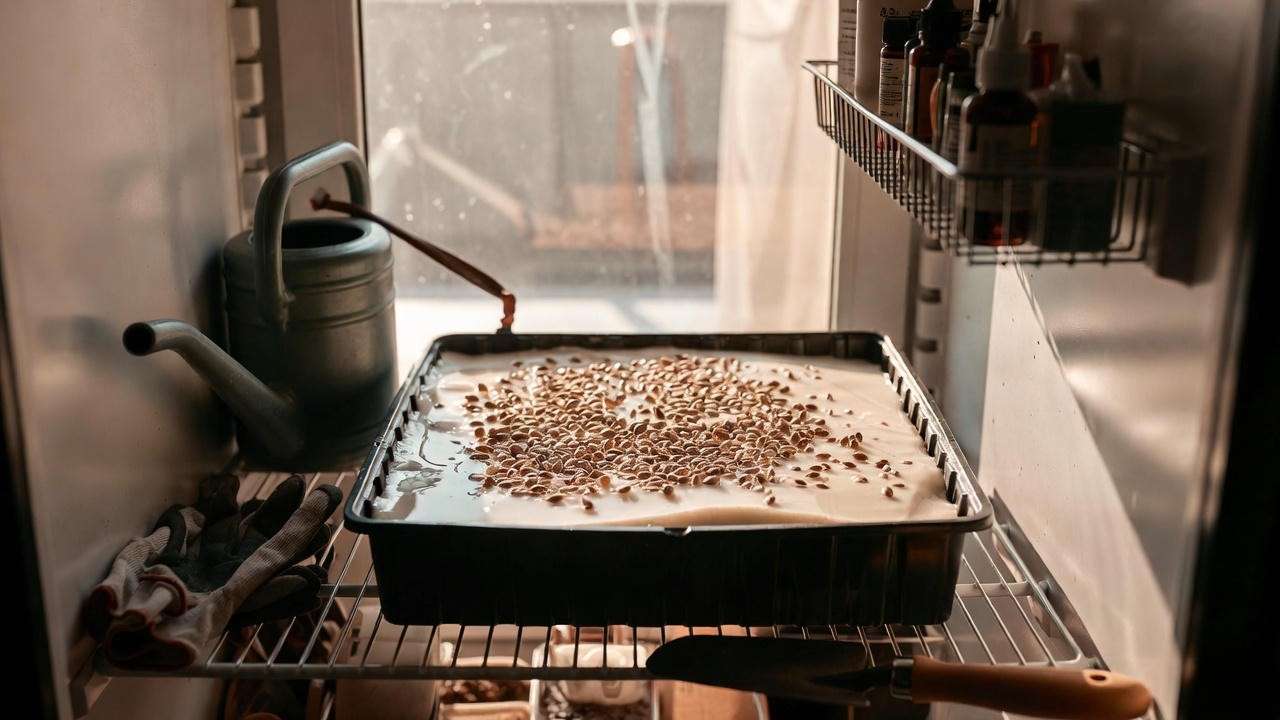
Before planting, prepare your elm tree seeds to maximize germination. Start by cleaning the samaras, removing wings and debris to prevent mold. Many elm seeds require cold stratification to break dormancy, mimicking winter conditions. Place seeds in a moist medium (like damp sand or peat moss) and refrigerate at 35–40°F for 4–8 weeks. Check weekly to ensure the medium stays moist but not soggy. Optionally, soak seeds in lukewarm water for 24 hours post-stratification to soften the seed coat and encourage sprouting. 🌿
Step 2: Choosing the Right Soil and Containers
Healthy soil is the foundation of successful germination. Use a well-draining mix of compost, sand, and loamy soil, aiming for a pH of 6.0–7.0. Seed trays or small pots work well for starting seeds indoors, while direct sowing is ideal for larger projects. Ensure containers have drainage holes to prevent waterlogging. For direct sowing, choose a site with loose, fertile soil and partial shade. Test your soil’s pH with a home kit (available at garden centers) to confirm it’s elm-friendly. 🌱
Step 3: Planting Your Elm Tree Seeds
Plant your elm tree seeds ¼ inch deep, covering lightly with soil. Space seeds 1–2 inches apart in trays or 6–12 inches apart if sowing directly outdoors. Water gently to keep the soil consistently moist but not saturated. Overwatering is a common mistake, so use a spray bottle for precise moisture control. Label your trays with the planting date and elm variety to track progress. Expect germination in 2–6 weeks, depending on conditions and seed quality. 🌳
Step 4: Creating the Perfect Germination Environment
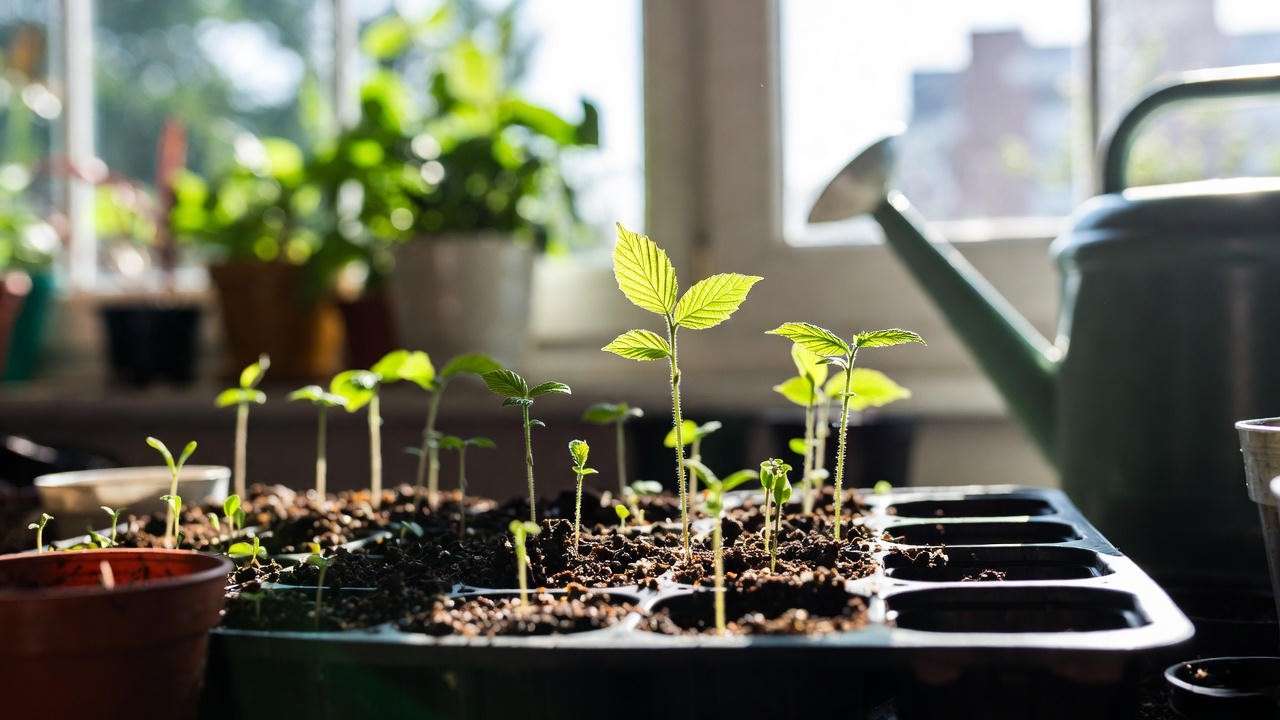
Elm seeds thrive in a controlled environment. Provide partial shade or indirect sunlight, as direct sun can dry out the soil. Maintain a temperature of 65–75°F—use a heat mat if starting seeds indoors in cooler climates. Cover trays with plastic wrap or a clear lid to retain humidity, but ventilate daily to prevent mold. Once seedlings emerge, remove covers and move them to a brighter spot. A consistent environment is key to healthy sprouting. 🌿
Expert Insight: “Many beginners overwater elm seeds, leading to rot. Check soil moisture daily with your finger!” — Dr. Jane Green, Arborist
Caring for Elm Seedlings: From Sprout to Sapling 🌿
Watering and Feeding Young Elm Seedlings
Young elm seedlings need careful watering to establish strong roots. Water when the top inch of soil feels dry, using a watering can with a fine spout to avoid disturbing delicate roots. After 6–8 weeks, introduce a diluted, balanced fertilizer (10-10-10) every 2 weeks to support growth. Organic options like compost tea or fish emulsion are eco-friendly alternatives. Avoid over-fertilizing, as it can burn tender roots. Monitor seedlings for signs of nutrient deficiency, like yellowing leaves, and adjust feeding as needed. 🌱
Protecting Seedlings from Pests and Diseases
Seedlings are vulnerable to pests like aphids and diseases like powdery mildew. Inspect plants regularly for sticky residue (aphid activity) or white powdery spots (mildew). Use neem oil or insecticidal soap for organic pest control, and ensure good air circulation to prevent fungal issues. Dutch elm disease, a serious threat to mature elms, is less common in seedlings but worth monitoring. Remove affected plants immediately to prevent spread. Healthy seedlings are your best defense—strong plants resist stress better. 🌳
Transplanting Elm Seedlings
Transplant seedlings to larger pots or the ground when they reach 6–12 inches tall, typically after 6–12 months. Choose a permanent site with full sun, well-drained soil, and ample space (elms can grow 50–80 feet wide). Dig a hole twice the root ball’s width, place the seedling, and backfill with soil. Water deeply after transplanting and mulch with 2–3 inches of wood chips to retain moisture. Gradually acclimate indoor seedlings to outdoor conditions over 1–2 weeks to minimize shock. 🌿
Checklist: Essential tools for seedling care—watering can, pruning shears, organic mulch. 🛠️
Long-Term Elm Tree Care: Growing Strong and Healthy 🌳
Pruning and Shaping Your Elm Tree
Pruning shapes young elms and promotes healthy growth. Prune in late winter or early spring, removing dead or crossing branches to encourage a strong central leader. Use clean, sharp shears to make angled cuts just above a bud. For mature trees, hire a certified arborist to handle large branches safely. Regular pruning prevents structural issues and enhances the tree’s natural vase-like shape. Avoid heavy pruning in summer, as it can stress the tree. 🌱
Watering and Mulching Mature Elms
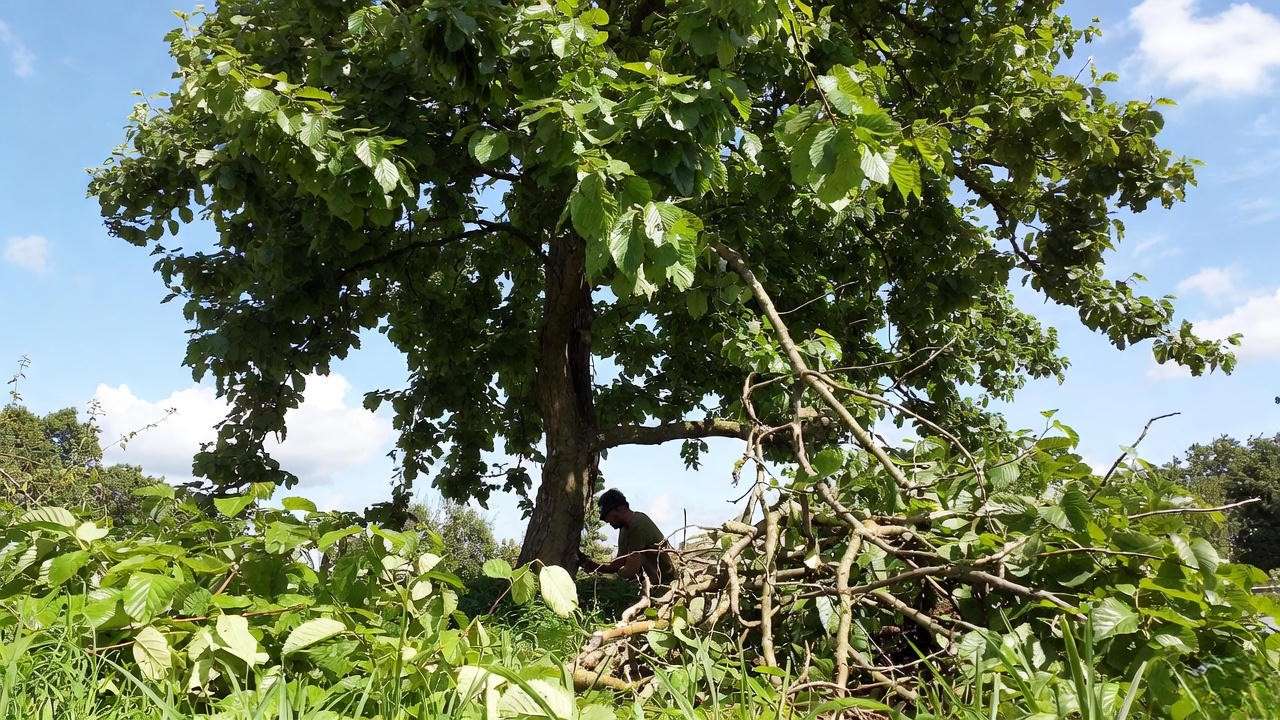
Mature elms need deep, infrequent watering, especially during dry spells. Water at the tree’s drip line (the area under the canopy’s edge) to reach roots, providing 1–2 inches of water weekly. Apply a 3–4-inch layer of organic mulch, like wood chips or bark, around the base, keeping it 2 inches from the trunk to prevent rot. Mulch conserves moisture, regulates soil temperature, and suppresses weeds. Adjust watering based on your climate—less in rainy regions, more in arid ones. 🌳
Preventing and Managing Dutch Elm Disease
Dutch elm disease (DED), caused by a fungus spread by bark beetles, is a major threat to elms. Symptoms include wilting, yellowing leaves, and branch dieback. Choose DED-resistant varieties, like ‘Valley Forge’ or ‘Princeton’ American elms, for better outcomes. Prevent DED by pruning dead wood, monitoring for beetles, and avoiding wounding the tree. If DED is suspected, consult an arborist for diagnosis and treatment, which may include fungicide injections. Early intervention is critical to saving infected trees. 🌿
Case Study: In Vermont, a community restored their historic elm canopy by planting DED-resistant seeds, proving the power of collective action. 🌄
Troubleshooting Common Problems with Elm Tree Seeds 😓
Why Aren’t My Seeds Germinating?
Few things are more frustrating than waiting weeks for elm tree seeds to sprout, only to see no progress. Common culprits include non-viable seeds, improper stratification, or incorrect moisture levels. Old seeds (over a year old) often lose viability—test them by soaking in water; viable seeds sink, while duds float. If stratification was skipped or done incorrectly (e.g., too warm or too dry), seeds may remain dormant. Overwatering can also cause rot, while under-watering starves seeds of needed moisture. To fix this, verify seed freshness, repeat stratification (4–8 weeks at 35–40°F), and maintain consistent, light soil moisture. If no germination occurs after 8 weeks, start with a fresh batch. 🌱
Dealing with Weak or Leggy Seedlings
Weak, leggy seedlings—those with long, spindly stems and sparse leaves—signal environmental issues. The most common cause is insufficient light, causing seedlings to stretch toward the sun. Nutrient deficiencies, particularly nitrogen, can also stunt growth, leading to pale or yellowing leaves. To correct leggy growth, move seedlings to a brighter location with 6–8 hours of indirect sunlight or use a grow light (14–16 hours daily). Supplement with a diluted liquid fertilizer (e.g., 5-10-5) every 2 weeks. Pinch back the tips of leggy stems to encourage bushier growth. Prevention is key: ensure proper light and nutrients from the start. 🌿
How to Recover from Transplant Shock
Transplant shock, marked by wilting, yellowing leaves, or slowed growth, often occurs when seedlings are moved to new pots or the ground. This stress stems from root disturbance, sudden environmental changes, or improper planting. To recover, water deeply but infrequently, ensuring the soil stays moist but not soggy. Provide temporary shade for 3–5 days to reduce sun stress. Apply a root-stimulating fertilizer with phosphorus (e.g., 10-20-10) to encourage root growth. Avoid pruning until the seedling recovers, typically within 2–4 weeks. To prevent shock, harden off indoor seedlings by gradually exposing them to outdoor conditions over 7–10 days before transplanting. 🌳
FAQ Section:
- How long does it take for elm tree seeds to germinate? With proper stratification and care, expect sprouts in 2–6 weeks.
- Can I grow elm trees indoors? Yes, temporarily, with bright light (grow lights recommended) and proper humidity, but transplant outdoors within 1–2 years.
- Are all elm varieties susceptible to Dutch elm disease? No, hybrids like ‘Valley Forge’ and ‘New Harmony’ are bred for resistance.
Ecological and Community Impact of Growing Elm Trees 🌍
Supporting Local Ecosystems
Elm trees are ecological powerhouses, enhancing biodiversity and soil health. Their branches provide nesting sites for birds like robins and orioles, while seeds and foliage feed squirrels, deer, and insects. Pollinators, such as bees, benefit from elm flowers in early spring. Deep root systems stabilize soil, preventing erosion on slopes or near waterways, and improve nutrient cycling by breaking up compacted earth. By planting elm tree seeds, you’re creating a habitat that supports local wildlife and contributes to a healthier planet. In urban areas, elms reduce heat islands, improving air quality and community well-being. 🌿
Inspiring Others to Grow Trees
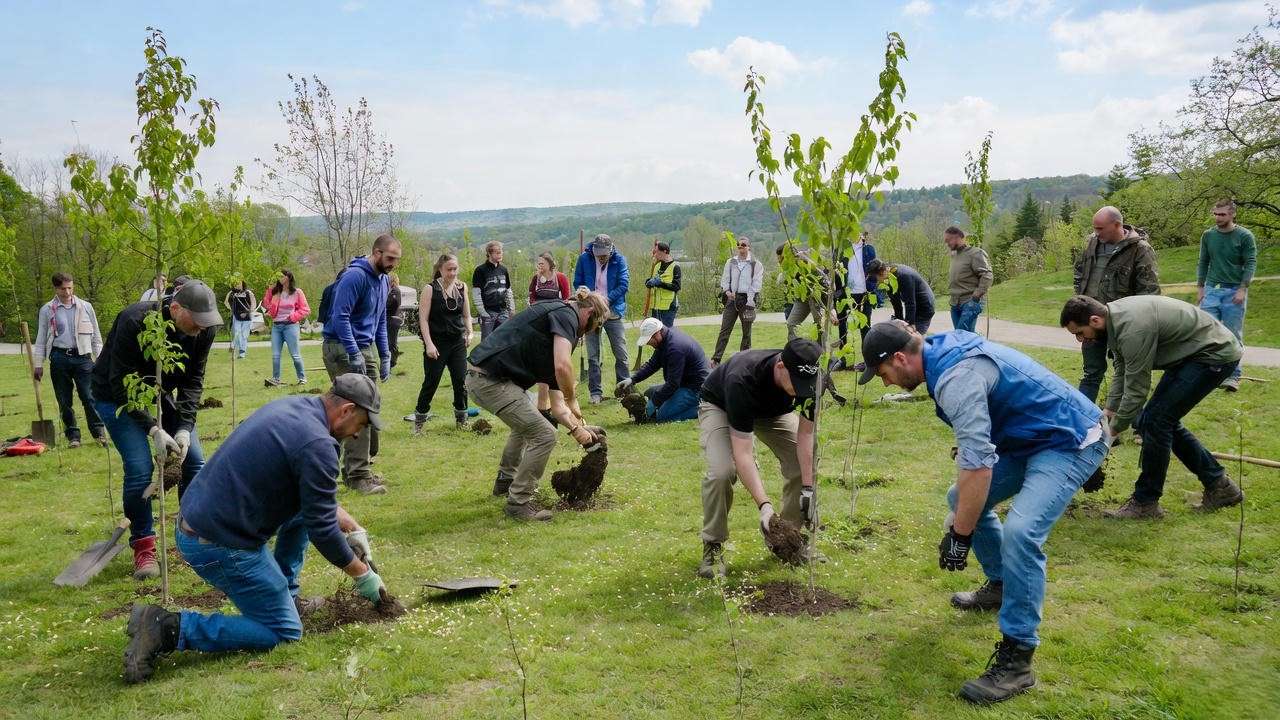
Growing elms from seeds can spark a ripple effect in your community. Organize seed collection drives or planting events to engage neighbors, schools, or local gardening clubs. Share your progress on social media with hashtags like #ElmTreeLegacy to inspire others. Educational outreach, such as teaching kids about tree propagation, fosters environmental stewardship. For example, a Minnesota school program taught students to grow elms from seeds, resulting in a new community park with student-planted trees. Your efforts, no matter how small, can motivate others to restore tree canopies and combat climate change. 🌳
Call to Action: Snap a photo of your elm seedlings and share it online with #ElmTreeLegacy to join a growing community of tree planters! 📸
Conclusion: Your Journey to Growing Elm Trees Starts Now! 🚀
Growing elm tree seeds into thriving trees is a journey of patience, care, and connection to nature. From collecting fresh samaras to nurturing seedlings and protecting mature elms, this guide has equipped you with expert techniques to succeed. Whether you’re enhancing your backyard, supporting local ecosystems, or inspiring your community, every seed you plant is a step toward a greener, healthier world. Start small—grab a handful of seeds, follow these steps, and document your progress in a gardening journal. The tree you grow today could shade future generations tomorrow. 🌍
Ready to begin? Collect your elm tree seeds, prepare your soil, and dive into this rewarding project. Have questions or tips to share? Drop them in the comments below, and let’s grow a forest together! 🌱











