
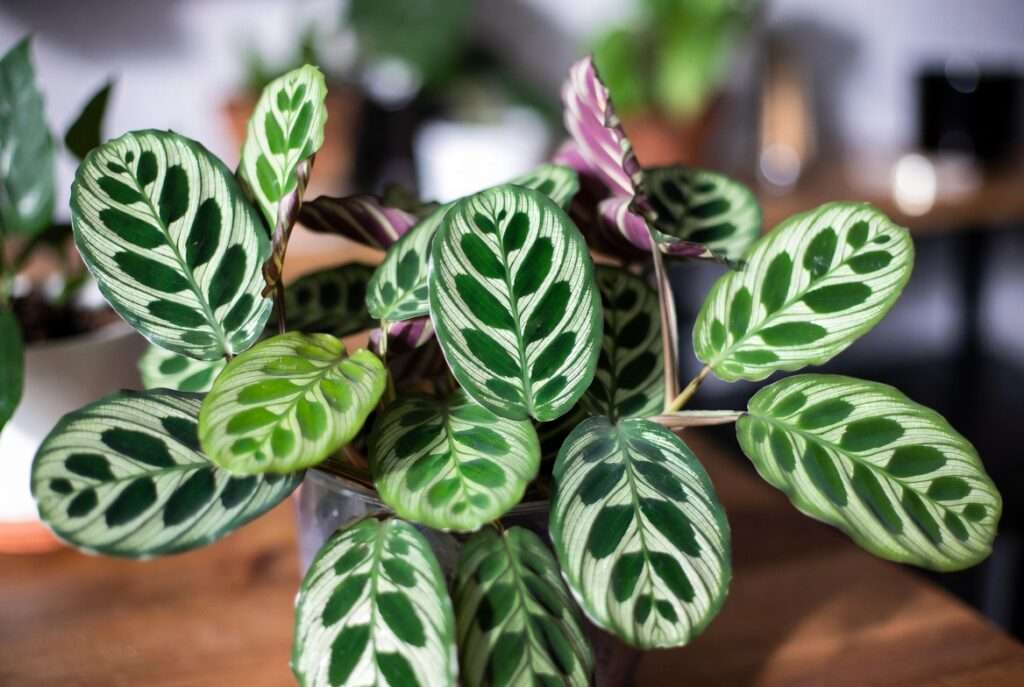
The fishbone prayer plant is stealing hearts in the houseplant world with its mesmerizing fishbone-patterned leaves that gracefully fold up at night like hands in prayer. If you’re lucky enough to own one—or eyeing this beauty for your collection—you’re in for a rewarding (yet sometimes finicky) journey. Many plant parents struggle with crispy edges, yellowing leaves, or lackluster growth, but with the right know-how, your Ctenanthe burle-marxii can become a lush, vibrant centerpiece that thrives for years.
As a horticulture enthusiast with over a decade of hands-on experience growing tropical houseplants, I’ve nurtured dozens of fishbone prayer plants through every season. This comprehensive guide draws from real-world trials, common pitfalls I’ve helped others overcome, and proven techniques that go far beyond basic care sheets. Whether you’re a beginner battling your first prayer plant or an experienced collector seeking pro-level results, you’ll find actionable solutions here to keep your plant happy, healthy, and showing off those signature patterns. Let’s dive in and transform your fishbone prayer plant care routine! ✨
What Is the Fishbone Prayer Plant?
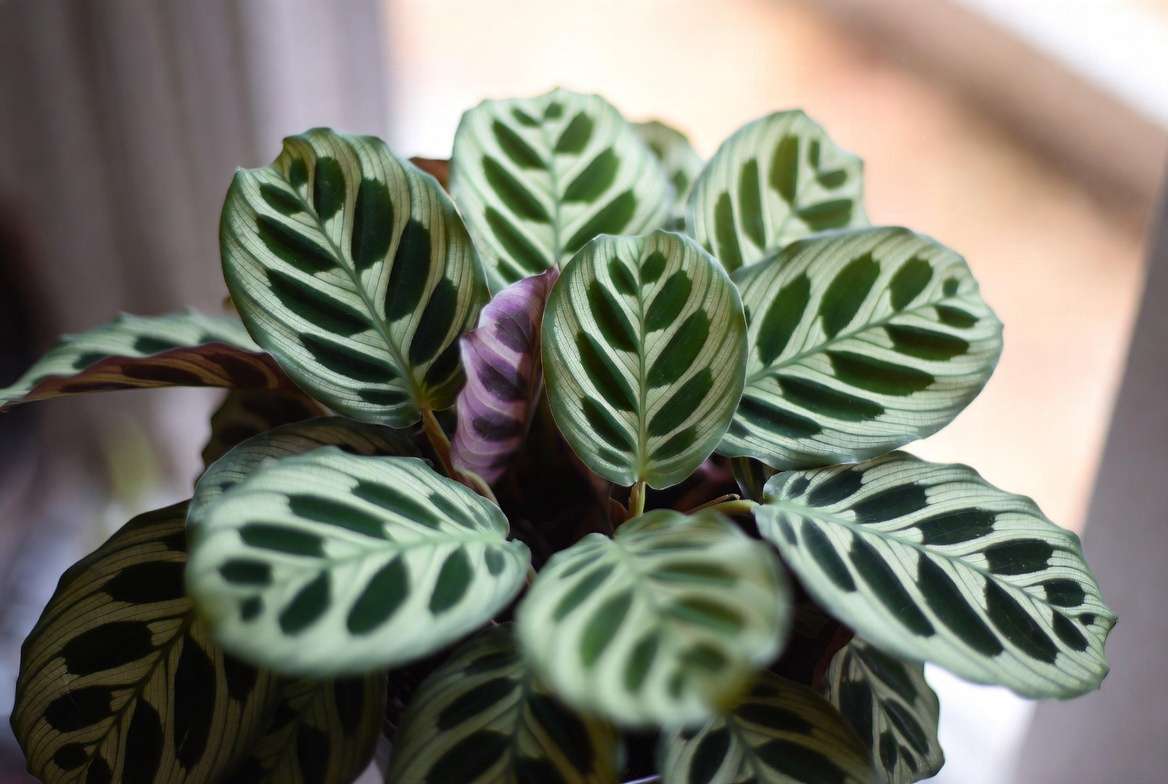
Also known scientifically as Ctenanthe burle-marxii, the fishbone prayer plant belongs to the Marantaceae family, making it a close relative of popular Calathea and Maranta species. Native to the lush rainforests of Brazil, this stunner features elongated, oval leaves marked with striking dark green and silvery-white stripes that resemble a fish skeleton—hence its charming common name.
The undersides often display a rich purple hue, adding depth when the leaves move. Like other prayer plants, it exhibits nyctinasty—the daily rhythm where leaves rise during the day to catch light and fold downward at night. This movement is not just beautiful; it’s a fascinating adaptation to its tropical origins.
Why Plant Lovers Adore It
- Unique aesthetics: The bold fishbone variegation makes it a standout in any indoor jungle.
- Compact growth: It stays relatively bushy and manageable, reaching about 1–2 feet tall indoors.
- Air-purifying benefits: Like many tropical foliage plants, it helps filter indoor toxins.
- Beginner-friendly compared to some relatives: While it shares sensitivities with Calatheas, many growers find Ctenanthe burle-marxii slightly more forgiving with consistent humidity and proper watering.
Compared to the classic green prayer plant (Maranta leuconeura) or bold Calathea orbifolia, the fishbone variety offers a more graphic, modern look that pairs beautifully with minimalist or boho decor.
Pro Tip: When shopping, look for plants with vibrant, undamaged leaves and no signs of pests. A healthy specimen will have strong stems and consistent patterning. 🌱
Ideal Growing Conditions for Success
Mastering the environment is the foundation of fishbone prayer plant care. Replicating its rainforest habitat indoors is key to preventing common issues like leaf curl or browning.
Light Requirements
The fishbone prayer plant thrives in bright indirect light. Think east- or west-facing windows with sheer curtains, or a few feet back from a south-facing window. Direct sunlight can scorch those delicate leaves, causing faded patterns or crispy edges, while too little light leads to leggy growth and dull coloration.
Practical Placement Tips:
- Use a light meter app to confirm 200–400 foot-candles for optimal growth.
- Rotate your plant weekly for even foliage development.
- In low-light homes, supplement with full-spectrum LED grow lights (12–14 hours daily).
Seasonal note: During shorter winter days, brighter indirect spots become even more important. Many growers report stronger variegation and faster growth with consistent good lighting. ☀️
Temperature and Humidity Needs
Maintain temperatures between 60–80°F (15–27°C). Avoid cold drafts from windows, doors, or AC vents, which can shock the plant and cause leaf drop. Nighttime drops below 55°F are particularly risky.
Humidity is non-negotiable for this tropical beauty. Aim for 50–65% or higher. Low humidity is the top culprit behind brown leaf tips in prayer plants.
Effective Humidity Boosters:
- Group plants together to create a micro-humid environment.
- Place on a pebble tray filled with water (pot above waterline).
- Use a cool-mist humidifier, especially in winter.
- Mist leaves regularly with distilled water, but avoid over-wetting to prevent fungal issues.
- Consider a dedicated plant grow tent or bathroom with good light for humidity lovers. 💧
Best Soil Mix and Potting
Well-draining yet moisture-retentive soil is essential. Standard potting soil often stays too wet, leading to root rot.
Recommended DIY Mix (great for long-term health):
- 40% high-quality potting mix
- 30% perlite or pumice for aeration
- 20% orchid bark or coco coir
- 10% worm castings or compost for nutrients
- Optional: A handful of activated charcoal to keep soil fresh.
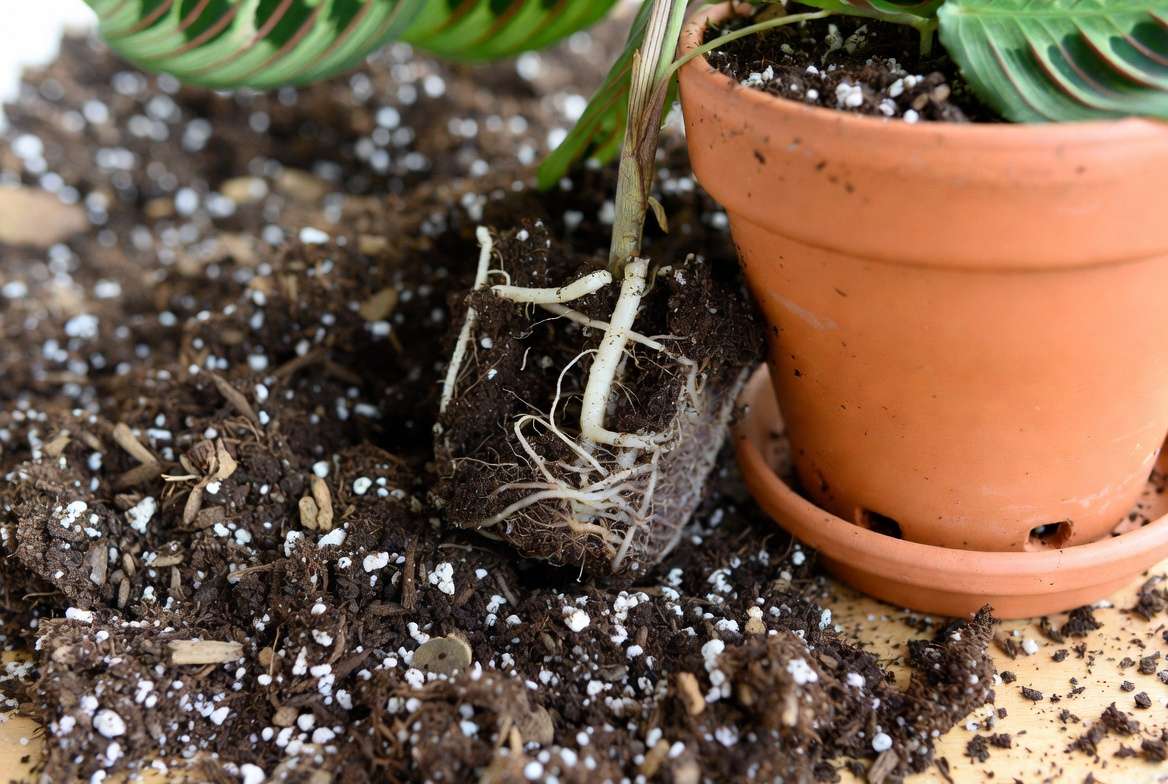
Choose terracotta, ceramic, or plastic pots with ample drainage holes. Repot every 1–2 years in spring, moving up one pot size only. Gently loosen roots and refresh soil during repotting to encourage vigorous new growth.
Signs it’s time to repot: Roots circling the bottom, soil drying out too quickly, or slowed growth despite good care. 🪴
Watering and Feeding Your Fishbone Prayer Plant
Proper watering is often the make-or-break factor for prayer plants. The goal is consistently moist soil without sogginess.
Watering Best Practices:
- Water thoroughly when the top 1–2 inches of soil feel dry (usually every 7–10 days, depending on conditions).
- Use the “soak and drain” method: Water until it runs out the bottom, then empty the saucer.
- Always use room-temperature water to avoid shocking roots.
Water Quality Matters: Tap water often contains fluoride, chlorine, and salts that cause brown tips. Opt for filtered, distilled, or rainwater whenever possible. Let tap water sit out overnight to off-gas chemicals as a minimum step.
Fertilizing Schedule: Feed monthly during the growing season (spring through early fall) with a balanced, diluted liquid fertilizer (e.g., 10-10-10 or one formulated for foliage plants). Reduce or stop in winter when growth slows. Over-fertilizing leads to salt buildup and leaf burn, so less is more. Organic options like seaweed or fish emulsion work wonderfully for gentle feeding. 🌿
Troubleshooting Watering Issues:
- Drooping leaves: Usually underwatering or low humidity.
- Yellow leaves: Often overwatering or poor drainage.
- Brown crispy edges: Low humidity or poor water quality—your most common fishbone prayer plant complaint.
Establishing a consistent routine and observing your plant’s response will quickly build your confidence. Many of my own plants have bounced back dramatically once watering and humidity were dialed in.
Propagation Techniques
Expanding your collection or rescuing a struggling plant is easy with simple division—the most reliable method for Ctenanthe burle-marxii.
Step-by-Step Division:
- Choose a mature, healthy plant in spring or early summer.
- Gently remove from pot and tease apart root sections, ensuring each division has several leaves and healthy roots.
- Pot divisions in fresh mix, water lightly, and place in high humidity (e.g., under a plastic bag or cloche) for 2–4 weeks.
- Keep in bright indirect light and avoid direct sun until established.
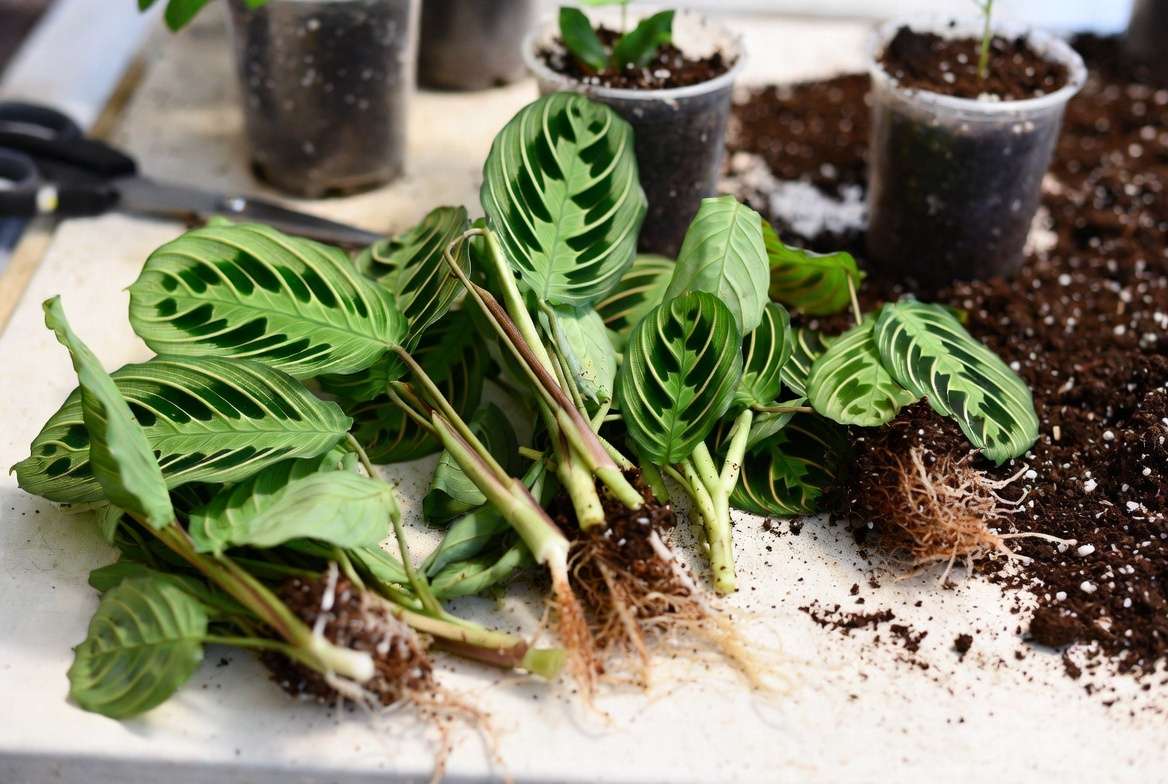
Success rate improves with warm temperatures and consistent moisture. Stem cuttings are less common but possible in some cases—place in water or moist sphagnum moss and wait for roots. Patience is key; new growth signals success!
Expert Insight: Always sterilize tools to prevent disease spread. Propagated babies make wonderful gifts and help you practice care skills on a smaller scale.
Common Problems and Solutions
Even experienced growers encounter issues. Here’s a detailed troubleshooting section to save your plant.
Pest Issues
Spider mites, mealybugs, and aphids love the tender new growth. Inspect regularly, especially leaf undersides.
- Treatment: Neem oil or insecticidal soap sprays. For severe cases, wipe leaves with alcohol-diluted solution.
- Prevention: Good air circulation, clean leaves, and quarantine new plants.
Leaf Problems
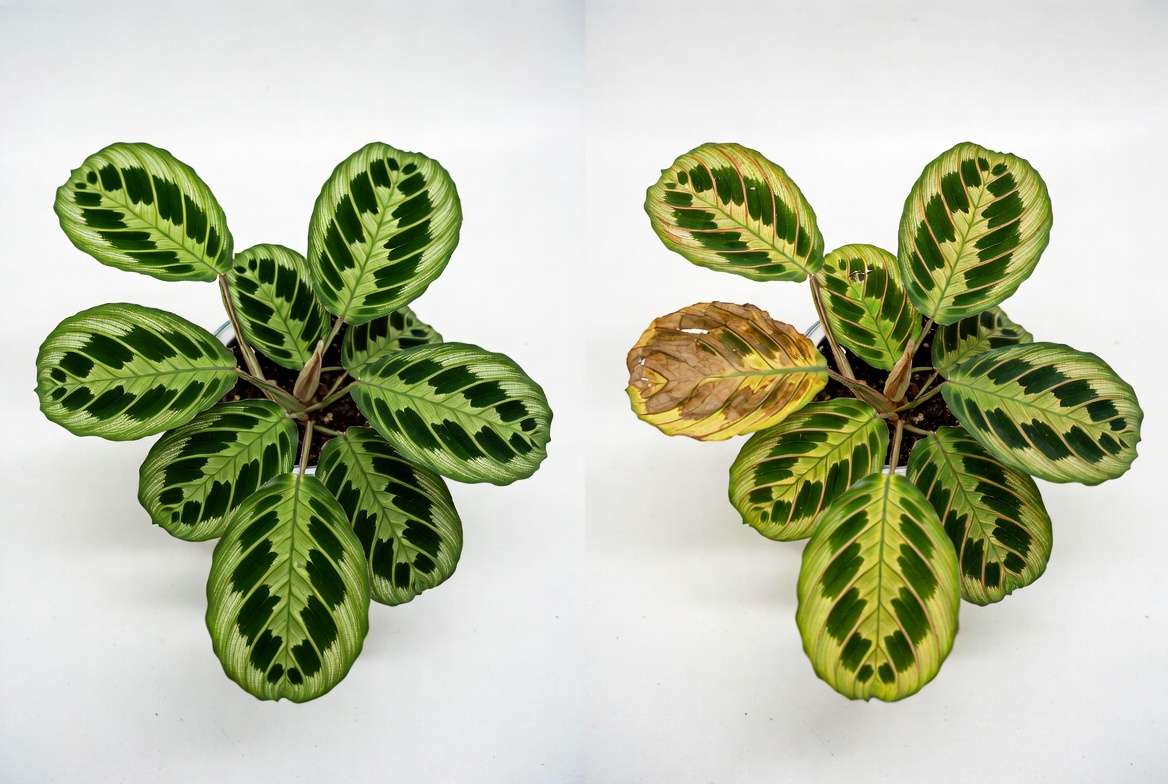
- Brown tips/edges: Increase humidity, improve water quality, check for drafts. Trim damaged parts with clean scissors for neat appearance.
- Yellowing or curling: Adjust watering, ensure proper drainage, rule out cold exposure.
- No prayer movement: Usually due to insufficient light or stress—relocate and stabilize conditions.
Quick Diagnosis Table (imagine a clean formatted table here):
| Symptom | Likely Cause | Fix |
|---|---|---|
| Brown tips | Low humidity / bad water | Humidifier + filtered water |
| Yellow leaves | Overwatering | Reduce frequency, improve drainage |
| Leggy growth | Insufficient light | Brighter indirect spot |
Root rot is preventable with proper soil and pots. If caught early, trim affected roots, repot in fresh mix, and reduce watering.
Other Challenges
Winter slowdown is normal—reduce water and fertilizer. Leggy stems can be pruned to encourage bushiness.
Seasonal Care Checklist ✅:
- Spring: Repot, fertilize, propagate.
- Summer: Monitor water closely, increase humidity.
- Fall: Gradually reduce feeding.
- Winter: Protect from dry heat, maintain humidity.
Advanced Care Tips for Thriving Plants
Take your fishbone prayer plant to the next level:
- Wipe leaves gently with a damp cloth to remove dust for better photosynthesis.
- Use a humidity dome or terrarium setup for young plants.
- Companion planting: Pair with ferns, pothos, or other humidity lovers.
- Styling ideas: Hanging baskets, plant stands, or grouped on shelves for dramatic effect.
- Pet safety: Generally considered non-toxic to cats and dogs, but best kept out of reach to prevent chewing.
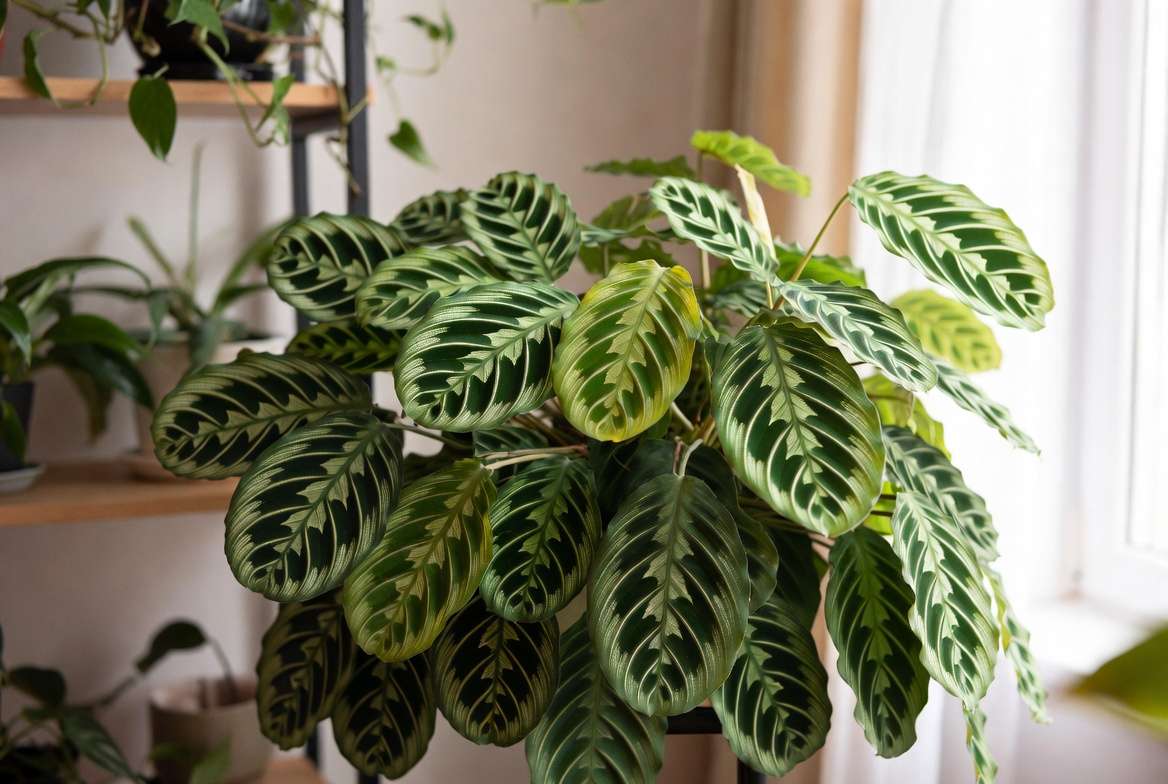
My Personal Secret: A monthly lukewarm shower (in the bathroom) mimics rainforest rains, cleans foliage, and boosts humidity instantly. Just ensure good drainage afterward.
Benefits of Growing Fishbone Prayer Plant Beyond beauty, these plants contribute to better indoor air quality and provide a calming presence. Watching the daily leaf movement can be meditative and rewarding. Many owners report reduced stress from tending their indoor jungle.
Frequently Asked Questions (Expanded)
How do I increase humidity without a humidifier? Creative solutions include placing bowls of water near heat sources, using a DIY pebble tray, or grouping multiple tropical plants. Hanging the plant near a steamy bathroom (with adequate light) works wonders during showers. For serious collectors, a mini greenhouse cabinet can create a perfect microclimate. 💦
What’s the difference between Fishbone Prayer Plant and other Calathea species? While often grouped with Calatheas, Ctenanthe burle-marxii tends to be slightly more resilient to minor humidity fluctuations and has a more pronounced fishbone pattern with purple reverses. True Calatheas can be fussier, making the fishbone variety an excellent entry point into the prayer plant family.
My plant looks droopy even after watering—why? This is common and usually signals root issues, low humidity, or temperature stress. Check roots for rot, boost humidity immediately, and ensure consistent warmth. Recovery can take a week or two once conditions stabilize.
Can I grow fishbone prayer plant outdoors? In USDA zones 10–11 or during warm, humid summers in temperate areas, it can enjoy protected outdoor spots with dappled shade. Bring indoors before temperatures drop below 60°F.
How fast does it grow? With optimal care, expect moderate growth of several new leaves per month during spring and summer. It’s not the fastest grower but rewards patience with fuller, bushier form over time.
Is it safe to use leaf shine products? Avoid commercial leaf shines, which can clog stomata. A gentle wipe with diluted neem oil or plain water is safer and more beneficial.
What about flowering? Fishbone prayer plants rarely flower indoors, producing small, inconspicuous white or purple blooms when they do. Focus on foliage health rather than blooms.
How do I make my fishbone prayer plant bushier? Regular pruning of leggy stems just above a node encourages branching. Good light, proper feeding, and adequate space also promote compact, full growth.
Conclusion
Mastering fishbone prayer plant care transforms what can feel like a challenging houseplant into one of the most rewarding additions to your indoor garden. By providing bright indirect light, consistent moisture with quality water, high humidity, and well-draining soil, your Ctenanthe burle-marxii will reward you with striking fishbone patterns, active daily movements, and years of lush beauty.
Remember, every plant is unique—observe yours closely, adjust as needed, and don’t be afraid to experiment within the guidelines shared here. The joy of seeing new leaves unfurl and the plant thriving under your care makes every effort worthwhile.
If you’ve tried these tips or have your own success stories (or challenges), drop a comment below with photos! I love hearing from fellow plant parents and can offer personalized advice where possible. For more expert houseplant guides, check out our articles on other prayer plants, humidity-loving tropicals, or creating a thriving indoor jungle.
Happy growing, and may your fishbone prayer plant continue to “pray” beautifully every night! 🌙🪴✨











