
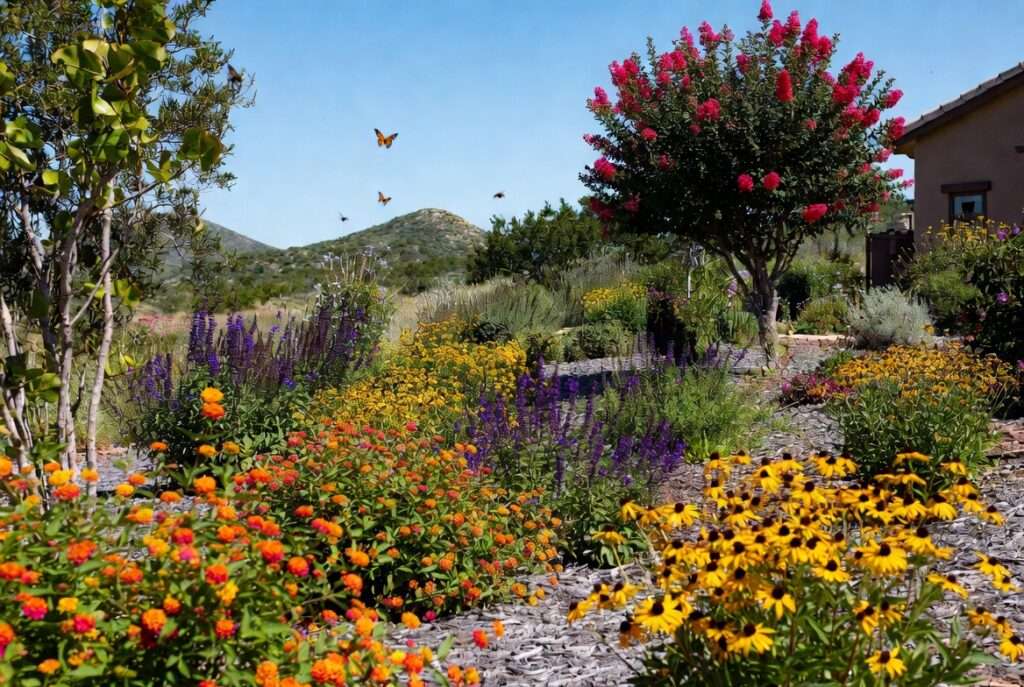
Imagine stepping into your backyard on a blazing 105°F Texas afternoon. Instead of a sad patch of wilted leaves, you’re greeted by vibrant blooms dancing in the relentless sun, buzzing with butterflies and bees, while your water bill stays manageable. For many Texas gardeners, this scene feels like a dream—but it doesn’t have to. The secret lies in choosing the right full sun plants Texas gardeners swear by: tough, heat-tolerant beauties that not only survive but flourish in our intense climate.
As a passionate horticulturist with over 15 years helping Texas homeowners create resilient landscapes, I’ve tested dozens of varieties across different regions—from the humid Gulf Coast to the dry Hill Country. This comprehensive guide draws from real-world experience, Texas A&M AgriLife recommendations, and successful gardens I’ve designed. Whether you’re battling scorching summers, unpredictable droughts, or alkaline soils, you’ll find practical solutions here to transform your full-sun garden into a thriving oasis. Let’s dig in! 🌼
Understanding Texas Climate Challenges for Full Sun Gardens
Texas gardening is uniquely rewarding—and uniquely challenging. Our state spans multiple USDA hardiness zones (roughly 6b to 10b), with blistering summers, occasional brutal freezes, and everything in between. Full sun in Texas often means 8–10+ hours of intense, direct sunlight combined with triple-digit heat, low humidity in many areas, and erratic rainfall.
Why “Full Sun” in Texas Is Intense In other parts of the country, “full sun” might mean gentle morning light. Here, it’s a test of endurance. Reflective heat from pavement, west-facing walls, and rocky soils can push effective temperatures even higher. Many popular plants recommended as “sun-loving” elsewhere scorch or bolt quickly under Texas conditions. That’s why selecting true heat-tolerant, drought-resistant plants is essential for success.
Regional differences matter too. North Texas faces more temperature swings, Central Texas deals with thin, rocky soils, South Texas battles extreme drought and humidity, and coastal areas manage salt spray. Understanding your microclimate is the first step to a thriving garden.
Benefits of Choosing Heat-Tolerant, Drought-Resistant Plants Opting for the right full sun plants Texas offers multiple wins:
- Water conservation — Once established, many need minimal irrigation, aligning with Texas’ frequent drought restrictions. 💧
- Lower maintenance — Reduced pest issues, fewer replacements, and more time enjoying your garden.
- Pollinator support — Attract birds, butterflies, and bees that enhance your ecosystem.
- Cost savings — Hardy natives and adapted varieties mean less money spent on failed plants and excessive watering.
- Year-round beauty — Many provide seasonal interest with blooms, foliage color, and winter structure.
By focusing on these resilient choices, you solve the core problem most Texas gardeners face: creating a beautiful landscape that survives (and looks amazing) through our harshest months.
Top Full Sun Plants Texas Gardeners Love – Perennials & Flowers 🌸
Perennials and flowering plants form the colorful backbone of any successful full-sun Texas garden. These reliable performers return year after year with minimal fuss. Here are standout options backed by performance in real Texas conditions:
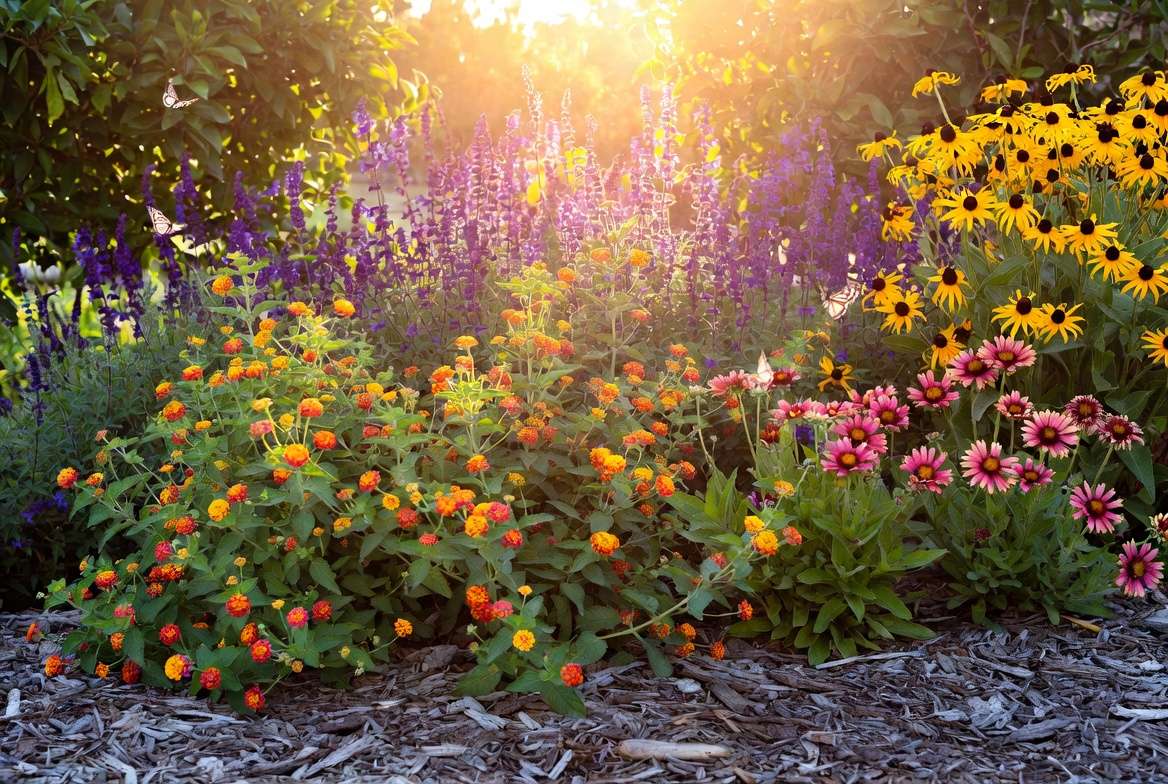
Lantana Lantana (especially Texas-native Lantana urticoides and hybrids like ‘New Gold’) is a superstar. These spreading shrubs produce clusters of vibrant flowers in yellow, orange, red, and pink that shift colors as they mature. Extremely drought-tolerant and heat-loving, lantana thrives in full sun with well-drained soil. It’s a pollinator magnet—hummingbirds and butterflies adore it—and blooms nonstop from spring through fall. Tip: Shear lightly in mid-summer for even bushier growth and more flowers. Perfect for borders, groundcover, or containers. 🦋
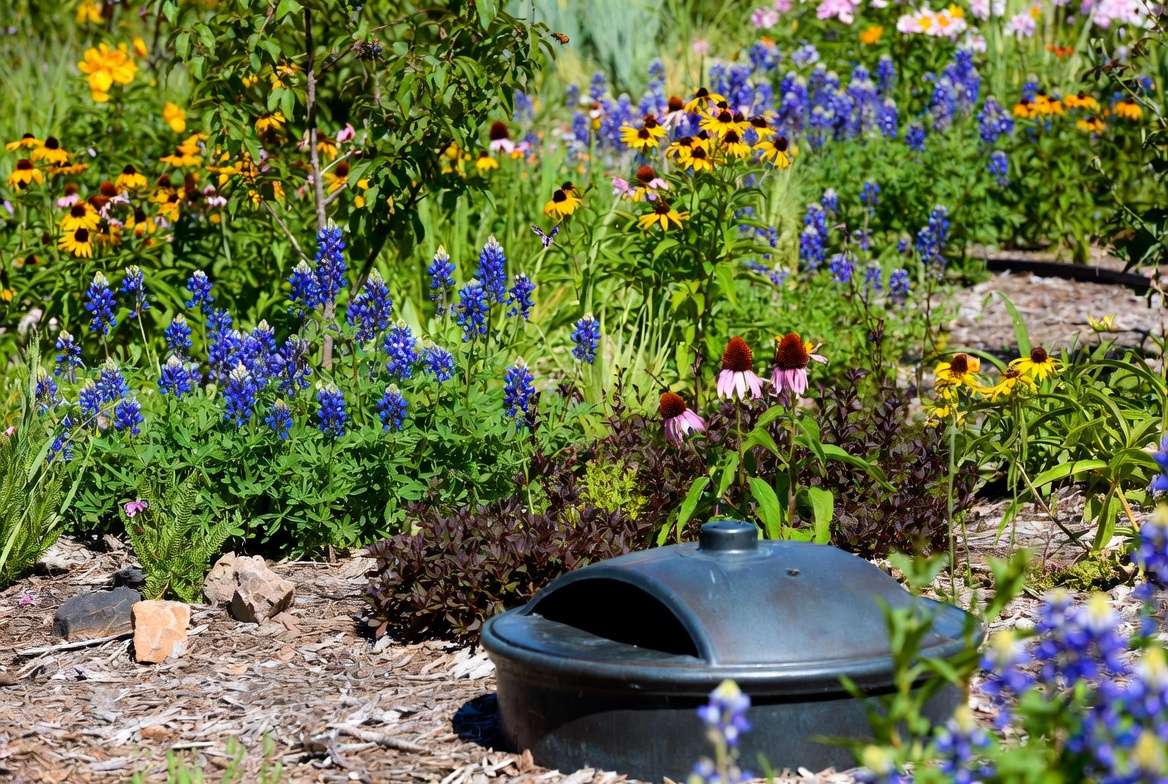
Black-Eyed Susan (Rudbeckia) and Purple Coneflower (Echinacea) These cheerful natives (or well-adapted cultivars) bring classic daisy-like blooms in bright yellows, golds, and pinks. Black-Eyed Susans are tough as nails, tolerating poor soil and intense sun while providing seeds for birds in winter. Coneflowers offer excellent disease resistance and long bloom periods. Both prefer full sun and average to dry soil once established. Plant them in drifts for maximum impact.
Salvia and Sage Varieties Autumn Sage (Salvia greggii), Mexican Bush Sage, and Mealy Blue Sage are Texas favorites. Their spiky flowers in reds, purples, and blues attract hummingbirds like crazy. These aromatic plants are deer-resistant, drought-tolerant, and bloom prolifically in full sun. Cut back in late winter for fresh spring growth.
Pentas, Zinnias, and Verbena For reliable color all season, Pentas (Egyptian Star Clusters) deliver star-shaped blooms in full sun and heat. Zinnias (especially heat-tolerant varieties) are easy from seed and provide cut flowers galore. Verbena offers trailing or upright options ideal for spilling over edges or filling gaps. All are heat champions that keep gardens looking fresh even during July and August scorchers.
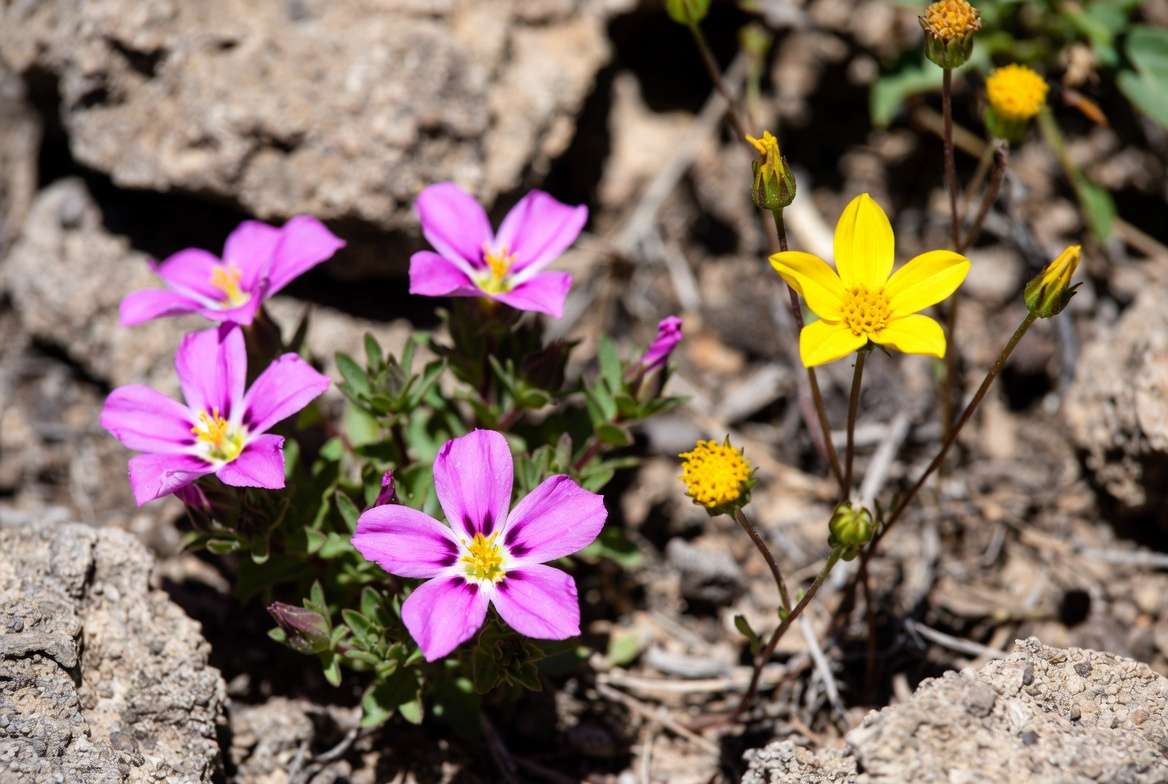
Texas Natives like Gaillardia (Indian Blanket), Four-Nerve Daisy, and Texas Rock Rose Gaillardia’s bi-color red-and-yellow flowers scream Texas pride and bloom for months with almost no care. Four-Nerve Daisy provides low-growing yellow cheer, while Rock Rose (Pavonia lasiopetala) adds delicate pink blooms on a tough, upright shrubby perennial. Choosing natives supports local wildlife and requires far less water than non-adapted imports.
Quick Plant Comparison Table (visualize as formatted table in final article):
- Lantana: Height 1-3 ft, Bloom Spring-Fall, Water Low, Zones 7-10
- Black-Eyed Susan: 2-3 ft, Summer-Fall, Low-Moderate, 4-9
- Autumn Sage: 2-3 ft, Spring-Fall, Very Low, 7-10
These perennials solve the “what can actually survive my backyard inferno” problem with style and ease.
Best Heat-Tolerant Shrubs for Texas Full Sun
Shrubs provide structure, privacy, and backbone color in full-sun landscapes.
Texas Sage (Leucophyllum frutescens) Also called Cenizo, this iconic shrub features silvery foliage and lavender-pink blooms triggered by rain. It’s incredibly drought-tolerant and thrives in poor, rocky soils with full sun exposure. Low maintenance and deer-resistant—ideal for xeriscapes.
Flame Acanthus Vivid red-orange tubular flowers make this a hummingbird favorite. It handles heavy soils and full sun beautifully, blooming from late spring into fall.
Crepe Myrtle Dwarf and standard varieties offer spectacular summer blooms, fall color, and striking bark. Choose mildew-resistant cultivars for Texas reliability. Full sun produces the best flowering.
Hibiscus and Rose of Sharon Tropical-looking blooms on tough plants. Many modern hybrids handle Texas heat with grace when given good drainage and occasional deep watering.
Other Standouts Pride of Houston Yaupon Holly for evergreen berries and structure; Mexican Bird of Paradise for tropical flair and seed pods.
These shrubs elevate your garden from “surviving” to “stunning” while keeping maintenance low.
Expert Planting and Care Tips for Success in Texas Heat 🛠️
Success with full sun plants Texas starts with smart planting practices.
Soil Preparation and Amendment Most Texas soils are clay-heavy or alkaline. Test your soil and amend with compost, expanded shale, or gypsum for better drainage. Raised beds or mounded planting areas help prevent root rot during heavy rains.
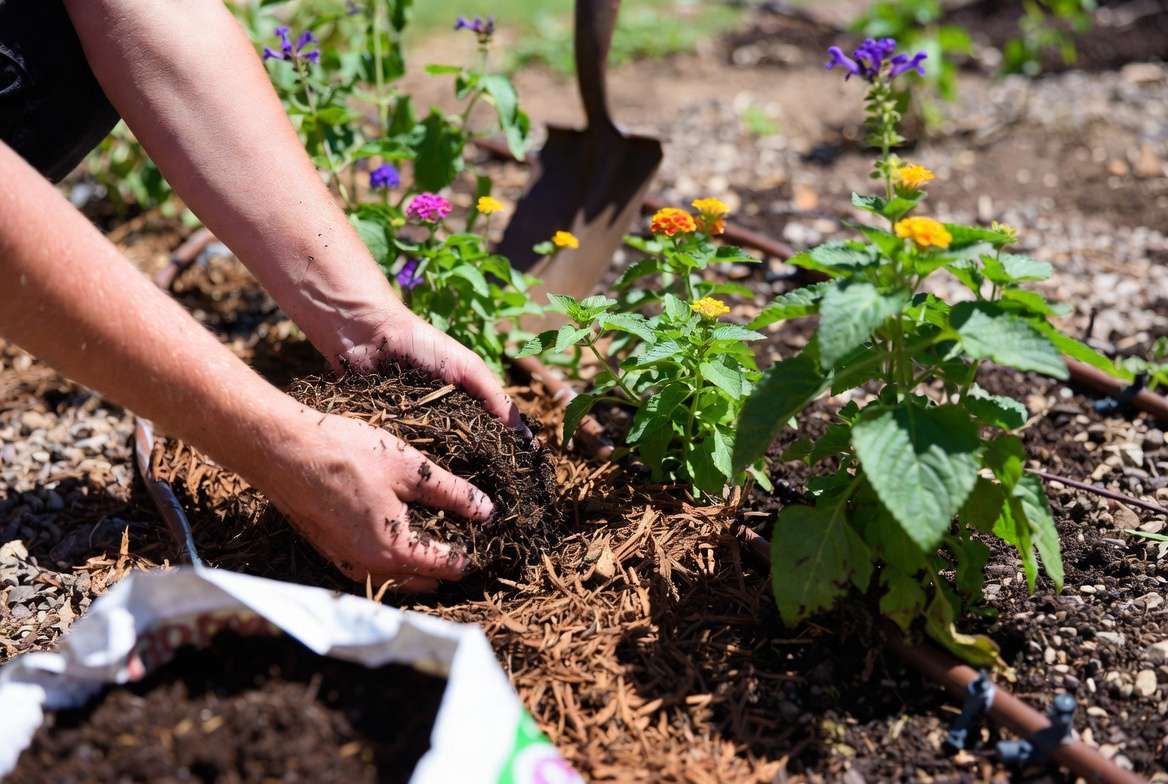
When and How to Plant Fall and early spring are ideal planting times, allowing roots to establish before extreme heat. Dig holes twice as wide as the root ball but no deeper. Mulch generously (2-4 inches of organic mulch) to retain moisture and moderate soil temperature.
Watering Wisely New plants need consistent moisture for the first 6-12 months. Deep, infrequent watering encourages strong roots. Once established, many selections thrive on rainfall alone or occasional supplemental water during prolonged droughts. Drip irrigation or soaker hoses are highly effective and water-wise.
Fertilization, Pruning, and Pest Management Use slow-release, balanced fertilizers sparingly—overfeeding can lead to weak growth. Prune spring-bloomers after flowering and summer bloomers in late winter. For pests, encourage beneficial insects and use neem oil or insecticidal soap only as needed. Native plants generally face fewer issues.
Seasonal Maintenance Calendar
- Spring: Plant, fertilize lightly, prune for shape.
- Summer: Deep water early morning, monitor for heat stress, deadhead as needed.
- Fall: Plant new additions, cut back perennials, add mulch.
- Winter: Protect tender plants during freezes, plan for next season.
Following these tips dramatically increases your success rate and reduces frustration.
Creative Garden Design Ideas with Full Sun Plants Texas 🎨
Design isn’t just about plants—it’s about creating functional, beautiful spaces.
Pollinator-Friendly Borders and Beds Layer heights: tall salvias and crepe myrtles in back, mid-height lantana and coneflowers in middle, low verbena or daisies in front. This creates habitat and visual interest.
Container and Patio Gardens Use large pots with drainage holes. Combine upright pentas with trailing lantana for stunning displays perfect for balconies or small yards.
Xeriscaping and Water-Wise Landscapes Group plants with similar water needs. Incorporate rocks, gravel paths, and native grasses for a modern, low-water look that still bursts with color.
Companion Planting Strategies Pair aromatic sages with roses to deter pests, or sunflowers with shorter blooms for natural support and shade.
These ideas help you solve space limitations while maximizing beauty and function.
Common Mistakes to Avoid in Texas Full Sun Gardening ⚠️
- Overwatering established plants (leads to root rot).
- Choosing plants based on pretty pictures without checking heat/drought tolerance.
- Ignoring microclimates (west walls are harsher).
- Skipping mulch or soil prep.
Learn from these to save time and money.
Sustainable Practices and Eco-Friendly Tips Prioritize Texas natives for biodiversity. Collect rainwater, compost, and minimize chemicals. These practices create gardens that are beautiful and environmentally responsible.
Frequently Asked Questions (FAQs) ❓
What are the most drought-tolerant full sun plants for Central Texas? Lantana, Texas Sage, Rock Rose, and Gaillardia top the list.
How often should I water lantana in summer? Once established, weekly deep watering or less if rainfall occurs.
Can I grow vegetables in full sun Texas? Yes—okra, peppers, sweet potatoes, and melons love it with proper watering and mulch.
Conclusion
Creating a stunning garden with full sun plants Texas is absolutely achievable. By choosing resilient varieties like lantana, salvia, crepe myrtle, and Texas natives, preparing your soil properly, and following smart care practices, you’ll enjoy a vibrant landscape that withstands our toughest conditions.
Start small, observe what thrives in your yard, and build from there. Your future self (and local pollinators) will thank you! Share your favorite heat-tolerant plants in the comments below, and check our other guides for more Texas-specific plant care tips. Happy gardening! 🌺✨











