
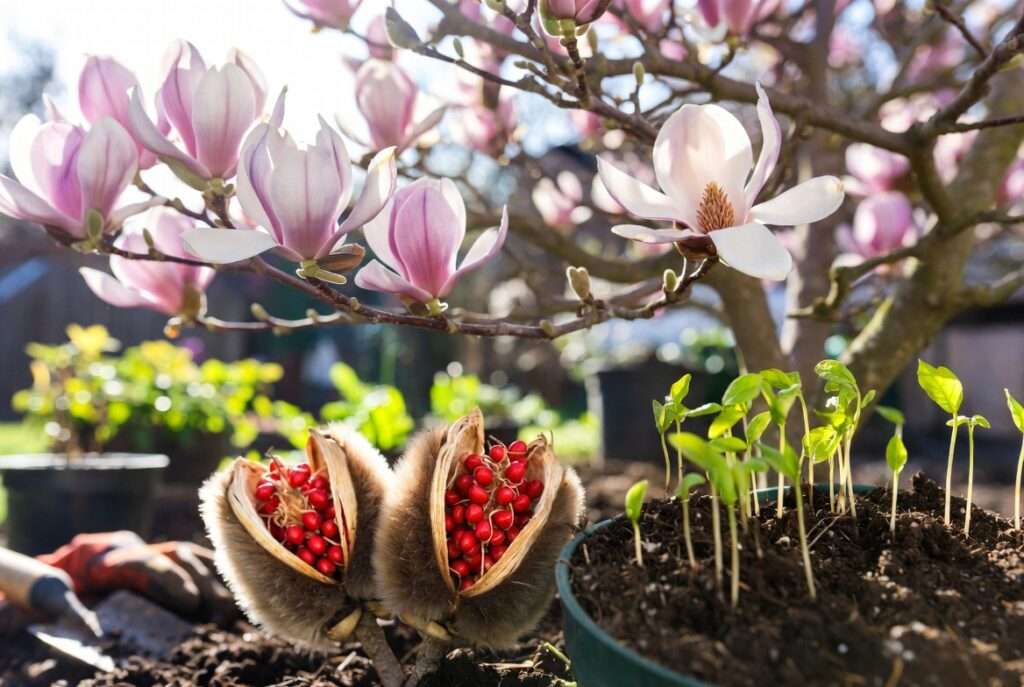
Have you ever dreamed of growing your own majestic magnolia tree from a tiny seed, watching it transform into a breathtaking centerpiece in your garden filled with fragrant, oversized blooms? If you’re searching how do I plant magnolia seeds, you’re not alone. Many passionate gardeners and tree enthusiasts face the same challenge—low germination rates, mysterious seedling failures, and uncertainty about the long journey from seed to stunning tree.
As a tree care specialist with over 15 years of hands-on experience propagating magnolias in diverse climates, I’ve helped hundreds of home gardeners successfully grow these elegant trees from seed. This comprehensive guide will walk you through every detail, from seed selection to long-term care, giving you the confidence and knowledge to succeed where others often stumble. Whether you’re a beginner or have some gardening experience, you’ll discover proven techniques that turn frustration into flourishing magnolia trees. Let’s grow something truly magical together! 🌱✨
Magnolias are beloved for their prehistoric beauty, massive flowers, and ability to thrive for generations. Growing them from seeds offers unique rewards: stronger, more adaptable plants with natural genetic variation that nursery-bought saplings often lack. However, success requires patience, the right timing, and specific techniques—especially cold stratification, which mimics nature’s winter cycle. In this skyscraper guide, we’ll cover everything you need for a 70-90%+ germination success rate and healthy long-term growth.
Why Grow Magnolias from Seeds? Benefits and Realistic Expectations
Growing magnolias from seeds is one of the most rewarding projects in tree care. Unlike purchasing established trees, starting from seed allows you to cultivate unique specimens that reflect your local environment.
Key Benefits Include:
- Cost-effectiveness: A single magnolia seed pod can yield dozens of viable seeds, saving hundreds of dollars compared to buying mature trees. 🌟
- Genetic Diversity: Seed-grown trees often develop better disease resistance and adaptability to your specific soil and climate.
- Deep Satisfaction: There’s nothing quite like the pride of nurturing a tree from its very beginning.
- Conservation Value: Propagating from local trees helps preserve regional genetics.
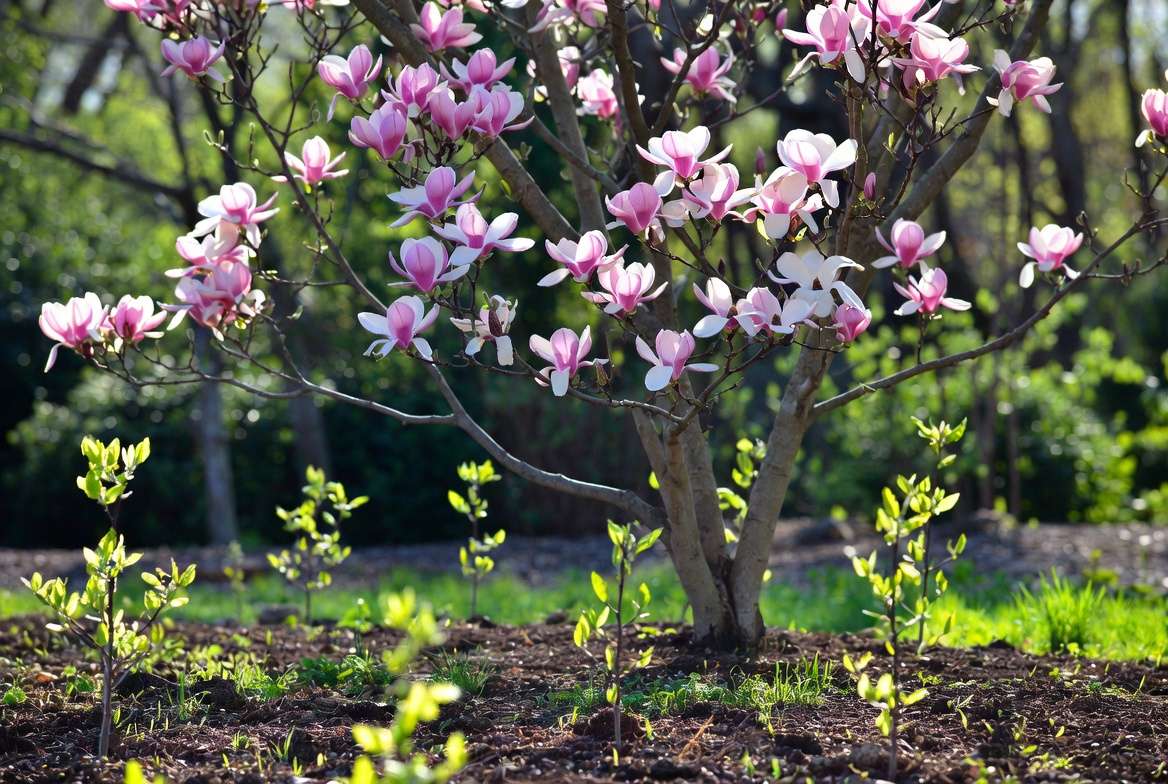
That said, realistic expectations are crucial. Most magnolias take 7–15 years to produce their first significant blooms. They grow relatively slowly at first but reward patience with impressive size and beauty. This method is ideal for patient gardeners in USDA Hardiness Zones 4–9, though some species tolerate slightly wider ranges with proper care.
Popular seed-friendly varieties include:
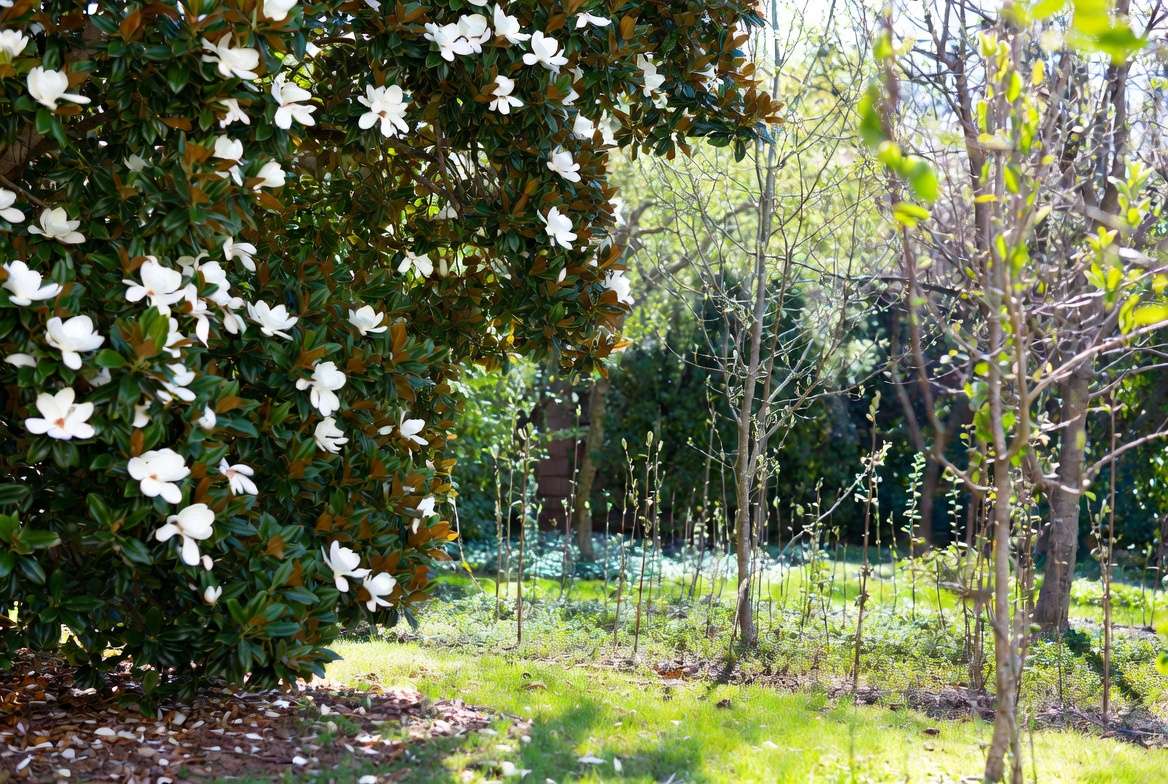
- Southern Magnolia (Magnolia grandiflora) – Evergreen with massive white flowers.
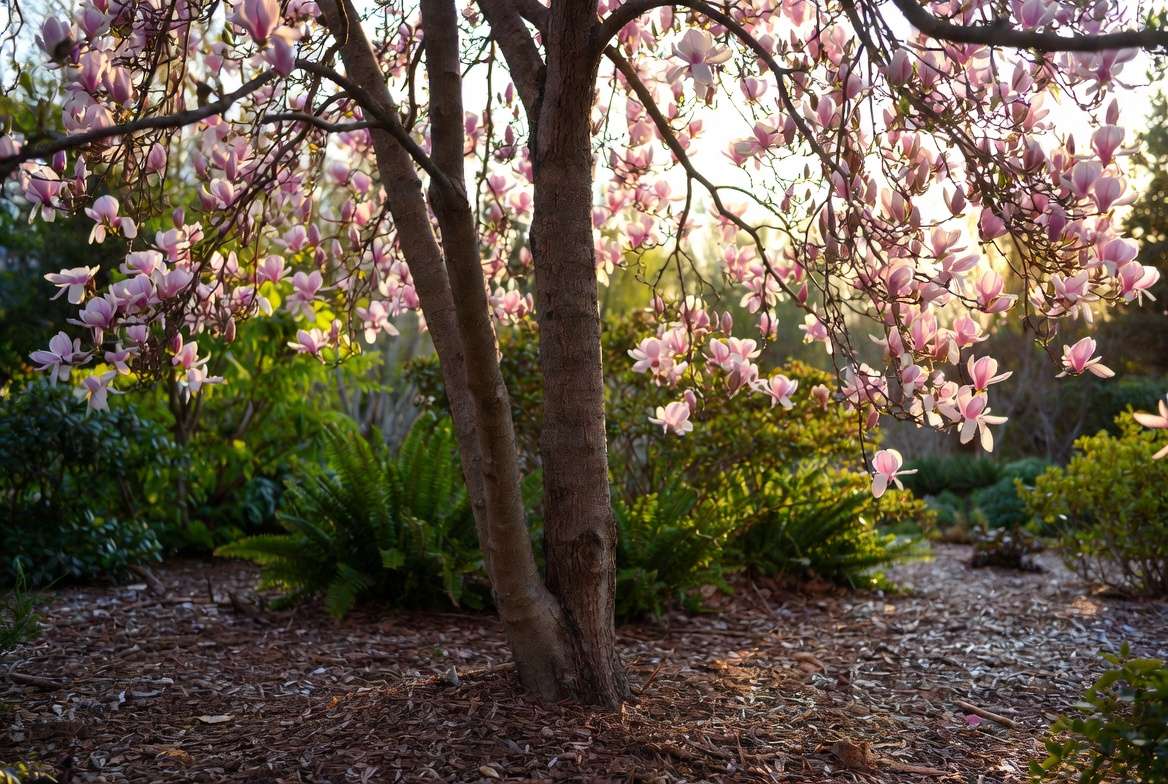
- Saucer Magnolia (Magnolia × soulangeana) – Early spring blooms in pink, purple, or white.
- Star Magnolia (Magnolia stellata) – Compact, perfect for smaller gardens.
If you’re short on time or space, consider starting with a few seeds while supplementing with a young sapling. This hybrid approach balances patience with quicker results.
Understanding Magnolia Seeds – Biology and Timing ❄️
To master how do I plant magnolia seeds, you first need to understand the seeds themselves. Magnolia seeds are enclosed in attractive, cone-like pods (follicles) that split open when ripe, revealing bright red or orange seeds covered in a fleshy coating called an aril. This coating attracts birds for natural dispersal but must be removed for successful planting.
Fresh seeds are essential. Seeds collected directly from a healthy, mature tree in late summer or fall have the highest viability—often 80% or better. Store-bought or old seeds frequently fail due to drying out or poor storage.
Best Timing for Planting:
- Collect seeds in autumn when pods turn brown and begin splitting.
- Begin cold stratification immediately or shortly after cleaning.
- Sow indoors in late winter or early spring after stratification.
H3: Seed Viability and Collection Tips Choose pods from vigorous trees free of major disease. Gently twist ripe seeds from the pod. Avoid seeds that are shriveled, moldy, or have holes. Test viability by placing seeds in water—viable ones usually sink.
Proper storage is key: Cleaned seeds can be stratified right away or kept moist in the refrigerator for short periods. Never let them dry completely, as this drastically reduces germination chances.
Preparing for Success – Materials and Site Selection 📋
Success in growing magnolias from seed starts with preparation. Gather these supplies before you begin:
- Fresh magnolia seeds
- Sharp knife or gloves for cleaning
- Plastic bags or containers for stratification
- High-quality seed-starting mix (or custom blend)
- Pots or trays with drainage holes
- Grow lights or bright south-facing window
- pH testing kit
- Organic mulch and slow-release fertilizer (for later stages)
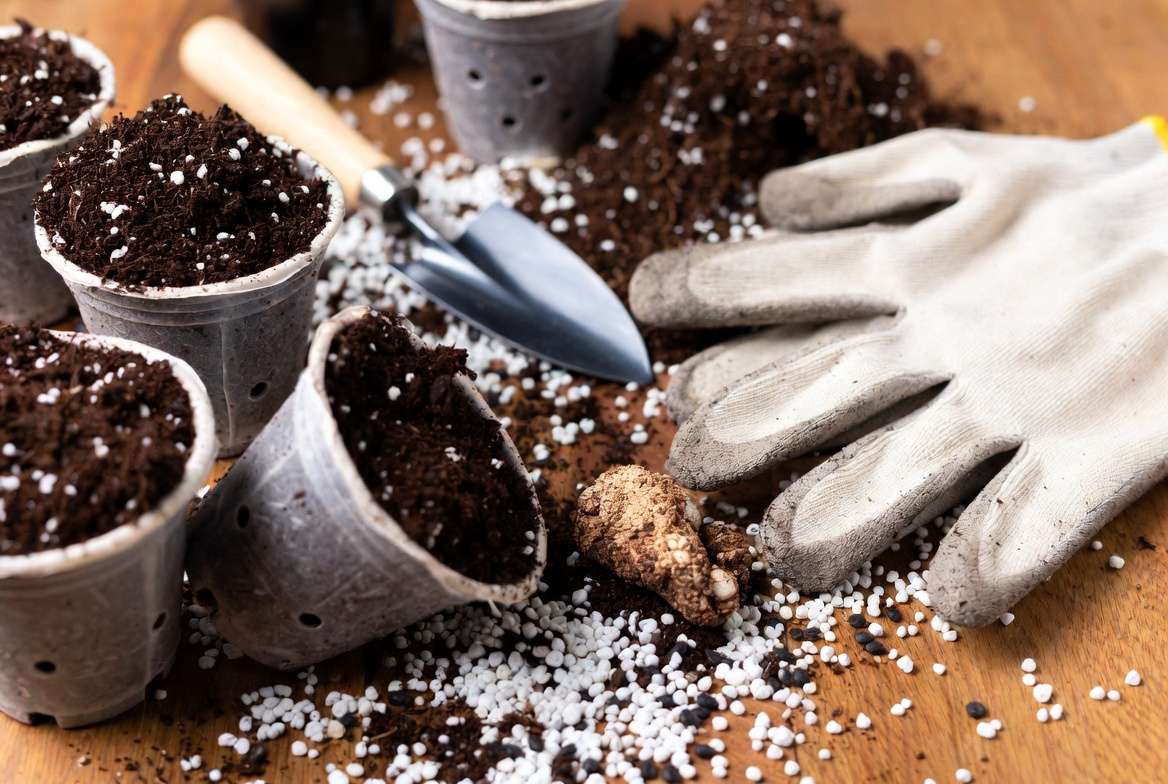
Soil Requirements: Magnolias prefer rich, well-draining, slightly acidic soil (pH 5.5–6.5). Create a custom mix using 50% quality potting soil, 30% perlite or coarse sand, and 20% compost or pine bark. This ensures excellent aeration while retaining necessary moisture.
Site Selection: Choose a location with full sun to partial shade (at least 6 hours of direct sunlight daily for most varieties). Protect young trees from strong winds and late frosts. Mature magnolias need ample space—consider their eventual 30–80 foot spread depending on species.
H3: Creating the Perfect Seed-Starting Mix For optimal results, I recommend this proven blend:
- 2 parts sterile potting mix
- 1 part perlite
- 1 part peat moss or coco coir
- A handful of worm castings for natural nutrients
Sterilize the mix by baking it briefly in the oven to prevent damping-off disease in delicate seedlings.
How Do I Plant Magnolia Seeds – Step-by-Step Instructions
This is the heart of the guide—the detailed process that answers your exact question.
H3: Step 1: Seed Cleaning and Scarification Wear gloves as the aril can be sticky. Soak seeds in lukewarm water for 24–48 hours to soften the coating. Gently rub or cut away the red aril under running water. Lightly scarify the hard seed coat with sandpaper or a file on one side— just enough to allow water penetration without damaging the embryo. This step dramatically improves germination speed.
H3: Step 2: Cold Stratification (The Most Important Step) Magnolia seeds require a period of cold, moist conditions to break dormancy. Place cleaned seeds in a zip-top bag with slightly damp (not wet) sphagnum moss or vermiculite. Seal and label with the date. Store in the refrigerator at 35–45°F (2–7°C) for 3 to 5 months. Check monthly for moisture and mold.
Some gardeners use the outdoor method: Plant seeds in pots and leave them outside over winter, protected from animals. Both approaches work well, but refrigeration offers more control.
H3: Step 3: Sowing the Seeds After stratification, plant seeds horizontally or point-down about ½ to 1 inch deep in your prepared mix. Space them 2–3 inches apart. Water gently until the soil is evenly moist but not soggy. Cover pots with plastic wrap or a humidity dome to maintain moisture.
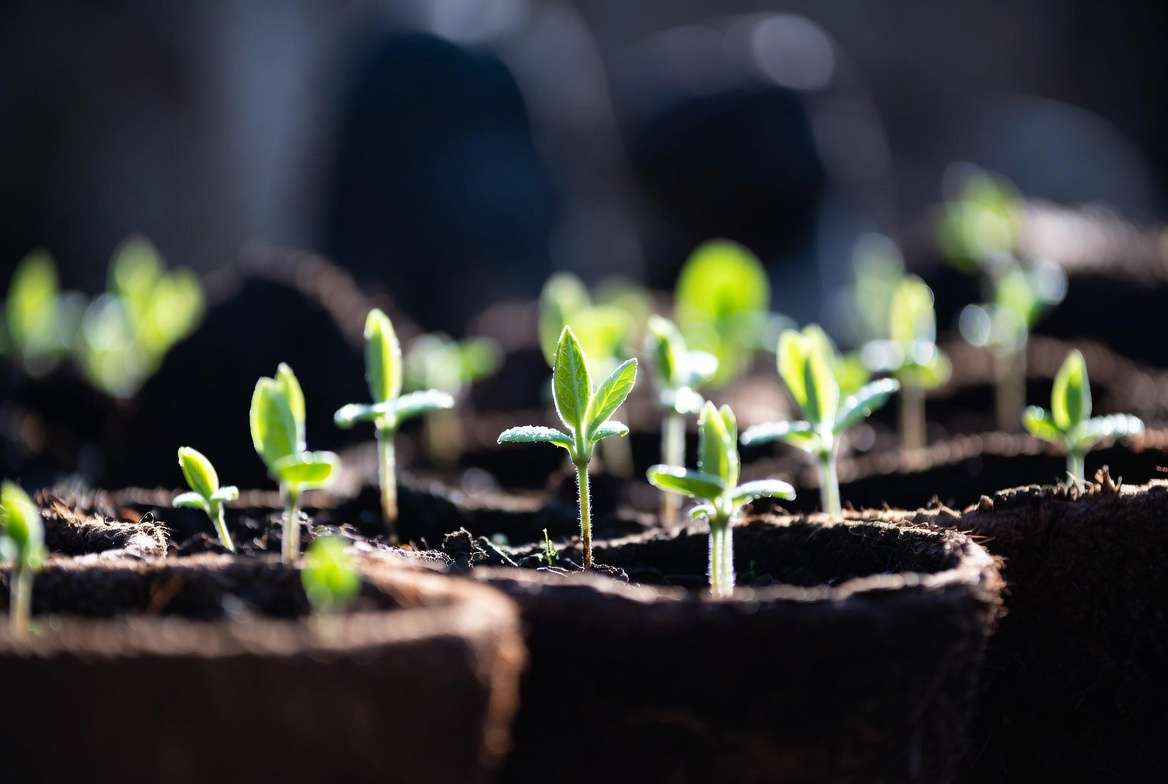
H3: Step 4: Providing Ideal Germination Conditions Place in a warm spot (65–75°F / 18–24°C) with indirect bright light. Remove the cover once sprouts appear. Germination can take 4–8 weeks, sometimes longer. Be patient—some seeds are slower starters!
Pro Tip: Use a heat mat under trays to maintain consistent bottom heat for faster, more uniform sprouting. 🌡️
Caring for Magnolia Seedlings – From Sprout to Sapling 💧
Once your seedlings emerge with their first true leaves, transition them to brighter light. Seedlings are delicate and need consistent care.
Watering Schedule: Keep soil consistently moist but never waterlogged. Allow the top inch to dry slightly between waterings. Use room-temperature water to avoid shocking young roots.
Light and Fertilization: Provide 12–16 hours of bright light daily. After the first 4–6 weeks, begin diluting a balanced, organic liquid fertilizer to half strength every 3–4 weeks during the growing season.
Transplanting: When seedlings reach 4–6 inches tall with several sets of leaves, transplant into individual larger pots. Handle by the leaves, not the stem, to avoid damage. Gradually harden off outdoors before permanent planting.
Protection: Shield young plants from deer, rabbits, and intense afternoon sun. Use row covers or fencing as needed.
Long-Term Magnolia Tree Care for Healthy Growth
Once established in the ground (usually after 1–2 years in pots), focus on these practices:
- Mulching: Apply 3–4 inches of organic mulch around the base, keeping it away from the trunk to prevent rot.
- Watering: Deep, infrequent watering encourages strong root systems. Young trees need about 1 inch of water weekly.
- Pruning: Minimal pruning in the first few years. Shape lightly in late winter if needed. ✂️
- Fertilizing: Use an acid-loving plant fertilizer in spring.
Monitor for common issues like scale insects, leaf spot, or nutrient deficiencies (yellowing leaves often indicate iron deficiency in alkaline soils).
Companion Planting Ideas: Pair magnolias with azaleas, hostas, or ferns for a beautiful, layered shade garden.
Advanced Tips and Expert Insights for Higher Success Rates
From my years of experience, here are game-changing tips:
- Inoculate soil with mycorrhizal fungi to boost root development.
- Track progress with a gardening journal including dates, photos, and observations.
- Experiment with different stratification durations for your specific climate.
- For container-grown magnolias, choose dwarf varieties and repot every 2–3 years.
Common Mistakes to Avoid:
- Skipping stratification (leads to near-zero germination).
- Overwatering seedlings.
- Planting in heavy clay soil without amendment.
Varieties Comparison Table (visual suggestion for full article):
| Variety | Bloom Time | Mature Size | Best For |
|---|---|---|---|
| Southern Magnolia | Summer | 60-80 ft | Large landscapes |
| Saucer Magnolia | Early Spring | 20-30 ft | Medium gardens |
| Star Magnolia | Very Early | 10-20 ft | Small spaces |
This level of detail helps you choose wisely and set realistic expectations.
Frequently Asked Questions (FAQs) About Planting Magnolia Seeds ❓
Here are the most common questions I receive from gardeners learning how do I plant magnolia seeds, along with clear, expert-backed answers:
H3: How long do magnolia seeds take to germinate? After proper cold stratification, expect germination in 4 to 12 weeks. Some seeds may take longer—up to several months. Patience is essential for magnolia seed germination success.
H3: Can I plant magnolia seeds directly in the ground? It’s possible in mild climates, but starting indoors or in controlled pots after stratification gives much higher success rates. Direct sowing works best in fall with natural winter stratification, though protection from animals and weather is needed.
H3: Why won’t my magnolia seeds sprout? The top reasons are insufficient stratification time, dried-out seeds, poor drainage causing rot, or incorrect temperature. Always use fresh seeds and maintain consistent moisture without sogginess.
H3: How much sunlight and water do magnolia seedlings need? Seedlings thrive in bright, indirect light initially, transitioning to full sun as they mature. Water when the top inch of soil feels dry, aiming for deep but infrequent sessions to encourage strong roots.
H3: Are magnolia trees invasive? Most common species like Southern and Saucer Magnolias are not considered invasive in most regions. However, always check your local extension service, as some varieties can self-seed readily in favorable conditions.
H3: When can I expect my first flowers? Seed-grown magnolias typically bloom between 7 and 15 years old. Grafted trees flower sooner, but seed-grown ones often develop stronger constitutions over time.
H3: How do I store leftover magnolia seeds? Cleaned seeds should be stratified promptly. Short-term storage (a few weeks) is possible in slightly damp medium in the refrigerator. Avoid freezing or complete drying.
H3: What pests and diseases affect young magnolias? Watch for scale insects, aphids, and fungal leaf spots. Use neem oil or insecticidal soap for organic control. Good air circulation and proper watering prevent most issues.
H3: Can I grow magnolias in containers long-term? Yes, especially dwarf varieties. Choose large pots with excellent drainage and refresh soil periodically. Container magnolias need more frequent watering and winter protection in colder zones.
Conclusion: Your Magnolia Journey Begins Now 🌸
You now have a complete, expert roadmap for how do I plant magnolia seeds—from understanding seed biology and mastering cold stratification to providing years of dedicated tree care. Growing magnolias from seed requires patience, but the reward of watching your tree mature and burst into spectacular bloom is unmatched in home gardening.
Remember: Success comes from fresh seeds, proper stratification, well-draining soil, and consistent care. Start small with 10–20 seeds, learn from each season, and celebrate every new leaf and eventual flower.
Share your progress in the comments below—what variety are you planning to grow? Have you tried propagating magnolias before? Your experiences help build our growing community of tree enthusiasts.
For more tree care wisdom, explore our guides on pruning magnolias, choosing the best varieties for small yards, and creating pollinator-friendly gardens. Happy planting, and may your garden soon be filled with the graceful beauty of magnolias!











