
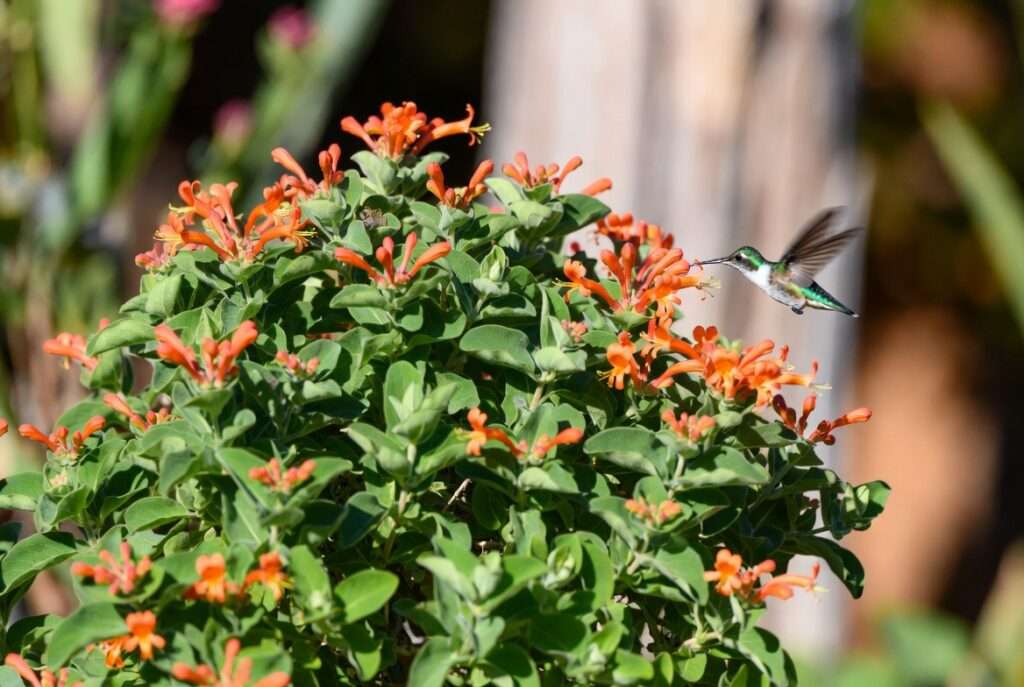
Imagine stepping into your garden on a warm afternoon and being greeted by a lush, rounded shrub bursting with vibrant orange tubular flowers that dance in the breeze while hummingbirds zip from bloom to bloom. 🦋 This isn’t a high-maintenance diva—it’s the Mexican honeysuckle plant, a resilient beauty that brings life, color, and pollinators to landscapes across warm climates. If you’ve been searching for a low-water, deer-resistant shrub that delivers nearly year-round interest, you’re in the right place.
In this comprehensive guide, I’ll share everything you need to know about successfully growing and caring for the Mexican honeysuckle plant (Justicia spicigera). Drawing from years of hands-on experience cultivating these plants in challenging semi-arid conditions, plus insights from trusted horticultural practices, this article goes beyond basic tips. Whether you’re a beginner struggling with leggy growth or an experienced gardener aiming for maximum blooms, you’ll find practical, proven solutions here. Let’s transform your space into a pollinator paradise! 🌱
What Is the Mexican Honeysuckle Plant? 🌍
The Mexican honeysuckle plant, scientifically known as Justicia spicigera, is a member of the Acanthaceae family. Despite its common name, it is not a true honeysuckle (which belongs to the Lonicera genus and is often a vine). Instead, this delightful perennial shrub hails from Mexico and parts of Central America, thriving in warm, subtropical to semi-arid regions.
Key Characteristics:
- Size: Typically grows 3–4 feet tall and 4–6 feet wide, forming a naturally rounded, bushy shape.
- Foliage: Velvety, lance-shaped green leaves with a slightly silvery sheen that feel soft to the touch.
- Flowers: Bright orange, tubular blooms about 1.5 inches long, appearing on terminal spikes. They lack strong fragrance but make up for it with visual appeal and nectar richness.
- Growth Habit: Moderate to fast grower with herbaceous stems that become woody at the base over time. It’s nearly evergreen in mild winters.
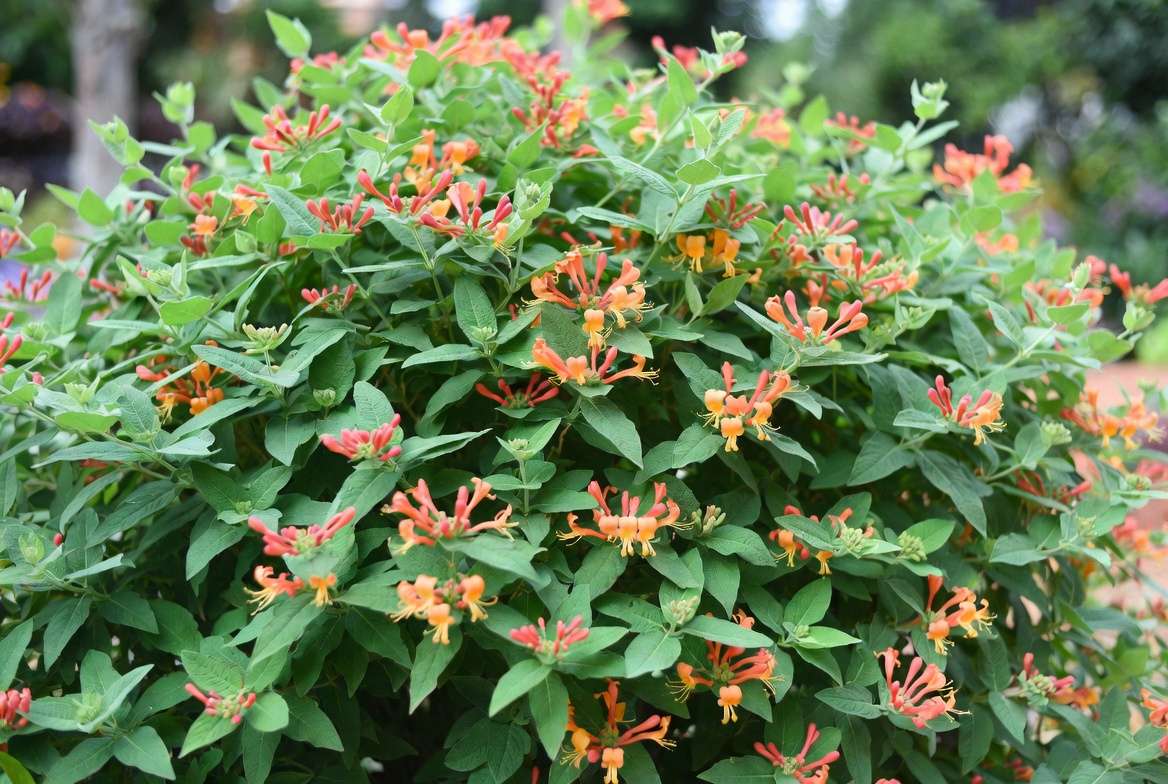
One of its standout features is its exceptional wildlife value. The nectar-rich flowers attract hummingbirds, bees, and butterflies, making it a cornerstone for pollinator-friendly gardens. In my experience, planting a few Mexican honeysuckle plants can turn a quiet corner into a bustling ecosystem. It’s also deer-resistant, drought-tolerant once established, and relatively pest-free when given proper care—qualities that make it ideal for water-wise landscaping in USDA hardiness zones 8–11.
Beyond aesthetics, the plant has cultural significance. In its native regions, leaves are traditionally boiled to create a natural blue dye. This versatility adds another layer of appeal for eco-conscious gardeners.
Ideal Growing Conditions for Success ☀️
Success with the Mexican honeysuckle plant starts with understanding its preferred environment. Unlike some tropical plants that demand constant pampering, this shrub is adaptable but performs best under specific conditions.
Sunlight Requirements
In cooler or milder climates, the Mexican honeysuckle plant thrives in full sun, which promotes compact growth and abundant flowering. However, in hot desert or Texas-like heat, it prefers morning sun with afternoon shade or filtered light under taller trees (such as mesquite or desert willow). Too much intense afternoon sun can cause leaf scorch or reduced blooms, while heavy shade leads to leggy, sparse growth.
Pro Tip: Observe your microclimate. If leaves look bleached or flowers are sparse, provide more shade cloth or strategic placement during peak summer. 🌞
Soil Preferences and Preparation
Well-draining soil is non-negotiable. The plant tolerates a range of soil types—from sandy to loamy—as long as water doesn’t pool around the roots. Aim for a neutral to slightly alkaline pH (6.6–8.5). Before planting, amend heavy clay soils with compost, perlite, or coarse sand to improve drainage and prevent root rot.
Hardiness Zones and Climate Tolerance
Best suited for zones 8–11, the Mexican honeysuckle plant can handle brief dips to around 20–25°F but may experience dieback in harder freezes. In marginal zones, plant near a south-facing wall for radiant heat protection or use frost cloth during cold snaps. It’s remarkably heat-tolerant once established, making it a favorite for xeriscaping in the Southwest.
Planting Guide
- Best Time: Spring or early fall, when soil temperatures are warm but extreme heat hasn’t arrived.
- Spacing: 3–5 feet apart for mass plantings or hedges.
- Companion Plants: Pair with inland sea oats, salvias, or other drought-tolerant perennials for beautiful contrast and layered pollinator support.
Step-by-Step Planting Instructions 🪴
- Select Healthy Specimens: Choose nursery plants with vibrant green foliage and no signs of wilting or pests. Avoid those with circling roots in small pots.
- Prepare the Hole: Dig twice as wide as the root ball but no deeper. Gently loosen roots before placing.
- Backfill and Water: Mix native soil with 20–30% compost. Water deeply after planting to settle soil and eliminate air pockets.
- Mulch: Apply 2–3 inches of organic mulch, keeping it away from the stem to prevent rot.
During the first year, consistent moisture is key to developing a strong root system. Water daily (just enough to keep soil moist but not soggy) in the morning for the first few weeks, then gradually reduce.
Essential Mexican Honeysuckle Care Routine 💧
Caring for the Mexican honeysuckle plant is straightforward once established, but attention to detail in the early stages pays dividends in lush foliage and prolific blooms. Here’s a complete maintenance blueprint based on real-world performance in varied conditions.
Watering Schedule
Establishment is the most critical phase. For the first 6–12 months, provide deep, infrequent waterings that encourage roots to grow downward. In hot climates, this might mean watering every 2–3 days initially, allowing the top inch of soil to dry out between sessions. Mature plants are impressively drought-tolerant and often thrive on rainfall supplemented by occasional deep soaks during extended dry spells.
Signs of Trouble:
- Yellow leaves: Often overwatering (poor drainage) or underwatering. Check soil moisture before acting.
- Wilting: Usually underwatering, especially in full sun.
Expert Insight: In my experience with Texas and Arizona gardens, a simple moisture meter or the “finger test” prevents most watering mistakes. Avoid overhead watering to reduce fungal risks—drip irrigation or soaker hoses work best. Once established, many gardeners successfully maintain Mexican honeysuckle with minimal supplemental water, making it perfect for sustainable landscapes.
Fertilizing for Optimal Growth
The Mexican honeysuckle plant is not a heavy feeder. Over-fertilizing can lead to excessive leafy growth at the expense of flowers. Apply a balanced, slow-release fertilizer (such as 10-10-10) sparingly in early spring. For bloom support, a phosphorus-rich formula in late spring can help. In nutrient-poor soils, a light application of compost or worm castings annually is usually sufficient.
Monitor for iron chlorosis (yellowing between veins), common in alkaline soils. A chelated iron supplement can correct this quickly.
Pruning and Shaping Techniques ✂️
Pruning keeps the plant compact, bushy, and floriferous. The best time is late winter or early spring, just before new growth emerges. Remove dead, damaged, or crossing branches, and cut back leggy stems to a healthy node. You can shape it lightly throughout the growing season for tidiness, but avoid heavy pruning in summer heat.
Advanced Tip: Prune in stages if pollinators are actively using winter blooms. This staggered approach maintains nectar sources while encouraging fresh growth. Many gardeners report significantly more flowers after consistent annual pruning.
Mulching and Weed Control
A 2–4 inch layer of organic mulch conserves moisture, regulates soil temperature, and suppresses weeds. Refresh annually. Hand-pull weeds or use landscape fabric in formal beds to minimize competition.
Flowering Secrets: How to Maximize Blooms 🌸
One of the Mexican honeysuckle plant’s greatest charms is its extended flowering period—often from spring through fall, and sometimes year-round in frost-free areas. Unlocking peak performance requires balancing light, water, and nutrients.
Understanding the Bloom Cycle: Flowers appear on new growth. Conditions that promote vigorous shoots (adequate light and moderate water) lead to more spikes. In mild winters, you may enjoy sporadic blooms even in cooler months.
Proven Techniques for Abundant Flowers:
- Ensure at least 4–6 hours of direct or dappled sun.
- Maintain even moisture during bud formation without waterlogging.
- Deadhead spent blooms occasionally to encourage reblooming (though not strictly necessary due to its long season).
- Protect from extreme temperature swings that stress the plant.
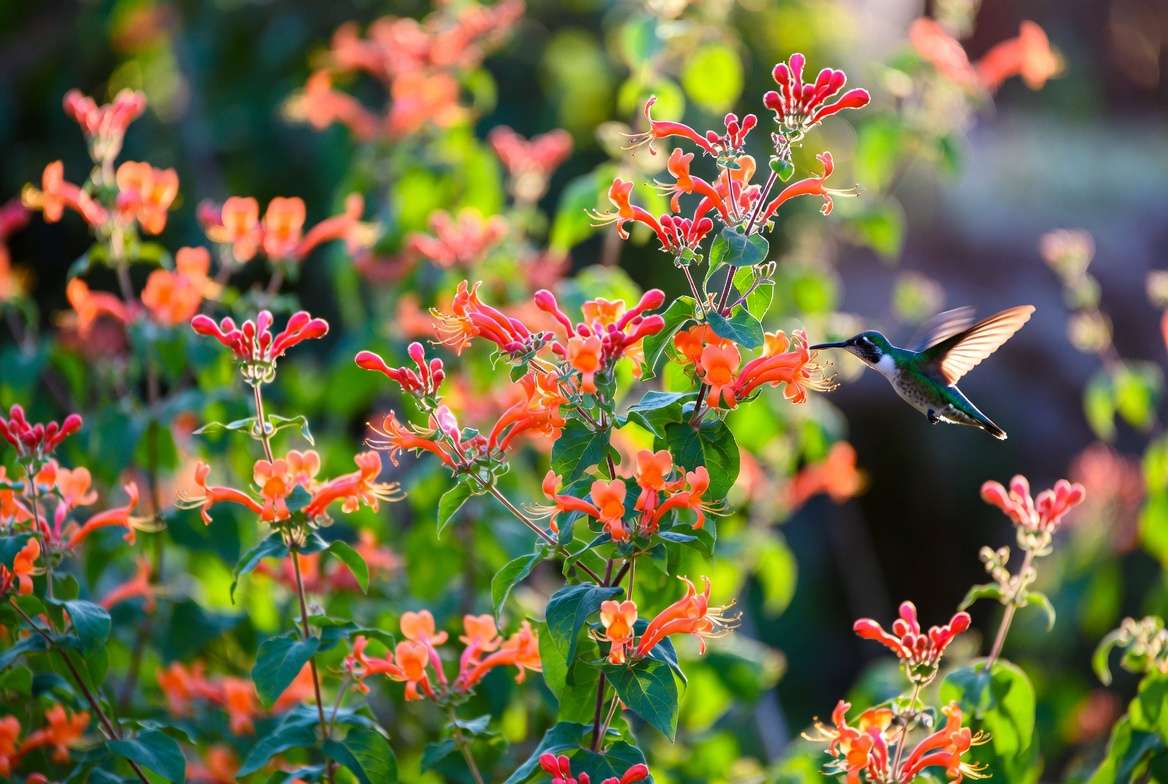
Gardeners in hotter regions often notice improved flowering when plants receive afternoon shade, which reduces stress and allows energy allocation to reproduction rather than survival.
In one memorable project, adding Mexican honeysuckle to a mixed border with complementary perennials extended the color show dramatically, creating a dynamic, ever-changing pollinator haven that delighted visitors for months.
Common Problems and How to Solve Them 🛡️
Even tough plants like the Mexican honeysuckle encounter occasional issues. Early identification is key to quick recovery.
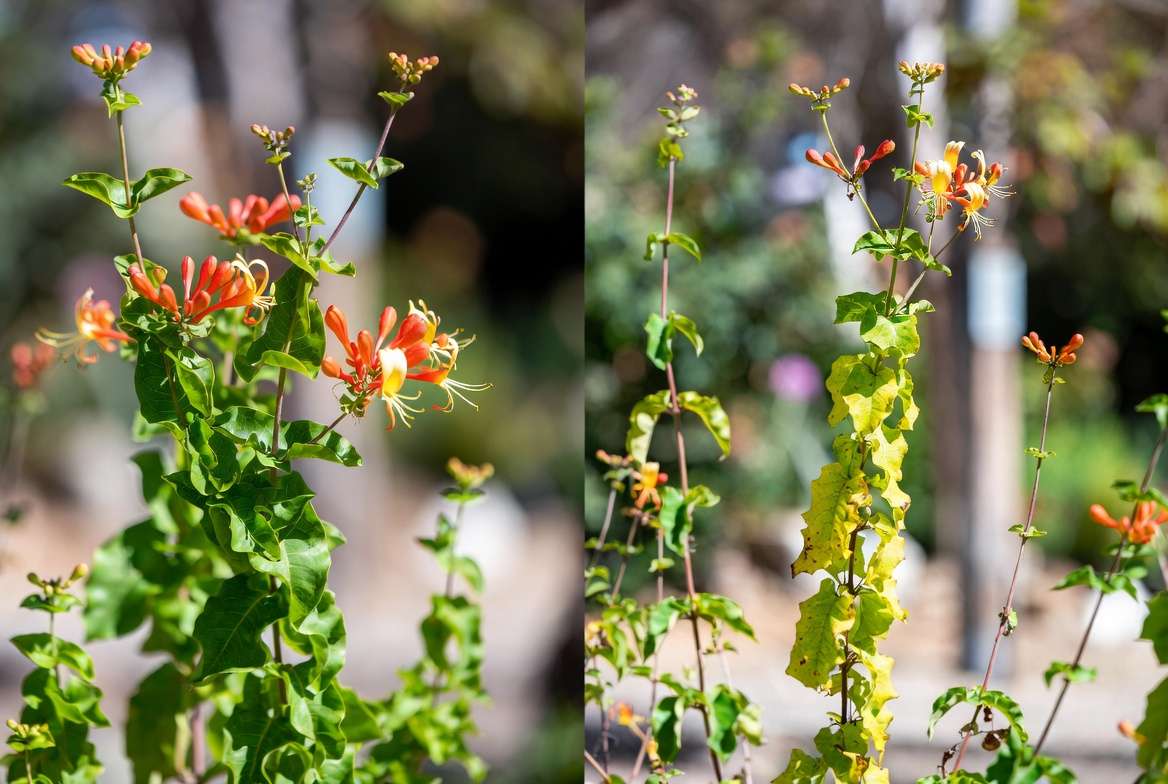
Yellowing Leaves or Leggy Growth
- Causes: Improper light, inconsistent watering, or nutrient imbalance.
- Solutions: Adjust exposure, refine watering routine, and test soil. Leggy plants often respond dramatically to strategic pruning and better light.
Pests and Diseases
Common pests include aphids (treat with insecticidal soap or strong water spray) and occasional spider mites in dry conditions. Fungal issues like powdery mildew or leaf spot can appear in overly humid or poorly ventilated spots—improve air circulation and avoid wetting foliage.
Deer rarely bother this plant, but rabbits may nibble young growth—use protective netting if needed.
No Blooms or Poor Flowering
This is a frequent complaint. Primary culprits: too much shade, over-fertilization with nitrogen, or young plants still establishing roots. Increase sun exposure, switch to bloom-boosting fertilizer, and be patient—established plants often bloom more vigorously in their second or third year.
Frost Damage and Winter Protection
In zone 8 or marginal areas, cover with frost cloth when temperatures drop below 25°F. Root-hardy plants typically rebound in spring; prune damaged tops once new growth appears.
Prevention Table (for quick reference):
| Problem | Likely Cause | Quick Fix |
|---|---|---|
| Yellow Leaves | Water/Drainage | Adjust schedule, improve soil |
| No Flowers | Shade or Young Plant | More sun, patience |
| Leggy Growth | Insufficient Light | Prune + relocate if possible |
| Fungal Spots | Poor Airflow/Overhead Water | Improve circulation |
Propagation Methods for More Plants 🌱
Expanding your collection is easy and rewarding with the Mexican honeysuckle plant.
Stem Cuttings (Most Reliable):
- Take 4–6 inch semi-hardwood cuttings in spring or early summer.
- Remove lower leaves, dip in rooting hormone.
- Plant in well-draining mix (perlite + potting soil).
- Keep moist and under indirect light until rooted (2–4 weeks).
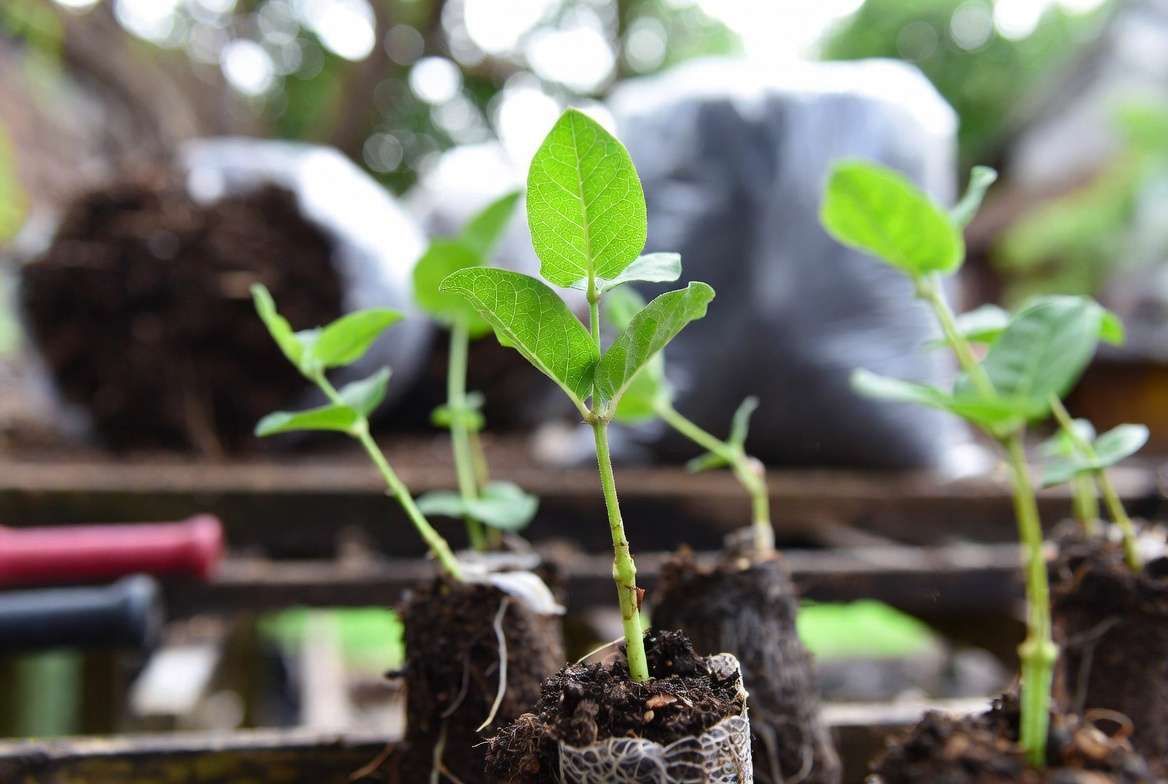
Division: Mature clumps can be divided during repotting or transplanting in spring.
Layering: Bend a low branch to the ground, bury part of it, and wait for roots to form.
Success rates are high with fresh material and consistent humidity. Propagated plants often bloom the following season when given proper care.
Landscaping Ideas and Creative Uses 🌳
The Mexican honeysuckle plant shines in diverse garden designs thanks to its versatile form and pollinator appeal. Use it as a low hedge along pathways, in mixed perennial borders, or as a foundation planting near patios where you can enjoy close-up hummingbird visits. In containers, it makes an excellent centerpiece for sunny balconies or courtyards, provided you choose a large pot with excellent drainage.
Design Inspirations:
- Pollinator Garden: Combine with salvias, lantana, and native grasses for a vibrant, wildlife-friendly oasis.
- Xeriscape Beds: Pair with agaves, yuccas, and desert marigolds for a low-water masterpiece.
- Mass Plantings: Create bold drifts for erosion control on gentle slopes.
- Formal Settings: Prune into neat mounds for structured gardens.
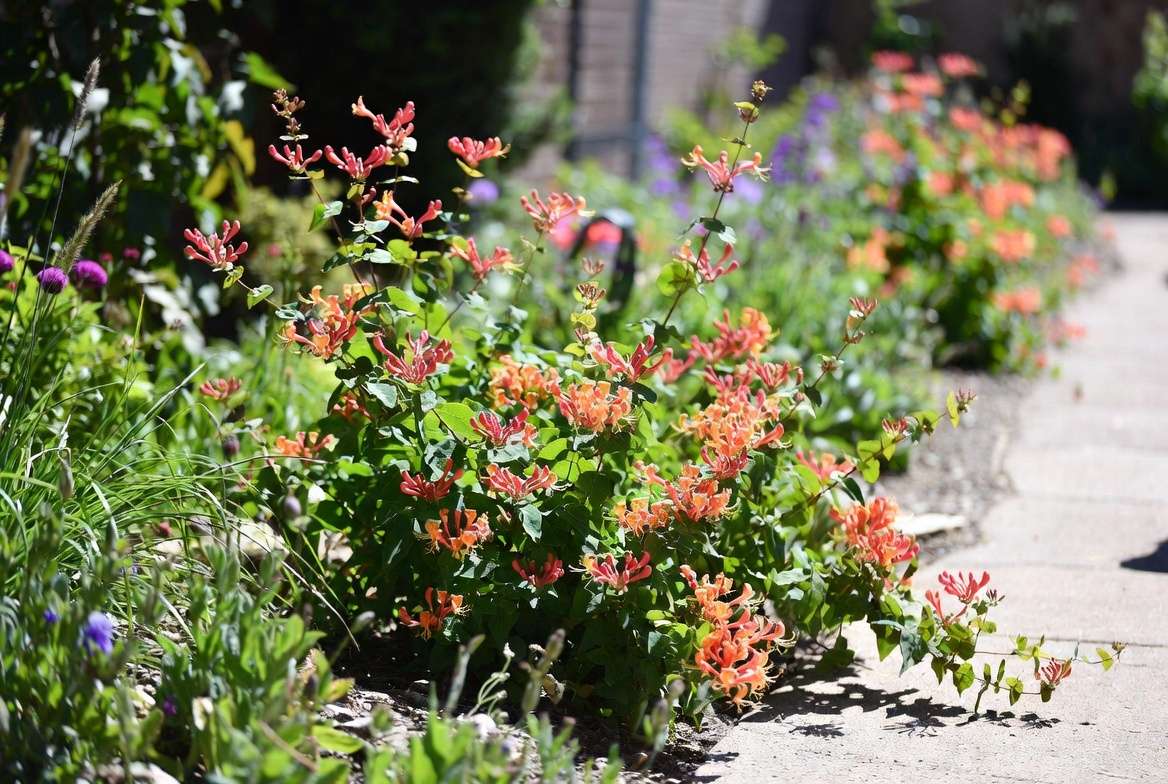
Its velvety foliage provides beautiful texture contrast against finer or spikier plants. In my designs, placing it near seating areas maximizes enjoyment of the constant floral and wildlife activity.
Unique Uses: Harvest leaves for natural dyeing projects—a fun, educational activity for families. The plant also serves well in butterfly gardens and as a cut-flower filler (though blooms are short-lived in vases).
Expert Tips and Advanced Care 📅
Seasonal Maintenance Calendar:
- Spring: Prune, fertilize lightly, and monitor new growth for pests.
- Summer: Deep water during heat waves; provide shade if needed.
- Fall: Reduce watering gradually; enjoy late-season blooms.
- Winter: Protect from hard freezes; minimal care required.
For extreme heat, apply a thicker mulch layer and consider shade cloth during record highs. Organic practices like compost tea applications can boost soil biology and plant resilience without synthetic inputs.
Long-term Health: Rotate planting locations every 5–7 years if soil-borne issues arise. Consistent observation is your best tool—healthy Mexican honeysuckle plants reward attentive gardeners with years of reliable beauty and ecological benefits.
Frequently Asked Questions (FAQs) ❓
Is the Mexican honeysuckle plant invasive? No. It stays well-behaved in most landscapes and does not spread aggressively like some other species.
How fast does it grow? Moderate to fast. Expect noticeable size increase in the first year with good care, reaching mature dimensions in 2–3 years.
Can it be grown indoors? Possible in bright, south-facing windows or under grow lights, but it prefers outdoor conditions. Ensure excellent airflow and avoid overwatering.
Is it toxic to pets? Generally considered non-toxic, but it’s always wise to discourage pets from chewing on any landscape plants.
Why isn’t my Mexican honeysuckle blooming? Common reasons include insufficient sunlight, excess nitrogen fertilizer, or immaturity. Adjust conditions and give it time.
How much water does it need once established? Typically low to moderate. Deep watering every 1–2 weeks during dry periods is often sufficient.
What’s the best fertilizer? A balanced slow-release option in spring, or organic amendments. Avoid high-nitrogen formulas.
Does it attract beneficial insects? Yes! Beyond hummingbirds, it supports various native bees and predatory insects that help control garden pests.
Conclusion 🌟
The Mexican honeysuckle plant stands out as one of the most rewarding choices for gardeners seeking beauty, resilience, and ecological impact with minimal effort. By following this detailed care guide—paying special attention to proper planting, balanced watering, timely pruning, and suitable light conditions—you can enjoy a thriving, flower-filled shrub that enhances your landscape for years to come.
Whether you’re battling challenging soil, hot summers, or simply want to support local pollinators, the strategies shared here provide a complete roadmap. Start small, observe your plants closely, and don’t hesitate to experiment within the guidelines. Your garden (and the hummingbirds!) will thank you.
Have you grown Mexican honeysuckle before? Share your experiences, successes, or questions in the comments below. For more expert plant care advice, explore our guides on drought-tolerant perennials, hummingbird gardens, and water-wise landscaping. Happy gardening! 🪴✨











