
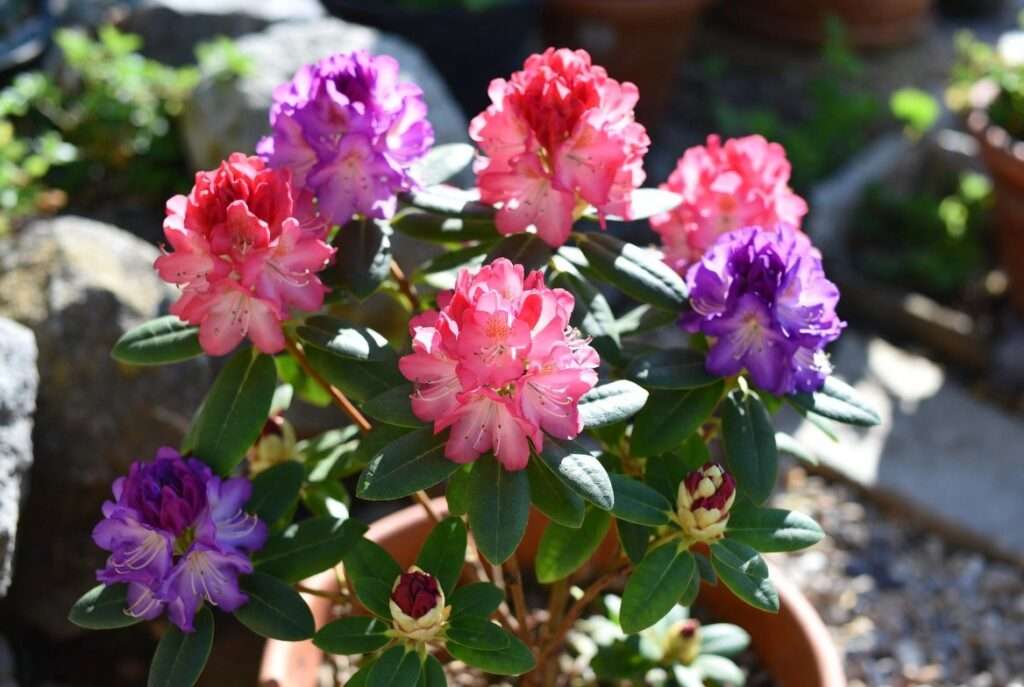
Imagine stepping onto your balcony or into a cozy corner of your garden and being greeted by a burst of vibrant, jewel-toned flowers atop a lush, compact evergreen shrub—no sprawling branches or massive space required. That’s the magic of miniature rhododendron plants. These delightful dwarf varieties bring all the elegance and color of traditional rhododendrons into small gardens, containers, and urban spaces, making them perfect for modern plant lovers with limited room but big dreams of beautiful blooms.
As a horticulturist with over 15 years of hands-on experience growing ericaceous plants in diverse climates, I’ve seen firsthand how these compact beauties transform tiny patios into floral paradises. Whether you’re a beginner struggling with space constraints or an experienced gardener seeking low-maintenance options, this comprehensive guide will equip you with everything you need to successfully grow and care for miniature rhododendron plants. From selecting the right variety to troubleshooting common issues, you’ll gain expert insights that go far beyond basic care sheets. Let’s dive in and help your miniature rhododendrons thrive! 🌿
What Are Miniature Rhododendron Plants? 🌿
Miniature rhododendron plants, often called dwarf rhododendrons, are compact cultivars of the Rhododendron genus. Unlike their larger relatives that can reach 6–10 feet or more, these charming plants typically stay between 1 and 3 feet tall and wide at maturity, making them ideal for today’s smaller landscapes.
They belong to the Ericaceae family and are prized for their evergreen foliage, which provides year-round interest, and their spectacular spring-to-early-summer flower displays in shades of pink, purple, red, white, and lavender. Most are slow-growing and naturally neat in habit, requiring minimal pruning compared to standard rhododendrons.
Key Characteristics
- Size: Usually 12–36 inches tall.
- Growth Habit: Dense, mounded, or spreading forms perfect for borders or pots.
- Foliage: Small, leathery leaves that often turn bronze or purple in winter for extra appeal.
- Flowers: Trusses of bell-shaped blooms that attract bees, butterflies, and hummingbirds.
Why Grow Miniature Rhododendron Plants? These dwarf varieties solve a common problem for many gardeners: lack of space for big shrubs. They excel in containers, rock gardens, foundation plantings, and small borders. They’re also excellent for pollinator gardens and add structure to mixed plantings with other acid-loving plants like azaleas, heathers, and Japanese maples. Their resilience and beauty make them a top choice for sustainable, low-water (once established) gardening in suitable climates.
Best Miniature Rhododendron Varieties to Grow 🌺
Choosing the right cultivar is the first step to success. Here’s a handpicked selection of top performers based on reliability, bloom quality, and adaptability:
- ‘Ramapo’: Lavender-blue flowers, 2–3 ft tall. Extremely cold-hardy (Zone 4) and tolerant of some sun. Great for beginners.
- ‘Blue Tit’: Compact with violet-blue blooms, around 2–3 ft. Excellent for containershttps://en.wikipedia.org/wiki/Container.
- ‘Scarlet Wonder’: Bright red flowers on a 2–3 ft plant. Striking color and good disease resistance.
- ‘P.J.M. Compact’: Lavender-pink blooms, 2–3 ft, with outstanding winter foliage color. Very hardy.
- ‘Purple Gem’: True miniature (18–24 inches) with rich purple flowers. Perfect for alpine troughs or tiny pots.
- ‘Ginny Gee’: Heat and cold tolerant with pink flowers. A tough choice for challenging climates.
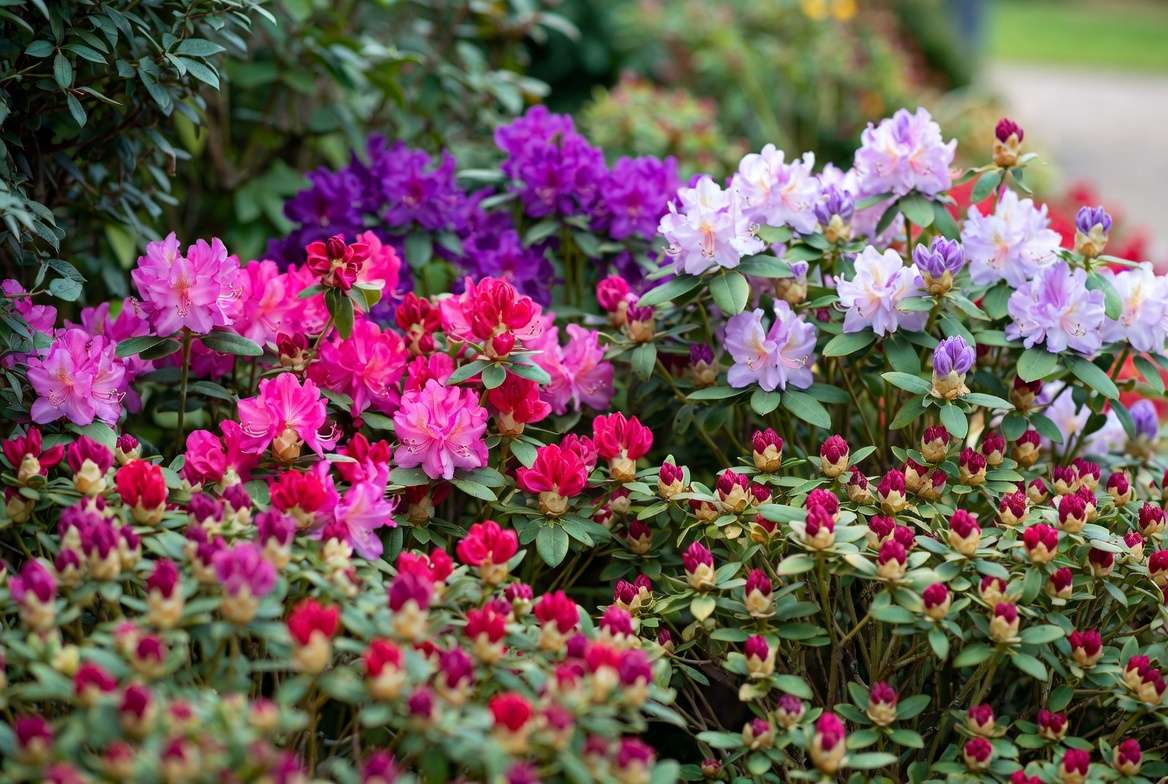
Choosing the Right Variety for Your Space and Climate Consider your USDA hardiness zone, light conditions, and container size. For very small spaces, stick to varieties under 2 feet like ‘Purple Gem’. In colder regions, prioritize P.J.M. hybrids. Always source healthy plants from reputable nurseries to avoid grafted issues.
Variety Comparison Table (visualize as a clean table in the final post):
| Variety | Height | Flower Color | Hardiness | Best For |
|---|---|---|---|---|
| ‘Ramapo’ | 2-3 ft | Lavender | Zone 4-8 | Cold areas, ground |
| ‘Scarlet Wonder’ | 2-3 ft | Red | Zone 5-8 | Containers, accents |
| ‘Purple Gem’ | 1.5-2 ft | Purple | Zone 5-8 | Tiny spaces, troughs |
Planting Miniature Rhododendron Plants the Right Way 🪴
Proper planting sets the foundation for years of healthy growth. The best times are early spring or fall when temperatures are mild.
Step-by-Step Planting Guide
- Site Selection: Choose a spot with morning sun and afternoon shade (dappled light is ideal). Protect from strong winds.
- Soil Preparation: Miniature rhododendron plants demand acidic, well-draining soil rich in organic matter. Aim for pH 4.5–6.0.
- Planting Depth: Set the plant so the top of the root ball is level with or slightly above the soil surface—never bury the crown.
- Spacing: Leave 2–3 feet between plants for air circulation.
- Water Thoroughly: Soak after planting and apply a 2–3 inch layer of organic mulch (pine bark, pine needles, or leaf mold) to retain moisture and suppress weeds.
Container Growing Secrets Miniature rhododendrons shine in pots! Use a high-quality potting mix amended with peat moss or pine bark. Choose containers at least 12–18 inches wide with excellent drainage holes. Elevate pots slightly to improve airflow. Repot every 2–3 years or refresh the top layer of soil annually.
This section alone can prevent the most common beginner mistakes, such as planting too deeply or using alkaline soil mixes.
Soil and Location Requirements for Thriving Plants 🌱
The secret to spectacular miniature rhododendron plants lies in mimicking their natural habitat in the acidic, organic-rich woodlands of higher elevations. These dwarf rhododendrons are acid-loving plants that perform poorly in neutral or alkaline soils, often showing yellowing leaves (chlorosis) when pH levels are off.
Ideal Soil Mix Recipe Create a custom blend using:
- 50% peat moss or pine bark
- 30% well-draining garden soil or loam
- 20% perlite or coarse sand for aeration
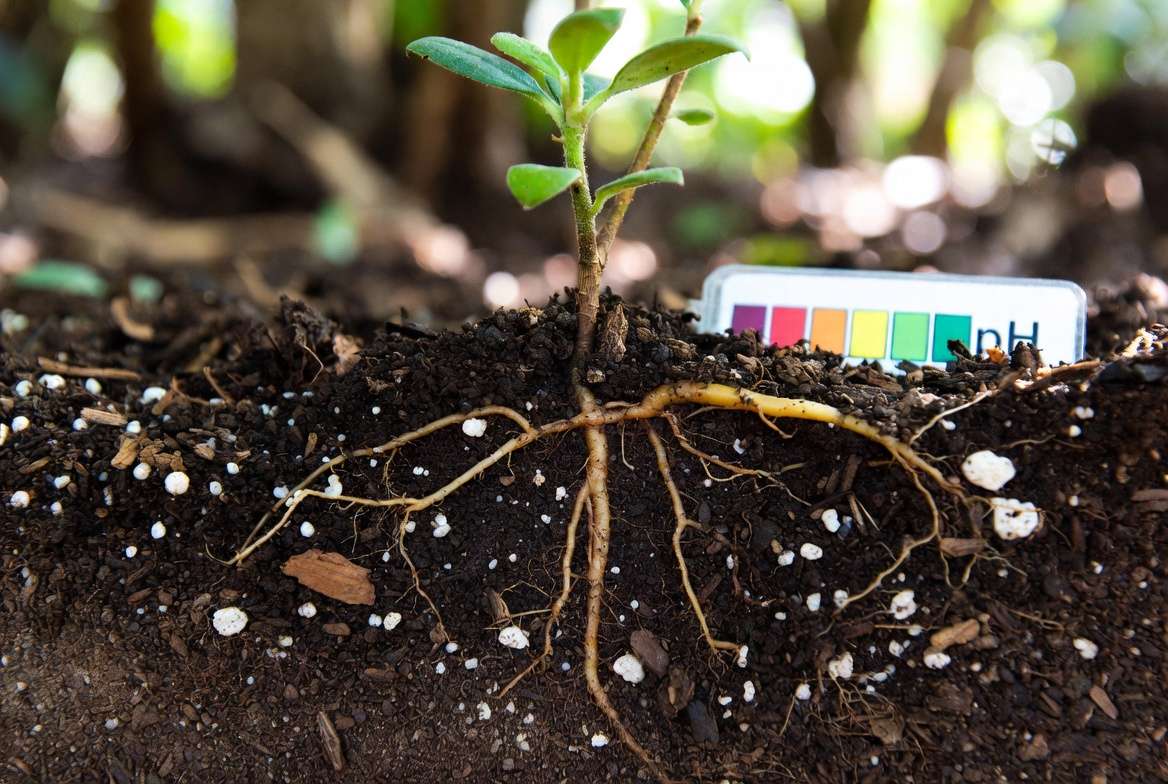
Test your soil pH with a reliable kit or send a sample to your local extension service. If pH is above 6.0, incorporate elemental sulfur or ferrous sulfate several months before planting (avoid aluminum sulfate, as it can harm roots). Mulch annually with pine needles or shredded oak leaves to naturally maintain acidity and keep shallow roots cool and moist.
Location and Microclimate Tips
- Light: Partial shade or filtered sunlight (4–6 hours of morning sun). Too much direct afternoon sun can scorch leaves, especially in warmer zones.
- Protection: Shield from harsh winds and late frosts. In hot climates, provide extra shade cloth during peak summer.
- Companions: Pair with other acidic soil plants like azaleas, pieris, leucothoe, and hostas for beautiful, low-maintenance displays.
Raised beds or containers are excellent solutions for gardeners dealing with heavy clay or alkaline native soil. This approach gives you full control over conditions and makes miniature rhododendron care much easier long-term.
Essential Care Guide – Watering, Light & Temperature ☀️💧
Consistent care tailored to their needs prevents most problems with dwarf rhododendrons.
Watering Best Practices Miniature rhododendron plants have shallow root systems and prefer consistently moist (but never waterlogged) soil. Water deeply when the top inch of soil feels dry—typically 1–2 times per week depending on weather. Use rainwater or distilled water if your tap water is alkaline.
- Signs of Issues: Wilting or crispy edges = underwatering; yellowing and root rot = overwatering.
- Mulch Tip: A 2–3 inch layer reduces evaporation and stabilizes soil temperature.
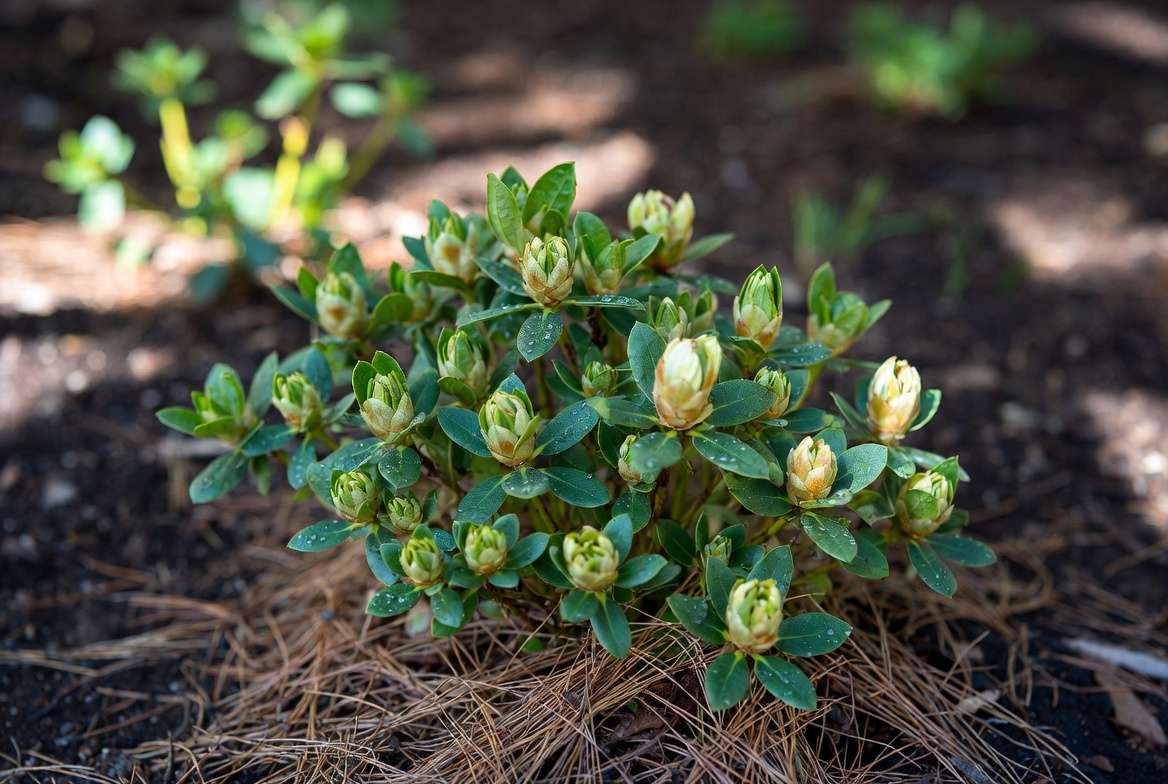
Light and Shade Balance Dappled light encourages the best blooming and healthy foliage. In northern gardens, they tolerate more sun; in southern regions, prioritize afternoon shade to avoid heat stress.
Temperature and Hardiness Most varieties are hardy in USDA Zones 4–8. They appreciate cool nights and protection from extreme temperature swings. In very cold areas, wrap containers or use burlap screens for winter protection.
Seasonal Care Calendar
- Spring: Fertilize lightly as new growth emerges; deadhead spent blooms.
- Summer: Monitor moisture during heat waves; provide shade if needed.
- Fall: Reduce watering gradually; apply winter mulch.
- Winter: Check for desiccation on windy days.
Following this rhododendron care routine helps your miniature plants develop strong roots and abundant flower buds year after year.
Fertilizing and Nutrient Management for Abundant Blooms 🌼
Proper feeding is key to vibrant flowers and lush foliage. Miniature rhododendrons are not heavy feeders but benefit from targeted nutrition.
Best Fertilizers
- Use specialized acid-loving plant fertilizers (e.g., formulations for rhododendrons and azaleas) with higher nitrogen in spring.
- Organic options: Cottonseed meal, soybean meal, or well-aged compost.
- Slow-release granules applied in early spring and again lightly after blooming work well.
Feeding Schedule Apply fertilizer when new growth starts in spring. Avoid late-season feeding, which can encourage tender growth vulnerable to frost. Always water thoroughly before and after applying to prevent root burn.
Common Nutrient Deficiencies
- Iron Chlorosis (yellow leaves with green veins): Usually pH-related. Lower soil pH or use chelated iron.
- Poor Blooming: Often due to insufficient phosphorus or improper pruning.
- Expert Tip: A light top-dressing of coffee grounds or pine needles provides gentle acidification and micronutrients.
Pruning, Shaping, and Maintenance Tips ✂️
One of the joys of miniature rhododendron plants is their naturally compact form, requiring far less pruning than larger varieties.
When and How to Prune
- Deadhead faded flower trusses immediately after blooming to direct energy into new growth and next year’s buds.
- Prune lightly in early spring before new growth to shape or remove damaged branches.
- For rejuvenation of older plants, you can cut back harder (up to 1/3) in late winter, but do so gradually over a couple of seasons.
Maintaining Compact Shape in Containers Pinch tips during the growing season for bushier growth. Remove any leggy or crossing branches to improve air circulation and light penetration.
Common Pests, Diseases & Troubleshooting Problems 🛡️
Even tough dwarf rhododendrons can face challenges. Early detection is your best defense.
Pests
- Lace Bugs: Cause stippled yellow leaves. Treat with insecticidal soap or horticultural oil.
- Aphids and Vine Weevils: Monitor and use beneficial nematodes for weevils.
Diseases
- Phytophthora Root Rot: Worst in poorly drained soil. Prevent with excellent drainage and proper planting depth.
- Powdery Mildew and Bud Blast: Improve air flow and avoid overhead watering.
Common Growing Issues & Solutions
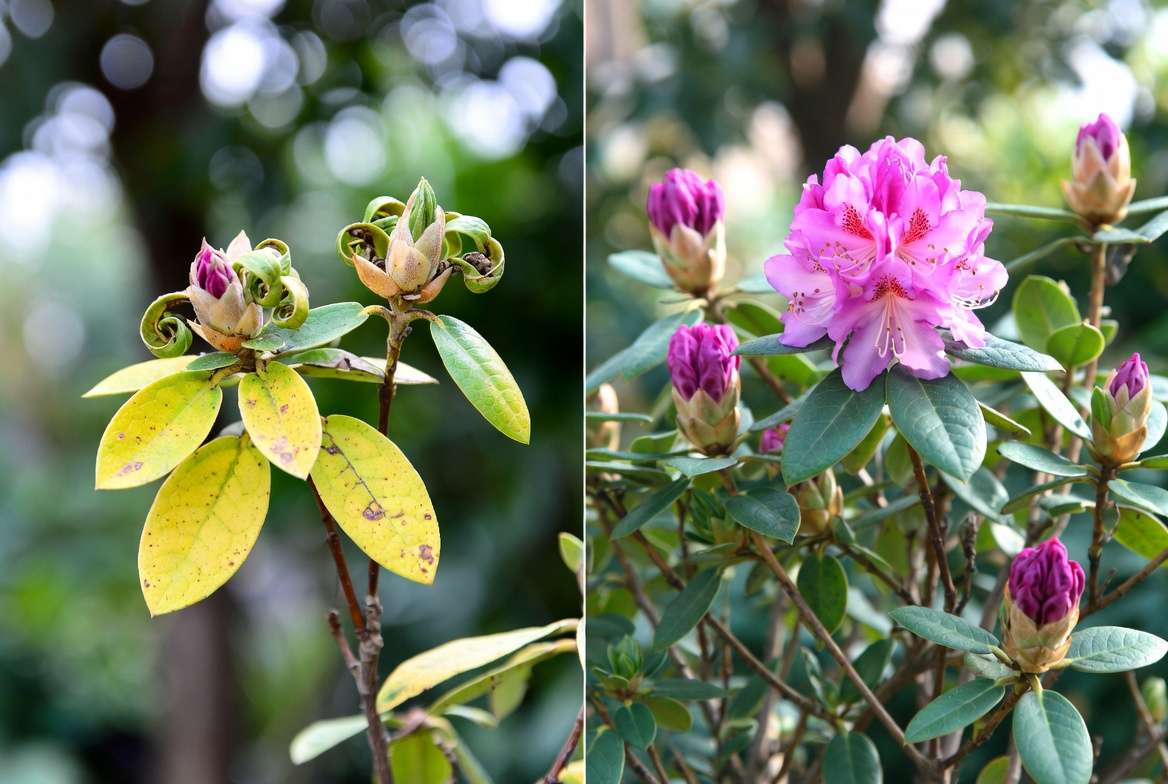
- No Blooms: Too much shade, improper pruning, or young plant (they often take 2–3 years to establish).
- Leaf Drop: Usually stress from drought or transplant shock.
- Yellow Leaves: Almost always pH or nutrient imbalance—test soil first.
Preventive care, including good cultural practices and regular inspections, keeps most issues at bay.
Propagation Methods for Miniature Rhododendrons 🌱
Expand your collection affordably with these reliable methods:
Layering: Bend a low branch to the ground, wound it slightly, and cover with soil. Roots form in 12–18 months. Cuttings: Take 4–6 inch semi-ripe cuttings in late summer. Use rooting hormone and a peat-perlite mix under high humidity. Success rates improve with bottom heat. Seeds: More advanced; sow fresh seeds on acidic mix for genetic variation.
Seasonal Care and Overwintering Strategies ❄️
Winter protection is crucial in marginal zones. Mulch heavily and consider anti-desiccant sprays for exposed plants. In spring, gradually remove protection as new growth emerges.
Design Ideas – Using Miniature Rhododendrons in Your Garden 🏡
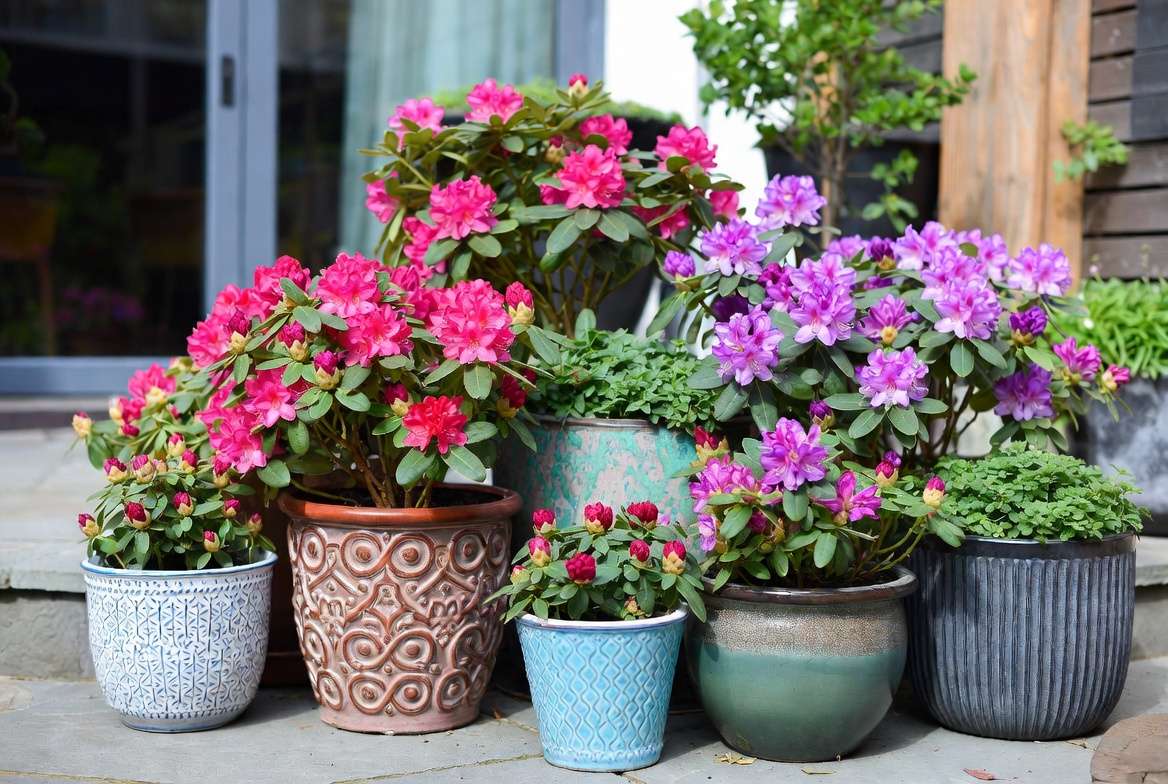
- Container Displays: Group several varieties in large pots for a colorful focal point.
- Rock Gardens and Troughs: Their alpine origins make them perfect companions for dwarf conifers and sedums.
- Mixed Borders: Underplant with spring bulbs for extended interest.
- Urban Patios: Excellent for pollinator-friendly balcony gardens.
These versatile acidic soil plants add elegance without overwhelming small spaces.
Frequently Asked Questions (FAQs) ❓
How big do miniature rhododendron plants get? Most stay under 3 feet tall and wide, though growth depends on variety and conditions.
Can they grow indoors? They prefer outdoor conditions but can overwinter in a cool, bright sunroom with good humidity.
Why are my leaves turning yellow? Most often due to high soil pH preventing iron uptake. Test and amend soil accordingly.
How often should I water? Keep soil moist but not soggy—adjust based on weather and drainage.
Are miniature rhododendrons deer resistant? They are moderately resistant but may need protection in high-deer areas.
Best time to transplant? Early spring or fall when the plant is not in active bloom or extreme heat.
Additional FAQs can cover toxicity (mildly toxic to pets if ingested), bloom time, and sourcing healthy plants.
Conclusion
Growing miniature rhododendron plants rewards patience and attention to their specific needs with years of breathtaking spring color and evergreen structure. By following this detailed rhododendron care guide—focusing on acidic soil, proper watering, light balance, and preventive maintenance—you’ll overcome common challenges and enjoy healthy, compact blooms even in limited spaces.
These dwarf beauties prove that big impact doesn’t require a big garden. Start with one or two varieties, observe their responses, and soon you’ll have a thriving collection that brings joy season after season.
Share your miniature rhododendron success stories in the comments, and explore our other guides on container gardening and acid-loving plants for more inspiration. Happy gardening! 🌸🪴











