
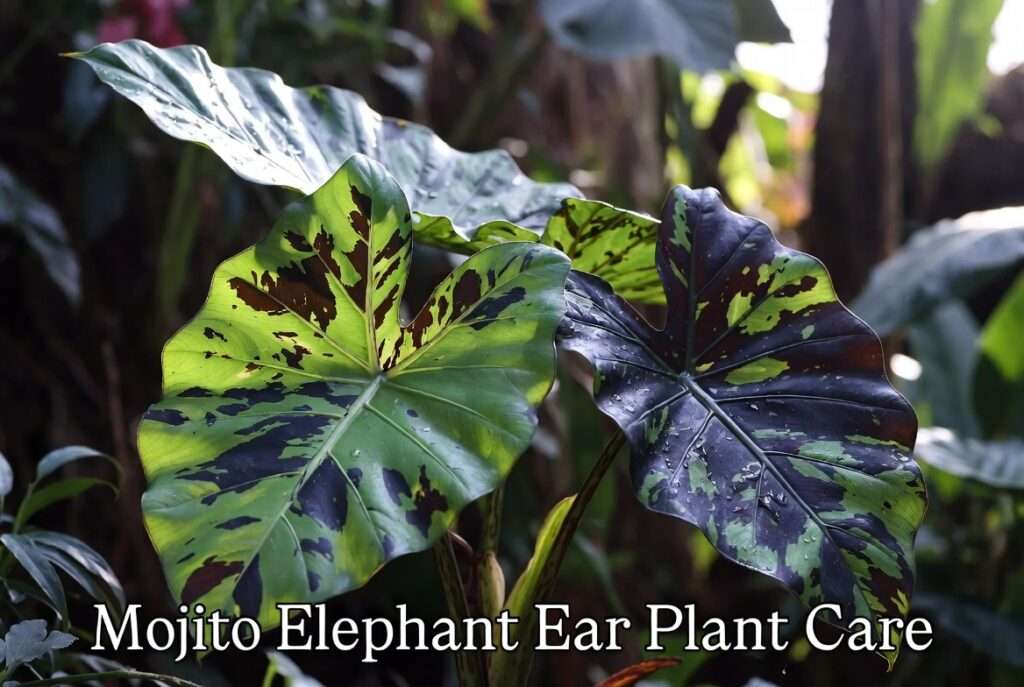
Imagine walking into your living room or garden and being greeted by massive, heart-shaped leaves adorned with unique dark speckles that look like they’ve been splashed with fresh mint and lime from a summer cocktail. That’s the magic of the mojito elephant ear plant — a show-stopping variety that brings instant tropical drama to any space.
If you’ve recently brought one home or are thinking about adding this beauty to your collection, you’re in the right place. As a horticulturist with over 15 years of experience growing tropical foliage plants, I’ve helped countless gardeners turn their Mojito Elephant Ear into a lush, thriving centerpiece. This comprehensive guide covers everything you need to know — from planting and daily care to troubleshooting and propagation — so your plant not only survives but truly flourishes.
Whether you’re a beginner plant parent or a seasoned enthusiast, these proven strategies will help you avoid common pitfalls like root rot or leggy growth and enjoy those spectacular speckled leaves all season long. Let’s dive in and unlock the full potential of your Mojito Elephant Ear plant! 🍃
What Is the Mojito Elephant Ear Plant? 🌴
The Mojito Elephant Ear, botanically known as Colocasia esculenta ‘Mojito’, is a stunning cultivar of the classic taro plant. Unlike edible taro varieties grown primarily for their corms, this ornamental selection was discovered as a natural mutation of ‘Midnight’ in Florida and prized for its decorative foliage.
Key Characteristics
- Leaves: Large, ovate to heart-shaped leaves reaching up to 2-3 feet long. They feature a bright green base with irregular dark purple to black speckles, splotches, and streaks — no two leaves are exactly alike, giving each plant a unique artistic appeal.
- Stems (Petioles): Light green with dark purple streaks that fade to pink — another charming detail.
- Size: Mature plants typically grow 4–5 feet tall and wide in optimal conditions.
- Growth Habit: Upright, clump-forming perennial that emerges from underground rhizomes/corms.
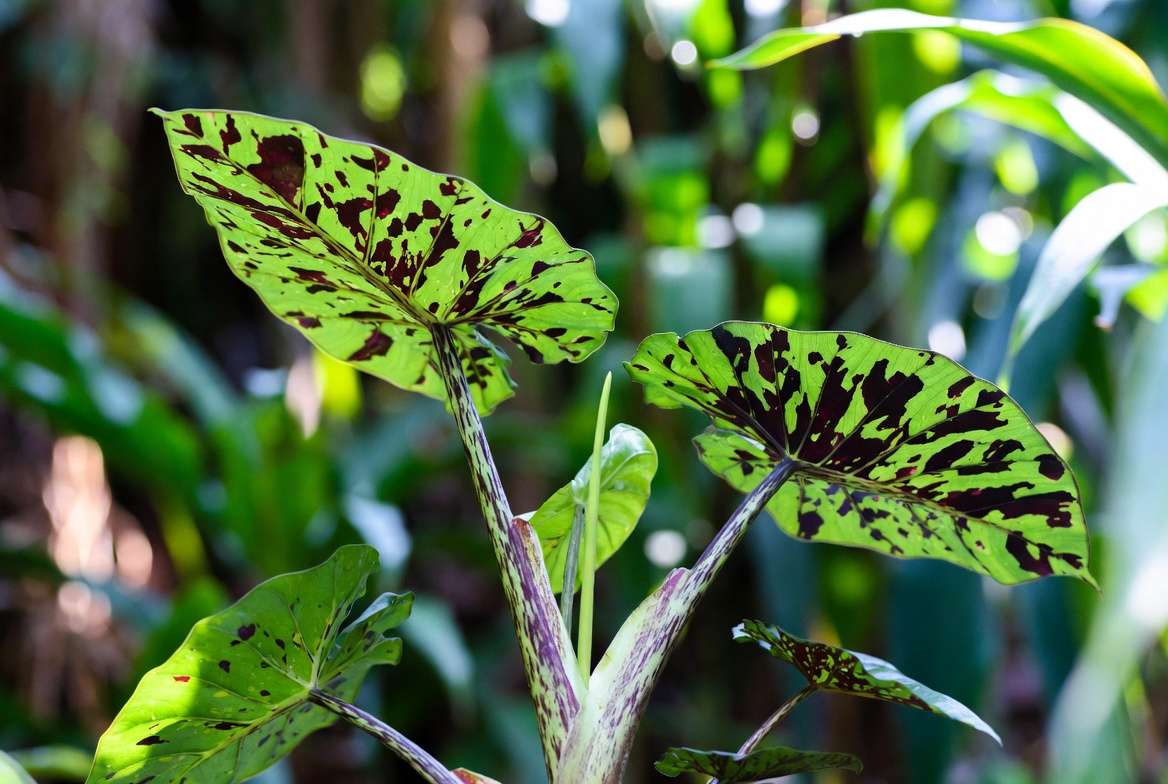
Compared to other popular elephant ears like ‘Black Magic’ (deep purple leaves) or standard green taro, the Mojito stands out for its playful variegation that resembles the muddled herbs in a mojito cocktail — hence the fun name! 🍹 This variety is hardy in USDA zones 8–11 but performs beautifully as a container plant or summer annual in cooler climates.
Benefits of Growing Mojito Elephant Ear Plants
Beyond its undeniable visual impact, the Mojito Elephant Ear offers several practical advantages:
- Air Purification: Like many large-leafed aroids, it helps filter indoor air and adds beneficial humidity.
- Tropical Ambiance: Perfect for creating resort-like vibes in patios, bathrooms, or shaded garden borders.
- Fast Grower: Under the right conditions, it can produce impressive new leaves weekly during the growing season.
- Wildlife Friendly: Attracts pollinators when it flowers (though flowers are secondary to the foliage).
Note on Safety: Like most Colocasia, the plant contains calcium oxalates and is considered toxic if ingested by pets or humans. Keep it out of reach of curious cats, dogs, and toddlers.
How to Choose and Buy a Healthy Mojito Elephant Ear Plant 🛒
Success starts with a strong foundation. When shopping:
- Look for plants with vibrant, speckled leaves without yellowing or brown crispy edges.
- Check the soil — it should be moist but not waterlogged.
- Inspect undersides of leaves and stems for pests like spider mites.
- Choose specimens with multiple emerging leaves for quicker establishment.
Reputable online nurseries or local garden centers specializing in tropicals are your best bet. Avoid plants that look stressed or leggy from insufficient light.
Planting Your Mojito Elephant Ear – Step-by-Step Guide
Best Soil Mix Mojito Elephant Ear thrives in rich, organic, well-draining yet moisture-retentive soil. A great homemade mix:
- 50% high-quality potting soil or garden soil
- 30% compost or worm castings
- 20% perlite, orchid bark, or pumice for aeration
Aim for slightly acidic pH (5.5–7.0).
Container vs In-Ground
- Containers: Use pots at least 12–18 inches wide with excellent drainage. This is ideal for colder climates where you can move plants indoors.
- In-Ground: Plant in sheltered, partial shade spots with amended soil. Space plants 3–4 feet apart.
Planting Tips
- Plant the corm/rhizome so the top is 2–4 inches below soil level.
- Water thoroughly after planting and maintain consistent moisture.
- Provide wind protection — those big leaves can tear in strong gusts.
Essential Care Requirements for Thriving Growth ☀️💧
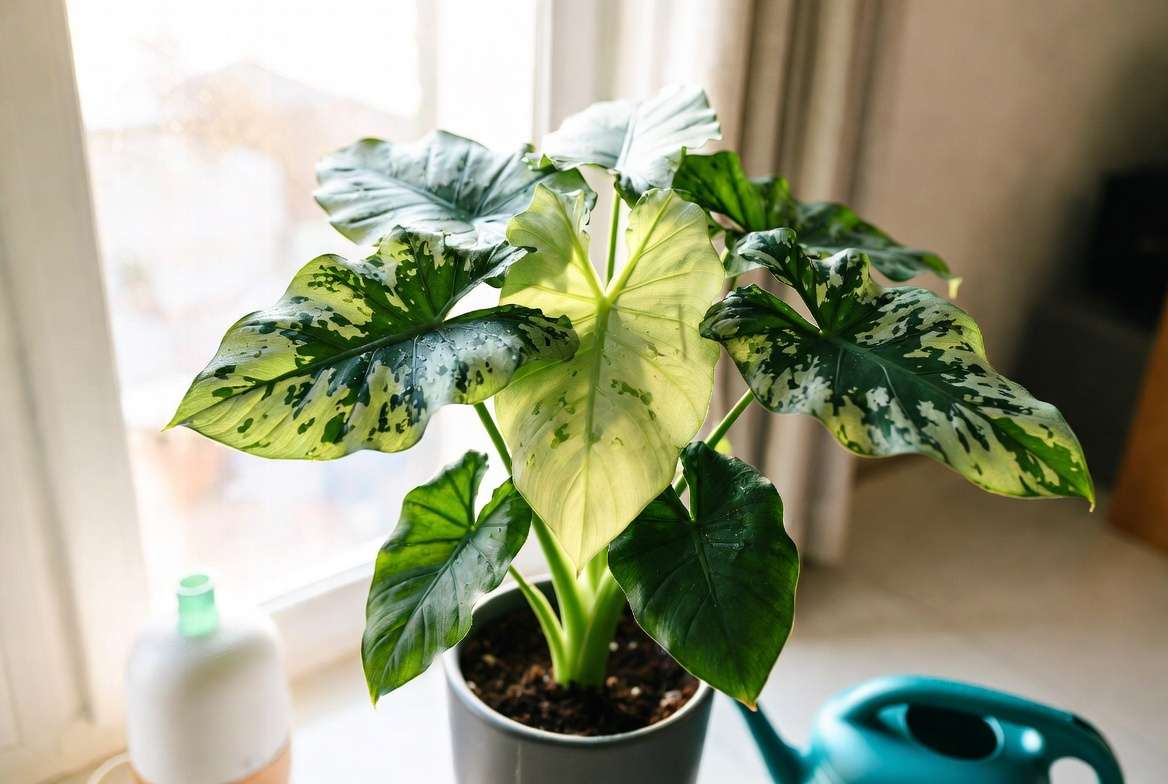
Light Requirements The Mojito Elephant Ear prefers bright, indirect light or filtered sunlight. Outdoors, morning sun with afternoon shade is perfect. Indoors, place near an east or west window or use grow lights. Too much direct sun can scorch leaves; too little leads to smaller, less speckled foliage.
Watering Schedule These plants are thirsty! Keep soil consistently moist — think “wet but not swampy.” Water when the top inch feels slightly dry, more frequently in hot weather. They tolerate standing water better than most plants but avoid constant sogginess to prevent rot. Use room-temperature water and consider rainwater or distilled if your tap water is hard.
Humidity and Temperature
- Ideal humidity: 60%+ (use pebble trays, humidifiers, or group with other plants).
- Temperature: 65–85°F (18–29°C) during growth. Protect from temperatures below 50°F.
Fertilizer Guide Heavy feeders during the growing season! Apply a balanced liquid fertilizer (such as 10-10-10 or higher nitrogen) every 2–4 weeks at half strength, or use slow-release granules. Organic options like fish emulsion or seaweed work wonderfully. The more nutrients you provide (combined with moisture), the larger the leaves will grow.
Repotting Repot every 1–2 years in spring when roots fill the container. Choose a pot only 2 inches larger to avoid overwatering issues.
Propagation Methods – Grow More Mojito Plants for Free! 🌱
One of the most rewarding aspects of growing a Mojito Elephant Ear is how easily it propagates. You can expand your collection or share with friends without spending extra money.
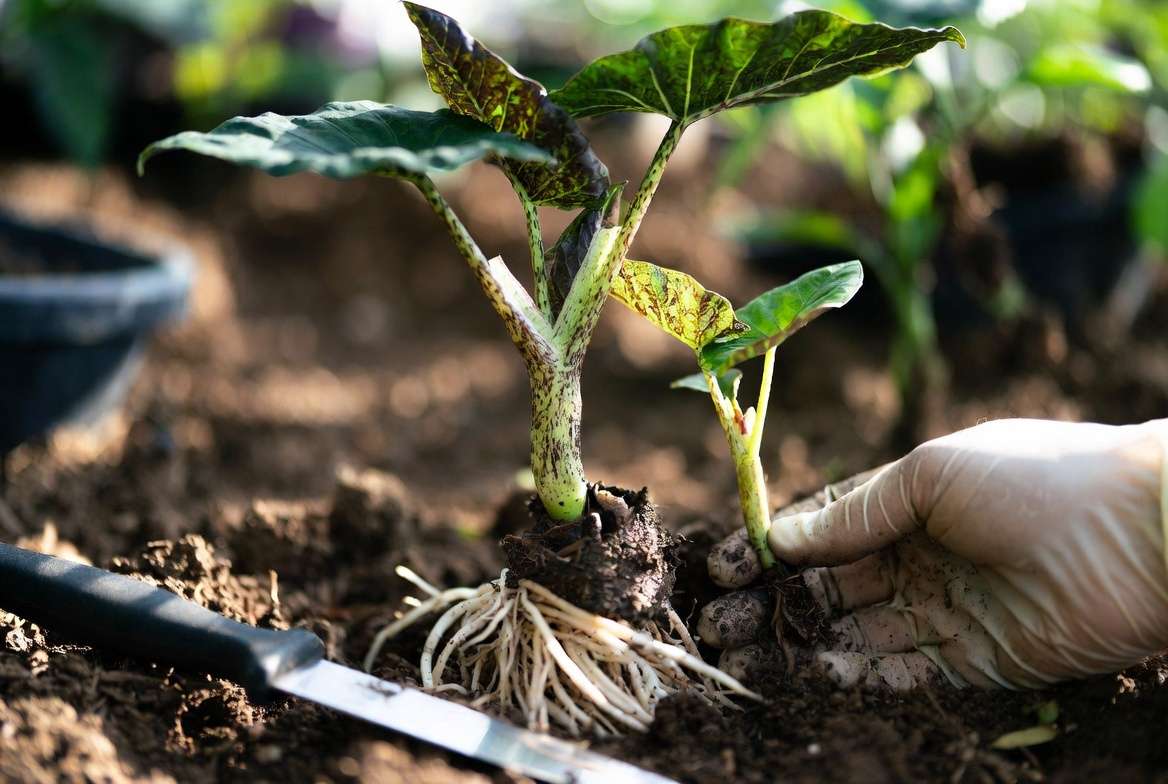
Division Technique (Most Reliable) During the active growing season (spring/summer):
- Gently remove the plant from its pot or dig around the base in the garden.
- Look for natural offsets or “pups” growing from the main rhizome — these are small plants with their own roots.
- Use a clean, sharp knife to separate pups that have at least 2–3 leaves and healthy roots.
- Pot each division in fresh soil mix, water thoroughly, and place in bright indirect light.
- Keep soil moist and provide high humidity until new growth appears (usually 2–4 weeks).
Growing from Offsets and Corms Mojito plants often produce small cormlets around the base. These can be carefully detached, dried slightly, and planted just like main corms. Start them in small pots with moist soil and warmth (70°F+). Germination can take 4–6 weeks.
Pro Tips for Success
- Always sterilize tools to prevent disease spread.
- Avoid dividing stressed or newly planted specimens.
- Newly propagated plants appreciate extra humidity — a clear plastic bag or propagation dome works wonders.
- Patience is key; don’t overwater while roots establish.
With proper technique, you can easily double or triple your collection each season.
Common Problems and How to Fix Them 🛠️
Even experienced growers encounter issues. Here’s a comprehensive troubleshooting guide based on real-world observations.
Yellowing Leaves
- Causes: Overwatering/root rot, nutrient deficiency, or sudden environmental changes.
- Solutions: Check soil moisture — improve drainage if soggy. Flush soil with clean water and apply balanced fertilizer. Move to brighter indirect light if needed.
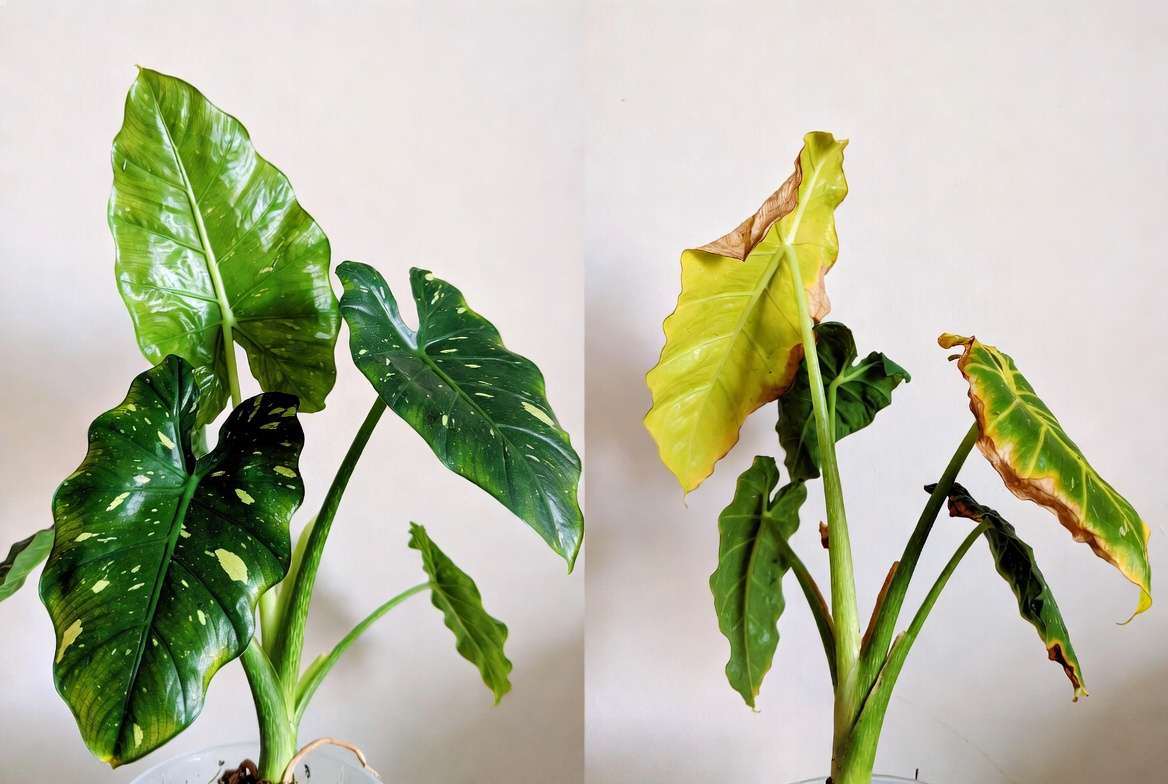
Brown Tips and Edges Often a sign of low humidity or inconsistent watering. Increase humidity with a mister or humidifier. Trim damaged edges with clean scissors for a neater look.
Pests
- Spider Mites: Common indoors. Look for fine webbing and stippled leaves. Treat with neem oil or insecticidal soap weekly until gone.
- Aphids and Slugs: Hose off outdoors or use appropriate organic controls. Regular inspection (especially leaf undersides) is your best defense.
Diseases Root rot from poor drainage is the biggest threat. Prevention: Use well-aerated soil and avoid letting pots sit in water for extended periods. If infected, trim rotten roots, repot in fresh mix, and reduce watering.
Leaf Drop or Wilting Usually due to cold drafts, underwatering, or transplant shock. Stabilize conditions and maintain even moisture.
Quick Troubleshooting Table (for easy reference):
- Crispy edges → Boost humidity & check watering consistency
- Faded speckles → Increase light levels
- Small new leaves → Fertilize more frequently
- Floppy stems → Support with stakes if needed; normal during heavy leaf production
Seasonal Care Calendar for Mojito Elephant Ear 📅
Spring: Awakening time! Increase watering and start fertilizing as new growth emerges. Repot if necessary.
Summer: Peak growth season. Provide ample water and nutrients. Monitor for pests in hot, dry conditions.
Fall: Gradually reduce fertilizer. Prepare for indoor move if frost threatens.
Winter: In colder zones, bring indoors. Two options:
- Active Growth: Keep in bright light (>60°F) and continue light watering/feeding.
- Semi-Dormant: Allow leaves to die back, keep in cool (45–50°F), drier conditions with minimal watering. Store corms dry if desired.
Resume fertilizing and increase light as days lengthen in late winter.
Creative Ways to Display and Design with Mojito Elephant Ear 🌺
The architectural leaves make this plant incredibly versatile:
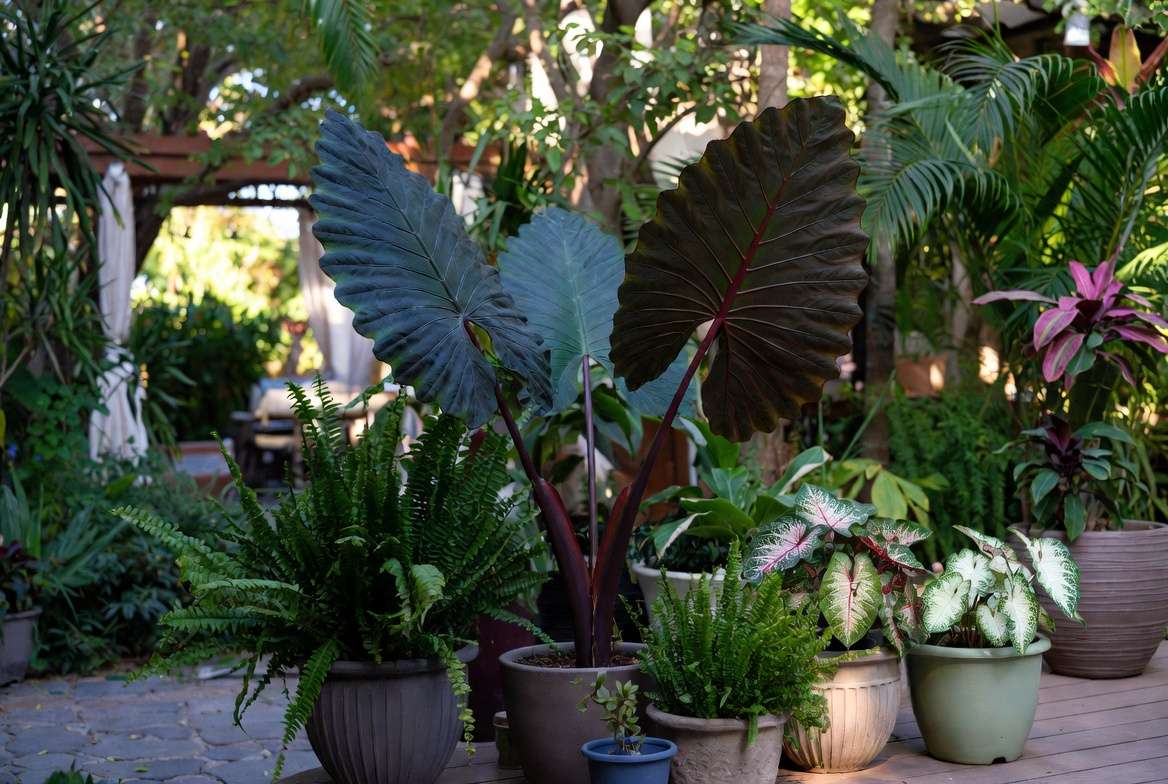
- Indoors: Statement plant in living rooms, bright bathrooms (loves humidity), or offices. Pair with smaller plants like pothos or ferns for layered tropical looks.
- Outdoors: Use as a focal point near ponds, in rain gardens, or large containers on patios. Mix with cannas, caladiums, or hostas.
- Companion Plants: Try with elephant ear relatives, gingers, or colorful coleus for stunning contrast.
Container combinations: Mojito + trailing sweet potato vine + upright purple heart creates a show-stopping summer display.
Advanced Growing Tips from a Plant Expert
- Leaf Maintenance: Wipe leaves gently with a damp cloth to remove dust and improve photosynthesis.
- Enhancing Color: Consistent moisture + balanced feeding brings out the darkest speckles.
- Sustainability: Use organic amendments and collect rainwater to reduce environmental impact.
- Overwintering Success: Many gardeners in zone 7 and above successfully keep Mojito alive by potting and moving indoors before first frost.
With these advanced techniques, your plants can reach impressive sizes and remain healthy for years.
Frequently Asked Questions (FAQs) ❓
Is Mojito Elephant Ear toxic to pets? Yes, it contains calcium oxalates that can cause mouth irritation and digestive upset. Keep out of reach.
How fast does Mojito Elephant Ear grow? Very quickly in ideal conditions — new leaves can unfurl in days during peak summer.
Can it be grown indoors year-round? Absolutely! Provide bright indirect light and consistent humidity for best results.
Why are my leaves losing their speckles? Insufficient light is the usual culprit. Move to brighter (but not direct) conditions.
How do I overwinter in cold climates? Bring indoors or allow dormancy in a cool garage/basement. Reduce watering significantly.
Additional common questions (for depth): Best pot size, dealing with wind damage, edible aspects (corms are generally not recommended for consumption in ornamental varieties due to potential bitterness/toxicity), etc.
Conclusion
Growing a healthy, spectacular Mojito Elephant Ear plant is well within reach when you follow these proven care practices. From its eye-catching speckled foliage to its surprisingly forgiving nature, this tropical beauty rewards attentive gardeners with months of lush, dramatic leaves.
Remember the essentials: consistent moisture without sogginess, bright indirect light, regular feeding, and protection from cold. With the strategies shared in this guide — refined through years of hands-on experience — you’re equipped to overcome challenges and enjoy thriving plants season after season.
Now it’s your turn! Share your Mojito Elephant Ear journey in the comments below. What’s your biggest success or challenge so far? For more expert plant care guides on tropical favorites, explore our other articles on elephant ear varieties and indoor jungle styling.
Happy growing, and may your leaves stay big, bold, and beautifully speckled! 🌿🍹











