

Imagine stepping outside on a crisp morning, only to discover your beloved hibiscus leaves blackened and wilted, your tender tomato plants collapsed like they’ve given up, or your precious basil turned to mush overnight. 😢 It’s heartbreaking — and all too common when an unexpected frost or freeze strikes. As a passionate plant care expert with years of hands-on experience in diverse climates, I’ve seen (and prevented) countless losses like this. The good news? Frost protection for delicate plants doesn’t have to be complicated or expensive. With the right strategies, you can shield your tender garden treasures, extend your growing season, and wake up to thriving greenery instead of devastation.
In this ultimate guide, we’ll dive deep into proven, expert-backed methods drawn from university extensions (like UF/IFAS, Iowa State, and UC Master Gardeners), real-world testing, and practical tips that go beyond basic advice. Whether you’re dealing with potted tropicals, warm-season veggies, or sensitive annuals, you’ll learn how to safeguard them effectively — saving money, reducing stress, and keeping your garden beautiful through chilly snaps. Let’s protect your plants before the next cold front hits! ❄️
Understanding Frost vs. Freeze: Why Delicate Plants Are So Vulnerable ❄️🔍
First things first: not all cold is created equal. Many gardeners use “frost” and “freeze” interchangeably, but the difference matters for protection planning.
- Frost occurs when temperatures hover around or just above freezing (32°F/0°C), but clear skies and calm winds allow plants to radiate heat rapidly into the night sky. Ice crystals form on surfaces, often when air is warmer than 32°F but plant tissues drop below it due to radiative cooling. This is common on calm, clear nights. 🌙
- Freeze (or hard freeze) happens when air temperatures dip to 32°F or below, sometimes as low as 28°F (-2°C) or colder. Water inside plant cells actually freezes, expands, and ruptures cell walls — leading to irreversible damage like wilting, browning, or death.
The science behind the damage? When ice forms in cells (especially in tender foliage, buds, and young stems), it causes dehydration and tissue rupture as it thaws. Delicate plants — those from warmer origins without natural antifreeze mechanisms — suffer most. Factors like high humidity, young growth, or planting in low-lying “frost pockets” (where cold air pools) amplify vulnerability. Wind can dry out tissues further, worsening “winter burn.”
Quick reference table for frost tolerance levels (based on extension data):
- Very tender (<36°F damage): Basil, impatiens, tomatoes, peppers, cucumbers, citrus, hibiscus 🍅🍊
- Moderately tender (28–32°F): Begonias, coleus, bougainvillea, some succulents
- Light frost tolerant (down to ~28°F): Certain perennials like hardy ferns (but still protect if prolonged)
Knowing your plants’ limits helps prioritize — and act early!

(These show classic signs of frost damage on tomato leaves — blackened spots and wilting — exactly what we’re preventing! 🌱)
Identify Your Delicate Plants: Who Needs Urgent Protection? 🌱📋
Not every plant in your garden needs a blanket — focus on the vulnerable ones. Delicate (or tender) plants typically originate from tropical/subtropical regions and lack cold-hardy adaptations.
Common categories with examples:
- Tropicals & houseplants outdoors — Hibiscus, bougainvillea, citrus (lemons/oranges), bird of paradise, mandevilla 🍊🌺
- Warm-season vegetables — Tomatoes, peppers (bell/chili), eggplant, cucumbers, squash, beans, basil, sweet potatoes 🥕🌶️
- Annual flowers & tender perennials — Impatiens, coleus, begonias, petunias, geraniums (some varieties), fuchsia
- Succulents & subtropicals — Aloe, some echeveria, certain palms, elephant ears
Quick-reference protection priority table:
| Plant Type | Typical Damage Temp | Priority Level | Notes |
|---|---|---|---|
| Basil, Tomatoes | Below 36–40°F | High | Often first to go 😭 |
| Citrus, Hibiscus | Below 30–32°F | High | Potted? Move indoors! |
| Peppers, Eggplant | Below 32°F | Medium-High | Fruit may blacken |
| Begonias, Impatiens | Below 32°F | High | Foliage turns mushy |
| Coleus | Below 30°F | Medium | Colorful but fragile |
Pro tip: Check your local frost dates (first/last) via apps or almanacs — in variable climates, surprises happen! Monitor forecasts when lows dip toward mid-30s°F. 🌡️
Preparation Checklist: Get Ready Before the Cold Snap Hits 🛠️
Prevention beats cure — start prepping when forecasts warn of 35°F or below.
- Monitor weather obsessively — Use reliable apps (e.g., Weather Underground, local extension alerts). Act at the first hint of trouble.
- Gather supplies early — Breathable frost cloth (AG-19/30/50 weights for 4–8°F protection), old sheets/blankets, stakes/PVC hoops, bricks/rocks for anchoring, mulch (straw/pine needles), watering can. Avoid cheap plastic tarps — they trap moisture and cause rot!
- Site assessment — Identify cold pockets (low areas), wind exposure. South-facing walls or house overhangs provide natural warmth.
- Proactive steps — Harden off tender plants gradually in fall. Water deeply (moist soil holds heat better). Lightly prune leggy growth if needed, but avoid heavy cuts.
With supplies ready, you’re set to act fast!
Top Proven Methods for Frost Protection: Step-by-Step Guide ⭐ (Core section)
These are the most effective, research-backed techniques used by professional growers, university extension services, and experienced home gardeners. I’ve tested many in my own gardens across varying zones, and the combination often provides the best results. Prioritize based on your plant type, cold severity, and setup.
1. Move Portable Plants to Safety (Easiest & Most Effective) 🏠
For potted delicate plants — think citrus, hibiscus, coleus, or tender succulents — relocation is king. Moving them indoors or to a protected spot can drop the risk of damage to near zero.
- How to do it: Bring pots into a garage, shed, covered porch, or even indoors near a bright window (south-facing is ideal for residual daytime heat).
- Pro tips: Group plants together to create a microclimate; place near an exterior wall that warms up during the day. Water lightly if soil is dry, but avoid overwatering in low light to prevent rot.
- Temperature boost: Unheated garages often stay 5–10°F warmer than outside. Add old blankets over groups for extra insulation.
This method alone saves countless tropicals every winter — no fancy gear needed! 🌿

(Examples of frost cloth in action — lightweight fabric drapes beautifully over rows without crushing plants.)
2. Master the Art of Covering: Trap Soil Heat Like a Pro 🛡️
Covering is the go-to for in-ground or large potted plants you can’t move. The goal? Trap radiant heat from the soil back toward the plants overnight.
- Best materials: Breathable row covers/frost blankets (AG-19 for light frost, AG-30/50 for harder freezes — these allow 70–90% light transmission and provide 4–8°F protection). Old bedsheets, blankets, or burlap work in a pinch. Avoid plastic tarps directly on foliage — they trap condensation and cause more damage than the frost!
- Step-by-step setup:
- Water plants deeply the afternoon before.
- Insert stakes, tomato cages, or PVC hoops to create a frame (keeps fabric off leaves to prevent freeze burn from contact).
- Drape cover loosely over the frame, extending to ground level.
- Anchor edges securely with bricks, rocks, soil, or clips — seal every gap so cold air doesn’t sneak in.
- For extra protection: Double-layer fabric or add a plastic sheet over the top (but not touching plants).
- When to remove: Lift covers during the day if sunny and above 40°F to prevent overheating or mold. Re-cover before sunset.
This technique routinely saves tomatoes, peppers, and annuals through light to moderate frosts.

(Beautiful examples of covered garden beds and individual plant cloches — notice how the fabric tents protect without weighing down foliage.)
3. Water Deeply the Day Before – Nature’s Heat Battery 💧
One of the simplest yet most powerful tricks: Wet soil holds and releases far more heat than dry soil.
- Why it works: Water has high specific heat capacity — it absorbs daytime solar energy and radiates it slowly at night, keeping plant zones warmer.
- How to apply: Thoroughly soak the soil (to about 6–8 inches deep) the afternoon before expected frost. Skip if plants are already soggy or if dealing with succulents (they hate wet feet in cold).
- Bonus combo: Pair with mulch (next section) for even better heat retention.
Extension services like UF/IFAS swear by this method — it’s free and effective!
4. Mulch Heavily to Insulate Roots 🌿
Roots are often more frost-sensitive than tops — heavy mulching protects the crown and soil temperature.
- Recommended materials: 3–4 inches of organic mulch like straw, pine needles, shredded bark, or chopped leaves (avoid fresh grass clippings — they mat and rot).
- Application tips: Spread evenly around plants, but keep mulch 1–2 inches away from stems/trunks to prevent rot or rodent issues. Pile extra around crowns of perennials.
- Benefits: Stabilizes soil temps, reduces freeze-thaw cycles, and retains moisture.

(Real-world mulched raised beds under frost covers — perfect insulation combo!)
5. Add Gentle Heat Sources for Extreme Cold 🔥
When forecasts predict hard freezes (<28°F), supplemental heat can be a lifesaver.
- Safe options: Old-fashioned incandescent Christmas string lights (C7/C9 bulbs give off gentle warmth) draped under the cover.
- DIY heat sinks: Fill plastic jugs or milk gallons with warm water and place them strategically under covers — they release heat slowly.
- Advanced: Low-wattage heat lamps or soil heating cables (use timers and keep away from foliage). Always prioritize safety — no open flames!
This pushes protection another 5–10°F in short bursts.
6. Advanced Options: Hoop Houses, Cold Frames & Windbreaks 🏕️
For serious season extension or recurring cold snaps:
- DIY hoop houses/tunnels: Use PVC pipes bent into arches, secured to beds, then covered with frost cloth. Easy to vent on warm days.
- Cold frames: Low wooden boxes with hinged clear lids (old windows work great) for small areas.
- Windbreaks: Erect temporary burlap screens, snow fencing, or plant evergreen hedges to block desiccating winds.
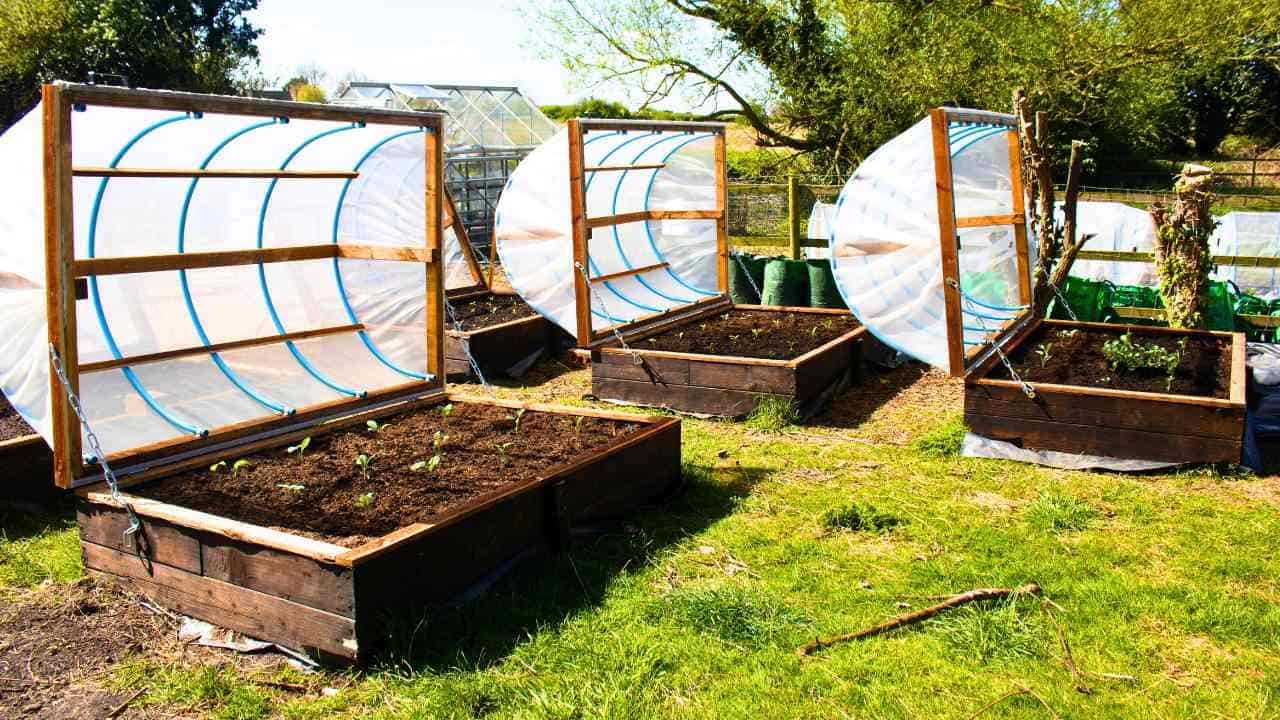
(These colorful and hinged hoop house designs are beginner-friendly and highly effective!)
Common Mistakes to Avoid: Don’t Make These Costly Errors ❌
Even experienced gardeners slip up during frost events — here are the most frequent (and expensive) mistakes I’ve seen and corrected over the years:
- Using plastic directly on plants — Plastic sheeting, garbage bags, or tarps trap moisture against leaves, creating a mini greenhouse effect at night that leads to condensation, rot, and worse damage than the frost itself. Always choose breathable fabrics!
- Covering too late or too loosely — Waiting until temperatures are already at or below freezing means you’ve lost the chance to trap daytime soil heat. Loose covers let cold air infiltrate — anchor everything tightly.
- Leaving covers on during sunny daytime hours — Temperatures can spike quickly under fabric, cooking tender plants (especially annuals and veggies). Remove or vent covers when the sun rises and temps climb above 40–45°F.
- Overwatering right after a freeze — Frozen or damaged roots can’t absorb water well; excess moisture invites fungal diseases like root rot. Wait until soil warms and plants show recovery signs before resuming normal watering.
- Crushing foliage with heavy, unsupported covers — Wet blankets or snow-laden sheets can break stems and crush leaves. Always use frames/hoops to keep weight off plants.
- Ignoring wind — Even with covers, strong cold winds can dry out tissues and lower effective temperatures. Add windbreaks whenever possible.
Avoid these pitfalls, and your success rate skyrockets! 🌱
After the Frost: Damage Assessment & Recovery Tips 🌱💚
Sometimes, despite your best efforts, a surprise hard freeze sneaks through. Don’t panic — many plants look worse than they are.
- Wait before acting — Don’t prune immediately. Wait 3–7 days (or until new growth appears) so you can distinguish dead tissue from living. Pruning too soon exposes more vulnerable parts to further cold or disease.
- Assess the damage —
- Blackened or mushy leaves — Often cosmetic; new growth may emerge from stems/roots.
- Completely wilted stems — Gently scratch the bark/stem with your fingernail. Green underneath = alive. Brown/dry = dead.
- Root-level damage — Perennials and hardy shrubs often regrow from the crown even if tops die back.
- Recovery steps
- Remove only clearly dead foliage with clean, sharp pruners.
- Water sparingly until plants stabilize.
- Apply a light, balanced fertilizer (half-strength) once new growth shows.
- Protect recovering plants from additional stress (sun scald, wind, pests).
- Mulch heavily to insulate roots during recovery.
Expert insight: In my experience (and backed by extension trials), tomatoes, peppers, basil, and hibiscus frequently rebound from “total loss” appearances if roots stayed protected. Patience pays off! Many gardeners give up too soon. 💪
(These images show before-and-after recovery: frost-damaged tomato plant vs. the same plant 3 weeks later with vigorous new growth — proof that hope isn’t lost!)
Bonus: Seasonal & Long-Term Strategies to Build Frost Resilience 🌍
Frost protection is reactive — but you can make your garden inherently tougher over time:
- Choose smarter planting spots — South-facing walls, raised beds, and areas near structures absorb and radiate heat. Avoid low-lying frost pockets.
- Select more resilient varieties — Opt for cold-tolerant cultivars (e.g., ‘Early Girl’ tomatoes, cold-hardy hibiscus hybrids, or ‘Red Russian’ kale as substitutes).
- Use season-extension tools year-round — Keep row covers, cold frames, and hoop houses handy for fall and spring. They can add 2–6 weeks to your growing season.
- Build soil health — Healthy, well-drained, organically rich soil helps plants withstand stress better.
- Create windbreaks & microclimates — Plant evergreen shrubs or install permanent fences to shield tender areas.
Implementing even a few of these turns one-time protection into a resilient, low-maintenance garden.
Frequently Asked Questions (FAQs) ❓
What temperature do I need to cover delicate plants? Start protecting when forecasts predict 36°F or lower, especially for very tender plants like basil and impatiens. For moderately tender ones (peppers, citrus), act at 32°F or below.
Can I use plastic tarps for frost protection? Not directly on plants — plastic traps moisture and can cause more harm. Use it only as an outer layer over breathable fabric if you double-cover.
How do I protect potted plants without moving them? Group pots together against a south wall, wrap pots in bubble wrap or burlap for root insulation, mulch heavily on top, and cover the entire group with frost cloth tented over stakes.
Will my plants survive a hard freeze? It depends on duration, plant type, and protection. Many tender annuals won’t survive below 28°F unprotected, but with good covering + heat sources, even sensitive tropicals can pull through short freezes.
What’s the best frost cloth brand or type? AG-19 (lightweight, 4°F protection) or AG-30/50 (heavier, up to 8°F) from brands like Agfabric, DeWitt, or Greenhouse Megastore are widely recommended by pros and home gardeners alike. They’re reusable for years.
Conclusion: Protect Today, Garden Confidently Tomorrow 🌟
Unexpected frost doesn’t have to mean garden tragedy. By understanding the science, preparing early, using proven methods like strategic covering, deep watering, mulching, and gentle heat — and avoiding common mistakes — you can save your delicate plants time and time again.
Your tender hibiscus, juicy tomatoes, colorful impatiens, and exotic citrus deserve to thrive, not just survive. Bookmark this guide, keep your supplies ready, and check those forecasts. Your garden — and your peace of mind — will thank you.
Happy (and frost-free) gardening! 🌿❄️💚











