
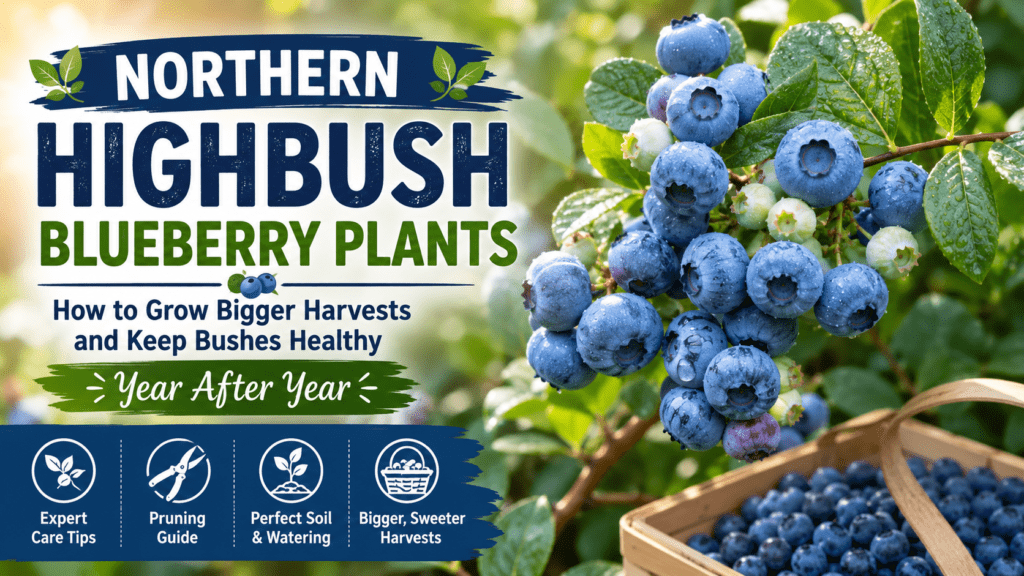
Few things disappoint gardeners more than a blueberry bush covered in weak growth, yellow leaves, and tiny berries. You plant it with excitement, water it faithfully, and still end up wondering why the harvest never matches those beautiful photos online. The good news? Northern highbush blueberry plants are incredibly productive and long-lived when grown correctly — and small adjustments can dramatically improve both plant health and fruit production. 🫐✨
Whether you’re growing blueberries for fresh summer harvests, healthy snacks, homemade jams, or beautiful landscaping, learning the right care techniques makes all the difference. From choosing the best soil and varieties to pruning for maximum fruit production, this expert guide will walk you through everything you need to know to grow thriving blueberry bushes year after year.
By the end of this article, you’ll know exactly how to:
- Grow healthier and more productive blueberry plants 🌱
- Prevent common blueberry problems before they start
- Increase berry size and sweetness 🍇
- Extend the life of your blueberry bushes
- Harvest bigger crops every season
What Are Northern Highbush Blueberry Plants? 🌿
Northern highbush blueberries are the most commonly grown blueberry type in cooler climates. Known for their large berries, cold hardiness, and excellent flavor, these shrubs are popular among home gardeners and commercial growers alike.
Scientifically classified as Vaccinium corymbosum, northern highbush blueberry plants are native to eastern and northeastern North America. Over the years, growers have developed dozens of cultivars that produce sweeter fruit, improved disease resistance, and better adaptability to different climates.
Key Characteristics of Northern Highbush Blueberries 🫐
Here’s what makes these blueberry bushes stand out:
- Produce large, flavorful berries
- Thrive in colder USDA zones
- Can live 30–50 years with proper care
- Offer stunning fall foliage 🍂
- Grow upright and attractive in landscapes
- Produce higher yields than many wild blueberry species
Most mature bushes grow between 5 and 8 feet tall and wide, making them ideal for backyard gardens, edible landscapes, and small orchards.
Northern Highbush vs Southern Highbush Blueberries 🌎
Many gardeners confuse northern and southern highbush varieties, but climate compatibility is critical.
| Feature | Northern Highbush | Southern Highbush |
|---|---|---|
| Chill Requirement | High | Low |
| Best Climate | Cold to moderate | Mild winter regions |
| Cold Tolerance | Excellent ❄️ | Moderate |
| Heat Tolerance | Moderate | Better heat tolerance |
| Ideal USDA Zones | 3–7 | 6–10 |
If you live in a colder climate with freezing winters, northern highbush blueberry plants are usually the better choice.
Best Growing Conditions for Northern Highbush Blueberry Plants ☀️
Blueberries can be surprisingly picky about their environment. Most blueberry problems stem from incorrect soil conditions, insufficient sunlight, or inconsistent watering.
Getting these basics right is the foundation of healthy, productive plants.
Ideal USDA Hardiness Zones ❄️
Northern highbush blueberry plants grow best in USDA hardiness zones 3 through 7.
These plants require winter chilling hours to produce flowers and fruit properly. In warm climates without enough cold exposure, plants may struggle to bloom or fruit consistently.
Best Conditions Include:
- Cold winters
- Mild summers
- Good air circulation
- Protection from harsh drying winds
Sunlight Requirements ☀️
Blueberries need plenty of sunlight to produce sweet, abundant fruit.
Ideal Sun Exposure:
- Minimum: 6 hours daily
- Best production: 8+ hours daily
Bushes grown in shade often produce:
- Smaller berries
- Lower yields
- Weak, leggy growth
- Increased disease problems
If possible, choose a bright location with morning sun and excellent airflow.
Soil Requirements for Healthy Blueberry Bushes 🌱
This is the single most important factor in successful blueberry growing.
Blueberries demand acidic soil — far more acidic than most garden plants.
Ideal Soil Conditions:
- Soil pH: 4.5–5.5
- Rich in organic matter
- Well-draining but moisture-retentive
- Loose and airy texture
Why Soil pH Matters So Much 🧪
When soil becomes too alkaline, blueberry roots cannot absorb iron properly. This leads to chlorosis — the yellowing of leaves between green veins.
Many struggling blueberry plants are simply growing in soil with the wrong pH.
How to Improve Soil Before Planting 🌿
Proper soil preparation can save years of frustration.
Best Soil Amendments for Blueberries
Peat Moss
Helps acidify soil and improve moisture retention.
Pine Bark
Excellent for drainage and organic matter.
Elemental Sulfur
Used to lower soil pH gradually.
Compost
Adds nutrients and improves soil structure.
Avoid using fresh manure or alkaline composts, which can raise pH levels too much.
How to Plant Northern Highbush Blueberry Plants Correctly 🌱
Proper planting gives your blueberry bushes the best possible start.

Best Time to Plant 📅
The ideal planting times are:
- Early spring
- Fall in mild climates
Spring planting allows roots to establish before summer heat arrives.
Choosing Healthy Nursery Plants 🌿
Look for:
- Healthy green foliage
- Strong stems
- Moist root systems
- No signs of disease or pests
Container-grown plants that are 2–3 years old typically establish fastest.
Avoid root-bound plants with circling roots.
Step-by-Step Planting Guide 🛠️
1. Dig a Wide Planting Hole
Make the hole:
- Twice as wide as the root ball
- Slightly shallower than root depth
2. Prepare the Soil
Mix:
- Native soil
- Peat moss
- Pine bark
3. Loosen the Roots
Gently tease apart compact roots before planting.
4. Plant Slightly High
Set the crown slightly above surrounding soil level.
5. Mulch Generously
Apply 2–4 inches of:
- Pine needles
- Bark mulch
- Wood chips
Mulch conserves moisture and keeps roots cool.
Watering Immediately After Planting 💧
New blueberry plants require deep watering after transplanting.
Important Tips:
- Water slowly and deeply
- Keep soil evenly moist
- Avoid soggy conditions
- Never let roots dry out completely
Blueberries have shallow roots and are sensitive to drought stress.
Top Northern Highbush Blueberry Varieties for Home Gardens 🫐
Choosing the right variety can improve flavor, harvest timing, disease resistance, and climate adaptability.
Best Early-Season Varieties 🌸
Duke
- Very productive
- Excellent cold hardiness
- Firm berries
Patriot
- Large berries
- Good disease resistance
- Adaptable to heavier soils
Bluetta
- Compact growth
- Early harvests
- Excellent flavor
Best Mid-Season Varieties 🌿
Bluecrop
One of the most reliable and widely grown varieties.
Benefits include:
- High yields
- Excellent adaptability
- Strong disease resistance
Jersey
Known for:
- Sweet flavor
- Vigorous growth
- Reliable production
Toro
Produces:
- Huge berries 🍇
- Attractive clusters
- Excellent flavor
Best Late-Season Varieties 🍂
Elliott
Excellent for extending harvest season.
Aurora
Known for:
- Very sweet fruit
- Long storage life
- Excellent late-season performance
Best Varieties for Cold Climates ❄️
For northern gardeners, these varieties perform especially well:
- Patriot
- Northland
- Duke
- Bluecrop
These tolerate harsh winters while maintaining strong fruit production.
Watering and Mulching Tips for Bigger Harvests 💧

Consistent moisture is essential for producing plump, juicy blueberries.
How Much Water Blueberry Plants Need 🌧️
Most established bushes need:
- 1–2 inches of water weekly
During fruit development, consistent watering becomes even more important.
Signs of Underwatering:
- Dry leaf edges
- Small berries
- Fruit drop
- Wilting
Best Mulch Materials for Blueberries 🌿
Mulch is one of the best things you can do for blueberry plants.
Top Mulch Choices:
- Pine needles
- Bark mulch
- Wood chips
- Sawdust (aged)
Benefits include:
- Moisture retention
- Weed suppression
- Cooler root temperatures
- Improved soil acidity
Common Watering Mistakes to Avoid 🚫
Overwatering
Can cause root rot and fungal diseases.
Shallow Watering
Encourages weak surface roots.
Poor Drainage
Blueberries hate soggy soil.
Deep, consistent watering is far more effective than daily light watering.
Fertilizing Northern Highbush Blueberry Plants the Right Way 🌾
Blueberries are sensitive feeders. Overfertilizing often causes more harm than good.
Best Fertilizers for Blueberries 🌱
Choose fertilizers designed for acid-loving plants.
Good Options Include:
- Ammonium sulfate
- Organic acid fertilizers
- Cottonseed meal
- Specialized blueberry fertilizers
Avoid nitrate-based fertilizers whenever possible.
When to Fertilize 📅
Apply fertilizer:
- In early spring
- Again lightly after bloom if needed
Avoid fertilizing late in the growing season because it encourages tender growth vulnerable to winter damage.
Signs of Nutrient Deficiencies 🚨
Yellow Leaves
Often caused by:
- High soil pH
- Iron deficiency
Weak Growth
May indicate nitrogen deficiency.
Poor Fruiting
Can result from:
- Potassium deficiency
- Improper pruning
- Lack of sunlight
Expert Insight 👨🌾
One of the biggest mistakes gardeners make is applying too much fertilizer to young bushes. Excess nutrients can reduce fruit quality, weaken roots, and promote excessive leafy growth instead of berries.
For blueberries, moderate feeding is usually better than aggressive fertilization.
How to Prune Northern Highbush Blueberry Plants for Maximum Fruit Production ✂️
Pruning is essential if you want large, sweet berries and vigorous plants.
Without pruning, bushes become crowded, unproductive, and more vulnerable to disease.
How to Prune Northern Highbush Blueberry Plants for Maximum Fruit Production ✂️

Proper pruning improves:
- Air circulation 🌬️
- Sunlight penetration ☀️
- Berry size 🍇
- Overall plant longevity
Many gardeners hesitate to prune blueberries because they fear damaging the plant. In reality, regular pruning is one of the best ways to encourage strong fruit production year after year.
Best Time to Prune Blueberry Bushes 📅
The ideal time to prune northern highbush blueberry plants is during late winter or very early spring while the bushes are dormant.
Dormant pruning allows you to:
- See the branch structure clearly
- Remove winter-damaged wood
- Encourage vigorous spring growth
- Reduce disease risk
Avoid heavy pruning during active summer growth.
Step-by-Step Blueberry Pruning Guide 🌿
Remove Dead or Damaged Wood
Start by cutting out:
- Broken branches
- Diseased wood
- Weak twiggy growth
This helps the plant focus energy on healthy canes.
Thin Crowded Areas ✂️
Dense growth limits airflow and sunlight.
Remove:
- Crossing branches
- Interior congestion
- Low weak shoots
Good airflow reduces fungal diseases and improves berry quality.
Remove Older Canes
Blueberries produce best on younger, vigorous wood.
Older canes:
- Become less productive
- Produce smaller berries
- Crowd new growth
Each year, remove a few of the oldest canes at ground level to encourage fresh replacement growth.
Shape the Bush Properly 🌱
Aim for:
- Upright growth
- Open center structure
- Balanced framework
Healthy mature bushes typically contain:
- 6–8 productive canes
- A mix of young and mature wood
Common Blueberry Pruning Mistakes 🚫
Over-Pruning Young Plants
Young bushes need time to establish.
For the first 2 years:
- Remove flower buds sparingly
- Focus on root establishment
- Avoid aggressive shaping
Never Pruning at All
Unpruned bushes often develop:
- Tiny berries
- Weak production
- More diseases
Even minimal annual pruning dramatically improves long-term health.
Common Problems With Northern Highbush Blueberry Plants 🚨
Even healthy blueberry bushes occasionally face problems. Identifying issues early can prevent serious damage and protect your harvest.

Yellow Leaves and Chlorosis 🍂
Yellow leaves are one of the most common blueberry complaints.
Common Causes:
- Soil pH too high
- Iron deficiency
- Poor drainage
- Root stress
How to Fix It:
- Test soil pH regularly
- Apply elemental sulfur if needed
- Improve drainage
- Use acid-loving plant fertilizers
When pH is corrected, plants usually recover quickly.
Poor Berry Production 🫐
If your bushes look healthy but produce few berries, several factors may be responsible.
Common Causes Include:
- Insufficient sunlight
- Lack of pruning
- Poor pollination
- Frost damage
- Overfertilization
Improve Pollination Naturally 🐝
Plant multiple blueberry varieties nearby to increase cross-pollination and improve fruit set.
Bees are critical pollinators for blueberries, so avoid spraying pesticides during bloom.
Common Blueberry Pests 🐛
Birds 🐦
Birds love ripe blueberries almost as much as gardeners do.
Best Protection:
- Bird netting
- Reflective tape
- Garden covers
Aphids
These tiny insects feed on plant sap and weaken growth.
Signs:
- Curled leaves
- Sticky residue
- Distorted shoots
Solutions:
- Strong water spray
- Insecticidal soap
- Beneficial insects
Japanese Beetles
These pests chew foliage aggressively during summer.
Hand-picking and organic controls can help manage infestations.
Common Blueberry Diseases 🍄
Powdery Mildew
Appears as a white powdery coating on leaves.
Prevention:
- Good airflow
- Proper spacing
- Avoid overhead watering
Root Rot
Usually caused by poorly drained soil.
Symptoms:
- Wilting
- Yellowing
- Sudden decline
Blueberries hate standing water, so drainage is essential.
Mummy Berry Disease
A fungal disease that affects flowers and fruit.
Prevention Tips:
- Remove fallen berries
- Improve airflow
- Mulch annually
How to Protect Blueberry Plants Through Winter ❄️
Northern highbush blueberries are cold hardy, but winter protection still improves survival and productivity.

Winter Care Basics 🌨️
Before winter arrives:
- Water deeply before the ground freezes
- Refresh mulch layers
- Remove diseased debris
- Avoid late-season fertilization
Healthy plants tolerate winter stress much better.
Protecting Young Blueberry Plants 🌱
Young bushes are more vulnerable to:
- Wind damage
- Extreme cold
- Frost cracking
Helpful Protection Methods:
- Burlap wraps
- Wind barriers
- Extra mulch around roots
Protecting Blossoms From Late Frost 🌸
Late spring frosts can damage blueberry flowers and reduce harvests.
Emergency Frost Protection:
- Cover plants overnight
- Use frost cloths
- Water soil before freezing temperatures
Even temporary protection can save a season’s crop.
Companion Plants for Northern Highbush Blueberries 🌸
Choosing the right companion plants improves garden health and creates beautiful edible landscapes.
Best Companion Plants 🌿
Blueberries prefer neighbors that enjoy acidic soil.
Great Companion Choices:
- Azaleas
- Rhododendrons
- Cranberries
- Ferns
- Camellias
These plants share similar growing conditions and create visually stunning gardens.
Plants to Avoid Near Blueberries 🚫
Avoid planting blueberries near:
- Heavy feeders
- Alkaline-loving vegetables
- Aggressive root systems
Examples include:
- Brassicas
- Tomatoes
- Large walnut trees
These can compete for nutrients or alter soil conditions unfavorably.
Growing Northern Highbush Blueberry Plants in Containers 🪴
Container growing is an excellent option for gardeners with limited space or unsuitable soil.

Best Containers and Soil Mixes 🌱
Choose containers:
- At least 18–24 inches wide
- With excellent drainage holes
Ideal Soil Mix:
- Peat moss
- Pine bark
- Perlite
Never use heavy garden soil in containers.
Container Care Tips 💧
Potted blueberries dry out faster than in-ground plants.
Important Care Tips:
- Water consistently
- Fertilize lightly
- Refresh mulch yearly
- Repot as plants grow
Container blueberries often need more frequent watering during hot weather.
Winter Protection for Potted Blueberries ❄️
Roots in containers are more exposed to freezing temperatures.
Winter Care Options:
- Move pots to sheltered areas
- Insulate containers
- Group pots together
Protecting roots prevents winter injury and improves spring growth.
Harvesting and Storing Blueberries Properly 🫐
One of the most rewarding moments in gardening is harvesting ripe, juicy blueberries straight from the bush.
When Blueberries Are Fully Ripe 🌞
Ripe blueberries should be:
- Deep blue
- Slightly soft
- Easy to remove
Avoid picking berries immediately after color change. Allow a few extra days for maximum sweetness.
How to Harvest Without Damaging Plants ✋
Gently roll berries between your fingers.
Ripe berries detach easily without force.
Avoid pulling aggressively, which can damage fruiting branches.
Best Storage Methods 🧊
Fresh blueberries store well when handled properly.
Refrigerator Storage:
- Keep dry
- Store unwashed
- Use breathable containers
Freezing Blueberries:
- Spread berries on trays first
- Freeze individually
- Transfer to freezer bags later
Frozen blueberries maintain excellent flavor for smoothies, baking, and desserts 🍰
Expert Tips for Getting Bigger and Sweeter Blueberries 🌟
Small changes in care routines can dramatically improve blueberry quality and production.

Improve Pollination Naturally 🐝
Blueberries benefit tremendously from cross-pollination.
Best Practices:
- Plant 2–3 compatible varieties
- Attract pollinators with flowers
- Avoid pesticide use during bloom
Better pollination often leads to:
- Larger berries
- Heavier yields
- Improved fruit quality
Increase Berry Size 🍇
To encourage larger fruit:
- Prune annually
- Maintain consistent soil moisture
- Thin excessive fruiting wood
- Feed moderately
Stress-free plants produce the best berries.
Boost Plant Longevity 🌿
Healthy northern highbush blueberry plants can thrive for decades.
Annual Maintenance Checklist:
✅ Test soil pH
✅ Refresh mulch
✅ Remove dead wood
✅ Fertilize lightly
✅ Monitor pests and diseases
✅ Water during dry periods
Consistent care is far more effective than occasional heavy intervention.
Frequently Asked Questions About Northern Highbush Blueberry Plants ❓
How long do northern highbush blueberry plants live?
With proper care, many bushes live 30–50 years and remain productive for decades.
Do you need two blueberry plants for pollination?
Many varieties are self-fertile, but planting multiple varieties greatly improves pollination and berry production.
Why are my blueberry leaves turning yellow?
Usually because of high soil pH, iron deficiency, poor drainage, or root stress.
How fast do northern highbush blueberry plants grow?
Most bushes establish slowly at first but begin producing meaningful harvests within 2–3 years.
Can northern highbush blueberries grow in pots?
Yes! Container growing works very well when acidic soil and consistent watering are maintained.
What is the best fertilizer for blueberry bushes?
Fertilizers formulated for acid-loving plants are ideal. Ammonium sulfate is commonly recommended for blueberries.
Final Thoughts: Grow Healthier Northern Highbush Blueberry Plants for Bigger Harvests Every Year 🌿🫐
Growing northern highbush blueberry plants successfully is less about luck and more about understanding their unique needs. Once you provide acidic soil, proper pruning, consistent moisture, and good sunlight, these plants reward you with years of delicious harvests and stunning garden beauty.
The biggest secrets to success are surprisingly simple:
- Prioritize soil health 🌱
- Prune consistently ✂️
- Mulch generously 🍂
- Water deeply 💧
- Choose the right varieties 🫐
Whether you’re planting your very first blueberry bush or improving an established patch, the techniques in this guide can help you grow healthier plants, sweeter berries, and more abundant harvests season after season.
With patience and proper care, your blueberry bushes can become one of the most productive and rewarding plants in your entire garden. 🌟











