

There is nothing quite as disappointing as buying a flimsy plastic clamshell of supermarket herbs, only to watch them turn into a slimy, wilted mess in your fridge just three days later. Now, picture this instead: stepping onto your sun-drenched balcony or walking over to your bright kitchen windowsill to snip fresh, intensely fragrant sprigs right when your recipe calls for them. If you are ready to ditch the grocery store greens and unlock decades of culinary delights, mastering oregano and thyme care in pots is your golden ticket. 🎟️
Many container gardeners struggle with Mediterranean herbs. It is a common tale: you buy a lush, bushy plant from the nursery, bring it home, water it faithfully, and within weeks, it turns black, woody, or dies entirely. Why? Because we tend to smother them with too much love.
As a horticulturalist and avid container gardener, I can tell you that the secret to a thriving potted herb garden is replicating the harsh, rocky, and sun-baked coastal cliffs of their Mediterranean homeland. In this comprehensive skyscraper guide, we are going to dive deep into exactly how to cultivate these two powerhouse herbs together, ensuring an endless, year-round harvest.
Quick-Care Summary Box 📌
Short on time? Here is your cheat sheet for rapid success:
-
☀️ Sunlight: 6–8+ hours of direct sun daily.
-
💧 Water: Allow the top 50–75% of the soil to dry completely between waterings.
-
🏺 Soil: A fast-draining, sandy, or gravelly potting mix (pH 6.5–7.5).
-
🪴 Ideal Pot: Unglazed terracotta with large drainage holes (minimum 10–12 inches wide for companion planting).
2. Why Oregano and Thyme Are the Ultimate Container Companions 👯♀️
If you are dealing with limited space on a patio, deck, or urban balcony, combining plants is a fantastic way to maximize your yield. Fortunately, oregano and thyme are the ultimate roommates.
Shared Mediterranean Origins and Needs
Both Origanum vulgare (oregano) and Thymus vulgaris (thyme) hail from the Mediterranean basin. In the wild, they grow side-by-side in poor, rocky, alkaline soils where rainfall is infrequent and the sun is unrelenting. Because their environmental needs—intense light, excellent drainage, and low moisture—are identical, they thrive in the exact same container environment.
Complimentary Growth Habits (Spiller & Filler)
In container design, we often talk about “thrillers, fillers, and spillers.”
-
Oregano acts as the filler (and sometimes the thriller!). It grows vigorously upright, creating a bushy, dense mound of bright green foliage.
-
Thyme serves as the perfect spiller. Whether you choose a creeping variety or a traditional English thyme, it tends to stay low, weaving around the base of the oregano and cascading beautifully over the edges of the pot.
Natural Pest Deterrence 🛡️
Both of these herbs are packed with powerful volatile oils—specifically thymol and carvacrol. Not only do these compounds give the herbs their mouth-watering culinary flavors, but they also act as highly effective, natural insect repellents. Planting them together creates a protective barrier that deters aphids, cabbage moths, and whiteflies from your broader container garden.
3. Selecting the Perfect Pot: Size, Material, and Drainage 🪴
The vessel you choose is arguably the most critical decision you will make for your potted herbs. A mistake here will doom your plants before they even push out a new leaf.

Terracotta vs. Ceramic vs. Plastic
When it comes to Mediterranean herbs, unglazed terracotta wins every single time. Terracotta is a porous material. It breathes, allowing air to exchange through the walls of the pot and wicking excess moisture away from the soil. This drastically reduces the risk of root rot, which is the number one killer of potted thyme and oregano.
While you can use glazed ceramic or plastic pots, these materials trap moisture. If you go this route, you must heavily modify your soil mix to be even grittier and drastically reduce your watering frequency.
Container Sizing Guidelines 📏
Roots need room to roam, but too much empty, wet soil leads to fungal diseases.
-
Depth vs. Width: Oregano and thyme have relatively shallow, fibrous root systems. They do not need deep, cavernous pots. Instead, opt for shallow, wide bowls or standard pots that offer more surface area.
-
Sizing Chart:
-
Single Plant: A 6 to 8-inch pot is perfect for a standard nursery start.
-
Shared Companion Planter: If you are potting an oregano and a thyme plant together, choose a container that is 12 to 16 inches wide to give both root systems adequate space to expand without aggressive competition.
-
The Drainage Non-Negotiable
Your pot must have drainage holes. A single tiny hole in a massive pot is not enough. If your chosen pot lacks adequate drainage, get out a masonry drill bit and make more. Furthermore, avoid letting your pots sit in drainage saucers filled with standing water; elevate them using “pot feet” or a few flat stones to ensure water escapes freely.
4. The Soil Recipe: Creating a Mediterranean “Gritty” Mix 🏺
Here is a harsh reality: standard, store-bought potting soil is often a death sentence for oregano and thyme.
The Fatal Flaw of Standard Bagged Potting Mix
Most commercial potting soils are heavily peat-based. Peat moss is designed to act like a sponge, retaining moisture for moisture-loving plants like ferns or tropicals. When you put drought-tolerant herbs in pure peat, their fine roots suffocate, turn to mush, and rot.
The Custom DIY Herb Potting Mix Formula 🧪
To mimic the dry, rocky hillsides of Greece or Italy, you need a gritty, fast-draining medium. Mix this recipe in a wheelbarrow or large tub before potting:
-
40% High-quality organic potting soil (or coconut coir as a sustainable peat alternative).
-
40% Coarse drainage material (pumice, perlite, or horticultural grit). This is the secret to aeration.
-
20% Organic matter/Sand (aged compost or coarse builder’s sand).

Expert Tip: Never use fine “play sand” from the hardware store, as it will cement the soil together. Always use coarse horticultural or builder’s sand.
Soil pH and Mineral Balance
These herbs prefer slightly alkaline to neutral soil, targeting a pH between 6.5 and 7.5. You can easily boost the alkalinity and calcium content of your mix by crushing a handful of dried eggshells into a fine powder and blending it into the soil, or by adding a light dusting of horticultural lime.
5. Lighting Requirements: Maximizing Essential Oil Production ☀️
The pungency, flavor, and medicinal properties of your herbs are directly correlated to the amount of sunlight they receive. Sun stress is actually a good thing for Mediterranean herbs—it forces them to produce more essential oils as a defense mechanism against UV rays.
Direct Sun vs. Partial Shade (Outdoor Balconies & Patios)
Outdoors, your potted oregano and thyme need a minimum of 6 to 8 hours of direct, unfiltered sunlight every day. A south-facing or west-facing patio is ideal. If they are grown in the shade, the stems will become “leggy” (stretching weakly toward the light), and the leaves will taste bland and grassy.
Growing Indoors on Windowsills 🪟
Growing these sun-worshippers indoors is challenging but completely doable. You must place them in your absolute brightest window—almost always a South-facing window in the Northern Hemisphere. East and West windows can work, provided there are no trees or buildings blocking the light.
Supplementary Lighting for Dark Winters
If you want an endless harvest through the dark days of winter, natural indoor light simply won’t cut it. You will need to supplement with a full-spectrum LED grow light.
-
Placement: Position the light 6 to 10 inches directly above the plant canopy.
-
Duration: Run the light for 12 to 14 hours a day to achieve the proper Daily Light Integral (DLI) required for robust growth.
6. Watering Masterclass: The “Soak-and-Dry” Method 💧
If there is one area where well-meaning gardeners accidentally kill their Mediterranean herbs, it is watering. Oregano and thyme care in pots requires a shift in mindset: these plants prefer tough love.
The Golden Rule: When in Doubt, Wait ⏳
Before you ever reach for that watering can, you must check the soil. Do not rely on a strict schedule (like “every Tuesday”), as environmental factors like humidity, temperature, and wind drastically change how quickly a pot dries out.
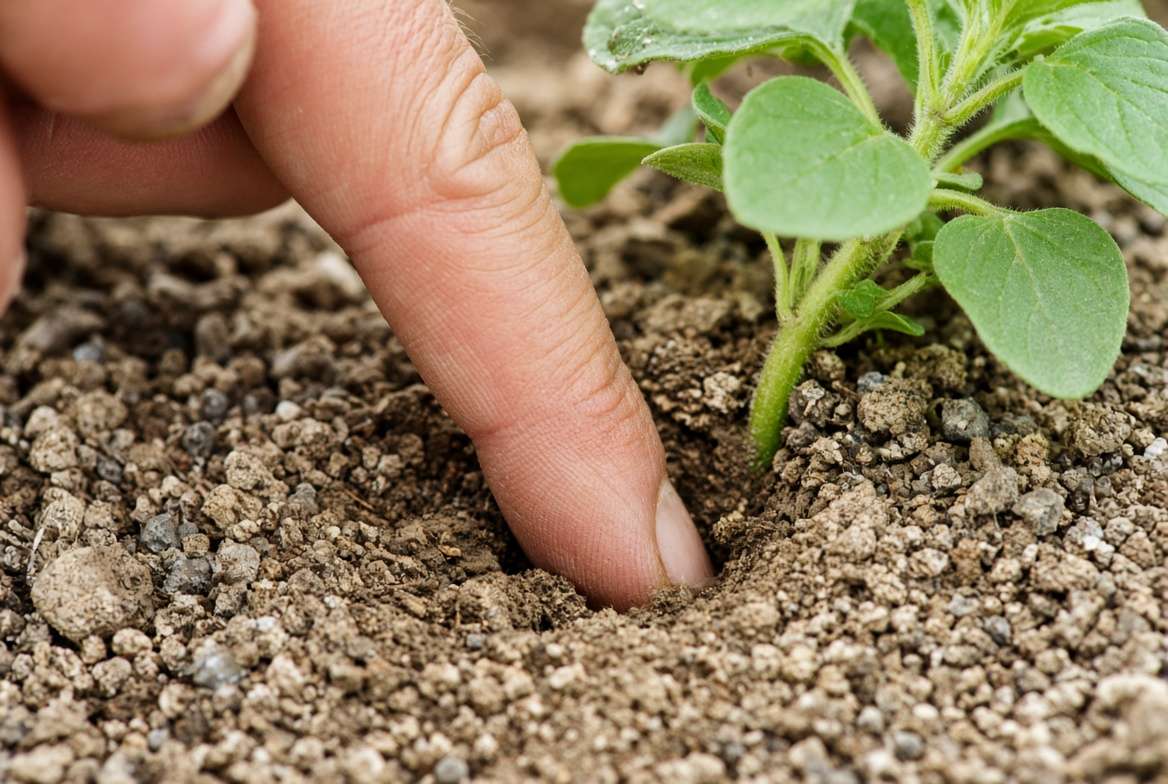
Use the simple finger test: push your index finger into the soil up to your second knuckle. If you feel any moisture, do not water. Alternatively, learn the “pot-weight method.” Lift your terracotta pot after you have watered it thoroughly to feel how heavy it is, then lift it again a few days later. When the pot feels surprisingly light, it is time for a drink.
How to Execute the Soak-and-Dry Technique
When it is finally time to water, do not just give the surface a light sprinkle. Shallow watering leads to shallow, weak root systems.
Instead, practice the Soak-and-Dry method:
-
Pour water evenly over the soil surface until it flows freely out of the bottom drainage holes.
-
Let the pot drain completely.
-
Walk away and allow the top 50–75% of the soil volume to dry out bone-dry before you even think about watering again.
Diagnostic Table: Overwatering vs. Underwatering Symptoms
To help you troubleshoot, refer to this handy diagnostic table. Knowing the difference can save your container garden from disaster!
| Symptom | Overwatering 🛑 | Underwatering ⚠️ |
| Leaf Texture | Soft, mushy, turning yellow from the base up | Crispy, dry, brittle, curling inwards |
| Soil Condition | Damp beneath the surface, sour or swampy odor | Pulling away from the pot edges, dusty |
| Stem Condition | Blackened at the soil line (collar rot) | Excessively woody, dropping lower leaves |
7. Feeding & Fertilization: Why Less is More 🧪
When growing vegetables like tomatoes or peppers, heavy fertilizer is required for a big harvest. With oregano and thyme, the exact opposite is true.
The High-Nitrogen Trap 🚫
If you feed these herbs a high-nitrogen, synthetic liquid fertilizer, they will undoubtedly explode with rapid, lush green growth. However, this is a trap! Fast, artificially fueled growth produces large, floppy leaves that are incredibly weak in flavor and aroma. The essential oils that give oregano and thyme their punch are concentrated when the plant grows slowly in lean, nutrient-poor conditions.
Sustainable Feeding Schedule
To keep your container companions healthy without diluting their culinary power, stick to a minimalist organic feeding routine:
-
Spring Wake-Up: Apply a half-strength dilution of organic liquid kelp or fish emulsion once in mid-spring as new growth appears.
-
Mid-Summer Boost: Apply one more half-strength dose after your heaviest summer harvest to help the foliage recover.
-
Annual Top-Dressing: Gently scratch a small handful of organic worm castings into the top inch of soil every spring to provide slow-release, gentle microbial nutrients.
8. Pruning & Harvesting: The “Cut-and-Come-Again” Strategy ✂️
To unlock endless harvests, you cannot be afraid to use your shears. Regular harvesting is actually the best form of pruning, encouraging a bushier, healthier plant.
How Pruning Triggers Bushier Growth 🌳
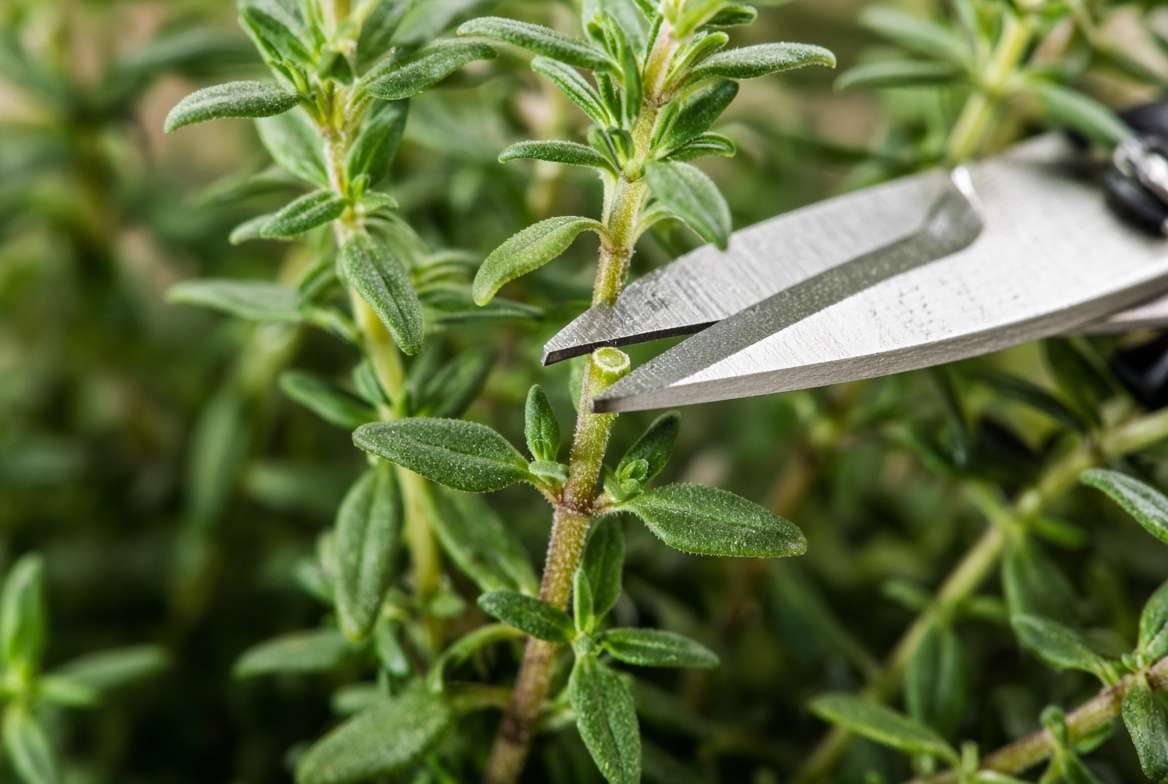
Whenever you snip a stem, you are telling the plant to redirect its energy. If you look closely at a stem of thyme or oregano, you will see tiny sets of leaves growing at intervals called “nodes.” When you make a clean cut just above a node, the plant will push out two new lateral branches from that exact spot. Over time, this transforms a single, leggy stem into a dense, bushy mound.
Harvesting Etiquette for Maximum Flavor
-
Timing: Harvest your herbs in the mid-morning. You want the overnight dew to have evaporated, but you want to beat the intense mid-day heat, which can cause the aromatic oils to volatilize into the air.
-
The “One-Third Rule”: To prevent transplant shock or severe stress, never remove more than 33% of the plant’s overall foliage in a single cutting session.
What to Do When Flowers Appear 🌸
In mid-to-late summer, oregano and thyme will try to produce lovely little pink, white, or purple flowers.
-
For Culinary Use: Pinch these flower buds off immediately. Once an herb flowers (bolts), it changes its internal chemistry, often causing the leaves to taste bitter or woody.
-
For Pollinators: If you have enough foliage and want to support your local bee population, let a few stems bloom! The flowers are edible and make a beautiful, mild garnish for salads.
9. Overwintering Potted Oregano and Thyme ❄️
If you live in a region with cold winters, your container herbs will need a little extra TLC to survive until spring.
Zone Hardiness Reality Check
While thyme (USDA Zones 5–9) and oregano (USDA Zones 4–9) are remarkably cold-hardy in the ground, pots are a different story. In a container, a plant’s roots are exposed to ambient air temperatures from all sides. A good rule of thumb is that potted plants lose two hardiness zones. If you live in Zone 6, your potted thyme will experience winter as if it were in Zone 4, which can be fatal.
Cold Climate Protection Tactics 🧣
To overwinter your pots outdoors:
-
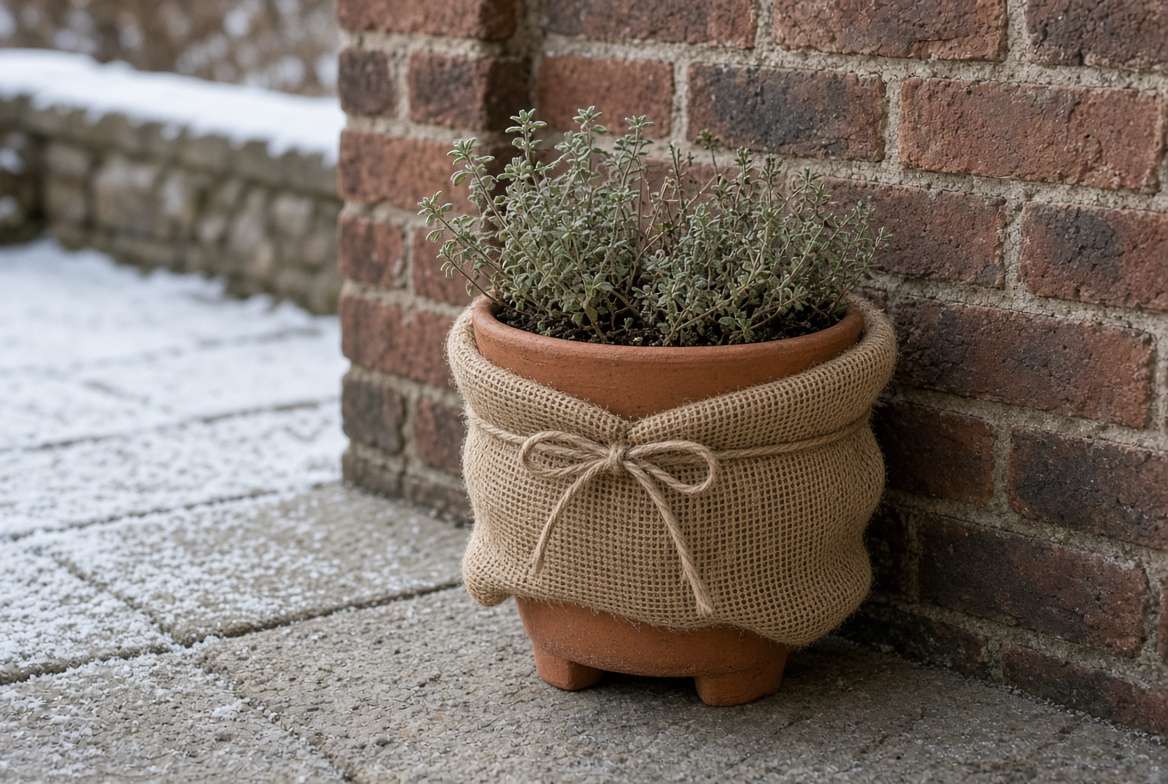
Move the containers against a south-facing brick wall of your home (this radiates absorbed heat).
-
Wrap the terracotta pots in burlap, bubble wrap, or old blankets to insulate the root ball.
-
Alternatively, sink the entire pot into a garden bed and cover it heavily with straw or wood mulch.
-
If temperatures drop below 0°F consistently, move the pots into an unheated garage or cold frame.
Winter Watering Adjustments
During dormancy, your plants are not actively growing and require very little moisture. Slash your watering frequency drastically. You may only need to lightly water once every 3 to 4 weeks—just enough to keep the roots from completely desiccating.
10. Pests, Diseases, and Troubleshooting 🐛
Even the most foolproof guide to oregano and thyme care in pots encounters a few bumps in the road. Thanks to their natural essential oils, severe pest infestations are rare, but it helps to be prepared.
Common Pests
-
Spider Mites: These thrive in hot, dry conditions (like indoor winter heating). Look for fine webbing between leaves. Fix: Spray the foliage down with a hard blast of water, or apply a gentle Castile soap spray.
-
Aphids & Fungus Gnats: Usually a sign of overwatering or poor airflow. Fix: Let the soil dry out thoroughly. Treat gnats with a soil drench of mosquito bits (BTI).
Fungal Issues (Powdery Mildew & Root Rot) 🍄
Powdery mildew looks like a dusting of white flour on the leaves and thrives in stagnant, humid air. Space your pots out to improve air circulation and avoid watering the leaves from above. If you suspect root rot (mushy, black stems at the soil line), you must perform emergency surgery: unpot the plant, trim away slimy roots with sterilized scissors, and repot in fresh, highly gritty soil.
Fixing “Leggy” or Overly Woody Plants
As thyme ages, its base naturally becomes woody. If the plant looks mostly like bare twigs with a few leaves at the top, give it a hard rejuvenation prune in early spring, cutting it back to about 2 inches above the soil line (ensuring you leave a few green shoots). If it refuses to bounce back, take soft-wood stem cuttings to propagate brand-new baby plants!
11. Best Cultivars for Container Gardens 🥗
Not all herbs are created equal when it comes to container life. Here are the absolute best varieties to seek out at your local nursery:
Top Oregano Varieties for Pots
-
Greek Oregano (Origanum vulgare hirtum): This is the undisputed champion for pizza and pasta. It has the strongest, most classic “oregano” flavor and stays nicely compact.
-
Italian/Sicilian Oregano: A beautiful hybrid of sweet marjoram and oregano, offering a milder, sweeter flavor perfect for lighter dishes.
-
Golden Oregano: With its stunning bright chartreuse foliage, this variety is highly ornamental and looks spectacular spilling over the edge of a dark terracotta pot.
Top Thyme Varieties for Pots
-
French Thyme (Summer Thyme): With slightly narrower leaves than English thyme, this variety offers an incredibly intense, sweet aroma that chefs adore.
-
English Thyme: The reliable workhorse. It is extremely cold-hardy, grows vigorously, and has a classic earthy flavor.
-
Lemon Thyme (Thymus citriodorus): A phenomenal container plant! It has slightly broader leaves, variegated yellow edges, and a bright, unmistakable citrus scent that pairs flawlessly with roasted chicken or fish.
12. Frequently Asked Questions (FAQ) ❓
Q: Can oregano and thyme share the exact same pot?
A: Absolutely. Because they share identical requirements for intense sunlight, well-draining soil, and infrequent watering, they are the perfect companion plants. Just ensure your container is at least 12 inches wide to accommodate both root systems.
Q: Why are the lower leaves of my potted thyme turning brown and woody?
A: This is often a combination of natural aging and poor light penetration. As the top canopy grows dense, it shades out the lower leaves, which then dry up. Regular tip-pruning prevents early woodiness and allows light to reach the base of the plant.
Q: How often should I repot oregano and thyme?
A: Plan to repot every 2 to 3 years in early spring. Over time, organic matter in the soil breaks down, reducing drainage, and the roots may become severely bound. Refreshing the gritty soil mix will revitalize the plants.
Q: Can I grow oregano and thyme indoors year-round?
A: Yes, but it requires effort. You must provide them with at least 6 hours of direct sunlight through a South-facing window, or use a full-spectrum LED grow light for 12 hours a day to prevent them from becoming weak and stretching for light.
With this foolproof guide to oregano and thyme care in pots, you are fully equipped to stop killing your kitchen herbs and start enjoying the endless, vibrant harvests you deserve. Happy planting! 🌱✨











