
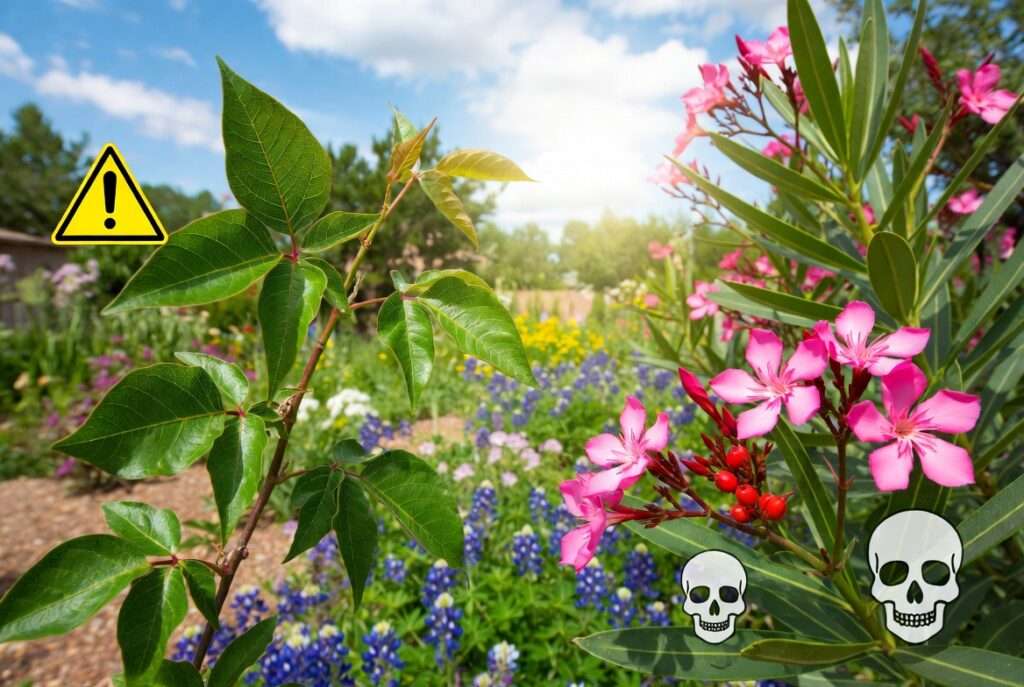
Imagine stepping into your backyard on a sunny Texas afternoon, only to watch your curious dog nibble on a vibrant shrub or your child pick a seemingly harmless wildflower during a family hike. What looks like ordinary greenery can quickly turn into a hidden hazard. Poisonous plants in Texas are more common than many gardeners realize, thriving in our diverse climates from the humid Gulf Coast to the arid West Texas plains. As a horticulturist with over 15 years helping Texas homeowners create thriving landscapes, I’ve seen firsthand how proper knowledge prevents heartache and vet bills. This comprehensive guide equips you with everything you need for safer plant care and gardening. 🌱
Whether you’re a seasoned gardener, a new homeowner, or a pet parent, understanding toxic plants helps protect your loved ones while nurturing beautiful, resilient outdoor spaces. We’ll cover identification, risks, prevention, safe alternatives, and emergency steps—drawing from reliable sources like Texas A&M AgriLife Extension, Texas Poison Center Network, and real-world experiences across the Lone Star State. Let’s dig in and transform potential dangers into confident, worry-free gardening. 🛡️
Understanding Poisonous Plants in Texas Landscapes 🌵
Texas’s varied ecosystems support an incredible array of flora, but this biodiversity includes plants that evolved chemical defenses against herbivores. Many popular ornamentals and hardy natives double as toxic threats, especially in drought-prone areas where resilient species dominate landscaping choices.
Why Texas Has So Many Toxic Plants Our state spans multiple USDA hardiness zones, with intense heat, variable rainfall, and alkaline soils favoring tough survivors. Ornamentals like Oleander were introduced for their drought tolerance and beauty but bring serious risks. Native species such as Poison Ivy spread easily in disturbed soils along fences, trails, and riverbanks. Climate change and urban expansion further increase encounters in backyards, parks, and pastures.
Risks to Humans, Pets, and Livestock
- Humans: Skin rashes, gastrointestinal distress, or severe organ damage from ingestion. Children are especially vulnerable due to curiosity.
- Pets: Dogs and cats explore with their mouths. Even small amounts of certain plants cause kidney or liver failure.
- Livestock: Horses, cattle, and goats face higher risks in rural or semi-rural areas, with economic impacts on farms.
Early symptoms might include drooling, vomiting, diarrhea, lethargy, or skin irritation. Severe cases escalate quickly to seizures, heart issues, or respiratory distress. Knowledge truly is the best defense in Texas plant care. 🐾
Common Myths vs. Facts Myth: “If it’s native, it’s safe.” Fact: Many natives like Water Hemlock are among the most toxic. Myth: “Cooking or drying neutralizes toxins.” Fact: Most remain dangerous. Always prioritize prevention over treatment.
Top Poisonous Plants in Texas – Identification and Dangers 🕵️♂️
This section dives deep into the most problematic species, with detailed profiles to help you spot and manage them effectively. Regional awareness is key—plants behave differently across East Texas pines, Central Texas Hill Country, and South Texas brushlands.
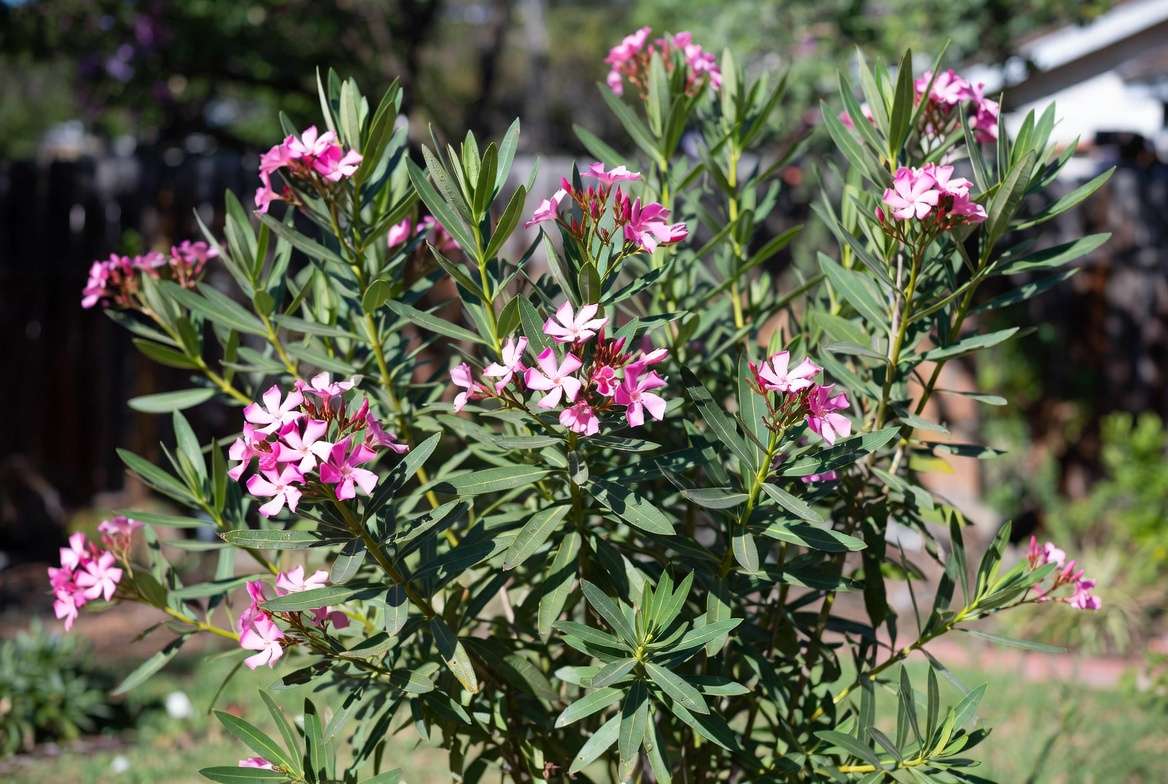
Deadly Ornamentals Common in Yards 🌸 Oleander (Nerium oleander): This evergreen shrub with showy pink, white, or red flowers is a Texas landscaping staple for its heat and drought tolerance. Every part—leaves, flowers, stems, even water from vases—is highly toxic. Cardiac glycosides can cause irregular heartbeat, vomiting, and death in humans, dogs, cats, and livestock. A few leaves can be fatal to a small pet. Common in coastal and southern regions.
Texas Mountain Laurel (Dermatophyllum secundiflorum): Beautiful purple blooms and glossy leaves make it popular, but its bright red seeds contain alkaloids that are extremely toxic—potentially fatal with just one or two seeds. Symptoms include nausea, muscle weakness, and respiratory failure. Watch for it in Central and South Texas gardens.
Lantana (Lantana camara): Often used as a colorful groundcover, its green berries are particularly dangerous, causing liver damage and photosensitivity. Attractive to pollinators but risky near play areas.
Sago Palm (Cycas revoluta): Popular in subtropical landscapes, all parts (especially seeds) contain cycasin, leading to severe liver failure in dogs and cats. Even small ingestions require immediate veterinary care.
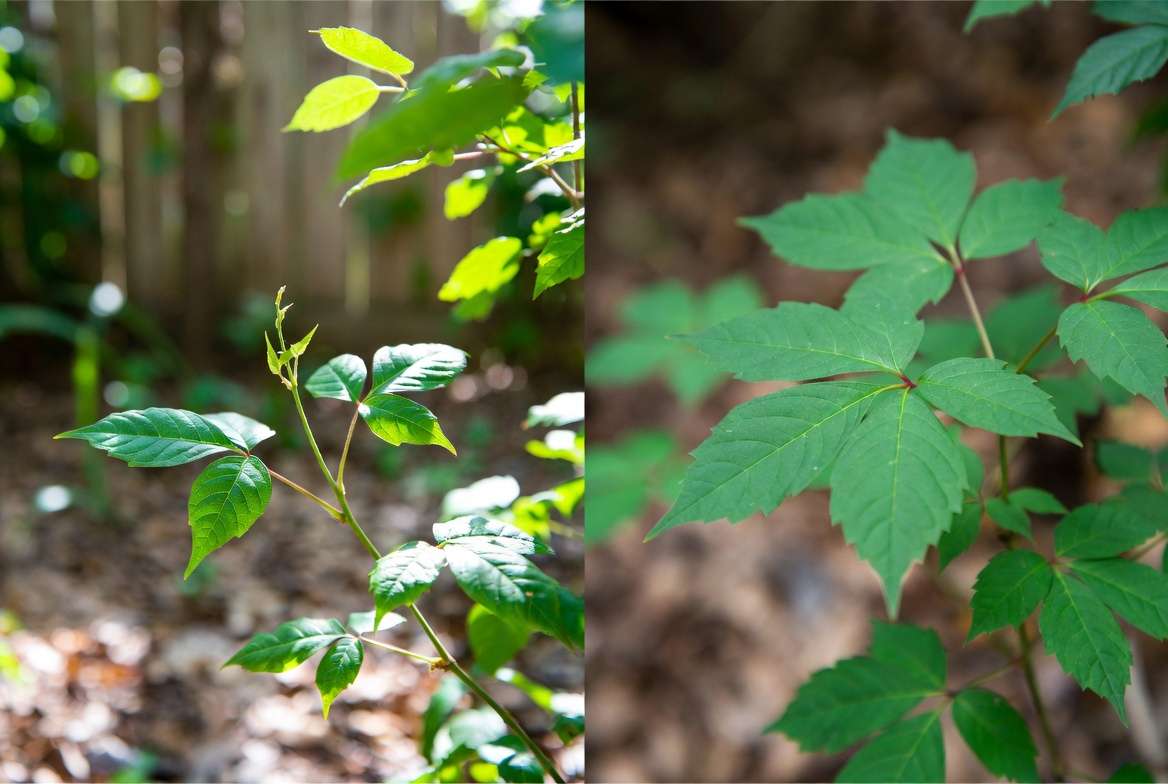
Wild and Invasive Offenders 🍃 Poison Ivy (Toxicodendron radicans): The infamous “leaves of three, let it be” plant grows as a vine, shrub, or groundcover across most of Texas (except far West). Urushiol oil causes delayed itchy, blistering rashes. Burning it releases toxins in smoke—avoid at all costs. Common along trails and fence lines.
Water Hemlock (Cicuta maculata): Considered one of North America’s most poisonous native plants. Found in wet areas, ditches, and pond edges. Hollow stems and white flower clusters resemble edible parsnip or carrot relatives. Ingestion leads to violent seizures and rapid death. Extreme caution in North and East Texas.
Bull Nettle (Cnidoscolus texanus): Also called Texas Bull Nettle, this hairy plant delivers stinging hairs that cause intense burning pain, like stinging nettles on steroids. Common in disturbed soils and fields.
Houseplants and Indoor Risks 🪴 Don’t forget indoor spaces! Philodendron, Peace Lily, and certain Lilies cause oral irritation and swelling in pets. Pothos and Dieffenbachia (Dumb Cane) are frequent culprits in homes. Always research before bringing new plants indoors, especially with curious kittens or puppies.
(For each plant above, in a full published version, include high-resolution photos with captions, regional maps, and side-by-side comparison images of look-alikes.)
How to Safely Identify Poisonous Plants in Your Garden 🔍
Accurate identification prevents accidental exposure and empowers confident plant care.
Visual Identification Tips and Apps
- Look for compound leaves (groups of three for Poison Ivy), milky sap, shiny coatings, or distinctive berries.
- Use free apps like iNaturalist or PictureThis for quick scans, but verify with local experts.
- Texas A&M AgriLife resources offer excellent regional guides.
Seasonal Changes and Look-Alikes Poison Ivy leaves turn vibrant red in fall, making them deceptively pretty. Water Hemlock’s roots smell like parsnips but are deadly. Cross-reference with safe plants like Virginia Creeper (five leaflets) to avoid confusion.
Professional Identification Resources Unsure? Take clear photos (leaves, stem, flowers, location) to your local nursery, county extension office, or upload to Texas-specific forums. Professional soil and plant testing services add another layer of security for serious gardeners.
Prevention and Safe Gardening Practices 🛡️
Prevention is the cornerstone of safe Texas gardening. Small changes yield big peace of mind.
Landscaping Tips for Pet- and Child-Friendly Yards
- Create designated “play zones” away from potentially toxic borders.
- Use raised beds and physical barriers for ornamentals.
- Opt for native, non-toxic plants that support local pollinators and require less water—perfect for Texas drought conditions.
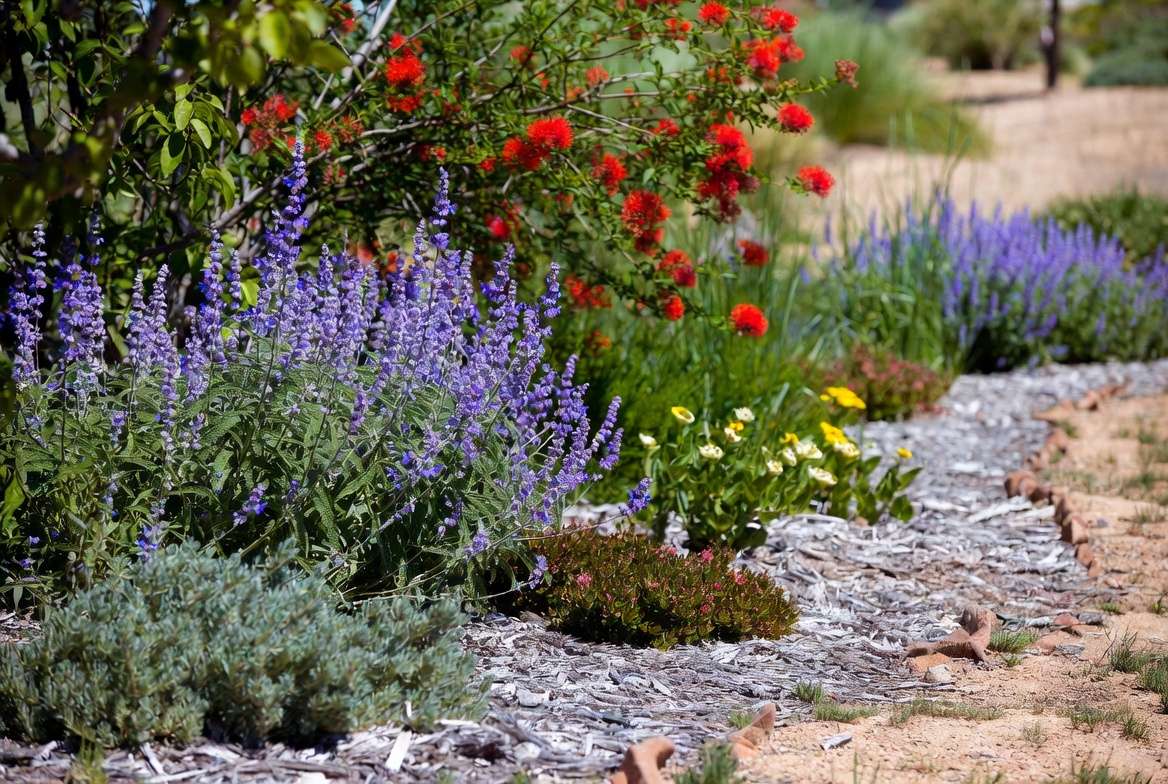
Safe Alternatives to Toxic Plants 🌼 Replace Oleander with Texas Sage (Leucophyllum frutescens) or Firebush (Hamelia patens) for color and wildlife appeal. Instead of Sago Palm, choose Dwarf Yaupon Holly or hardy palms like Windmill Palm. For groundcover, try Frogfruit or Horseherb—tough, low-maintenance, and safe. These alternatives improve biodiversity while reducing risks.
Maintenance and Removal Best Practices (expanded) For stubborn invaders like Poison Ivy, consistency matters. Cut vines at the base and paint stumps with appropriate herbicide (following label instructions and local regulations). Never burn removed material, as inhaling smoke from urushiol-containing plants can cause severe respiratory issues. In livestock areas, regular pasture scouting and rotational grazing help minimize exposure. Many Texas gardeners successfully maintain beautiful yards by combining mechanical removal with mulching and competitive planting of desirable species.
Expert Tips from Texas Horticulturists Drawing from decades of collective experience through Texas A&M Extension programs, experts recommend conducting an annual “poison audit” of your property in early spring. Document plants with photos and locations. Improve overall garden resilience through proper watering (deep but infrequent), balanced fertilization, and choosing right-plant-right-place principles. Healthy plants are less likely to be targeted by bored pets, and diverse ecosystems naturally balance themselves better.
Creating a Thriving, Poison-Free Texas Garden 🌺
Building a safe landscape doesn’t mean sacrificing beauty or biodiversity. In fact, focusing on non-toxic natives often leads to lower-maintenance, more sustainable gardens that thrive in Texas conditions.
Long-Term Strategies
- Soil Testing and Amendment: Healthy soil supports stronger plants and reduces weed pressure, including toxic ones.
- Layered Planting: Use groundcovers, shrubs, and trees in strategic layers for natural barriers.
- Ongoing Monitoring: Make seasonal walks part of your routine. Teach family members basic identification.
- Integrated Pest and Plant Management: Encourage beneficial insects and birds that help control problem areas naturally.
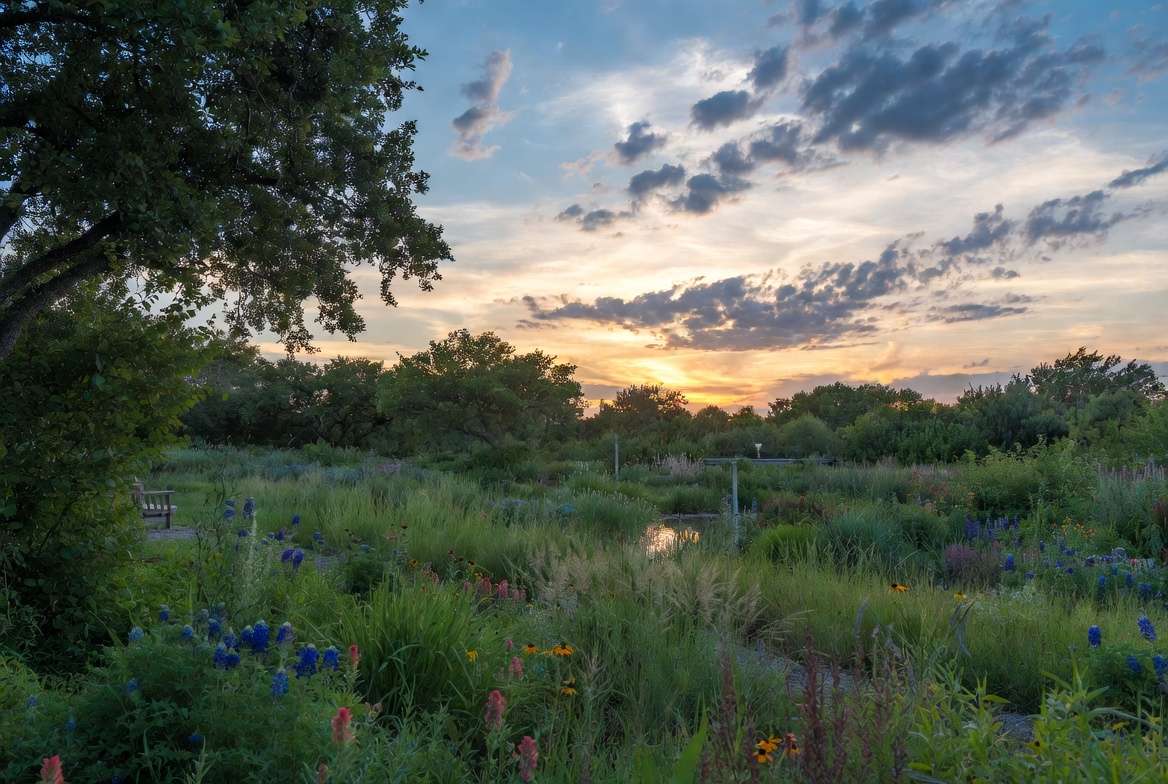
Success Stories Many Central Texas homeowners have transformed risky yards into pollinator paradises using plants like Blackfoot Daisy, Mexican Mint Marigold, and Turk’s Cap. These provide vibrant color, attract butterflies and hummingbirds, and pose zero threat to pets or children. Rural properties benefit from fencing off known toxic wild patches while planting safe forage alternatives.
The rewards extend beyond safety: lower water bills, enhanced property value, better mental health from spending time in nature, and contribution to local conservation efforts. Safe gardening is truly rewarding plant care. 🌼
What to Do If Exposure Happens – Emergency Response 🚨
Even with best prevention, accidents occur. Quick, correct action saves lives and reduces suffering.
First Aid for Skin Contact (Rashes) If you suspect Poison Ivy or similar contact:
- Rinse the area immediately with lukewarm soapy water or rubbing alcohol.
- Wash all exposed clothing and tools separately.
- Apply calamine lotion or hydrocortisone cream for relief. Severe cases may need prescription steroids—see a doctor promptly. Symptoms often appear 12-48 hours later.

Ingestion and Pet Poisoning Do not induce vomiting unless instructed by a professional. Call your veterinarian or the Texas Poison Center Network at 1-800-222-1222 immediately. Have plant details (or a photo/sample) ready. For pets, time is critical—symptoms like excessive drooling, vomiting, or lethargy warrant an emergency visit.
When to Seek Medical Help
- Difficulty breathing, severe swelling, confusion, or irregular heartbeat.
- Any suspected ingestion by children or multiple exposures.
- Persistent or worsening symptoms beyond 24 hours.
Texas Poison Control professionals handle thousands of plant-related calls annually and provide expert guidance 24/7. Keep their number saved in your phone.
Preventing Secondary Poisoning Avoid using toxic clippings in compost or mulch. Wash hands thoroughly after handling. Educate babysitters, neighbors, and farm hands about known hazards on your property.
Frequently Asked Questions (FAQs) ❓
Are there any poisonous trees common in Texas? Yes—Chinaberry and certain oaks (via acorns in large quantities) pose risks, especially to livestock. Always supervise young animals around fallen seeds.
Which plants are safe around dogs in Texas heat? Excellent choices include Butterfly Weed (non-toxic milkweed relative), Coneflower, and many ornamental grasses. Check the ASPCA’s extensive list and consult local nurseries.
How do I remove poison ivy without chemicals? Repeated pulling (with full protective gear), smothering with cardboard and mulch, or hiring professionals for large infestations. Persistence over multiple seasons is key.
Can I compost poisonous plants? Generally no. High-heat commercial composting might break down some toxins, but home compost rarely reaches sufficient temperatures. Better to bag and dispose properly.
What’s the difference between poison ivy and poison oak in Texas? Poison Ivy is far more widespread. Poison Oak is less common but has similar three-leaflet structure with more lobed, oak-like leaves. Both contain urushiol.
Are all parts of every toxic plant dangerous year-round? Most yes, though toxicity can vary by season or growth stage. Err on the side of caution.
Additional FAQs can cover livestock specifics, indoor plant swaps, and regional differences.
Conclusion
Poisonous plants in Texas don’t have to limit your passion for gardening and outdoor living. By arming yourself with identification skills, prevention strategies, safe alternatives, and emergency know-how, you create spaces where family, pets, and nature flourish together.
Take action today: Walk your property with this guide in hand, note any concerns, and begin swapping risky plants for beautiful, beneficial ones. Your future self—and your furry friends—will thank you.
For more expert plant care advice tailored to Texas conditions, explore our other guides on drought-tolerant landscaping, native plant gardening, and pet-friendly yards. Share your own safe gardening successes in the comments below!











