
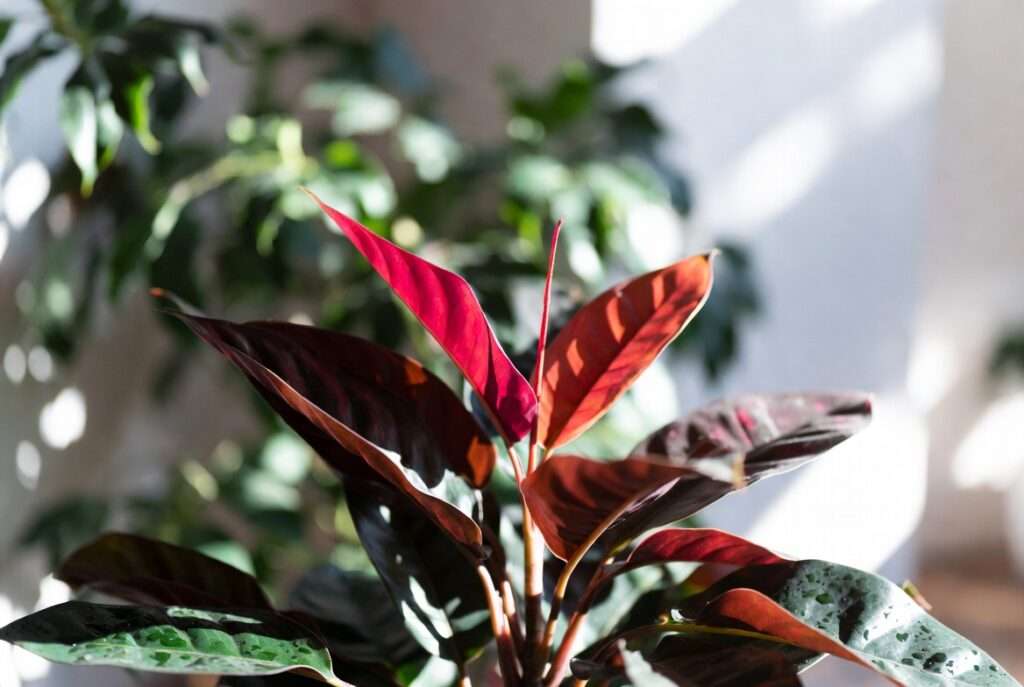
Have you ever walked into a room and been instantly captivated by a plant with striking, deep crimson foliage that seems to glow with life? That’s the magic of a red leaves plant. These stunning beauties transform ordinary spaces into vibrant, living works of art while offering numerous benefits for your home and garden.
If you’re searching for a red leaves plant, chances are you want more than just pretty pictures — you need reliable guidance on which varieties thrive, how to keep that rich red color vibrant, and how to prevent common issues that turn your dream plant into a disappointment. After 15+ years working with hundreds of plant species in home gardens, indoor collections, and professional landscapes, I’ve helped countless plant parents succeed with these colorful gems.
In this comprehensive guide, you’ll discover the best red leaves plant varieties, complete care instructions, troubleshooting solutions, and expert tips that go far beyond basic advice you’ll find elsewhere. Whether you’re a beginner or seasoned enthusiast, this resource will help your red leaves plant not only survive but flourish with intense, eye-catching color all year round. 🪴
Why Do Some Plants Have Red Leaves? The Science Explained 🔬
The vibrant red hues in plants aren’t just for show — they serve important biological functions. The primary pigment responsible is anthocyanin, a powerful antioxidant that protects plant tissues from stress.
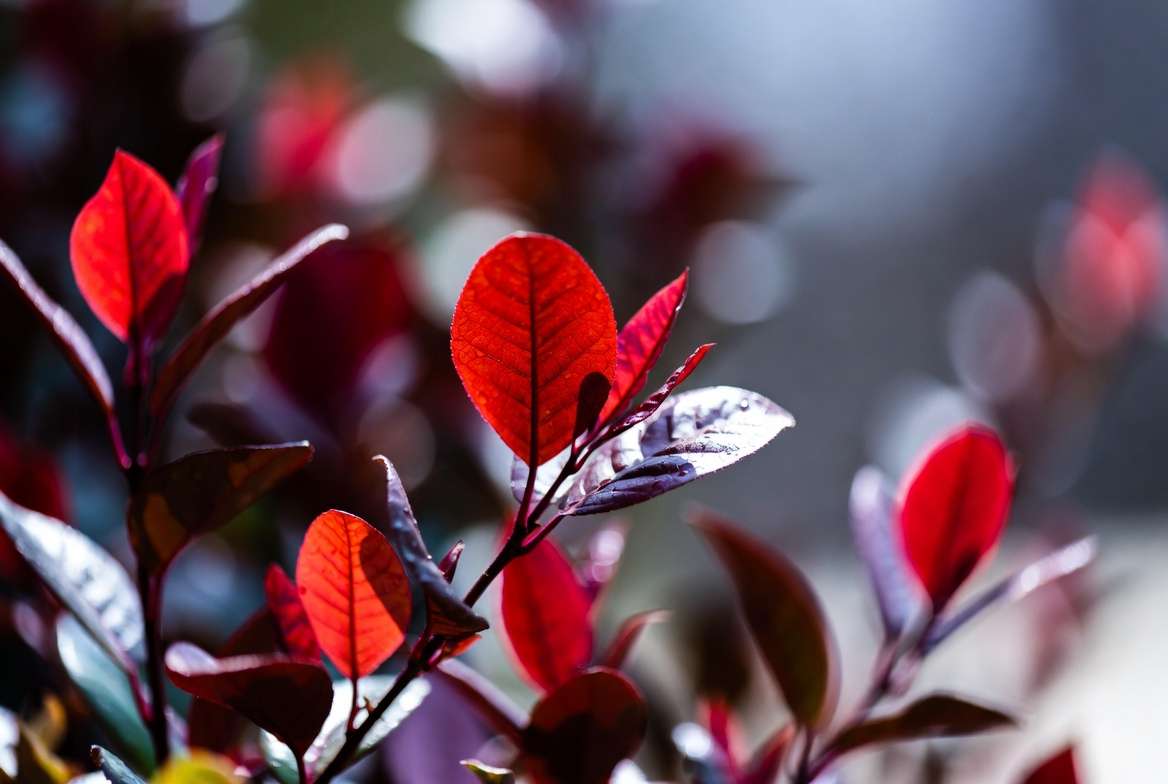
H3: The Role of Anthocyanins and Pigments Unlike chlorophyll (which gives plants their green color), anthocyanins become more prominent under certain conditions such as bright light, cooler temperatures, or nutrient shifts. In many red leaves plants, these pigments act as a “sunscreen,” shielding delicate tissues from intense UV rays while also deterring certain pests that prefer green foliage.
H3: Benefits of Red Foliage Beyond aesthetics, red leaves offer practical advantages:
- Enhanced pest resistance
- Better tolerance to high light conditions
- Improved air purification qualities (many red varieties are excellent at filtering indoor toxins)
- Symbolic and emotional benefits — red is associated with energy, passion, and vitality in many cultures
H3: Natural Habitats and Evolutionary Advantages Many red leaves plants originate from tropical or subtropical regions where intense sunlight and variable seasons favor these protective pigments. Understanding their origins helps us replicate ideal growing conditions at home. 🍁
Top 12 Best Red Leaves Plants for Homes and Gardens 🌟
Choosing the right red leaves plant makes all the difference between success and frustration. Here’s a carefully curated selection based on performance, beauty, and ease of care.
Indoor Favorites 🪴
1. Chinese Evergreen (Aglaonema ‘Red Valentine’ or ‘Siam Aurora’) These reliable beauties feature broad leaves with striking red and pink variegation. Extremely forgiving of low light, they’re perfect for beginners. They grow slowly to medium size and tolerate average indoor humidity well.
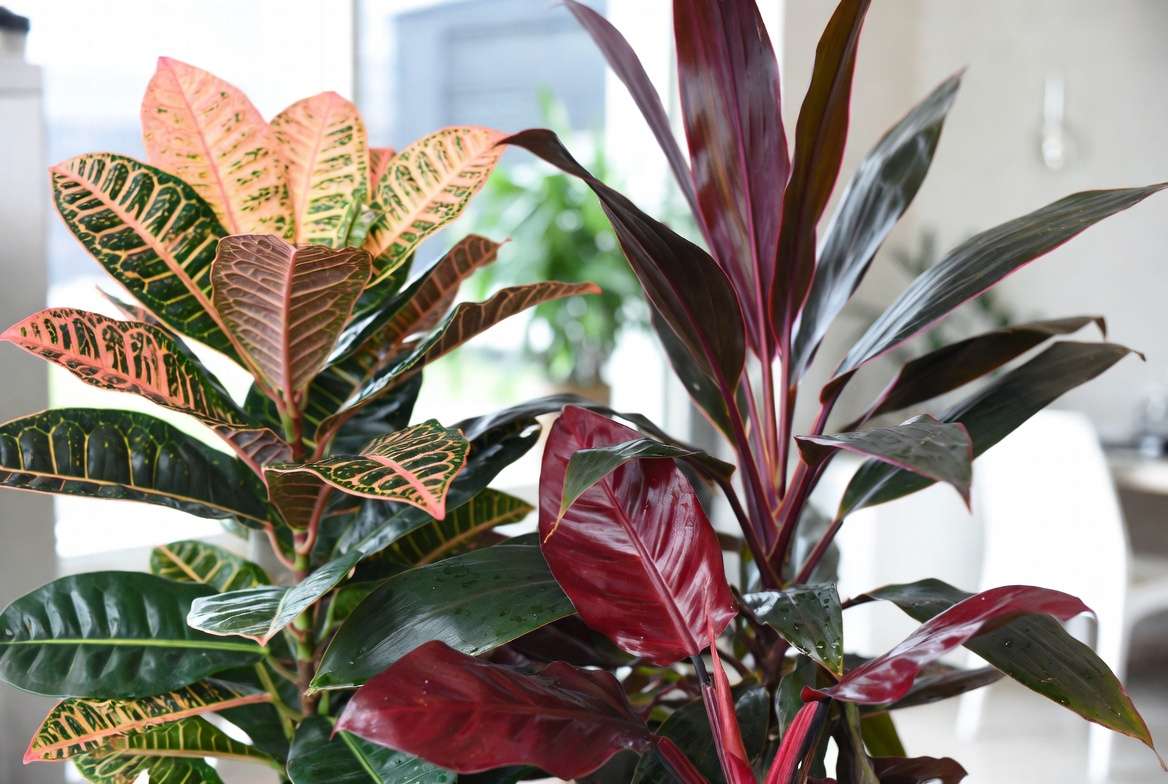
2. Cordyline (Ti Plant) With long, sword-like leaves in brilliant reds and burgundies, Cordyline adds dramatic vertical interest. Varieties like ‘Red Sister’ are especially popular. They prefer brighter light and consistent moisture.
3. Croton (Codiaeum variegatum) Known for wildly colorful foliage combining red, yellow, orange, and green. Crotons love high humidity and bright indirect light. Their bold patterns make them excellent statement plants.
4. Philodendron ‘Imperial Red’ This self-heading philodendron produces new leaves in a rich reddish-bronze that mature to deep green. It’s easier to care for than many other red varieties and forgiving of occasional neglect.
5. Rubber Plant (Ficus elastica ‘Ruby’ or ‘Red Ruby’) Gorgeous burgundy-red new growth makes this a favorite. It’s more compact than standard rubber plants and adapts well to indoor environments.
Outdoor & Garden Stars 🌳
6. Japanese Maple (Acer palmatum cultivars) The gold standard for garden red leaves plants. Varieties like ‘Bloodgood’ or ‘Fireglow’ offer stunning scarlet foliage that changes throughout the seasons. They prefer morning sun and afternoon shade in most climates.
7. Heuchera (Coral Bells) These low-growing perennials come in endless red and purple shades. Excellent for borders, containers, and ground cover. Many varieties maintain color even in partial shade.
8. Red Leaf Banana Plant (Ensete ventricosum ‘Maurelii’) For dramatic tropical flair, this giant features enormous red-tinged leaves. Perfect as a focal point in warm climates or as a summer container plant.
9. Loropetalum (Chinese Fringe Flower) Evergreen shrub with deep burgundy-red leaves and pink spring blooms. Excellent for hedges or specimen planting in warmer zones.
Rare & Statement Plants ✨
10. Coleus — Fast-growing with endless color combinations. 11. Persicaria ‘Firetail’ — Bold red accents. 12. Newer cultivars like certain Caladiums and Rex Begonias.
Comparison Table (recommended visual): Columns for Plant Name, Light Needs, Watering, Difficulty, Max Size, and Best For.
How to Choose the Right Red Leaves Plant for Your Space 🏠
Not every red leaves plant suits every environment. Success starts with honest assessment.
H3: Assessing Light Conditions Most red leaves plants need bright indirect light to maintain intense coloration. Too little light causes fading to green; too much direct sun can scorch delicate leaves. Use a light meter or simple observation (bright enough to read comfortably without turning on lights).
H3: Space & Size Considerations Consider mature size. Compact options like Philodendron ‘Imperial Red’ work well in small apartments, while Japanese Maples or Banana Plants need more room.
H3: Climate & Hardiness Zones Indoor growers have more flexibility, but outdoor gardeners should check USDA zones. Many tropical red leaves plants need protection below 50°F (10°C).
H3: Beginner vs. Experienced Recommendations Beginners: Chinese Evergreen, Philodendron ‘Imperial Red’, Heuchera. Advanced: Croton, certain Japanese Maples, Cordyline.
Pro Tip: Start with one healthy specimen rather than multiple stressed plants. Quality matters more than quantity. 🌱
Planting and Potting Your Red Leaves Plant Correctly 🪴
Proper planting sets the foundation for long-term success.
H3: Best Soil Mix Recipes Well-draining yet moisture-retentive mix is key. Recommended blend:
- 40% high-quality potting soil
- 30% perlite or pumice
- 20% orchid bark or coco coir
- 10% compost or worm castings
For acid-loving plants like Japanese Maples, adjust pH accordingly.
H3: Choosing the Right Pot Always choose containers with drainage holes. Terracotta works well for plants that prefer drier conditions; glazed ceramic retains more moisture.
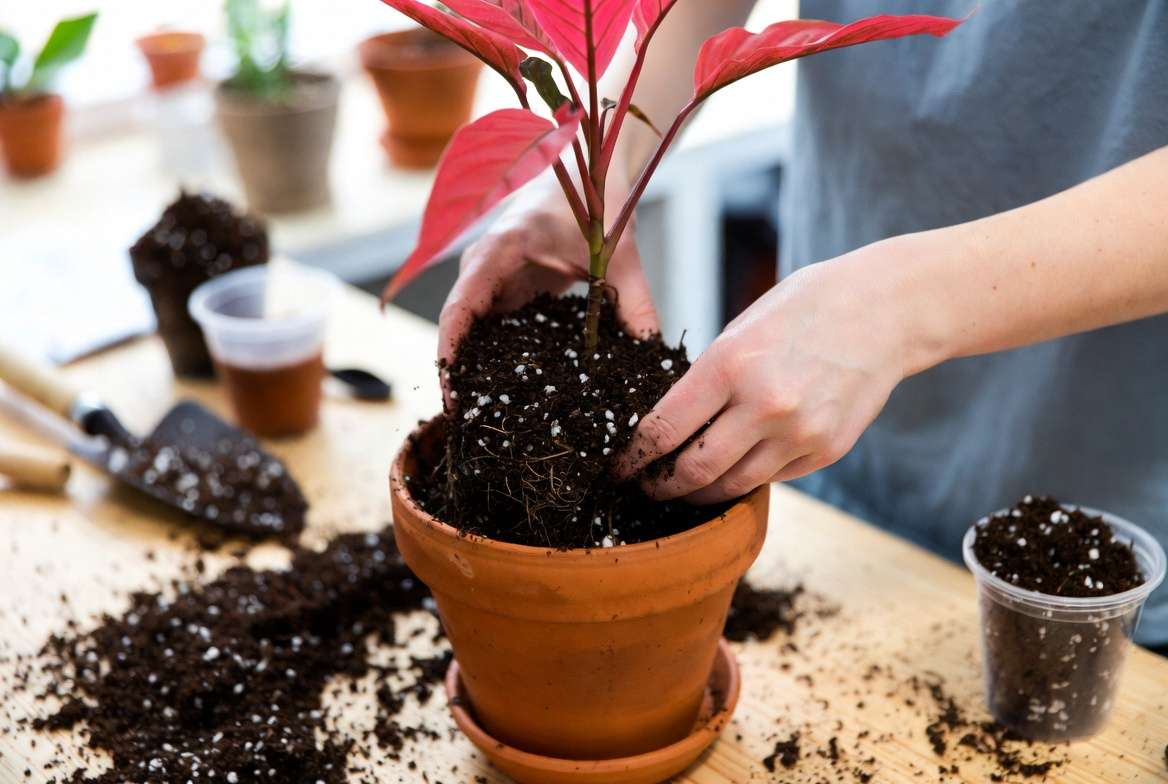
H3: Step-by-Step Planting Guide
- Gently remove the plant from its nursery pot.
- Inspect and trim damaged roots.
- Place in new pot with fresh mix.
- Firm soil gently and water thoroughly.
- Position in appropriate light.
H3: Repotting Schedule Most red leaves plants benefit from repotting every 12–24 months in spring.
H2: Complete Red Leaves Plant Care Routine 🌱
Mastering the daily and seasonal needs of your red leaves plant is the secret to maintaining that coveted intense coloration and healthy growth.
H3: Light Requirements – How Much is Too Much? Bright, indirect light is the sweet spot for most red leaves plants. This encourages anthocyanin production without causing leaf scorch.
- Ideal placement: Near east or west-facing windows with sheer curtains, or a few feet back from south-facing windows.
- Low light tolerance: Chinese Evergreen and some Philodendrons handle medium to low light but may lose some red intensity.
- High light lovers: Croton, Cordyline, and Japanese Maples perform best with more illumination.
Expert Insight: If your plant’s red color is fading, gradually increase light exposure over 1–2 weeks. Use grow lights with full-spectrum bulbs during winter months for consistent results. Monitor for signs of stress — crispy edges mean too much direct sun. 🌞
H3: Watering Best Practices (Frequency, Signs of Over/Underwatering) Inconsistent watering is the top killer of red leaves plants.
- General rule: Water when the top 1–2 inches of soil feel dry.
- Frequency: Every 7–10 days for most indoor varieties, adjusting for season, pot size, and humidity.
- Technique: Water thoroughly until it drains from the bottom, then empty saucers to prevent soggy roots.
- Signs of trouble:
- Yellowing lower leaves + soggy soil = overwatering (most common issue).
- Wilting + dry, crispy leaves = underwatering.
Use room-temperature filtered or rainwater when possible. Many red-foliaged plants are sensitive to fluoride and chlorine in tap water.
H3: Humidity & Temperature Needs Tropical red leaves plants (Croton, Cordyline, Philodendron) thrive in 60–80% humidity.
- Solutions: Use a pebble tray with water, group plants together, or run a humidifier.
- Temperature: Keep between 65–85°F (18–29°C) during the day. Avoid cold drafts and sudden temperature drops below 55°F (13°C), which can cause leaf drop.
H3: Fertilizing Schedule for Vibrant Red Color Proper nutrition fuels pigment production.
- Growing season (spring through early fall): Balanced liquid fertilizer (20-20-20) diluted to half strength every 2–4 weeks.
- Color-boosting tip: Use a fertilizer slightly higher in phosphorus during active growth periods.
- Winter: Reduce or stop fertilizing as growth slows.
- Organic options: Compost tea, fish emulsion, or seaweed extract for gentle, sustained feeding.
Always fertilize on moist soil to prevent root burn.
H3: Pruning and Maintenance for Bushier Growth ✂️ Regular pruning encourages fuller, bushier plants and maintains shape.
- Remove yellow or damaged leaves promptly.
- Pinch growing tips on Cordyline and Croton to promote branching.
- For Japanese Maples, prune in late winter for structure.
- Clean leaves gently with a damp cloth to remove dust — this improves photosynthesis and keeps red hues vibrant.
H3: Seasonal Care Variations
- Spring: Repot if needed, increase watering and fertilizing as growth resumes.
- Summer: Monitor for pests and provide extra humidity during heat waves.
- Fall: Reduce water and fertilizer; enjoy peak red coloration in many varieties.
- Winter: Protect from heating vents and provide supplemental light. Reduce watering significantly.
Following this routine consistently transforms average plants into showstoppers. Many of my clients report their red leaves plants becoming the focal point of their homes after implementing these practices.
H2: Common Problems with Red Leaves Plants & How to Fix Them 🛠️
Even experienced growers face challenges. Here’s a comprehensive troubleshooting guide based on real cases I’ve solved over the years.
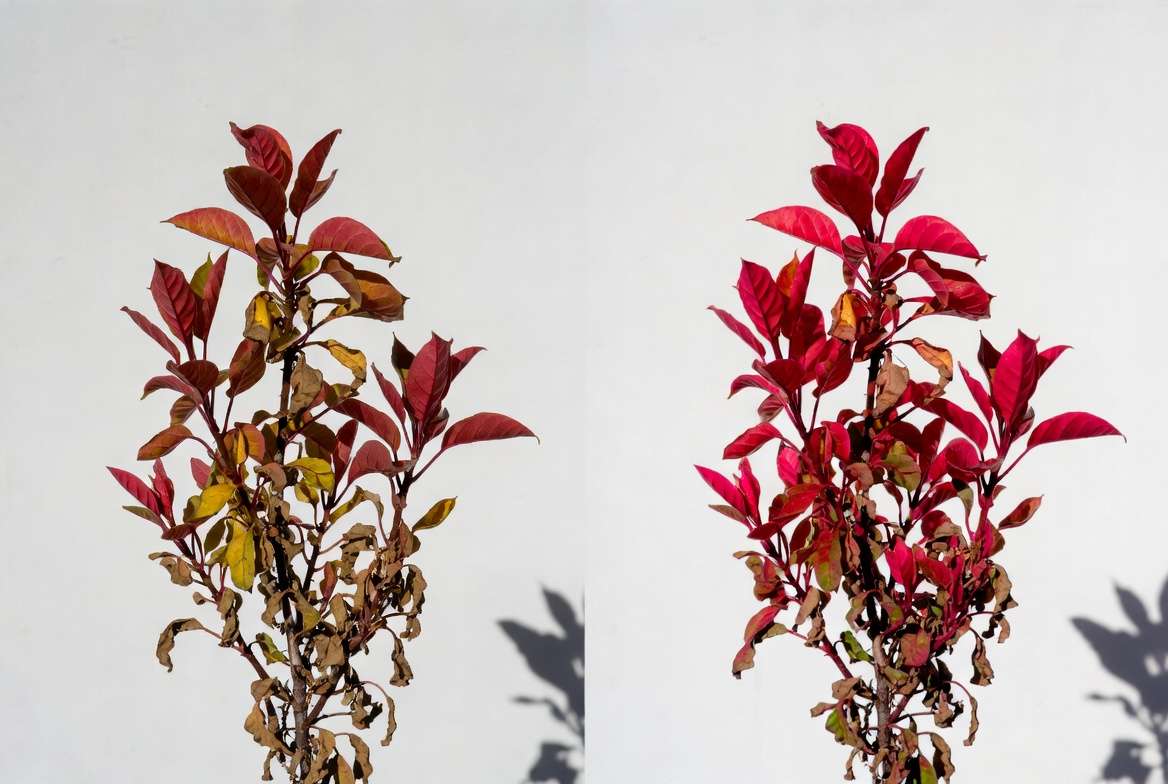
H3: Leaves Turning Green or Losing Red Color This is one of the most frequent complaints.
- Causes: Insufficient light, over-fertilization with nitrogen, or overly warm temperatures.
- Solutions: Relocate to brighter spot, switch to balanced or phosphorus-rich fertilizer, and ensure cooler nighttime temperatures.
H3: Yellowing Leaves & Root Rot Overwatering is the usual culprit, especially in heavy soils.
- Diagnosis: Soft, mushy roots with foul smell.
- Treatment: Remove plant from soil, trim rotten roots, repot in fresh well-draining mix, and reduce watering. Use hydrogen peroxide solution for mild cases.
H3: Pests (Spider Mites, Mealybugs, Scale) – Identification & Organic Treatments Red leaves plants can attract sap-sucking insects.
- Spider mites: Tiny webs and stippling on leaves. Treat with neem oil or insecticidal soap weekly.
- Mealybugs: White cottony spots in leaf axils. Remove manually with alcohol-dipped cotton swab, then apply neem.
- Scale: Hard bumps on stems. Horticultural oil is highly effective.
Prevention: Regular inspection, good air circulation, and keeping plants clean.
H3: Brown Tips, Leaf Drop, and Wilting
- Brown tips: Low humidity or tap water chemicals.
- Sudden leaf drop: Temperature shock or overwatering.
- Wilting: Usually underwatering or root issues.
H3: Sunburn vs. Cold Damage Sunburn shows as bleached or crispy patches. Cold damage appears as dark, water-soaked spots. Adjust location and protect accordingly.
Prevention Checklist:
- ✅ Proper pot drainage
- ✅ Consistent (but not excessive) watering schedule
- ✅ Appropriate light levels
- ✅ Regular pest checks
- ✅ Seasonal adjustments
Implementing these fixes has saved countless red leaves plants in my consultations. Early intervention is key to recovery.
H2: Propagation Techniques for Red Leaves Plants 🌱✂️
One of the most rewarding aspects of growing red leaves plants is multiplying them successfully. Propagation not only expands your collection but also serves as insurance against loss.
H3: Stem Cuttings Method (Step-by-Step) This works excellently for Cordyline, Croton, Philodendron, and many tropical varieties.
- Select a healthy stem with 3–4 nodes and vibrant leaves.
- Cut at a 45-degree angle just below a node using sterilized pruners.
- Remove lower leaves, leaving 2–3 at the top.
- Optional: Dip in rooting hormone for faster results.
- Place in water or moist propagation mix (perlite + sphagnum moss).
- Maintain high humidity with a plastic cover and bright indirect light.
- Roots typically appear in 3–6 weeks. Transplant once roots are 2–3 inches long.
Success Rate Tip: Warm temperatures (75–80°F) and consistent moisture dramatically improve outcomes. I’ve achieved over 90% success with Philodendron ‘Imperial Red’ using this method.
H3: Division for Clumping Varieties Best for Aglaonema (Chinese Evergreen) and some Heuchera.
- Gently remove the plant from its pot.
- Tease apart rooted sections with hands or a clean knife.
- Repot each division immediately in appropriate soil mix.
- Keep soil moist and provide shade for the first 1–2 weeks while they establish.
H3: Air Layering for Larger Specimens Ideal for woody stems on mature Cordyline or Rubber Plants.
- Make a small wound on the stem.
- Wrap with moist sphagnum moss and plastic.
- Secure and monitor for roots over several weeks.
- Once rooted, sever below the new root ball and pot up.
Timing: Spring and early summer offer the highest success rates due to active growth. Always use sterilized tools to prevent disease transmission.
H2: Creative Ways to Display and Style Red Leaves Plants 🖼️
Red leaves plants shine when styled thoughtfully, becoming living art in your space.
Indoor Styling Ideas:
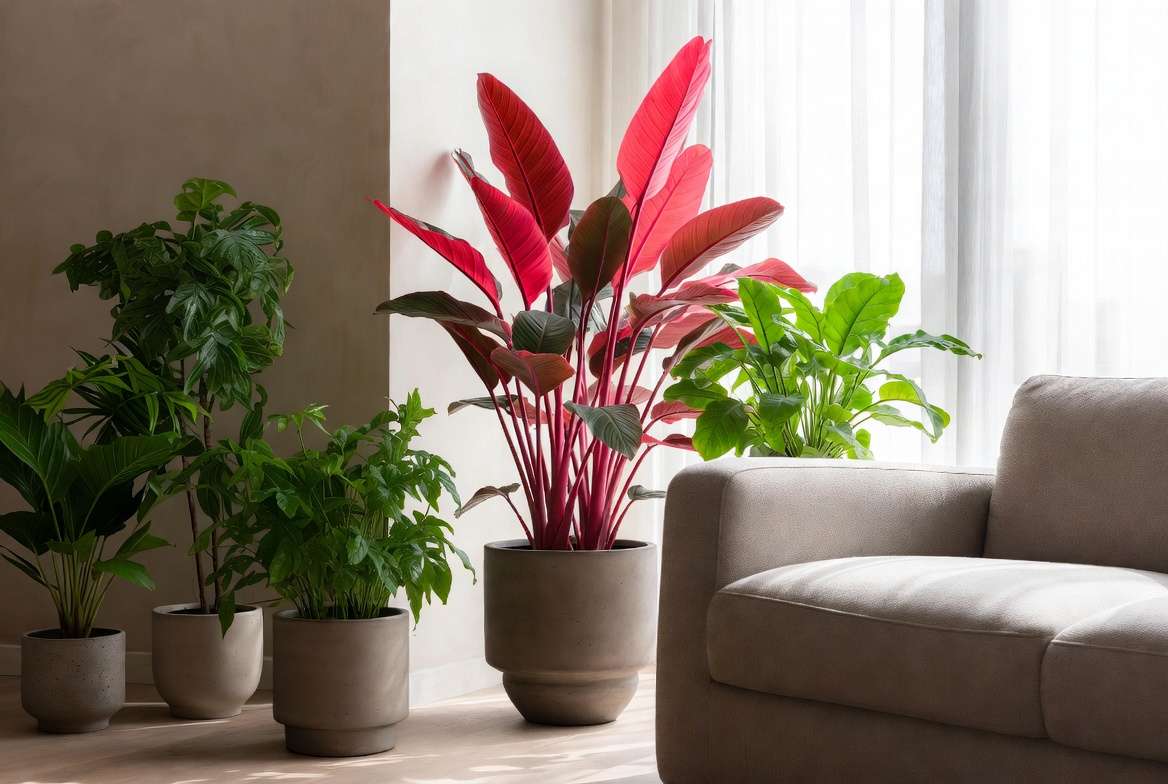
- Create dramatic contrast by pairing deep red foliage with neutral walls, black pots, or gold accents.
- Group with complementary plants: variegated green pothos, snake plants, or peace lilies for balance.
- Use as tabletop centerpieces or floor specimens in well-lit corners.
- Hanging varieties or trailing types in macramé planters add vertical interest.
Outdoor Landscaping:
- Plant Japanese Maples as focal points in woodland gardens.
- Use Heuchera as colorful edging along pathways or in mixed containers.
- Combine with ornamental grasses and silver foliage plants for stunning contrast.
Companion Planting Suggestions:
- Red Cordyline with yellow Croton and green ferns.
- Japanese Maple underplanted with Hostas and Coral Bells.
- Tropical containers featuring Red Banana as thriller, Coleus as filler, and trailing sweet potato vine as spiller.
These combinations not only look beautiful but also create microclimates that benefit all plants involved.
H2: Expert Tips & Advanced Care for Stunning Results 🌿
Drawing from years of hands-on experience and collaboration with botanical gardens, here are advanced insights that elevate your red leaves plant game:
- Maintaining Intense Red Coloration Year-Round: Provide bright indirect light, cooler nights (if possible), and avoid high-nitrogen fertilizers. Some growers use controlled stress (slightly drier conditions) to boost anthocyanins safely.
- Organic vs. Synthetic Approaches: While synthetic fertilizers offer quick results, organic methods build better long-term soil health and resilience. I recommend a hybrid approach tailored to each plant’s needs.
- Eco-Friendly Pest Control: Neem oil, insecticidal soaps, and beneficial insects (like ladybugs outdoors) are highly effective and safe for pets when used correctly.
- Common Myths Debunked:
- Myth: All red leaves plants need full sun. Reality: Most prefer bright indirect light.
- Myth: Red plants are always high-maintenance. Reality: Many varieties like Chinese Evergreen are quite forgiving.
- Myth: Red color means the plant is stressed. Reality: In most cases, it’s a healthy adaptation.
Pro Secret: Rotate your plants every 2–4 weeks for even growth and color development. Wipe leaves with a diluted neem solution monthly for shine and pest prevention.
H2: Frequently Asked Questions (FAQs) ❓
Q: Why are the red leaves of my plant turning green? A: Usually due to insufficient light or excess nitrogen. Move to brighter indirect light and adjust fertilizer.
Q: Are red leaves plants toxic to cats and dogs? A: Many (especially Philodendrons, Crotons, and some Ficus) contain calcium oxalates and can cause irritation. Keep out of reach of pets or choose pet-safe options like certain Heuchera.
Q: How fast do red leaves plants grow? A: Varies widely. Philodendrons and Crotons grow moderately fast; Japanese Maples and some Cordylines are slower. Expect noticeable growth during spring/summer with good care.
Q: Can red leaves plants survive winter outdoors? A: Depends on the variety and your climate. Hardy options like Japanese Maples and Heuchera can overwinter in zones 5+, while tropicals need indoor protection.
Q: What is the best red leaves plant for low light? A: Chinese Evergreen (Aglaonema) varieties top the list, followed by certain Philodendron cultivars.
Q: How do I revive a dying red leaves plant? A: Assess watering, light, and roots. Prune damaged parts, repot if necessary, and provide consistent care. Recovery can take weeks to months.
Additional FAQs cover topics like fertilizer brands, repotting timing, humidity hacks, and where to buy healthy specimens.
Conclusion
Caring for a red leaves plant is more than a hobby — it’s a rewarding journey that brings vibrant color, improved air quality, and natural beauty into your daily life. By following this detailed guide — from selecting the right variety to mastering care routines and troubleshooting challenges — you’re well-equipped to grow thriving, show-stopping plants that enhance your home or garden for years to come. 🌟
Remember, every plant parent starts somewhere, and even experts encounter setbacks. The key is observation, patience, and consistent care. Your red leaves plant will reward you with its stunning foliage and perhaps even inspire new additions to your collection.
Share your progress and photos in the comments — I love seeing your successes! For more expert plant care guides on specific varieties, troubleshooting, or seasonal tips, explore our other articles on the site.
Happy growing, and may your red leaves always stay brilliantly vibrant! 🍁🪴











