
You’ve carefully selected stunning drought-tolerant shrubs like lavender, rosemary, Texas sage, or ceanothus to build a beautiful, low-maintenance, water-wise garden that thrives even in dry conditions. You love the idea of less watering, lower bills, and an eco-friendly landscape… but then your plants start wilting, yellowing, or worse—rotting at the base. 😩 Sound familiar?
The harsh truth: “Drought-tolerant” doesn’t mean “zero water” or “ignore forever.” These resilient beauties still need proper irrigation for drought-tolerant shrubs, especially during their critical establishment phase and in prolonged dry spells. The #1 killer isn’t drought—it’s overwatering or shallow, frequent sprinkling that suffocates roots and invites disease.
As a horticulture enthusiast drawing from university extension guidelines (like those from Utah State, University of Maryland, and UC ANR), I’ve seen countless gardens transformed by shifting from guesswork to smart, science-backed watering. In this comprehensive guide, you’ll discover exactly how to water deeply and infrequently, choose the best methods, avoid deadly mistakes, and help your shrubs develop deep roots for true drought resilience. By the end, your landscape will not only survive—it will thrive with minimal effort and maximum sustainability. Ready to give your shrubs the care they deserve? Let’s dive in! 🌱
Why Drought-Tolerant Shrubs Still Need Proper Irrigation (The Science Behind It) 🔬
Drought-tolerant shrubs (often called xeriscape or water-wise plants) are adapted to survive extended dry periods once established, thanks to features like deep roots, waxy leaves, or reduced foliage. But “tolerant” ≠ “immune.” These plants evolved in Mediterranean, desert, or arid climates where rain comes in infrequent, heavy bursts—not daily drizzles.
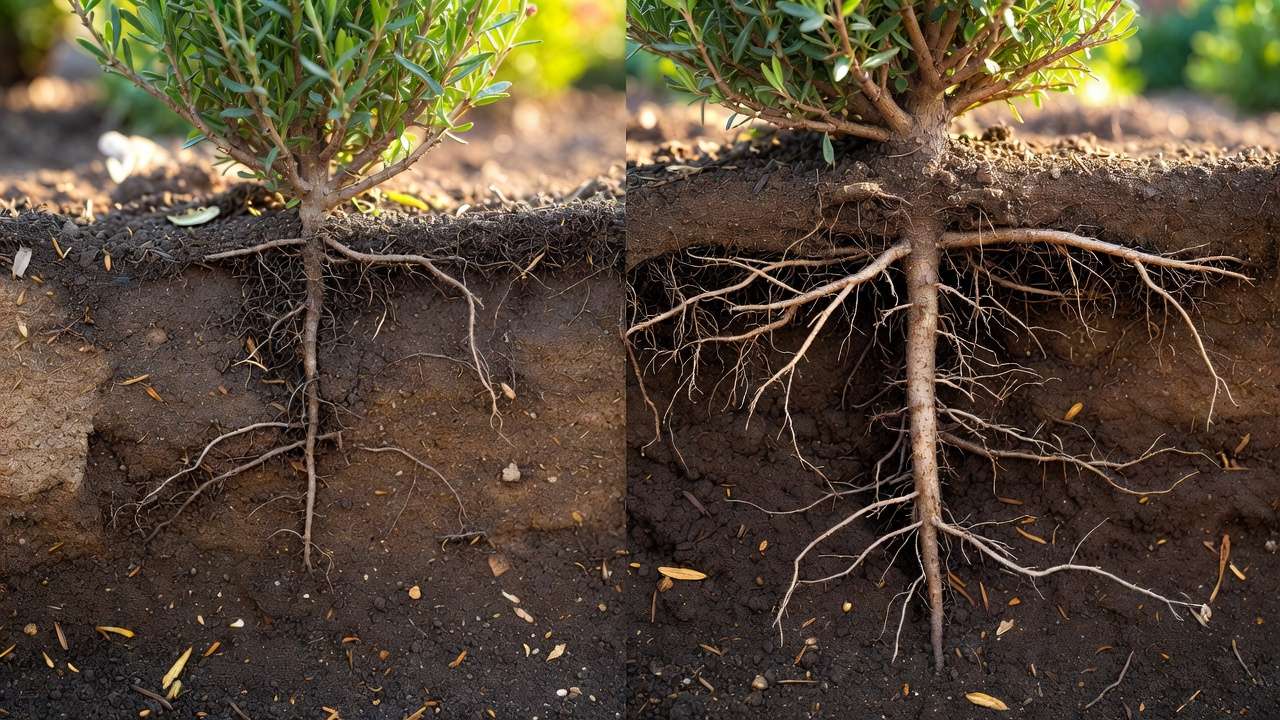
Proper irrigation mimics nature: deep soaking encourages roots to grow downward 18–24 inches or more, accessing subsurface moisture reserves. This builds true drought resistance. Frequent light watering? It keeps roots shallow (top 6 inches), making plants vulnerable during heatwaves or restrictions.
University research consistently shows overwatering causes far more failures than underwatering in these species. Excess moisture leads to root rot (from fungi like Phytophthora), poor oxygen access, and weakened defenses. Benefits of getting it right include:
- Healthier foliage and blooms
- Reduced water use (up to 50–70% savings with efficient methods)
- Lower maintenance and pest issues
- A more sustainable, pollinator-friendly garden 💚
Quick visual tip: Imagine shallow roots as a fragile umbrella vs. deep roots as a sturdy taproot system—only one withstands storms (or droughts)!
Understanding the Water Needs by Plant Stage 📅
Watering isn’t one-size-fits-all—it changes dramatically as shrubs mature.
During Establishment (First 1–2 Years) 🌱
Newly planted drought-tolerant shrubs have limited root systems confined to the original nursery pot size. They rely heavily on supplemental water to bridge to native soil and expand roots. Skipping this phase is a common rookie mistake—even “tough” natives suffer without it.
Guidelines from extensions like UC Davis and Colorado State:
- Water deeply once per week (or every 5–7 days in hot/windy weather) during the first dry summer.
- Apply enough to moisten soil 8–12 inches deep (about 1 inch of water equivalent, or 3–5 gallons per shrub depending on size).
- Use the finger test or soil probe: Dig 6–8 inches near (not at) the base—if dry, water.
- Gradually “wean” in year 2: Stretch to every 10–14 days, then monthly.
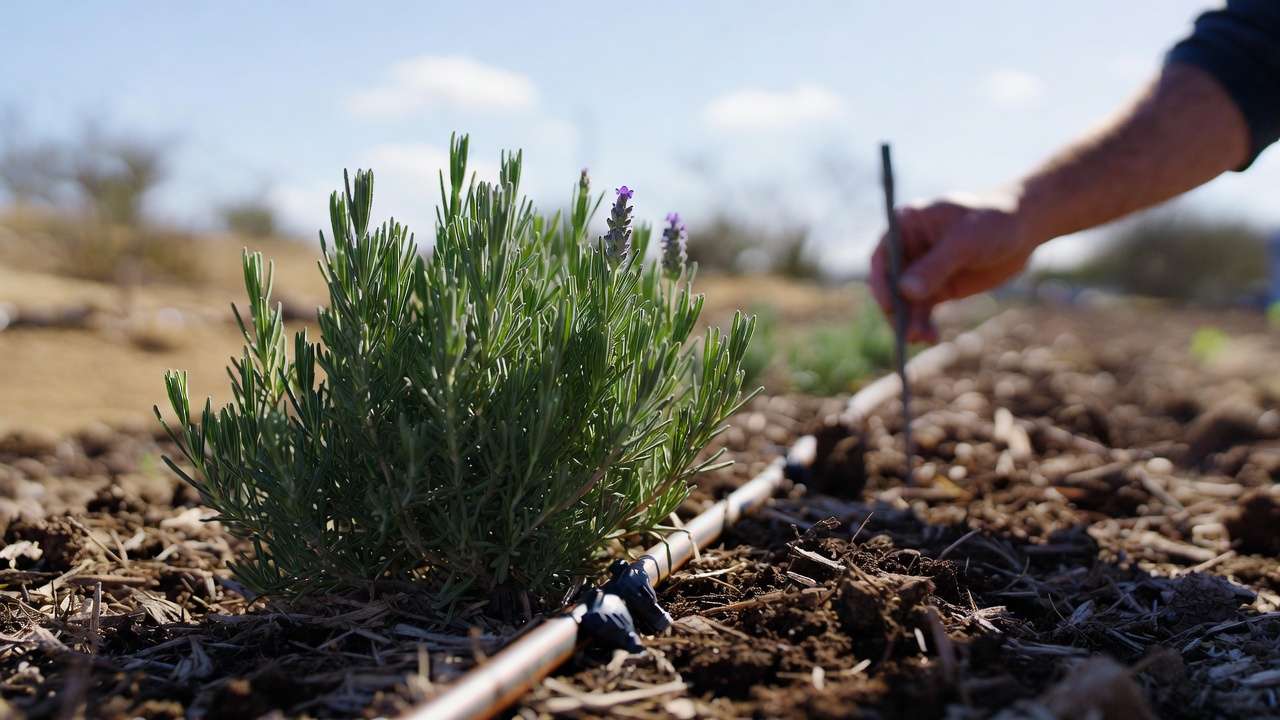
Pro tip: Plant in fall if possible—cooler temps and winter rains help establishment with less irrigation effort. 🌧️
For Mature, Established Shrubs (Year 3+) 🪴
Once roots reach deeper layers, many drought-tolerant shrubs thrive on rainfall alone in moderate climates, with occasional boosts during extreme drought.
- Water infrequently but deeply—every 2–4 weeks in summer, or only when signs appear (slight leaf curl, dull foliage, minor wilting).
- Aim for soil moisture to 12–18 inches.
- In rainy regions, mature plants may need zero supplemental water most years.
- “Train” them by gradually reducing frequency—this strengthens resilience.
Remember: Established doesn’t mean invincible. During heat domes or multi-year droughts, even tough sages appreciate a deep soak.
(Word count so far: ~950)
Best Methods for Proper Irrigation (Tools & Techniques) 🛠️
The goal? Deliver water slowly and directly to roots, minimizing evaporation, runoff, and leaf wetness (which invites powdery mildew).
Top Recommended: Drip Irrigation & Soaker Hoses 💦
These low-volume systems shine for xeriscape gardens:
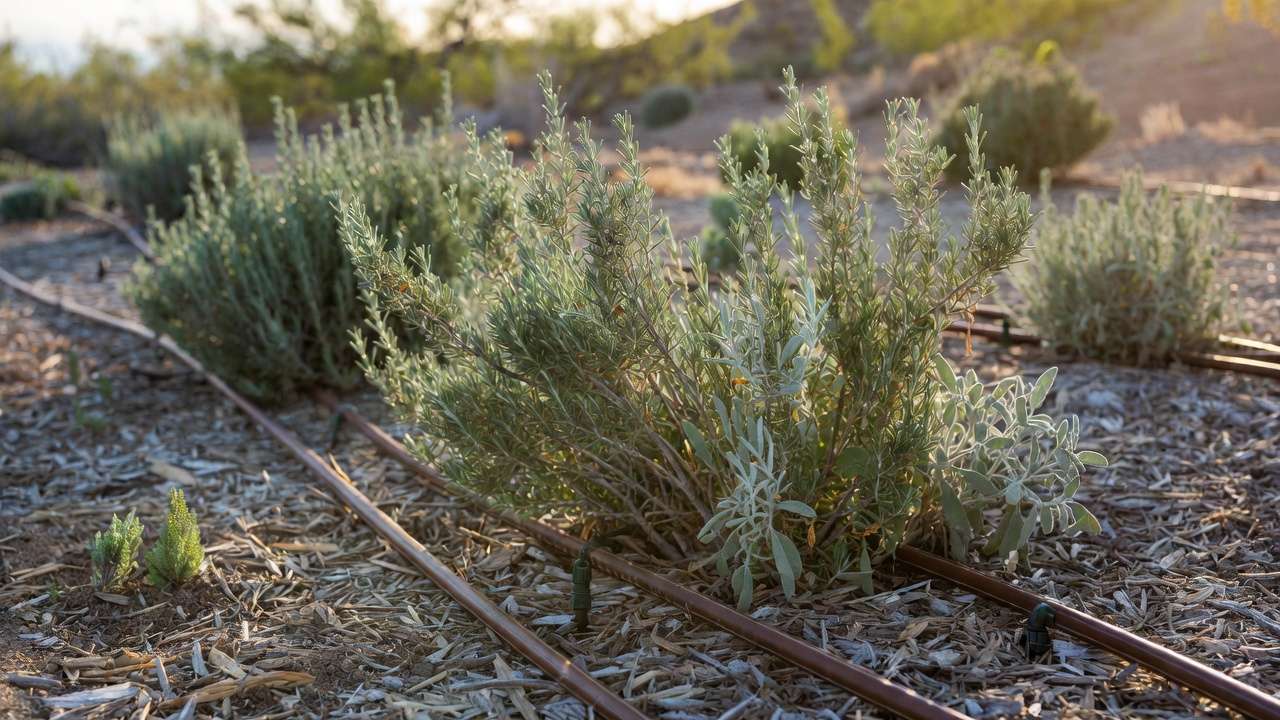
- Drip irrigation — Tubing with emitters (0.5–2 GPH) placed at the drip line (outer edge of canopy). Precise, efficient (30–70% water savings vs. sprinklers), and customizable. Brands like Rain Bird offer beginner kits.
- Soaker hoses — Porous hoses that “weep” water along their length. Great for rings around shrubs or hedges. Lay under 2–3 inches of mulch for best results.
Setup essentials:
- Position emitters/hoses away from stems to avoid crown rot.
- Run 30–60+ minutes per session for deep penetration.
- Add timers for consistency.
Other Options: Hand Watering, Basin Method, Oscillating Sprinklers (When to Use/Avoid)
- Hand watering — Use a wand or bubbler attachment for slow soaking. Ideal for small gardens or spot-checking.
- Basin method — Build a soil berm around the drip line to create a moat—fill slowly for deep absorption.
- Sprinklers — Avoid overhead for drought-tolerant types (wets foliage, high evaporation). Use only if oscillating low and slow.
Quick comparison table:
| Method | Efficiency | Best For | Drawbacks |
|---|---|---|---|
| Drip | Highest | Shrubs, targeted roots | Initial setup cost |
| Soaker Hose | High | Groups/hedges | Can promote weeds if not mulched |
| Hand/Basin | Medium | New plants, small areas | Time-intensive |
| Overhead | Low | Avoid for drought-tolerant | Wastes water, disease risk |
Timing: When to Water for Maximum Efficiency ⏰
- Early morning (before 9 AM) — Lowest evaporation, foliage dries quickly to prevent fungal issues 🌅
- Avoid midday (up to 50% loss) or evening (prolonged wetness = disease).
- Skip if rain is forecast—use a simple rain gauge to track.
(Word count so far: ~1,450)
How Much Water? The Golden Rules 📏
- Deep & infrequent — Target 1″ of water per session (moist to 12–18″). Use a screwdriver test: If it slides in easily 12 inches, good!
- Soil adjustments — Sandy soils drain fast (more frequent), clay holds longer (less often, slower application).
- Mulch magic — Apply 2–4″ organic mulch (bark, wood chips) around base (keep off stems). Retains moisture, cools roots, suppresses weeds 🌡️
- Weather smarts — Reduce in cool/cloudy periods; increase during heatwaves. Hydrozone plants (group similar needs).
This approach builds resilient shrubs that reward you with vibrant growth and blooms using far less water.
Common Mistakes to Avoid (And How to Fix Them) ❌
Even experienced gardeners fall into these traps when caring for drought-tolerant shrubs. Here are the most frequent errors—and exactly how to correct them for healthier plants.
- Overwatering (The Silent Killer)
- Symptom: Yellowing lower leaves, mushy stems, black roots, fungal growth at soil line, sudden plant death.
- Why it happens: Many assume “drought-tolerant” means very little water from day one, but then panic at slight wilting and drown the plant.
- Fix: Trust the soil test over your eyes. Water only when the top 6–8 inches are dry during establishment. For mature shrubs, wait until you see mild stress signs before giving a deep soak. Improve drainage with raised beds or amended soil if you have heavy clay.
- Shallow, Frequent Watering
- Creates a pancake of weak surface roots that die in the first real dry spell.
- Fix: Always aim for deep penetration. Use a long screwdriver or soil moisture meter to confirm water reaches 12–18 inches.
- Watering the Foliage Instead of the Root Zone
- Overhead sprinklers wet leaves, leading to powdery mildew, leaf spot, and wasted water through evaporation.
- Fix: Direct water to the drip line (outer edge of the canopy). Keep foliage dry whenever possible.
- Ignoring the Establishment Phase
- Planting and then “letting nature take over” too soon kills more new natives than anything else.
- Fix: Commit to a 1–2 year watering schedule—even if the plant tag says “low water.”
- Not Practicing Hydrozoning
- Grouping high-water and low-water plants together forces you to over- or under-water everything.
- Fix: Design beds by water needs—place Mediterranean herbs (rosemary, lavender) together, desert natives (Texas sage, agave) in another zone, and slightly thirstier shrubs (some ceanothus) near a downspout.
- Mulch Volcanoes & Crown Rot
- Piling mulch against stems traps moisture and invites rot.
- Fix: Keep mulch 2–3 inches away from trunks/stems in a donut shape.
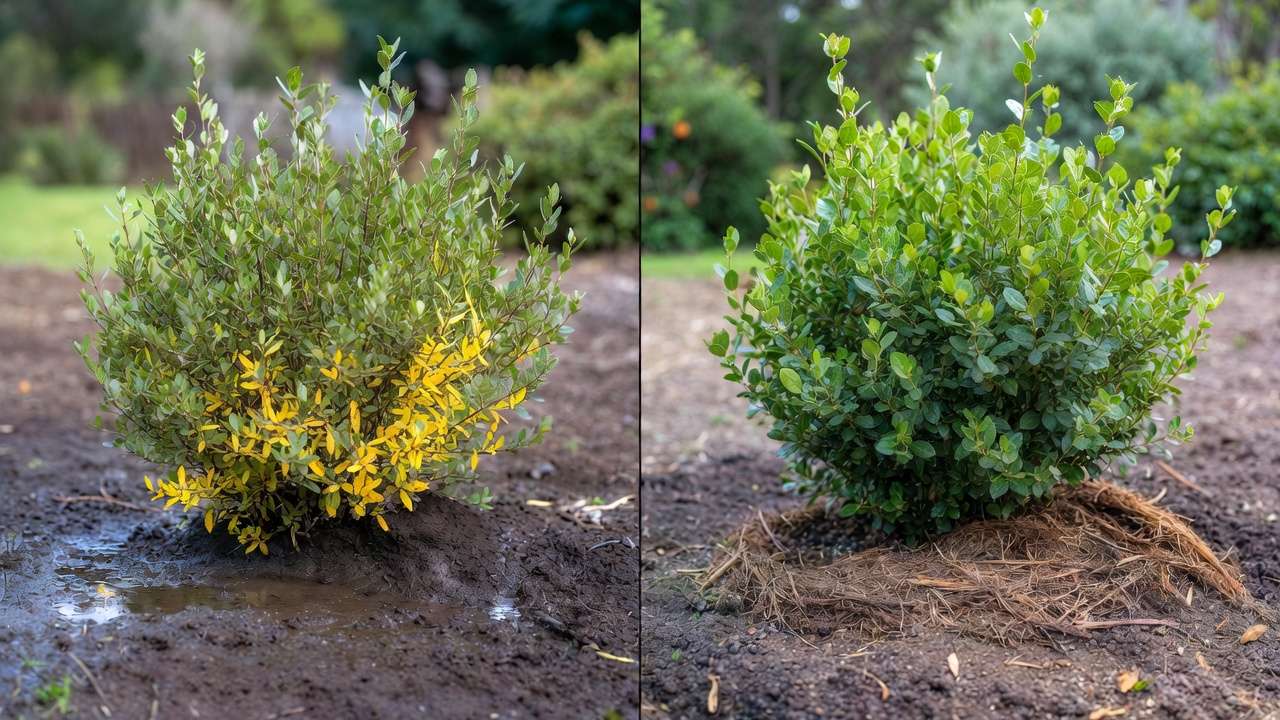
Real-world example: A client in a hot-summer climate planted ten lavender plants and watered them daily for the first month. Six died from rot within weeks. After switching to weekly deep soaks + drip emitters, the remaining four thrived and bloomed profusely the next season. Lesson learned! 🌸
Expert Insights & Pro Tips from Horticulturists 🌟
Drawing from trusted sources like the University of California Agriculture and Natural Resources (UC ANR), Utah State University Extension, and Texas A&M AgriLife:
-
Seasonal Adjustments — In winter dormancy (common for many Mediterranean shrubs), cut watering to almost nothing unless you have unusually dry/warm conditions. Spring and early summer often need the most attention as plants push new growth.
-
Heatwave Survival — During extreme temperatures (>100°F / 38°C), give established shrubs one emergency deep soak if leaves begin to crisp—then resume infrequent schedule.
-
Under- vs. Overwatering Cheat Sheet
Symptom Likely Cause Quick Check & Fix Wilting + dry soil Underwatering Water deeply; mulch if not already done Wilting + wet soil Overwatering/root rot Stop watering; improve drainage; check roots Yellow lower leaves Overwatering Reduce frequency; aerate soil Leaf curl + dull color Mild drought stress Deep soak; usually rebounds quickly Black mushy base Crown rot Remove affected tissue; avoid future wet stems -
Smart Tech Bonus — Soil moisture sensors (like the affordable XLUX or higher-end RainPoint models) take the guesswork out. Set alerts for when moisture drops below 20–30% at root depth.
-
Compost Lightly — A thin ½-inch top-dressing of compost once a year boosts soil biology without adding excess moisture retention that some drought-lovers dislike.
Real-World Examples: Popular Drought-Tolerant Shrubs & Their Irrigation Needs 🏷️
Here’s tailored advice for some of the most commonly planted drought-tolerant shrubs:
- Lavender (Lavandula spp.) Establishment: Weekly deep water first summer (soil dry 6 inches down). Mature: Every 3–4 weeks in summer or less; hates wet feet.
- Rosemary (Salvia rosmarinus) Very forgiving once established—often survives on rainfall alone in mild-winter areas. Establishment: 1–2 gallons weekly first year.
- Texas Sage / Texas Ranger (Leucophyllum frutescens) Famous for blooming after rain. Mature: Water only during extended drought; too much water = sparse blooms.
- Ceanothus (California Lilac) Establishment critical—weekly deep soaks first 1–2 summers. Mature: Summer water every 4–6 weeks max; many go summer-dormant.
- Butterfly Bush (Buddleja davidii) – drought-tolerant cultivars Needs slightly more than true xeriscape plants but still benefits from deep/infrequent schedule.
(Pro suggestion: Take before-and-after photos of your shrubs every season to track progress—it’s incredibly motivating! 📸)
FAQs: Answering Your Top Questions ❓
Q: How often should I water drought-tolerant shrubs in a hot, dry climate like the southwestern U.S. or parts of South Asia? A: Establishment: 1x/week deep soak. Mature: Every 2–4 weeks in peak summer, less otherwise. Always check soil first.
Q: Can drought-tolerant shrubs really survive with zero supplemental water? A: Yes—once fully established (3+ years) in regions with at least occasional winter rain. In very arid areas, occasional deep watering during multi-month dry spells is still wise.
Q: What’s the easiest irrigation system for beginners? A: Soaker hoses laid in rings under mulch—simple, affordable, and very effective.
Q: How do I know if I’m overwatering? A: Persistent wet soil below 6 inches, yellowing leaves from the bottom up, or a sour/moldy smell when digging near roots.
Q: Does mulch really make that big a difference? A: Absolutely—2–4 inches of organic mulch can cut watering needs by 25–50% while protecting roots from temperature swings.
Conclusion: Transform Your Garden with Smart Irrigation 🌟
Proper irrigation for drought-tolerant shrubs boils down to one golden principle: deep, infrequent, root-focused watering that trains plants to become self-sufficient powerhouses. Skip the daily sprinkles, embrace soil checks, invest in drip or soaker systems if you can, and layer on mulch like it’s armor.
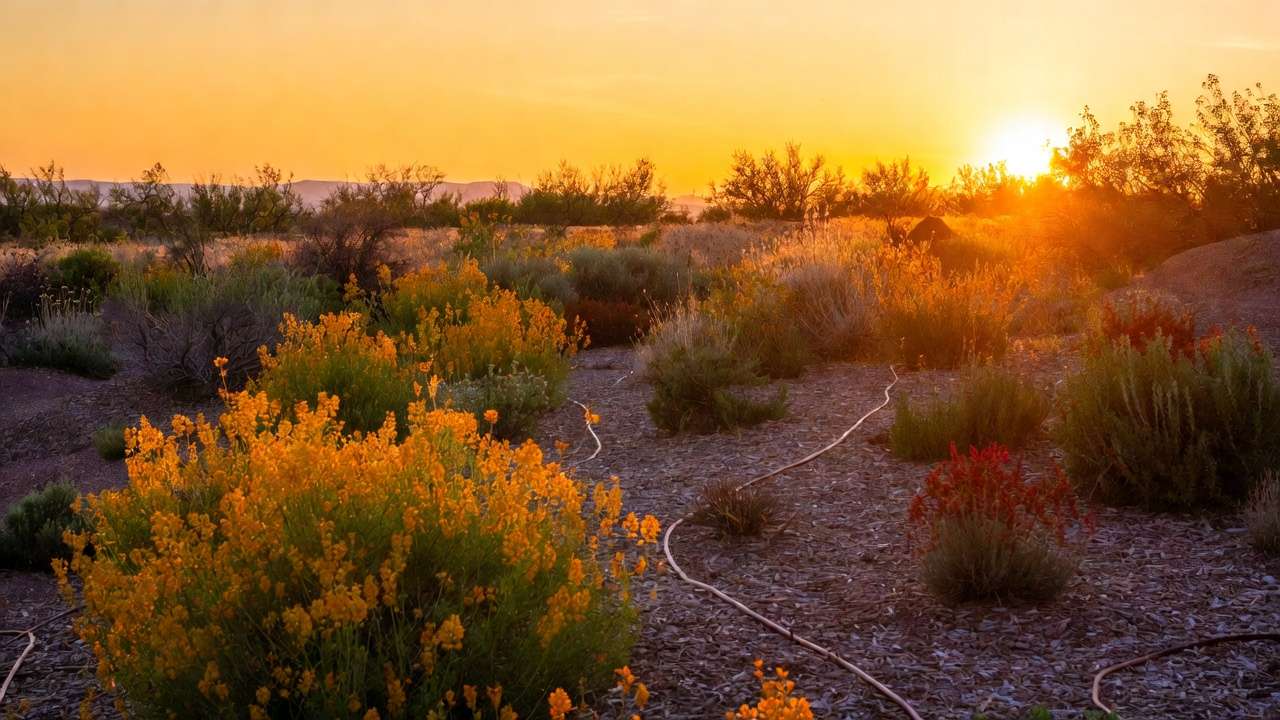
The payoff? Vibrant blooms, lush (yet low-maintenance) foliage, dramatically lower water bills, and a garden that laughs at drought while supporting pollinators and wildlife. You’re not just saving water—you’re building a resilient, beautiful landscape that will thrive for decades.
Start today: Grab a screwdriver or your finger, test your soil, and give your shrubs exactly what they need—not more, not less. Your future self (and your plants) will thank you! 🌸💚
Have questions about your specific shrubs or climate? Drop them in the comments—I’d love to help tailor this even more for your garden. Happy planting! 😊











