
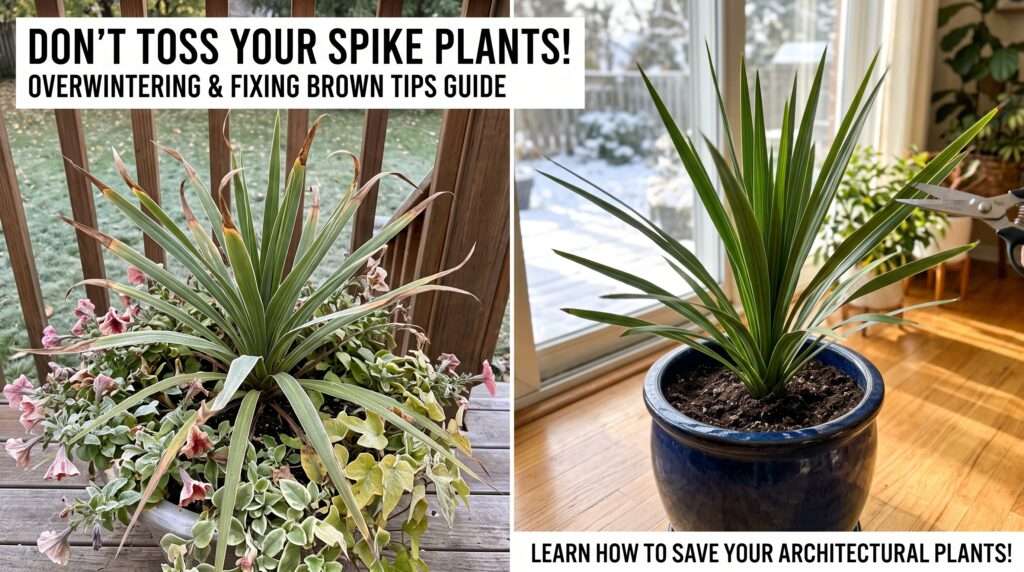
Every autumn, millions of gardeners pull up their fading summer containers and toss the spiky green centerpiece directly into the compost bin. But what if you knew you were throwing away a resilient, long-lived perennial that simply needed a change of scenery? These architectural beauties, commonly known as spike plants, are heavily marketed as cheap, single-season “thrillers” for patio pots. By the time the first frost approaches, they often suffer from unsightly crispy foliage, making gardeners all too eager to discard them and start fresh next spring.
However, replacing these mature specimens year after year becomes surprisingly expensive. In this comprehensive guide, you will learn the exact biological reasons behind those damaged, crispy leaves, how to cure them permanently, and a foolproof step-by-step method to overwinter your foliage so it grows massive for next year’s garden.
The Secret Life of Spike Plants: Annual vs. Tender Perennial 🤫
To understand how to care for these striking vertical accents, we first need to look at how the nursery industry operates. Garden centers categorize and sell these structural greens alongside petunias, marigolds, and sweet potato vines. Because they are native to warm climates (typically hardy only to USDA Zones 9–11), they will not survive a freezing winter outdoors in most regions. Consequently, the industry treats them as disposable annuals.
In reality, they are robust, drought-tolerant tropical perennials capable of growing into towering 10-to-15-foot tree-like specimens over several years if given the proper winter protection.
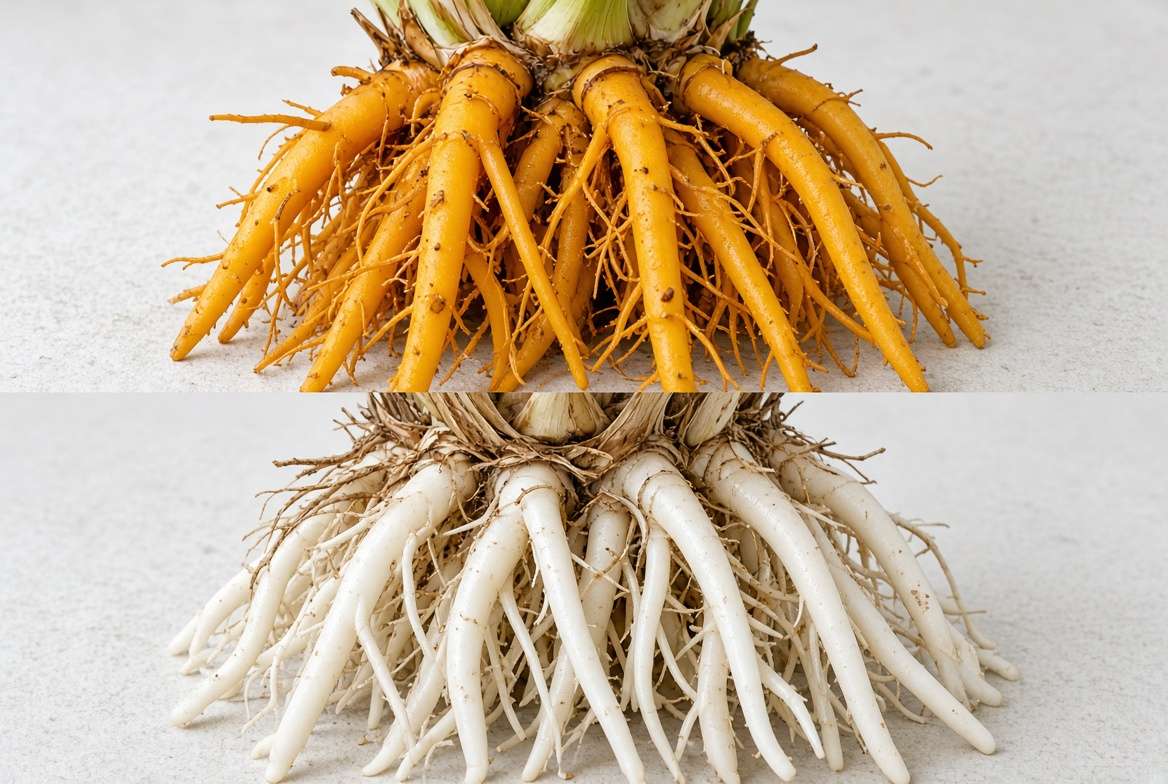
Dracaena vs. Cordyline: Know What You’re Growing 🧬 Adding to the confusion, garden centers often label two entirely different botanical species under the generic “spike plant” moniker. Knowing which one you have is critical for mastering its soil and watering requirements:
-
Dracaena indivisa (or Dracaena marginata varieties): These feature thinner, more rigid leaves. If you slide the plant out of its pot, you will notice the roots are distinctly vibrant orange or yellow. Dracaena species are highly susceptible to root rot and prefer their potting media to dry out significantly between waterings.
-
Cordyline australis: Often sold alongside Dracaena, Cordyline tends to have slightly wider, sometimes more colorful foliage (like burgundy or bronze varieties). Their root systems are predominantly white. While they still require excellent drainage, Cordyline appreciates slightly more consistent moisture than Dracaena.
Why Do Spike Plants Get Brown Tips? (And How to Fix It) 🍂
The single most common aesthetic issue gardeners face with these structural beauties is the dreaded brown, crispy leaf tip. This is rarely a sign of disease; rather, it is a physiological response to environmental stress.
Culprit 1: Tap Water Toxicity (The Chemical Burn) 🚰 Dracaena and Cordyline species are notoriously sensitive to the halogens found in municipal tap water—specifically fluoride and chlorine. Over time, these minerals build up in the potting soil and are drawn up through the roots. Because the plant cannot process fluoride, it pushes the chemical to the absolute furthest points of its vascular system: the leaf tips. The fluoride concentrates there, essentially causing a chemical burn that kills the tissue.
-
The Fix: Switch to rainwater, distilled water, or reverse osmosis water. While letting tap water sit in an open watering can for 24 hours will allow chlorine to evaporate, it will not remove fluoride.

Culprit 2: Inconsistent Soil Moisture and Root Rot 🏜️ Swinging between bone-dry soil and heavily waterlogged roots damages the fragile root hairs responsible for absorbing water. If the roots are rotting from sitting in soggy, poorly aerated soil, they cannot transport moisture to the top of the plant, resulting in dry, brown tips.
-
The Fix: Ensure your container has large drainage holes. Utilizing a clear plastic nursery pot as an inner liner can be an excellent strategy for monitoring soil moisture levels and visually inspecting root health without disturbing the plant. Always use a chunky, well-draining potting mix amended with perlite and bark to promote oxygen flow to the root zone.
Culprit 3: The Humidity Struggle 💧 In their native habitats, these plants enjoy moderate to high ambient humidity. When subjected to dry indoor air conditioning, central heating, or scorching summer winds, the narrow leaves transpire (lose moisture) faster than the root system can replenish it. The very edges and tips of the foliage are the first to desiccate.
✂️ Expert Technique: How to Trim Brown Tips Correctly
You cannot reverse the browning once the tissue is dead, but you can safely restore the plant’s aesthetic appeal without causing further damage.
-
Wipe a pair of sharp, precision pruning snips with rubbing alcohol to sterilize them.
-
Do not simply chop the tip off straight across, as this leaves an unnatural, blunt edge. Instead, cut at an angle on both sides, mimicking the natural tapered point of the original leaf.
-
Crucial Step: Always leave a microscopic sliver (about 1/16th of an inch) of the brown, dead tissue intact. Do not cut into the living green tissue. If you cut the green tissue, the plant will form a new brown wound to heal the fresh cut, trapping you in an endless cycle of trimming.
Would you like me to continue generating the next sections detailing the exact step-by-step overwintering transition, winter care routines, and spring revival methods?
Step-by-Step: How to Overwinter Spike Plants Indoors ❄️🏡
Transitioning a mature tropical plant from full summer sun to the dry, artificially heated environment of your living room is incredibly stressful for the plant’s vascular system. If done incorrectly, the plant will drop its lower leaves and decline rapidly. Here is the foolproof transition plan to bring your architectural foliage indoors successfully.
Step 1: Timing the Great Migration ⏰
Do not wait until the first frost warning to act. Spike plants will suffer chilling injury if exposed to temperatures below 40°F (4°C), and their growth halts completely when nights drop below 50°F (10°C). The ideal time to bring them indoors is in early autumn when outdoor and indoor temperatures are relatively similar. This reduces transplant shock and temperature-related stress.
Step 2: Un-Potting and the Crucial Pest Inspection 🐛
Most gardeners use these structural plants as the central “thriller” in large mixed containers. To overwinter them, you must separate them from their dying summer companions.
-
The Un-Potting Process: Gently dig around the base of the plant with a trowel, working a few inches away from the main stem to preserve as much of the root ball as possible. Untangle the thick, fleshy roots of the spike plant from the fine, fibrous roots of the surrounding annuals.
-
Pest Eradication: This is the most critical step. Outdoor plants harbor microscopic hitchhikers like spider mites, thrips, and fungus gnats, which will rapidly multiply in a predator-free indoor environment. Hose down the foliage thoroughly with a gentle stream of water to knock off heavy infestations. Then, spray the entire plant—especially the undersides of the leaves and the tight central whorl—with an organic insecticidal soap or a diluted neem oil solution. Repeat this treatment three days before bringing the plant inside.
Step 3: Choosing the Right Pot and Soil Mix 🪴
Because these plants grow tall and woody, they become incredibly top-heavy. Always choose a heavy ceramic, terracotta, or thick resin pot to prevent them from tipping over. Ensure the pot is only 1 to 2 inches larger in diameter than the root ball; too much excess soil will hold stagnant moisture and lead to winter root rot.
Use a high-quality, chunky indoor potting mix. A perfect recipe is 50% standard potting soil, 25% coarse perlite, and 25% orchid bark. This aerated blend ensures water flushes through rapidly while providing the necessary oxygen to the root zone.
Step 4: Replicating Outdoor Light Indoors ☀️
Indoors, light intensity drops drastically. Place your newly potted plant directly in front of your brightest window—ideally facing South or West. If your home lacks adequate natural sunlight, consider supplementing with a full-spectrum LED grow light. Position the grow light 12 to 18 inches above the highest foliage canopy and run it for 10 to 12 hours a day to prevent the plant from becoming weak and leggy.
Winter Care Routine: Surviving the Dormant Months 🗓️
Once inside, your plant will enter a period of quasi-dormancy due to the reduced daylight hours. Its metabolic rate slows, meaning its basic care requirements shift drastically.
Watering Adjustments for Winter Slumber 🚿
The number one killer of overwintering tropical perennials is overwatering. During the winter, you must adopt the “soak and dry” method. Allow the top 50% to 75% of the potting soil to dry out completely before watering again. When you do water, soak the soil thoroughly until water runs out the drainage holes, then immediately empty the drainage saucer. Never let the pot sit in standing water.
Temperature and Drafts 🌬️
Maintain indoor temperatures between 60°F and 75°F (15°C – 24°C). Keep the plant strictly away from heating vents, radiators, and fireplaces, as the direct blasts of hot, dry air will instantly trigger crispy brown leaf tips. Similarly, avoid placing the plant near drafty exterior doors or uninsulated windowpanes where cold winter drafts can cause cellular damage to the leaves.
Should You Fertilize Spike Plants in Winter? 🚫
Expert Insight: Absolutely not. Because the plant’s growth slows to a crawl during the winter months, it cannot utilize extra nutrients. Applying liquid or granular fertilizer during dormancy leads to a toxic build-up of mineral salts in the soil. This salt toxicity burns the root hairs and—as you now know—manifests as severe brown tips on the foliage. Halt all feeding from October until early April.
Alternative Overwintering: The “Dark Dormancy” Garage Method 📦
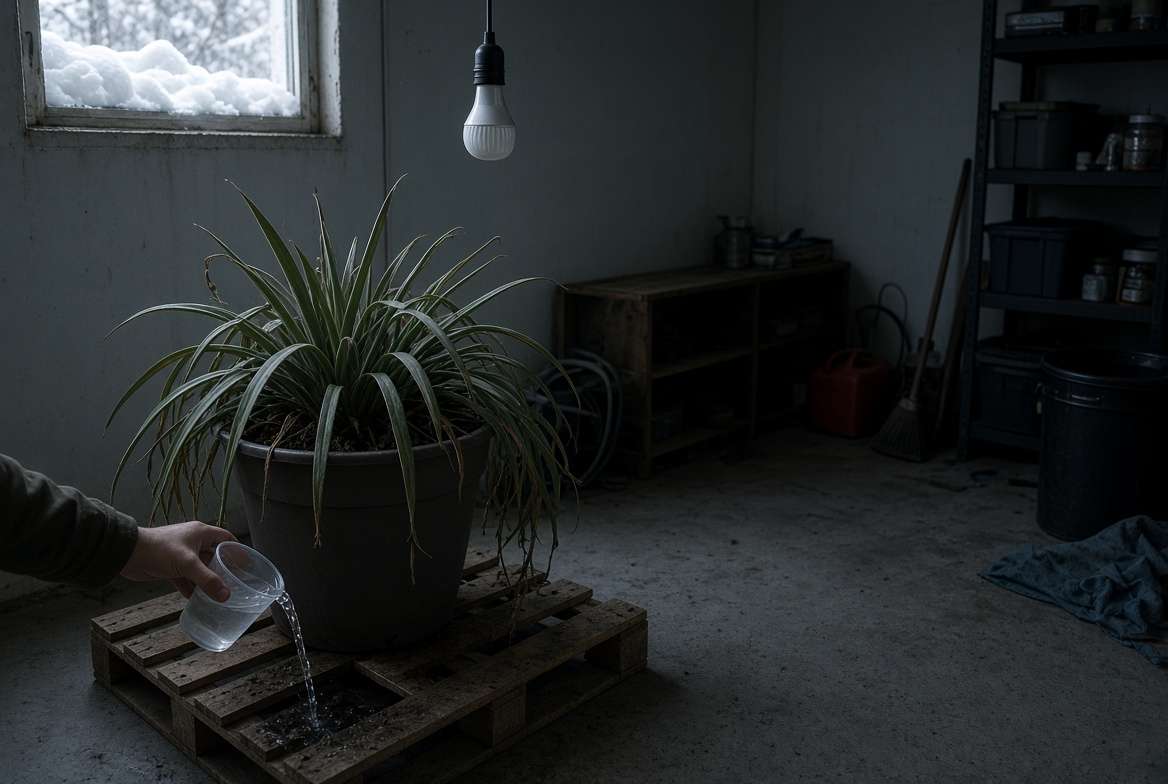
If you do not have a sunny, South-facing window or simply lack the floor space for a 4-foot-tall indoor tree, you can utilize the “dark dormancy” method. This technique forces the plant into a deep sleep, allowing it to survive the winter with practically zero maintenance.
Forcing Dormancy in Cool Spaces 🥶
Move the potted plant into an attached, unheated garage, a cool basement, or an insulated shed. The space must remain consistently between 40°F and 50°F (4°C – 10°C) and never drop below freezing. At these temperatures, the plant enters full dormancy. It does not require bright sunlight to survive this resting phase; a dim corner or a small garage window provides adequate ambient light.
Minimal Care for Sleeping Plants 🛌
During dark dormancy, the plant’s moisture uptake stops almost entirely. You should only provide a tiny sip of water—perhaps a cup or two—once every four to six weeks. The goal is simply to keep the thickest roots from completely desiccating and dying off. The top foliage may look a bit sad or droopy by late February, but as long as the roots are alive and the main stalk is firm, the plant will rebound vigorously in the spring.
Spring Revival: Waking Up Your Spike Plants 🌸
When the danger of frost has thoroughly passed and nighttime temperatures are consistently above 50°F (10°C), it is time to wake your plant up for the summer growing season.
The Hardening Off Process 🌤️
Do not move your indoor plant directly into full, scorching May sunlight. The leaves that developed indoors are thin and tender; immediate outdoor sun exposure will cause massive sunburn, turning the green leaves bleached white or crispy brown. You must “harden off” the plant.
-
Days 1-3: Place the plant in full, deep shade (like under a covered porch).
-
Days 4-7: Move it to dappled sunlight or a spot that receives gentle morning sun and afternoon shade.
-
Day 8+: Finally, transition it to its permanent full-sun location in your garden.
Repotting and Spring Feeding 🌱
Spring is the perfect time to slide the plant out of its pot and inspect the roots. If they are tightly circling the bottom, upgrade to a pot one size larger and refresh the potting mix. To fuel its summer growth spurt, apply a balanced, slow-release organic fertilizer (like a 10-10-10 formulation) to the top of the soil and water it in thoroughly.
Frequently Asked Questions (FAQs) 🤔
-
Q: Will spike plants survive a freeze or winter frost outdoors?
-
A: No. While they can tolerate a light, brief chill (down to about 40°F), a hard freeze will rupture their plant cells, turning the foliage to mush and killing the root system. They must be overwintered indoors in climates colder than USDA Zone 9.
-
-
Q: How big do overwintered spike plants actually get?
-
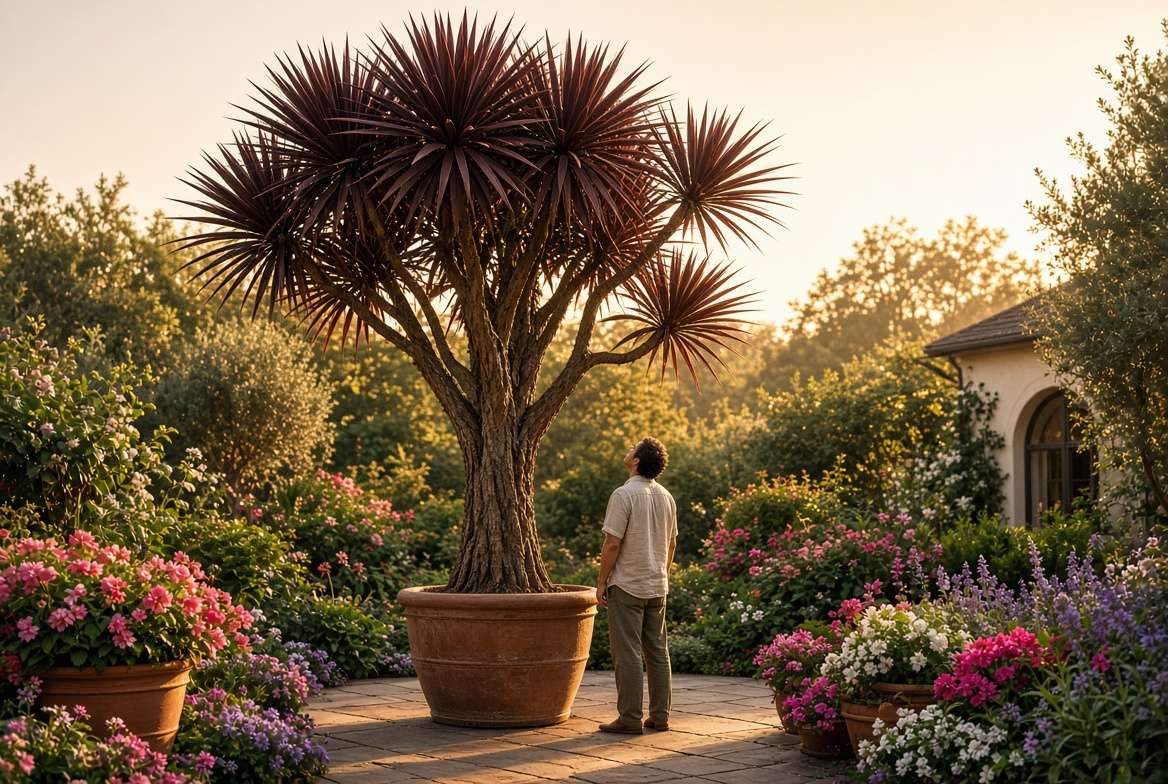
A: When properly cared for over several years, both Dracaena and Cordyline species shed their lower leaves to form a woody trunk, transforming into stunning, palm-like trees that can reach 10 to 15 feet in height!
-
-
Q: Can I propagate my plant if it gets too tall for my living room?
-
A: Yes! If your overwintered plant hits the ceiling, you can propagate it via stem cuttings or air layering. Simply decapitating the plant (cutting the top foliage off) will force the remaining woody stalk to push out multiple new growth points, creating a multi-headed tree.
-
-
Q: Are these plants toxic to cats and dogs?
-
A: Yes. Both Dracaena and Cordyline contain chemical compounds called saponins. If ingested by pets, they can cause excessive drooling, vomiting, weakness, and loss of coordination. Keep overwintering plants safely out of reach of curious animals.
-
Conclusion & Call to Action ✨
Treating your spike plants as disposable summer annuals is a tragic waste of a spectacular tropical perennial. By understanding their sensitivity to tap water chemicals, providing excellent drainage, and bringing them indoors before the cold sets in, you can cultivate massive, architectural centerpieces that will anchor your patio pots for years to come.
Remember the golden rules for a healthy winter transition: stop the fertilizer, switch to the soak-and-dry watering method, and keep those precision snips handy for expertly trimming any lingering brown tips.
Now it’s your turn! Have you successfully overwintered your patio thrillers, or are you trying it for the first time this year? Let me know how tall your oldest spike plant is in the comments below, or tag us in photos of your massive container gardens on our social media pages. Happy planting! 🌱💚











