
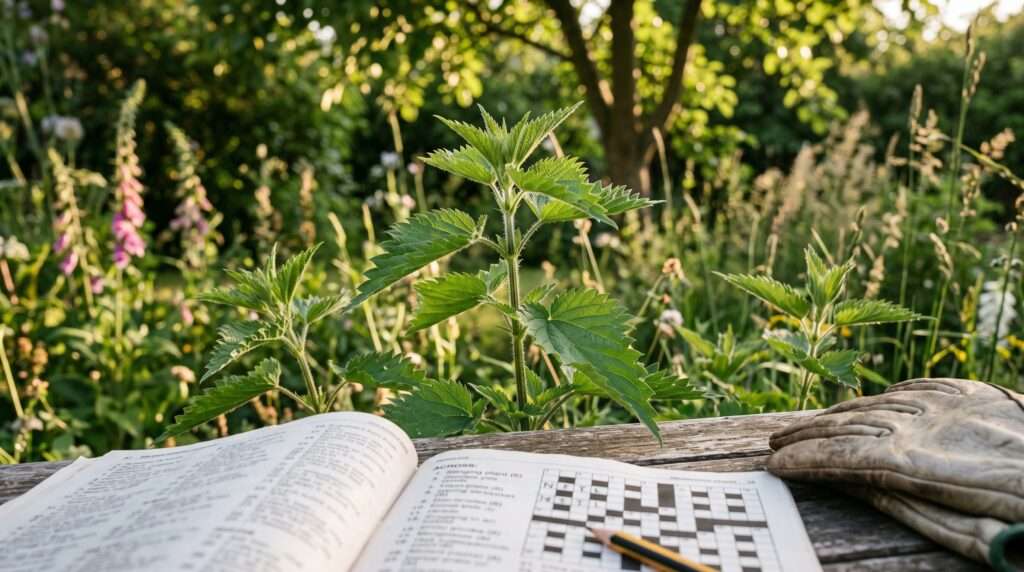
You’re sitting at the kitchen table, enjoying a fresh cup of coffee and tackling the morning puzzle, when you get stuck on a familiar hint: stinging plant crossword clue. It’s a six-letter word on the tip of your tongue, and figuring it out is the only thing standing between you and a completed grid. ☕📰
The answer you are looking for is almost certainly NETTLE.
But here is where the puzzle page meets the real world: while solving that clue brings a quick hit of satisfaction, realizing that this exact same stinging plant might be lurking in your backyard garden is an entirely different kind of challenge. Stinging nettles are notorious for their painful, burning sting, and if you have them growing near your prized shrubs, vegetable beds, or walking paths, you need a plan.
As plant care specialists and landscaping experts, we know that successfully identifying and managing these prickly invaders is essential for a safe, beautiful, and barefoot-friendly yard. In this comprehensive guide, we won’t just help you finish your crossword—we’re going to walk you through exactly how to identify, safely remove, and naturally control stinging nettles. We’ll even explore the surprising ecological benefits these controversial plants bring to your garden ecosystem. 👩🌾✨
Let’s dig in!
🧩 The Most Common Answers for “Stinging Plant Crossword Clue”
If you’re here strictly for puzzle-solving, let’s get you those answers immediately. Crossword creators love botanical clues, and depending on the letter count, there are a few usual suspects.
NETTLE (6 Letters) 🌿
This is the holy grail of crossword answers for this specific clue. When puzzle constructors need a six-letter word for a prickly, irritating weed, they default to “nettle.” Botanically known as Urtica dioica (stinging nettle), this plant is famous across the globe for the painful welts it leaves on unsuspecting hikers and gardeners.
URENS (5 Letters) 🔠
If you have five boxes to fill and the second letter is an ‘R’, you are looking at a classic crossword curveball: URENS. This refers to Urtica urens, commonly known as the dwarf nettle, annual nettle, or small nettle. It is a smaller cousin of the standard stinging nettle but packs an equally painful punch.
BRIAR or ALOE (5 Letters / 4 Letters) 🌵
Occasionally, clues are phrased slightly differently, such as “prickly plant” or “spiky succulent.” If “nettle” doesn’t fit, try BRIAR (referring to thorny shrubs like wild roses or blackberries) or ALOE. Keep in mind that botanically speaking, a “sting” involves injected venom (like a nettle), while a “prick” is purely mechanical damage from a thorn.
💡 Expert Tip: Your Botanical Crossword Cheat Sheet
-
4 Letters: ALOE, WEED
-
5 Letters: URENS, BRIAR, THORN
-
6 Letters: NETTLE, CACTUS
-
7 Letters: THISTLE
🌱 Beyond the Puzzle: How to Identify Stinging Nettles in Your Yard
Now that your crossword is complete, let’s head out to the garden. Urtica dioica is a highly adaptable, aggressive perennial weed. Proper stinging nettle identification is your first line of defense before you accidentally brush your bare leg against one while weeding the tomatoes.
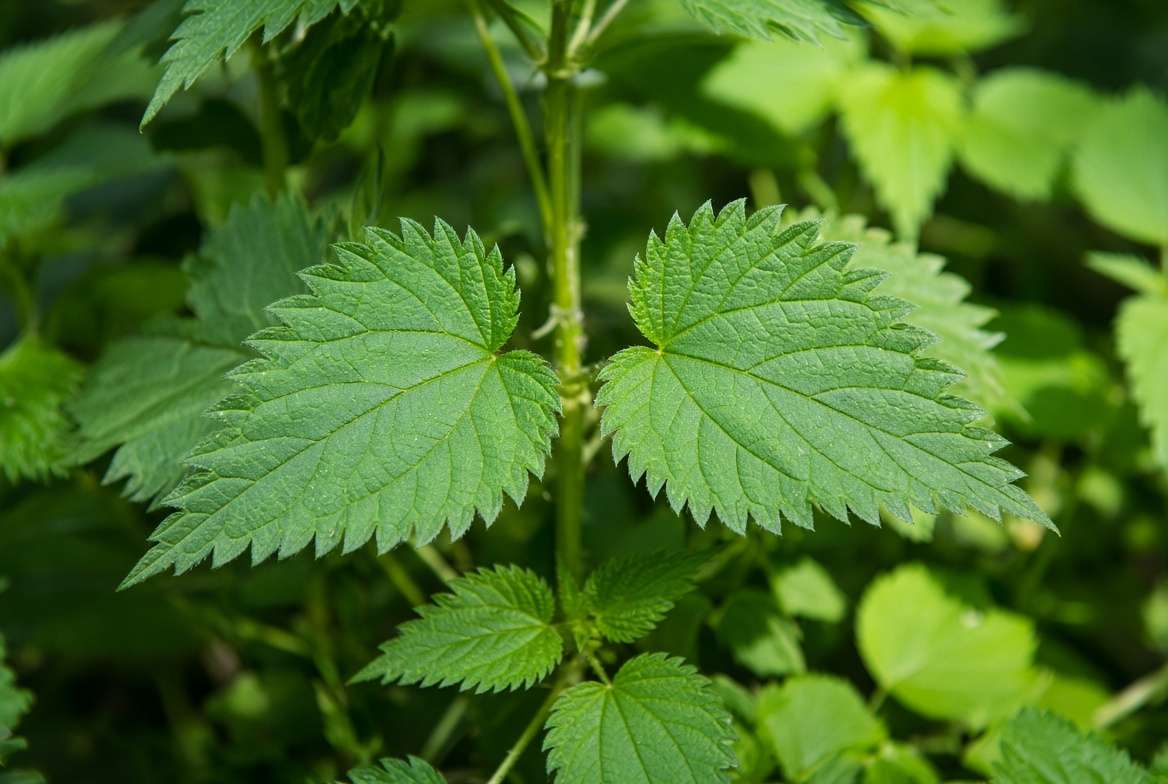
Key Visual Characteristics to Look For 🔍
Stinging nettles can grow quite tall—often reaching between 3 to 7 feet in optimal conditions. Here is exactly what to look for:
-
Leaves: The leaves are vibrant green, heart-shaped (cordate), and feature deeply jagged, saw-toothed edges. They grow opposite each other along the stem.
-
Stems: If you look closely (without touching!), you will notice the stems are square-shaped rather than perfectly round.
-
Flowers: From late spring through summer, nettles produce small, inconspicuous, greenish-white flower clusters that droop down from the leaf axils in long, stringy catkins.
The Danger Zone: Identifying the Stinging Hairs 🔬
What truly sets the nettle apart from lookalikes (like dead nettle or mint) is its defense mechanism. The stems and the undersides of the leaves are heavily coated in tiny, hollow, hair-like structures called trichomes. They look like soft, fuzzy white hairs, but they are actually brittle biological needles.
Preferred Growing Conditions & Habitats 🏡
Where are you most likely to find them? Nettles are opportunistic and thrive in soils that are rich in nitrogen and phosphorus. You will frequently spot them:
-
At the edges of damp woodlands and shaded tree canopies.
-
Growing vigorously around compost heaps and manure piles.
-
In disturbed, damp soils near ditches or garden perimeters.
-
Taking over neglected raised garden beds.
🧪 Why Do These Plants Sting? The Science Behind the Itch
Have you ever wondered why brushing past a simple green weed feels like getting stung by a dozen angry bees? The mechanism behind the stinging nettle is a fascinating marvel of botanical evolution.
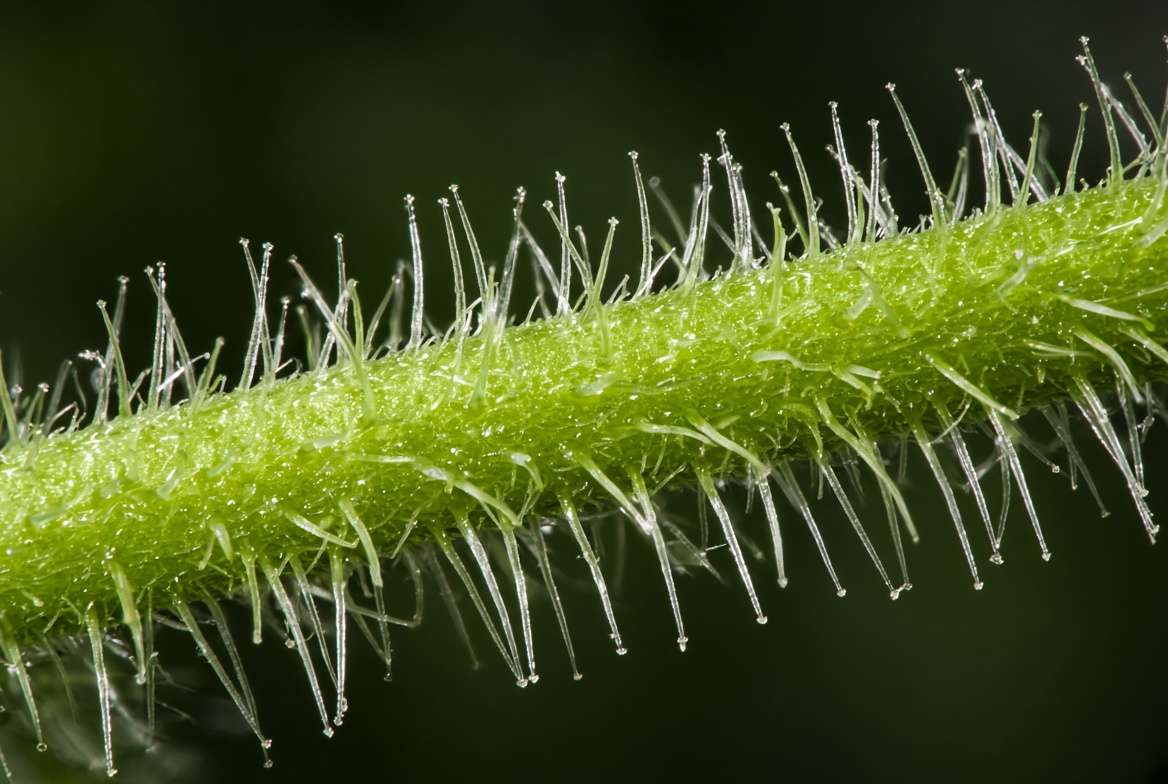
Nature’s Tiny Hypodermic Needles 💉
Those fuzzy trichomes we mentioned earlier? They are made of silica, the same material that makes up glass. When a human, dog, or grazing animal brushes against the plant, the fragile, bulbous tips of these silica hairs break off on an angle. This creates a microscopic, razor-sharp hypodermic needle that instantly pierces the top layer of your skin.
The Chemical Cocktail Inside 🧬
The physical poke isn’t what causes the lasting agony; it’s what the plant injects into you. The base of each broken hair acts like a tiny squeeze bulb, pumping a potent cocktail of chemicals directly into your epidermis. This venom includes:
-
Histamine: Triggers immediate inflammation, redness, and the formation of raised hives (urticaria).
-
Acetylcholine & Serotonin: These neurotransmitters directly stimulate your pain receptors, causing that intense, burning sensation.
-
Formic Acid: The exact same irritant found in the venom of fire ants and bee stings!
According to dermatological studies, this combination triggers a localized allergic and inflammatory response that can last anywhere from a few hours to several days, depending on the severity of the exposure and your skin’s sensitivity.
🧤 How to Safely Remove and Control Stinging Plants
Once you have positively identified Urtica dioica creeping into your landscape, it is time to take action. Because these plants reproduce both by seed and through an aggressive underground root system (rhizomes), ignoring them will quickly lead to a full-blown infestation. Here is the professional landscaping protocol for getting rid of nettles safely and effectively.

Step 1: Suit Up – Essential Protective Gear 🥾
Do not attempt to pull a stinging nettle barehanded, and do not trust standard gardening apparel. The microscopic silica needles can easily penetrate thin cotton, spandex, or loosely woven gardening gloves.
Before you head into the danger zone, equip yourself with:
-
Heavy-Duty Gloves: Opt for thick leather gloves or heavy rubber-coated gauntlets that extend past your wrists.
-
Long Sleeves and Pants: Wear thick denim or canvas trousers and a heavy long-sleeved shirt.
-
Proper Footwear: Closed-toe shoes or tall rubber gardening boots are an absolute must. Avoid sandals at all costs!
Step 2: Mechanical Control (The Dig-and-Pull Method) ⛏️
For small to moderate patches, hand-pulling is the most effective and environmentally friendly weed control method. However, there is a specific technique required.
Nettles spread via creeping underground rhizomes. If you simply snap the stem off at the soil line, the root system will regenerate a new plant within weeks.
-
Wait for rain: Attempt your weeding a day or two after a deep rainfall when the soil is loose and moist.
-
Use a weeding fork: Plunge a garden fork or trowel deeply into the soil beside the plant to loosen the dirt around the root mass.
-
Pull from the base: Grasp the plant as close to the soil line as possible and pull gently and steadily, ensuring you extract the bright yellow creeping roots entirely.
Step 3: Smothering and Soil Solarization ☀️
If you are dealing with a massive patch of nettles that has taken over a raised bed or a neglected corner of the yard, mechanical pulling might be too labor-intensive. Instead, use the power of the sun and smothering techniques.
-
The Cardboard Method: Cut down the nettles with a scythe or string trimmer (wear protective gear to shield yourself from flying debris!). Immediately cover the area with overlapping layers of thick, unwaxed cardboard. Top this with 3 to 4 inches of heavy wood mulch. This blocks all sunlight and starves the rhizomes.
-
Soil Solarization: Alternatively, cover the freshly cut area with thick, clear, UV-resistant plastic sheeting. Weigh down the edges with rocks or soil. Leave it baking in the hot summer sun for 4 to 6 weeks. The intense heat will essentially cook the nettles, their roots, and any seeds waiting to germinate in the topsoil.
Step 4: Chemical & Organic Herbicides (When to Use Them) 🧴
As plant care experts, we generally recommend mechanical and cultural controls first. However, severe infestations may require herbicidal intervention.
-
Systemic Herbicides: Products containing Glyphosate or Triclopyr are highly effective because they are absorbed through the leaves and transported down into the deep root system, killing the entire plant. Apply carefully as a spot treatment to avoid harming nearby desirable plants.
-
Natural Weed Killers: If you prefer an organic route, a horticultural vinegar solution (20% to 30% acetic acid—much stronger than household vinegar) mixed with a dash of dish soap can burn the foliage of the plant. Keep in mind that vinegar is a contact herbicide; it will kill the top of the nettle but may require repeated applications to ultimately starve and kill the underground rhizome.
🦋 The Silver Lining: Are Stinging Nettles Actually Useful?
It might be hard to believe when you are nursing a painful welt, but stinging nettles are incredibly valuable within the broader ecosystem. Many organic gardeners actually choose to leave a small, controlled patch of nettles in the wilder edges of their property. Here is why:
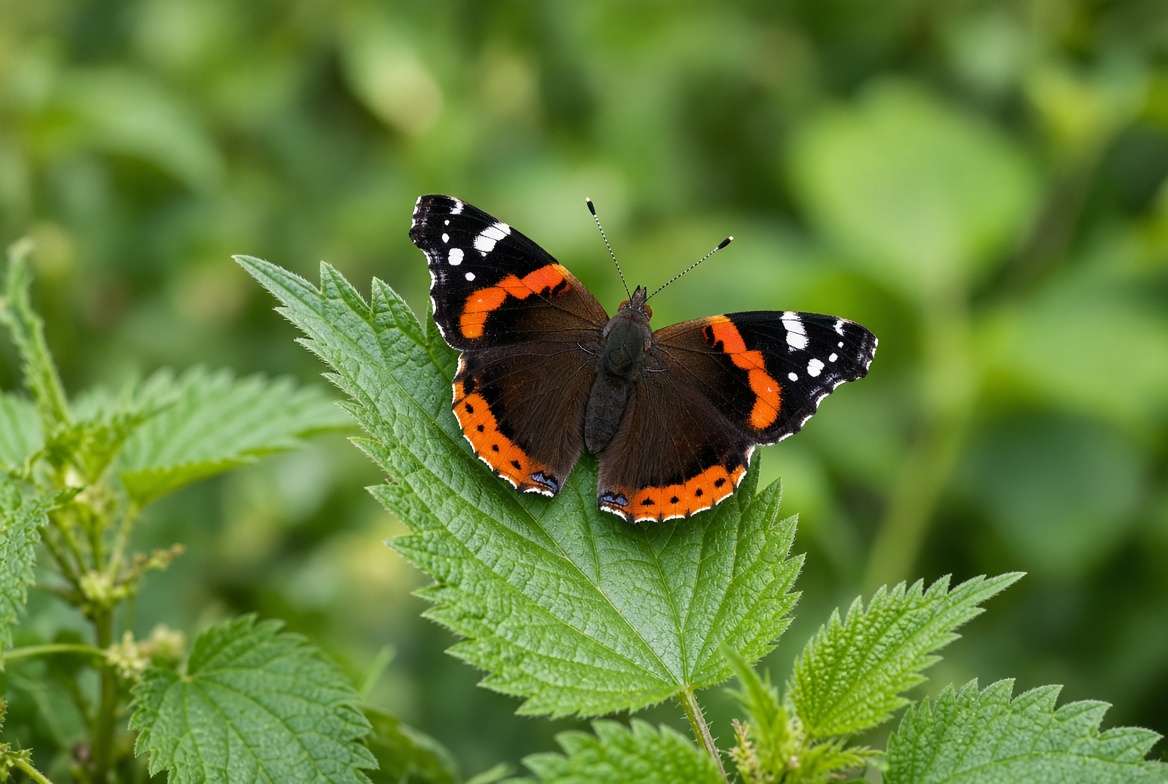
Supporting Local Wildlife and Pollinators 🐛
Nettles are a vital ecological cornerstone. They are the exclusive host plants for the caterpillars of several beautiful, highly desirable butterfly species, including the Red Admiral, the Painted Lady, the Comma, and the Small Tortoiseshell. Without stinging nettles, these stunning pollinators simply cannot reproduce.
Culinary and Medicinal Uses 🍵
For centuries, foragers have prized the stinging nettle as a nutritional powerhouse. Once the plant is blanched in boiling water or thoroughly dried, the stinging hairs are completely neutralized and destroyed, rendering the plant perfectly safe to consume.
Nettles taste remarkably like spinach but boast significantly higher levels of iron, calcium, and vitamins A and C. They are commonly used to make:
-
Nutrient-dense nettle soup
-
Earthy herbal teas, widely touted by herbalists for relieving seasonal allergies
-
Gourmet cheeses (such as traditional Cornish Yarg, which is wrapped in nettle leaves)
Creating a Nutrient-Rich Liquid Fertilizer 💧
Instead of throwing your pulled nettles in the yard waste bin, turn them into free, organic plant food! Nettles act as “dynamic accumulators,” mining deep-soil nutrients and storing massive amounts of nitrogen, magnesium, and iron in their leaves.
DIY Nettle Tea Fertilizer:
-
Stuff your freshly pulled (and seed-free) nettles into a large bucket.
-
Weigh them down with a brick and fill the bucket with water.
-
Cover it loosely and let it steep for 2 to 3 weeks (be warned, it will smell quite pungent!).
-
Strain the liquid, dilute it 1:10 with fresh water, and pour it at the base of heavy-feeding garden plants like tomatoes, brassicas, and leafy greens for a massive nitrogen boost.
🩹 First Aid: What to Do If You Get Stung in the Garden
Despite your best efforts, accidents happen. If you take a misstep in the garden and feel that familiar, fiery sting, immediate action can significantly reduce your discomfort. Here is how to relieve stinging nettle pain quickly and safely.
Immediate Steps to Minimize Pain and Swelling 🧊
The absolute most important rule: DO NOT TOUCH OR RUB THE STING! Your first instinct will be to scratch or rub the burning welt. If you do this, you will press the microscopic silica needles deeper into your tissue and release even more venom. Instead, immediately flush the area with cool water. Gently wash the skin with soap and water to wash away any loose nettle hairs and excess chemical irritants from the surface of your skin.
The “Tape Trick” for Splinter Removal 🩹
Since the sting is caused by physical hairs embedded in your skin, you need to extract them. Take a piece of strong adhesive tape (like duct tape or clear packing tape), press it gently against the affected area, and peel it off. This will safely lift the microscopic trichomes out of your skin without breaking them further.
Natural Remedies and Over-the-Counter Fixes 🌿
Once the hairs are removed, it is time to neutralize the chemical burn:
-
The Dock Leaf Remedy: Nature often provides the cure right next to the cause. Broadleaf dock (Rumex obtusifolius) frequently grows in the exact same conditions as nettles. Pluck a dock leaf, crush it in your hands until the sap is released, and dab it gently onto the sting. The cooling sap helps soothe the burn.
-
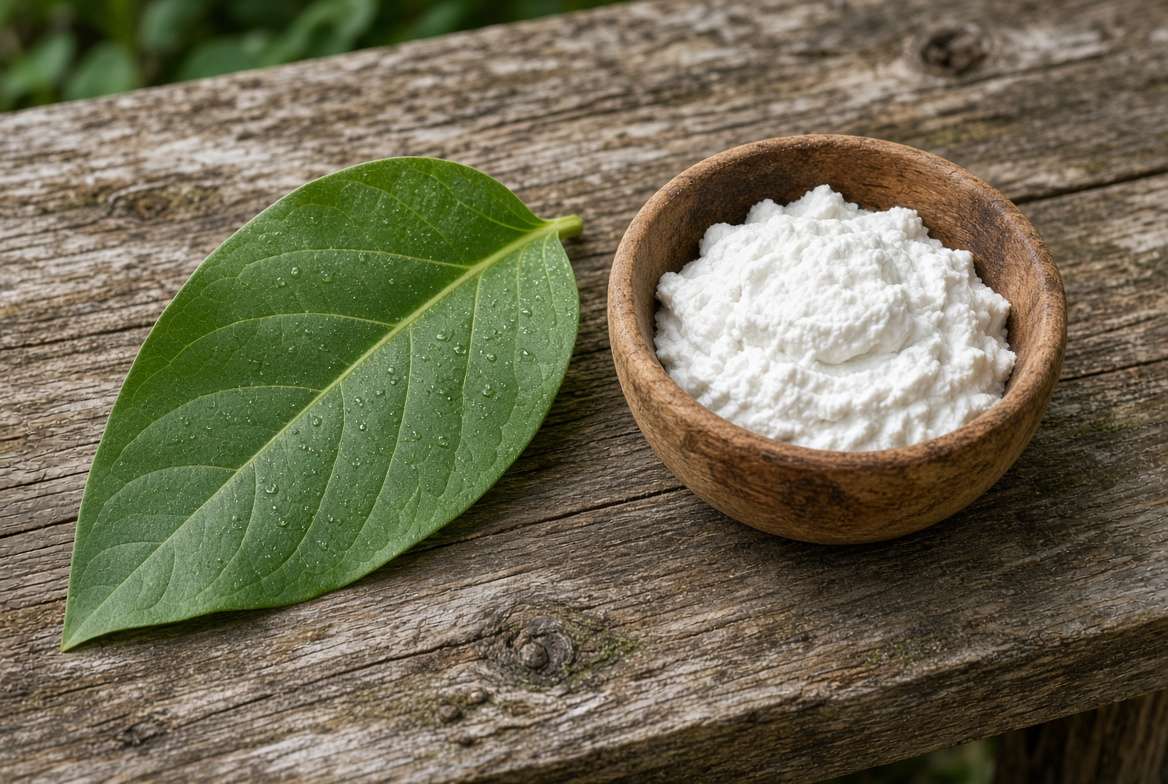
Baking Soda Paste: The venom from a nettle sting is highly acidic (thanks to the formic acid). Mix baking soda with a few drops of water to create a thick paste and apply it to the skin. The alkalinity of the baking soda will neutralize the acid and bring rapid relief.
-
Medical Treatments: If natural remedies aren’t cutting it, reach for over-the-counter hydrocortisone cream, calamine lotion, or an aloe vera gel. Taking an oral antihistamine can also dramatically reduce the swelling and itching.
❓ Frequently Asked Questions (FAQs)
Do stinging nettles ever lose their sting on their own? No, a living stinging nettle plant will remain painful to the touch throughout its entire lifecycle. However, the plant loses its ability to sting once it has been subjected to heat (like boiling or steaming), crushing, or completely drying out.
Can stinging nettles be composted? Yes, but you must proceed with caution. The green foliage is a fantastic, nitrogen-rich addition to a compost pile. However, you should completely avoid putting nettle roots (rhizomes) or mature seed heads into a standard, cold compost bin, as they will simply survive and sprout in your garden beds later. Only compost the roots and seeds if you actively manage a “hot compost” system that reaches temperatures above 140°F (60°C).
Will regular mowing get rid of stinging nettles? Mowing is a marathon, not a sprint. Regularly mowing over stinging nettles will continuously cut off their solar panels (leaves), which depletes the energy stored in the underground rhizomes over time. Eventually, the root system will exhaust itself and die. However, mowing will not kill them immediately, and if you mow while they are blooming, you risk scattering thousands of seeds across your lawn.
Conclusion
The next time you encounter the stinging plant crossword clue, you won’t just confidently pen in N-E-T-T-L-E. You will do so with the profound knowledge of an expert gardener. You now understand the fascinating science behind their painful sting, the ecological value they hold for butterflies, and exactly how to banish them from your garden beds safely.
Keep your garden gloves thick, your weeding forks sharp, and your puzzles perfectly solved! 🌱✨











