
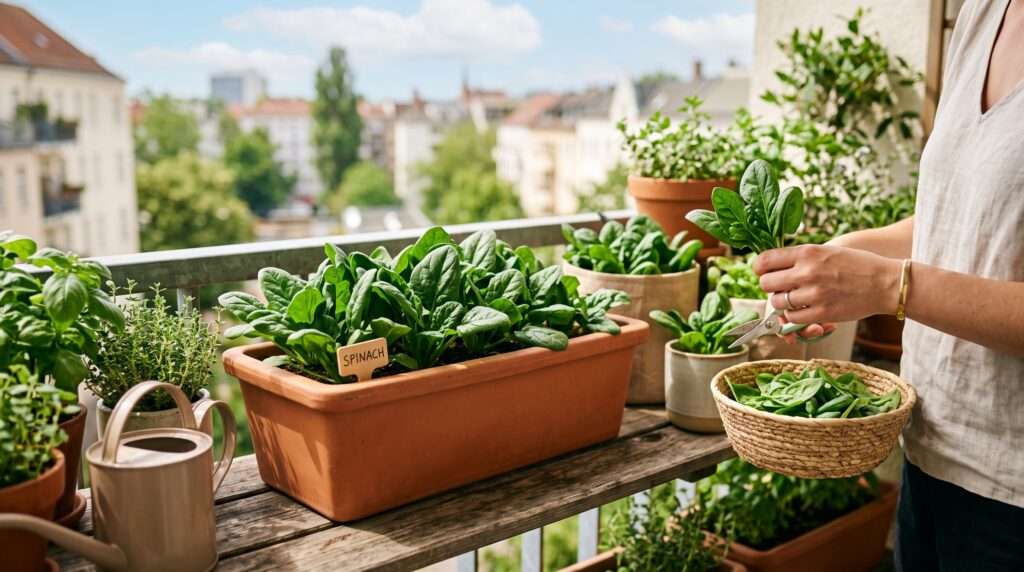
Are you staring at an empty, tiny balcony or a sunny windowsill, wishing you could harvest your own fresh, crisp greens? You aren’t alone. One of the biggest frustrations for urban dwellers is the high cost of grocery store produce that often wilts before you can even eat it. But what if you could grow a continuous supply of nutrient-dense greens without needing a backyard? Welcome to the ultimate spinach in small containers guide—your complete blueprint for transforming any tight, sunlit corner into a highly productive salad factory.
As a plant care expert and horticulturist who has spent years experimenting with dozens of container setups, I’ve cracked the code on high-yield, low-space vegetable farming. I’ve made all the beginner mistakes so that you don’t have to. Growing leafy greens in pots isn’t just about throwing seeds in dirt; it’s a science and an art that, when done right, yields incredible results.
In this comprehensive, skyscraper-level guide, you will learn exactly how to master container gardening for spinach. We will cover everything from selecting the perfect container and crafting a customized soil recipe, to mastering organic pest control and using the “cut-and-come-again” harvesting method. Get ready to ditch the plastic clamshells from the supermarket and grow your own endless supply of greens! 🌱🥗
Why Spinach is the Ultimate Container Crop for Beginners 🏆🌱
If you are new to balcony gardening or growing vegetables in pots, you might be wondering where to start. Tomatoes require massive pots and heavy staking; cucumbers need trellises. Spinach, on the other hand, is the undisputed champion of the small-space garden. Here is exactly why this leafy green should be your first choice:
-
Lightning-Fast Growth: Patience is a virtue, but it’s hard to wait months for a harvest. Spinach is incredibly fast-growing. From the day you sow the seeds to the moment you harvest your first tender baby leaves for a salad bowl, you are only looking at about 30 to 40 days. This rapid turnaround keeps beginners motivated and provides a quick return on your gardening investment. ⏱️
-
Exceptional Shade Tolerance: Most fruiting vegetables (like peppers and eggplants) demand 6 to 8 hours of blistering direct sunlight. Urban environments, plagued by tall buildings and overhangs, rarely offer this. Spinach is a cool-weather crop that actually thrives in partial shade. Just 3 to 4 hours of morning sun is plenty for spinach to photosynthesize and produce lush, green foliage, making it perfect for east-facing balconies or shaded patios. 🌤️
-
Incredible Cold Hardiness: While a light frost will instantly kill a basil or tomato plant, spinach simply brushes it off. In fact, cold temperatures trigger the plant to produce more sugars, making the leaves taste noticeably sweeter. This cold hardiness allows you to extend your growing season significantly—planting early in the spring before the last frost, and sowing again in the late summer for a bountiful fall and early winter harvest. ❄️🍂
Choosing the Perfect Pot: Size and Material Matter 🏺📏
A common misconception is that any pot will do as long as it holds dirt. In reality, your choice of container dictates the health of the root system, which directly controls the size of your harvest.
The Magic Dimensions for Spinach Roots
Unlike carrots or tomatoes that send deep taproots down into the earth, spinach has a relatively shallow, fibrous root system. You do not need a massive, heavy, 5-gallon bucket to grow it. The ideal container depth for spinach is only 6 to 8 inches.
Expert Insight 💡: When it comes to leafy greens, wider is always better than deeper. Window boxes, rectangular planters, and wide, shallow bowls maximize the surface area. The more surface area you have, the more seeds you can sow, and the higher your overall yield will be.
Terra Cotta vs. Plastic vs. Fabric Grow Bags
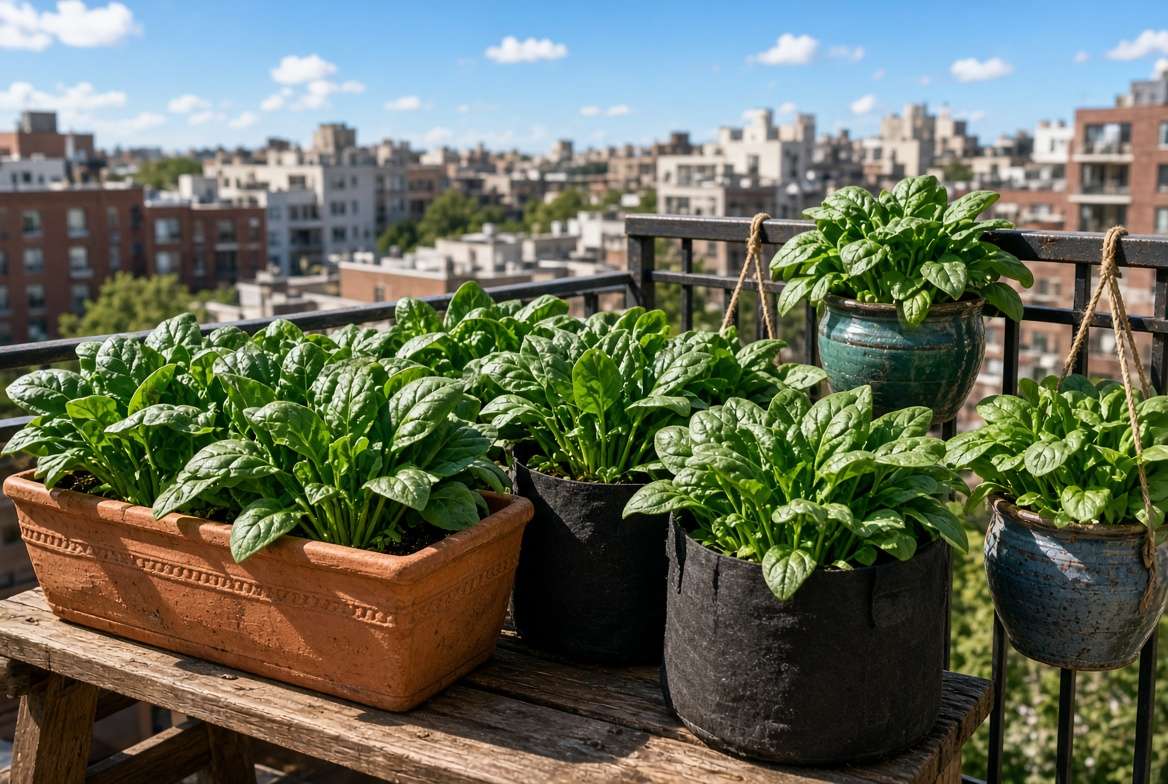
The material of your pot significantly impacts your watering schedule and soil temperature. Let’s break down the best options:
-
Terra Cotta/Clay: These pots are beautiful and porous, meaning they allow the soil to breathe. However, this also means they wick moisture away from the soil incredibly fast. If you live in a warm, dry climate, terra cotta will force you to water your spinach constantly to prevent the soil from drying out. 🧱
-
Plastic Planters: High-quality, UV-resistant plastic is excellent for spinach because it retains moisture beautifully. Since spinach leaves are mostly water, consistent soil moisture is critical. Plastic is also lightweight, which is a major bonus for balcony weight limits. 🪴
-
Fabric Grow Bags: These are the gold standard for many container gardeners. The fabric allows for “air pruning”—when roots reach the edge of the bag, exposure to air stops them from circling and forces the plant to grow a denser, healthier root mass. They also offer unparalleled drainage and aeration. 🎒
The Non-Negotiable Rule: Drainage 🚰
No matter which material you choose, the container must have drainage holes. Spinach loves moist soil, but it absolutely despises “wet feet” (roots sitting in stagnant water). Poor drainage immediately leads to root rot, a fungal disease that will turn your vibrant green leaves yellow and mushy within days. If you buy a decorative pot without holes, you must drill them yourself or use it as a “cachepot” (placing a cheap plastic nursery pot with drainage inside the decorative one).
The Best Spinach Varieties for Small Spaces 🧬✨
Not all spinach is created equal. Plant breeders have spent decades developing specific cultivars (varieties) that excel in different environments. When growing in small containers, you want compact, high-yielding, and disease-resistant genetics. Here is a curated list of the best seeds to source for your pot garden:
Baby Leaf Superstars (Fastest Harvest)
If your goal is tender, mild-flavored leaves for fresh salads, you want varieties specifically bred for early harvesting.
-
Space F1: This is an absolute favorite among container gardeners. It grows upright (keeping the leaves clean from soil splashing), matures incredibly fast, and is resistant to downy mildew.
-
Baby’s Leaf Hybrid: True to its name, this variety produces beautifully tender, flat leaves that are perfect for a cut-and-come-again harvest.
Heat-Tolerant Heroes (Bolt-Resistant)
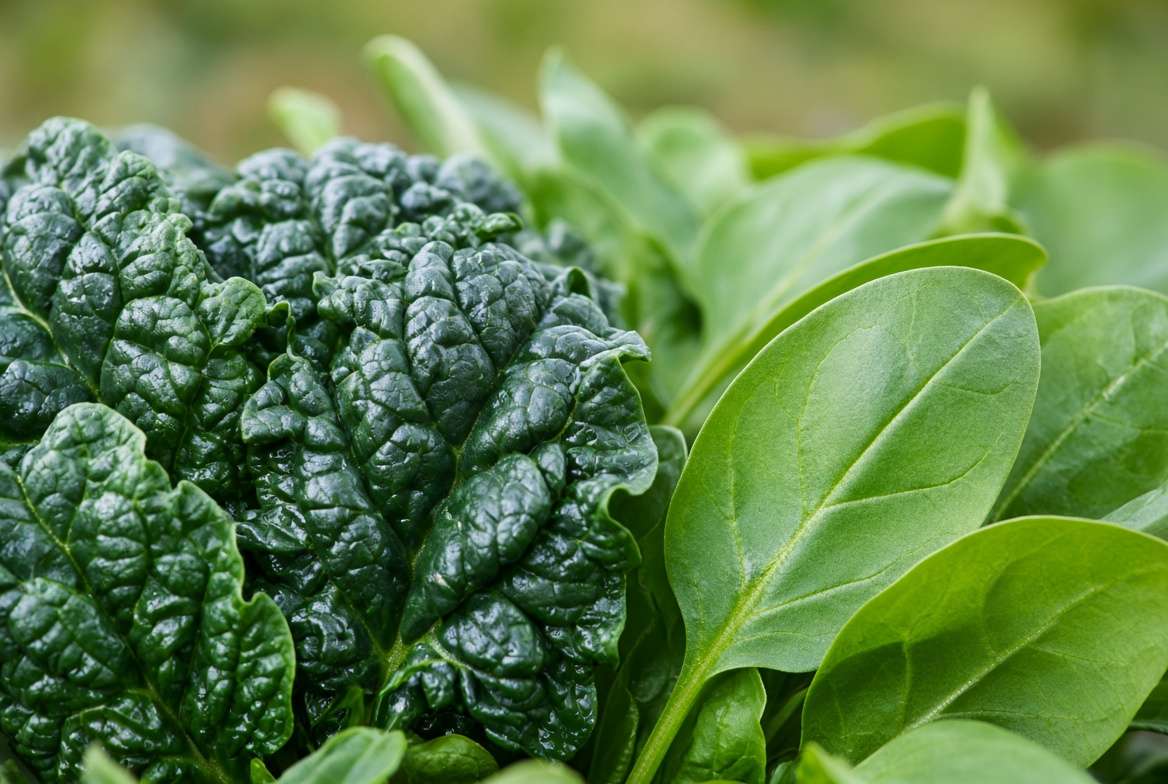
Spinach naturally wants to “bolt” (send up a flower stalk and produce seeds) when the weather gets hot and the days get long. Once it bolts, the leaves become tough and bitter. To combat this, choose these varieties:
-
Bloomsdale Long Standing: A classic heirloom variety from the 1920s. It features gorgeous, heavily crinkled (savoyed) dark green leaves and is famous for holding off on bolting longer than most others when temperatures rise.
-
Tyee: An incredibly robust, semi-savoyed variety that boasts excellent heat tolerance and strong resistance to common plant diseases.
Alternative “Spinach” for Hot Climates ☀️
If you live in a tropical zone or want to grow greens in the dead of a blazing summer, traditional spinach (Spinacia oleracea) will struggle. Instead, try these clever alternatives that taste similar but thrive in the heat:
-
Malabar Spinach: Not a true spinach, but a beautiful vining plant with thick, succulent, heart-shaped leaves that love extreme heat and humidity.
-
New Zealand Spinach: A sprawling, low-growing plant that is highly drought-tolerant and produces crisp leaves all summer long.
Crafting the Ultimate Soil Recipe for Container Greens 🪱🤎
Your potting mix is the foundation of your container garden. The biggest mistake beginners make is trying to cut corners here.
Why Garden Soil is a Big No-No 🚫
Never dig up dirt from your backyard to fill your containers. Garden soil is incredibly heavy and dense. When placed in a pot, it compacts tightly, squeezing out all the oxygen that roots need to survive. Furthermore, it won’t drain properly, acting like a dense sponge that leads directly to root rot. It may also harbor weed seeds, pests, and soil-borne fungal diseases.
The DIY Fluffy Potting Mix Recipe 📝
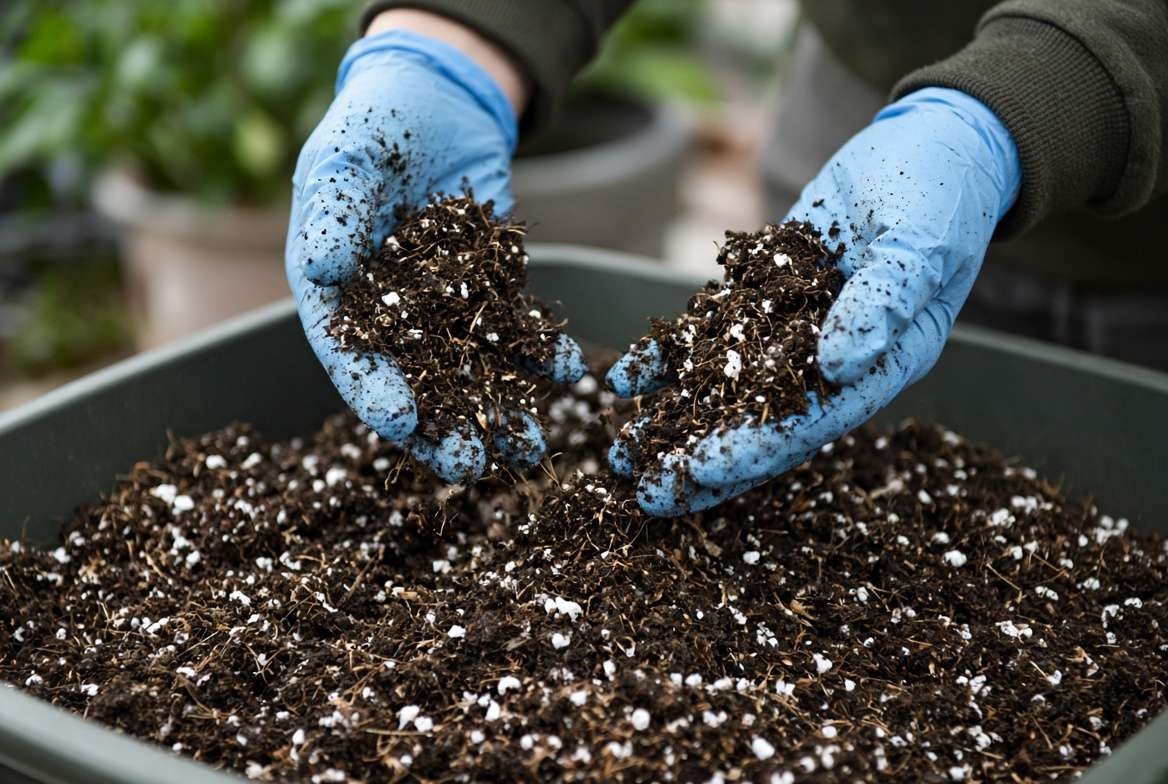
Leafy greens need a growing medium that is loose, highly well-draining, and rich in organic matter. While you can buy premium organic potting mixes, mixing your own is cost-effective and guarantees the best results. Here is my expert-tested recipe for container spinach:
-
50% High-Quality Peat Moss or Coco Coir: This provides the lightweight, moisture-retaining base. Coco coir is the more sustainable, eco-friendly option.
-
25% Organic Compost: This is the lifeblood of the mix. It adds essential microbes, improves soil structure, and acts as a gentle, slow-release fertilizer.
-
25% Perlite or Pumice: These lightweight volcanic rocks are crucial. They create tiny air pockets in the soil, ensuring superior drainage and allowing roots to breathe.
The Pre-Planting Nutrient Boost ⚡
Spinach is primarily grown for its leaves, which means it is a heavy feeder of Nitrogen. To give your plants an explosive head start, thoroughly mix a handful of nitrogen-rich organic amendments into your potting soil before planting.
-
Earthworm Castings: The ultimate organic fertilizer. It is impossible to burn your plants with it, and it provides a steady stream of bio-available nutrients.
-
Blood Meal or Alfalfa Meal: Excellent organic sources of slow-release nitrogen that will keep your spinach leaves deep, dark green.
Step-by-Step Planting: Seeds vs. Transplants 🧑🌾📗
When it comes to starting your container garden, you have two choices: sowing seeds directly into the pot or buying pre-grown nursery starts. Because spinach has a somewhat delicate taproot that despises being disturbed, direct sowing from seed is the highly recommended method for the best success rate.
Sowing Seeds for Maximum Germination
Spinach seeds are delightfully easy to handle. To ensure a high germination rate, follow these exact steps:
-
Prep the Soil: Water your freshly mixed, fluffy potting soil before planting until it is thoroughly moist but not soggy. It should feel like a wrung-out sponge.
-
Planting Depth: Poke small holes about 1/2 inch deep into the soil. Drop one or two seeds into each hole.
-
Cover and Press: Gently cover the seeds with soil and pat it down lightly. This ensures the seeds have good contact with the damp soil, which is crucial for the seed coat to soften and sprout.
-
Temperature Control: Spinach germinates best in cool soil (between 50°F and 70°F). If it’s too hot, the seeds will simply remain dormant. You should see little green sprouts emerging in 5 to 10 days!
The Secret to Proper Spacing and Thinning ✂️
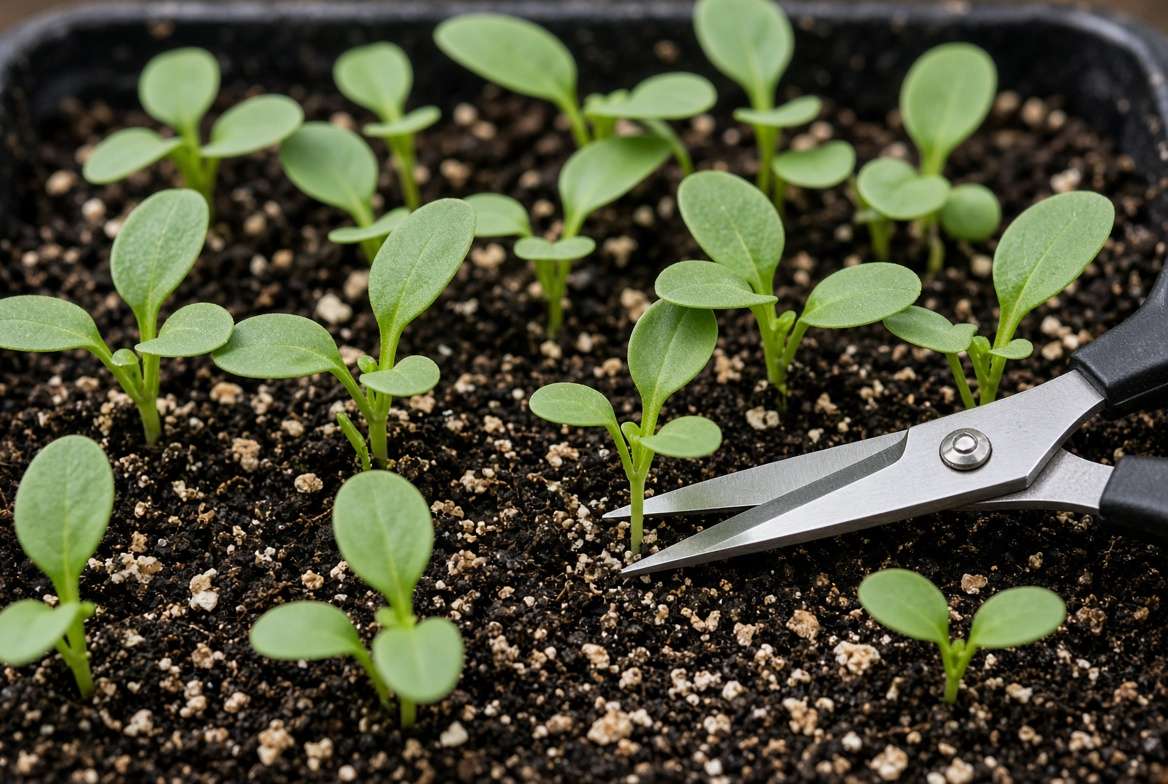
The number one mistake beginner container gardeners make is overcrowding. When seeds sprout, they look tiny, tempting you to leave them all close together. Don’t do it! Overcrowded spinach competes fiercely for water and nutrients, resulting in stunted, tiny leaves and poor air circulation (which invites fungal diseases).
Once your seedlings are about two inches tall, it’s time to thin them out. Use a pair of sharp scissors to snip the weaker seedlings at the soil line, leaving the strongest plants spaced about 3 to 4 inches apart. Expert Chef Tip: Don’t throw those clippings away! Wash those tiny “microgreens” and toss them straight into your salad or smoothie for a concentrated burst of nutrition. 🥗
Transplanting Nursery Starts 🪴
If you decided to skip seeds and bought young plants from a nursery, proceed with caution. Gently squeeze the sides of the nursery pot to loosen the soil block, and tip the plant out into your hand. Do not yank the stem! Dig a hole in your container deep enough to accommodate the root ball, place it in carefully, and backfill the soil. Water immediately with a gentle shower to help settle the soil and minimize transplant shock.
Essential Daily Care for Lush, Endless Greens 💧☀️
Container gardens require a bit more daily attention than in-ground garden beds, primarily because pots dry out much faster and nutrients wash out with frequent watering. Here is your daily and weekly maintenance checklist.
Sunlight Requirements (And How to Fake It) 🌤️
While spinach is shade-tolerant, it still needs light to grow those big, beautiful leaves. Aim for 3 to 4 hours of direct morning sunlight, followed by dappled shade in the afternoon. If you are growing your containers indoors on a windowsill, winter sunlight might be too weak. How to fake it: Invest in a simple, full-spectrum LED grow light. Position it about 6 to 8 inches above the leaves and run it for 10 to 12 hours a day. This guarantees dense, rapid growth regardless of the weather outside. 💡
Watering Mastery: The Finger Test 👆
Overwatering kills more container plants than underwatering. Spinach loves consistent moisture, but the soil must breathe. Throw away the calendar (e.g., “I water every Tuesday”) and use the foolproof Finger Test: Stick your index finger into the soil up to your first knuckle (about an inch deep). If it feels dry, it’s time to water thoroughly until water runs out the drainage holes. If it feels wet, step away and check again tomorrow. Pro Tip: Always water at the base of the plant, keeping the leaves dry. Splashing wet soil onto the foliage is a fast track to spreading soil-borne bacterial diseases.
Liquid Feeding Schedule for Rapid Growth 🧪
Every time you water a container, trace amounts of nutrients wash out the bottom. Because spinach is a heavy feeder of nitrogen, your pre-mixed soil fertilizer will eventually run out. To keep your harvest continuous, implement a liquid feeding schedule. Every two weeks, mix a half-strength dose of a high-nitrogen liquid organic fertilizer into your watering can. Fish emulsion, liquid kelp, or compost tea are spectacular choices. This immediate nutrient boost is absorbed rapidly by the roots, ensuring the newest leaves grow in dark green, tender, and massive. 🐟🌿
Troubleshooting: Keeping Pests and Problems Away 🐛🛡️
Even on a high-rise balcony, nature finds a way. Being proactive is the hallmark of an expert gardener. Here is how to handle the most common spinach struggles organically.
Preventing Bolting (Going to Seed) 🌼
Bolting is the spinach grower’s arch-nemesis. When soil temperatures spike above 75°F (24°C) or daylight hours stretch into long summer evenings, the plant thinks its life cycle is ending and shoots up a tall, thick stalk to produce seeds. Once this happens, the leaves turn bitterly unpalatable. The Fix: Delay bolting by moving your containers to a cooler, shadier spot during heat waves. You can also drape a 30% to 50% shade cloth over your pots to significantly drop the ambient temperature around the foliage.
Organic Pest Control: Leaf Miners and Aphids 🐞
-
Leaf Miners: These tiny fly larvae burrow inside the leaf tissue, leaving ugly, squiggly white trails. Since they are inside the leaf, sprays won’t reach them. The only solution is aggressive physical removal: inspect your plants daily and immediately pinch off and destroy any leaf showing these trails.
-
Aphids: These tiny green or black sap-sucking bugs cluster under the leaves, stunting growth. Fortunately, they are soft-bodied. A strong blast of water from a spray bottle will knock them off. For severe infestations, spray the leaves with organic cold-pressed neem oil or a gentle insecticidal soap in the early evening. 🧼
Diagnosing Yellowing Leaves 🍂
If your vibrant green spinach starts turning pale or yellow, don’t panic. The plant is trying to communicate with you:
-
Yellowing lower leaves + pale overall: Nitrogen deficiency. Apply a liquid fertilizer immediately.
-
Yellowing leaves + droopy, heavy soil: Overwatering and root suffocation. Let the pot dry out and check your drainage holes!
The “Cut-and-Come-Again” Harvesting Secret ✂️🥗
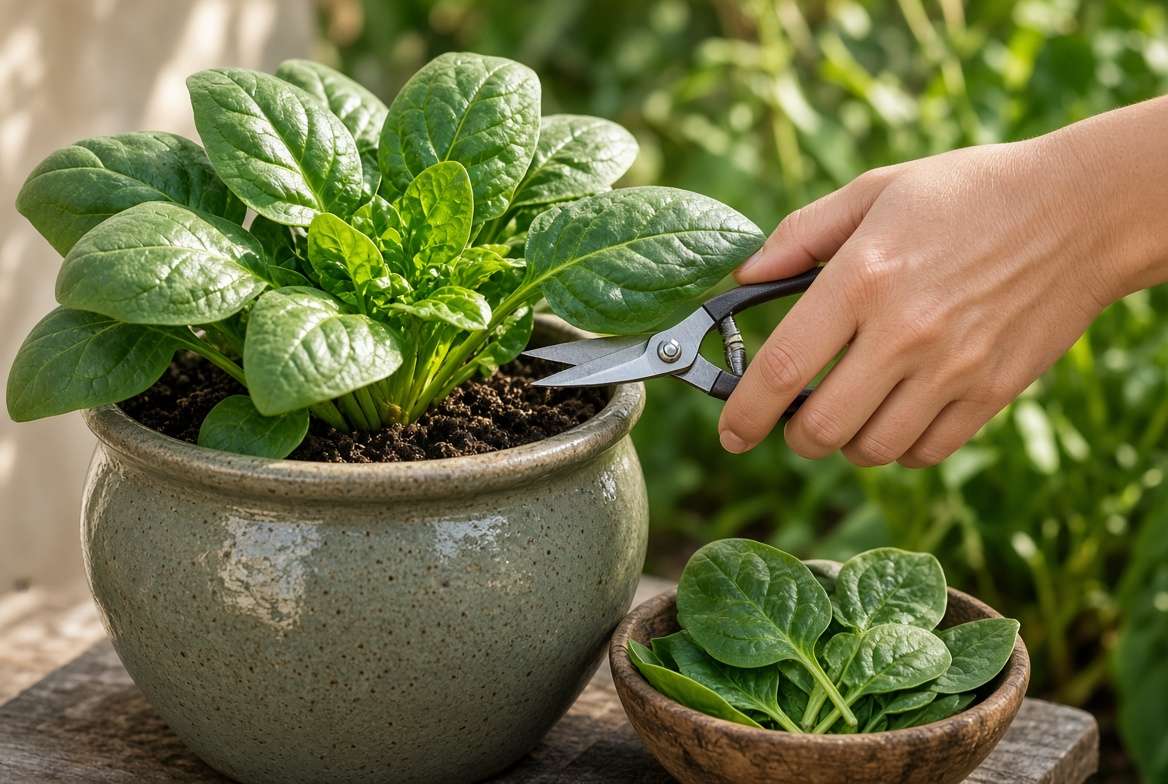
This is the most rewarding part of the entire process! You don’t have to wait until the plant is massive, chop the whole thing down, and start over. By utilizing the “cut-and-come-again” method, a single container of spinach can feed you for months.
When to Start Harvesting ⏱️
Patience pays off, but you can begin harvesting “baby spinach” as soon as the leaves are about 3 to 4 inches long (typically 30-40 days after sowing). The younger the leaf, the sweeter and more tender it will be—perfect for fresh salads.
The Exact Technique for Continuous Yields 🥬
Never pull the plant up by the roots, and never cut the central growing point (the crown). Take a clean, sharp pair of scissors and carefully snip the outermost, oldest leaves about an inch above the soil line. Leave the tiny inner leaves in the center of the rosette untouched. Those inner leaves will rapidly grow to replace the ones you just harvested. You can typically repeat this cycle 3 to 4 times on a single plant before it naturally reaches the end of its lifespan!
How to Store Freshly Harvested Spinach 🧊
Homegrown spinach is incredibly crisp, but it lacks the chemical preservatives of store-bought greens. To keep it fresh for up to a week, wash the leaves gently in cold water and spin them completely dry in a salad spinner. Place the dry leaves in a glass container or a zip-top bag lined with a dry paper towel to absorb excess humidity, and store it in the crisper drawer of your fridge.
Frequently Asked Questions (FAQs) ❓🤓
Can you grow spinach indoors year-round? Yes! As long as you can provide a cool room (ideally between 60°F–68°F) and 10 to 12 hours of light via a high-quality, full-spectrum LED grow light, you can harvest fresh spinach from your indoor containers in the dead of winter or the heat of summer.
How many spinach plants can I put in a 12-inch pot? A standard 12-inch wide container can comfortably hold about 3 to 4 mature spinach plants. Remember to space them about 3 to 4 inches apart to ensure proper airflow and root development.
Why are my container spinach seeds not germinating? The most common culprits are temperature and moisture. If your potting soil is too wet and cold, the seeds will rot before they sprout. Conversely, if the soil temperature is above 75°F (24°C), spinach seeds often enter a state of thermal dormancy and refuse to sprout. Keep the soil slightly moist and cool.
Does spinach regrow after cutting? Absolutely. By using the “cut-and-come-again” harvesting method—where you harvest only the outer leaves and leave the central crown intact—the plant will continue to push out new growth, allowing for multiple harvests from the exact same plant.
Conclusion: Start Your Mini Spinach Farm Today! 🎉👩🌾
Growing your own fresh produce doesn’t require acres of rolling farmland or a massive raised bed setup. As this spinach in small containers guide proves, all you truly need is a sunny windowsill or a tiny corner of a balcony, the right pot, fluffy soil, and a packet of seeds.
By prioritizing excellent drainage, maintaining steady moisture, and utilizing the magical cut-and-come-again harvest technique, you will easily out-produce what you could ever buy in a grocery store. Plus, there is absolutely nothing quite as satisfying as stepping out your door to snip a fresh, crisp, organic salad just minutes before dinner.
Ready to get your hands dirty? Grab a pot, pick out a bolt-resistant seed variety, and start your very own mini spinach farm today!
Have you successfully grown greens on your balcony? Tag us in your container garden photos on social media, and be sure to check out our other guides on maximizing small-space harvests, like “Growing Tomatoes in 5-Gallon Buckets” and “The Best Organic Fertilizers for Potted Herbs.” Happy growing! 🪴💚











