
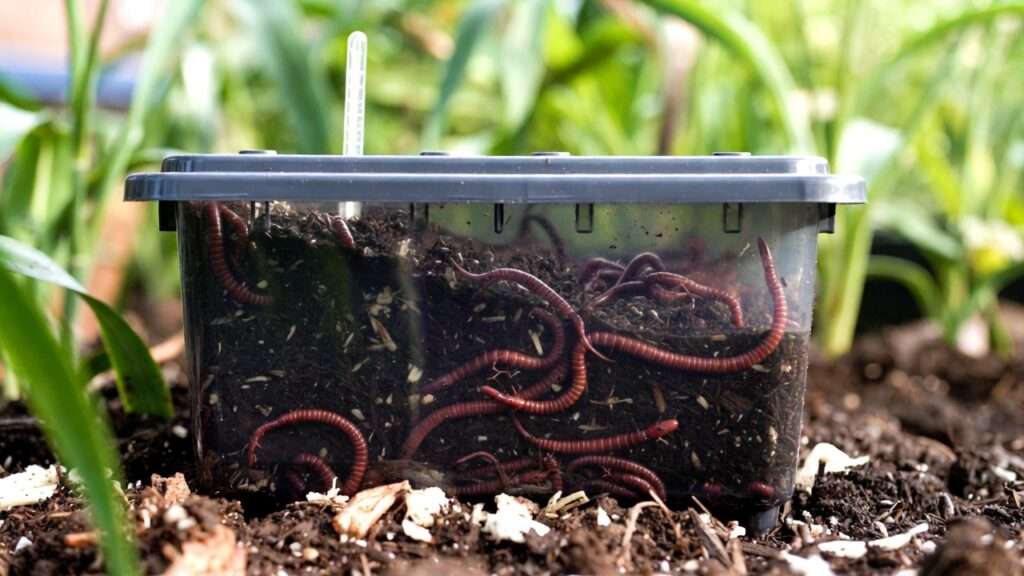
Picture this: You’ve carefully set up your worm bin, added kitchen scraps, and watched those eager red wigglers turn waste into rich, dark castings. Then one hot afternoon (or chilly winter morning), you lift the lid to find your worms sluggish, clustered at the edges, or — heartbreakingly — gone. 😔
If you’re gardening in a place like Bangladesh with its humid summers and cooler winters, this scenario is all too common. Temperature requirements for worm bins are the single biggest factor determining whether your vermicomposting system produces “black gold” — nutrient-packed worm castings that supercharge soil fertility, improve water retention, and help your plants and trees thrive — or fizzles out entirely.
As a plant care specialist who’s maintained vermicomposting systems for over a decade (including through tropical heatwaves and unexpected cold snaps), I’ve seen firsthand how getting temperature right transforms average gardens into lush, productive spaces. Red wigglers (Eisenia fetida) are incredibly efficient composters, but they’re sensitive creatures. Keep them in their happy zone, and you’ll harvest superior castings that deliver slow-release nitrogen, phosphorus, potassium, beneficial microbes, and enzymes directly to plant roots. Get it wrong, and decomposition slows, worm populations crash, and your garden misses out on that natural boost.
In this in-depth guide, we’ll cover everything you need: exact ideal ranges backed by university extension services and vermiculture experts, seasonal strategies tailored for varying climates, monitoring tools, troubleshooting, and pro tips to maximize plant health benefits. Whether you’re a beginner starting your first bin or an experienced gardener fine-tuning for year-round success, mastering worm bin temperatures will give your plants and trees the edge they deserve. Let’s dive in! 🚀
Understanding Red Wigglers: The Stars of Your Worm Bin 🪱✨
Why Red Wigglers (Eisenia fetida) Are the Best Choice for Home Vermicomposting
Red wigglers, also called redworms or brandling worms, are the gold standard for indoor and small-scale vermicomposting. Unlike deep-burrowing earthworms (like nightcrawlers), red wigglers are epigeic — they live in the top layers of organic matter, love decaying food scraps, and reproduce quickly in captivity.
Their key advantages:
- Fast decomposition: They process food waste 50–100% of their body weight daily under ideal conditions.
- High casting quality: Their poop (castings) contains up to 5x more plant-available nutrients than regular compost.
- Adaptability: They tolerate handling and confinement better than other species.
For plant and tree care enthusiasts, this means consistent supply of premium organic fertilizer that enhances root development, disease resistance, and soil structure — perfect for potted plants, vegetable beds, or fruit trees.
How Temperature Directly Affects Worm Behavior, Reproduction, and Casting Quality
Temperature controls almost every aspect of worm life:
- Activity & Feeding — In optimal warmth, worms burrow actively, eat voraciously, and break down scraps quickly.
- Reproduction — Cocoons (tiny lemon-shaped eggs) hatch fastest at ideal temps; extreme heat or cold halts mating.
- Casting Output — Peak nutrient density occurs when worms are thriving, not stressed.
- Survival — Prolonged exposure outside tolerance ranges leads to escape attempts, dormancy, or death.
Early signs of temperature stress include worms climbing bin walls, reduced activity, foul ammonia smells (from anaerobic conditions), or slowed vermicompost production. Catching these early saves your colony and keeps your plant-feeding schedule on track.
The Ideal Temperature Range for Worm Bins — What the Experts Say 📊
University extension services (NC State, Oregon State, Washington State) and experienced vermicomposters agree on clear benchmarks for red wigglers.
Optimal “Sweet Spot” for Peak Performance (71–80°F / 22–27°C) 🔥❄️
This is where magic happens:
- Maximum decomposition speed
- Highest reproduction rates (up to 2–3 cocoons/week per worm)
- Richest, most microbially active castings
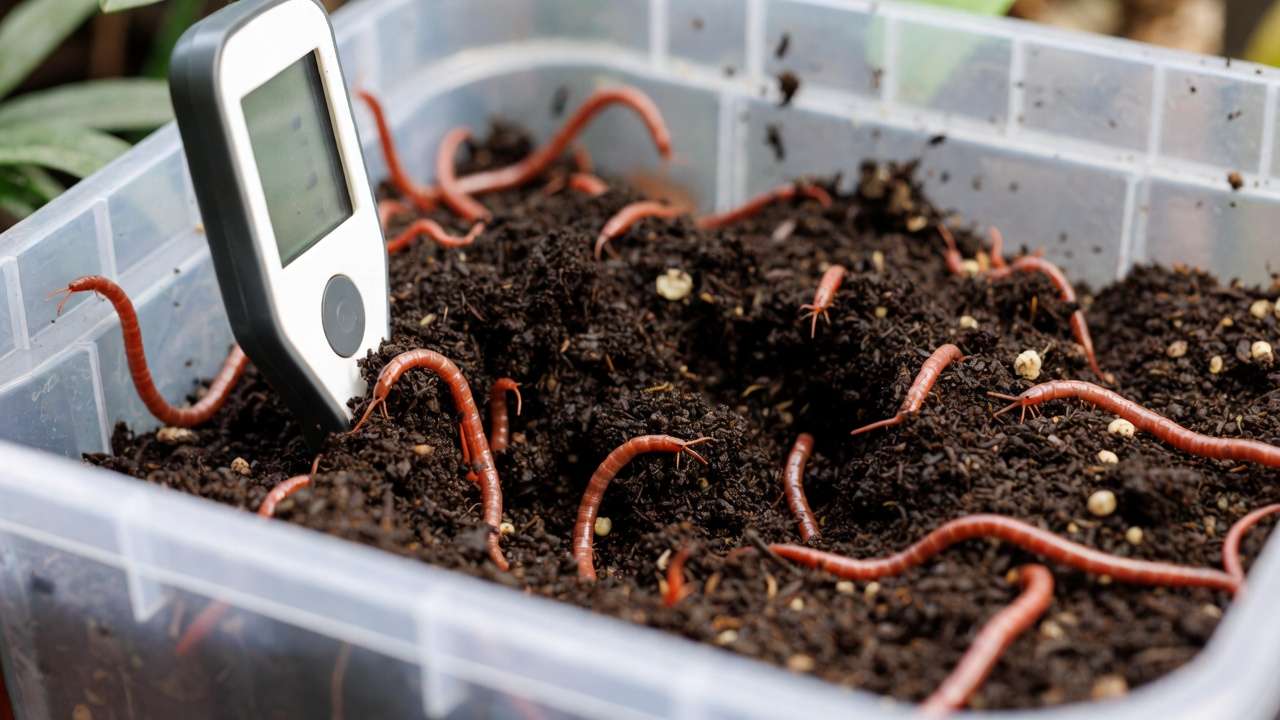
Most experts pinpoint 72–78°F (22–26°C) as the absolute prime zone for balanced activity and nutrient output.
Safe Tolerance Range (55–85°F / 13–29°C) — Where Most Worms Survive Comfortably
Worms still function here, though slower:
- 55–71°F: Slower but steady; good for winter maintenance
- 80–85°F: Acceptable in short bursts, but watch for heat buildup
In this range, you’ll get usable castings, just not at maximum efficiency.
Danger Zones You Must Avoid
- Above 90°F (32°C): Lethal risk rises sharply. Prolonged exposure >84–86°F causes protein denaturation and death within hours to days. Heat death is the #1 summer killer in warm climates.
- Below 50°F (10°C): Worms enter dormancy (similar to hibernation). Activity halts below ~40°F; they survive in cocoons down to near-freezing but won’t eat or produce castings.
- Below 32°F (0°C): Freezing kills active worms outright.
Comparison Table of Temperature Ranges from Trusted Sources
| Source | Ideal/Optimal Range | Safe Tolerance Range | Danger (Lethal Risk) |
|---|---|---|---|
| NC State Extension | 55–80°F (13–27°C) | — | >84°F harmful/fatal |
| Oregon State Extension | 55–77°F (13–25°C); peak 71–89°F | 40–90°F | >90°F, <32°F |
| Uncle Jim’s Worm Farm | 55–80°F | 32–54°F tolerable | >80°F too warm, <32°F too cold |
| Urban Worm Company | 72–80°F | 55–90°F | >90°F prolonged |
| Washington State Univ. | — | — | >84°F harmful/fatal |
Use this as your quick-reference cheat sheet. Internal bin temperature (not ambient air) is what matters most — always measure inside the bedding.
How Temperature Changes Affect Your Plants and Garden Long-Term 🌳
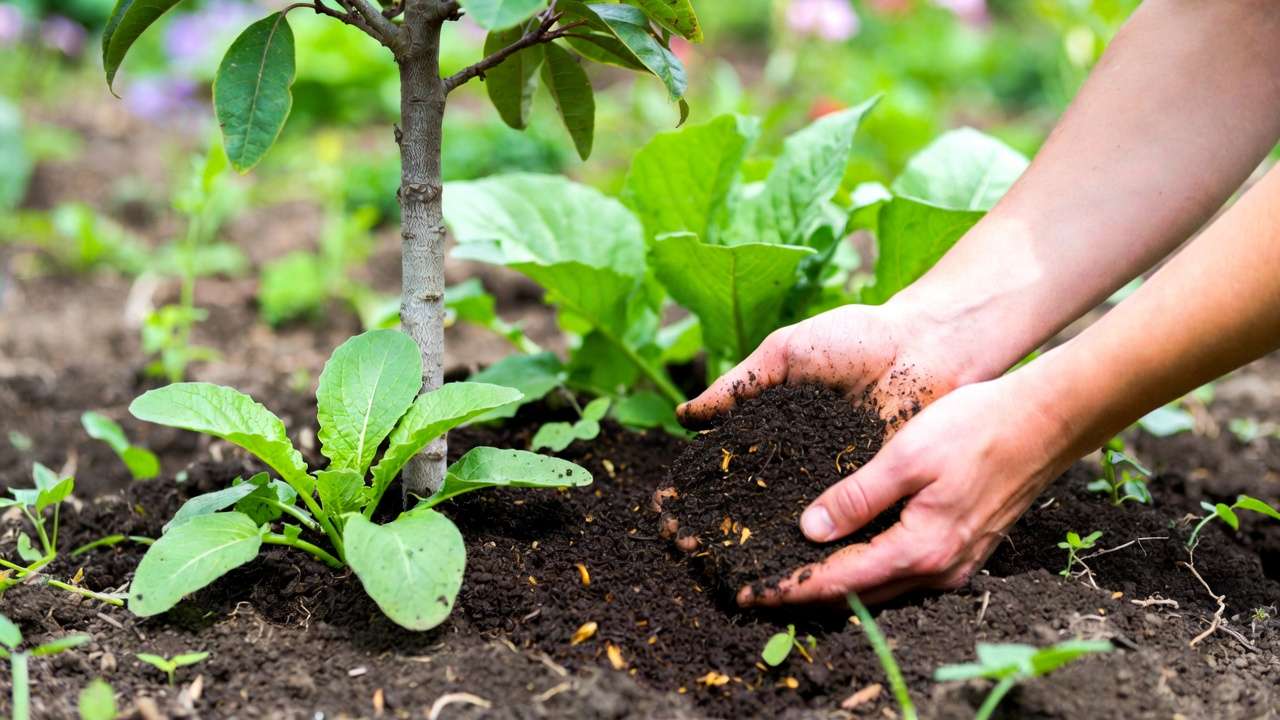
Consistent worm activity = consistent high-quality castings. When temperatures stay optimal, castings deliver:
- Balanced N-P-K plus micronutrients
- Humic acids that improve nutrient uptake
- Beneficial bacteria/fungi that suppress soil-borne diseases
- Better soil tilth for stronger tree roots and healthier potted plants
In hot climates like Barisal Division, summer heat spikes often crash worm productivity just when gardens need compost tea or top-dressing most. In cooler months, dormant worms mean delayed fertilizer — starving young plants or stressed trees.
Real example: Gardeners in tropical/subtropical zones who maintain 70–80°F bins year-round report 30–50% faster plant growth and fewer pest issues compared to those fighting seasonal swings.
Mastering temperature gives your garden that reliable, organic superpower. 🌿
Seasonal Temperature Management Strategies for Year-Round Success 🌞❄️
Summer Heat Survival Guide — Keeping Worms Cool in Hot Climates 🧊
In regions hitting 90°F+ ambient:
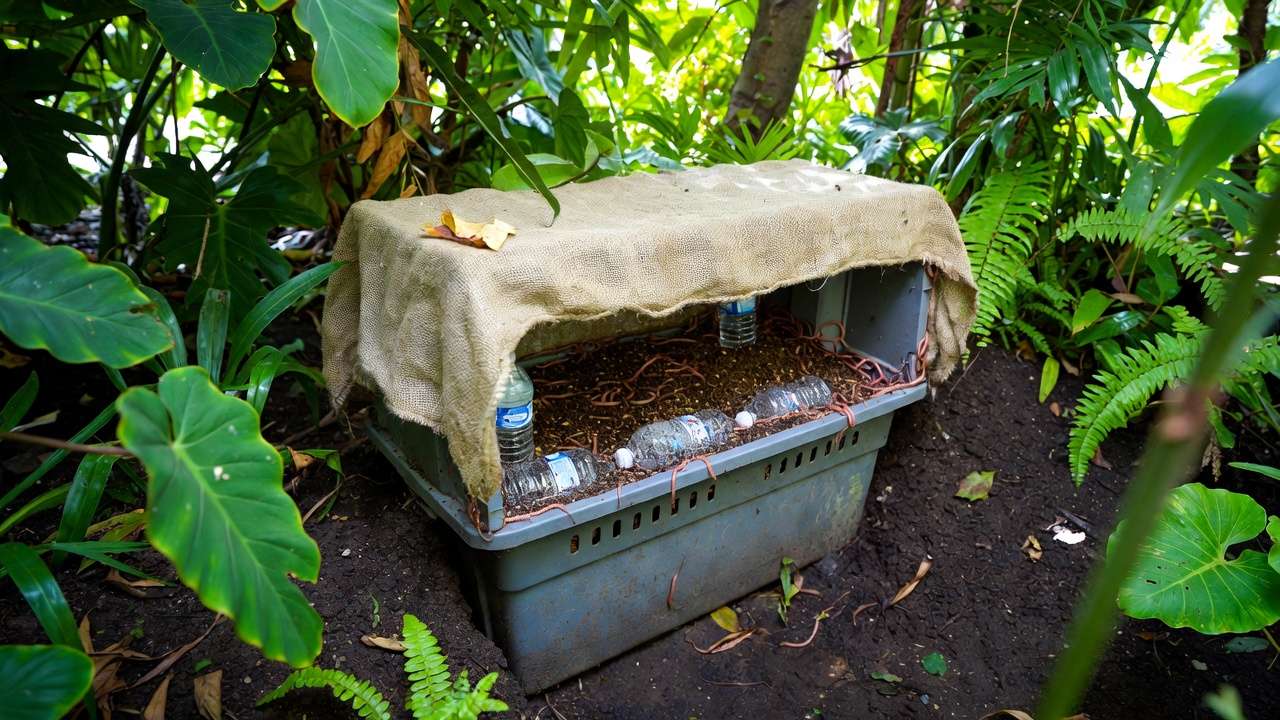
- Shade is non-negotiable — Place bins under trees, porches, or shade cloth (50–70% block).
- Frozen water bottles trick — Bury 1–2 large frozen bottles in bedding; swap daily.
- Extra ventilation — Drill more air holes; use breathable lids or burlap covers.
- Reduce feeding — Cut input 50% to lower microbial heat generation.
- Insulate smartly — Surround bin with damp straw or cardboard for buffer.
- Partial bury method — Sink bin partially into ground for natural cooling (geothermal effect).
- Fan or wet towel — Gentle airflow or damp cloth over lid for evaporative cooling.
Pro tip: If core temp hits 85°F, harvest castings early and relocate worms to cooler spot temporarily.
Winter Protection Tips — Preventing Cold Shock and Maintaining Activity
For cooler months:
- Indoor relocation — Garage, basement, or spare room at 60°F+.
- Insulate heavily — Wrap bin in blankets, bubble wrap, or straw bales.
- Mini greenhouse effect — Cluster bins together; add thick bedding layer.
- Safe heat sources — Seedling heat mats under (not in) bin; set to low (never direct contact).
- Overfeed slightly — Extra carbon-rich bedding creates gentle microbial heat.
- Monitor closely — If below 55°F, worms slow — reduce food, wait for spring.
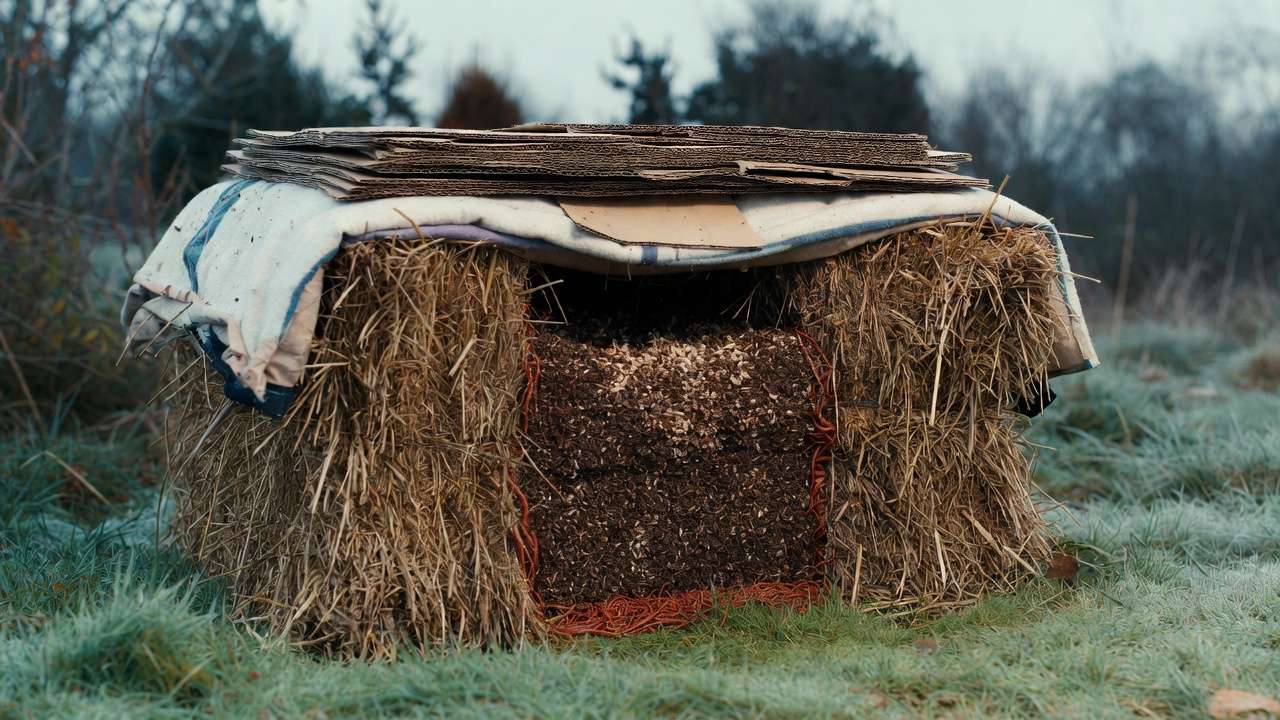
Cocoons survive brief cold snaps, so populations rebound quickly once warmed.
Transition Seasons — Spring & Autumn Monitoring
Watch for sudden swings. Adjust gradually: add shade in spring heat, insulate in fall chill.
Monitoring and Measuring Worm Bin Temperature Like a Pro 🔍
Getting accurate readings is the foundation of successful temperature management. Ambient room or outdoor temperature can differ significantly from the actual conditions inside your worm bin — especially in a densely packed, moist, biologically active system.
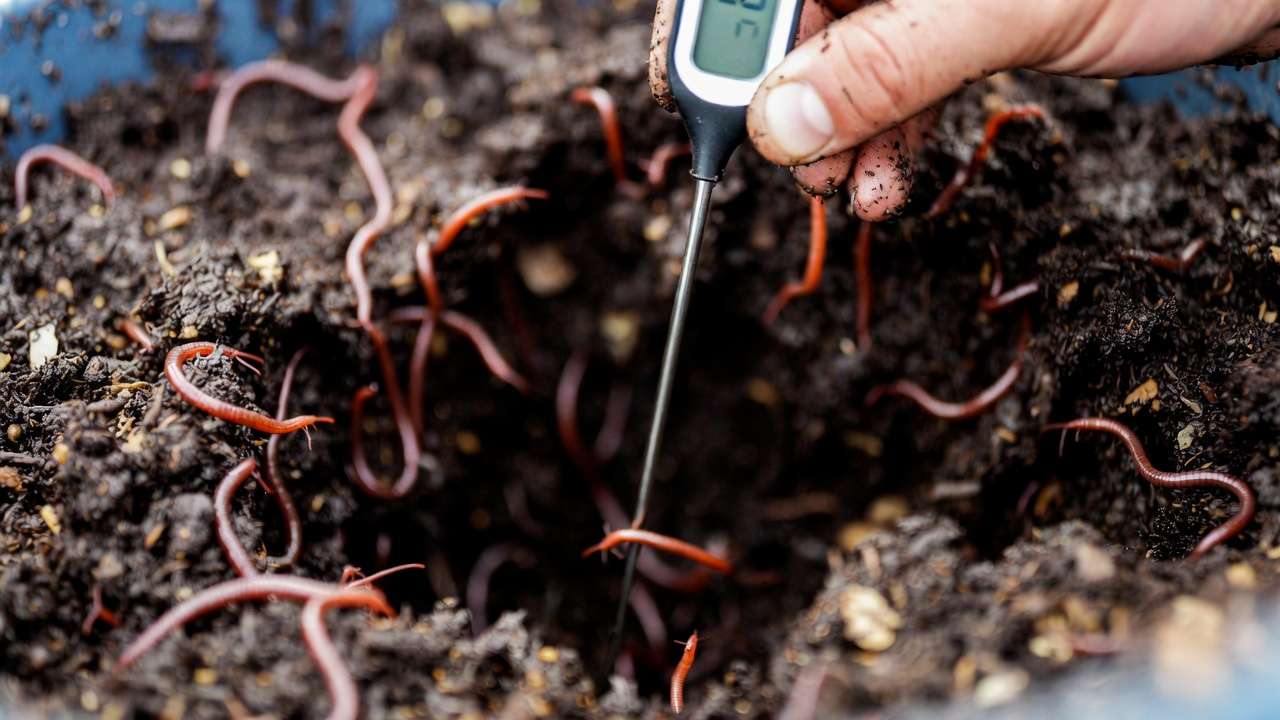
Recommended Tools for Precise Monitoring
- Best choice: Digital compost/soil thermometer with a long stainless-steel probe (at least 8–12 inches / 20–30 cm). Brands like REOTEMP or Luster Leaf offer reliable models for $10–25 that last years.
- Budget option: Basic analog dial thermometer (compost-specific ones work well).
- Advanced upgrade: Wireless Bluetooth or Wi-Fi temperature/humidity sensors (e.g., Inkbird or Govee models designed for fermentation/composting). These let you monitor remotely via phone app — incredibly useful during heatwaves or when traveling.
Avoid cheap indoor room thermometers — they won’t reach the core of the bedding where heat/moisture builds up.
Where and How to Measure Temperature Correctly
- Insert the probe into at least 3 different spots:
- Center/core (deepest, warmest area)
- Near the surface
- Along one side (often coolest)
- Take readings at the same time daily for consistency (morning is ideal).
- Record both temperature and moisture level — they interact strongly. Bedding should feel like a wrung-out sponge (60–80% moisture). Too dry = worms slow down; too wet + heat = anaerobic stink.
Ideal Temperature + Moisture Combo Cheat Sheet
- 72–78°F (22–26°C) + 70–80% moisture → Peak performance zone
- 80–85°F + high moisture → Risk of overheating (microbes generate more heat)
- Below 60°F + wet bedding → Risk of sour, anaerobic conditions
Weekly Monitoring Checklist (Copy-Paste Friendly)
- Probe temperature in 3+ locations
- Check bedding moisture (squeeze test)
- Look for worm behavior (active? clustered? escaping?)
- Note ambient vs. bin temp difference
- Adjust feeding/shade/insulation if needed
- Record date + readings (simple notebook or spreadsheet)
Consistent monitoring catches problems before they become colony killers — and gives you confidence that your castings are top-quality for your plants and trees. 📈
Troubleshooting Temperature-Related Problems & Quick Fixes ⚠️
Even the best setups hit snags. Here are the most common temperature-linked issues gardeners face, plus fast, effective solutions.
Worms Are Escaping — Likely Too Hot or Too Cold
- Most common cause: Bin core >85°F or <50°F
- Quick fixes:
- Hot: Immediately add frozen bottles, move to shade, reduce food, fluff bedding for aeration
- Cold: Relocate indoors, add insulation layers, place on seedling heat mat (low setting)
- Prevention: Check twice daily during extreme weather
Slow Composting & Low Castings Output
- Cause: Temps consistently 55–65°F or 80–85°F (worms slow but don’t die)
- Solutions:
- Warm it gently (indoor spot, extra bedding for microbial heat)
- Cool it (shade + ventilation)
- Reduce feeding until activity picks up — overfeeding in marginal temps creates heat/moisture problems
- Plant impact fix: Supplement temporarily with mature castings from previous batches or high-quality worm casting tea
Foul Smells or Mold — Temperature + Anaerobic Clues
- Cause: Heat + excess moisture + insufficient air = anaerobic bacteria takeover (rotten egg/ammonia odor)
- Immediate action:
- Stop adding food for 5–7 days
- Gently turn/fluff entire bin to introduce oxygen
- Add dry shredded newspaper/cardboard to absorb excess moisture
- Move to cooler, better-ventilated location if hot
- Long-term fix: Maintain 70–80% moisture, ensure good airflow holes, keep temps in sweet spot
Emergency Interventions for Heat or Cold Waves
- Extreme heat (>90°F forecast): Harvest castings and worms, place in temporary cooler container (fridge for short-term if desperate — never freeze), or spread thin layer in shaded area with moist burlap cover.
- Sudden freeze warning: Bring bin inside ASAP, cluster multiple bins for shared warmth, cover with blankets, add extra carbon bedding.
Acting fast usually saves 80–90% of your colony even in crisis situations.
Expert Tips & Advanced Insights to Maximize Your Worm Bin 🌟
After years of managing worm systems in hot, humid climates like Barisal Division, here are my battle-tested pro-level tips:
- Temperature-based feeding rhythm
- 72–80°F: Feed normal amount (½–1 lb scraps per 1,000 worms weekly)
- 80–85°F: Cut by 30–50% to prevent excess heat
- Below 65°F: Feed very lightly — worms barely eat
- Integrate with plant/tree care routines
- Use fresh castings as side-dressing around fruit trees every 6–8 weeks
- Make aerated compost tea (1:10 castings:water, bubble 24–48 hrs) for foliar sprays — especially powerful when worms are thriving
- Top-dress potted plants monthly for steady nutrient release
- Common myths debunked
- Myth: “Worms can handle any room temperature.” Reality: Most homes fluctuate 65–85°F — fine in winter, risky in summer without monitoring.
- Myth: “More bedding always cools the bin.” Reality: Too much dry bedding can insulate heat inside — balance is key.
- Personal setup insight In my own system during 95°F+ summer days, I use a combination of partial burial in shaded soil, daily frozen bottle swaps, and a small USB fan on low. This keeps core temps 76–79°F even when ambient hits 34°C — and my castings remain dark, crumbly, and microbe-rich.
These small tweaks turn good vermicomposting into exceptional plant nutrition.
FAQs: Your Top Temperature Questions Answered ❓
1. What is the ideal temperature for red wigglers in a worm bin? 72–80°F (22–27°C) is the sweet spot for fastest decomposition, highest reproduction, and richest castings.
2. How hot is too hot for vermicomposting? Above 85–90°F (29–32°C) becomes dangerous; prolonged exposure over 90°F often causes mass die-off.
3. Can worm bins survive winter outdoors? In mild winters (above 40°F/4°C most nights) yes, with heavy insulation. In colder areas, bring indoors or accept dormancy.
4. Do worms die in cold weather? Active worms die below ~32°F (0°C), but cocoons survive brief freezes and hatch when warmed.
5. What’s the best indoor location for stable temperatures? Basement, laundry room, or under-sink cabinet away from direct heat vents or windows — aim for consistent 65–78°F.
6. How do I cool my worm bin in hot tropical weather? Shade + frozen bottles + extra ventilation + reduced feeding is the winning combo.
7. Should I stop feeding in winter? Not completely — feed very lightly (1/4 normal amount) to avoid uneaten food rotting.
8. Does bin size affect temperature stability? Yes — larger bins (50+ gallons) buffer temperature swings better than small ones.
9. Can I use a regular thermometer? Only if it has a long probe to reach the bin core. Short ones give misleading surface readings.
10. How quickly can I recover a stressed worm colony? If you catch it early (within days), most recover in 1–3 weeks once back in optimal conditions.
Conclusion: Take Control of Your Worm Bin Temperatures for Lusher Plants Today! 🚀
Temperature requirements for worm bins aren’t just technical details — they’re the key to transforming everyday kitchen scraps into powerful, living fertilizer that makes your plants greener, your trees stronger, and your garden more resilient.
By keeping red wigglers in their 71–80°F sweet spot (or at least 55–85°F safe zone), using smart seasonal strategies, monitoring diligently, and troubleshooting quickly, you’ll enjoy steady harvests of high-quality worm castings year-round — even in challenging climates.
Start today: Grab a good probe thermometer, check your current bin temp, and make one small adjustment if needed. Your plants (and your worms) will thank you with faster growth, richer soil, and fewer problems.
Have questions about your specific setup or want to share your results? Drop a comment below — I love hearing from fellow gardeners! 🌿🪱











