
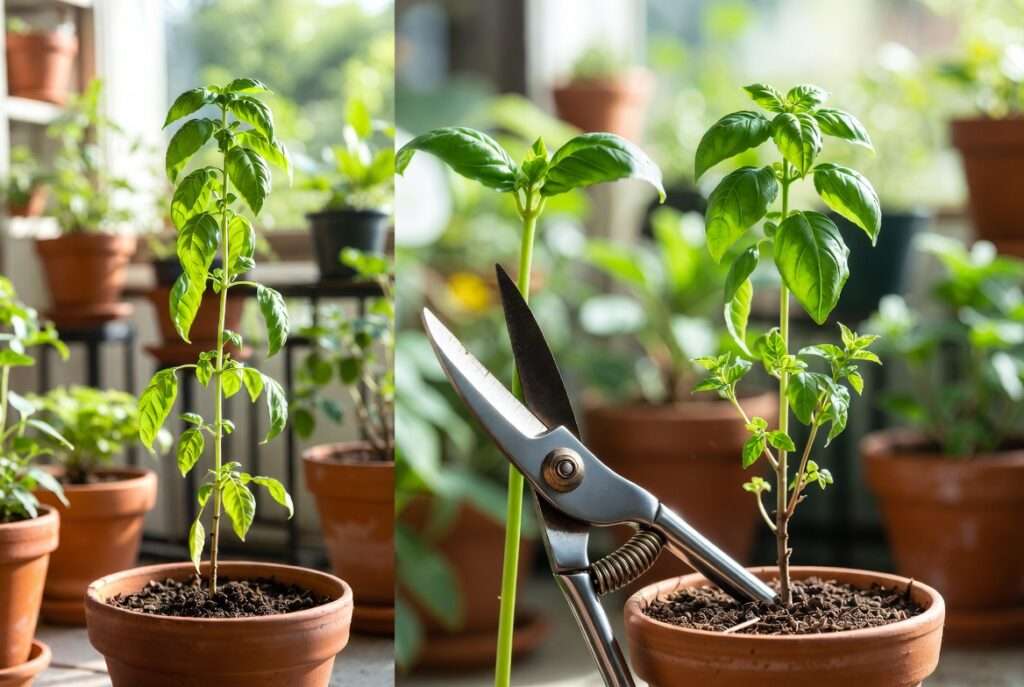
Are your potted plants stretching tall and leggy, leaving you with sparse foliage and disappointing blooms instead of the lush, full containers you dreamed of? If so, you’re not alone. Many home gardeners struggle with this exact issue in limited container spaces. The game-changing solution is simpler than you might think: topping pot plants.
This powerful yet gentle technique can transform your skinny stems into vibrant, bushy beauties packed with branches, leaves, flowers, or even more fruits. In this comprehensive guide, I’ll share everything I’ve learned from years of hands-on container gardening — from the science behind it to step-by-step instructions and pro tips that deliver real results. Whether you’re growing herbs on a balcony, vegetables on a patio, or houseplants indoors, mastering topping will help you grow healthier, more productive plants in pots.
Image suggestion: Eye-catching before-and-after photo of a leggy basil plant vs. a bushy, topped version. Alt text: “Before and after topping pot plants for bushier growth”
What Is Topping and Why It Works So Well for Potted Plants 🧪
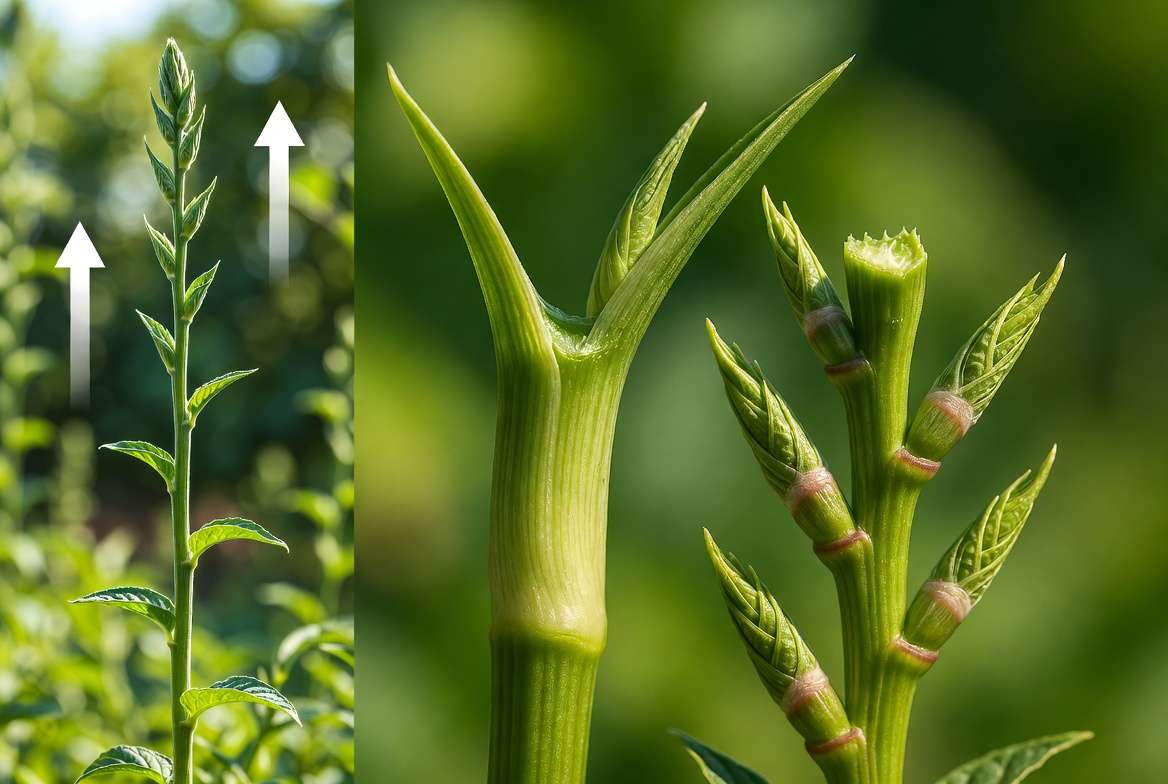
Topping, also known as pinching or tipping, involves removing the growing tip (apical meristem) of the main stem. This breaks apical dominance — the natural process where the top of the plant produces auxin hormones that suppress side branch growth, directing energy upward instead.
When you remove that dominant tip, auxin levels drop, and the plant redirects its energy to lateral buds. The result? Multiple new branches emerge, creating a fuller, bushier structure perfect for containers.
Why this matters especially for pot plants:
- Limited root space and soil volume make vertical growth inefficient. Topping keeps plants compact and productive.
- Better light penetration reaches lower leaves, reducing legginess and improving overall photosynthesis.
- Improved airflow reduces humidity-related diseases like powdery mildew.
- More branching often means more flowers, fruits, or harvestable leaves — maximizing yields in small spaces. 🌿
- Stronger, sturdier plants that resist wind and support heavier fruit loads.
Topping vs. other techniques:
- Pinching: Usually gentler, removing just the soft new growth with fingers — ideal for herbs and tender annuals.
- Pruning: More substantial cuts for shaping or removing damaged parts.
- FIMing (For cannabis growers or advanced users): A variation that pinches the tip to create 4+ new shoots instead of 2.
In my experience, consistent light topping outperforms heavy pruning for most container setups, leading to 2–3x more branching without stressing the plant excessively.
Image suggestion: Simple diagram showing apical dominance before/after topping with auxin flow arrows. Alt text: “Science of apical dominance and how topping encourages bushy growth in potted plants”
Best Plants to Top in Pots – And Which Ones to Avoid 🌿🍅
Not every plant responds the same way to topping. Choosing the right candidates is key to success.
Highly Responsive Plants:
- Herbs: Basil, mint, oregano, thyme, rosemary, and scented geraniums. Regular topping keeps them producing flavorful leaves longer and prevents bolting.
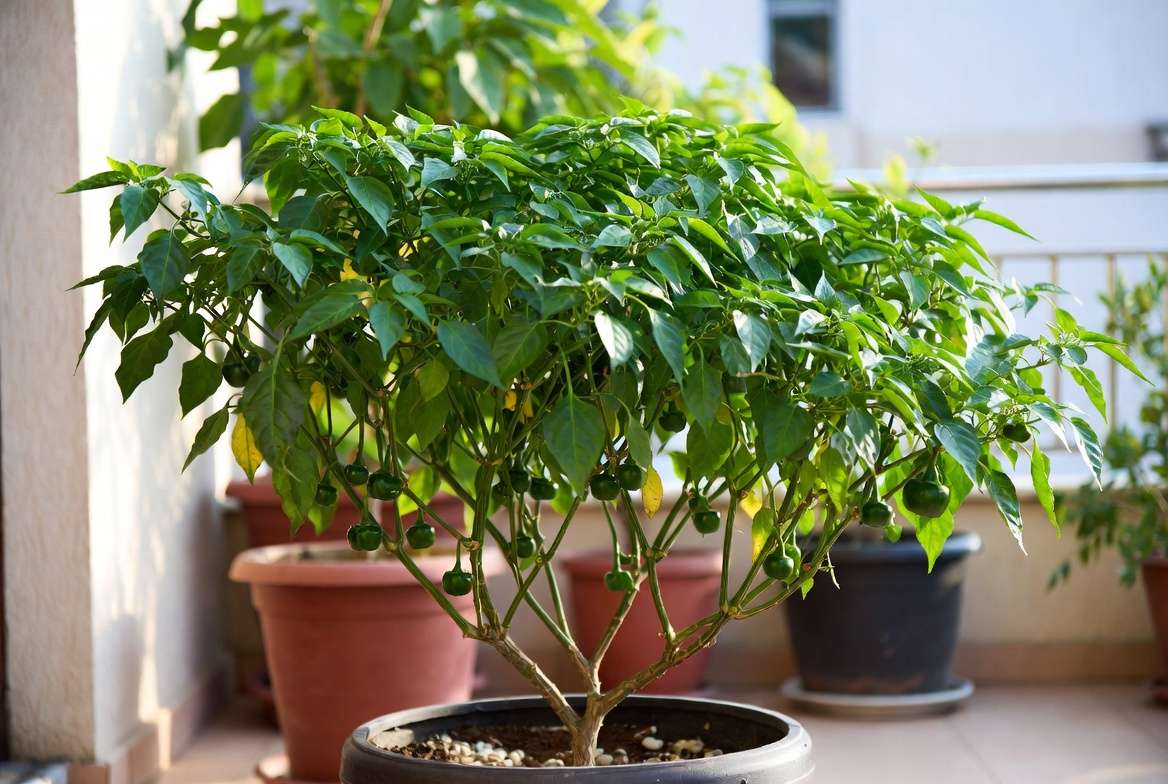
- Vegetables: Peppers, indeterminate tomatoes (in large pots), eggplant, and some bush beans. Topping creates stockier plants with more fruiting sites.
- Flowers: Petunias, marigolds, zinnias, chrysanthemums, coleus, and calibrachoa. These produce denser blooms and fuller displays.
- Houseplants: Pothos, tradescantia (wandering jew), coleus, and many pelargoniums (geraniums) thrive with pinching for bushier indoor growth.
Moderate or Advanced: Young fruit trees or shrubs in large containers (e.g., citrus or blueberries) can benefit from light tipping to encourage branching, but go easy.
Plants to Avoid or Handle Cautiously:
- Single-stem growers like palms, most succulents, cacti, and certain sunflowers or delphiniums.
- Plants with natural central leaders (e.g., some conifers or monstera) — better suited to other training methods.
- Woody perennials that resent heavy cuts.
Quick Reference Table (imagine this as a styled table in the final article):
| Plant Type | Best Topping Stage | Expected Results | Frequency |
|---|---|---|---|
| Basil/Herbs | 4-6 leaves | Bushier, more leaves | Every 2-3 weeks |
| Peppers | 6-8 nodes | More fruits, compact | 1-2 times |
| Petunias | After 4-5 inches tall | Fuller blooms | Regular pinching |
| Tomatoes (indet) | 5-7 nodes | More clusters | Once or twice |
Image suggestion: Collage of thriving topped plants in pots (basil, peppers, petunias). Alt text: “Best plants for topping in containers”
When to Top Your Pot Plants – Perfect Timing Matters ⏰
Timing is everything. Top too early and you risk stunting a young seedling. Too late, and the plant may not branch as effectively.
Ideal conditions:
- Seedlings with 4–6 true leaves or about 5–6 inches tall.
- During active vegetative growth (spring to early summer for most outdoor plants).
- Healthy, well-watered, unstressed plants.
- Avoid topping during extreme heat, drought, or right before flowering for sensitive species.
Signs your plant is ready:
- Strong stem with multiple node sets.
- Vibrant green growth and good root establishment.
- No signs of pests or nutrient deficiencies.
Allow 1–2 weeks recovery between multiple toppings. For herbs like basil, you can pinch more frequently as you harvest.
H3: Sample Topping Schedules
- Basil: Start at 6 leaves, pinch every 2–3 weeks throughout summer.
- Peppers: One main top at 6–8 nodes, optional light follow-up.
- Houseplants: Pinch as needed during growing season for shape.
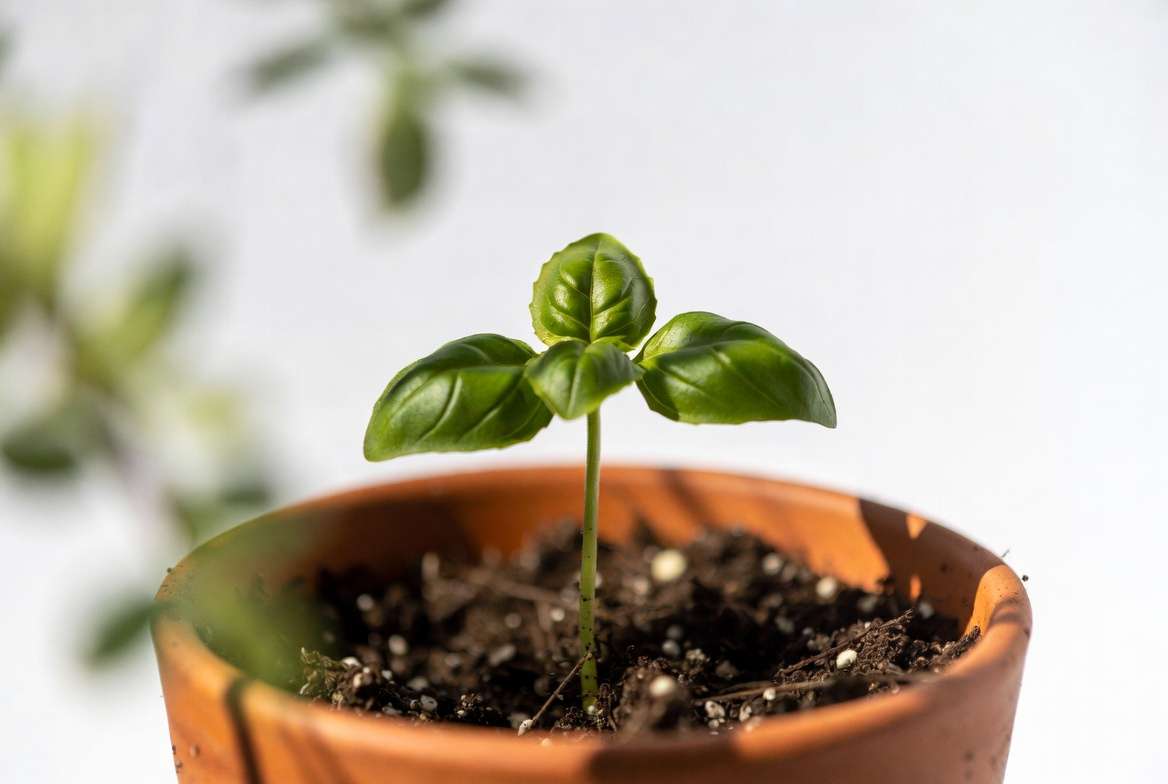
Image suggestion: Calendar-style infographic with plant growth stages. Alt text: “Best time to top pot plants schedule”
Step-by-Step Guide: How to Top Pot Plants Like a Pro ✂️
Here’s the exact method I recommend for reliable results:
- Gather sterilized tools: Sharp scissors, pruning shears, or clean fingers. Wipe with rubbing alcohol to prevent disease.
- Prepare the plant: Water thoroughly the day before. Ensure it’s healthy and in a stable environment.
- Identify the cut point: Look for the top growing tip. Cut just above a healthy node (set of leaves) — typically the 4th to 6th node for the first topping. This leaves enough foliage for photosynthesis.
- Make a clean cut: Use a 45-degree angle for faster healing. Remove only the soft tip for pinching, or a bit more for heavier topping.
- Post-cut care: Place in slightly lower light for a few days. Maintain consistent moisture (not soggy). Hold off on heavy fertilizing for a week.
For even bushier results, you can top the new branches in subsequent rounds (creating a manifold-like structure).
Pro Tip: Always cut above outward-facing buds for better shape in pots. 🌱
Image suggestion: Numbered photo series showing each step on a basil or pepper plant. Alt text: “Step-by-step how to top pot plants”
Aftercare for Explosive Bushy Growth 🌱💧
Topping stresses the plant mildly, so recovery care is crucial:
- Watering: Keep soil evenly moist but well-draining. Use pots with drainage holes and quality potting mix.
- Feeding: After recovery, apply balanced liquid fertilizer (higher nitrogen initially for foliage).
- Light: 6+ hours of bright indirect or direct sun depending on plant type.
- Support: Use stakes if branches become heavy.
- Combine with low-stress training (gentle bending) for even better canopy fill.
Consistent aftercare turns a simple cut into a explosion of new growth within 7–14 days.
Common Mistakes to Avoid (And How to Fix Them) ⚠️
Even experienced gardeners can make mistakes when topping pot plants. Avoiding these pitfalls will save your plants from stress and deliver better bushier growth.
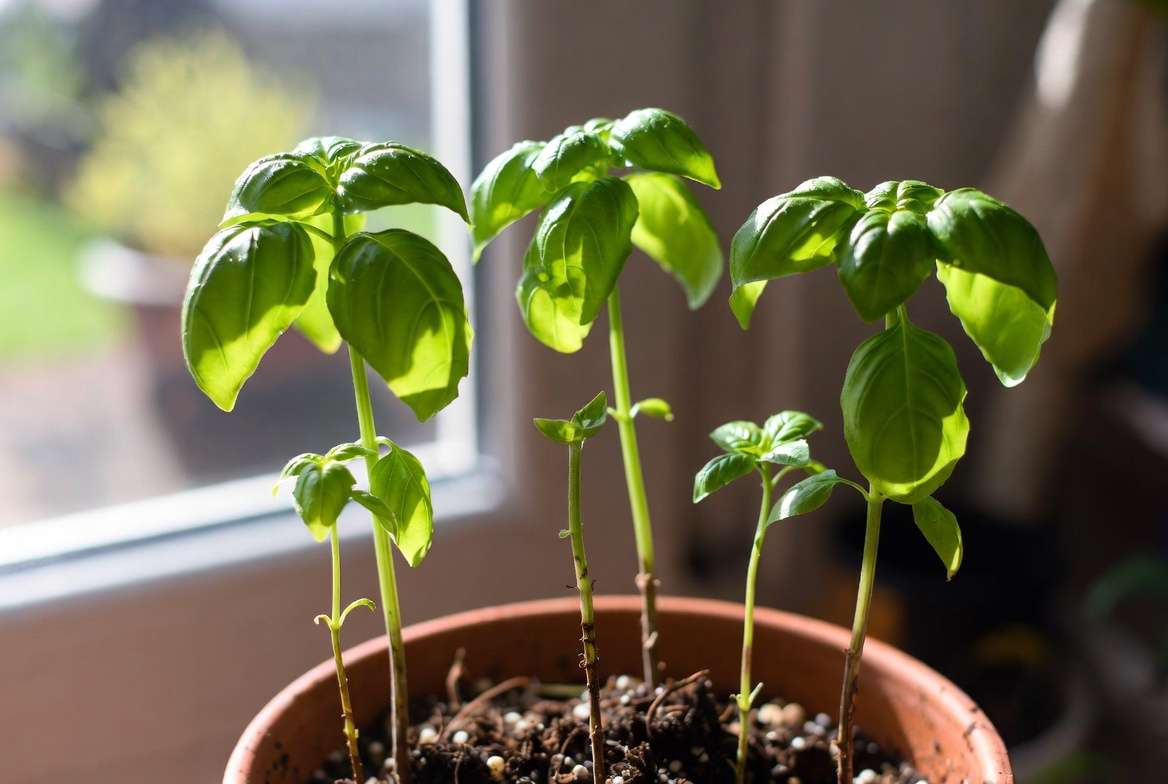
- Topping too early: Cutting seedlings with fewer than 4 true leaves shocks the plant and slows development. Fix: Wait until the plant has at least 4–6 sets of true leaves and a strong stem.
- Topping too late or too aggressively: Removing too much foliage on a mature plant reduces its ability to photosynthesize. Fix: Never remove more than 20–30% of the foliage at once. Start light and build bushiness gradually.
- Using dull or dirty tools: This causes jagged cuts that invite disease and slow healing. Fix: Always sterilize scissors or shears with rubbing alcohol before and after use.
- Ignoring aftercare: Placing the plant in full intense sun immediately or forgetting to water consistently leads to wilting or slow recovery. Fix: Provide 1–2 days of slightly reduced light and maintain even soil moisture.
- Topping stressed plants: Plants suffering from nutrient deficiency, pests, or underwatering recover poorly. Fix: Only top healthy, actively growing plants. Address underlying issues first.
- Over-topping without recovery time: Repeated cuts too close together exhaust the plant. Fix: Allow 7–14 days between sessions and monitor new growth.
By steering clear of these errors, you’ll enjoy consistent success with your container garden. In my years of growing everything from balcony tomatoes to indoor herb collections, proper technique and patience have always outperformed rushed efforts. 🌱
Image suggestion: Side-by-side comparison — healthy topped plant vs. one showing common mistakes (e.g., wilting or uneven growth). Alt text: “Common topping mistakes and how to avoid them in pot plants”
Advanced Tips and Variations for Maximum Results 🚀
Once you master basic topping, these pro techniques will take your potted plants to the next level:
Multiple Toppings for Manifold Growth After the first cut produces two strong branches, top those again above the next node. This creates a dense, multi-branched canopy ideal for limited spaces. Great for basil, peppers, and petunias.
Combining with Low-Stress Training (LST) Gently bend and tie branches horizontally to fill gaps in the canopy. This works beautifully with topping to create a flat, even top layer that maximizes light exposure.
Topping for Specific Goals:
- More foliage/herbs: Frequent light pinching.
- More flowers: Top once or twice early, then switch to bloom-boosting fertilizer.
- Compact fruiting plants: Top indeterminate tomatoes or peppers once at 6–8 nodes for stockier, higher-yielding plants in pots.
Seasonal Maintenance For perennial potted plants (like rosemary or small shrubs), light tipping in early spring encourages fresh bushy growth. Avoid heavy topping in late summer or fall.
Soil and Nutrition Boost Use a high-quality, well-aerated potting mix amended with compost or worm castings. After recovery, feed with a balanced organic fertilizer to fuel new branches.
Expert Insight: Many professional container gardeners combine topping with strategic repotting — moving to a slightly larger pot once roots fill the current one supports the increased top growth.
Image suggestion: Before/after advanced training collage showing multi-topped and LST plant. Alt text: “Advanced topping techniques for maximum bushy growth in containers”
Troubleshooting – What If Things Go Wrong? 🔧
Even with perfect technique, issues can arise. Here’s how to diagnose and fix them:
- Yellowing leaves after topping: Usually temporary stress or nitrogen deficiency. Solution: Reduce light slightly, ensure proper watering, and apply diluted balanced fertilizer after 5–7 days.
- Slow or no new branching: Insufficient light or nutrients. Solution: Move to brighter location (6–8 hours) and check soil pH (most plants prefer 6.0–7.0).
- Leggy regrowth: Not enough light post-topping. Solution: Provide stronger light and consider a second light topping once recovered.
- Pests or disease: Stressed plants become vulnerable. Solution: Inspect regularly, improve airflow, and use neem oil or insecticidal soap as needed.
- Wilting: Over- or under-watering. Solution: Check soil moisture 1–2 inches deep before watering. Ensure excellent drainage.
With attentive care, most plants bounce back stronger and bushier than before. Prevention through healthy starting conditions remains the best strategy. ✨
Image suggestion: Troubleshooting infographic with common problems and solutions. Alt text: “Fix common issues after topping pot plants”
Frequently Asked Questions (FAQs) ❓
What is the difference between topping and pinching? Topping usually refers to cutting the main stem tip, while pinching is a gentler method using fingers on soft new growth. Both achieve similar bushier results.
Can I top flowering plants? Yes, but ideally do it during the vegetative stage. Light pinching during early flowering can still encourage more buds on many annuals like petunias.
How many times can I top the same plant? Most potted herbs and flowers can be topped 2–4 times per season. Fruiting vegetables usually benefit from 1–2 strategic toppings.
Is topping safe for all houseplants? No. It works wonderfully on pothos, coleus, and tradescantia, but avoid it on plants that don’t branch well, like certain dracaenas or succulents.
Will topping make my plants shorter permanently? No. While it controls height, the extra branching often results in a fuller, sometimes taller overall plant mass with more usable growth.
Does topping work for outdoor balcony gardens? Absolutely! It’s one of the best techniques for wind-exposed or space-limited balconies.
Can I use the cuttings? Yes! Many topped tips (especially basil, mint, and geraniums) root easily in water or soil for free new plants.
Image suggestion: FAQ section graphic or icons for visual appeal.
Conclusion: Start Topping and Transform Your Container Garden Today 🌟
Topping pot plants is one of the most effective, low-cost ways to achieve the lush, productive container garden you’ve always wanted. By understanding apical dominance, choosing the right plants and timing, following proper technique, and providing excellent aftercare, you’ll enjoy bushier growth, more harvests, and healthier plants season after season.
Remember: patience and consistency deliver the best results. Start with just one or two plants — perhaps that leggy basil on your windowsill — and watch the magic happen within weeks.
I’d love to hear about your results! Share your before-and-after photos in the comments, which plants you’re growing, or any questions you still have. For more expert plant care guides, explore our articles on optimal potting mixes, companion planting for containers, and organic pest control.
Happy gardening — may your pots overflow with green abundance! 🌿✂️💚











