
Imagine stepping into your backyard on a crisp spring morning and harvesting armfuls of thick, vibrant stalks from a single hardy perennial that keeps producing delicious tart-sweet goodness for over a decade. That dream becomes reality with the Victoria rhubarb plant — one of the most reliable and productive heirloom varieties for home gardeners.
Whether you’re a beginner dreaming of homemade strawberry-rhubarb pies or an experienced grower looking to maximize yields, this comprehensive guide will walk you through everything you need to know. With proper care, your Victoria rhubarb can deliver bountiful harvests year after year with minimal effort once established. Let’s dig in and set you up for success! 🍓
What is the Victoria Rhubarb Plant?
The Victoria rhubarb plant (Rheum × hybridum ‘Victoria’) is a classic heirloom variety introduced in 1837 by English nurseryman Joseph Myatt. It was named in honor of Queen Victoria upon her accession to the throne and quickly became a favorite in gardens across England and North America.
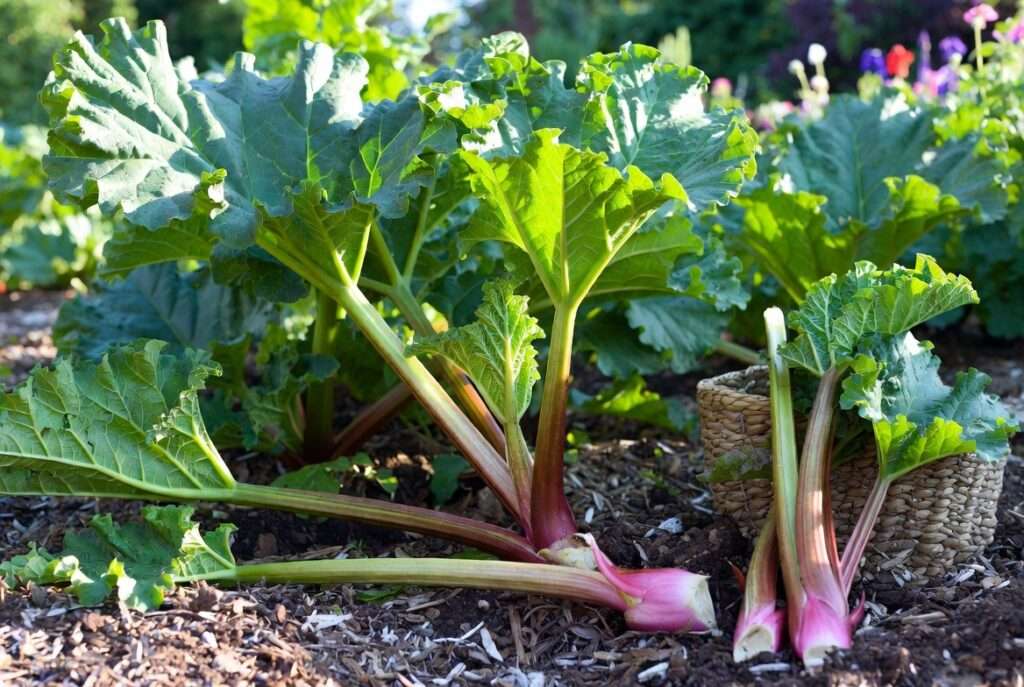
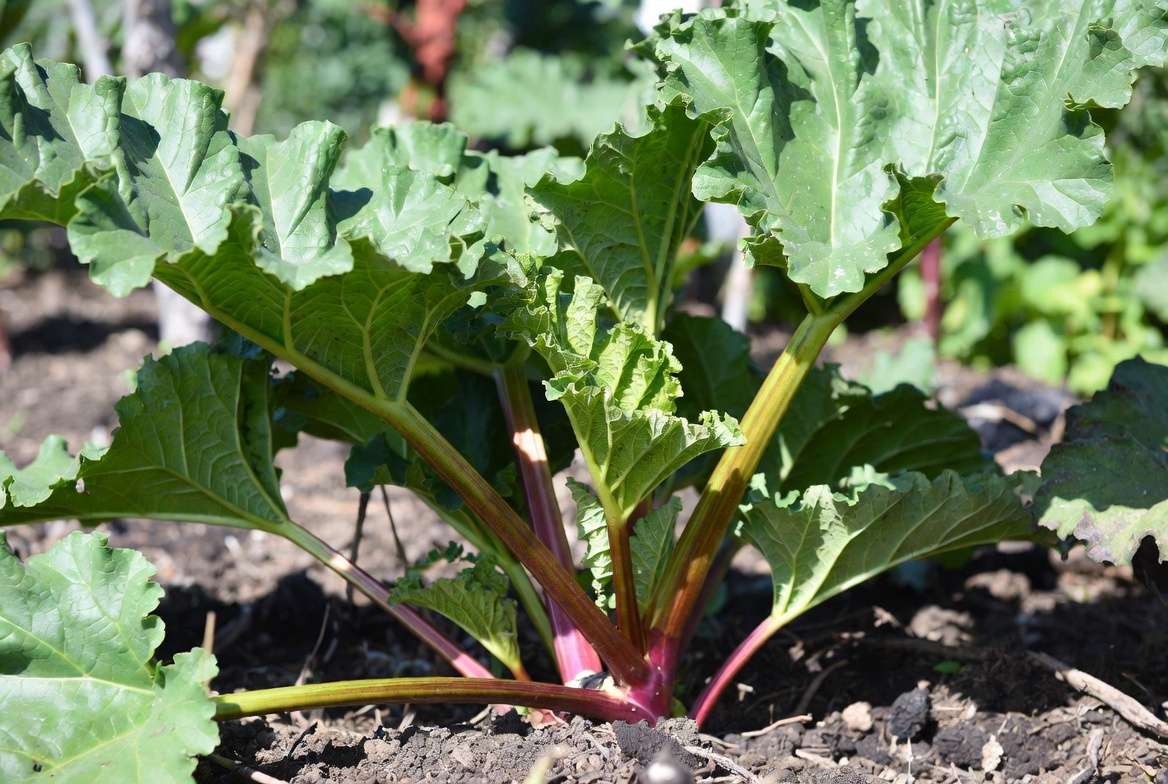
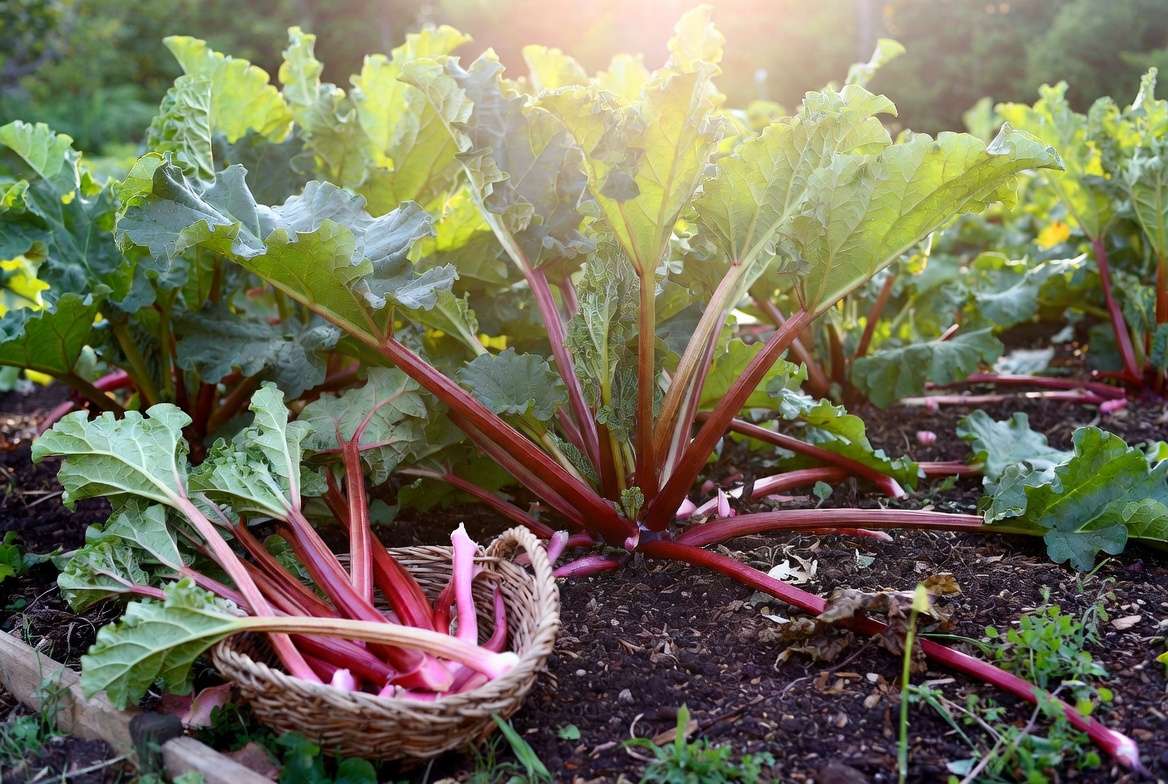
Key Characteristics and Why Choose Victoria Victoria stands out for its impressive productivity and quality. Mature plants produce large, long stalks (often reaching 2+ feet) that are thick, tender, and less stringy than many other types. The stalks typically show a beautiful green base with attractive red or pink blush, especially near the bottom.
Compared to popular red-stalked varieties like Canada Red or Valentine, Victoria offers excellent vigor, higher yields, and a well-balanced flavor profile — classic tart with notes of apple, gooseberry, and a hint of citrus. It’s an early-to-mid season producer and performs reliably in a wide range of conditions. Many gardeners and chefs consider it the gold standard that newer varieties have yet to surpass.
Nutritional Benefits and Culinary Uses Rhubarb is more than just a pie filler — it’s packed with nutrition. A half-cup serving of cooked rhubarb delivers vitamin K for bone health, vitamin C, fiber, calcium, and antioxidants like anthocyanins that support heart health and may help fight inflammation.
In the kitchen, Victoria’s tender stalks shine in:
- Classic strawberry-rhubarb pies and crumbles
- Jams, sauces, and compotes
- Rhubarb wine or cordial
- Savory dishes like roasted rhubarb with meats
Pro Tip: Always remove and discard the leaves, as they contain oxalic acid and are toxic. Only the stalks are edible. 🥄
[Image Suggestion: Beautiful close-up photo of mature Victoria rhubarb stalks with pink blush against large green leaves, with a basket of harvested stalks nearby.]
Ideal Growing Conditions for Victoria Rhubarb
Climate and Hardiness Zones Victoria rhubarb thrives as a cool-season perennial in USDA Hardiness Zones 3–8. It requires a period of winter chill (below 40°F) to break dormancy and performs best where summer temperatures stay below 75–80°F on average. In hotter climates, provide afternoon shade and extra mulch to keep roots cool.
Sunlight Requirements Plant in full sun (at least 6–8 hours daily) for maximum productivity. In regions with intense summer heat, light afternoon shade helps prevent bolting and keeps stalks tender.
Soil Requirements and Preparation Success starts with excellent soil. Victoria prefers fertile, well-drained loamy soil rich in organic matter with a pH of 6.0–7.0. Poor drainage leads to crown rot, so raised beds are ideal in heavy clay soils.
Preparation Steps:
- Test your soil pH and nutrients.
- Work in 4–6 inches of well-rotted compost or aged manure.
- Avoid fresh manure, which can burn roots.
Heavy feeders like rhubarb benefit from generous organic amendments that improve soil structure over the long term.
How to Plant Victoria Rhubarb
Best Time to Plant The ideal window is early spring as soon as the soil is workable, or in fall in milder climates while plants are dormant.
Choosing and Preparing Crowns Purchase dormant crowns from reputable nurseries. Look for crowns with at least 2–3 healthy pink buds and firm, plump roots. Avoid any showing signs of rot or damage.
Step-by-Step Planting Guide
- Dig holes large enough for the roots — about 12–18 inches wide and deep.
- Space plants 3–4 feet apart in rows 4–5 feet apart to allow for their impressive spread (up to 3–4 feet wide).
- Position the crown so buds are 1–2 inches below the soil surface.
- Backfill gently, firm the soil, and water deeply.
- Apply 2–3 inches of organic mulch (straw, leaves, or compost) to retain moisture and suppress weeds.
Growing from Seed vs. Crowns While possible from seed, crowns are strongly recommended. Seed-grown plants take longer to establish, may not stay true to type, and delay your first harvest by an extra year. Crowns give you a head start and more uniform, productive plants.
[Image Suggestion: Step-by-step infographic or photos showing proper crown planting depth and spacing in a garden bed.]
Victoria Rhubarb Care Guide 💧
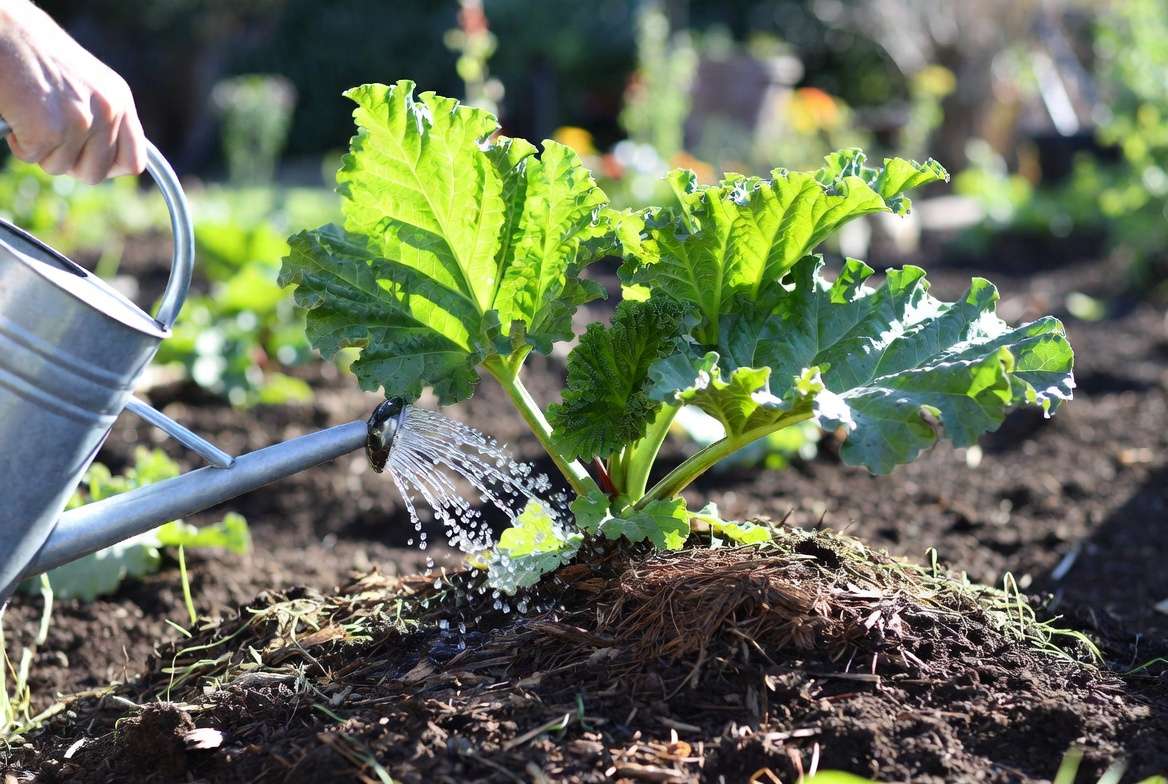
Watering Needs Consistent moisture is key, especially during dry spells. Aim for about 1 inch of water per week. Water deeply at the base to encourage strong root systems, but avoid soggy soil. Mulch helps maintain even moisture levels.
Fertilizing for Maximum Growth As heavy feeders, Victoria plants appreciate annual feeding:
- Apply compost or well-rotted manure in early spring and again after harvest.
- Side-dress with a balanced fertilizer (like 10-10-10) following soil test recommendations.
- Avoid high-nitrogen fertilizers late in the season, as this can promote soft growth prone to disease.
Mulching and Weed Control A thick layer of mulch keeps roots cool, retains moisture, and reduces weed competition. Replenish as needed throughout the season.
Dividing and Replanting Mature Plants Every 4–6 years, divide overcrowded clumps in early spring or fall to maintain vigor and productivity. Replant healthy divisions with strong buds.
Seasonal Care Throughout the Year
Spring Care and Forcing Rhubarb (Optional) Remove winter mulch gradually as new growth emerges. For earlier harvests, “force” plants by covering with an upturned bucket or forcing jar in late winter — this produces tender, sweeter pink stalks.
Summer Maintenance Monitor for pests, water during droughts, and remove any flower stalks (bolting) promptly to direct energy back to the roots and stalks.
Fall Preparation and Winter Protection Cut back foliage after the first hard frost. Apply a generous layer of mulch or compost around (but not directly on) the crowns for winter protection. Victoria is very cold-hardy but benefits from insulation in exposed areas.
Harvesting Victoria Rhubarb for Best Yields 🍓
Harvesting is one of the most rewarding parts of growing the Victoria rhubarb plant, but doing it correctly ensures the plant stays strong for many years.
When to Start Harvesting Patience is essential for long-term success.
- First year: Do not harvest at all — allow the plant to establish strong roots.
- Second year: Light harvest only (a few stalks per plant).
- Third year and beyond: You can harvest freely from late spring through early summer.
In most climates, peak harvest season runs from April/May to June. Stop harvesting by midsummer (around July 4th in northern regions) so the plant can rebuild energy reserves for next year.
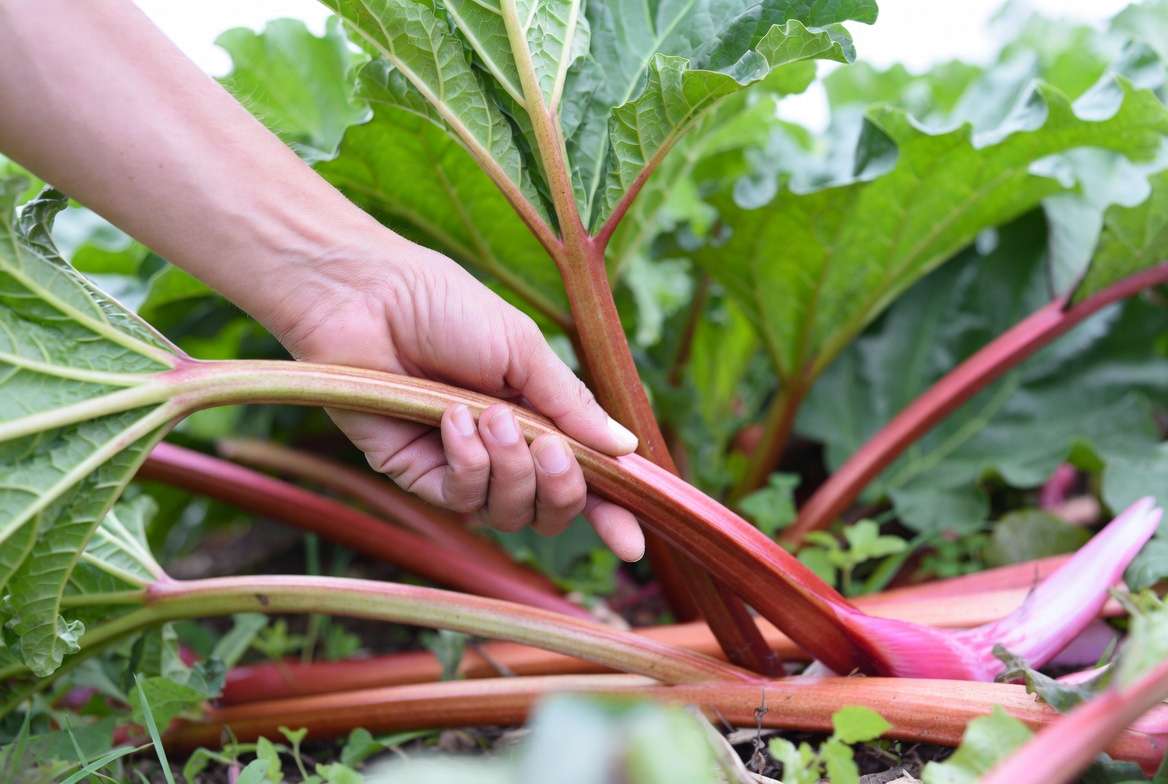
Proper Harvesting Technique Never cut the stalks with a knife — this can introduce disease. Instead:
- Gently grasp the stalk near the base.
- Twist and pull sideways and upward in one smooth motion.
- The stalk should come away cleanly with the base intact.
Remove any flowering stems (bolting) immediately, as they drain energy from stalk production.
How Much to Harvest A good rule of thumb: Never remove more than one-third to one-half of the plant’s stalks at any one time. This keeps the Victoria rhubarb plant vigorous and productive for 8–15+ years.
Signs of Ready Stalks and Post-Harvest Care Ready stalks are thick, firm, and 12–24+ inches long with good color. After harvesting, clean up any debris around the base and apply a fresh layer of compost or mulch. This helps the plant recover quickly.
Pro Tip: Early morning is the best time to harvest when stalks are crisp and full of moisture.
[Image Suggestion: Close-up photo showing the correct “twist and pull” harvesting technique with ripe Victoria rhubarb stalks.]
Common Problems and Solutions 🛠️
Even tough plants like Victoria rhubarb can face challenges. Here’s a practical troubleshooting guide based on real-world growing experience.
Pests
- Aphids: Clusters of tiny insects on leaf undersides. Blast with strong water spray or use insecticidal soap.
- Slugs and Snails: Common in damp conditions. Use beer traps, diatomaceous earth, or copper tape.
- Rhubarb Curculio: Larger weevils that bore into stalks. Hand-pick and remove debris.
Diseases
- Crown Rot: Caused by poor drainage and overwatering. Prevention is best — ensure excellent drainage and avoid burying crowns too deeply.
- Leaf Spot and Botrytis: Fungal issues in humid weather. Improve air circulation, avoid overhead watering, and remove affected leaves promptly.
- Powdery Mildew: White coating on leaves. Use neem oil or baking soda spray as organic options.
Environmental Issues
- Thin Stalks: Usually due to insufficient nutrients, overcrowding, or too much heat. Feed generously and divide plants every 4–6 years.
- Bolting (Flowering): Triggered by heat or stress. Remove flower stalks immediately and provide shade in hot spells.
- Yellowing Leaves: Can indicate nutrient deficiency or overwatering. Test soil and adjust accordingly.
Prevention Strategy: Healthy plants resist problems better. Focus on soil health, proper spacing, and good sanitation. Most issues can be avoided with the right growing conditions.
[Image Suggestion: Side-by-side comparison images showing healthy vs. common problem leaves/pests for identification.]
Advanced Tips for a Super Productive Harvest 🌟
Take your Victoria rhubarb to the next level with these expert techniques:
- Forcing for Early Harvest: Cover dormant crowns in late winter with a large bucket or rhubarb forcer. This produces tender, sweeter, bright pink stalks 2–3 weeks earlier.
- Succession Planting: Grow multiple crowns or combine with other varieties (like Canada Red) for extended harvest.
- Container Growing: Possible in large pots (minimum 20 gallons) with rich potting mix. Great for patios and small spaces. Ensure excellent drainage.
- Soil Building Over Years: Rhubarb loves rich soil. Add worm castings, compost tea, and bone meal annually for stronger plants.
- Organic and Sustainable Practices: Use companion plants like marigolds (to deter pests) or comfrey (as a natural fertilizer). Rainwater collection and mulch from garden waste keep your garden eco-friendly.
Gardeners in northern climates often report the highest yields when combining generous feeding with proper winter protection.
FAQs About Victoria Rhubarb Plant ❓
Is Victoria rhubarb red or green? It produces green stalks with attractive red/pink blush, especially at the base. The color is beautiful and the flavor is excellent.
Can I grow Victoria rhubarb in pots? Yes! Use large containers with high-quality potting soil mixed with compost. Water and feed more frequently than in-ground plants.
Are rhubarb leaves poisonous? Yes — the leaves contain high levels of oxalic acid and should never be eaten. Always discard them safely away from pets and livestock.
Why are my stalks thin? Common causes include young plants, nutrient deficiency, overcrowding, or insufficient sunlight. Improve soil fertility and divide mature clumps.
How long does a Victoria rhubarb plant live? With good care and periodic division, 8–15 years or longer is common.
When should I divide my rhubarb? Every 4–6 years in early spring or fall when the plant is dormant.
Does rhubarb need full sun? Yes, preferably 6–8 hours. It tolerates partial shade but yields best in full sun.
Can I harvest rhubarb in fall? Light harvesting is okay in early fall in mild climates, but avoid heavy harvest so the plant can prepare for winter.
Conclusion: Enjoy Years of Bountiful Rhubarb Harvests 🥧
The Victoria rhubarb plant is truly one of the best investments for any edible garden. Once established, it becomes a low-maintenance, high-reward perennial that returns bigger and more productive each spring.
By following this guide — from proper planting and soil preparation to smart harvesting and problem prevention — you’ll be enjoying fresh rhubarb for pies, sauces, and desserts for many years to come.
Start small if you’re a beginner, or expand your patch if you’re already a fan. The satisfaction of harvesting from your own Victoria rhubarb plants is unmatched.
Have you grown Victoria rhubarb before? Share your experiences, tips, or questions in the comments below! For more plant care guides, check out our articles on companion planting, organic pest control, and perennial vegetables.
Happy gardening! 🌿🍓











