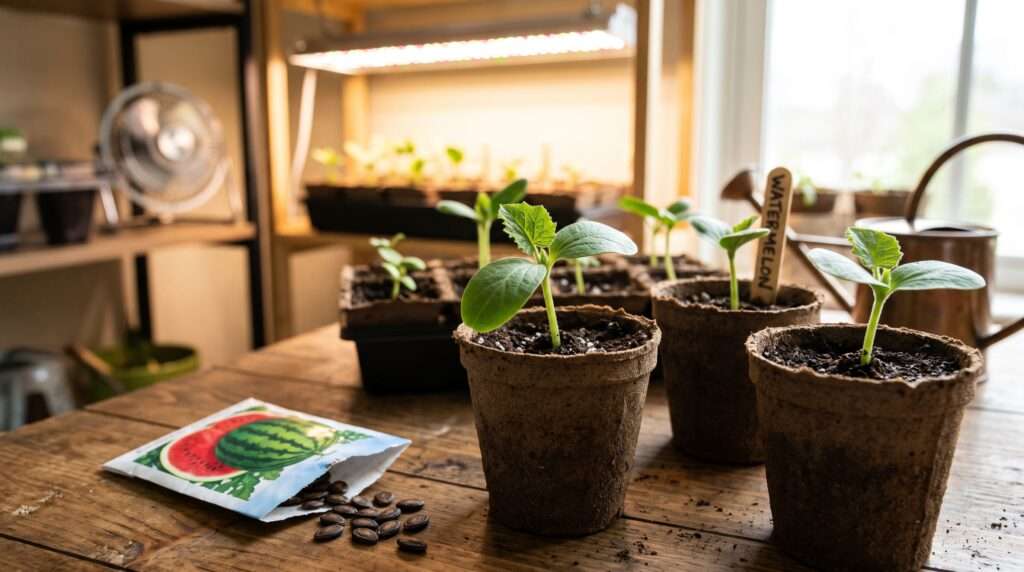
Slicing into a perfectly ripe, homegrown watermelon is the ultimate summer triumph. But for many gardeners, this dream is dashed early by stringy, dying seedlings. To achieve that massive summer harvest, timing is everything. Knowing exactly when to start watermelon seeds indoors is the single most critical factor in avoiding weak plants and transplant shock. As professional growers know, watermelons grow incredibly fast and despise having their roots disturbed. By calculating your sowing date backward from your local soil temperatures, you can guarantee robust, garden-ready transplants. Here is your definitive guide to timing, tools, and techniques for a foolproof watermelon season.
Why Timing is Everything: The Dangers of Starting Too Early ⏱️
The “Leggy” Seedling Epidemic 🦒
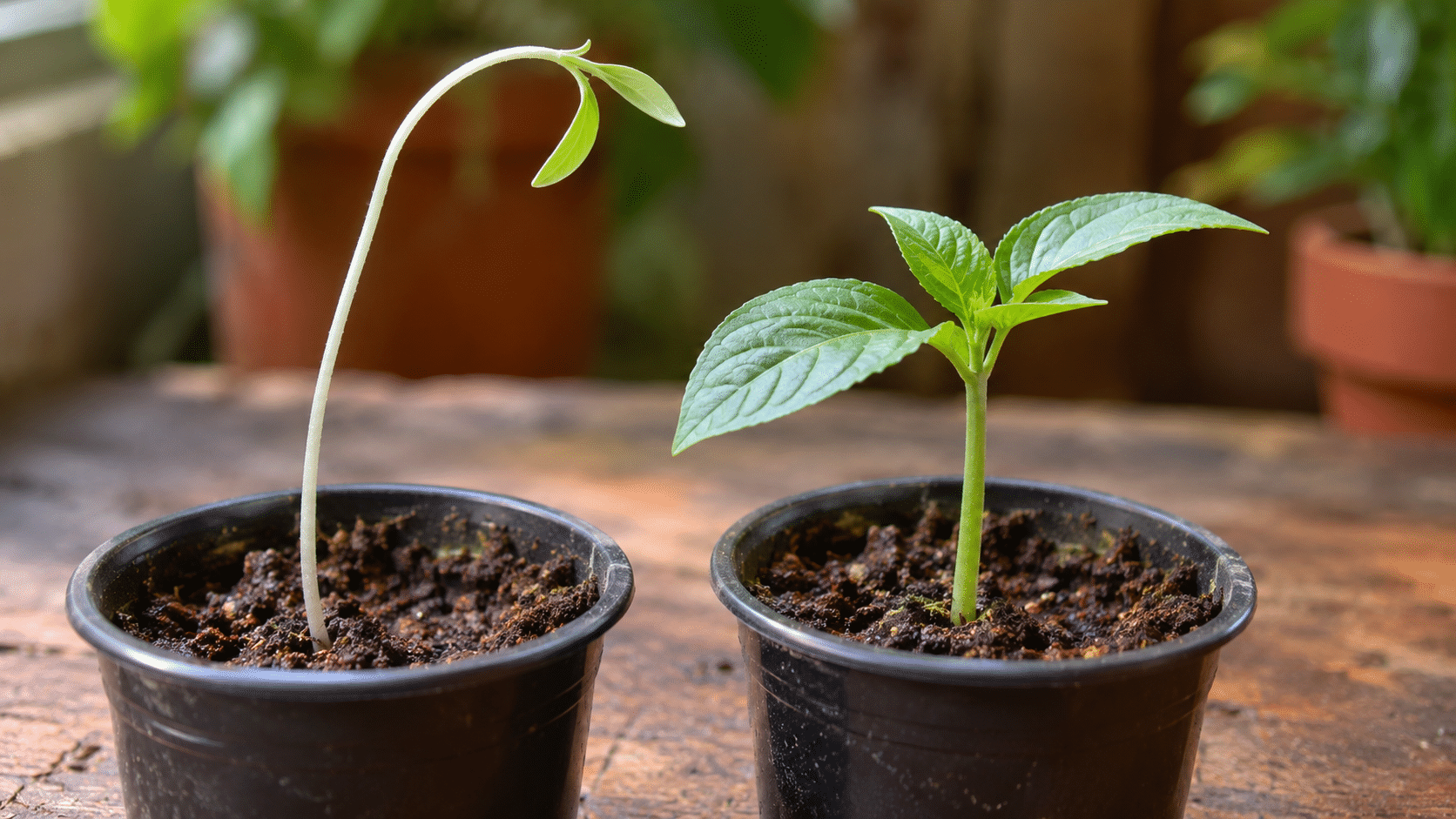
A “leggy” seedling is one that has grown tall, thin, and pale as its stem stretches desperately to find adequate light. Watermelons are vigorous vining plants; if started indoors too soon, they will rapidly outgrow their artificial light source. These stretched, fragile stems are incredibly vulnerable to snapping in the wind once moved outdoors.
The Threat of Transplant Shock 🥀
Watermelons possess a delicate taproot system that resents being confined. When left in small starter pots for too long, the roots circle the bottom and become root-bound. Once a root-bound watermelon is transplanted into the garden, it often stunts permanently—a condition known as transplant shock.
💡 Expert Tip: A smaller, healthy 3-week-old seedling will always outgrow a stressed, root-bound 6-week-old seedling in the garden!
The Golden Rule: Exactly When to Start Watermelon Seeds Indoors 🗓️
The 3 to 4 Week Window ⏳
Unlike tomatoes or peppers, which need 6 to 8 weeks indoors, watermelons require a strict 3 to 4 week head start before your area’s final spring frost date. Sowing them any earlier is a recipe for disaster.
How to Calculate Your Magic Sowing Date 🧮
-
Find your local average last frost date using an almanac or local extension office data.
-
Check long-term weather forecasts to ensure ambient and soil warming trends are on track.
-
Count backward by 21 to 28 days to find your exact sowing date.
Hardiness Zone Cheat Sheet 🗺️
-
Zones 9-10: Late February to Early March
-
Zones 7-8: Mid to Late March
-
Zones 5-6: Mid-April to Early May
-
Zones 3-4: Mid to Late May
The Ultimate Indoor Setup: What You Need for Success 🛠️
The Container Debate: Peat Pots vs. Plastic 🪴
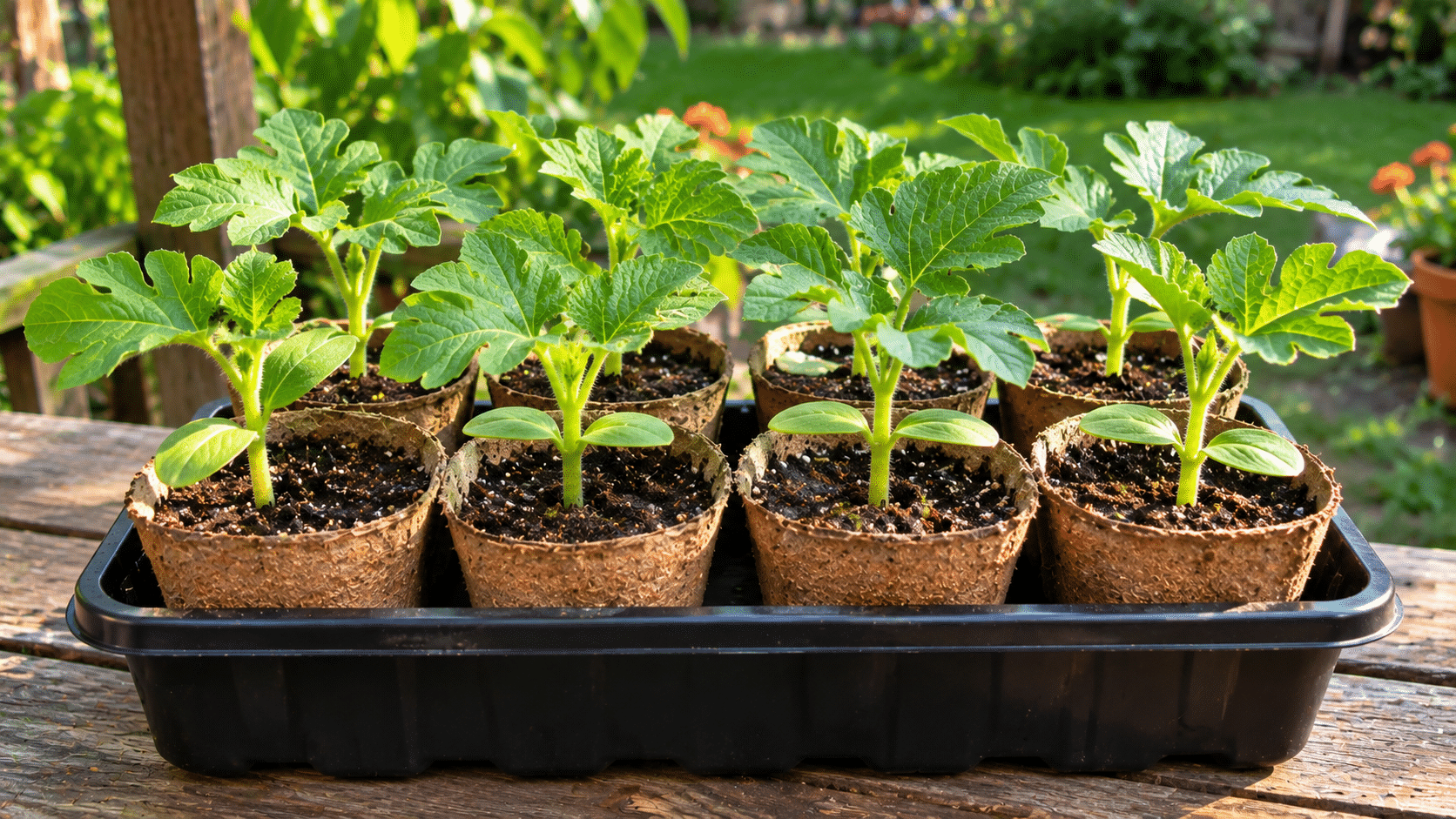
Because watermelons hate root disturbance, biodegradable pots (like peat pots, cowpots, or soil blocks) are highly recommended. You can plant the entire pot directly into the garden, allowing the taproot to grow uninhibited. Use a container that is at least 3 to 4 inches in diameter to accommodate their rapid early growth.
The Perfect Seed-Starting Mix 🤎
Never use heavy garden soil or standard potting soil for seeds. You need a sterile, well-draining, soil-less seed-starting mix to prevent damping-off—a fungal disease that quickly kills tender seedlings.
Grow Lights: A Non-Negotiable Requirement 💡
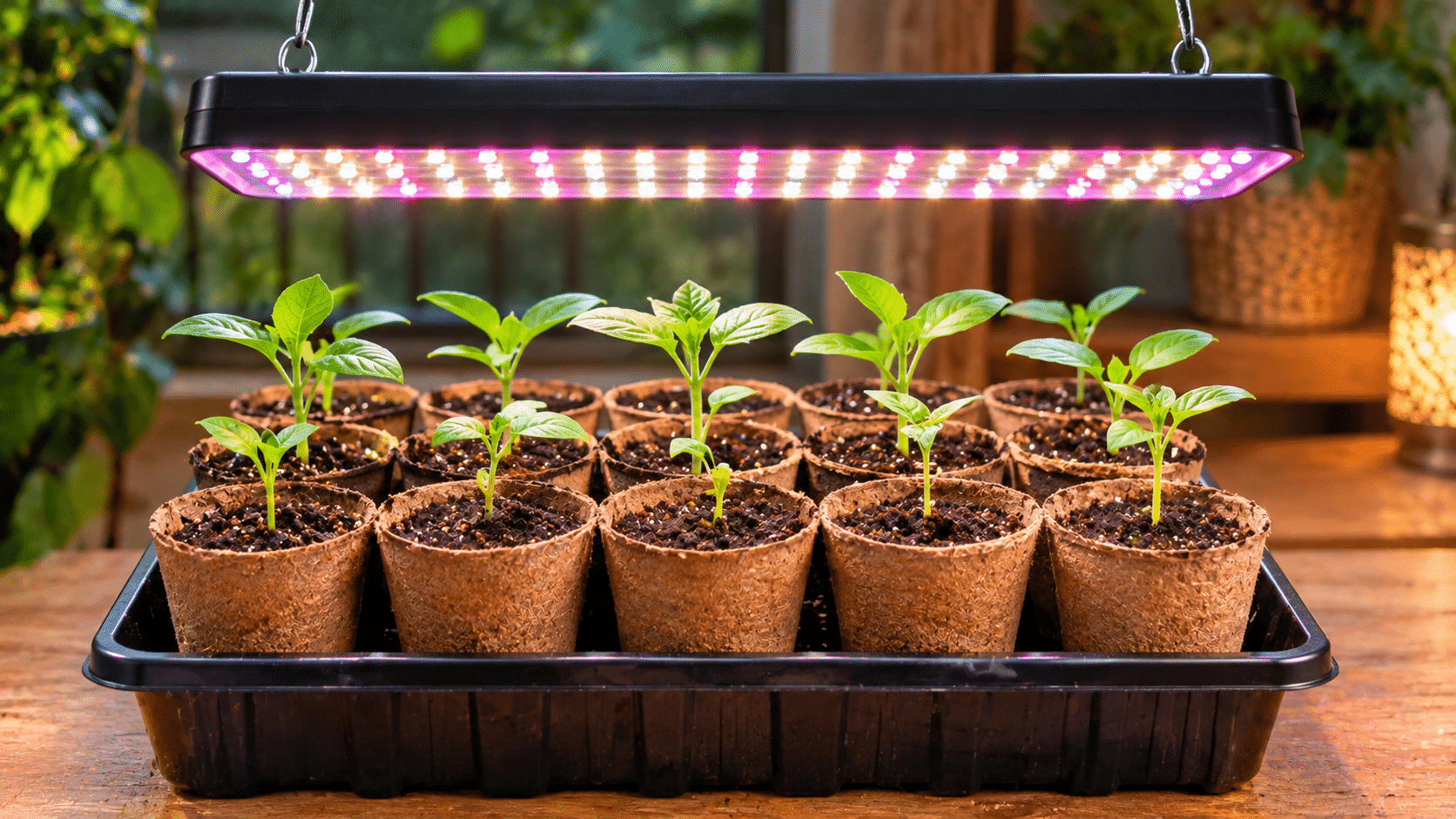
A sunny windowsill is rarely intense enough for heat-loving melons. Full-spectrum LED grow lights are essential. Suspend them exactly 2 inches above the top leaves of your seedlings and raise them as the plants grow to keep stems short and stocky.
Step-by-Step Guide: How to Sow Your Seeds 🌱
Seed Prep: Should You Soak Watermelon Seeds? 💧
While not strictly necessary, soaking watermelon seeds in warm water for 12 to 24 hours before planting can soften the hard seed coat and accelerate germination.
Sowing Depth and Technique 📏
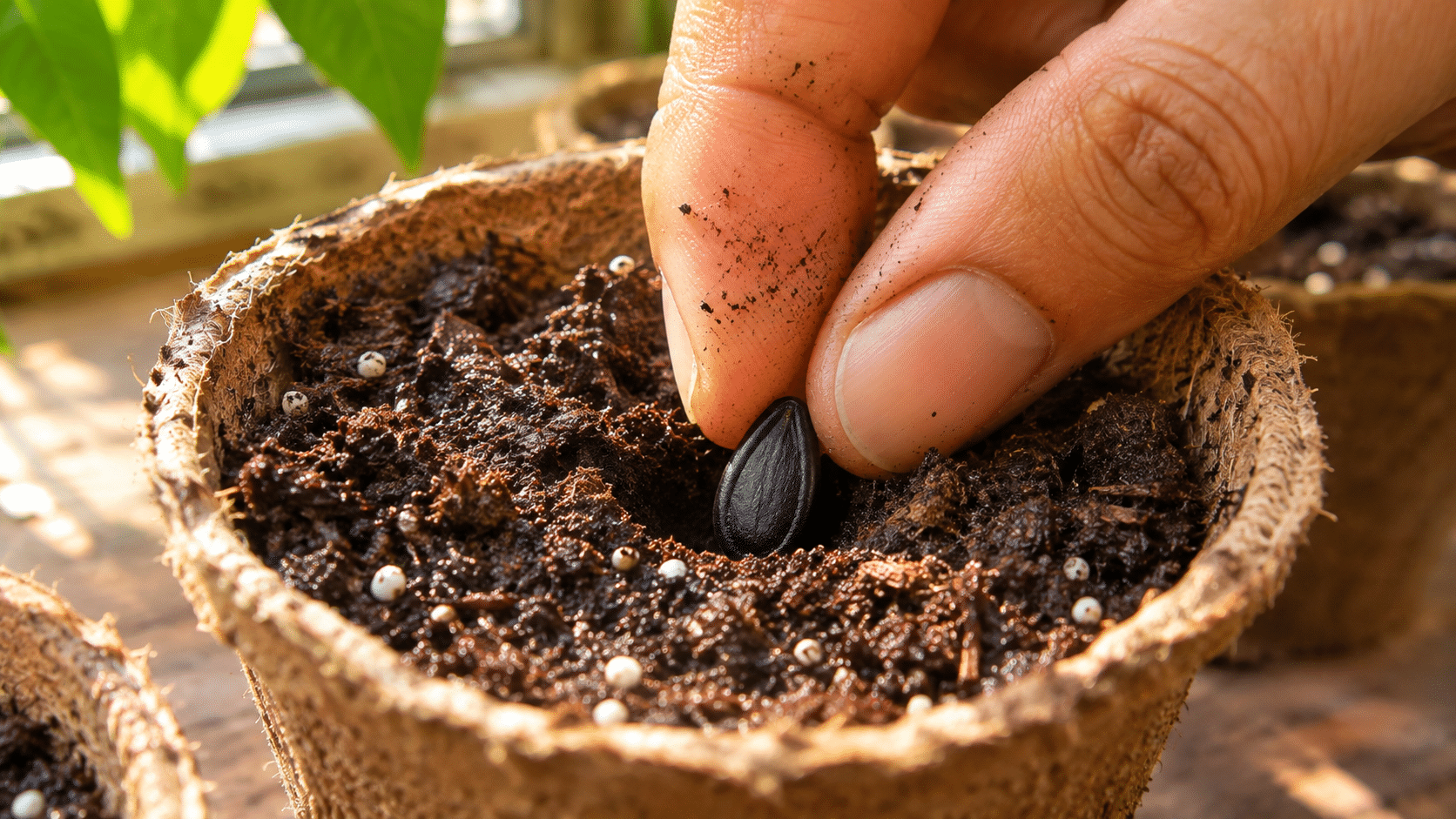
Plant your seeds ½ to 1 inch deep in moistened starting mix. Sow two seeds per pot. Once they sprout and develop their first set of true leaves, snip the weaker seedling off at the soil line with scissors. Never pull the weaker seedling out, as this will damage the roots of the remaining plant.
The Germination Phase: Heat is Life 🥵
Watermelons are tropical natives. They germinate best when soil temperatures are between 80°F and 90°F (27°C – 32°C). Place your trays on a seedling heat mat and cover them with a humidity dome. Under these ideal conditions, you should see sprouts in just 3 to 5 days.
Caring for Your Seedlings Before Moving Day 🚿
Watering Best Practices 💦
Bottom-watering is the best method to encourage deep root growth and keep the soil surface dry, deterring fungus gnats. Place water in the bottom tray, let the pots soak it up for 20 minutes, and pour out the excess.
Managing Light and Airflow 🌬️
Keep your grow lights on for 14 to 16 hours a day. Once the seedlings emerge, set up a small oscillating fan nearby. The gentle breeze simulates outdoor wind, triggering the plant to grow thicker, stronger stems.
When to Fertilize 🧪
The first leaves to appear are cotyledons (seed leaves), which contain all the nutrients the plant initially needs. Once the first crinkly “true leaves” appear, apply a quarter-strength, balanced organic liquid fertilizer to fuel their rapid growth.
The Crucial Hardening Off Process (Never Skip This!) 🌤️
What is Hardening Off? 🛡️
Indoor plants are pampered. If you move them directly into the harsh sun and wind, their leaves will scorch and die. Hardening off is a gradual, 7-day transition period that acclimates your plants to the outdoors.
The 7-Day Hardening Off Schedule 📅
-
Days 1-2: 2 hours outside in complete, protected shade.
-
Days 3-4: 4 hours outside in dappled morning sunlight.
-
Days 5-6: 6-8 hours outside in direct morning sun, returning indoors before cool nights.
-
Day 7: Leave them outside for a full 24 hours in their final planting location.
Moving Day: Transplanting Outdoors for a Massive Harvest 🚜
Waiting for the Right Soil Temperature ☀️
Never rush planting day. While the air might feel warm, the soil must be consistently at or above 70°F (21°C). If you live in a cooler climate, you can lay black plastic mulch over your garden beds two weeks prior to planting to pre-warm the soil.
Planting Out and Spacing 📏
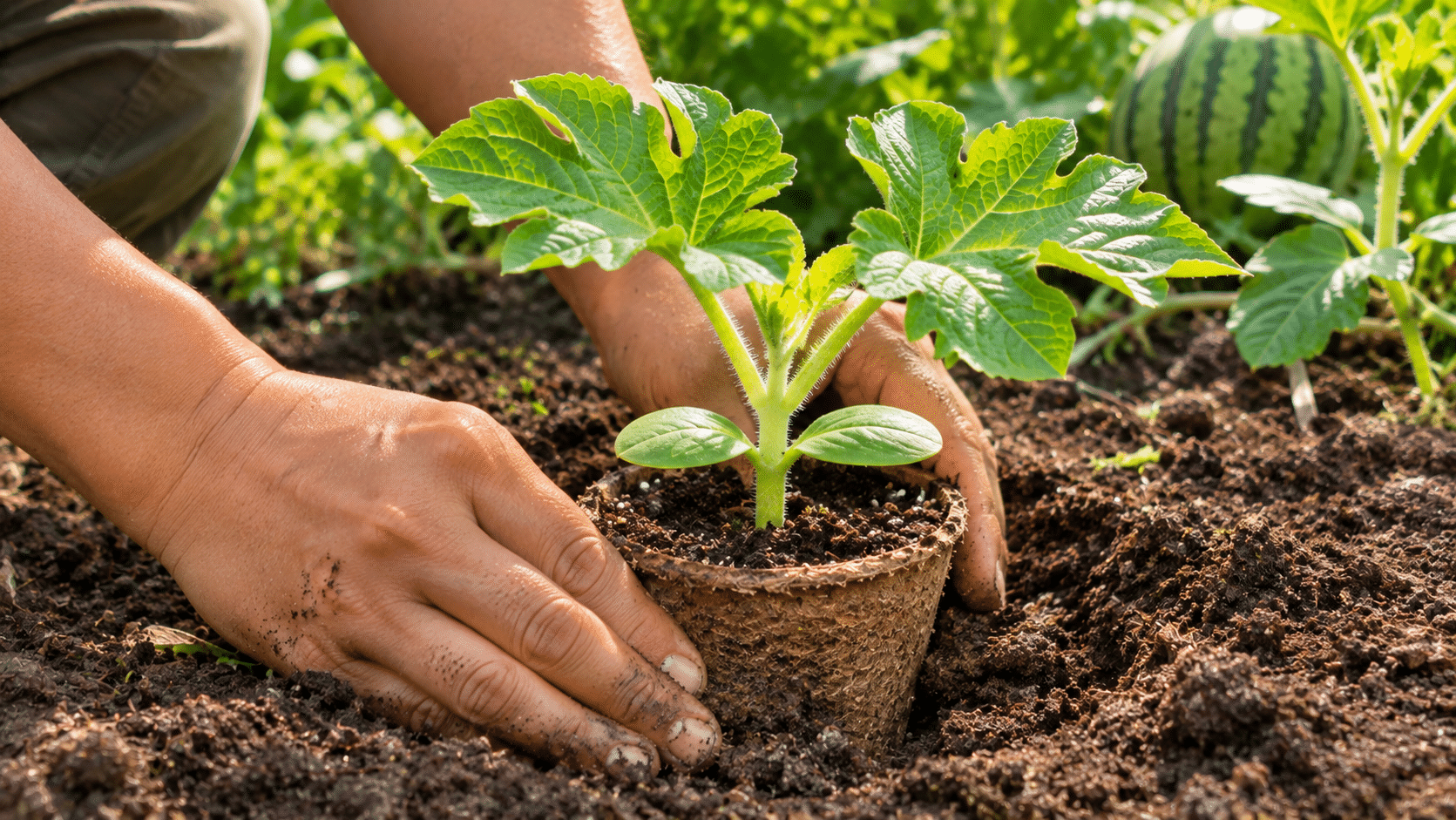
Whether you are planting in traditional rows or mounded “hills,” give watermelons plenty of room to roam—typically 3 to 5 feet apart depending on the variety. Dig a hole just deep enough for your biodegradable pot, gently place it in, cover with soil, and water deeply to settle the roots.
Frequently Asked Questions (FAQs) ❓
Can I just direct sow my watermelon seeds? If you live in a Southern climate with a long, hot growing season (Zones 8-10), direct sowing in the garden is highly recommended once the soil is warm. Northern gardeners with short seasons, however, must start seeds indoors to ensure the fruit has enough time to ripen before the autumn frost.
Why did my watermelon seedlings get tall and fall over? This is usually a combination of insufficient light (causing leggy growth) and potentially “damping off” disease from overly wet, cold soil. Always use bright grow lights and a heat mat.
Should I pinch the flowers off my indoor watermelon seedlings? Yes. If your indoor seedlings are producing flowers, they are stressed and likely root-bound. Pinch off the blooms so the plant redirects its energy into root and leaf development before transplanting.
What are the best short-season watermelon varieties to start indoors? For cooler climates, look for fast-maturing “icebox” varieties like Sugar Baby, Blacktail Mountain, or Crimson Sweet.
Ready, Set, Grow! 🍉
Growing watermelons from seed is incredibly rewarding when done correctly. Remember the core principles: respect the 3-to-4 week window, provide intense light and bottom heat, and handle those delicate roots with care. By giving your seedlings the perfect head start, you’ll be on your way to harvesting massive, sugar-sweet melons right from your own backyard.