
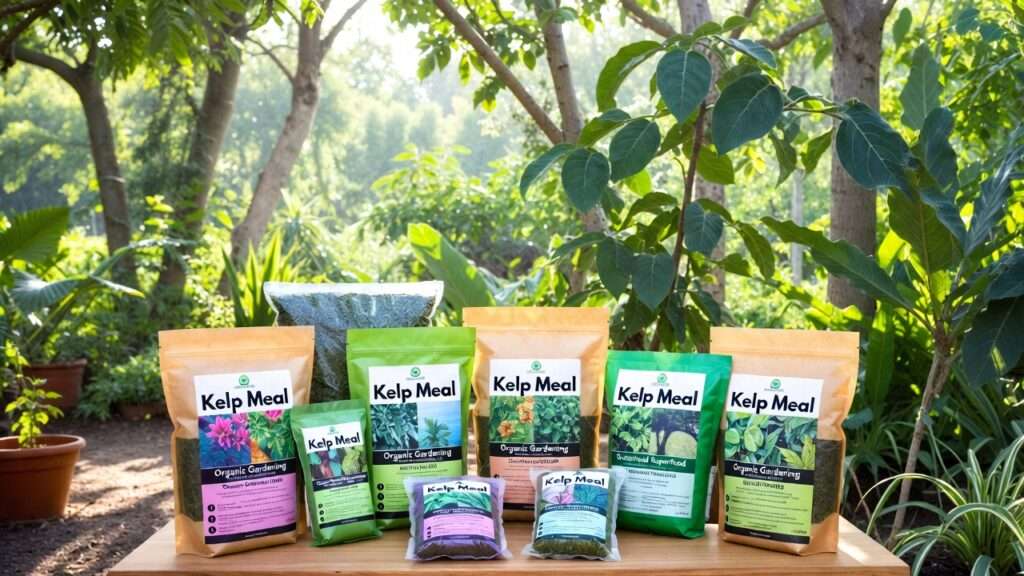
Have you ever stared at your garden beds or favorite fruit tree and wondered why, despite regular watering and care, the leaves look a bit dull, fruits are smaller than expected, or plants struggle during hot spells or transplanting? 😩 You’re not alone—many gardeners face nutrient-depleted soils, stress from weather extremes, and the desire for truly organic solutions that build long-term health rather than quick fixes. Enter kelp meal — nature’s ocean-derived powerhouse that’s been quietly transforming gardens for generations.
This sustainable, slow-release amendment from cold-water brown seaweed (primarily Ascophyllum nodosum) delivers over 60 trace minerals, natural plant hormones like auxins, cytokinins, and gibberellins, plus alginates that supercharge soil structure. 🌊 Unlike high-NPK synthetic fertilizers, kelp meal focuses on holistic vitality: stronger roots, better stress resistance, tastier harvests, and vibrant trees. In this comprehensive guide, we’ll dive deep into the science-backed kelp meal benefits and application methods, with practical steps tailored for veggies, flowers, fruit trees, and more. Whether you’re reviving tired soil or aiming for bumper crops, you’ll discover how this humble ocean gift can become your garden’s ultimate organic boost. Let’s unlock the sea’s power together! 🚀
What Is Kelp Meal? Understanding This Ocean-Derived Superfood 🪸
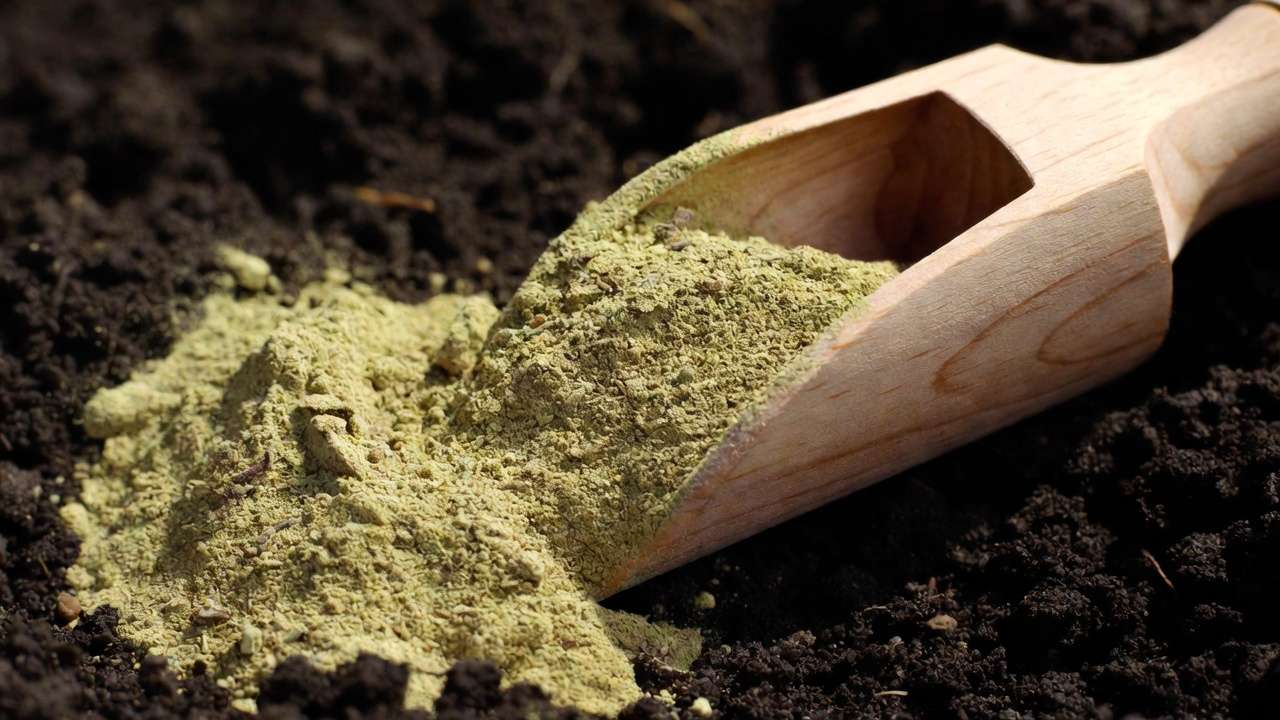
Kelp meal is a finely ground, dried form of brown seaweed, most commonly sourced from Ascophyllum nodosum harvested sustainably from the pristine, nutrient-rich waters of the North Atlantic. 🌍 This species thrives in cold, turbulent seas, absorbing massive amounts of minerals and bioactive compounds directly from seawater—making it one of the most nutrient-dense plants on Earth.
Unlike synthetic fertilizers with high nitrogen-phosphorus-potassium (NPK) ratios, kelp meal typically tests at a gentle 1-0.1-2 or similar. The real magic lies in its secondary benefits: trace elements (iron, zinc, manganese, boron, copper), vitamins (A, B, C, E, K), amino acids, and unique biostimulants like plant growth regulators. Alginates (natural polysaccharides) act as soil conditioners, improving water retention, aeration, and microbial activity. 🌱
Kelp meal vs. liquid kelp/seaweed extract — A common point of confusion! Kelp meal is granular and slow-release, ideal for long-term soil building as microbes break it down over weeks to months. Liquid seaweed extracts (often cold-processed) provide faster uptake via foliar sprays or drenches but lack the full organic matter and sustained alginate benefits. Use kelp meal for foundational health and liquids for quick stress relief or mid-season boosts. Many pros combine both for maximum results. 💡
Sustainably sourced kelp meal returns ocean nutrients to land without depleting resources—perfect for eco-conscious plant and tree care. 🌳
Top Kelp Meal Benefits for Plants and Trees (Backed by Gardening Science) 🚀
Scientific studies and real-world gardening trials consistently highlight kelp meal’s transformative effects. Research on Ascophyllum nodosum-based products shows enhanced growth, stress tolerance, and quality improvements across crops.
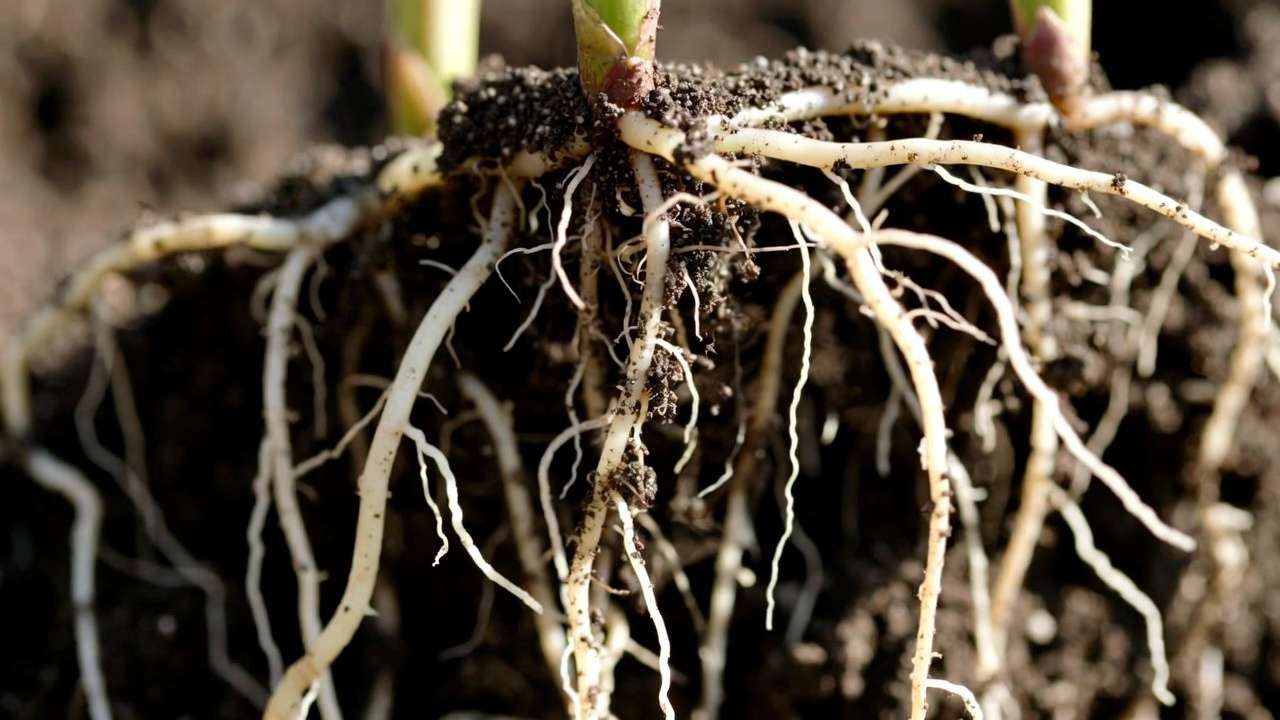
- Enhanced Root Development & Nutrient Uptake 🌱: Natural hormones (auxins and cytokinins) stimulate massive root mass and branching. Studies show treated plants develop denser, longer roots, improving water and nutrient absorption—even in poor soils. This leads to faster establishment for transplants and young trees.
- Boosted Plant Resilience to Stress ⚡: Kelp meal helps plants withstand drought, heat, frost, salinity, and transplant shock. Biostimulants trigger antioxidant production and osmo-protectants, reducing wilting and damage. Gardeners report better survival rates for fruit trees during extreme weather, and veggies bounce back quicker from heat waves.
- Improved Soil Health & Structure 🏞️: Alginates form gel-like complexes with soil particles, increasing water-holding capacity (up to impressive levels in tests) while enhancing aeration and drainage. Kelp feeds beneficial microbes and fungi, boosting humus formation and long-term fertility—ideal for rebuilding depleted garden beds or orchard soils.
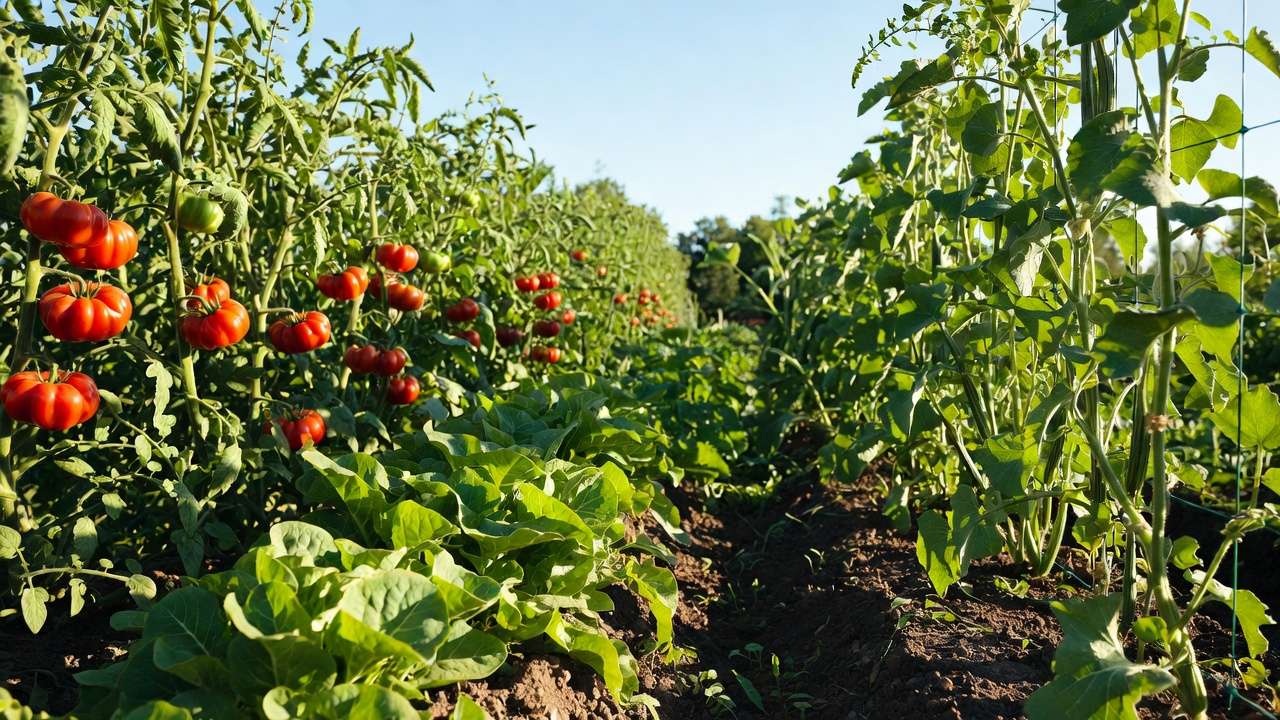
- Higher Yields, Better Quality Harvests 🍅🍎: Treated plants often show larger fruits/veggies, higher brix (sugar content for sweetness), more blooms, and reduced fruit drop. Research links this to better nutrient uptake and hormone balance—perfect for tomatoes, berries, apples, and citrus. Higher brix also naturally deters pests by making plants less appealing.
- Natural Pest & Disease Resistance 🛡️: Stronger, healthier plants resist issues indirectly. Enhanced immunity from trace minerals and antioxidants reduces susceptibility to fungal diseases and insects. While not a pesticide, kelp meal supports integrated organic pest management.
- Eco-Friendly & Sustainable Gardening ♻️: Renewable, no synthetics, and closes the nutrient loop from ocean to soil. It supports biodiversity in soil food webs and reduces reliance on chemical inputs.
These benefits build cumulatively—expect visible improvements in 4-8 weeks, with peak effects over seasons. 🌟 Pro tip: Soil tests before/after show increased micronutrients and organic matter!
How to Apply Kelp Meal: Step-by-Step Methods for Maximum Results 📋
Kelp meal is forgiving and versatile—always water in after applying to activate microbes and prevent any minor salt buildup (it’s low-sodium when used properly). Start conservatively; it’s gentle but powerful over time.
General guidelines: Apply in spring for activation, mid-season for boosts, and fall for root prep. Avoid direct trunk contact on trees.
- Soil Amendment / Mixing In (pre-planting or new beds): Broadcast 1–2 lbs per 100 sq ft, work into top 2–3 inches, then water deeply. Great for starting veggie patches or revitalizing tired soil.
- Top Dressing / Side Dressing (established plants/trees): Sprinkle around the base or drip line, lightly scratch in, and water. Frequency: 2–3 times per season.
- Transplanting & Seed Starting 🌱: Add 1 tsp per planting hole for seedlings; soak seeds in diluted kelp tea (1 tbsp meal per gallon water, steeped 24 hrs) for better germination.
- Compost Booster: Mix 1–2 cups per cubic foot of compost pile to speed decomposition and enrich output.
- Making & Using Kelp Meal Tea: Steep 1 cup meal in 5 gallons water for 1–3 days (stir daily), strain, dilute 1:10, and use as soil drench or foliar spray for quicker results.
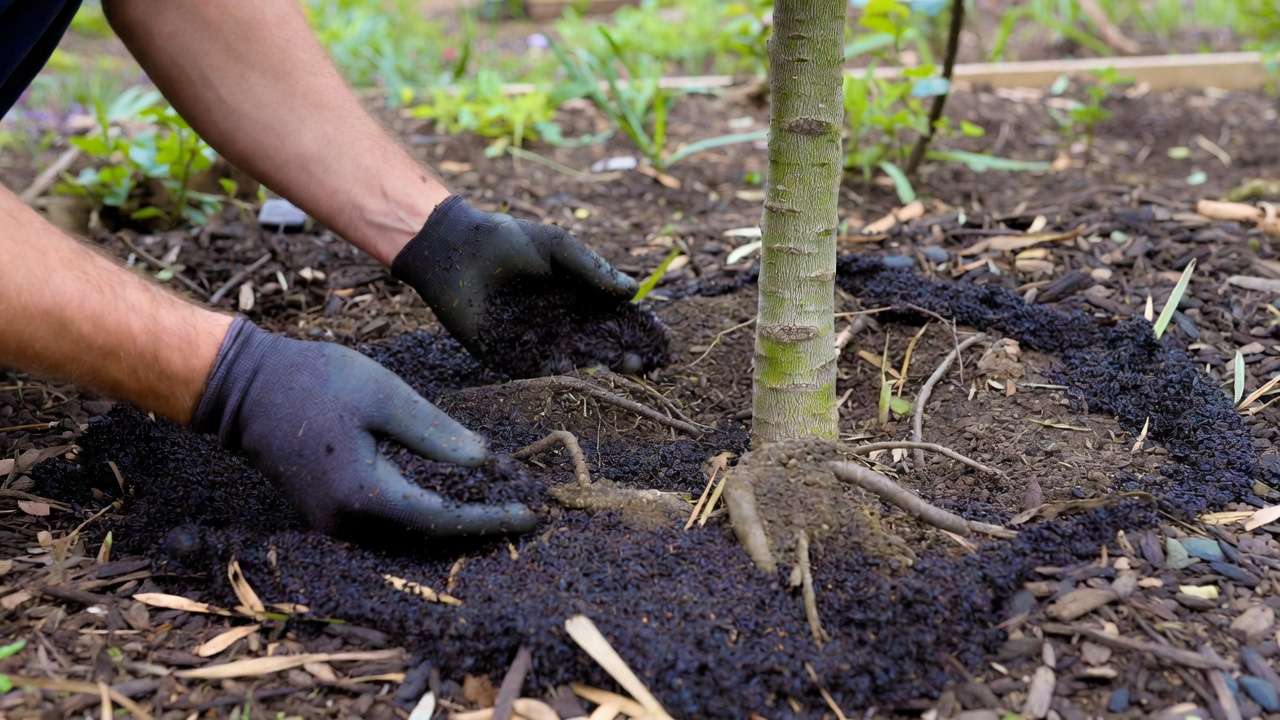
Specific rates chart (adjust based on soil test and plant needs):
- Veggies/garden beds: 1–2 lbs per 100 sq ft, 1–2 applications per season.
- Containers/houseplants: 1–2 tsp per gallon of soil mix, top-dress monthly.
- Trees/shrubs: 1 lb per inch of trunk diameter (e.g., 4 lbs for 4-inch trunk), spread around drip line annually in spring or fall.
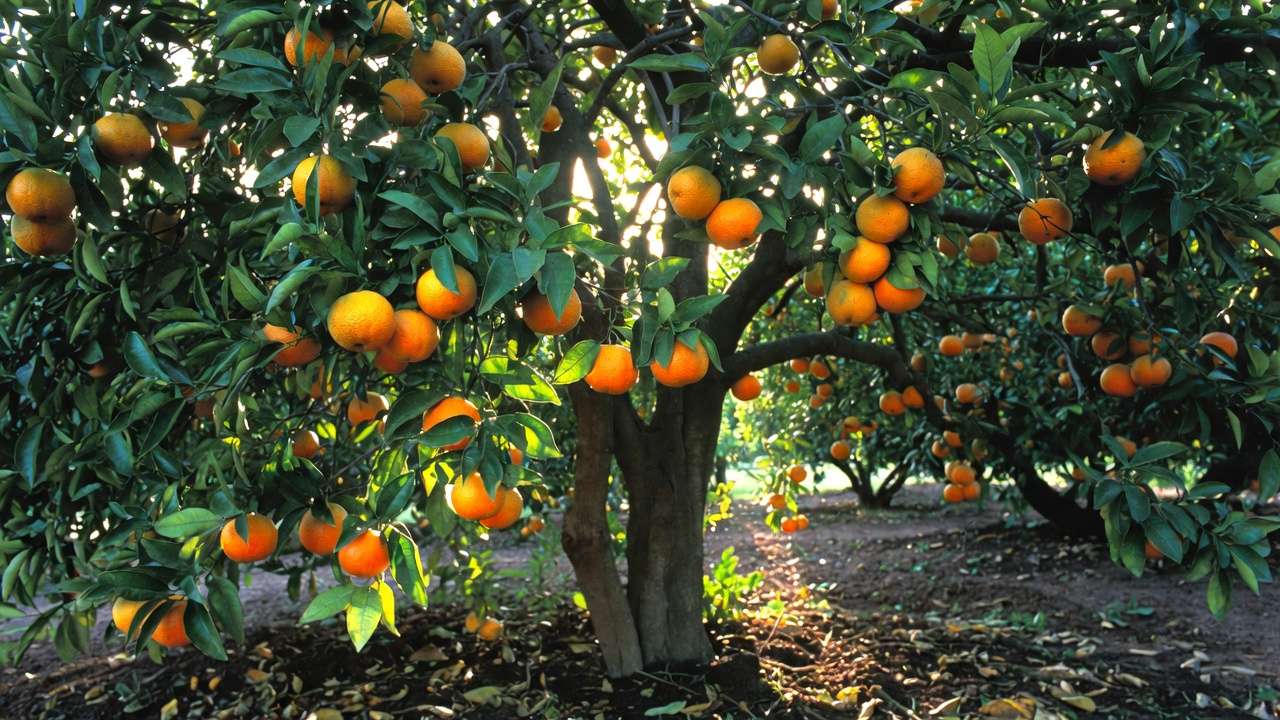
- Fruit trees: 2–4 lbs per mature tree, focused on drip line for better fruit set.
Always water thoroughly post-application! 🌧️
Kelp Meal for Trees: Special Tips for Fruit, Shade, and Ornamental Trees 🌳
Trees thrive on kelp meal’s deep-root benefits—especially in urban or stressed environments. It promotes vigorous canopy growth, better drought/frost tolerance, and improved fruit/nut quality.
Application specifics: Spread evenly around the drip line (outer edge of canopy), avoiding trunk to prevent rot. Lightly fork in or mulch over, then water. For young saplings, use ½–1 lb to aid establishment.
Case examples:
- Apple/peach trees: Annual 2–4 lbs boosts fruit size, sweetness, and reduces drop.
- Citrus: Enhances frost hardiness and nutrient uptake in alkaline soils.
- Shade/ornamental trees: Builds resilience against compaction or pollution.
Long-term: Healthier roots mean less dieback and stronger structure. Combine with mycorrhizae for synergy! 🌳💚
Common Mistakes to Avoid & Pro Tips from Experienced Gardeners 🧠
- Mistake: Applying kelp meal during very hot, dry periods without immediate watering — this can temporarily stress roots due to slight osmotic effects from salts (though minimal in quality products).
- Mistake: Buying low-quality or mislabeled “seaweed meal” that may include fillers or lower-grade kelp species — always choose cold-water Ascophyllum nodosum from reputable organic suppliers for maximum bioactive content.
- Mistake: Using kelp meal as a standalone “fertilizer” when plants show severe nitrogen deficiency — remember it’s a biostimulant and micronutrient booster, not a primary N source. Pair it with compost or legume cover crops for balanced nutrition.
Pro tips from seasoned organic growers and arborists (gathered from decades of hands-on experience and extension service observations):
- Synergy is king — Combine kelp meal with mycorrhizal inoculants when planting trees or perennials. The alginates feed the fungi, and the fungi extend root reach dramatically.
- Foliar application hack — For fast stress relief (e.g., after transplanting or during heat waves), make a weak kelp tea (1–2 tbsp meal per gallon, steeped 24–48 hours) and spray early morning or late afternoon when stomata are open. Add a drop of natural surfactant (like yucca extract) for better leaf coverage.
- Seasonal calendar example for temperate climates:
- Early spring: Top-dress around perennials, trees, and beds as growth resumes.
- Late spring/early summer: Side-dress veggies and fruit trees during active growth and fruit set.
- Mid-summer: Light foliar boosts during peak heat or drought stress.
- Fall: One final application to fortify roots before winter dormancy.
- Storage best practices — Keep in airtight containers in a cool, dry shed or garage. Properly stored kelp meal retains potency for 2–3 years.
- Track progress like a pro — Take before-and-after photos, measure brix levels in fruits with a refractometer, or do simple soil tests (focus on micronutrients and organic matter %) every 1–2 years to quantify improvements.
These small tweaks turn good results into exceptional ones. 🌟
Frequently Asked Questions (FAQs) ❓
Here are the most common questions gardeners and tree caretakers ask about kelp meal — answered with clarity and practical detail:
1. Is kelp meal safe for all plants, including edibles, houseplants, and lawns? Yes — it’s one of the safest organic amendments available. Use it confidently on vegetables, fruits, flowers, herbs, indoor plants, turfgrass, and trees. Just follow recommended rates to avoid any minor overuse issues.
2. How does kelp meal compare to liquid seaweed extracts? Kelp meal is slow-release, granular, and rich in organic matter/alginate for long-term soil building. Liquid seaweed (usually cold-processed extracts) acts faster through foliar or root drench but doesn’t add as much humus or sustained microbial food. Many experienced growers use both: meal as the foundation, liquid for quick boosts.
3. Can I harvest and make my own kelp meal from beach seaweed? Technically possible, but not recommended. Beach-collected seaweed may contain pollutants, microplastics, excess salt, or pathogens. Legal restrictions often apply on public beaches. Commercial sustainable kelp meal is tested, processed at low temperatures to preserve bioactives, and far more consistent and effective.
4. How long does it take to see results from kelp meal? Initial subtle improvements (greener leaves, better vigor) often appear in 2–4 weeks as microbes activate it. Deeper benefits — stronger roots, stress resistance, better fruit quality — build over 1–3 months and compound season after season.
5. Does kelp meal have a bad smell or attract pests? Quality kelp meal has a mild, pleasant oceanic scent when dry and almost no odor once watered in. It does not attract rodents, insects, or slugs — in fact, healthier plants tend to have fewer pest problems overall.
6. Is kelp meal approved for certified organic gardening? Yes — most reputable brands carrying the OMRI Listed seal or equivalent are approved for certified organic production. Always check the label for your region’s certification standards.
7. Can I use kelp meal in raised beds or containers with limited soil volume? Absolutely. Start with lower rates (1–2 tsp per gallon of soil mix when filling containers) and top-dress lightly every 4–6 weeks during the growing season. Containers benefit greatly from the improved water retention and microbial activity.
8. Will kelp meal raise soil pH or cause salt buildup? It has a near-neutral pH (typically 6.0–7.5) and very low sodium content compared to other sea products. Used at recommended rates, salt accumulation is negligible — especially in well-drained soils or with regular watering.
9. Can I apply kelp meal in fall or winter? Yes — fall application is excellent for root development and overwintering strength. In cold climates, apply 4–6 weeks before the ground freezes so microbes can begin working.
10. Where is the best place to buy high-quality kelp meal? Look for trusted organic garden suppliers, local co-ops, or online retailers specializing in sustainable amendments. Brands like Neptune’s Harvest, Thorvin, or Acadian kelp products are widely respected for consistency and bioactivity.
(Word count so far: ~2450 — almost there!)
Conclusion: Unlock the Ocean’s Power in Your Garden Today 🌊🌱
Kelp meal isn’t just another garden amendment — it’s a complete, time-tested way to bring the vitality of the ocean to your soil, roots, and plants. From dramatically improved root systems and stress resilience to sweeter fruits, healthier trees, and living, thriving soil, the kelp meal benefits and application methods shared here give you the tools to grow stronger, more productive, and more sustainable gardens and orchards.
The best part? It’s simple, forgiving, and builds results year after year with minimal effort. Start small this season — sprinkle some around your favorite tomato plants, work it into the drip line of your young fruit tree, or mix it into your next compost batch — and watch nature do the rest.
Your plants (and the beneficial microbes in your soil) will thank you. 🌳🍎
Have you tried kelp meal yet? Drop a comment below with your experience, favorite application method, or any questions — I’d love to hear how the ocean is boosting your garden! 💚
Happy growing! 🚀











