
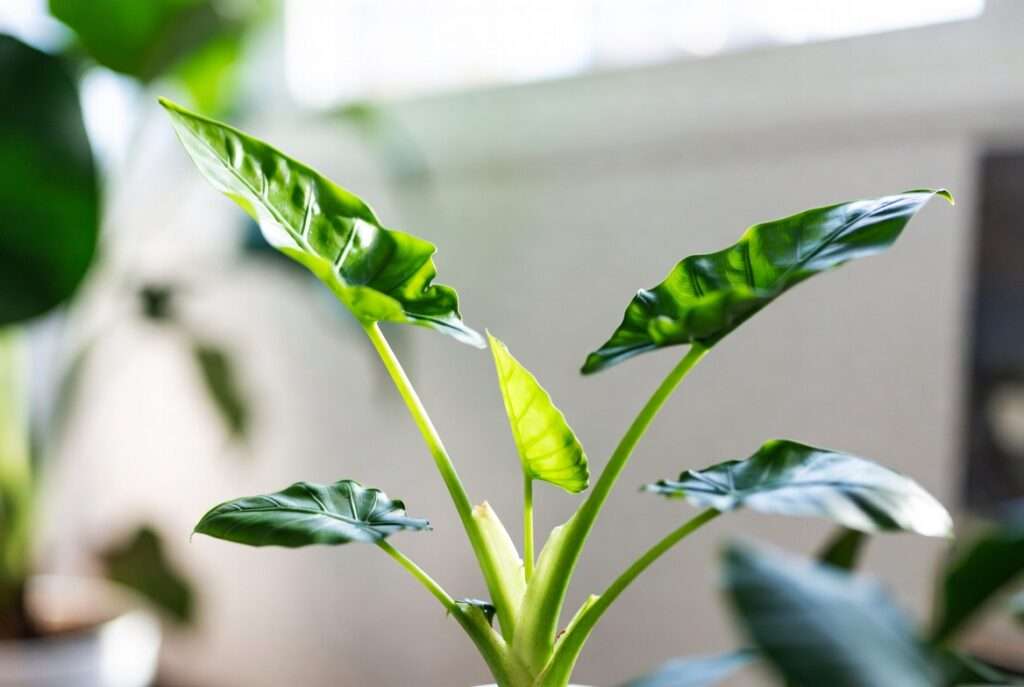
Imagine a tiny ballerina performing an elegant dance on your windowsill — graceful, cupped leaves swaying gently on slender, arching stems. That’s the magic of the Tiny Dancer plant, a captivating compact Alocasia that brings tropical charm and artistic flair to any indoor space.
If you’ve fallen in love with this enchanting plant but worry about keeping it thriving, you’re not alone. Many plant parents struggle with leaf drop, yellowing, or mysterious brown tips on their Alocasia Tiny Dancer. This comprehensive guide draws from years of hands-on experience growing finicky Alocasias to help you succeed.
Whether you’re a beginner looking for your first statement plant or an experienced collector seeking a petite gem, this Tiny Dancer plant care guide will equip you with everything needed for lush, healthy growth. Let’s turn your Tiny Dancer into a showstopper! 💃🌿
Quick Facts / At-a-Glance Care Card
Scientific Name: Alocasia ‘Tiny Dancer’ (hybrid of Alocasia brisbanensis × Alocasia odora) Common Name: Tiny Dancer Alocasia, Tiny Dancers Mature Size: 14–20 inches tall, 11–18 inches wide Light: Bright indirect light ✨ Water: Keep soil consistently moist but not soggy 💧 Humidity: 60%+ preferred Temperature: 65–85°F (18–29°C) Toxicity: Toxic to pets and children (contains calcium oxalate crystals) ⚠️ Growth Rate: Fast in ideal conditions
What Is the Tiny Dancer Plant? Plant Profile & Unique Characteristics
The Tiny Dancer plant is a relatively new hybrid cultivar developed for its charming dwarf habit and distinctive foliage. Unlike many oversized Alocasias that demand significant space, this beauty stays compact and manageable, making it perfect for apartments, desks, shelves, and small indoor jungles.
Its standout feature? Narrow, teardrop-shaped leaves that cup upward like little ballerina skirts, perched on long, delicate, gracefully curving petioles (stems). When a gentle breeze or air circulation moves through the room, the leaves appear to “dance” — hence the delightful name. The foliage boasts a glossy, vibrant green finish with subtle veining that adds depth and elegance.
Originating from selective breeding (a cross between Alocasia brisbanensis and Alocasia odora), this plant combines the best traits of its parents while remaining petite. In optimal conditions, it pushes out new leaves every couple of weeks during the growing season, rewarding attentive owners with rapid, visible progress.
Compared to larger elephant ears, the Tiny Dancer Alocasia offers better suitability for modern indoor environments. Its architectural form makes it a living sculpture that elevates any plant collection without overwhelming the space.
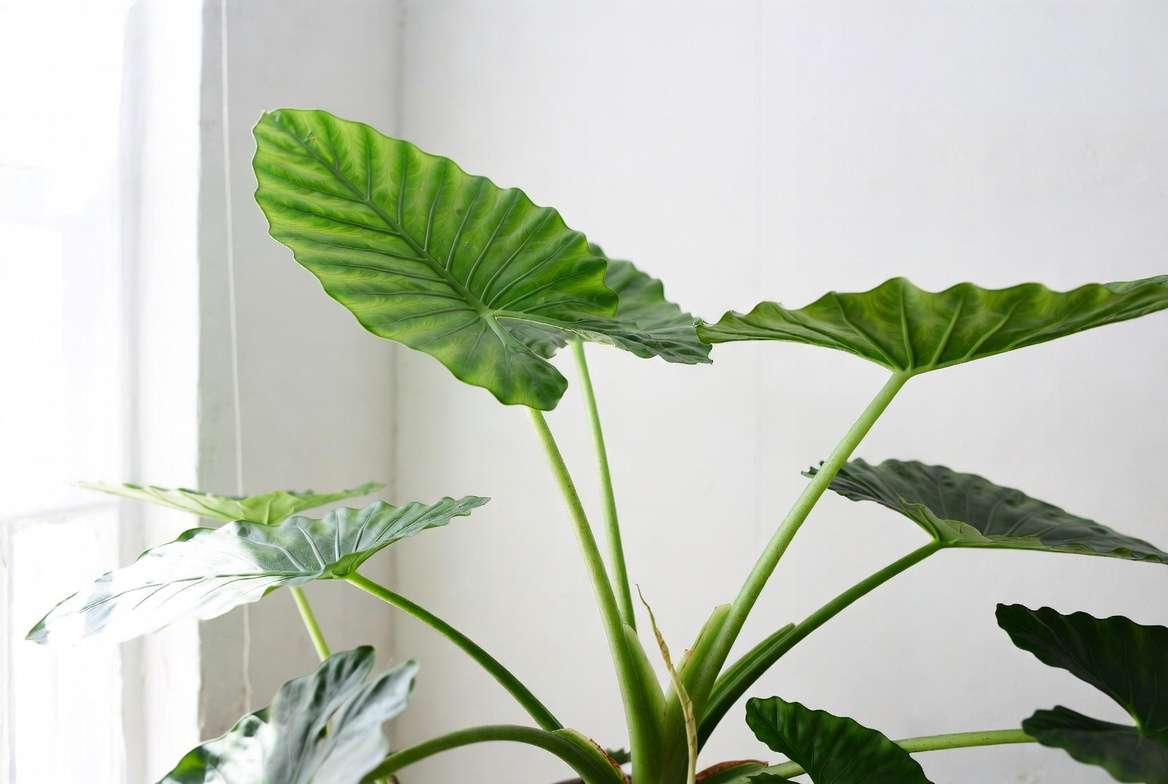
Why plant enthusiasts love it:
- Compact size ideal for small spaces
- Unique “dancing” aesthetic
- Fast grower when happy
- Elegant, modern look
Ideal Growing Conditions for Tiny Dancer Alocasia
Light Requirements: Finding the Sweet Spot ✨
Proper lighting is one of the most critical factors for success with any Alocasia, including the Tiny Dancer plant. It craves bright indirect light — think filtered sunlight from an east- or west-facing window, or a few feet back from a south-facing one with sheer curtains.
Too much direct sun can scorch the delicate leaves, causing crispy brown edges or bleached patches. Too little light leads to leggy growth, smaller leaves, and disappointing performance. Aim for 6–8 hours of bright, indirect light daily.
Pro Tips:
- Use a light meter app if unsure — target 200–400 foot-candles.
- Rotate your plant weekly for even growth.
- In darker homes, supplement with a full-spectrum grow light (placed 12–18 inches away) for 12–14 hours daily.
Many owners report their Tiny Dancer thriving beautifully under grow lights during winter months when natural light is limited.
Soil Mix: The Foundation of Healthy Roots
Alocasias hate “wet feet,” so a well-draining yet moisture-retentive soil mix is essential. Standard potting soil alone is usually too heavy and leads to root rot.
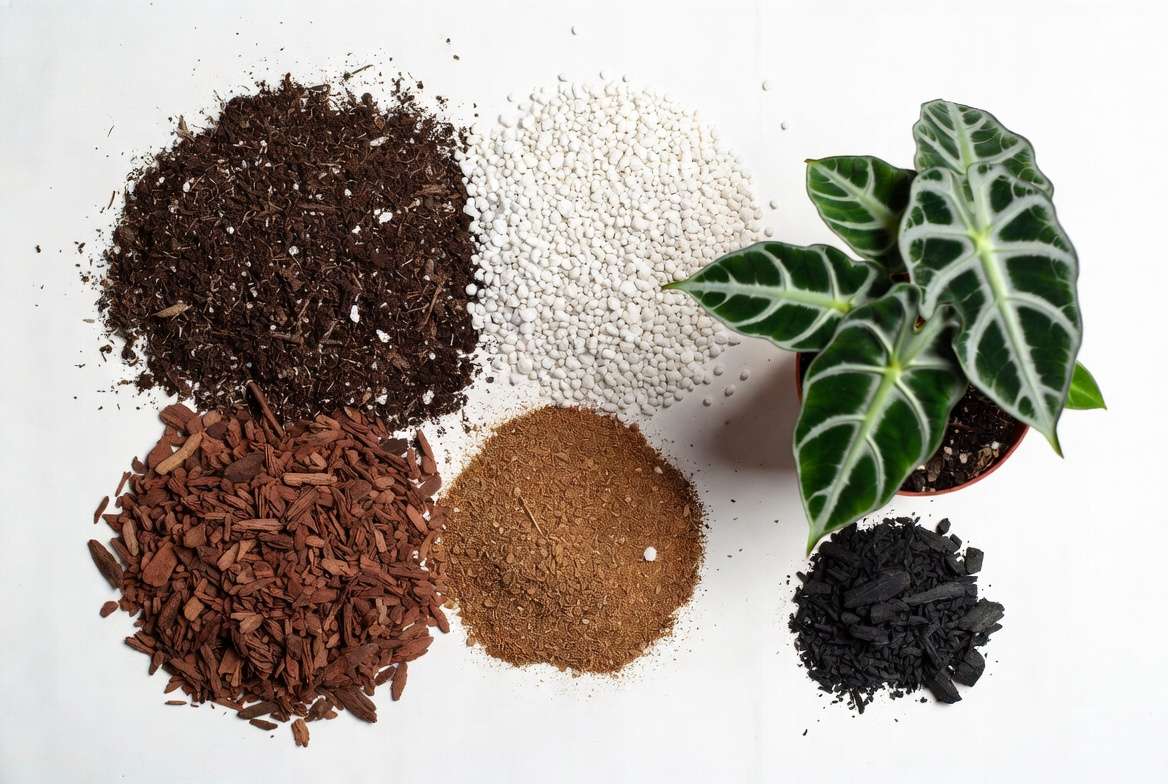
Recommended DIY Aroid Mix (highly effective for Tiny Dancer):
- 40% high-quality potting soil or coco coir
- 30% perlite or pumice
- 20% orchid bark or chunky wood chips
- 10% activated charcoal or worm castings for nutrients and drainage
This combination provides aeration, prevents compaction, and retains just enough moisture. Aim for a slightly acidic to neutral pH (6.0–7.0). Always choose a pot with multiple drainage holes — terracotta or ceramic works wonderfully as it allows soil to breathe.
Watering Schedule: Keep It Happy Without Overdoing It 💧
The Tiny Dancer plant prefers consistently moist soil but not soggy conditions. Water thoroughly when the top 1–2 inches of soil feel dry to the touch. In bright, warm conditions, this might mean every 5–7 days; in cooler or lower-light spots, stretch it to 9–14 days.
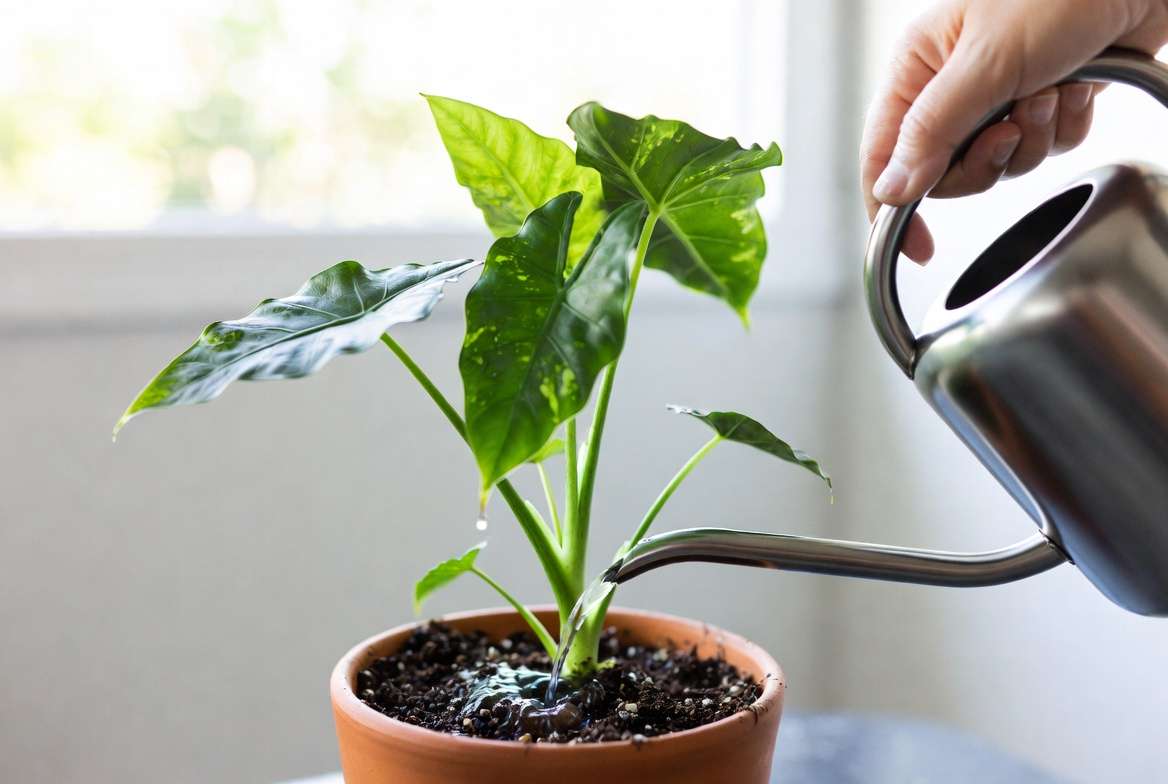
Best Practices:
- Use room-temperature, filtered, or distilled water (avoid cold shocks or softened water high in salts).
- Water until it drains freely from the bottom — never let it sit in a saucer of water.
- Bottom watering occasionally helps roots grow downward.
- Seasonal adjustments: Water more generously in spring/summer; reduce in fall/winter when growth slows.
Common Watering Mistakes:
- Overwatering → yellow leaves and root rot
- Underwatering → brown crispy edges and leaf drop
Always check soil moisture with your finger or a moisture meter rather than following a rigid calendar.
Humidity & Temperature: Mimicking the Tropics 🌡️
As a tropical plant, the Tiny Dancer Alocasia thrives in warm temperatures between 65–85°F (18–29°C). Keep it away from cold drafts, air conditioners, and heaters. Sudden temperature drops below 60°F can cause shock and leaf loss.
Humidity is equally important — aim for 60% or higher. Low humidity often causes brown leaf tips and edges, the most frequent complaint from new owners.
Effective Humidity Solutions:
- Place on a pebble tray filled with water
- Use a cool-mist humidifier (especially in winter)
- Group plants together to create a microclimate
- Mist leaves regularly (morning is best)
- Consider a bathroom or kitchen with natural steam
Fertilizing for Lush Growth 🌱
Feed your Tiny Dancer during the active growing season (spring through early fall) with a balanced, liquid houseplant fertilizer diluted to half strength every 2–3 weeks. Look for formulas with micronutrients to support vibrant foliage.
In winter, reduce or stop fertilizing as the plant may enter a semi-dormant phase. Over-fertilizing can burn roots and cause leaf tip burn, so less is often more.
Organic options like diluted seaweed extract or worm tea work excellently for gentler feeding.
Planting, Repotting & Propagation 🌱
Repotting your Tiny Dancer plant at the right time keeps it healthy and encourages vigorous growth. Most plants need repotting every 12–18 months or when you notice roots circling the bottom of the pot or emerging from drainage holes.
When to Repot:
- Roots filling the container
- Soil drying out extremely fast
- Stunted growth despite good care
- Early spring is the ideal time, just as new growth begins.
Step-by-Step Repotting Guide:
- Gently remove the plant from its current pot, supporting the base.
- Inspect roots and trim any soft, mushy, or rotted sections with sterilized scissors.
- Place fresh drainage material (pebbles or broken pottery) at the bottom of a new pot (1–2 inches larger).
- Fill with the recommended aroid mix, positioning the plant at the same depth as before.
- Firm the soil gently and water thoroughly until it drains.
- Keep in bright indirect light and avoid fertilizing for 3–4 weeks to reduce transplant shock.
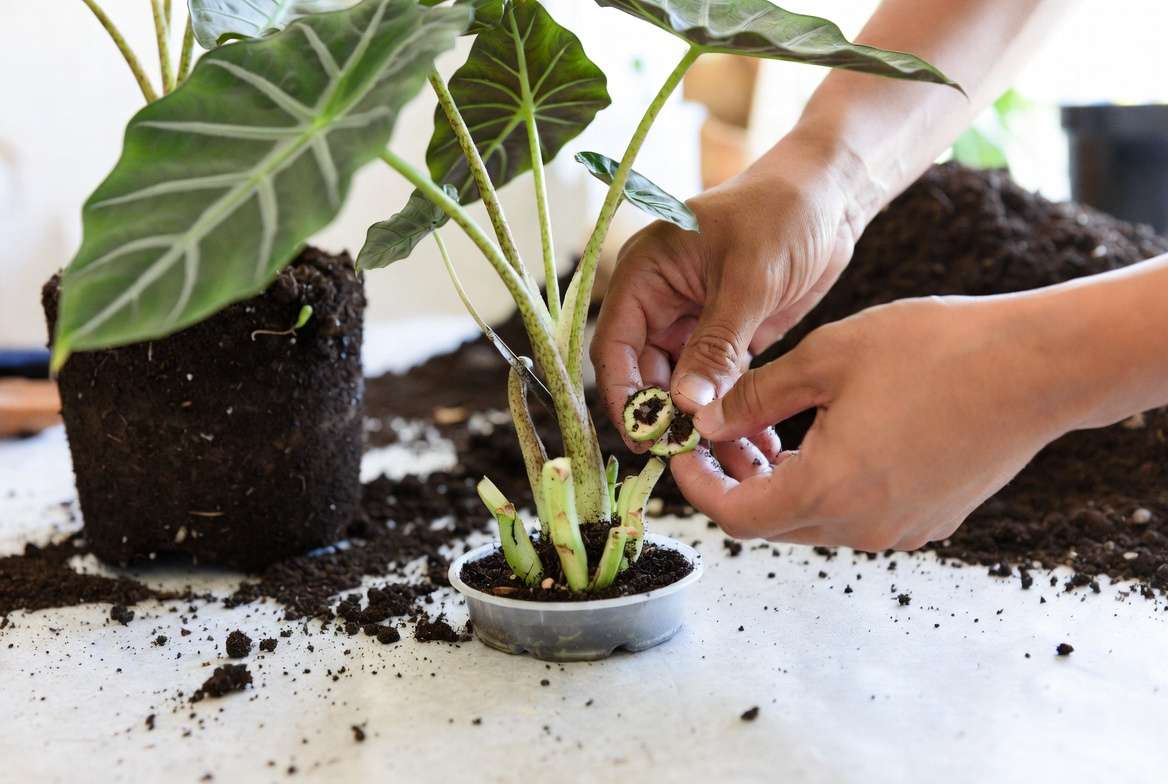
Propagation Methods The most reliable way to propagate Tiny Dancer Alocasia is through rhizome division. During repotting, look for natural offsets or corms. Separate healthy sections with at least one growing point and roots, then pot individually in moist soil. Maintain high humidity under a clear plastic bag or dome until new growth appears (usually 4–6 weeks).
You can also grow new plants from corms. Remove small corms, plant them shallowly in moist sphagnum moss or aroid mix, and keep warm (75–80°F) with consistent moisture. Success rate is high with patience.
Routine Care & Maintenance ✨
Daily and weekly care makes the difference between a surviving plant and a thriving Tiny Dancer.
Leaf Cleaning Wipe leaves gently with a soft damp cloth every 1–2 weeks to remove dust. This improves photosynthesis and keeps the glossy shine. Avoid leaf shine products, which can clog pores.
Rotation & Support Rotate your plant a quarter turn every week for balanced growth. Though compact, taller specimens may benefit from a discreet moss pole or stake if stems lean.
Seasonal Care Calendar
- Spring: Increase watering and start fertilizing as new leaves emerge.
- Summer: Peak growth season — monitor moisture closely and enjoy rapid “dancing” leaves.
- Fall: Gradually reduce water and fertilizer.
- Winter: Allow slight drying between waterings. Provide extra humidity and light.
Pruning Remove yellow or damaged leaves at the base with clean cuts. This redirects energy to healthy foliage.
Common Problems & Troubleshooting (Expert Solutions) ⚠️
This section addresses the most frustrating issues Tiny Dancer owners face — and exactly how to fix them.
Yellow Leaves
- Cause: Most often overwatering or poor drainage leading to root issues.
- Solution: Check soil moisture, improve drainage, and trim affected leaves. If severe, repot in fresh mix after root inspection.
Brown Tips or Edges
- Primary cause: Low humidity or inconsistent watering (especially tap water minerals).
- Fixes: Raise humidity above 60%, use filtered water, and trim brown parts with sterilized scissors for aesthetics.
Leaf Drop / Sudden Defoliation Common when the plant experiences shock from relocation, temperature changes, or underwatering. Stabilize conditions and maintain even moisture. New leaves usually emerge within weeks once stabilized.
Pests
- Spider mites (tiny webs, stippling) — Increase humidity and treat with neem oil or insecticidal soap weekly.
- Mealybugs & Aphids — Wipe with alcohol-dipped cotton or use systemic treatments if heavy infestation.
- Prevention: Quarantine new plants and inspect regularly.
Root Rot Soft black roots and wilting despite moist soil. Prevention is key through proper soil and watering. Rescue: Trim rotten roots, repot in fresh sterile mix, and treat with fungicide if needed.
No New Growth / Dormancy Normal in lower light or winter. Provide consistent warmth, humidity, and brighter light to encourage growth.
Expert Insight: In my experience, 80% of Tiny Dancer problems stem from improper watering and humidity. Mastering these two factors transforms your plant into a reliable performer.
Advanced Tips for Thriving Tiny Dancer Plants 💃
- Air Circulation: Gentle airflow from a fan prevents fungal issues while making leaves dance more beautifully.
- Companion Planting: Pair with smaller ferns, fittonia, or philodendrons for a lush tropical display.
- Styling Ideas: Perfect as a centerpiece on coffee tables, bookshelves, or grouped in plant stands.
- Boosting Leaf Size: Consistent care, proper fertilization, and high humidity can produce noticeably larger, more dramatic leaves over time.
- Sustainable Practices: Use organic fertilizers, recycled pots, and rainwater when possible.
Is the Tiny Dancer Plant Right for You?
Pros:
- Compact and space-friendly
- Striking, unique appearance
- Relatively fast grower
- Excellent for collectors wanting variety
Cons:
- Needs consistent humidity and moisture
- Toxic to pets
- Can be finicky if conditions fluctuate
Beginner Rating: Intermediate. Experienced with basic houseplants? You’ll do great. Absolute beginners should build confidence with hardier plants first.
Frequently Asked Questions (FAQs)
How often should I water my Tiny Dancer plant? Water when the top 1–2 inches of soil are dry, typically every 5–9 days depending on conditions.
Why are my Tiny Dancer leaves turning yellow? Usually overwatering or root problems. Check drainage and soil moisture immediately.
Is Tiny Dancer toxic to cats and dogs? Yes, it contains calcium oxalate crystals. Keep out of reach of pets and children.
Can Tiny Dancer grow in low light? It tolerates lower light but performs best in bright indirect conditions. Grow lights help significantly.
How big does Tiny Dancer Alocasia get? Typically stays under 20 inches tall, making it one of the best compact Alocasias.
Should I mist my Tiny Dancer? Yes, regular misting helps, but a humidifier or pebble tray is more effective long-term.
How fast does it grow? In ideal conditions, it can produce a new leaf every 2–4 weeks during spring and summer.
What to do in winter? Reduce watering, maintain humidity, and provide as much light as possible. Mild dormancy is normal.
Conclusion
Growing a healthy, dancing Tiny Dancer Alocasia is incredibly rewarding. With bright indirect light, consistent moisture, high humidity, and the right soil mix, this enchanting plant will grace your home with elegant foliage and charm for years.
Remember: patience and observation are your best tools. Every plant teaches us something new.
Share your Tiny Dancer journey in the comments below — send photos of your thriving ballerina! Which care tip helped you most?
For more Alocasia guides and indoor plant care tips, explore our other articles on rare houseplants and creating your perfect indoor jungle. 🌿✨
Happy growing! 💚











