
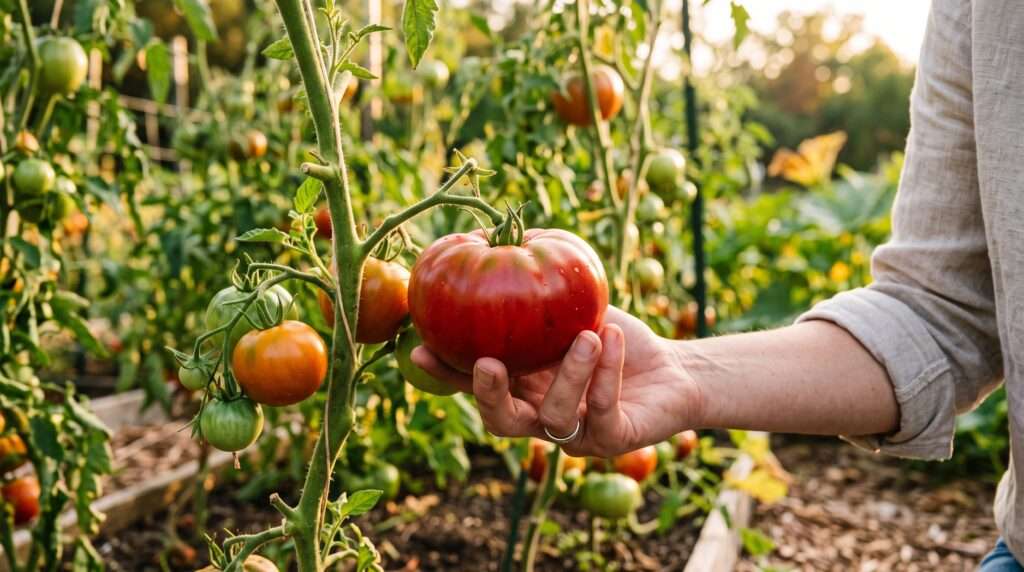
Imagine biting into a perfectly ripe, sun-warmed tomato fresh from your garden. The juices burst with a complex, mouthwatering balance of sugary sweetness and tangy acidity—a stark contrast to the mealy, flavorless imposters typically found on grocery store shelves. But capturing that elusive, perfect taste isn’t just about luck; it comes down to precise timing. Knowing exactly when to harvest tomatoes for best flavor is the single most critical skill for any gardener.
Pick your crop too early, and you are left with tart, hard flesh that never reaches its full potential. Leave them on the vine too long, and you risk split skins, mushy textures, or losing your prized heirloom fruits to a hungry squirrel. Through years of hands-on plant diagnostics, managing soil biology, and tracking seasonal harvests, I’ve found that the secret to the perfect tomato lies in understanding its biological ripening cycle. In this comprehensive guide, we will break down the science-backed framework to eliminate the guesswork from your harvest, ensuring every tomato you pick is a culinary masterpiece. 🪴
The Science of Sweetness: What Happens Inside a Ripening Tomato 🔬🧬
To truly master the tomato harvest, we have to look beyond the surface and understand the botanical processes happening inside the fruit. Ripening isn’t just a color change; it is a complex chemical transformation where starches convert into soluble sugars, and acids balance out to create that signature flavor profile.
The “Breaker Stage” Explained 🚦
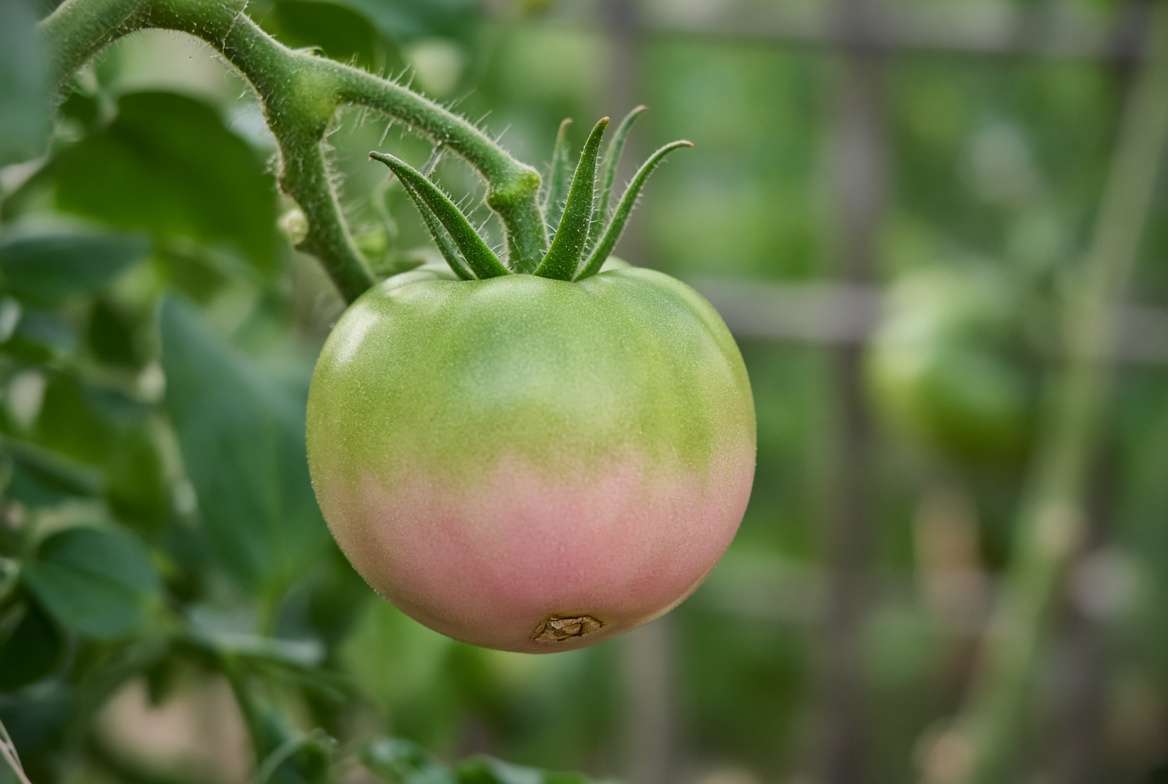
The most important term a tomato grower can learn is the breaker stage. This is the exact moment when a green tomato shows its very first blush of color—usually a faint pink, yellow, or star-shaped tinge at the blossom end (the bottom of the fruit).
Why is this specific moment so crucial? Once a tomato reaches the breaker stage, a fascinating biological shift occurs. A thin layer of cells, known as the abscission zone, forms across the stem connecting the fruit to the vine. This microscopic wall essentially acts as a cork, completely sealing the tomato off from the main plant. From the breaker stage onward, the tomato will no longer take in any additional water, nutrients, or sugars from the root system. Its flavor profile, potential sweetness, and internal chemistry are entirely locked in.
Vine-Ripened vs. Counter-Ripened: Busting the Biggest Myth 🛑
One of the most pervasive myths in gardening is that a tomato must be left on the vine until it is 100% deep red to achieve maximum flavor. Because the abscission zone seals the fruit off at the breaker stage, leaving a tomato on the vine to turn fully red does absolutely nothing to enhance its taste.
In fact, insisting on “vine-ripened” perfection often does more harm than good. A ripening tomato left outdoors is exposed to fluctuating temperatures, heavy rainstorms that cause the skin to split, and a host of garden pests—from hornworms to birds—that are also waiting for the fruit to soften.
By harvesting at the breaker stage and bringing the fruit indoors to finish ripening on your kitchen counter, you protect your crop from environmental damage while retaining the exact same sugar and acid profile as a tomato left on the plant. You get 100% of the flavor with 0% of the risk.
Visual and Tactile Cues: Exactly When to Harvest Tomatoes for Best Flavor 👀🤌
While understanding the science is essential, you need practical, actionable cues when you are standing in the garden with your pruning shears. Here is how to engage your senses to determine the perfect harvest time.
Color Changes (The Blush Test) 🎨
Tomato ripening happens in six distinct stages: Green, Breaker, Turning, Pink, Light Red, and Red. When inspecting your plants, always look at the blossom end first, as ripening progresses from the bottom up toward the shoulders (the top near the stem).
If you are harvesting for immediate eating, you want to look for the Light Red to Red stages, where the color is uniform and vibrant. If you are harvesting to protect the crop from an incoming storm or pest pressure, look for the Breaker or Turning stages. Pro tip: If you are highly visual or frequently design Pinterest pins and garden planners, creating a quick, colorful reference chart of these six stages to hang in your potting shed can be an incredibly helpful tool for quick identification.
The “Give” Test (Squeezing for Ripeness) 🤲
Color alone can sometimes be deceiving, especially with unique heirloom varieties that stay green or purple when fully ripe. This is where the tactile “give” test comes into play.
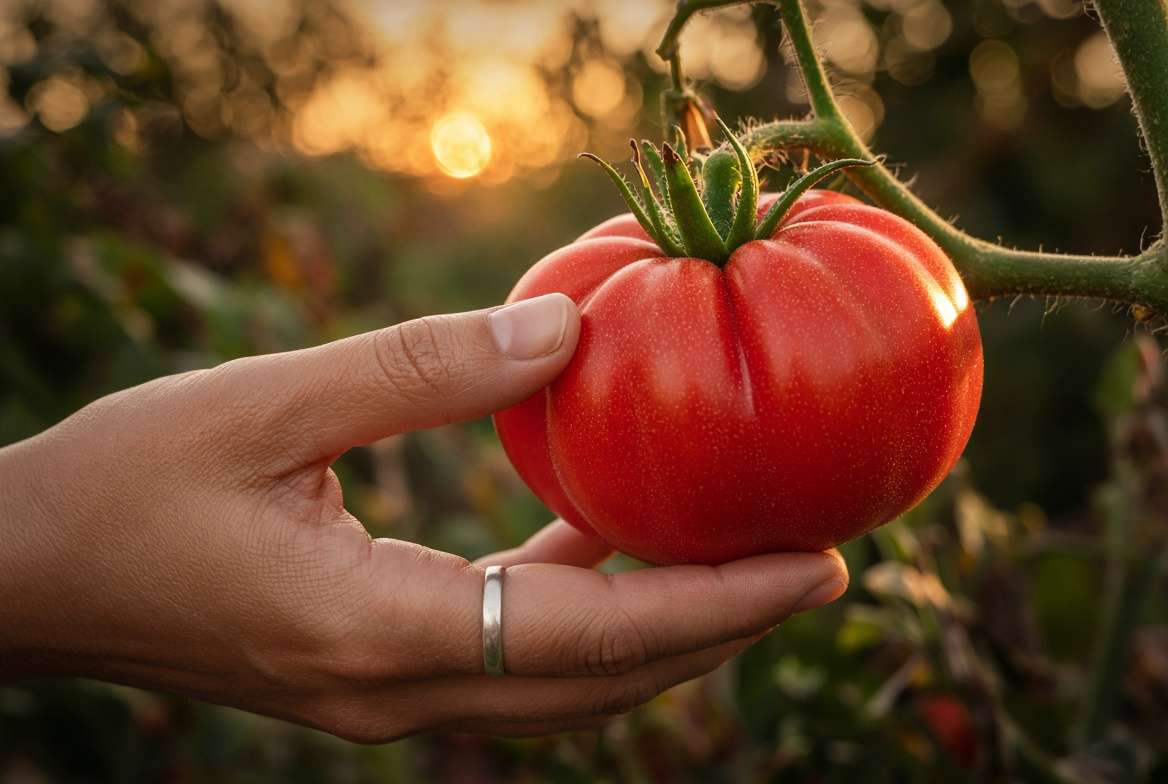
Gently cup the tomato in the palm of your hand and apply a very light pressure with your thumb. A perfectly ripe tomato ready for the slicing board will yield slightly, feeling similar to a ripe peach or an avocado that is just starting to soften. If it feels as hard as a baseball, it needs more time. If it feels like a squishy water balloon, it is overripe and better suited for sauces or composting.
The Sniff Test (The Earthy Aroma) 👃
Flavor and scent are intimately connected. As a tomato reaches peak maturity, the calyx (the little green star-shaped cap at the top) and the stem begin to release elevated levels of essential oils.
Bring your nose close to the stem of the fruit. A tomato that is ready to harvest will emit a distinct, deeply earthy, peppery aroma—that classic “tomato plant” smell. If the fruit has no scent at all, the essential oils and internal sugars are likely not fully developed.
How Different Tomato Varieties Dictate Harvest Time 🍅🌿
While the biological principles of ripening are universal, different tomato varieties exhibit unique quirks. A one-size-fits-all approach to harvesting will inevitably lead to frustration. Tailoring your harvest strategy to the specific types of tomatoes growing in your garden ensures you maximize both yield and flavor.
Cherry and Grape Tomatoes (The Daily Hunt) 🍒
Bite-sized varieties like Sweet 100s or Sun Golds are incredibly prolific, but they are notorious for their rapid ripening cycle. Because of their thin skins and high water content, a cherry tomato can go from perfectly ripe to split open in a matter of hours, especially on hot days.
For these varieties, a daily walk-through of your garden is essential. Harvest cherry tomatoes the moment they reach their full, vibrant color (or deep orange, depending on the variety). Unlike larger tomatoes, cherry tomatoes are less practical to pick at the breaker stage in large clusters, so plucking them right as they finish turning color on the vine—but before they become soft—yields the best balance of sweetness and a satisfying “pop.”
Beefsteaks and Slicers (Patience Pays Off) 🍔
Large slicing tomatoes and massive beefsteaks carry a lot of weight. Because they take significantly longer to mature, they put immense stress on the plant’s branches and are highly susceptible to blossom end rot and pest damage.
For these heavyweights, harvesting at the breaker or turning stage is highly recommended. By removing the heavy fruit early, you relieve physical stress on the tomato plant, allowing it to redirect its energy into developing new blossoms and supporting younger fruit. The beefsteaks will finish ripening beautifully on your kitchen counter, safe from the weight-induced splitting that often ruins vine-ripened slicers.
Heirloom Tomatoes (Reading the Shoulders) 👑
Heirlooms are the undisputed champions of flavor, but they can be incredibly tricky to read. Varieties like Cherokee Purple, Brandywine, or Green Zebra do not follow the standard green-to-red color progression.
Many heirlooms are genetically prone to “green shoulders,” a condition where the top portion of the tomato remains stubbornly green and hard even when the bottom is perfectly ripe, soft, and bursting with sweet juices. If you wait for an heirloom’s shoulders to change color, the rest of the tomato will be a rotting, overripe mess. For heirlooms, rely almost entirely on the “give” test (gentle squeezing) and the sniff test. Once the bottom and middle yield to gentle pressure, harvest immediately, regardless of the green shoulders.
Beyond Timing: How Soil Health and Watering Impact Flavor 🌱💧
Knowing when to harvest is only half the battle; the foundation of an incredibly sweet, flavorful tomato is built weeks before you ever reach for your pruning shears. The ultimate flavor profile of your crop is directly tied to your plant care regimen.
The Role of Organic Matter and Soil Biology 🪱
A tomato’s flavor is synthesized from the minerals and nutrients it pulls from the earth. A sterile, depleted soil will yield a watery, bland fruit, regardless of how perfectly you time the harvest.
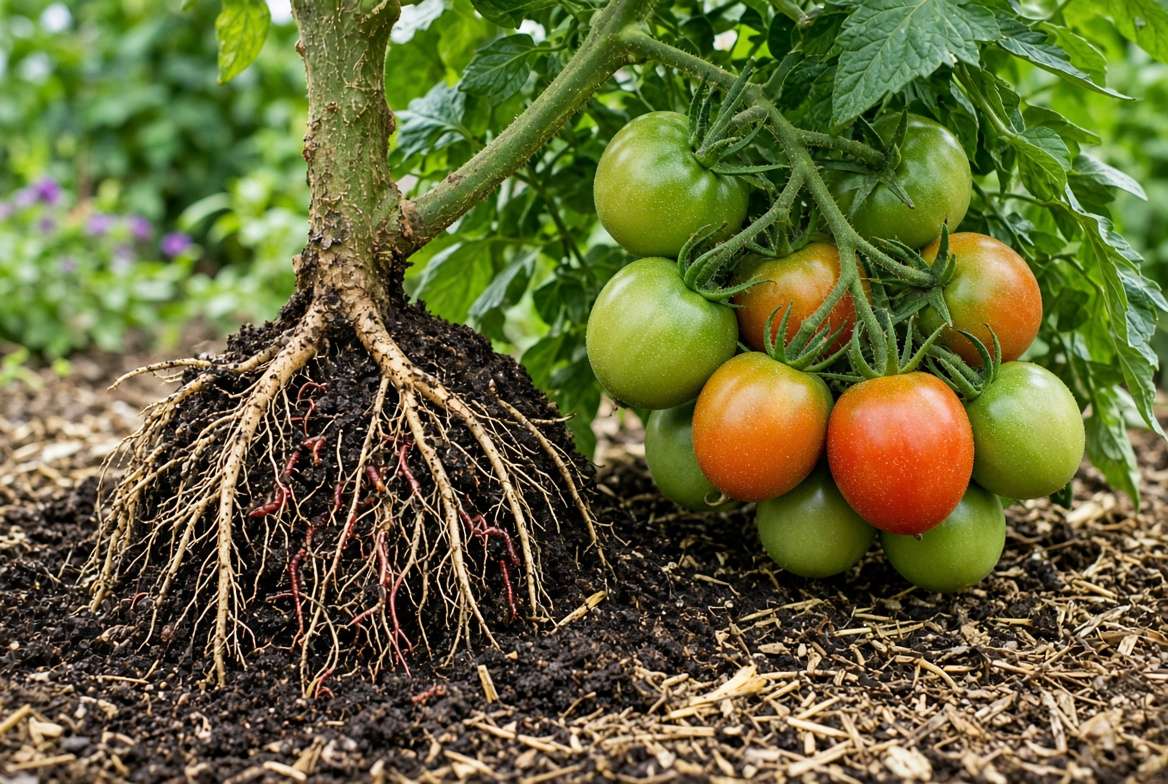
To achieve peak sweetness, focus on building a robust soil food web. High-quality compost and organic matter promote the uptake of crucial micronutrients. Specifically, potassium is the primary driver of fruit quality, heavily influencing the sugar-to-acid ratio. Phosphorus, meanwhile, supports the energy transfer required to build those complex flavor compounds. Ensuring your soil is rich in these natural elements guarantees that when the abscission zone seals off the fruit at the breaker stage, it is locked in with maximum flavor potential.
Watering Practices Pre-Harvest 🚿
One of the best-kept secrets among master gardeners and commercial growers is the technique of water restriction prior to harvest. Tomato plants require consistent moisture to grow and set fruit, but too much water during the final ripening phase can dilute the sugars and essential oils inside the tomato.
As you notice a heavy cluster of tomatoes approaching the breaker stage, gently taper off your watering schedule. By slightly stressing the plant (without letting it wilt), you force the tomato to concentrate its remaining sugars and flavor compounds. This “dry farming” technique results in a denser, intensely flavored tomato and significantly reduces the risk of the skin splitting from excess water pressure.
Step-by-Step Guide: How to Pick a Tomato Without Damaging the Plant ✂️🪴
Improper harvesting techniques can tear the main vine, strip away foliage, and create open wounds that invite bacterial and fungal diseases into your garden. Harvesting should be a delicate, deliberate process.
Tools of the Trade 🛠️
While hand-picking is common, using sanitized micro-tip pruners or sharp garden scissors is the safest method. Before heading into the garden, wipe your blades down with rubbing alcohol to prevent the transmission of common soil-borne diseases. Clean cuts heal faster and keep your plant producing longer into the season.
The Snap Technique 🤌
If you are harvesting by hand without tools, you must master the “snap.” Trace the stem of the tomato up about an inch above the calyx (the green leafy cap). You will feel a slight swelling or a tiny bump in the stem—this is the natural knuckle or abscission zone.
Gently grasp the tomato in one hand, place your thumb right above that knuckle, and apply a swift, upward snapping motion. The stem will break cleanly at the joint. Always aim to harvest the tomato with the calyx and a small piece of stem attached. This prevents the top of the tomato from tearing, seals out bacteria, and drastically improves the fruit’s shelf life indoors.
Post-Harvest Care: Maximizing Flavor Indoors 🏡🍽️
You have successfully navigated the garden, identified the breaker stage, and carefully snapped your prized tomatoes from the vine. Now, how you treat them indoors determines whether they reach peak sweetness or turn into a culinary disappointment.
Why You Should Never Refrigerate a Fresh Tomato 🚫❄️
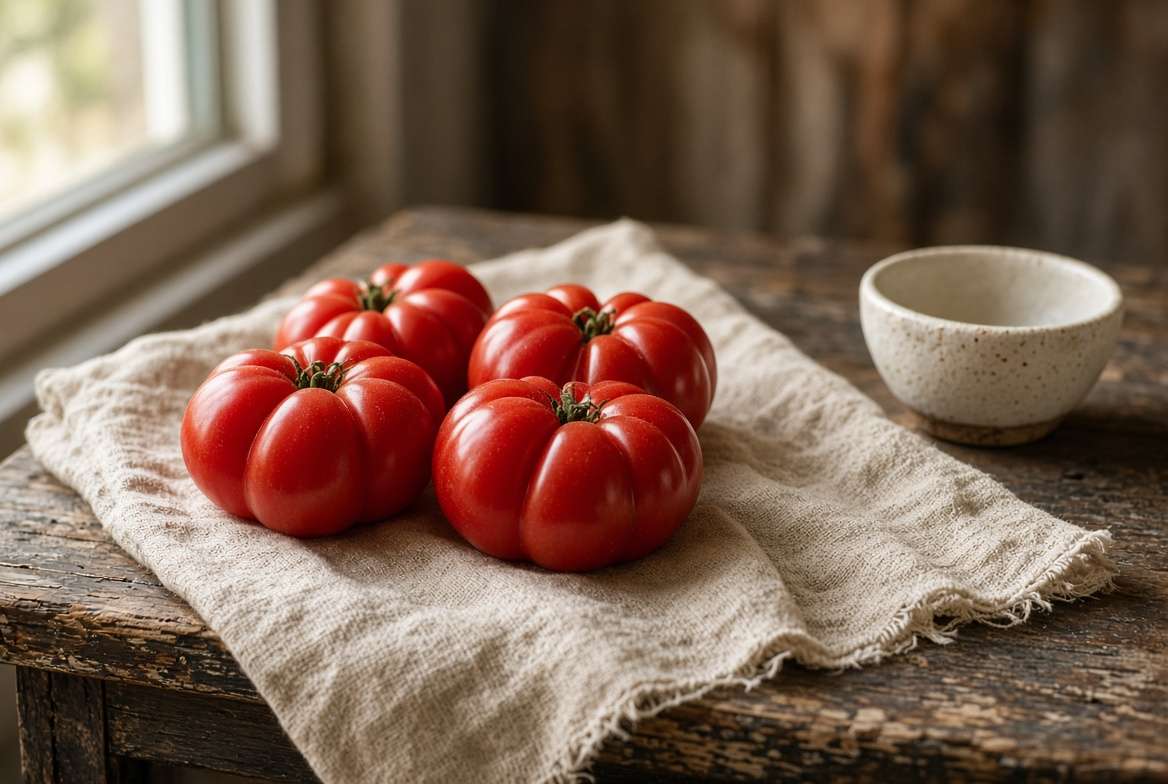
This is the golden rule of tomato care: keep them far away from your refrigerator. Tomatoes are warm-weather fruits, and their cellular structure is highly sensitive to cold.
When exposed to temperatures below 50°F (10°C), the volatile enzymes responsible for producing the tomato’s flavor and aroma are permanently shut down. The cold causes the cell walls to rupture, immediately turning the flesh grainy and mealy. Always store your ripening tomatoes at room temperature, ideally between 65°F and 70°F, on a countertop out of direct sunlight. Place them stem-side down to prevent moisture loss and keep bacteria out.
The Paper Bag Trick for Accelerating Ripeness 🛍️
If you have harvested a large batch of breaker-stage tomatoes to save them from a frost or a heavy rainstorm, you can easily control their ripening speed indoors.
Tomatoes are climacteric fruits, meaning they continue to ripen off the vine by producing and absorbing ethylene gas. To speed up the process, place your breaker tomatoes in a breathable brown paper bag alongside a ripening banana or an apple. These fruits are heavy ethylene producers and will trap the gas inside the bag, fast-tracking your tomatoes to perfect, red readiness in just a few days.
Troubleshooting Common Harvest Problems 🚑🥀
Even the most attentive gardeners face challenges at harvest time. Knowing how to react to environmental threats can save your entire crop.
Cracking and Splitting (Rain Management) 🌧️
Concentric cracking (circles around the stem) or radial splitting (cracks running down the sides) are caused by sudden influxes of water. When a heavy rainstorm follows a dry spell, the tomato plant rapidly absorbs water, pumping it into the fruit faster than the skin can stretch.
The Fix: Monitor your local weather forecast. If a heavy downpour is predicted, go out and harvest every single tomato that has reached the breaker stage or beyond. They will ripen safely indoors, and you will save them from splitting wide open and attracting fruit flies.
Pests Stealing Your Harvest 🐦🐛
Nothing is more infuriating than waiting weeks for a tomato to turn red, only to wake up and find half of it eaten by a bird or a squirrel. Animals are drawn to the bright red color and the water content of ripe fruits.
The Fix: Harvesting at the breaker stage is your absolute best defense. Birds and squirrels generally ignore green or slightly blushing tomatoes. By bringing them inside to finish ripening, you completely eliminate the window of opportunity for garden pests to steal your hard work.
Expert FAQs About Tomato Harvesting 💬🙋♀️
Can you eat green tomatoes? Yes, but they are entirely different in texture and flavor. Fully green tomatoes (those that have not reached the breaker stage) are highly acidic, firm, and tart. They are famously used for Southern fried green tomatoes, relishes, and pickling.
Will tomatoes ripen if picked completely green? If a tomato is picked completely green, before the breaker stage begins, it will never naturally ripen into a sweet, red fruit indoors. It lacks the internal chemical triggers to do so. If an early frost forces you to pick fully green tomatoes, they are best used for cooking or pickling.
Why are my tomatoes turning yellow instead of red? During intense mid-summer heatwaves where temperatures consistently stay above 85°F to 90°F (29°C to 32°C), the production of lycopene and carotene (the pigments responsible for red coloring) abruptly halts. Your tomatoes may stay yellow or orange. Do not wait for them to turn red; if they are soft to the touch, harvest and enjoy them as they are.
Armed with an understanding of the breaker stage, tactile cues, and proper post-harvest storage, you can stop leaving your prized harvests up to chance. Keep an eye on your local weather, check the blossom ends for that first blush of color, and pull your fruits early to protect them from the elements. Enjoy the peace of mind that comes with knowing exactly when to harvest, and get ready to experience the absolute peak sweetness of a truly perfect homegrown tomato.











