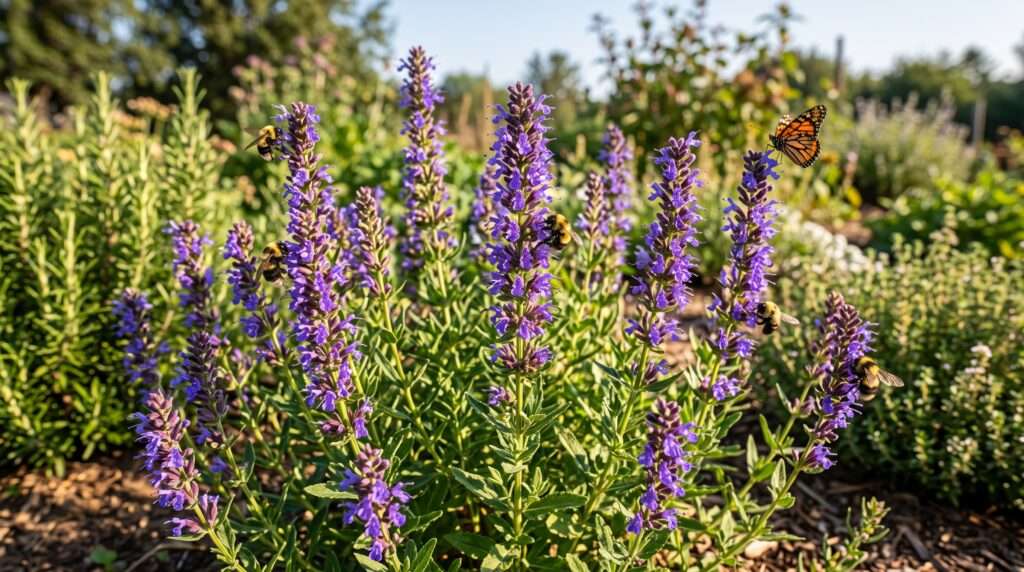
Walk past a blooming patch of herbs in mid-summer, and the first thing you will notice isn’t just the vibrant violet flower spikes—it’s the steady, audible hum of native bees, butterflies, and hummingbirds. Many gardeners struggle to find resilient perennial herbs that can handle scorching summer heatwaves, poor soil, and general neglect while still delivering season-long, spectacular blooms. If you are tired of coddling delicate ornamentals, the solution is right here: hyssop plants.
These rugged, highly aromatic, and naturally deer-resistant perennials are the unsung heroes of the drought-tolerant garden. Whether you are building a dedicated permaculture landscape, a cottage garden, or simply looking to support local wildlife, hyssop plants thrive on lean soil and minimal water.
Expert Insight: After observing various hyssop species across three distinct seasons of variable rainfall and extreme heat, I’ve found that it consistently out-blooms classic favorites like lavender and catmint with less than half the fuss. It is truly a “plant-it-and-forget-it” perennial. 🪴
Quick Snapshot Care Card 📋
Save this quick-reference guide for easy growing!
-
Botanical Name: Hyssopus officinalis (True Hyssop) / Agastache foeniculum (Anise Hyssop)
-
Plant Type: Woody perennial subshrub / Herbaceous perennial
-
Hardiness Zones: USDA Zones 3–9 (varies slightly by species)
-
Sun Exposure: Full sun (6–8+ hours daily)
-
Soil Preference: Well-draining, sandy or gravelly loam; pH 6.5–7.5
-
Watering Needs: Low to moderate (highly drought-tolerant once established)
2. Demystifying Hyssop: True Hyssop vs. Anise Hyssop 🔍🌿
Before you dig your first planting hole, it is crucial to clarify a common horticultural mix-up. The common name “hyssop” is frequently used for two completely different, though equally wonderful, plants. Understanding the difference guarantees you plant the right herb for your specific landscape needs.
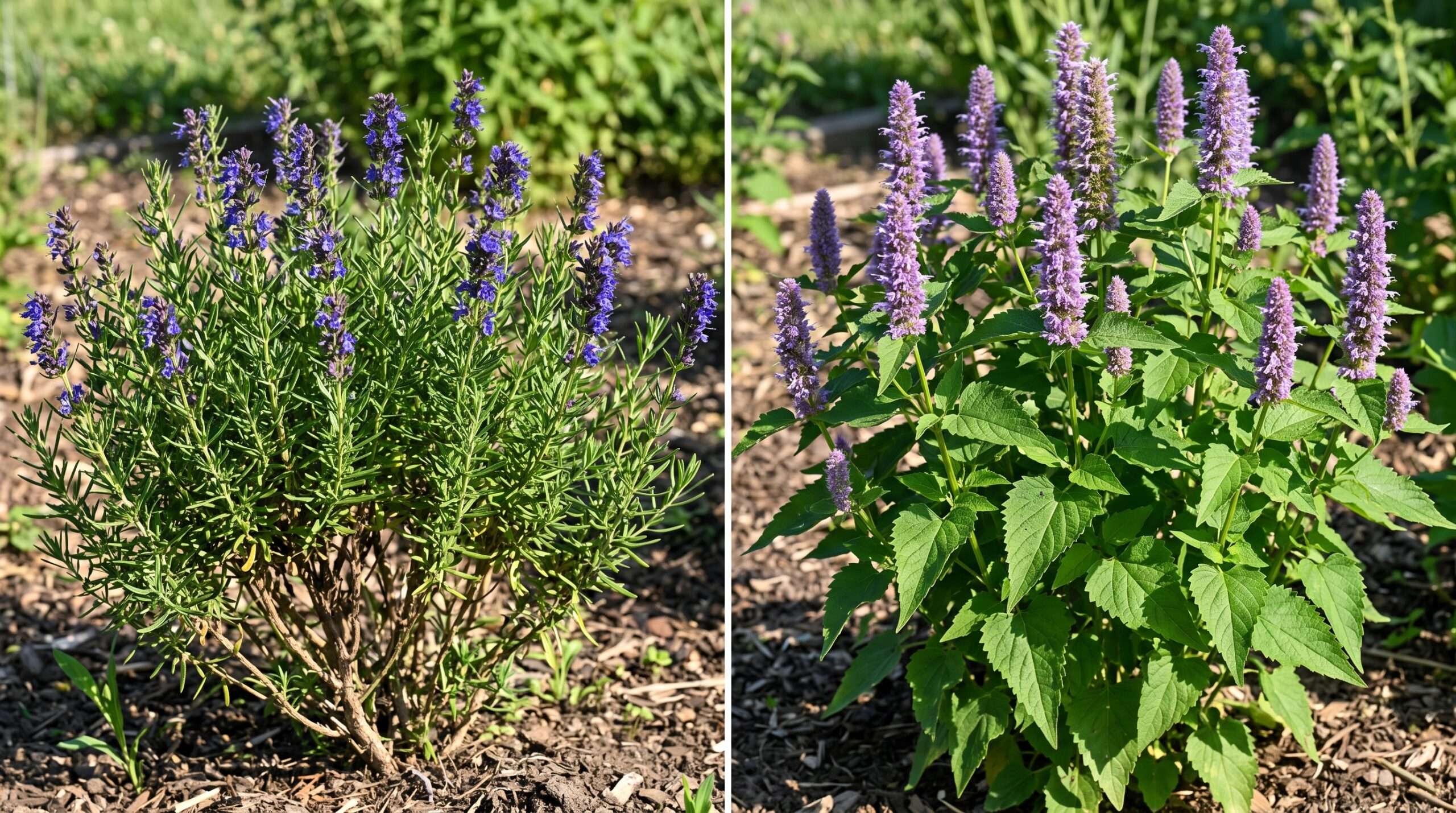
True Hyssop (Hyssopus officinalis) 🌿
True hyssop is a semi-evergreen, woody-based subshrub native to the Mediterranean region and parts of Asia.
-
Characteristics: It features narrow, dark green leaves and a slightly bitter, minty-camphor scent. It grows in a bushy habit, typically reaching 1 to 2 feet in height.
-
Best Uses: Because of its woody base and dense growth, it is phenomenal for creating low, formal hedges in herb gardens, traditional knot gardens, and Mediterranean-style rockeries. It is also the species most commonly referenced in historical herbal remedies.
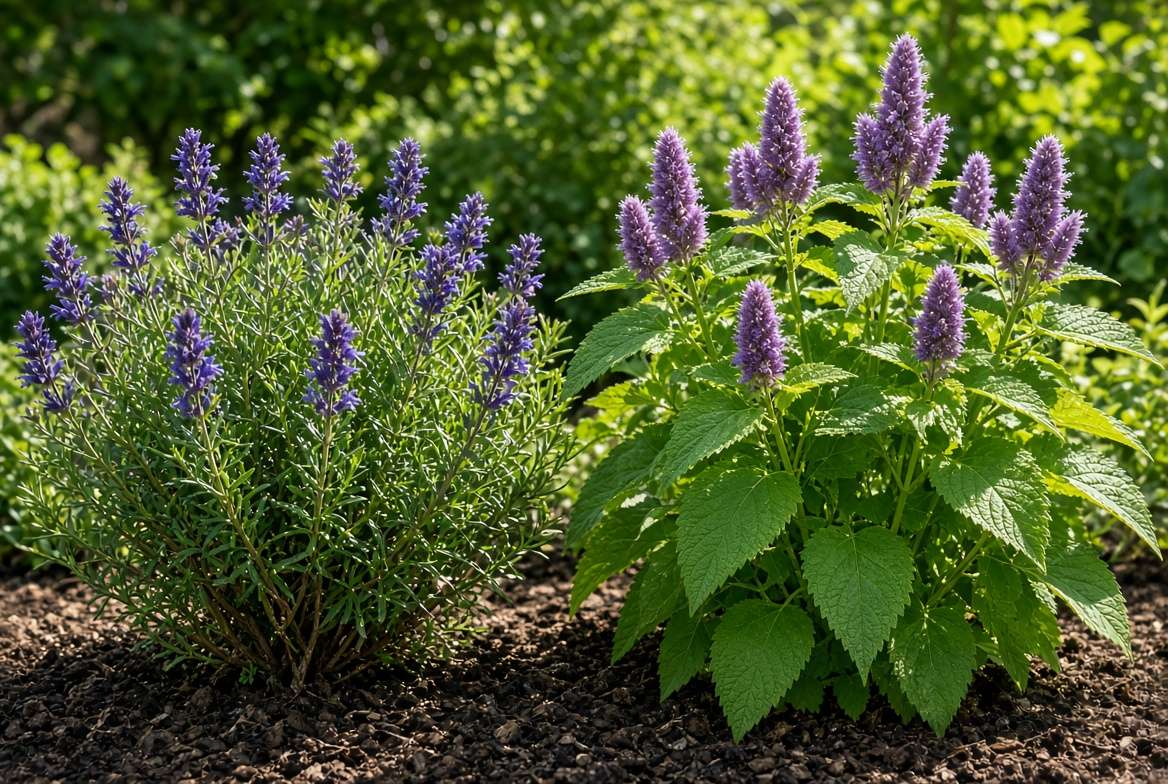
Anise Hyssop (Agastache foeniculum) 💜
Anise hyssop is a softer, herbaceous perennial native to the prairies and plains of North America. It belongs to the mint family (Lamiaceae) but lacks the invasive underground runners of true mints.
-
Characteristics: It boasts broader, serrated foliage that releases a distinct, sweet licorice or anise scent when crushed. It grows taller, often reaching 2 to 4 feet, producing fuzzy, bottlebrush-like flower spikes.
-
Best Uses: This is the ultimate choice for prairie gardens, meadowscapes, and heavy pollinator forage. The sweet leaves are exceptional for herbal teas.
Comparative Quick-Reference Table 📊
3. Ideal Growing Conditions for Hyssop Plants ☀️🪴
The secret to a thriving hyssop plant isn’t spoiling it with fertilizers and water; it’s mimicking its rugged native habitat.
Sunlight: Maximizing Essential Oils and Bloom Spikes 🌞
When it comes to hyssop, sunlight is entirely non-negotiable. These plants require full sun, meaning a minimum of 6 to 8 hours of direct, unfiltered sunlight per day.
-
Why it matters: Intense sunlight drives the production of the volatile essential oils in the leaves, maximizing both their culinary flavor and their pest-deterring aroma. Furthermore, full sun ensures sturdy, upright stem growth and dense, deeply pigmented flower spikes.
-
The shade penalty: If planted in partial shade, hyssop will become “leggy” (stretching weakly toward the light), the flowers will be sparse, and the plant becomes far more susceptible to powdery mildew.
Soil Requirements: The Drainage Imperative 🪨
The golden rule of growing hyssop is simple: it prefers poor, rocky, or sandy soil over rich, heavy loam.
-
Managing wet feet: The fastest way to kill hyssop is planting it in heavy clay soil that retains water during the winter. “Wet feet” will lead to rapid root rot.
-
Soil prep: If you have heavy clay, do not heavily amend it with water-retaining peat moss. Instead, integrate coarse horticultural grit, pumice, or expanded shale to ensure rapid drainage. Alternatively, plant hyssop in raised beds or on a gentle slope where gravity naturally pulls excess moisture away from the root zone. Aim for a neutral to slightly alkaline pH (6.5–7.5).
Temperature & Hardiness Zones 🌡️
Hyssop plants are incredibly resilient to temperature extremes.
-
Cold Hardiness: Depending on the specific variety, they reliably survive winter lows down to USDA Zone 3 or 4. In colder zones, a loose winter mulch of evergreen boughs or straw (applied after the ground freezes) helps protect the crown from freeze-thaw cycles.
-
Heat Tolerance: Once their deep taproots are established, these plants scoff at intense mid-summer heatwaves that leave traditional lawn grasses scorched and dormant.
4. How to Plant Hyssop: Step-by-Step Guide 🧤🌱
Whether you are starting from a budget-friendly seed packet or popping nursery transplants directly into the border, establishing hyssop correctly sets the stage for decades of blooms.
Timing Your Planting ⏳
-
Spring: Plant after the final spring frost has passed and the soil has warmed to at least 60°F (15°C).
-
Autumn: In milder climates (Zones 7-9), early autumn is the perfect time to plant. The cooler air reduces transplant shock while the warm soil allows roots to establish before winter dormancy.
Starting from Seed (Indoors & Direct Sowing) 🌰
Growing hyssop from seed is highly rewarding and incredibly cost-effective for large garden borders.
-
Cold Stratification: While not strictly required for all varieties, giving the seeds a brief chill period (cold stratification) in the refrigerator for 2 to 3 weeks before sowing dramatically increases germination rates.
-
Light-Dependent Germination: Hyssop seeds need light to germinate! Whether sowing indoors in seed trays (6–8 weeks before the last frost) or directly in the garden bed, gently press the seeds into the soil surface. Do not bury them.
-
Timeline: Keep the soil consistently moist (but not soggy) at around 65–70°F (18–21°C). Germination typically occurs within 14 to 21 days.
Transplanting Nursery Starts & Proper Spacing 📏
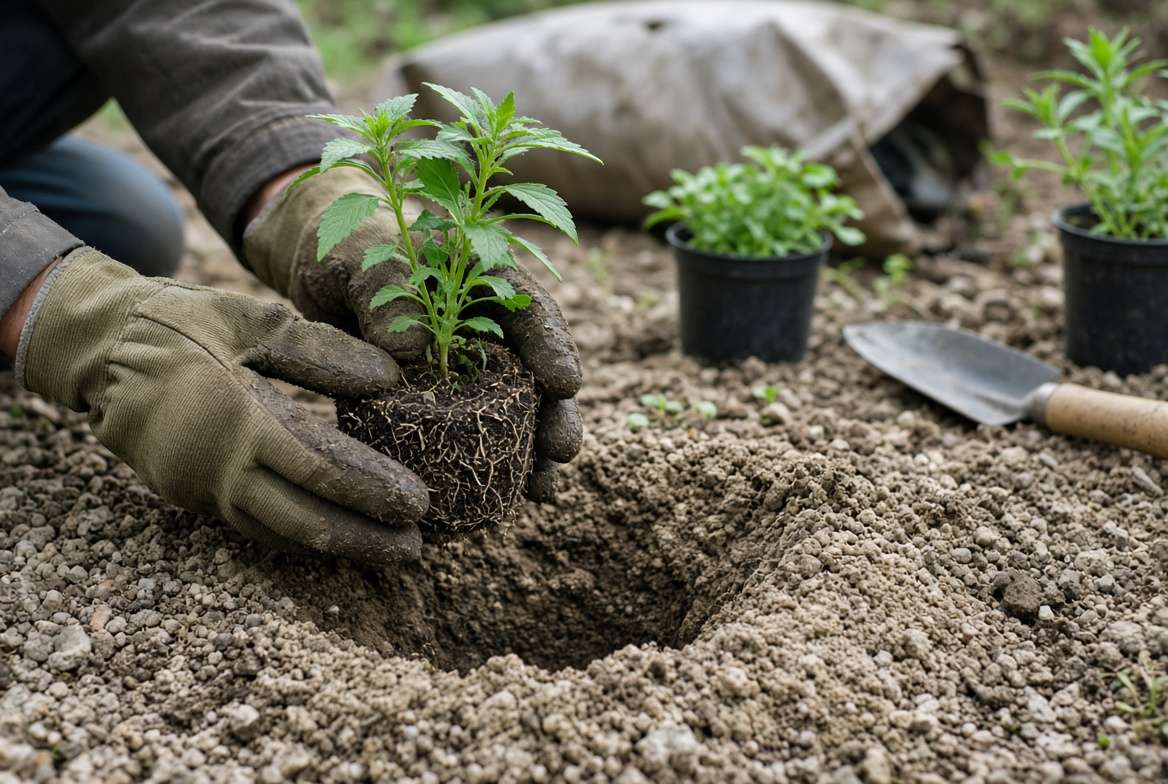
If you purchase established plants from a local nursery, follow these transplanting rules:
-
Spacing is critical: Space individual plants 18 to 24 inches apart. Good airflow is your best defense against fungal diseases.
-
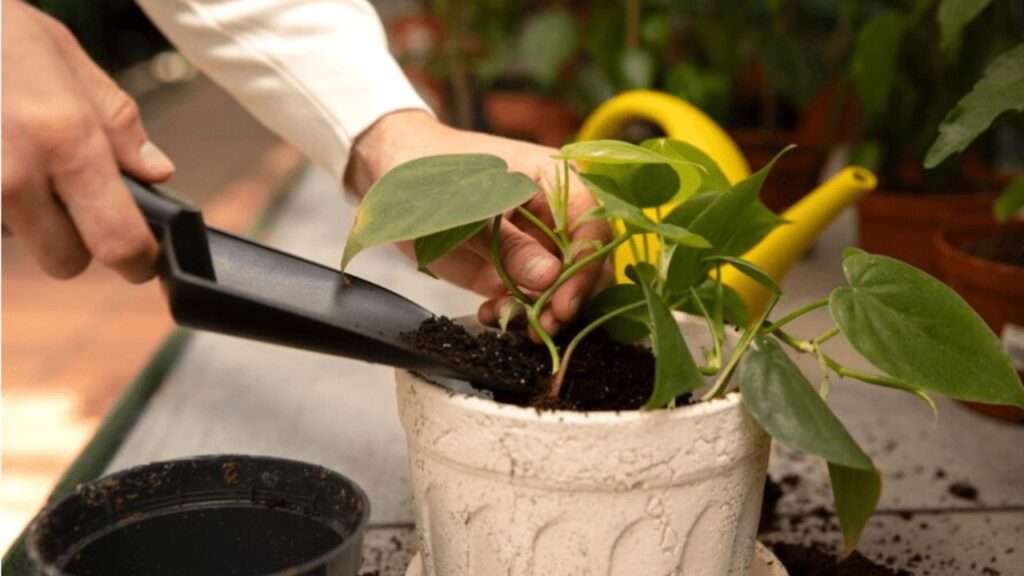
Loosen the roots: Gently tease the root ball apart before placing it in the planting hole.
-
Planting depth: Ensure the crown of the plant (where the stems meet the roots) is sitting exactly at, or slightly above, the surrounding soil level. Planting too deep invites crown rot.
-
Water in thoroughly: Water deeply on the day of planting to settle the soil and eliminate subterranean air pockets.
5. Ongoing Care and Maintenance: Growing More with Less 💧✂️
The beauty of hyssop plants lies in their low-maintenance nature. Once established, the less you fuss over them, the better they perform.
Watering Strategy: Deep, Infrequent Soaking 🚿
During the first growing season, hyssop needs consistent moisture to establish a deep, robust root system. Water the plants deeply once a week, allowing the top two inches of soil to dry out completely between waterings.
Once mature, hyssop transforms into an incredibly drought-tolerant powerhouse. At this stage, switch to deep, infrequent watering. Relying on natural rainfall is often enough, but during prolonged summer droughts, a deep soak at the base of the plant every two to three weeks is ideal.
-
Warning signs: If the lower leaves start yellowing and dropping off, or if the central crown feels soft and mushy, you are overwatering. Step back and let the soil dry out.
Fertilization: Why You Should Skip Heavy Nitrogen 🚫🧪
It might feel counterintuitive, but applying synthetic, high-nitrogen fertilizers is detrimental to hyssop. Heavy fertilization forces the plant to push out weak, floppy, rapid green growth that is highly susceptible to wind damage and pest attacks. Worse, rich soil dilutes the concentrated essential oils in the foliage, resulting in weaker fragrance and less flavor.
Instead of liquid fertilizers, simply top-dress the base of the plant with an inch of finished organic compost every spring. This provides a slow, balanced release of micronutrients that perfectly mimics its natural environment.
Pruning and Deadheading Protocols ✂️
Proper pruning keeps hyssop looking tidy, prevents the center of the plant from becoming woody and barren, and encourages continuous blooming.
-
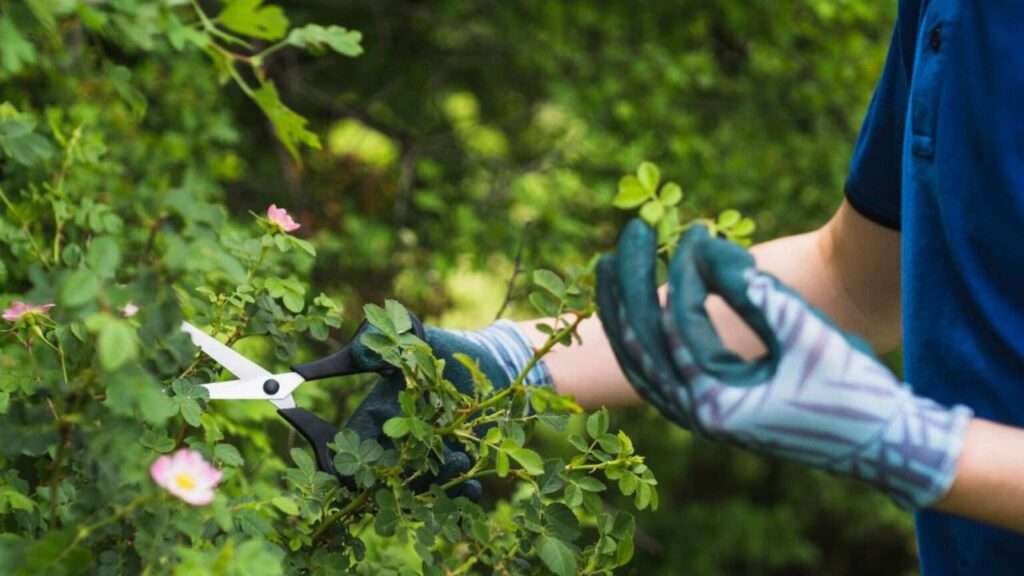
Mid-season Deadheading: As the first flush of summer flowers begins to fade and dry out, grab a pair of sharp garden shears and trim the spent spikes just above the next set of healthy leaves. This simple act redirects the plant’s energy from seed production back into flowering, guaranteeing a second vibrant flush of blooms in late summer.
-
Spring Cutback: For woody varieties like True Hyssop, wait until early spring (just as you see the first signs of green growth at the base). Prune the old woody stems back hard, leaving just 4 to 6 inches of stem above the ground. This stimulates fresh, dense, bushy growth for the new season.
6. Propagation: Expanding Your Stand for Free ✂️🪴
Once you fall in love with hyssop, you’ll undoubtedly want more of it. Fortunately, propagating hyssop is highly straightforward and allows you to fill out your garden borders at zero cost.
Softwood Stem Cuttings 🌱
Propagating from cuttings guarantees an exact genetic clone of your favorite parent plant.
-
In late spring or early summer, select a healthy, non-flowering stem tip.
-
Snip a 4-to-6-inch cutting just below a leaf node.
-
Strip the lower half of the leaves and dip the cut end into a high-quality rooting hormone.
-
Stick the cutting into a well-draining medium (a 50/50 mix of perlite and coarse sand works beautifully).
-
Keep the medium lightly moist and out of direct, scorching sunlight until roots develop (usually 3 to 4 weeks).
Root Division 🪓
Mature hyssop clumps (3 to 4 years old) benefit greatly from division, which rejuvenates the plant and prevents the center from dying out. In early spring, gently dig up the entire root ball. Using a sharp spade or garden knife, slice the root ball into two or three healthy sections, ensuring each section has a good amount of roots and emerging green shoots. Replant immediately and water in well.
Managing Self-Seeding 🌼
Many hyssop varieties (especially Anise Hyssop) are enthusiastic self-seeders. If you want a wild, natural meadow look, simply leave the late-summer flower heads intact. Goldfinches and other wild birds will feast on the seeds, and you will be greeted by dozens of volunteer seedlings the following spring. If you prefer a highly manicured, tidy garden border, simply snip the flower heads off before they dry and drop their seeds.
7. The Pollinator Magnet: Why Biodiversity Flocks to Hyssop 🐝🦋
If you want to support a struggling local ecosystem, hyssop is one of the most high-impact plants you can introduce to your landscape.
-
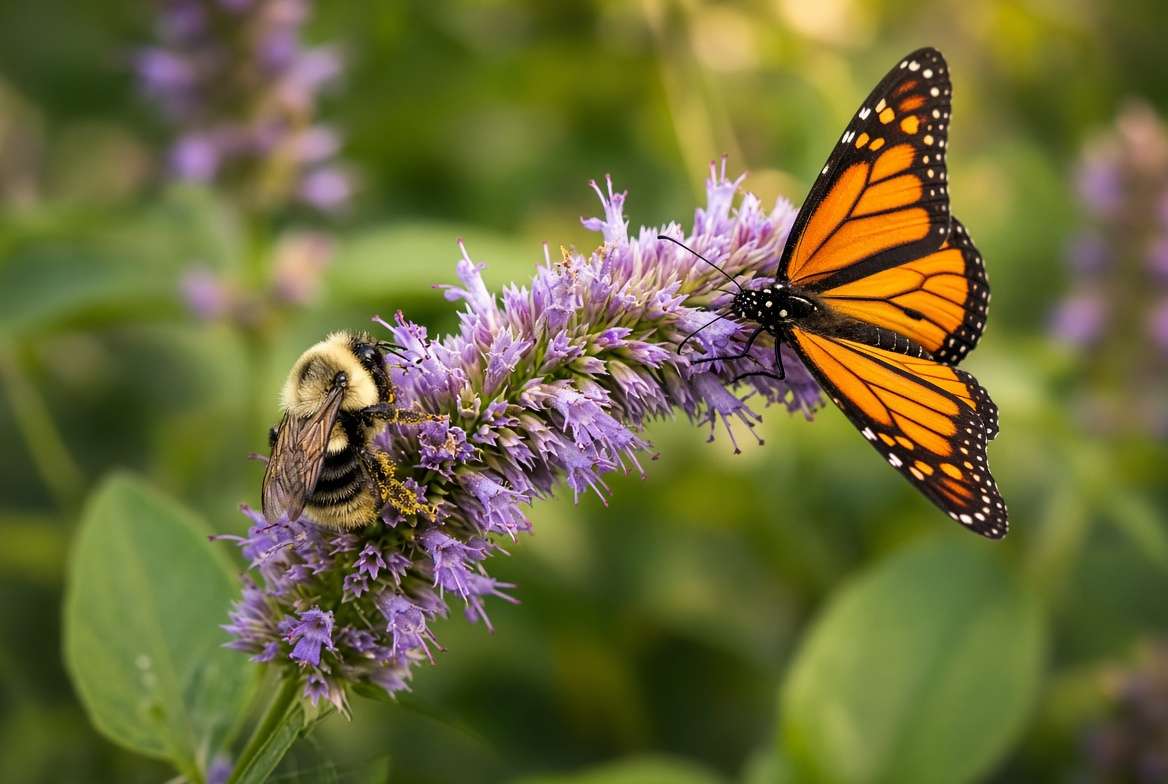
High Nectar Value: The tubular structure of hyssop flowers is an architectural masterpiece designed for specialized pollinators. Bumblebees, honeybees, solitary sweat bees, and mason bees prioritize these flowers because they offer an exceptionally high-volume, continuous supply of rich nectar, even during dry spells when other flowers stop producing.
-
Butterflies and Hummingbirds: The bright floral spikes act as landing pads and feeding stations for migrating monarchs, painted ladies, swallowtails, and clearwing hummingbird moths. Ruby-throated hummingbirds are deeply attracted to the tubular blooms, making hyssop an essential addition to any hummingbird garden.
-
Natural Pest Deterrence: While pollinators love the flowers, the strong, camphor-like terpenes in the foliage actively repel many common garden pests. The volatile oils mask the scent of neighboring vulnerable crops, confusing cabbage moths, aphids, and flea beetles, and sending them elsewhere.
8. Strategic Companion Planting with Hyssop 🍅🥬
In the world of organic gardening and permaculture, hyssop is a legendary “companion plant.” Its pest-repelling properties and pollinator-attracting blooms make it a highly valuable neighbor for both vegetables and ornamental perennials.
Best Garden Companions 🤝
-
Brassicas (Cabbage, Broccoli, Kale, Cauliflower): Hyssop is famous for deterring the white cabbage butterfly, protecting your leafy greens from destructive caterpillars.
-
Grapevines: A traditional European vineyard practice involves planting hyssop near the base of grapevines, which is believed to stimulate the vine’s growth and boost overall crop vitality.
-
Mediterranean Herbs: Pair hyssop with rosemary, thyme, lavender, and oregano. They all share the exact same cultural requirements—full sun, lean soil, and low water—making them perfect bedfellows.
What NOT to Plant Near Hyssop 🛑
-
Moisture Lovers: Keep hyssop far away from ferns, hostas, astilbe, or any plant that requires consistently moist, rich soil. The watering requirements are entirely incompatible.
-
Radishes: Avoid planting hyssop near radishes. Hyssop is allelopathic to radishes, meaning it releases biochemicals into the soil that can inhibit the growth and seed germination of the radish roots.
9. Troubleshooting Common Pests, Diseases & Environmental Issues 🩺🍂
Hyssop is exceptionally rugged, but it isn’t entirely invincible. Recognizing early warning signs keeps your plants thriving.
-
Root Rot and Crown Rot: This is the number one killer of hyssop plants. It is exclusively caused by poor drainage and waterlogged soil, especially during winter dormancy. Solution: Improve drainage immediately with gravel, or relocate the plant to a raised mound.
-
Powdery Mildew: During humid, stagnant late-summer weather, a white, powdery fungal film may appear on the foliage. Solution: Prevent this by ensuring proper 18-to-24-inch spacing for maximum airflow. Avoid overhead watering; always water at the base of the plant.
-
Occasional Insect Pests: While hyssop repels most bugs, you might occasionally spot a light infestation of spider mites during extreme dry heat, or scale insects on woody stems. Solution: Treat with a targeted application of neem oil or insecticidal soap, applying only in the early evening to avoid harming foraging bees.
-
Winterkill: If your hyssop mysteriously fails to return in the spring, it was likely due to cold, wet soil freezing and expanding, which crushes the roots. Always ensure winter drainage is impeccable.
10. Harvesting and Practical Uses of Hyssop 🌿☕
Beyond its landscape value, hyssop is a highly versatile culinary and medicinal herb.
Harvesting Technique 🧺
To capture the absolute highest concentration of essential oils, harvest hyssop in the mid-morning, right after the early dew has evaporated but before the intense afternoon sun begins to bake the volatile oils out of the leaves. Snip the top 4 to 6 inches of new growth using clean shears.
Culinary Applications 🍽️
The flavor of True Hyssop is potent, slightly bitter, and minty, so it should be used sparingly. Finely chopped young leaves make a fantastic addition to rich, fatty poultry rubs, roasted root vegetables, and hearty bean soups. Anise Hyssop, with its sweet licorice flavor, is much gentler and can be tossed generously into summer fruit salads or baked into shortbread cookies.
Herbal Teas & Traditional Infusions 🫖
Both species make phenomenal herbal teas, long prized in traditional medicine for soothing sore throats and easing digestion. Simply steep a tablespoon of fresh leaves (or a teaspoon of dried leaves and flower tops) in boiling water for 5 to 7 minutes. Add a touch of local honey to elevate the flavor profile.
11. Frequently Asked Questions (FAQ) ❓💬
Are hyssop plants invasive? No, hyssop is not considered an invasive species. While varieties like Anise Hyssop are enthusiastic self-seeders and will spread readily via dropped seed, they do not spread through aggressive, uncontrollable underground rhizomes like true mint. Unwanted seedlings are very shallow-rooted and incredibly easy to pull out.
Do deer and rabbits eat hyssop plants? No! Hyssop is highly deer and rabbit resistant. Mammalian pests detest the strong, concentrated essential oils and the slightly bitter taste of the foliage, making it an excellent perimeter plant to protect more vulnerable garden areas.
Can you grow hyssop in containers or pots? Absolutely. Hyssop adapts beautifully to container gardening. Ensure your pot has large drainage holes and use a rapidly draining potting mix (such as cactus/succulent soil blended with a standard potting mix). Remember that potted plants require slightly more frequent watering and winter protection than in-ground plants.
Is hyssop safe for dogs and cats? The fresh garden plant (Hyssopus officinalis and Agastache) is generally considered non-toxic and safe around pets. However, it is crucial to note that highly concentrated, distilled hyssop essential oil is toxic and should never be ingested by pets or humans.
12. Final Takeaway & Reader Next Steps 🌻🏡
Growing hyssop plants is one of the highest-return investments you can make in your garden. For the minimal price of a seed packet or a small nursery start, you gain a rugged, drought-tolerant, intensely aromatic perennial that acts as a bustling metropolis for local pollinators. By simply providing them with plenty of sunshine and sharp drainage, you can step back and enjoy years of effortless, vibrant summer color.
We’d love to hear about your garden plans! Are you planting True Hyssop for a fragrant, structured hedge, or Anise Hyssop to draw in the hummingbirds? Drop a comment below with your USDA hardiness zone and your favorite companion plant pairing! 👇🐝