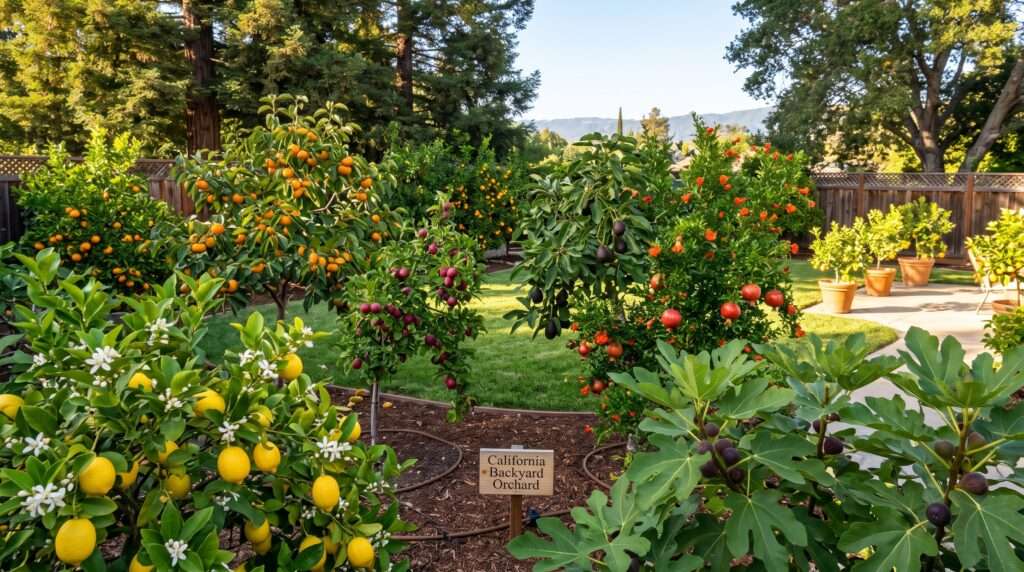
Imagine stepping out onto your sunny patio on a Saturday morning to pick sun-warmed Meyer lemons, honey-sweet figs, and creamy avocados straight from your own branches—all while skipping inflated grocery store prices. Growing your own home orchard is one of the greatest perks of living in the Golden State, yet choosing the best 10 fruit trees for backyard california landscapes isn’t as simple as grabbing whatever looks pretty at a local nursery.
Every year, well-meaning California homeowners lose hundreds of dollars and seasons of patience by planting the wrong varieties. Put a high-chill tree in a mild winter microclimate, and it will grow plenty of lush leaves without ever setting fruit. Pick a water-guzzling variety during summer drought restrictions, and your utility bill will skyrocket. Worse yet, standard full-sized fruit trees quickly outgrow compact suburban yards, turning a dream harvest into an expensive pruning headache.
That is why we did the heavy lifting for you. After evaluating chill-hour requirements, drought tolerance, mature size, and verified customer performance, we’ve put together a researched, no-fluff breakdown of the best 10 fruit trees for backyard california growers can plant with confidence. Whether you are gardening in the cool coastal air of Northern California, the scorching heat of the Central Valley, or the mild, frost-free microclimates of Southern California, this guide will help you choose low-chill, drought-tolerant, and high-yield trees that actually thrive in your space.
Quick Comparison: Best 10 Fruit Trees for Backyard California
How We Selected the Top 10 California Backyard Fruit Trees
California is not a single climate—it is a patchwork of coastal fog belts, arid deserts, fertile inland valleys, and cool mountain foothills spanning USDA Hardiness Zones 8 through 11. To separate genuine backyard performers from finicky nursery disappointments, we filtered dozens of popular fruit trees through four strict criteria:
-
Low-Chill & Microclimate Reliability: Deciduous fruit trees need a specific number of winter “chill hours” (temperatures between 32°F and 45°F) to break dormancy and set fruit. We prioritized varieties requiring 100 to 300 chill hours alongside evergreen subtropicals, ensuring reliable harvests even after mild Southern or coastal California winters.
-
Water Efficiency & Heat Tolerance: With recurring California droughts and tiered water rates, we favored trees that establish deep root systems and tolerate dry spells without dropping their entire crop.
-
Suburban Space & Self-Fertility: Most backyard growers don’t have room for a 30-foot orchard or multiple cross-pollinators. Nine of our ten picks are self-fertile (meaning one tree produces fruit on its own), and all can be maintained at 8 to 15 feet through simple backyard pruning or dwarf rootstocks.
-
Verified Buyer Data & Nursery Quality: We analyzed Amazon customer ratings, shipping survivability reports, rootstock vigor, and CDFA-compliant nursery standards so you know what arrives at your door.
Detailed Reviews: The Best 10 Fruit Trees for Backyard California
1. Improved Meyer Lemon Tree — Best Overall for California Backyards
Product Description If you only have room for one fruit tree in your California yard, the Improved Meyer Lemon is the undisputed champion. A natural cross between a true lemon and a mandarin orange, the Meyer lemon produces thin-skinned, deep-yellow fruit that is noticeably sweeter, less acidic, and more floral than grocery-store Eureka lemons. Unlike standard citrus that drops a single seasonal crop, a mature Meyer lemon tree blooms and sets fruit nearly year-round, filling your backyard with intoxicating white blossoms while hanging heavy with bright golden fruit. Because it stays naturally compact—usually 6 to 10 feet in the ground and even smaller in a 20-gallon patio pot—it fits effortlessly into townhome courtyards, suburban side yards, and sprawling lawns alike.
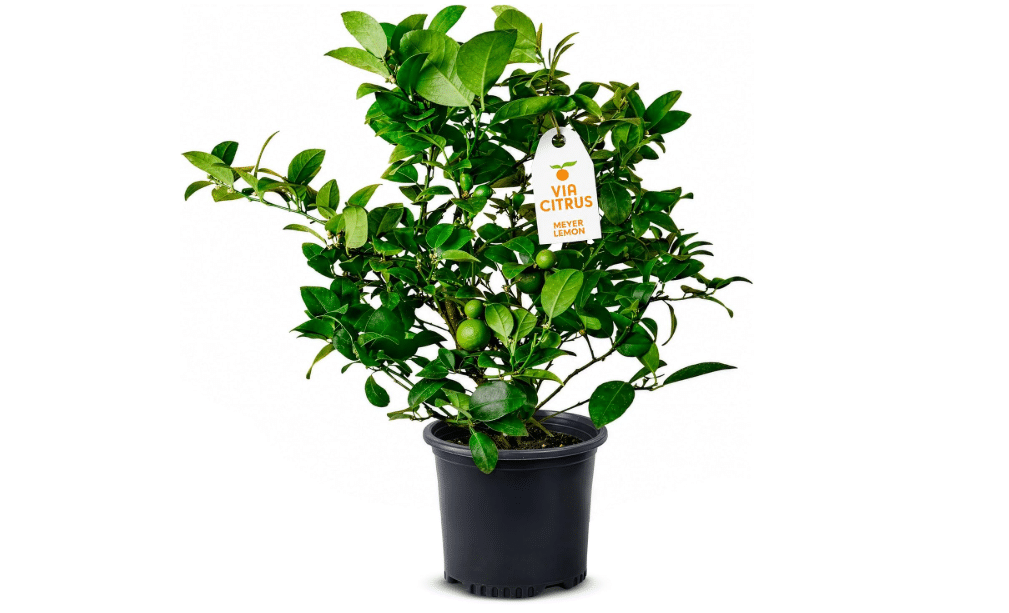
Price: $69.99
Key Features & Benefits
-
Continuous Harvest: Produces multiple waves of blossoms and fruit throughout the year, peaking from late fall through early spring.
-
Self-Pollinating: Requires no second citrus tree to produce abundant fruit.
-
Disease-Resistant “Improved” Strain: Modern Improved Meyer Lemons are certified free of the tristeza virus that plagued older heirloom stock.
-
Container-Friendly: Thrives in large, well-draining patio planters with at least 6–8 hours of direct sunlight.
Pros & Cons
-
Pros:
-
Produces fruit quickly—often within the first 1 to 2 years of planting.
-
Glossy evergreen foliage provides year-round curb appeal.
-
High culinary versatility for baking, dressings, seafood, and cocktails.
-
-
Cons:
-
Sensitive to hard freezes below 28°F (requires frost cloth in colder Northern California pockets).
-
Needs regular citrus fertilizer to prevent yellowing leaves (chlorosis).
-
Amazon Customer Ratings & Reviews Averaging 4.4 out of 5 stars across thousands of verified purchases, buyers consistently praise how frequently these trees arrive already blooming or holding tiny green lemons. The most common positive note is the sweet, fragrant scent and fast establishment in California sunshine. Critical reviews typically mention leaf drop during transit shock—a normal citrus reaction that recovers quickly with proper watering and bright light.
Why It’s a Good Choice for California California’s Mediterranean climate—warm, dry summers and mild, frost-light winters—is virtually identical to the Meyer lemon’s ideal environment. It requires zero chill hours, handles afternoon heat effortlessly when mulched, and stays productive without needing massive acreage.
Ideal Use Case / Who Should Buy It Homeowners in Zones 8b–11, patio gardeners, and home cooks who want a compact, foolproof evergreen tree that delivers fresh, gourmet citrus almost every month of the year.
2. Brown Turkey Fig Tree — Best Low-Maintenance & Drought-Tolerant Tree
Product Description For gardeners who want maximum fruit with minimum fuss, the Brown Turkey Fig is practically indestructible. This classic Mediterranean deciduous tree produces generous harvests of large, bell-shaped figs with rich mahogany-brown skin and jammy, strawberry-colored flesh. Even better, in California’s long growing season, Brown Turkey reliably yields two distinct crops per year: an early summer “breba” crop on last year’s wood, followed by a heavy late-summer-to-fall main crop on new growth. With its sculptural gray bark and wide, tropical-looking lobed leaves, it doubles as a striking focal point in drought-tolerant landscapes.
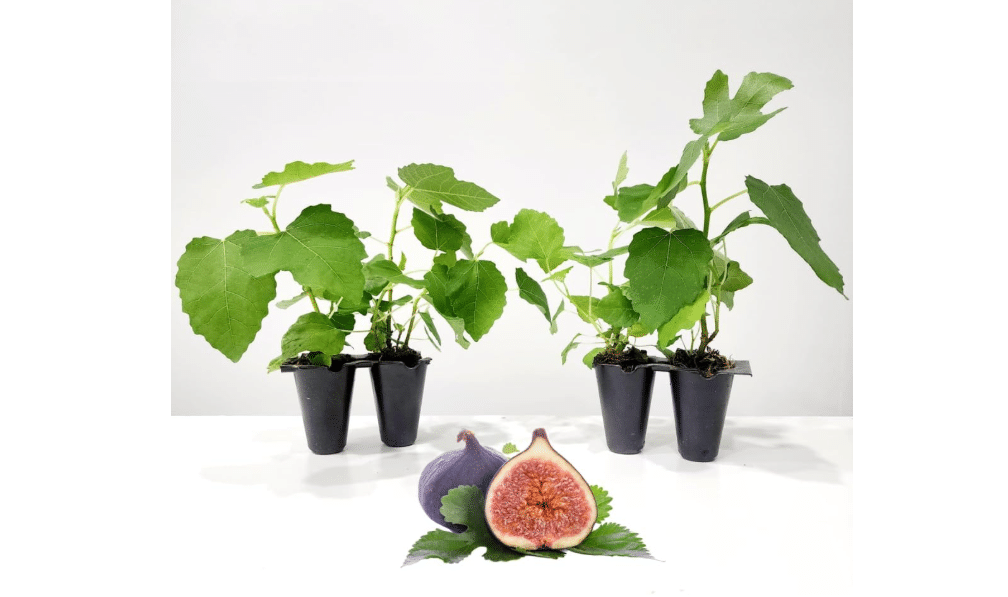
Price: $28.99
Key Features & Benefits
-
Dual Harvests: Enjoy fresh figs in early June and again from August through October.
-
Ultra-Low Chill Requirement: Needs only about 100 chill hours, making it dependable from San Diego to Sacramento.
-
Naturally Pest-Resistant: Rarely bothered by common fruit tree insects or fungal diseases—no chemical spray schedule needed.
-
Easy Size Control: Can be kept at a manageable 8–10 feet with winter pruning or trained flat against a sunny fence (espalier).
Pros & Cons
-
Pros:
-
Exceptionally drought-tolerant once established.
-
Self-pollinating and begins bearing fruit as early as its first or second year.
-
Thrives in poor, rocky, or slightly alkaline California soils where citrus struggles.
-
-
Cons:
-
Ripe figs attract birds and squirrels; organza fruit bags or netting help protect the harvest.
-
Vigorous roots should be planted at least 10–15 feet away from sewer lines and foundations.
-
Amazon Customer Ratings & Reviews Holding a strong 4.5 out of 5 stars, Amazon shoppers rave about the Brown Turkey Fig’s resilience. Many verified buyers report receiving a dormant stick in early spring that exploded into a 4-foot leafy tree with its first handful of figs by August. Reviewers frequently highlight its rapid growth rate and forgiving nature for beginners.
Why It’s a Good Choice for California Figs evolved in hot, dry Mediterranean summers—meaning California’s intense sun and low humidity actually concentrate the sugars in the fruit, giving you sweeter figs than humid regions can ever produce. Plus, its low water demand fits seamlessly into California water conservation guidelines.
Ideal Use Case / Who Should Buy It Busy homeowners, organic gardeners, and beginners who want a “plant-it-and-forget-it” fruit tree that shrugs off heatwaves and delivers sweet, perishable fruit you can rarely find truly ripe in supermarkets.
3. Fuyu Persimmon Tree — Best Non-Astringent Fall Harvest Tree
Product Description While most backyard fruit trees wrap up their harvest by August, the Fuyu Persimmon takes center stage in autumn. Unlike the acorn-shaped Hachiya persimmon—which must be mushy-soft before eating to avoid a mouth-puckering astringency—the tomato-shaped Fuyu is non-astringent. You can pick it right off the branch in October and bite into it crisp like a sweet, cinnamon-kissed apple, or let it ripen on the counter for a softer, honeyed texture. Beyond the fruit, the Fuyu is arguably the most ornamental tree on this list: in late autumn, its glossy green leaves blaze into fiery shades of orange and crimson, eventually dropping to leave glowing orange fruits hanging like holiday ornaments on bare branches.
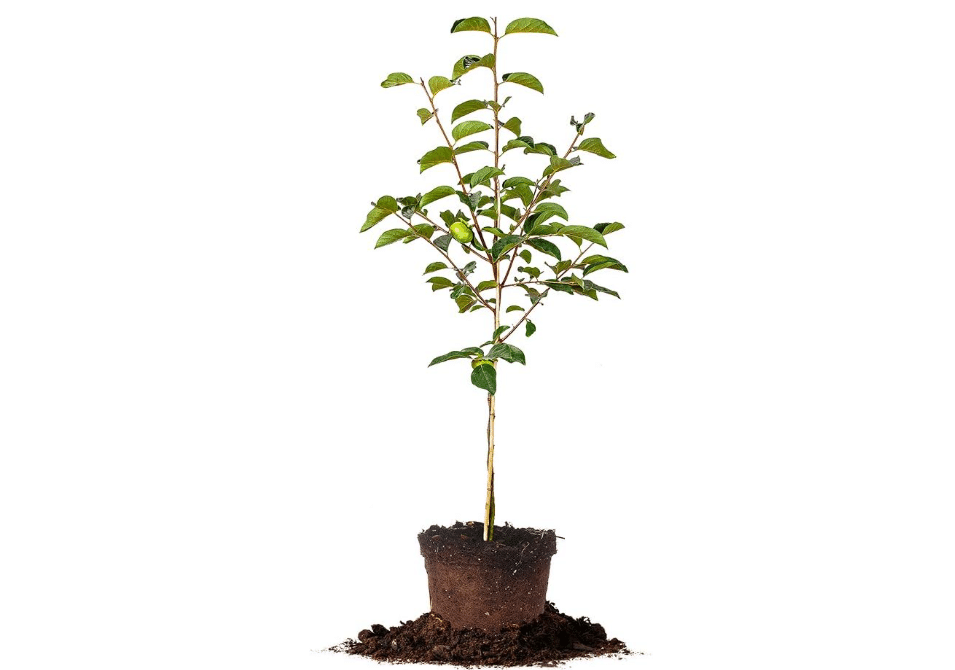
Price: $72.24
Key Features & Benefits
-
Eat Crisp or Soft: Zero astringency means versatile snacking, slicing into fall salads, or drying into traditional hoshigaki.
-
Self-Fertile: Produces abundant seedless fruit without needing a pollinator tree.
-
Virtually Carefree: Almost completely immune to pests, leaf curl, and blight.
-
Long Shelf Life: Picked fruit stays fresh on the counter for weeks, avoiding the frantic harvest rush of peaches or plums.
Pros & Cons
-
Pros:
-
Unmatched four-season ornamental beauty with dramatic fall foliage.
-
Requires only ~200 chill hours, thriving across Northern, Central, and Southern California.
-
Very low pruning and spraying maintenance.
-
-
Cons:
-
Slower to establish than figs or peaches; usually takes 3–4 years for heavy crops.
-
Young trees may drop early fruit (“June drop”) until their root system matures.
-
Amazon Customer Ratings & Reviews Rated 4.4 out of 5 stars, buyers consistently praise the clean graft unions and healthy root systems of Fuyu trees ordered online. Long-term reviewers note that while year one requires patience, by year three the tree becomes the neighborhood showstopper, producing dozens of crisp, grocery-beating persimmons with almost zero effort.
Why It’s a Good Choice for California California produces the vast majority of America’s commercial persimmons for a reason: our warm, sunny autumns give Fuyu fruit the exact heat units needed to reach peak sweetness without splitting, and the tree handles both clay soils and moderate drought once established.
Ideal Use Case / Who Should Buy It Homeowners looking for a dual-purpose shade and landscape tree that extends their backyard harvest into November and December without demanding weekend spraying or constant pruning.
4. Santa Rosa Plum Tree — Best Stone Fruit for California
Product Description Bred in Santa Rosa, California by legendary horticulturist Luther Burbank over a century ago, the Santa Rosa Plum remains the gold standard for backyard stone fruit across the state. When you bite into a tree-ripened Santa Rosa plum in late June, you get an explosive contrast of tart, reddish-purple skin and syrupy, amber-red flesh that grocery-store plums—picked hard and green for shipping—can never replicate. In early spring, the tree erupts in clouds of fragrant white blossoms before leafing out into a tidy, vase-shaped canopy that easily fits into standard suburban backyards.
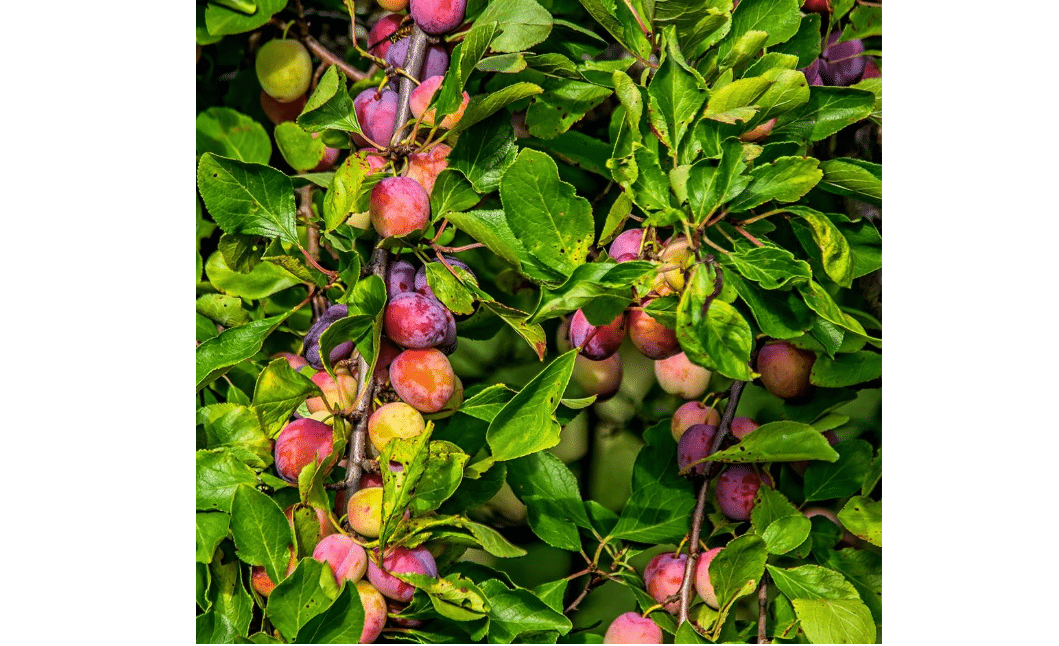
Price:
Key Features & Benefits
-
California Heritage Cultivar: Specifically selected for Western microclimates and mild winters (~300 chill hours).
-
Self-Fruitful: Sets heavy crops on its own, though planting another Japanese plum nearby boosts yields even further.
-
Fast Fruiting: Typically produces its first taste of plums within 2 to 3 years of planting.
-
Compact Potential: Easily kept at 10–12 feet tall using summer pruning (“backyard orchard culture”).
Pros & Cons
-
Pros:
-
Produces some of the most flavorful, juicy summer stone fruit available.
-
Adaptable to both cooler Northern California and warmer Southern California inland valleys.
-
Gorgeous spring floral display attracts pollinators to the rest of your garden.
-
-
Cons:
-
Sets so much fruit that you must thin young plums to 4–6 inches apart in spring to prevent broken branches.
-
Requires a simple winter dormant oil spray to keep aphids and scale at bay.
-
Amazon Customer Ratings & Reviews Earning 4.3 out of 5 stars, verified Amazon customers love the vigorous spring leaf-out of Santa Rosa plum trees. Buyers frequently mention that bare-root deliveries arrive well-wrapped in moist media and bounce back rapidly once planted in sunny California soil. A few negative reviews stem from buyers in freezing non-California climates experiencing late frosts—an issue that rarely affects Zones 8–10.
Why It’s a Good Choice for California Because it was literally bred in California soil, the Santa Rosa plum is finely tuned to the state’s dry summer air (which prevents the brown rot fungus that plagues stone fruit in humid Eastern states) and reliably sets fruit even after warm winters.
Ideal Use Case / Who Should Buy It Families and stone-fruit lovers who miss the taste of real, dripping-juicy summer plums and want a classic, self-fertile centerpiece tree for their yard.
5. Hass Avocado Tree — Best for Southern & Coastal California
Product Description Few backyard flexes rival walking outside to pick your own buttery, nutty Hass avocados—especially when supermarket avocados routinely top $2 to $3 apiece. The Hass avocado is the world’s favorite cultivar for its rich, high-oil creamy flesh and pebbly dark-green skin that turns purplish-black as it ripens. One of its most underrated backyard advantages is on-tree storage: avocados do not soften until you pick them, meaning you can leave mature fruit hanging on the tree from spring through early fall and harvest only what you need for guacamole each week.
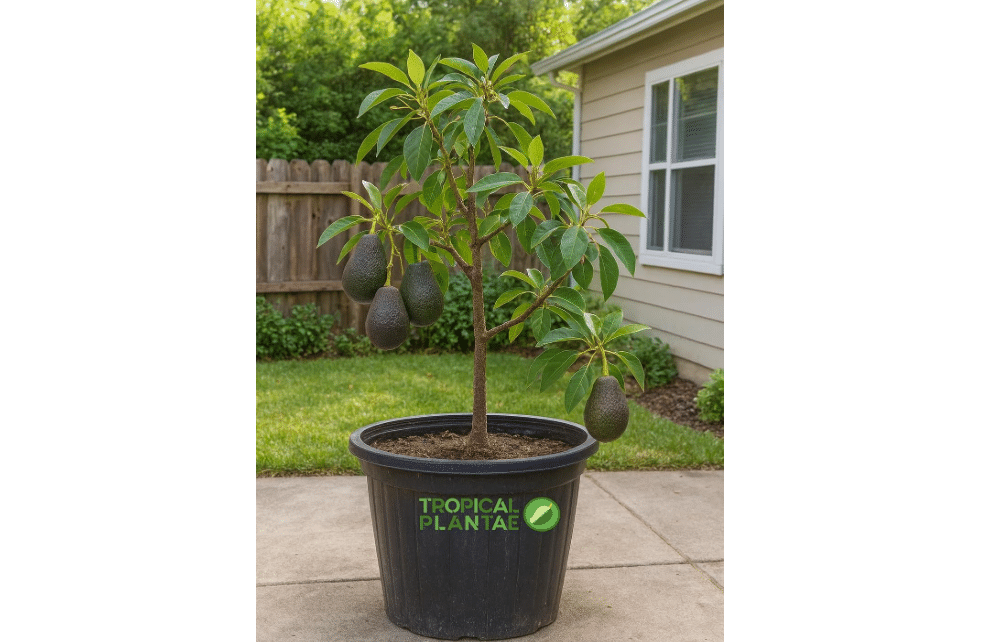
Price:
Key Features & Benefits
-
Grafted for Reliability: Always buy a grafted Hass tree (never seed-grown) so you get true Hass fruit in 3–5 years instead of waiting 10+ years for unpredictable quality.
-
Natural Shade Canopy: Forms a lush, broad-leafed evergreen tree that cools patios and yards in summer.
-
Extended Harvest Window: Mature fruit holds on the tree for months, eliminating food waste.
-
Self-Fertile (Type A): Produces well on its own in California’s warm spring weather, though pairing with a Type B avocado (like Fuerte or Bacon) increases yields.
Pros & Cons
-
Pros:
-
Pays for itself many times over in grocery savings once mature.
-
Evergreen foliage provides year-round privacy and shade.
-
Fruit stores naturally on the branches until you are ready to ripen it indoors.
-
-
Cons:
-
Zero tolerance for soggy, poorly drained clay soil (must be planted on a raised mound if you have heavy clay).
-
Frost-sensitive below 30°F; best suited for Southern California, the Central Coast, and frost-free Bay Area pockets.
-
Amazon Customer Ratings & Reviews With 4.3 out of 5 stars, Amazon buyers emphasize the importance of ordering grafted trees from reputable California nurseries. Satisfied customers praise the thick, healthy trunks and glossy dark-green leaves upon arrival, while seasoned growers in the review section offer helpful advice to protect young bark from California sunburn with diluted white latex paint during the first summer.
Why It’s a Good Choice for California Southern and Coastal California’s frost-free Mediterranean zones are the premier avocado-growing region in the continental United States. With good drainage, coarse mulch, and full sun, a single Hass tree can supply a household with hundreds of avocados every year.
Ideal Use Case / Who Should Buy It Homeowners in USDA Zones 9b–11 with well-draining soil (or willingness to build a planting mound) who want a long-term edible investment and a lush evergreen shade tree.
6. Wonderful Pomegranate Tree — Best for Inland Heat & Dry Soils
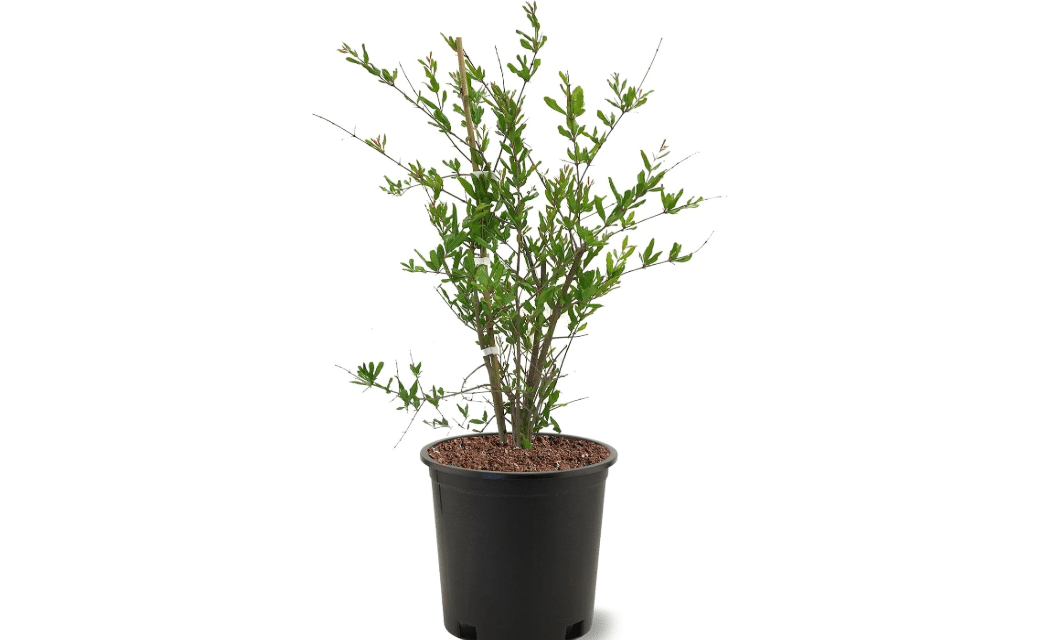
Product Description If your backyard sits in the baking summer heat of the Central Valley, the Inland Empire, or the high desert, the Wonderful Pomegranate doesn’t just survive—it thrives. As California’s most widely grown commercial pomegranate, “Wonderful” produces massive, glossy ruby-red fruit packed with sweet-tart, antioxidant-rich arils (seeds) from late September through November. Even before harvest, it earns its keep as an ornamental landscape specimen: in late spring and summer, it bursts with vibrant orange-red tubular flowers that attract hummingbirds, followed by bright yellow autumn foliage. You can train it as a multi-stemmed privacy hedge or prune it into a tidy 10-to-12-foot single-trunk backyard tree.
Price:
Key Features & Benefits
-
Extreme Heat & Drought Tolerance: Flourishes in triple-digit summer temperatures and poor, alkaline soils once established.
-
Self-Fertile: Needs only a single tree to set heavy autumn harvests.
-
Low Chill Requirement: Requires roughly 150 chill hours, performing reliably across almost all California microclimates.
-
Long Storage Life: Harvested pomegranates keep fresh in the refrigerator for up to two months.
Pros & Cons
-
Pros:
-
Virtually pest- and disease-free with minimal maintenance.
-
Thrives in xeriscaped, water-wise yards where lush fruit trees fail.
-
Starts bearing fruit quickly—often within 2 to 3 years.
-
-
Cons:
-
Branches have small, sharp thorns, so wear heavy gloves when pruning.
-
Inconsistent watering right before harvest can cause ripe fruit to split.
-
Amazon Customer Ratings & Reviews Averaging 4.5 out of 5 stars, Amazon buyers consistently praise the Wonderful Pomegranate for its toughness and fast root establishment. Verified reviewers in hot, arid California zip codes note that it handles summer heatwaves without leaf scorch and produces eye-catching scarlet blooms within its first growing season.
Why It’s a Good Choice for California Pomegranates crave long, hot, dry summers to develop deep red color and balanced sugar-acid flavor. In cooler, foggy coastal pockets they still grow well, but in sunny inland California yards, they produce gourmet-grade fruit on a fraction of the water required by citrus or stone fruit.
Ideal Use Case / Who Should Buy It Homeowners in hot inland valleys, desert-adjacent suburbs, or water-restricted neighborhoods who want a low-water, wildlife-friendly edible tree that doubles as a vibrant ornamental accent.
7. Anna Apple Tree — Best Low-Chill Apple Tree
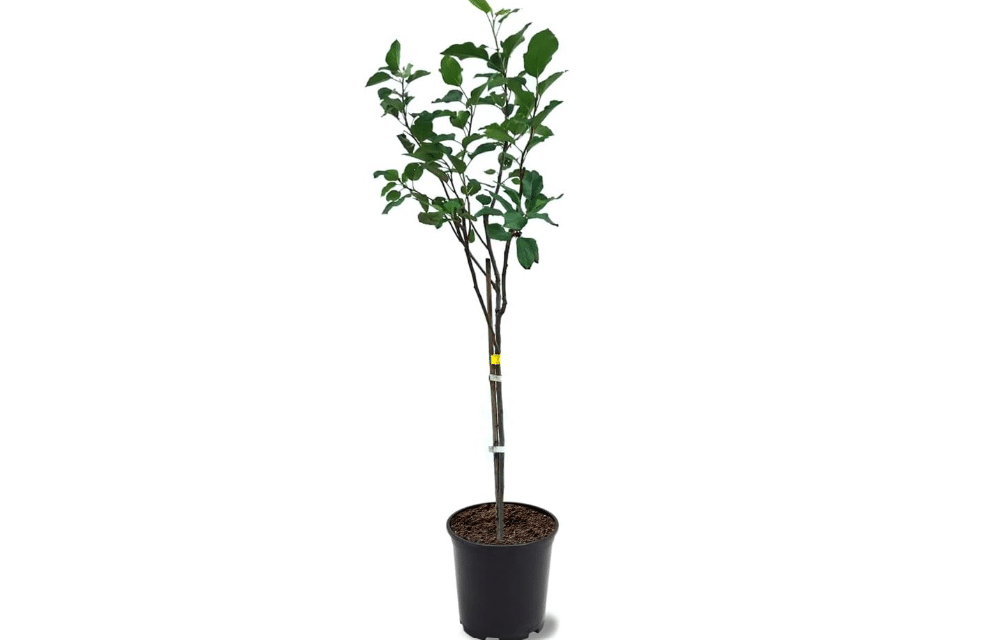
Product Description Most classic apples—like Honeycrisp or Red Delicious—require 800 to 1,000 winter chill hours, which is why they fail miserably in mild California winters. The Anna Apple solves that problem completely. Requiring just 200 to 300 chill hours, this remarkable cultivar produces heavy early-summer crops of large, crisp, sweet-tart yellow apples overlaid with a bright red blush. Harvested in June and July—months before autumn apples hit the market—Anna apples are delicious eaten fresh off the tree, baked into pies, or pressed into cider, and they keep for up to two months in the refrigerator.
Price: $34.99
Key Features & Benefits
-
Ultra-Low Chill Requirement: Sets abundant fruit even in coastal Southern California and low-desert microclimates.
-
Early Summer Harvest: Enjoy crisp homegrown apples in June and July.
-
Young Bearer: Grafted trees often begin producing their first apples within 2 to 3 years.
-
Manageable Backyard Size: Semi-dwarf rootstocks easily stay 10 to 15 feet tall with simple winter pruning.
Pros & Cons
-
Pros:
-
Allows Southern and coastal California families to grow real, crisp apples.
-
Heavy, reliable producer year after year.
-
Thrives across USDA Zones 5 through 10.
-
-
Cons:
-
Although partially self-fertile, it produces significantly heavier yields when cross-pollinated by another low-chill apple like Dorsett Golden or Ein Shemer.
-
Fruit needs to be picked promptly once ripe, as it softens quickly in extreme heat.
-
Amazon Customer Ratings & Reviews Rated 4.4 out of 5 stars, Amazon shoppers in Zones 9 and 10 frequently express amazement at finally harvesting crisp apples in their warm-winter yards. Reviewers recommend pairing it with a Dorsett Golden apple (or planting both in the same hole using backyard orchard culture) for explosive yields.
Why It’s a Good Choice for California It directly overcomes California’s #1 obstacle to growing apples—lack of sustained winter cold—making homegrown apples possible from the Bay Area down to San Diego beaches.
Ideal Use Case / Who Should Buy It Families in mild-winter California regions who want crisp, early-summer apples and have space for either a single tree or a compact two-tree pollination pair.
8. Red Baron Peach Tree — Best Ornamental & Edible Stone Fruit
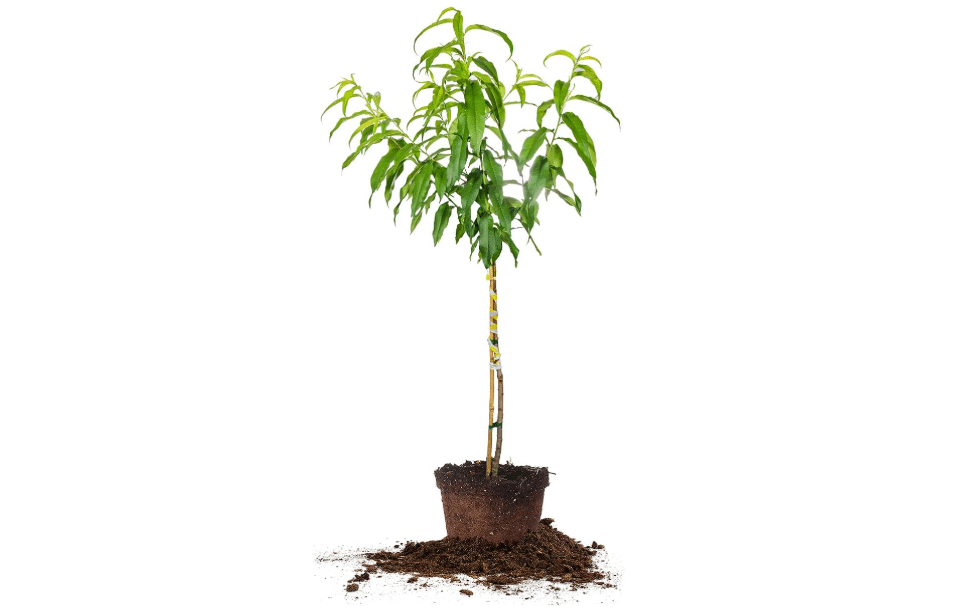
Product Description Why choose between a breathtaking flowering landscape tree and a gourmet fruit tree when the Red Baron Peach gives you both? In early spring, Red Baron puts on a showstopping display of large, double-petaled crimson-red blossoms that rival ornamental flowering cherries. By mid-July, those blooms transform into hefty, juicy, yellow-fleshed freestone peaches with rich, classic peach flavor and balanced sweetness. Because it is a freestone variety, the flesh separates cleanly from the pit, making it a dream for slicing fresh, grilling, or baking cobblers.
Price: .
Key Features & Benefits
-
Dual-Purpose Beauty: Stunning double-red spring flowers plus high-flavor summer peaches.
-
Low Chill Requirement: Needs only 250 to 300 chill hours, making it dependable across Southern, Central, and Northern California.
-
Self-Fruitful: Produces abundant fruit on its own without a second peach tree.
-
Freestone Flesh: Easy to pit, slice, can, or freeze.
Pros & Cons
-
Pros:
-
HOA-friendly curb appeal—looks like a designer ornamental tree in spring.
-
Fast-growing and often bears its first peaches by year two.
-
Thrives in California’s dry summers, which naturally reduce fungal fruit rot.
-
-
Cons:
-
Requires annual winter pruning to maintain an open-center shape and stimulate new fruiting wood.
-
Needs a preventative organic copper spray during winter dormancy in coastal or wet Northern California areas to prevent peach leaf curl.
-
Amazon Customer Ratings & Reviews Earning 4.4 out of 5 stars, verified buyers consistently highlight the shockingly vibrant red spring blooms and the intense sweetness of tree-ripened fruit. Many reviewers note that it arrives well-branched and establishes rapidly in full sun.
Why It’s a Good Choice for California Specifically bred for mild-winter California climates, Red Baron delivers the authentic, dripping-juicy peach flavor that high-chill Eastern varieties can’t achieve here, while elevating your yard’s visual appeal.
Ideal Use Case / Who Should Buy It Homeowners who want a showpiece front-yard or backyard tree that wows neighbors in spring and fills the kitchen with sweet, sun-warmed peaches in July.
9. Washington Navel Orange Tree — Best Sweet Citrus for Fresh Eating
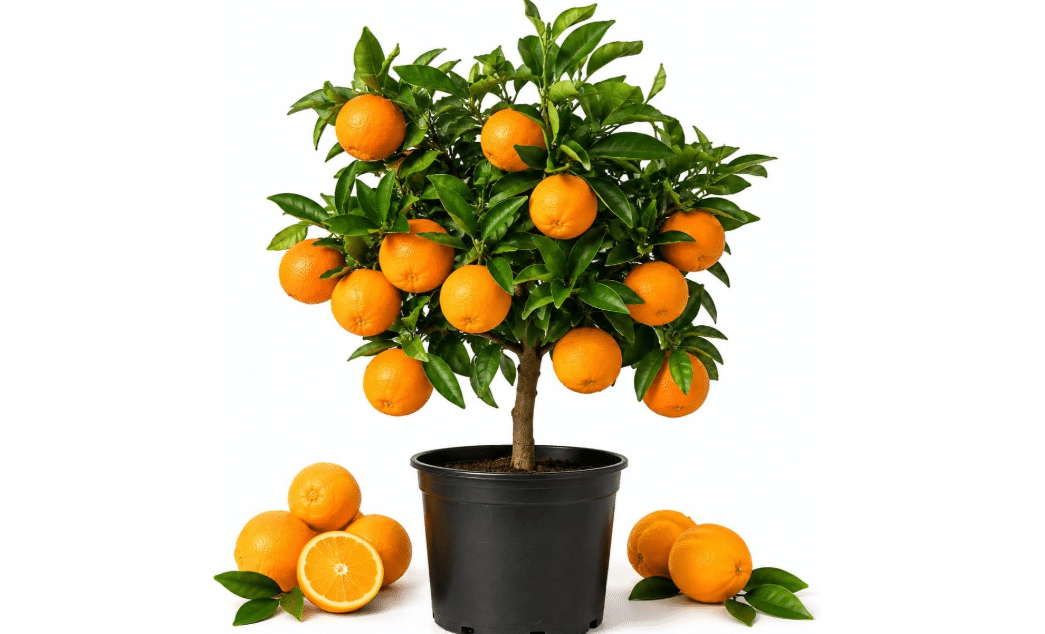
Product Description No list of the best 10 fruit trees for backyard california landscapes would be complete without the tree that built California’s citrus legacy. The Washington Navel Orange produces large, brightly colored, seedless winter oranges with thick, easy-to-peel rinds and crisp, sweet, intensely aromatic segments. Unlike grocery oranges that are harvested early and stored in cold rooms, backyard Washington Navels actually sweeten on the tree throughout winter and spring, allowing you to pluck fresh, sun-ripened oranges from December all the way into May.
Price: $89.99
Key Features & Benefits
-
Seedless & Easy to Peel: The ultimate kid-friendly grab-and-go snack straight from the branch.
-
Long On-Tree Storage: Mature oranges hold their peak flavor on the tree for months without spoiling.
-
Self-Pollinating Evergreen: Lush, dark-green foliage and intoxicating spring orange-blossom fragrance.
-
Dwarf Options Available: Standard trees reach 15+ feet, while dwarf rootstocks stay a tidy 8 to 10 feet.
Pros & Cons
-
Pros:
-
Unbeatable sweet, low-acid flavor when ripened in California sunshine.
-
Provides fresh homegrown fruit during the dead of winter when deciduous trees are bare.
-
Long-lived—a well-cared-for navel orange tree can produce for 50+ years.
-
-
Cons:
-
Needs full sun (8+ hours daily) and warm summer heat to develop peak sugar levels; fruit can taste slightly tarter in very foggy coastal strips.
-
Requires consistent citrus feeding and protection from hard freezes below 28°F.
-
Amazon Customer Ratings & Reviews Holding 4.3 out of 5 stars, Amazon buyers love the nostalgic scent of spring blossoms and the generous size of the oranges. Positive reviews often mention sturdy packaging and healthy green foliage on arrival, while experienced growers advise removing any fruit during the first year so the young tree puts its energy into root growth.
Why It’s a Good Choice for California California’s signature combination of warm, sunny winter days and cool nights is the exact trigger that turns navel orange rinds bright orange and pushes sugar levels to perfection.
Ideal Use Case / Who Should Buy It Families, juicing enthusiasts, and suburban homeowners in sunny inland or warm coastal zones who want a classic, reliable winter harvest.
10. Gold Nugget Mandarin Tree — Best Sweet Citrus for Small Spaces
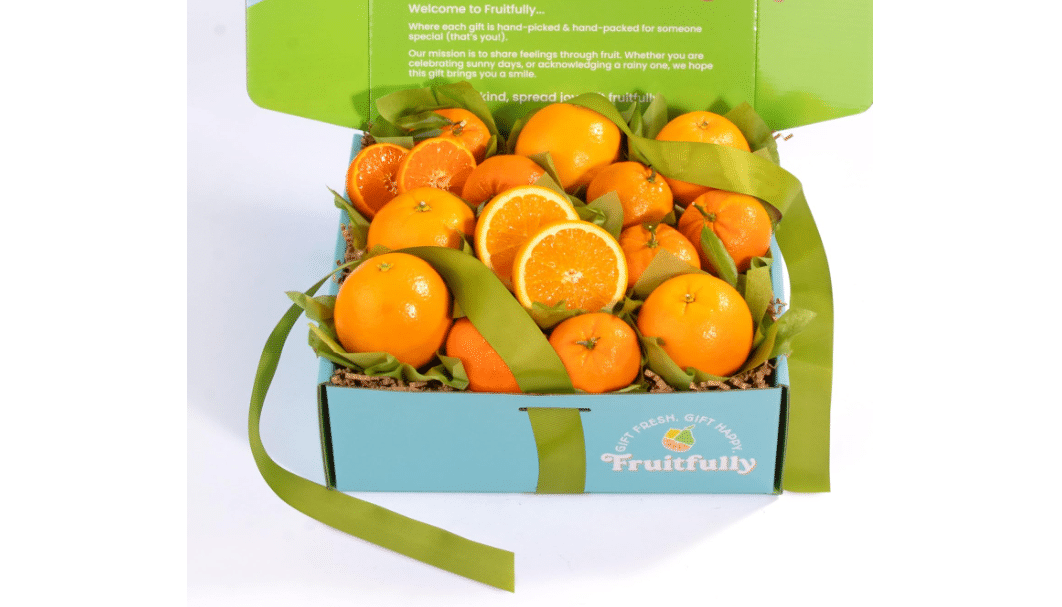
Product Description Developed by citrus breeders at the University of California, Riverside, the Gold Nugget Mandarin is widely considered one of the finest-tasting tangerines on earth. Don’t let its slightly bumpy, bright-orange rind fool you—it peels away effortlessly in seconds to reveal virtually seedless, deeply sweet, rich-flavored segments that easily outshine store-bought Cuties or Halos. Ripening from March through June, Gold Nugget fills the late-spring citrus gap after navel oranges finish, and its naturally compact, upright growth habit makes it a superstar for smaller yards and large patio containers.
Price: $24.95
Key Features & Benefits
-
UC Riverside Pedigree: Bred right in California for superior flavor and adaptability.
-
Virtually Seedless & Easy-Peel: Ideal for lunchboxes, salads, and effortless snacking.
-
Compact Footprint: Easily maintained at 8 to 12 feet in-ground or 5 to 6 feet in a large container.
-
Holds Well on the Tree: Fruit stays sweet and juicy on the branches well into early summer.
Pros & Cons
-
Pros:
-
Consistently wins blind taste tests for sweetness and rich mandarin flavor.
-
Self-fertile and thrives across a wide range of California climates (Zones 8b–11).
-
Produces heavy crops even on relatively young trees.
-
-
Cons:
-
Can alternate-bear (a massive crop one year, lighter the next) unless you lightly thin overloaded branches in early summer.
-
Like all citrus, dislikes poorly drained, waterlogged soil.
-
Amazon Customer Ratings & Reviews With an impressive 4.5 out of 5 stars, verified Amazon reviewers rave about the candy-like sweetness of Gold Nugget mandarins. Buyers in compact suburban yards frequently praise its neat, manageable canopy and strong performance in half-barrel patio planters.
Why It’s a Good Choice for California Created specifically for California’s diverse microclimates, Gold Nugget develops exceptional sweetness even in slightly cooler coastal zones where other mandarins stay tart, while handling inland heat with ease.
Ideal Use Case / Who Should Buy It Small-yard homeowners, patio gardeners, and families with kids who want gourmet, seedless, easy-peel citrus without sacrificing half their lawn.
California Backyard Fruit Tree Buyer’s Guide
Before clicking “Add to Cart,” run through these five California-specific buying factors to make sure your new tree thrives from day one:
1. Match Chill Hours to Your Microclimate
Deciduous trees (apples, peaches, plums, figs, pomegranates, persimmons) need winter “chill hours” (hours between 32°F and 45°F) to bloom properly:
-
Southern & Coastal California (100–300 chill hours): Stick strictly to low-chill picks like Anna Apple, Red Baron Peach, Brown Turkey Fig, Fuyu Persimmon, or evergreen citrus and avocados.
-
Central Valley & Northern California (400–800+ chill hours): You can grow every tree on this list—just be ready to throw frost cloth over Meyer lemons, oranges, and avocados during rare winter freezes.
2. Important California Shipping Note (CDFA Regulations)
California strictly regulates the movement of live citrus trees and nursery stock to protect the state from devastating pests like the Asian Citrus Psyllid (ACP) and Huanglongbing (citrus greening disease). Out-of-state nurseries are generally prohibited from shipping live citrus trees into California. When shopping on Amazon or online, always verify that the seller is a CDFA-approved California nursery shipping from within the state with an insect-exclusionary facility and proper certification.
3. Choose the Right Rootstock Size
-
Dwarf (6–10 ft): Best for patio containers, narrow side yards, and easy ladder-free harvesting.
-
Semi-Dwarf (12–15 ft): The sweet spot for most California backyards—balances high fruit yield with manageable pruning.
-
Standard (18–25+ ft): Best if you want a large shade canopy (like a Hass Avocado or Fuyu Persimmon) and have plenty of open yard space.
4. Plan for Pollination
Nine of the ten trees in this guide are self-fertile, meaning one tree gives you a full harvest. Only the Anna Apple strongly benefits from a nearby pollinator (like Dorsett Golden) to maximize yields. If you’re tight on space, look for multi-grafted “fruit salad” trees that combine 2 to 4 compatible varieties onto a single trunk.
5. Group Trees by Hydrozone (Water Needs)
To keep your water bill low and your trees healthy, avoid planting drought-loving trees on the same drip line as thirstier evergreens:
-
Low Water: Brown Turkey Fig, Wonderful Pomegranate, Fuyu Persimmon.
-
Moderate Water: Santa Rosa Plum, Red Baron Peach, Anna Apple.
-
Consistent Moisture (Well-Drained): Meyer Lemon, Washington Navel Orange, Gold Nugget Mandarin, Hass Avocado.
Planting & Year-Round Care Tips for California Growers
-
Best Time to Plant: Plant bare-root deciduous trees (plums, peaches, apples, persimmons) in January through February while they are dormant. Plant potted evergreen trees (citrus and avocados) in spring or early fall once the danger of frost has passed and before peak summer heatwaves hit.
-
Conquer California Clay Soil: Much of California sits on heavy, slow-draining clay. Never dig a deep “bathtub” hole filled with potting mix—roots will drown. Instead, dig a hole twice as wide as the root ball, plant the tree slightly high (so the root flare sits 1–2 inches above grade), or build a 12-to-18-inch raised mound for drainage-sensitive avocados and citrus.
-
Deep Drip Irrigation & Mulch: Ditch shallow daily lawn sprinklers. Use inline drip irrigation to water deeply and infrequently, encouraging roots to dive deep into cool soil. Spread a 3-to-4-inch layer of coarse wood chip mulch around the root zone—keeping it 4–6 inches away from the trunk—to slash evaporation by up to 50%.
-
Backyard Orchard Pruning: You don’t need a 20-foot ladder to pick fruit. Prune deciduous trees in summer (right after harvest) to cap their height at 8 to 10 feet, keeping every piece of fruit within easy reach.
Frequently Asked Questions (FAQ)
What is the easiest fruit tree to grow in a California backyard? The Brown Turkey Fig, Wonderful Pomegranate, and Fuyu Persimmon are the easiest, most forgiving fruit trees for California beginners. They require minimal water once established, rarely need pest spraying, and handle intense summer heat effortlessly.
Which fruit trees produce fruit year-round in California? The Improved Meyer Lemon is the closest thing to a year-round producer, blooming and setting fruit in multiple waves throughout the year. To enjoy fresh fruit 12 months a year, pair a Meyer Lemon with a summer stone fruit (Santa Rosa Plum), a fall persimmon (Fuyu), and a winter orange (Washington Navel).
Can I grow fruit trees in pots on a California patio? Yes! Dwarf Improved Meyer Lemons, Gold Nugget Mandarins, and Brown Turkey Figs thrive in 15-to-25-gallon containers with large drainage holes, fast-draining citrus/cactus soil mix, and at least 6 to 8 hours of direct sunlight.
What fruit trees use the least water in California?Figs, pomegranates, and persimmons are the most drought-tolerant fruit trees for California landscapes. Once their root systems establish after year two, they produce abundant fruit with deep, infrequent summer watering.
How many years does it take for backyard fruit trees to produce? Grafted Meyer lemons, mandarins, and figs often produce their first fruit within 1 to 2 years. Peaches, plums, apples, and pomegranates typically take 2 to 3 years, while grafted Hass avocados and Fuyu persimmons generally take 3 to 5 years to hit full production.
Final Verdict & Top Recommendations
Building a productive home orchard comes down to matching the right tree to your specific California microclimate and yard size. If you’re ready to start digging, here are our top winners by category:
-
Best Overall for Almost Any Yard: Improved Meyer Lemon Tree — Compact, evergreen, fragrant, and produces gourmet citrus nearly year-round.
-
Best Low-Maintenance & Water-Wise Pick: Brown Turkey Fig Tree — Two sweet harvests a year with almost zero spraying or fussing.
-
Best for Hot Inland & Desert-Adjacent Yards: Wonderful Pomegranate Tree — Thrives in triple-digit heat and doubles as a hummingbird-attracting ornamental.
-
Best Classic Summer Stone Fruit: Santa Rosa Plum Tree — California-bred perfection with sweet, juicy June harvests.
Check your local USDA hardiness zone and winter chill hours, pick one or two favorites from the best 10 fruit trees for backyard california comparison table above, and enjoy the unmatched reward of harvesting fresh, sun-ripened fruit just steps from your back door.