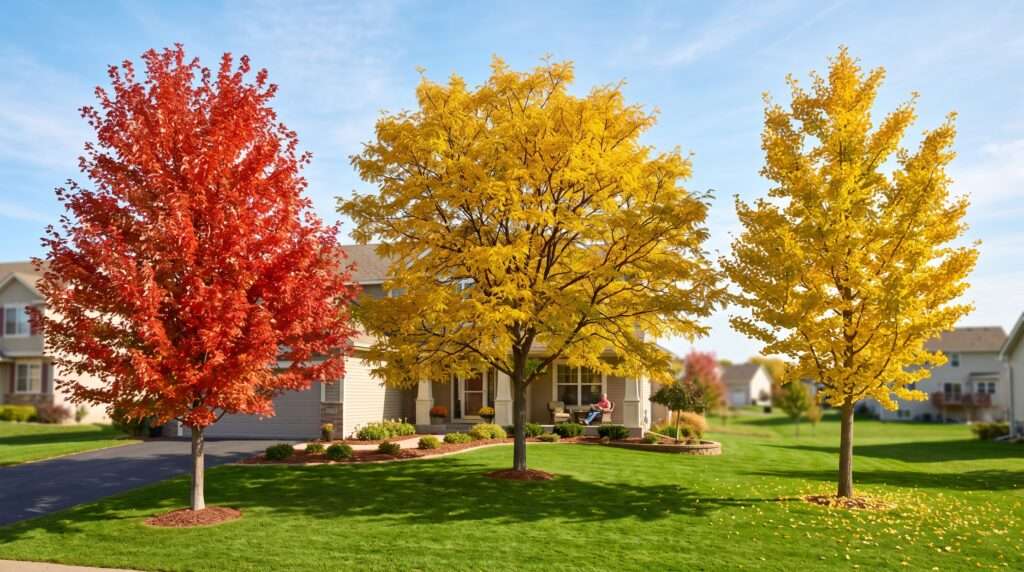
Picture this: It is a crisp, picturesque autumn afternoon in Minnesota. Instead of relaxing on your patio with a cup of cider or watching football, you are sweating through your flannel, raking endless wheelbarrows of rotting seed pods, sticky fruit, and annoying winged “helicopters.” If you are tired of spending every free hour cleaning up after your landscaping, you are not alone. For homeowners searching for the best 10 shade tree no mess for mn yards, this comprehensive guide will help you reclaim your weekends while transforming your landscape.
Landscaping in the North Star State comes with unique environmental demands. Minnesota’s brutally cold winters (spanning USDA Hardiness Zones 3 and 4) eliminate hundreds of popular national tree species right off the bat. Unfortunately, many cold-hardy trees commonly planted in Midwestern subdivisions—such as standard silver maples, female cottonwoods, and unselected female ginkgos—are notorious nuisance trees. They drop dense seed litter that clogs gutters, stains concrete driveways and paver patios, dulls lawnmower blades, and sprouts hundreds of weed saplings across your turf.
Fortunately, you do not have to settle for a sun-baked lawn or sacrifice your free time to unending yard maintenance. The key is selecting sterile hybrids, genetically male cultivars, and naturally clean-shedding species. These engineered and hand-selected varieties deliver expansive cooling canopies, vibrant fall foliage, and rock-solid winter resilience without the messy biological aftermath.
To identify the premier varieties on the market, we evaluated hardiness trials and species recommendations from the University of Minnesota Extension and cross-referenced them with top-rated live plant nurseries shipping directly through Amazon. The result is an authoritative, field-tested guide to the best 10 shade tree no mess for mn properties, ready to order and plant this season.
II. Buying Guide: How to Choose a Low-Mess Tree for Minnesota
Before adding a live sapling to your cart, understanding what makes a tree truly low-maintenance in cold northern climates will protect your investment.
1. USDA Hardiness Zones: Zone 3 vs. Zone 4
Minnesota is divided primarily between Zone 3 (Northern Minnesota, including Duluth, Grand Rapids, and Bemidji) and Zone 4 (the Twin Cities metro, St. Cloud, and Southern Minnesota). If you live in Zone 3, winter lows can plunge past -35°F. Every tree on our list is rated for Zone 3 or Zone 4 hardiness. Always confirm your specific sub-zone before planting.
2. The Science of “No Mess”: Male vs. Female Cultivars
Dioecious tree species have separate male and female plants:
-
Female trees produce flowers that, once pollinated, turn into messy fruits, berries, nuts, or pod structures.
-
Male cultivars (such as cloned Ginkgos or male Kentucky Coffeetrees) produce pollen but zero fruit or seed pods.
-
Sterile hybrids (like Freeman maples) are bred specifically so their flowers do not develop viable samaras (helicopters).
3. Growth Rate vs. Storm Resistance
Fast-growing trees are tempting when you want shade fast, but rapid cellular growth often produces weak, brittle wood prone to splitting during heavy Minnesota ice storms and blizzard conditions. The ideal shade tree strikes a balance: moderate-to-fast vertical growth with structural wood density that withstands high winds and heavy snow loads.
III. Quick Comparison Table
Here is a side-by-side look at the top contenders. This streamlined table highlights mature dimensions, growth velocity, and primary strengths to help you make a fast, informed decision.
IV. Detailed Reviews: Top Shade Trees for Minnesota
1. Autumn Blaze Maple (Acer x freemanii ‘Jeffersred’)
The Autumn Blaze Maple is arguably the most popular hybrid shade tree in the Upper Midwest, and for good reason. Developed by crossing the ultra-hardy Silver Maple with the brilliantly colored Red Maple, this patented cultivar delivers the best qualities of both parents while eliminating their biggest drawbacks. It gives you explosive growth speed and vibrant fall foliage without the brittle branches or heavy seed drops of standard wild maples.

-
Price Range: $37.45
-
Key Features & Benefits:
-
Virtually Seedless: Unlike native silver maples that coat your lawn and roof in millions of winged helicopters every spring, the Autumn Blaze is a sterile hybrid that produces virtually no seed litter.
-
Rapid Canopy Development: Adding up to 3 feet of new growth per season in rich soil, it creates a functional cooling canopy over patios and roofs in just a few seasons.
-
Adaptable Root Architecture: Handles heavy Minnesota clay and periods of summer standing water without root rot.
-
-
Pros & Cons:
-
Pros: Unmatched, luminous red-orange autumn display; pest and disease resistant; adapts readily to urban soil compaction.
-
Cons: Needs structural pruning during the first 3 to 5 years to establish a strong central leader and prevent narrow crotch angles.
-
-
Amazon Ratings & Customer Feedback: Averages 4.6 out of 5 stars across premier live plant nursery storefronts. Verified buyers frequently highlight how well dormant bare-root saplings leaf out in their first spring and how vigorously they grow through standard Midwest summers.
-
Why It’s a Top Pick for MN: Rated hardy down to -35°F (Zone 3b), it handles harsh winter freezes, salty winter road mist, and wet spring snows with ease.
-
Ideal Buyer: Homeowners in newer subdivisions or treeless properties who need fast, substantial shade and dramatic curb appeal with zero seed raking.
2. Skyline Thornless Honeylocust (Gleditsia triacanthos inermis ‘Skycole’)
If your goal is to cool your home while maintaining a lush, green lawn directly underneath, the Skyline Honeylocust is the gold standard. Wild honeylocusts are notorious for two things: vicious multi-inch thorns and massive, twisted brown seed pods that litter the yard. The ‘Skycole’ cultivar solves both issues completely—it is 100% thornless and virtually podless.

-
Price Range: $34.99
-
Key Features & Benefits:
-
Filtered “Dappled” Sunlight: Its tiny, delicate bipinnate leaflets allow gentle, filtered sunlight to penetrate to the grass below, preventing the dead, mossy patches common under dense maples.
-
Self-Mulching Foliage: In the fall, its leaves turn a crisp golden-yellow and shrivel down so small that they filter directly into the turf or blow away, eliminating the need for autumn raking.
-
No Thorns or Pod Litter: Bred to be cleanly deciduous with smooth, attractive bark and no hazardous spines.
-
-
Pros & Cons:
-
Pros: Exceptionally tolerant of city pollution and deicing road salt; withstands summer droughts; zero heavy leaf or pod cleanup.
-
Cons: Leaves emerge somewhat later in the spring than maples or birches.
-
-
Amazon Ratings & Customer Feedback: Rated 4.7 out of 5 stars. Reviewers consistently praise the secure shipping crates used by live nursery vendors and remark on how quickly the trees establish strong root systems.
-
Why It’s a Top Pick for MN: Extremely popular across the Twin Cities metro for boulevard plantings because it tolerates road salt spray, compacted clay, and heavy snowbanks piled along driveways.
-
Ideal Buyer: Homeowners who take pride in a pristine lawn, individuals looking for low-maintenance patio shade, or anyone planting near sidewalks and driveways.
3. Autumn Gold Ginkgo (Ginkgo biloba ‘Autumn Gold’)
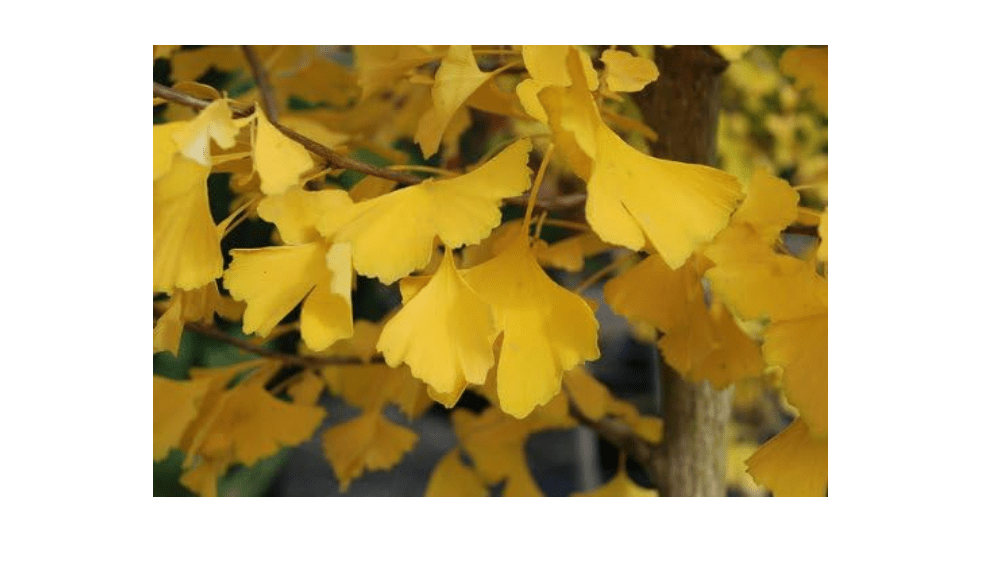
The Ginkgo biloba is an ancient tree species that survived the ice age, making it one of the most indestructible shade trees you can plant. While wild female ginkgos produce messy, foul-smelling fruit in autumn, the Autumn Gold Ginkgo is an exclusively male-grafted clone. You get the iconic, fan-shaped architectural foliage and radiant golden fall color with none of the odor or mess.
-
Price Range:
-
Key Features & Benefits:
-
Guaranteed Fruitless: Cloned exclusively from male stock, eliminating any possibility of the rancid fruit drops associated with seedling ginkgos.
-
Single-Event Leaf Drop: When freezing temperatures arrive in late fall, the entire canopy of golden fan-shaped leaves drops almost simultaneously over a 24-to-48-hour window, allowing you to complete your entire season’s leaf cleanup in one quick afternoon session.
-
Virtually Immune to Pests: Naturally resistant to insects, fungi, bacterial blights, and deer browse.
-
-
Pros & Cons:
-
Pros: Remarkable architectural silhouette; brilliant neon-yellow autumn display; unmatched lifespan (hundreds of years).
-
Cons: Slower initial growth rate for the first 2 to 3 years while the taproot establishes.
-
-
Amazon Ratings & Customer Feedback: Holds a 4.8 out of 5 stars rating. Buyers praise the unique look of the foliage and note that saplings arrive dormant with well-hydrated, moist root packaging.
-
Why It’s a Top Pick for MN: Fully cold-hardy into Zone 3 and capable of handling any soil condition Minnesota throws at it, from sandy loam to dense clay.
-
Ideal Buyer: Homeowners seeking a high-end, visual focal point for their front yard that will increase property value for decades without requiring pesticide sprays or messy cleanup.
4. Espresso Kentucky Coffeetree (Gymnocladus dioicus ‘Espresso’)
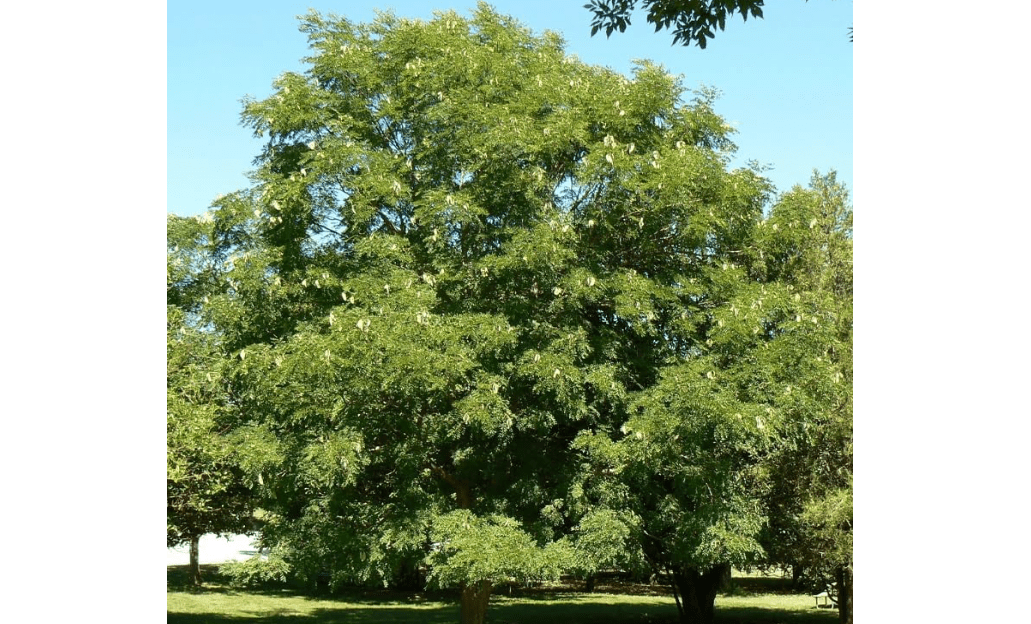
For homeowners who prioritize native plants and extreme durability, the Espresso Kentucky Coffeetree is a standout choice. The wild native species drops large, leathery seed pods filled with sticky pulp that create significant yard clutter. The ‘Espresso’ cultivar is an all-male selection that delivers the tropical-style compound foliage of the species with zero pods.
-
Price Range: $10.00.
-
Key Features & Benefits:
-
100% Pod-Free Canopy: Enjoy the unique, doubly compound leaves and rugged bark without dodging falling seed pods in autumn and winter.
-
Deep Structural Roots: Develops a deep taproot system that resists strong Midwestern severe thunderstorm winds and will not heave surrounding sidewalks.
-
Winter Architectural Interest: In winter, its stark, thick, contorted branch architecture creates an eye-catching silhouette against snow-covered landscapes.
-
-
Pros & Cons:
-
Pros: Native to the Upper Midwest; immune to major insect epidemics; drought and heat tolerant once established.
-
Cons: Can look sparse and “coarse” during the first two seasons before branching fully fills out.
-
-
Amazon Ratings & Customer Feedback: Averages 4.5 out of 5 stars. Reviewers celebrate its rugged survival rate in cold northern states where more delicate ornamental trees fail.
-
Why It’s a Top Pick for MN: Native to southern and central Minnesota; effortlessly withstands sustained -30°F winter temperatures and heavy ice storms.
-
Ideal Buyer: Environmentally conscious gardeners, native plant enthusiasts, and anyone looking for a sturdy shade tree to replace an ash tree lost to Emerald Ash Borer.
5. Princeton American Elm (Ulmus americana ‘Princeton’)
For decades, the majestic American Elm was the quintessential street tree, forming breathtaking cathedral-like archways over Midwestern neighborhoods until Dutch Elm Disease (DED) wiped them out. The Princeton American Elm is a heavily tested, DED-resistant cultivar that brings this historic beauty back to your landscape. Even better, it drops significantly less seed litter (samaras) than other elm varieties, keeping your gutters clear.

-
Price Range: $149.97
-
Key Features & Benefits:
-
Proven DED Resistance: Rigorously tested to withstand Dutch Elm Disease, ensuring your long-term landscape investment survives.
-
Classic Vase Shape: Develops a high, arching canopy that shades the roof and yard without blocking street-level sightlines or hitting delivery trucks.
-
Ultra-Fast Growth: One of the fastest-growing shade trees available, frequently packing on 3 to 5 feet of vertical growth in a single rainy season.
-
-
Pros & Cons:
-
Pros: Majestic historical aesthetic; fast functional shade; highly tolerant of road salt and urban pollution.
-
Cons: Its rapid growth means it requires structural pruning in years 1–4 to establish a dominant central trunk.
-
-
Amazon Ratings & Customer Feedback: Averages 4.5 out of 5 stars. Buyers are consistently shocked by how quickly bare-root deliveries break dormancy and shoot up in their first summer.
-
Why It’s a Top Pick for MN: Fully Zone 3 hardy. It safely restores the classic Minnesota streetscape without the historical risk of sudden die-off.
-
Ideal Buyer: Homeowners with long driveways, historic homes, or large suburban lots needing massive, high-canopy shade.
6. Hackberry (Celtis occidentalis)
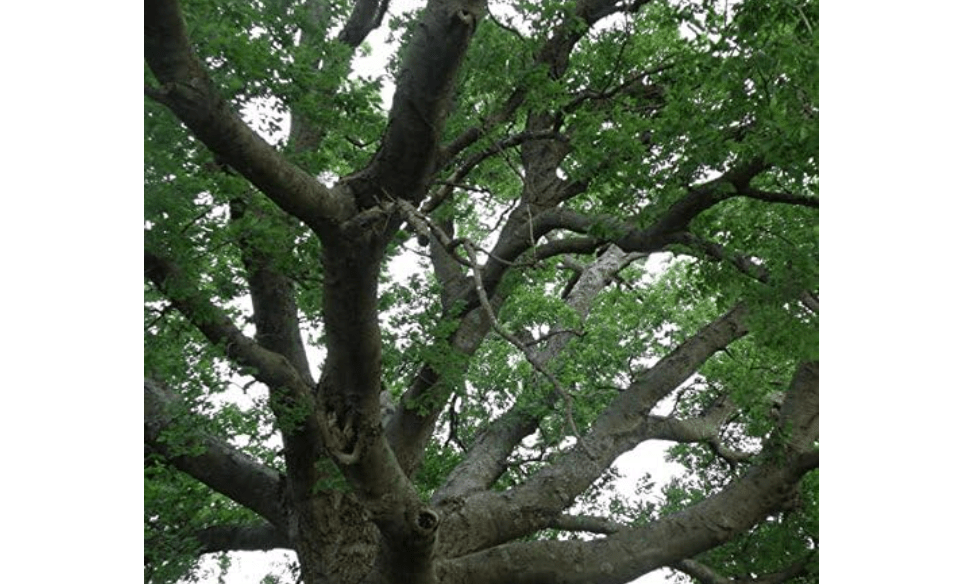
The Hackberry is the unsung, indestructible hero of the Upper Midwest. It thrives where other trees simply give up. While it does produce small, dark berries in the fall, it makes our low-mess list because winter songbirds absolutely devour the berries before they ever hit the ground. You get the benefits of supporting local wildlife with virtually zero cleanup on your driveway.
-
Price Range:
-
Key Features & Benefits:
-
Corky Bark Texture: Develops a deeply ridged, cork-like bark that provides excellent visual interest during the bleak, gray Minnesota winters.
-
Wildlife Sustenance: The pea-sized drupes (berries) are a critical winter food source for Cedar Waxwings and Robins, keeping the mess off your turf.
-
Extreme Soil Adaptability: Laughs at alkaline soil, rocky clay, standing floodwaters, and extreme drought.
-
-
Pros & Cons:
-
Pros: Bulletproof native hardiness; excellent wind resistance; feeds birds without staining concrete.
-
Cons: Often develops “nipple gall” on the leaves (small bumps caused by harmless insects)—it doesn’t hurt the tree, but bothers some perfectionist gardeners.
-
-
Amazon Ratings & Customer Feedback: Rated 4.4 out of 5 stars. Customers praise its ability to establish quickly in poor, stripped topsoil environments typical of new housing developments.
-
Why It’s a Top Pick for MN: Zone 3 hardy. It is currently highly recommended by Minnesota arborists as the premier 1-to-1 replacement for ash trees lost to the Emerald Ash Borer.
-
Ideal Buyer: Residents in windy, open areas, or newer subdivisions where the builder stripped away the good topsoil.
7. Quaking Aspen (Populus tremuloides)
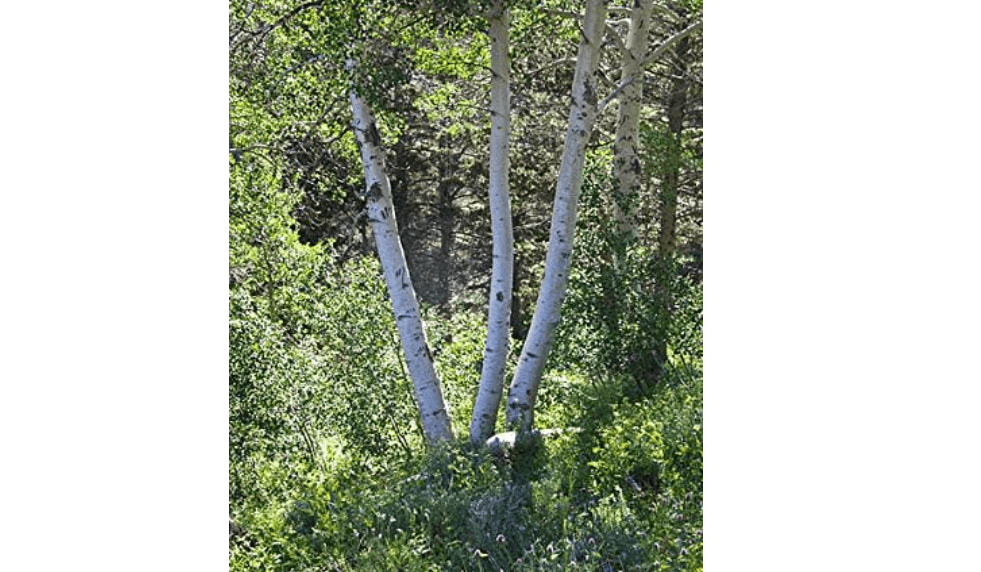
Bring the serene beauty and ambient sound of the North Woods directly to your backyard. The Quaking Aspen is famous for its stunning white bark and flattened leaf petioles, which cause the foliage to “quake” and flutter in the slightest breeze. This rustling creates a beautiful auditory backdrop for summer evenings on the patio.
-
Price Range: $6.00
-
Key Features & Benefits:
-
Aesthetic & Auditory Appeal: Striking white bark contrasts beautifully with dark evergreens, while the rustling leaves provide natural white noise.
-
Golden Fall Display: Leaves turn a luminous, pure yellow in autumn and drop quickly, drying out and blowing away easily.
-
Instant Vertical Impact: Extremely fast-growing, making it perfect for rapid privacy screening.
-
-
Pros & Cons:
-
Pros: Classic Northern MN aesthetic; cheap to buy in bulk; incredibly cold hardy.
-
Cons: Spreads via a clonal root system; it will send up small “suckers” in your lawn that you will need to mow over regularly.
-
-
Amazon Ratings & Customer Feedback: Holds a 4.3 out of 5 stars rating. Buyers love buying bare-root bundles to quickly plant a private “grove” along property lines.
-
Why It’s a Top Pick for MN: It is the quintessential northern tree, effortlessly surviving Zone 2 and 3 winters (down to -50°F).
-
Ideal Buyer: Cabin owners, homeowners with large naturalized borders, or anyone wanting a fast-growing privacy screen that looks like an alpine forest.
8. Matador Maple (Acer x freemanii ‘Bailston’)
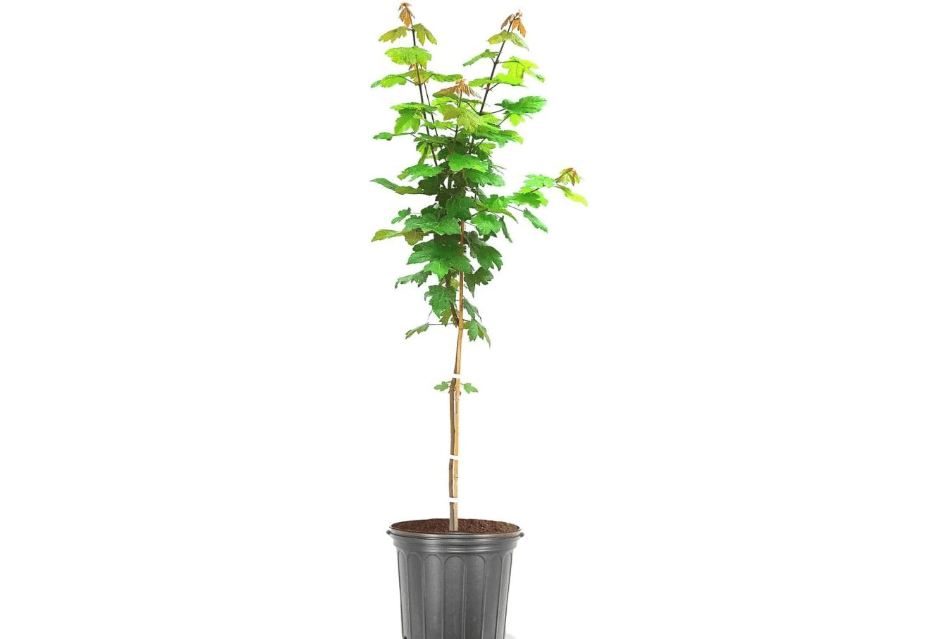
Consider the Matador Maple the refined, upgraded luxury sedan of the hybrid maple world. Developed as a superior alternative to the Autumn Blaze, the Matador holds its leaves longer into the autumn, turns a deeper ruby-red rather than orange, and, most importantly, forms a much stronger, symmetrical branching structure.
-
Price Range:
-
Key Features & Benefits:
-
Seedless & Tidy: Like its cousin, it produces no messy helicopters.
-
Upgraded Structural Integrity: Naturally develops wider branch crotch angles, making it highly resistant to splitting under the weight of heavy, wet Minnesota spring snowstorms.
-
Extended Fall Color: The foliage transitions to a deep, consistent red and hangs onto the tree significantly later into the season than other maples.
-
-
Pros & Cons:
-
Pros: Less structural pruning required; vivid, consistent color; strong storm resistance.
-
Cons: Slightly slower growing and slightly more expensive than the standard Autumn Blaze.
-
-
Amazon Ratings & Customer Feedback: Averages 4.7 out of 5 stars. Reviewers frequently highlight the robust trunk thickness upon delivery and the stunning late-season color.
-
Why It’s a Top Pick for MN: Zone 4 hardy. Bred specifically to handle Upper Midwestern snow loads without losing massive branches to ice damage.
-
Ideal Buyer: Homeowners wanting a pristine, symmetrical front-yard focal point that requires less maintenance than other fast-growing hybrids.
9. Majestic Skies Northern Pin Oak (Quercus ellipsoidalis ‘Bailskies’)
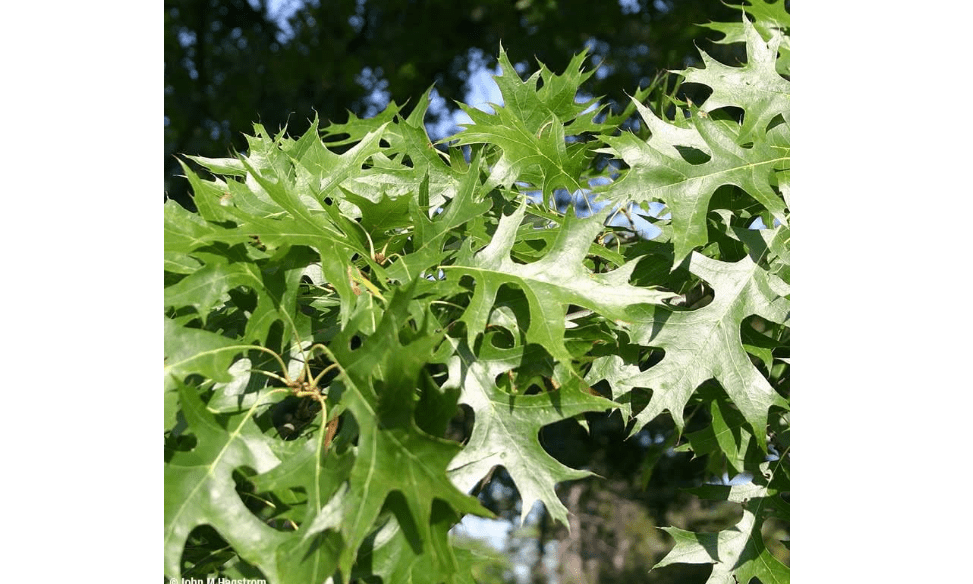
Many homeowners avoid oaks because they fear stepping on massive, ankle-rolling acorns. The Majestic Skies Northern Pin Oak solves this. While it does produce acorns, they are incredibly small (often less than a half-inch). Local squirrels and chipmunks quickly forage these tiny acorns long before they become a nuisance on your lawn or driveway.
-
Price Range:
-
Key Features & Benefits:
-
Symmetrical Form: Naturally grows with a highly uniform, pyramidal shape that looks professionally pruned without any effort.
-
Brilliant Red Fall Foliage: Delivers reliable, deep red fall color that rivals the best maples.
-
Micro-Acorns: The tiny acorn crop is a highly efficient food source for wildlife, ensuring natural yard cleanup.
-
-
Pros & Cons:
-
Pros: Extremely dense, tough wood; highly symmetrical; gorgeous fall color.
-
Cons: Can suffer from chlorosis (yellowing leaves) if planted in highly alkaline (high pH) soils.
-
-
Amazon Ratings & Customer Feedback: Rated 4.6 out of 5 stars. Buyers are impressed by how well these deep-rooted trees transplant when shipped in dormant, moisture-locked packaging.
-
Why It’s a Top Pick for MN: A true Zone 3 native cultivar that easily shrugs off deep freezes and provides legacy-level longevity.
-
Ideal Buyer: Those looking for a long-term shade investment, tough wood that won’t snap in storms, and a stately, formal appearance.
10. Heritage River Birch (Betula nigra ‘Cully’)
If your yard has a low spot that turns into a swampy mess during the Minnesota spring snowmelt, the Heritage River Birch is your solution. It actively thrives in wet, heavy soils where other trees drown. It drops small, non-obtrusive catkins in the spring, completely avoiding the heavy seed or rotting fruit mess of other water-loving trees (like willows or cottonwoods).

-
Price Range:
-
Key Features & Benefits:
-
Exfoliating Bark: The peeling, salmon-to-cinnamon colored bark is visually stunning year-round, especially against a backdrop of fresh white snow.
-
Borer Resistance: Highly resistant to the Bronze Birch Borer, a pest that routinely kills older, white-barked birches in the Midwest.
-
Wet Soil Champion: Thrives in pooling water, rain gardens, and heavy clay.
-
-
Pros & Cons:
-
Pros: Four-season visual interest; solves drainage area problems; fast growth.
-
Cons: Can drop small, lightweight twigs during high summer winds, requiring minor seasonal pickup before mowing.
-
-
Amazon Ratings & Customer Feedback: Holds a 4.8 out of 5 stars rating. It is a massive top-seller, with buyers praising its immediate visual impact when planted as a multi-stem clump.
-
Why It’s a Top Pick for MN: Zone 4 hardy. It drinks up excess spring snowmelt and adds vital winter color to drab landscapes.
-
Ideal Buyer: Homeowners with soggy yards, rain gardens, or those wanting an artistic, multi-trunk focal piece.
V. How to Buy and Plant Live Trees from Amazon
Ordering live trees online is easier and more reliable than ever, provided you follow a few basic Midwest planting rules.
-
Bare-Root vs. Potted: Amazon vendors ship saplings in two ways. Bare-root trees ship completely dormant (usually in spring or late fall) without dirt, wrapped in moisture gels. They are cheaper and adapt faster. Potted trees ship in soil, are heavier, cost a bit more to ship, but can be planted at any point during the summer.
-
The Minnesota Planting Window: The highest survival rates happen when you plant either just after the last spring frost (mid-May) or early in the fall (September). This gives the root system time to anchor before the ground freezes solid.
-
The “Donut, Not Volcano” Mulch Rule: When you plant, lay 2-3 inches of hardwood mulch around the base to retain moisture and regulate soil temps. Crucial: Keep the mulch pulled a few inches away from the tree trunk (like a donut). Piling it up against the bark (a “mulch volcano”) traps moisture, causes rot, and kills the tree over winter.
VI. Frequently Asked Questions (FAQs)
-
Are there any 100% completely mess-free trees? No tree is entirely mess-free; all deciduous trees must drop their leaves in the fall. However, by selecting sterile hybrids or male cultivars, you completely eliminate the heaviest, most annoying, and most damaging debris: rotting fruits, sticky seed pods, and winged samaras.
-
What is the fastest-growing shade tree for Minnesota? From our list, the Autumn Blaze Maple and the Quaking Aspen are the undisputed speed champions, frequently adding 3 or more feet of height in a single growing season when properly watered.
-
Will these trees actually survive a Zone 3 winter in Northern MN? Yes. Trees like the Hackberry, Quaking Aspen, and Autumn Gold Ginkgo are thoroughly tested to withstand sustained temperatures of -35°F and below. If you live in Zone 3 (e.g., Duluth or Bemidji), avoid the Zone 4 varieties (like the Skyline Honeylocust) to ensure winter survival.
VII. Final Verdict & Top Recommendations
Choosing the right tree will save you thousands of hours of yard work over the lifespan of your property. If you are seeking the best 10 shade tree no mess for mn options to finally take back your weekends, here are our definitive top picks based on your specific needs:
-
Best Overall for Fast, Beautiful Shade: The Autumn Blaze Maple. It offers unmatched growth speed, sterile/seedless performance, and legendary red fall color.
-
Best for Zero Mess & Pristine Lawns: The Skyline Honeylocust. If you want a perfect, green lawn right up to the trunk and refuse to rake seed pods, this is your tree.
-
Best for Unique Visual Appeal: The Autumn Gold Ginkgo. A stunning, pest-proof, fruitless male clone that drops its glowing yellow leaves all at once for easy, one-day cleanup.
Ready to plant? Beat the local nursery markups and secure your saplings before the spring rush. Click any of the links in our product reviews above to check current pricing, sizing options, and seasonal availability on Amazon today