
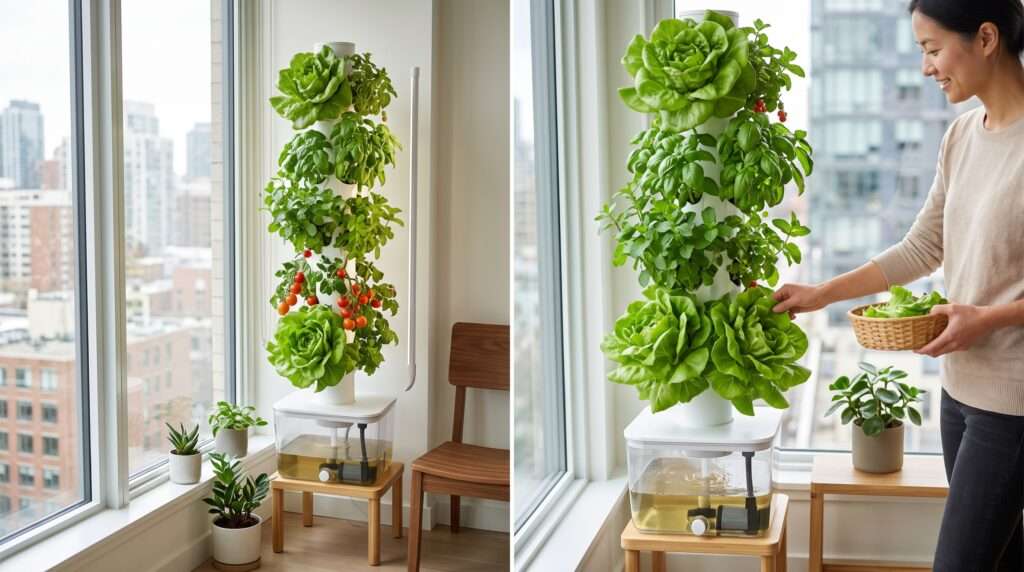
Living in an apartment or a house with a tiny footprint shouldn’t mean giving up on your green thumb. We all crave that deep connection to plant cultivation—the joy of watching a seed sprout and the satisfaction of harvesting your own food. But when your only available real estate is a sunny corner in your living room or a narrow balcony, traditional container gardening can feel impossible. That is exactly where finding the right hydroponic towers for tight spaces becomes a total game-changer. 🚀
By ditching heavy potting bags and shifting our focus from traditional soil health to nutrient-rich water systems, we can unlock incredible yields in a fraction of the area. Vertical setups can produce up to three times more food per square foot than flat beds! Plus, these modern indoor gardens look incredibly aesthetic—practically begging to be featured in a beautiful Pinterest pin. 📸 Let’s explore how these systems deliver exactly what your plants need directly to the root zone, accelerating growth without the mess. 💧
🏙️ Core Review: Top Vertical Systems for Urban Gardeners
Finding the perfect soil-less garden requires balancing footprint, yield, and design. Here are the leading contenders that maximize your vertical real estate.
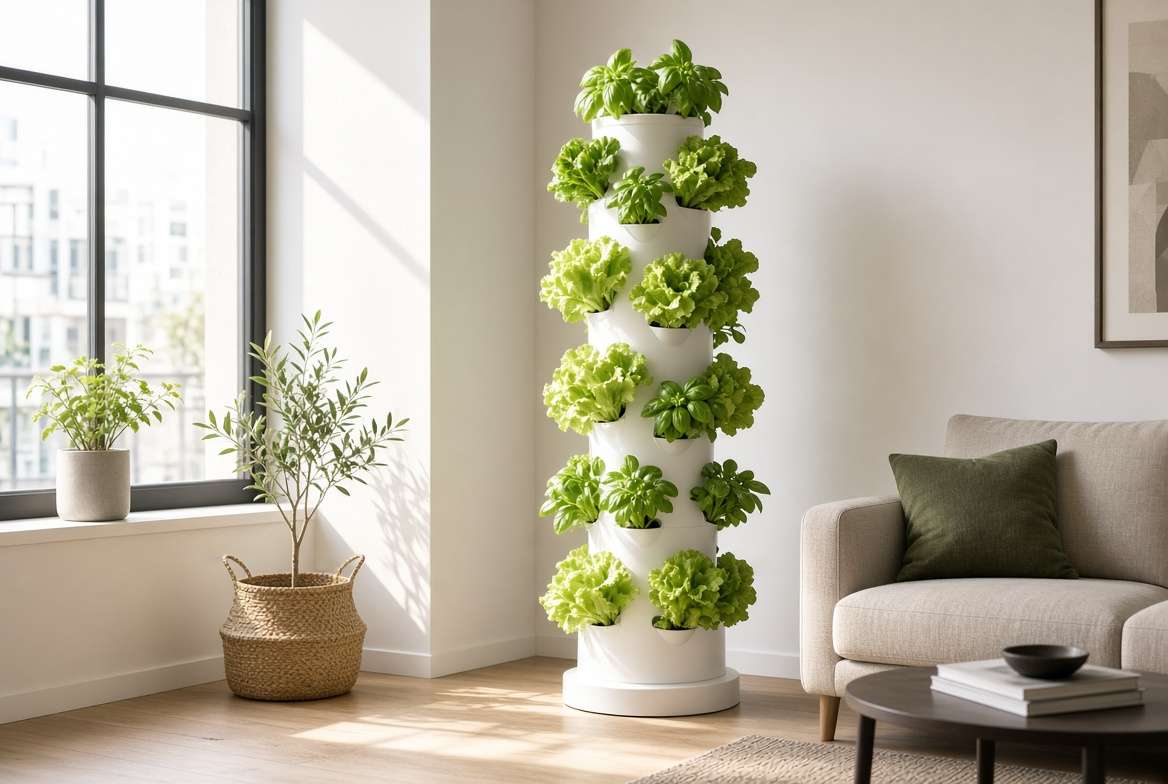
✨ The Aesthetic Choice: Gardyn Home Kit
If you want a smart-system that doubles as beautiful living decor, this is the premier option for indoor growers.
-
Sleek Design: Blends seamlessly into modern interiors without looking like a science experiment.
-
Smart Technology: Automated watering and lighting schedules controlled via an intuitive app.
-
High Yield: Grow up to 30 large plants in just two square feet of floor space.
☀️ The Balcony Champion: Aerospring Vertical
Designed for small outdoor patios and sunny indoor nooks, this system is a high-capacity powerhouse.
-
360-Degree Growth: The hexagonal shape ensures even light exposure for all vegetation.
-
Durable Build: Made from UV-stabilized plastics to withstand balcony weather.
-
Deep Roots: Spacious enough to support larger fruiting crops like cucumbers and cherry tomatoes.
🛠️ The Budget-Friendly DIY Route: PVC and Bucket Builds
Not everyone wants to invest hundreds of dollars into a pre-packaged indoor garden. If you enjoy hands-on plant care projects and want complete control over your setup, building a DIY system is incredibly rewarding—and surprisingly affordable. 🧰
The two most popular DIY vertical structures for tight spaces are the 5-gallon bucket tower and the PVC pipe rain-tower.
-
The PVC Rain-Tower: By using a 4-inch PVC pipe, a submersible water pump, and a series of drilled net pots, you can create a sleek, vertical column. Water is pumped to the top and cascades down inside the pipe, bathing the exposed roots in highly oxygenated nutrients.
-
The Modular Bucket System: Stacking 5-gallon food-grade buckets (often known as a Dutch bucket hybrid system) allows you to grow larger, heavy-feeding plants.
Pro Tip: DIY setups don’t have to look purely utilitarian. A cleanly built, white PVC tower overflowing with lush basil and butterhead lettuce looks stunning on camera. If you’re documenting your plant cultivation journey, these homemade systems make for incredibly clickable YouTube thumbnails and engaging video backdrops! 🎥🌿
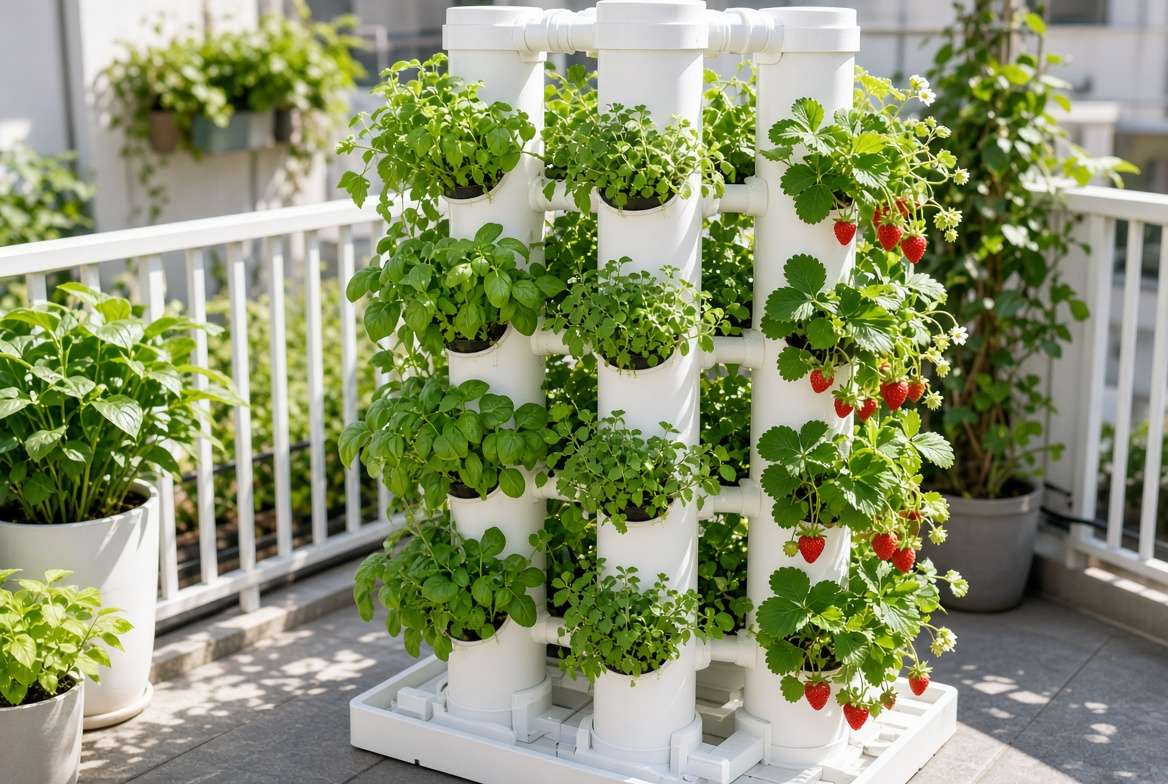
💧 Expert Guide: Maximizing Vertical Yields
Having a space-saving structure is only the first step. To truly succeed with hydroponic towers for tight spaces, you must master the indoor environment. When we remove traditional dirt from the equation, we become fully responsible for delivering everything the plant needs. Here is how the experts maintain peak plant health in confined areas. 🥇
🧪 Nutrient and pH Mastery
If you are used to managing outdoor soil health, transitioning to a water-based system requires a slight shift in mindset. In hydroponics, your water is your soil. To keep leafy greens and fruiting plants thriving in a shared water reservoir, you must monitor two critical metrics:
-
pH Levels: The ideal pH range for most hydroponic vegetables is between 5.5 and 6.5. If your water’s pH drifts outside this sweet spot, plants experience “nutrient lockout,” meaning they physically cannot absorb the food you provide, even if it’s right there in the water. 📉
-
Electrical Conductivity (EC): EC measures the concentration of fertilizer salts in your water. Seedlings require a low EC (around 0.8–1.2), while mature fruiting plants like peppers need a much higher EC (2.0–3.0). When growing mixed crops in a single tower, you have to compromise. Maintaining a moderate EC of 1.5 to 1.8 is the golden rule for keeping both delicate lettuce and sturdy tomatoes happy in the same system. ⚖️
💡 Illuminating Dark Spaces: Grow Light Science
Natural sunlight is a rare luxury in small apartments. Unless your tower is pressed against a south-facing, floor-to-ceiling window, you will need supplemental lighting. But you can’t just use any standard living room lamp! 🙅♀️
For dense vertical growth indoors, you need full-spectrum LED grow lights.
-
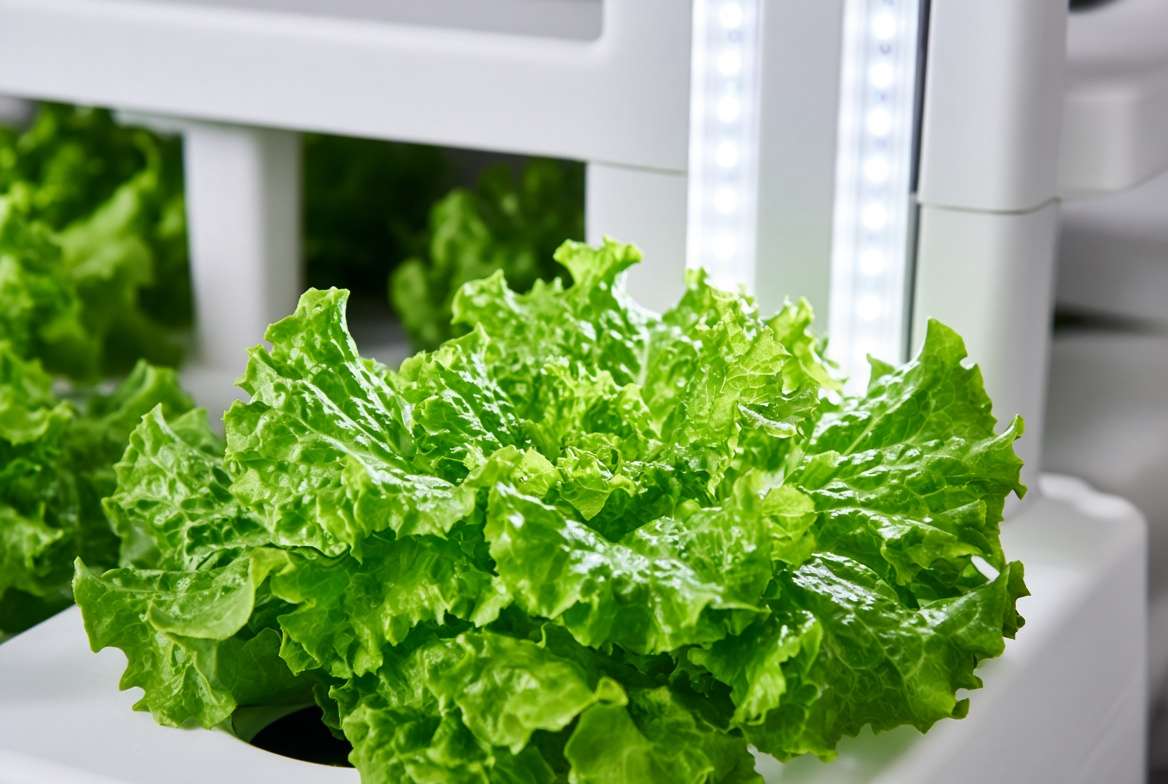
Placement is Key: Because vertical towers have a 360-degree footprint, installing vertical LED strip lights directly on the tower frame or positioning three distinct light panels around the system ensures lower leaves don’t get shaded out by the upper canopy.
-
The Light Spectrum: Look for lights that provide a balance of blue light (for bushy, compact vegetative growth) and red light (to stimulate flowering and fruiting).
-
Wattage & PPFD: Aim for lights that deliver a Photosynthetic Photon Flux Density (PPFD) of at least 400-600 µmol/m²/s to the leaves.
👩🌾 Expert Insight Box: Beating the Indoor Stagnation One of the most overlooked aspects of tight-space plant care is airflow. Stagnant indoor air combined with the high humidity of a water reservoir creates a perfect breeding ground for powdery mildew and spider mites. Always run a small, oscillating clip fan near your tower. The gentle breeze not only prevents fungal diseases but also causes micro-tears in the plant stems, forcing them to grow thicker and stronger! 🌬️💪
🤔 High-Volume FAQ & Reader Solutions: Troubleshooting Your Indoor Oasis
When you transition from traditional outdoor plant care to managing indoor vertical systems, questions are bound to pop up. To make this the ultimate resource for your apartment gardening journey, let’s tackle the most common concerns readers have before investing in hydroponic towers for tight spaces. 💡
🔊 Is the water pump noisy?
This is the number one concern for people placing vertical gardens in small apartments or living rooms. The reality? It depends on the system and how you run it.
Most modern submersible pumps are virtually silent. The sound you will hear is the ambient trickling of water cascading down the tower and hitting the reservoir. Many indoor growers actually find this “zen fountain” sound relaxing! 🧘♀️ However, if you are a light sleeper and your tower is near your bedroom, it can become distracting.
The Expert Solution: You do not need to run your pump 24/7. In fact, plant roots need oxygen just as much as they need water! By plugging your pump into a simple mechanical or smart timer, you can set it to run for 15 minutes and turn off for 45 minutes. This aerates the root zone, prevents root rot, and gives you long stretches of total silence. 🤫
🥬 What are the best beginner crops for vertical setups?
If you want quick wins and beautiful, lush growth right out of the gate (perfect for snapping those vibrant photos for your blog or social media!), start with these low-maintenance categories:
-
Leafy Greens: Butterhead lettuce, romaine, Swiss chard, and kale are the undisputed champions of vertical farming. They thrive in a lower EC (nutrient concentration) and are ready to harvest in as little as 3-4 weeks. 🥗
-
Aromatic Herbs: Basil, cilantro, mint, and parsley grow like weeds in water. Plus, they release incredible natural fragrances into your small space. 🌿
-
Compact Fruiting Plants: Once you master greens, graduate to alpine strawberries or micro-dwarf cherry tomatoes. Just remember that fruiting plants require a different nutrient profile (higher potassium and phosphorus) than leafy greens to trigger blooming. 🍓
⚡ Will this spike my electricity bill?
It is a valid worry, especially when running pumps and bright lights daily. Thankfully, modern hydroponic technology is incredibly energy efficient.
-
The Pump: A standard 20-watt to 40-watt submersible pump running on a timer uses very little power—often less than a traditional incandescent light bulb.
-
The Grow Lights: Full-spectrum LED technology is the real hero here. Even running high-efficiency LEDs for 14 to 16 hours a day usually only adds between $3 to $8 to your monthly electricity bill, depending on local utility rates. When you subtract the cost of the fresh organic produce you are no longer buying at the grocery store, the system quickly pays for itself! 💸
🧽 How much maintenance is actually required?
There is a misconception that soil-less gardening is complicated and time-consuming. In reality, it completely eliminates weeding, heavy digging, and daily hand-watering. To keep your tower pristine, you just need a simple routine.
Here is a realistic 15-Minute Weekly Maintenance Checklist:
-
Check the Water Level (2 mins): Plants drink a lot as they grow. Top off the reservoir with fresh, dechlorinated water. 🚰
-
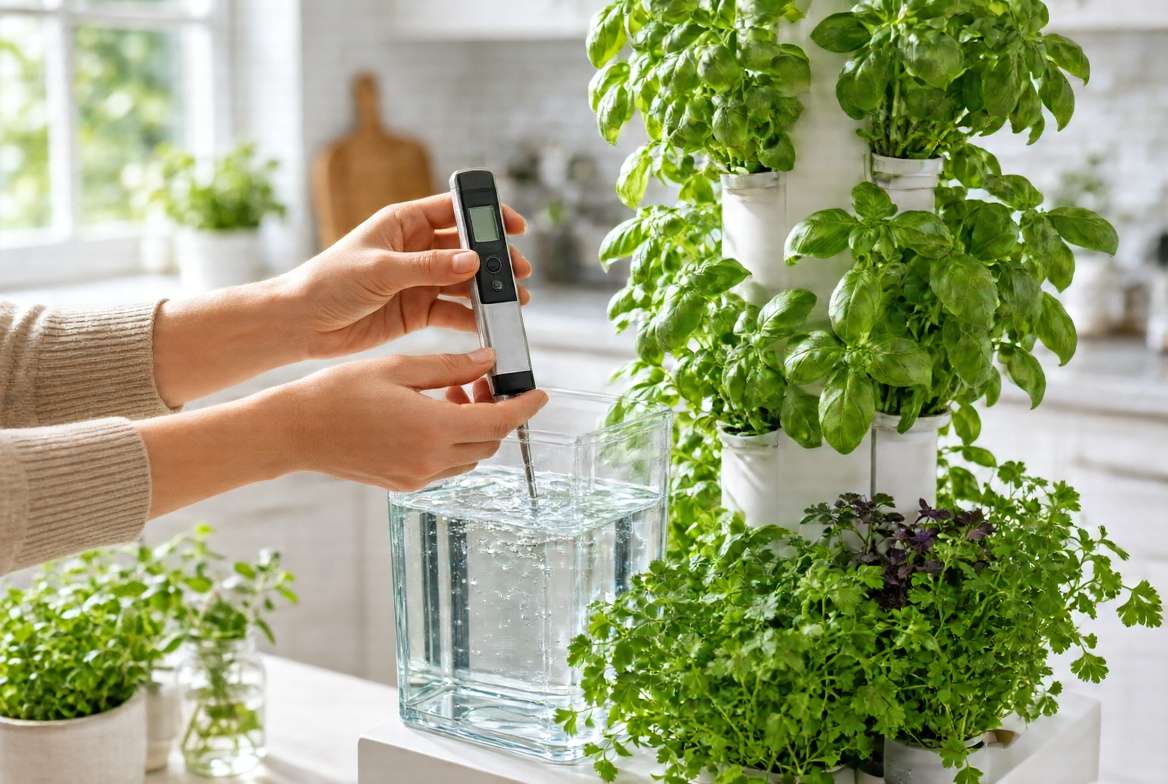
Test and Adjust (5 mins): Use a digital meter to check your pH and EC levels. Add a few drops of “pH Down” or a splash of liquid nutrients to bring the numbers back into the ideal range. 🧪
-
Prune and Inspect (8 mins): Snip off any yellowing lower leaves to improve airflow. Peek under the foliage to ensure there are no sneaky pests like aphids. Harvest the mature outer leaves of your lettuce so the plant keeps producing! ✂️
Once a month, you will want to do a “reservoir change,” which involves draining the old water, wiping down the tank to prevent algae buildup, and refilling it with a fresh nutrient batch. 🪣
🌟 Conclusion: Big Harvests Await
You do not need an expansive backyard, heavy bags of potting mix, or perfect outdoor weather to become a successful gardener. By embracing the vertical revolution, you can transform the most cramped corners of your home into a vibrant, food-producing oasis.
Choosing the right hydroponic towers for tight spaces allows you to merge brilliant home aesthetics with high-yield urban farming. Whether you opt for a sleek, automated smart-garden or roll up your sleeves to build a custom PVC tower, the reward of harvesting crisp, chemical-free greens right in your kitchen is unmatched. 🌱✨
Start small, master your water chemistry, and watch your indoor garden thrive!
What specific aspect of indoor plant care do you plan to write about next for your website—perhaps a deep dive into balancing those hydroponic nutrients, or a guide on designing the most photogenic plant setups?











