Imagine stepping into your backyard and being greeted by lush, deep-green vines cascading over a trellis, dotted with stunning, alien-like purple flowers. Better yet, imagine reaching out to harvest heavy, sun-warmed, tangy-sweet passion fruit right from your own garden.
For many gardeners, this dream remains elusive. A common frustration is watching a vine grow wildly out of control while producing absolutely zero fruit. If you want to turn that barren foliage into a heavy producer, cultivating Passiflora edulis plants requires specific strategies. While these vigorous perennial vines are eager to climb, they demand precise trellising, targeted pruning, and specific pollination techniques to actually yield a bountiful harvest.
In this comprehensive guide, we will dive deep into expert horticultural insights and real-world growing tactics. Whether you are battling a stubborn, non-fruiting vine or starting from a fresh seed, this guide will provide the exact blueprint you need to unlock the secret to a massive tropical harvest. 🌴✨
🌿 Understanding Passiflora Edulis: The Purple Passion Fruit
What Makes This Vine So Unique? 🧬
Native to the warm, subtropical regions of South America—specifically Brazil, Paraguay, and northern Argentina—the passion fruit vine is a fast-growing, evergreen climber that uses specialized tendrils to grip and scale structures. But what truly sets it apart is its anatomy.
The passion flower itself is a complex, multi-layered masterpiece of nature. It features vibrant filaments (the corona), a prominent central column, and highly distinct anthers and stigmas designed specifically to attract large pollinators. The plant channels immense energy into producing these intricate blooms, which, when successfully pollinated, swell into the coveted, juice-filled fruits.

Purple vs. Yellow Varieties: Which Are You Growing? 💜💛
Before digging in the dirt, it is crucial to know exactly which type of passion fruit you are cultivating. The two primary varieties grown for edible consumption are the purple passion fruit (Passiflora edulis f. edulis) and the yellow passion fruit (Passiflora edulis f. flavicarpa).
-
Purple Passion Fruit: This is the darling of backyard gardeners, especially in cooler, subtropical climates. It is generally more cold-tolerant and self-fruitful (meaning you only need one plant to get fruit, though having two cross-pollinating will increase yields). The flavor profile is notably sweeter, richer, and less acidic.
-
Yellow Passion Fruit: A more tropical, heat-loving variety that grows larger, more vigorous vines and bigger fruit, but the flesh is often much more tart. Crucially, the yellow variety is typically self-sterile, meaning you absolutely must plant two genetically distinct vines for cross-pollination to occur.
Pro Tip 💡: For most home growers looking for a manageable, highly rewarding crop without the hassle of multi-vine cross-pollination, the purple variety is the undisputed champion.
☀️ Ideal Growing Conditions for Passiflora Edulis Plants
Sunlight Requirements: The Rule of Full Sun 🌞
If there is one non-negotiable rule for getting your vines to flower and fruit, it is sunlight. These tropical beauties crave intense, direct light. Aim for a minimum of 6 to 8 hours of uninterrupted, full sun per day. Sunlight acts as the primary catalyst for flower production; vines grown in partial shade may look incredibly lush and leafy, but they will stubbornly refuse to bloom.
-
Expert Insight 🔍: If you live in an exceptionally scorching climate (like USDA zones 10-11 during peak summer), intense afternoon sun combined with extreme heat can sometimes scorch the leaves or dry out the delicate flower pollen before it sets fruit. In these specific microclimates, providing dappled afternoon shade while maximizing morning sun can protect your harvest.
Soil Composition and the Perfect pH 🌱
Passiflora edulis plants have a robust, yet somewhat shallow root system that demands oxygen and excellent drainage. Planting them in heavy, waterlogged clay is a guaranteed path to root rot and soil-borne fungal diseases.
-
The Perfect Mix: They thrive in rich, loamy soil packed with organic matter. Amending your planting site with high-quality compost, worm castings, or aged manure gives the vine the initial nutritional boost it needs to establish strong roots.
-
Target pH: The sweet spot for nutrient absorption is slightly acidic, falling right between a pH of 6.0 and 6.5. If your soil is too alkaline, essential micronutrients (like iron) become locked out, leading to yellowing leaves (a condition known as chlorosis).
-
Actionable Tip: If you are stuck with heavy clay soil, do not despair. Instead of planting directly into the ground, build a raised bed or a large mound (at least 18 to 24 inches high). Heavily amend this mound with coarse sand, perlite, and compost to ensure water drains away rapidly from the crown of the plant.
Climate & Temperature Tolerance 🌡️
Passion fruit vines are inherently tropical to subtropical, flourishing best in USDA Hardiness Zones 9 through 11. They prefer ambient temperatures between 68°F and 82°F (20°C to 28°C) for optimal growth and fruit set.
-
Frost Sensitivity: The biggest environmental threat to your vine is frost. While established purple passion fruit vines can occasionally survive a light, brief frost (down to about 28°F or -2°C) by dying back to the roots and resprouting in spring, prolonged freezing temperatures will kill the plant entirely.
-
Overwintering Tactics: If you live in Zone 8 or below, consider growing your vine in a large container (at least 15-20 gallons) equipped with a sturdy built-in trellis. When the first frost threatens, you can move the entire setup into a heated greenhouse, a sunroom, or an enclosed porch. Alternatively, for outdoor vines in borderline climates, string heavy-duty frost cloth and old-school incandescent holiday lights through the trellis to generate emergency warmth during unexpected cold snaps.
🏗️ Planting & Trellising: Setting Up for Heavy Yields
Choosing the Right Location 🏡
A common mistake novice growers make is planting their Passiflora edulis plants as an afterthought against a flimsy decorative fence. Location is paramount. Because these vines will eventually become massive and heavy, you need a site that offers not only the requisite full sun but also some protection from severe, buffeting winds. High winds can snap delicate tendrils, damage flowers, and prematurely knock unripe fruit to the ground.
Additionally, think about accessibility. You will need to access the vine frequently for pruning, hand-pollinating, and harvesting. Avoid planting it in a cramped corner where you cannot reach the backside of the trellis.
Building a Sturdy Support System 🪵
Let’s be clear: a mature passion fruit vine loaded with foliage and dozens of swelling fruits is incredibly heavy. Flimsy bamboo stakes or light plastic netting will quickly collapse under the weight. You must build or provide a robust support system from day one.
-
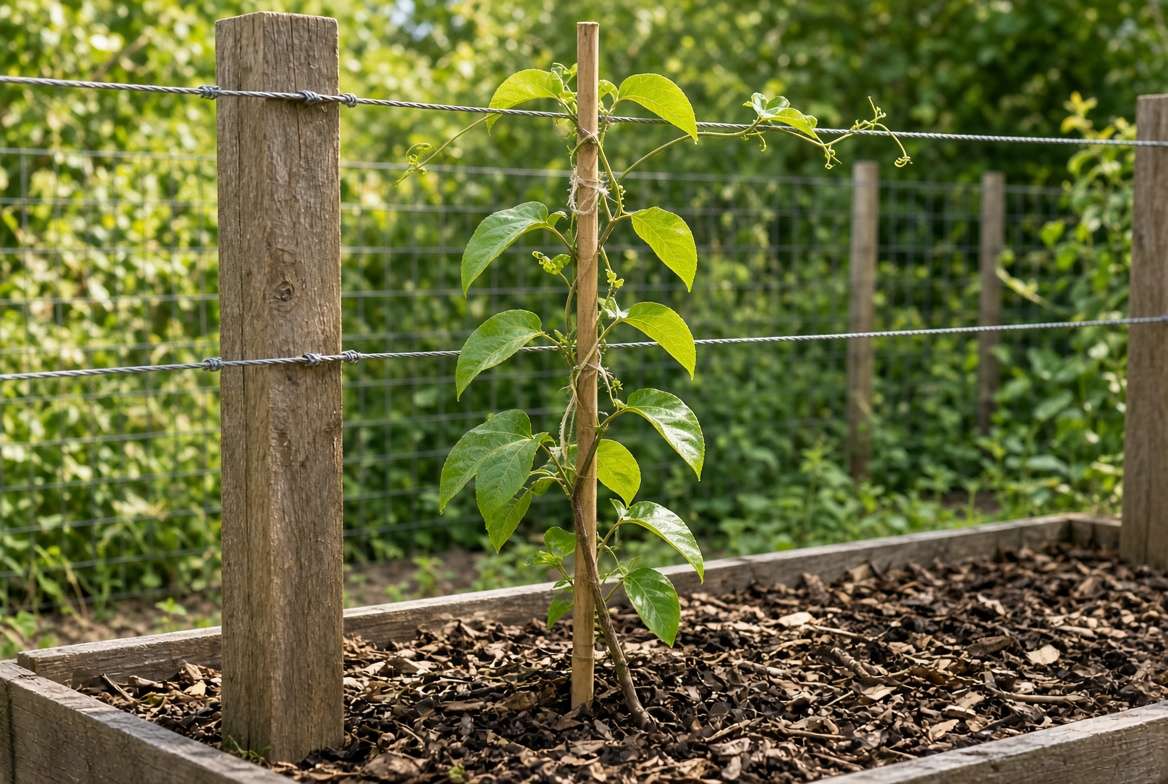
The Best Trellis Designs: Commercial growers favor the standard T-bar trellis or a sturdy A-frame. For home gardeners, constructing a trellis using heavy-duty wooden posts (like 4x4s sunk in concrete) with high-tensile galvanized wire strung horizontally works best. Heavy-duty cattle panels or reinforced chain-link fences are also excellent, durable alternatives.
-
Training the Vine: Grower’s Secret 🤫: When you first plant your seedling, do not let it bush out immediately. Identify the strongest, thickest main shoot and gently tie it to a vertical bamboo stake, guiding it straight up toward the top wire of your trellis. Pinch off all lower lateral branches until that main trunk reaches the top wire. Once it reaches the top, pinch the growing tip. This forces the plant to send out two main horizontal leader vines (one in each direction) along the wire, creating a clean T-shape. This structural foundation is the absolute secret to manageable, high-yielding vines!
💧 Watering and Fertilizing Strategies for Fruiting
The Watering Sweet Spot 🚿
Passion fruit vines have shallow, highly active root systems. They are thirsty plants, but they are also highly susceptible to root rot if left sitting in mud. The goal is consistent, even moisture.
-
Vegetative vs. Fruiting Stages: During the active growing season (spring and summer), the vine requires regular deep watering—often 1 to 2 inches of water per week, depending on rainfall and heat. During the fruiting stage, consistent watering is critical; if the vine experiences severe drought stress, it will abort its flowers and drop undeveloped fruit to survive.
-
Mulching: Apply a thick 3-inch layer of organic mulch (like wood chips or straw) around the base of the plant, being careful not to let it touch the main trunk. This regulates soil temperature, retains moisture, and protects those shallow feeder roots.
The N-P-K Secret: Feeding Your Vine Correctly 🧪
If your vine is a massive, aggressive jungle of green leaves but produces zero flowers, you are likely committing the most common passion fruit fertilizing error: feeding it too much nitrogen.
-
The Big Mistake: High-nitrogen fertilizers (where the first number in the N-P-K ratio is the highest) promote rampant vegetative growth at the expense of blooming.
-
The Solution: To encourage your Passiflora edulis plants to bloom prolifically, switch to a fertilizer high in Potassium (K) and Phosphorus (P). A standard citrus/fruit tree fertilizer or a tomato feed works exceptionally well.
-
Expert Insight 🔍: Start feeding your vine lightly in early spring as new growth appears. Once the flowering season approaches, supplement with liquid kelp (seaweed extract) or a targeted application of sulfate of potash. Potassium is the heavy lifter for flower development, fruit set, and even the sugar content of the final fruit.
✂️ Pruning Passiflora Edulis: Mandatory for Abundant Harvests
Why Unpruned Vines Stop Producing Fruit 🛑
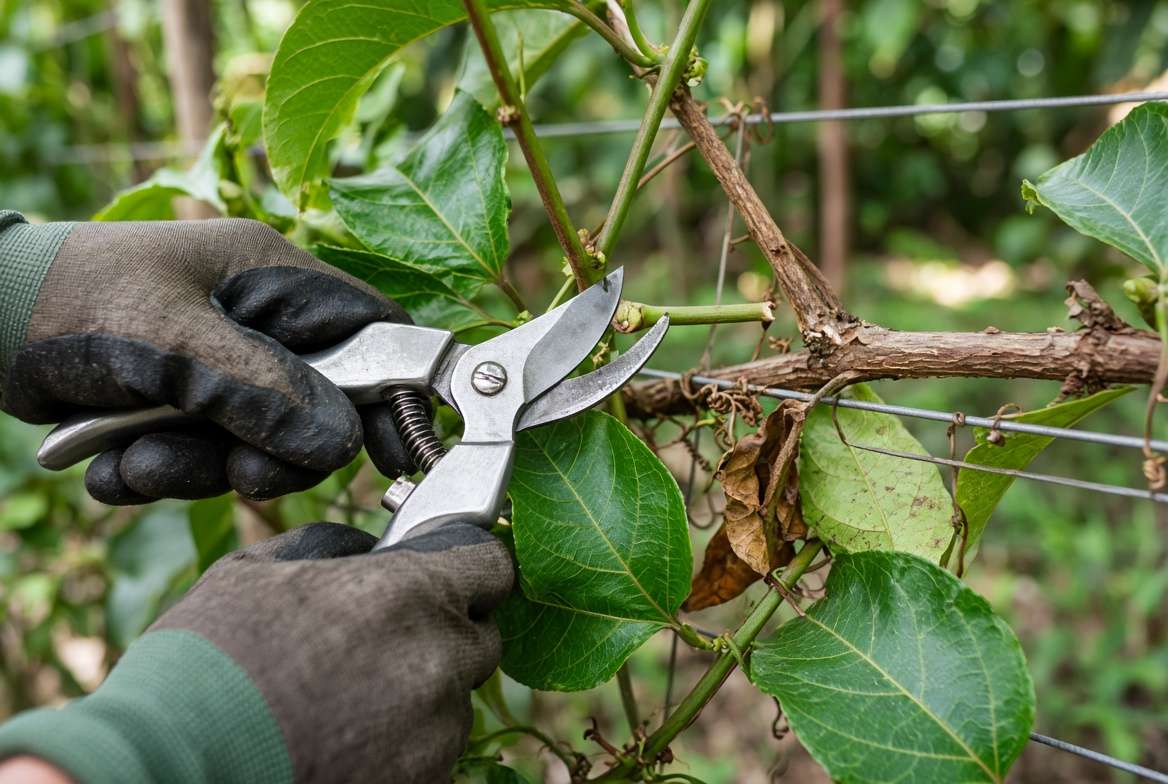
Many gardeners are terrified to cut their beautiful vines, but pruning is not optional—it is mandatory. Passion fruit only develops on new growth. If you let the vine grow wildly for years, the interior becomes a tangled, woody mess of old, unproductive vines. This dense canopy chokes out sunlight, restricts airflow (inviting fungal diseases), and forces the plant’s energy into maintaining old leaves rather than producing new, fruiting branches.
Step-by-Step Pruning Guide 📅
-
When to Prune: The ideal time to prune is in late winter or very early spring, just before the new flush of growth begins. If you live in a frost-prone area, wait until the danger of the last frost has completely passed.
-
The Technique:
-
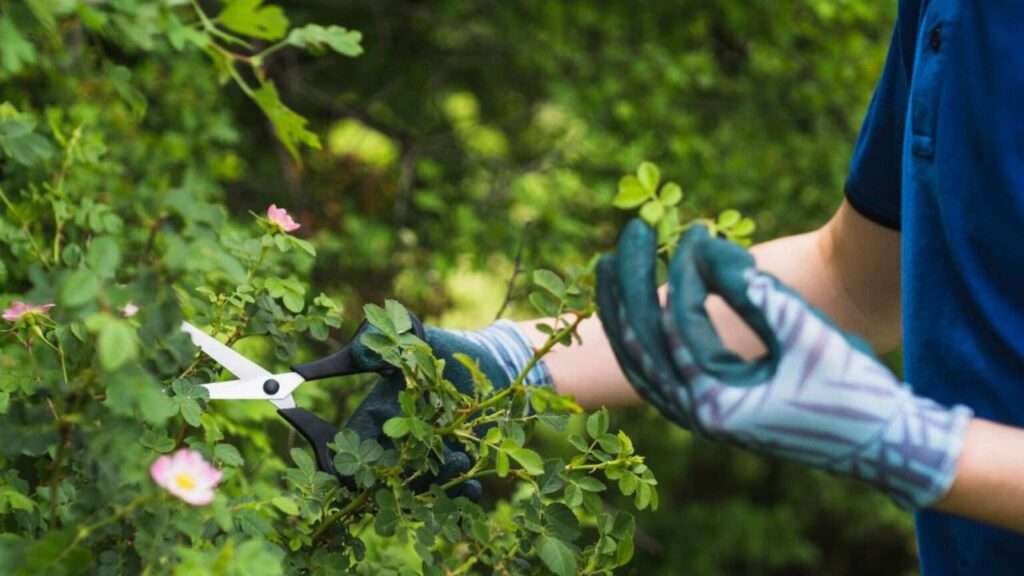
Remove the Dead Wood: Start by sanitizing your pruning shears with rubbing alcohol. Completely remove any dead, diseased, or frost-damaged vines.
-
Thin the Canopy: Cut away crossing or rubbing branches. You want sunlight to penetrate the entire trellis.
-
Trim the Laterals: Identify the lateral vines (the ones hanging down from the main horizontal framework). Cut these laterals back, leaving about a third of their length, or roughly 2 to 3 leaf nodes from the main trunk. This aggressive cut stimulates a vigorous flush of the new growth that will carry this year’s flowers and fruit.
-
🐝 The Art of Pollination: Why Your Vine Isn’t Fruiting
Natural Pollinators: Your Garden’s Best Friends 🦋
Even with perfect soil, watering, and pruning, your vine will not produce a single fruit without pollination. The unique, large structure of the passion flower requires a specific type of pollinator. Standard European honeybees are often too small and lightweight to efficiently transfer the heavy, sticky pollen from the anthers to the elevated stigmas.
The true heroes of passion fruit pollination are native Carpenter bees and large Bumblebees. Their size and weight force them to brush aggressively against the reproductive organs of the flower as they forage for nectar. To encourage these beneficial insects, plant a diverse array of native, pollinator-friendly companion plants (like lavender, salvia, and borage) near your trellis.
How to Hand-Pollinate Passion Fruit (Step-by-Step) ✋🌺
If you lack large bee populations, or if you simply want to guarantee a maximum yield, hand-pollination is incredibly easy and highly effective.
-
Timing: Passion flowers typically open in the mid-morning and close by late afternoon. The optimal time to hand-pollinate is between 10:00 AM and 2:00 PM when the pollen is dry, fluffy, and fully viable.
-
The Method:
-
Take a clean, soft artist’s paintbrush or a cotton swab.
-
Gently brush the underside of the five anthers (the pollen pads facing downward) to collect the yellow pollen.
-
Carefully dab that collected pollen onto the top of the three stigmas (the sticky, helicopter-like pads at the very top of the flower structure).
-
Repeat this process, moving from flower to flower. If successful, you will notice the ovary at the base of the flower start to swell into a tiny green fruit within just a few days!
-

🐛 Troubleshooting Pests and Diseases
Even the most robust Passiflora edulis plants can occasionally fall victim to pests and environmental stress. Early identification and organic interventions are the keys to keeping your vines healthy and productive.
Common Pests: Nematodes, Aphids, and Caterpillars 🐌
-
Root-Knot Nematodes: These microscopic soil-dwelling worms are arguably the most devastating pest for purple passion fruit, causing the roots to swell, restricting nutrient uptake, and ultimately killing the vine.
-
The Ultimate Fix: If your soil is heavily infested with nematodes, the best workaround is to plant grafted vines. Nurseries often graft the delicious purple passion fruit onto the rootstock of the yellow passion fruit (P. edulis f. flavicarpa), which is naturally highly resistant to nematodes.
-
-
Aphids and Snails: Aphids love to cluster on the tender new growth, sucking the sap and stunting development. Blast them off with a strong jet of water or apply organic neem oil in the early evening. Snails will aggressively target young seedlings; use organic iron phosphate baits to keep them at bay.
-
The Gulf Fritillary Butterfly: You will almost certainly see bright orange caterpillars munching on your vine’s leaves. These are the larvae of the stunning Gulf Fritillary butterfly. Because passion vines grow so rapidly, a mature plant can easily sustain some caterpillar damage without harming the fruit yield. Many organic gardeners happily tolerate them to support the local butterfly population!
Fungal Issues and Viruses 🦠
-
Fusarium Wilt & Root Rot: Caused by soil-borne fungi, these diseases thrive in poorly drained, waterlogged soil. The vine will suddenly wilt and collapse, even if the soil is wet. Prevention (excellent drainage and avoiding overwatering) is the only real cure.
-
Passion Fruit Woodiness Virus: Spread by aphids, this virus causes the leaves to become mottled and crinkled, and the fruit becomes small, hard, and misshapen. There is no cure for viral infections. You must remove and destroy the infected plant immediately to prevent it from spreading.
-
Sanitation Rule: Always wipe your pruning shears with a 10% bleach solution or rubbing alcohol between cuts to prevent transmitting viruses and fungal spores from plant to plant.
🧺 Harvesting: How to Tell When Passion Fruit is Ripe
After successfully pollinating your flowers, patience is the final step. It typically takes 70 to 80 days for the fruit to develop, mature, and ripen completely. But how do you know exactly when to pick it?
-
The Drop Method: The absolute best, foolproof way to harvest passion fruit is to simply let gravity do the work. When a passion fruit is perfectly ripe, it will detach from the vine and fall to the ground. Because of their tough outer rind, they rarely bruise upon impact. Simply check the ground beneath your trellis every morning during harvest season.
-
The Color Change: If you must pick them from the vine, wait until the fruit has fully transitioned from bright green to its deep, signature dark purple. If it is still partially green, it is not ready and will be unpleasantly sour.
-
The Wrinkle Rule: Here is the ultimate secret for peak flavor: while a smooth, purple fruit is ripe and ready to eat, allowing it to sit on your kitchen counter for a few days until the skin becomes slightly wrinkled will dramatically reduce the tartness and intensify the sweet, tropical sugars.
❓ Expert FAQs on Passiflora Edulis Plants
How long does it take for a Passiflora edulis to bear fruit? If grown from seed, expect to wait 1 to 2 years for your first harvest. However, if you purchase an established nursery plant or propagate a cutting from a mature, fruiting vine, you can often see fruit in as little as 6 to 9 months under ideal conditions.
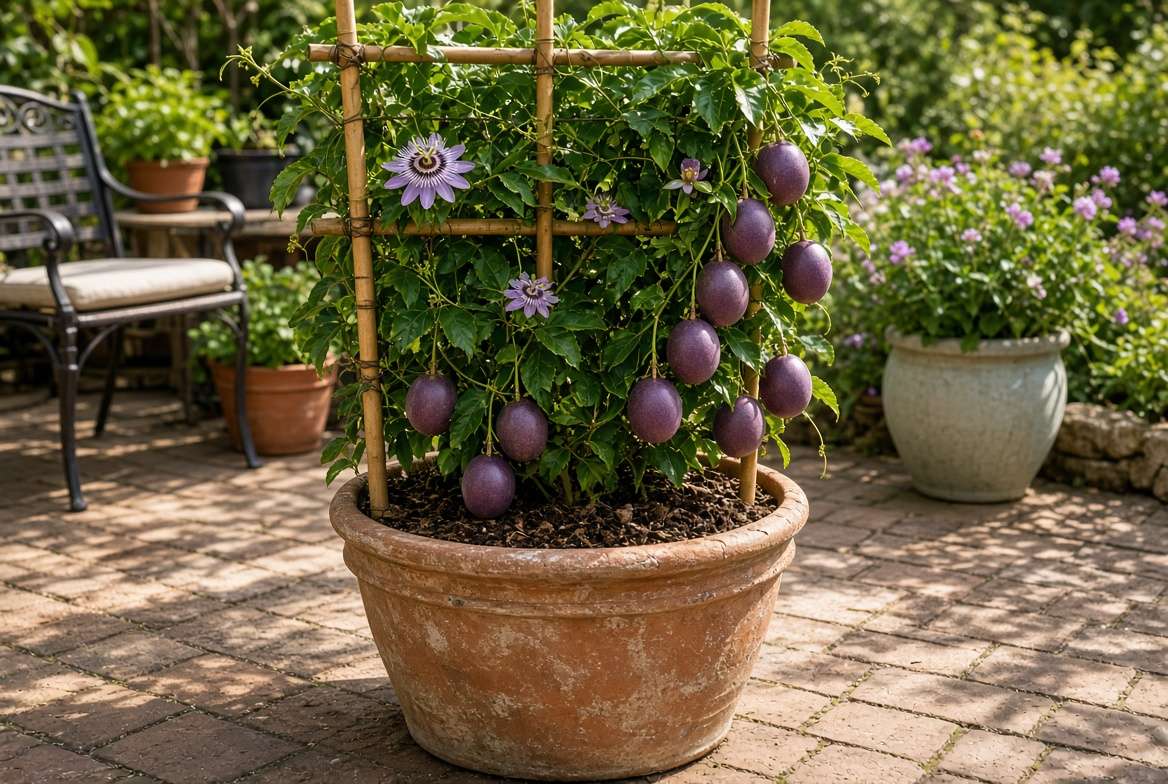
Can I grow passion fruit in a pot? Absolutely! You will need a large container (at least 20 to 30 gallons) with excellent drainage holes. Potted vines require more frequent watering and extremely diligent pruning to keep their size manageable, but they will happily produce fruit on a sunny patio or balcony.
Why are my passion fruits falling off before they are ripe? Premature fruit drop is usually a sign of environmental stress. The most common culprits are severe irregular watering (letting the soil bone dry and then flooding it), extreme temperature fluctuations, or damage from fruit flies stinging the young fruit to lay eggs.
Are Passiflora edulis roots invasive? While the vine itself is a vigorous, rapid climber that can smother nearby plants if left unchecked, the root system of Passiflora edulis is not considered highly invasive or destructive to foundations and pipes, especially when compared to other aggressive ornamental vines.
🌱 Conclusion: Ready to Grow Your Own Tropical Oasis?
Cultivating Passiflora edulis plants is one of the most rewarding endeavors an edible landscaper or backyard gardener can undertake. By mastering the fundamental rules—providing full sun, avoiding heavy nitrogen, implementing a strict annual pruning regimen, and ensuring robust pollination—you can easily transform a leafy green climber into a heavy-producing tropical powerhouse.
It takes a little bit of structural planning and hands-on care, but the payoff of slicing into a freshly fallen, perfectly wrinkled passion fruit grown in your own soil is unmatched.
Now it’s your turn! Are you planning to build a new trellis for your first passion fruit vine, or are you trying to rescue an overgrown jungle in your backyard? Let us know your biggest growing challenges in the comments below, share photos of those gorgeous purple blooms, and don’t forget to subscribe to our newsletter for more expert plant care guides! 🌺🌿