
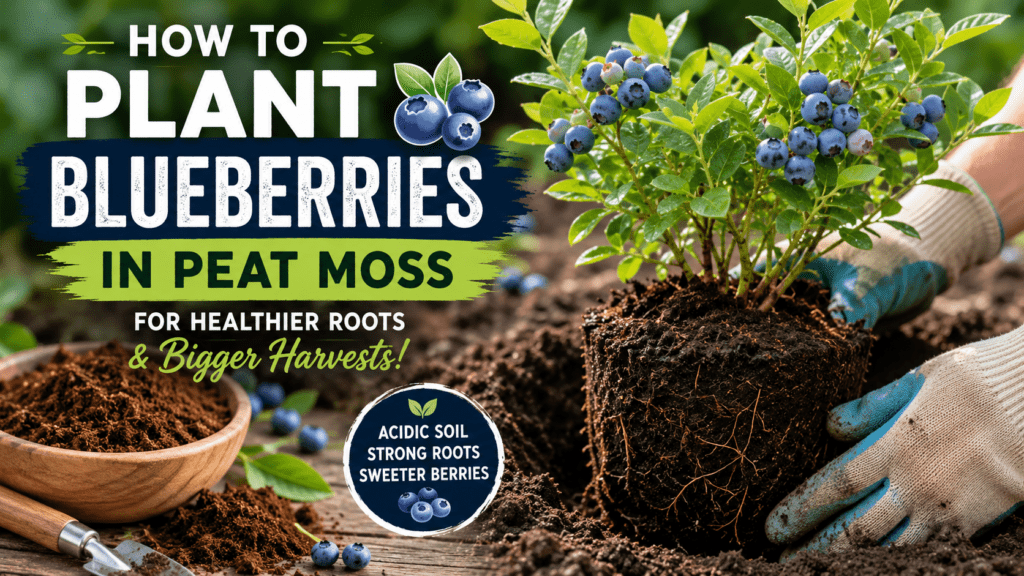
Blueberry bushes can reward gardeners with sweet, antioxidant-rich berries for decades — but there’s one major problem many beginners face: the wrong soil. 😟
If your blueberry plants struggle with yellow leaves, weak growth, or tiny fruit, the issue is often soil acidity. That’s why many experienced gardeners plant blueberries in peat moss to create the acidic, moisture-retaining environment these plants naturally love.
The good news? You don’t need to be a professional gardener to grow thriving blueberry bushes. 🌿 With the right soil mix, proper planting method, and ongoing care, you can enjoy healthier roots, larger harvests, and sweeter berries year after year.
In this complete guide, you’ll learn:
- Why peat moss works so well for blueberries
- The best soil mix for strong root growth
- Step-by-step planting instructions
- Common mistakes to avoid
- Expert tips for maximizing berry production 🍇
Whether you’re planting blueberries in the ground, raised beds, or containers, this guide will help you do it the right way from the beginning.
Why Blueberries Need Special Soil Conditions 🧪🌱
Unlike many common garden plants, blueberries are extremely sensitive to soil conditions. In fact, they’re one of the few fruit plants that demand highly acidic soil to survive and produce well.
Understanding their natural growing environment is the key to success.
Table of Contents
ToggleUnderstanding Blueberry Soil Requirements
Blueberries grow best in:
- Soil pH between 4.5 and 5.5
- Loose, well-draining soil
- Organic-rich growing media
- Moist but not soggy conditions
In the wild, blueberry plants naturally grow in forested areas with acidic soil rich in decomposed organic matter like pine needles and leaf litter. 🌲
Unfortunately, most backyard garden soil is too alkaline for blueberries. When planted in unsuitable soil, the plants struggle to absorb nutrients properly.
Ideal Conditions for Blueberries
| Requirement | Ideal Range |
|---|---|
| Soil pH | 4.5–5.5 |
| Sunlight | 6–8 hours daily |
| Soil Type | Acidic, well-drained |
| Moisture | Consistently moist |
| Organic Matter | High |
What Happens When Soil Isn’t Acidic Enough? ⚠️
Improper soil pH can lead to several common blueberry problems:
Yellow Leaves (Chlorosis)
When soil is too alkaline, blueberries cannot absorb iron effectively. This causes yellow leaves with green veins.
Weak Root Growth
Blueberries have shallow root systems that are sensitive to compacted or poorly drained soil.
Poor Fruit Production
Even if the plant survives, berry production often becomes disappointing.
Nutrient Deficiencies
Improper pH locks up important nutrients like:
- Iron
- Magnesium
- Sulfur
This is why creating acidic soil is one of the most important steps when planting blueberries.
Why Peat Moss Works So Well for Blueberries 🌿🫐
Peat moss has been a favorite blueberry-growing material for decades because it naturally mimics the conditions blueberries love.
Benefits of Peat Moss for Blueberries
Naturally Acidic
Peat moss typically has a pH between 3.5 and 4.5, making it ideal for acid-loving plants.
Excellent Moisture Retention 💧
Blueberries prefer evenly moist soil, and peat moss helps hold water without becoming overly compacted.
Improves Soil Aeration
Healthy blueberry roots need oxygen. Peat moss keeps soil loose and airy.
Encourages Root Expansion
Young blueberry plants establish faster in soft, organic-rich soil.
Helps Sandy or Clay Soil
Peat moss improves both:
- Heavy clay soil
- Fast-draining sandy soil
Can You Successfully Plant Blueberries in Peat Moss Alone? 🤔
Many gardeners wonder whether pure peat moss is enough for blueberries.
The short answer: not usually.
While peat moss is excellent, blueberries perform best in a balanced soil blend.
Pros of Using Peat Moss 🌱
Using peat moss offers several advantages:
Quick Soil Acidification
Peat moss instantly lowers soil pH around the root zone.
Lightweight Texture
It creates a soft environment for delicate roots.
Better Water Management
The material absorbs and slowly releases moisture.
Cleaner Growing Medium
Peat moss is generally weed-free and low in disease organisms.
Potential Drawbacks to Know ⚠️
Even though peat moss is useful, there are a few limitations.
It Can Dry Out Completely
Dry peat moss becomes difficult to rehydrate.
Limited Nutrients
Peat moss contains very little nutrition, so fertilization is still necessary.
Environmental Concerns 🌍
Some gardeners prefer sustainable alternatives because peat harvesting can affect wetlands.
Best Soil Mix for Blueberries 🫐✨
Instead of using peat moss alone, expert growers recommend combining it with other organic materials.
Recommended Soil Mix
For In-Ground Planting
- 50% peat moss
- 30% pine bark fines
- 20% native soil or compost
For Containers
- 60% peat moss
- 30% pine bark
- 10% perlite
This combination creates:
✅ Excellent drainage
✅ Proper acidity
✅ Root aeration
✅ Long-term moisture balance
Best Time to Plant Blueberries in Peat Moss 📅
Timing matters more than many gardeners realize.
Best Seasons for Planting
Early Spring 🌸
This is often the best time because:
- Soil is warming
- Plants establish before summer heat
- Roots grow quickly
Fall Planting 🍂
In mild climates, fall planting works very well because cooler temperatures reduce plant stress.
Weather Conditions to Avoid ☀️❄️
Avoid planting during:
- Heat waves
- Frozen soil conditions
- Heavy rainy periods
- Extremely windy days
Young blueberry roots are sensitive and need stable conditions.
Choosing the Right Blueberry Variety 🌿
Not all blueberries grow the same way. Choosing the right variety for your climate improves success dramatically.
Highbush Blueberries
These are the most common garden blueberries.
Best For:
- Moderate climates
- Backyard gardens
- Large harvests
Popular varieties include:
- Bluecrop
- Duke
- Legacy
Rabbiteye Blueberries 🫐
These tolerate heat and humidity better.
Best For:
- Southern climates
- Warmer growing zones
Popular types:
- Brightwell
- Powderblue
Lowbush Blueberries
These smaller plants are often grown as ground cover.
Best For:
- Cold climates
- Natural landscapes
Tools and Materials You’ll Need 🧰
Having everything ready before planting makes the process easier and less stressful.
Essential Supplies
Soil Materials
- Peat moss
- Pine bark mulch
- Compost
- Acidic fertilizer
Gardening Tools
- Shovel
- Garden fork
- Watering hose
- Soil pH tester
Optional But Helpful
- Raised beds
- Drip irrigation
- Moisture meter
Step-by-Step Guide to Plant Blueberries in Peat Moss 🫐🌱

Now let’s walk through the complete planting process.
Step 1 — Test Your Soil pH 🧪
Before planting, always test your soil.
Blueberries need acidic conditions, and guessing can lead to problems later.
How to Test Soil
You can use:
- Home soil test kits
- Digital pH meters
- Local extension office testing services
Ideal pH
Aim for:
4.5≤pH≤5.54.5 \leq pH \leq 5.54.5≤pH≤5.5
If the soil is too alkaline, peat moss and sulfur amendments can help lower the pH.
Step 2 — Prepare the Planting Hole 🕳️
Blueberries have shallow roots, so hole preparation matters.
Dig the Hole
Make it:
- Twice as wide as the root ball
- Slightly shallower than the container depth
This encourages roots to spread outward.
Loosen Nearby Soil
Compacted soil prevents root development.
Step 3 — Create the Ideal Peat Moss Mix 🌿
Never use dry peat moss directly from the bag.
Important Tip 💡
Pre-moisten peat moss before mixing.
Dry peat moss repels water initially, which can stress young plants.
Mixing Instructions
Combine:
- Peat moss
- Pine bark
- Native soil
- Compost
Blend thoroughly before backfilling the hole.
Step 4 — Plant the Blueberry Bush Correctly 🫐
Place the plant carefully into the prepared hole.
Important Planting Tips
✅ Keep the crown slightly above soil level
✅ Spread roots gently
✅ Avoid planting too deeply
Spacing Recommendations
- 4–6 feet apart for highbush types
- 2–3 feet for compact varieties
Good airflow reduces disease problems.
Step 5 — Water Thoroughly 💧
Immediately after planting:
- Water deeply
- Saturate the root zone
- Eliminate air pockets
Blueberries need consistent moisture during establishment.
Avoid Overwatering
Soil should feel moist, not muddy.
Step 6 — Apply Mulch 🌲
Mulch is incredibly important for blueberries.
Best Mulch Options
- Pine needles
- Pine bark
- Wood chips
- Leaf mulch
Benefits of Mulching
✅ Conserves moisture
✅ Suppresses weeds
✅ Maintains acidic soil
✅ Protects shallow roots
Apply 2–4 inches around the plant while keeping mulch away from the stem.
Growing Blueberries in Containers Using Peat Moss 🪴🫐
Container gardening is an excellent option for blueberries — especially when native soil is too alkaline.

Why Containers Work Well
Containers allow better:
- Soil pH control
- Drainage management
- Mobility
They’re perfect for patios, balconies, and small gardens.
Best Pot Size
Choose containers:
- At least 18–24 inches wide
- With multiple drainage holes
Larger pots reduce watering frequency.
Best Container Soil Mix
A reliable mix includes:
- Peat moss
- Pine bark
- Perlite
Avoid heavy garden soil in containers.
Common Container Mistakes ⚠️
Using Small Pots
Roots become crowded quickly.
Poor Drainage
Standing water can cause root rot.
Inconsistent Watering
Container blueberries dry out faster than garden plants.
Watering and Feeding Blueberries Properly 💧🌱
Once planted, ongoing care determines long-term success.
How Much Water Do Blueberries Need?
Blueberries generally need:
- 1–2 inches of water weekly
- More during hot weather and fruiting
Deep watering encourages healthier roots.
Best Fertilizers for Blueberries 🌿
Use fertilizers designed for acid-loving plants.
Good Options
- Ammonium sulfate
- Organic acid fertilizers
- Holly-tone blends
Avoid fertilizers high in nitrates.
Signs of Nutrient Problems ⚠️
Yellow Leaves
Usually indicates iron deficiency.
Weak Growth
May suggest poor soil acidity or lack of nitrogen.
Small Fruit
Often caused by drought stress or nutrient imbalance.
Common Mistakes When You Plant Blueberries in Peat Moss 🚫🫐
Even experienced gardeners sometimes make these mistakes.
Using Dry Peat Moss
Dry peat moss resists water and causes uneven moisture levels.
Always pre-soak it first.
Planting Too Deep
Deep planting can suffocate roots and increase disease risk.
Keep the crown slightly elevated.
Ignoring Soil pH Over Time
Soil acidity changes gradually.
Test pH yearly to maintain ideal conditions.
Overfertilizing Young Plants
Too much fertilizer can burn roots.
Young blueberries need light feeding during the first year.
Using Alkaline Mulch
Avoid:
- Fresh composted manure
- Hardwood ash
- Lime-containing materials
These raise soil pH.
How Long Does It Take Blueberries to Produce Fruit? ⏳🫐
Many new gardeners expect immediate harvests, but blueberries require patience.
First-Year Expectations
During the first year:
- Focus on root development
- Remove flowers if necessary
- Encourage strong plant establishment
Typical Growth Timeline
| Year | What to Expect |
|---|---|
| Year 1 | Root growth |
| Year 2 | Small berry harvest |
| Year 3–4 | Larger harvests |
| Year 5+ | Full production |
Healthy bushes can produce for 20–30 years or more. 🌱
Expert Tips for Bigger and Sweeter Blueberries 🌟🫐
Once your blueberry bushes are established, a few advanced techniques can dramatically improve berry size, sweetness, and overall plant health.
Experienced growers know that blueberries thrive when their natural environment is carefully maintained year after year.
Mulching Secrets From Experienced Gardeners 🌲
Mulching is one of the most overlooked blueberry-growing techniques.
A thick organic mulch layer helps:
- Maintain soil acidity
- Protect shallow roots
- Reduce weeds
- Retain moisture during summer heat
Best Mulch Types for Blueberries
Pine Needles 🍂
One of the best natural mulches because they slowly acidify the soil.
Pine Bark
Excellent for:
- Moisture retention
- Weed suppression
- Root insulation
Wood Chips
Great for long-term soil improvement when aged properly.
How Much Mulch Should You Apply?
Apply:
2–4 inches2\text{–}4\ \text{inches}2–4 inches
of mulch around the root zone.
Important Tip 💡
Keep mulch a few inches away from the plant stem to prevent rot.
Companion Plants for Blueberries 🌿🫐
Certain plants grow beautifully alongside blueberries because they enjoy similar acidic soil conditions.
Best Companion Plants
Azaleas 🌸
These flowering shrubs love acidic soil and create stunning garden displays.
Rhododendrons
Excellent companions that thrive in similar moisture conditions.
Cranberries
Another acid-loving berry plant that pairs naturally with blueberries.
Ferns
Help create a woodland-style environment while improving visual appeal.
Plants to Avoid Near Blueberries 🚫
Avoid plants that prefer alkaline soil, including:
- Lavender
- Lilacs
- Most vegetable crops
These often require very different soil conditions and watering routines.
How Pruning Improves Blueberry Harvests ✂️🫐
Many gardeners skip pruning because they fear damaging the plant.
However, proper pruning is essential for:
- Bigger berries
- Better airflow
- Higher yields
- Disease prevention
When to Prune Blueberries
The best time to prune is:
- Late winter
- Early spring before new growth appears
Avoid heavy pruning during active growing seasons.
What to Remove During Pruning
Dead or Weak Branches
These waste plant energy.
Crossing Canes
Improve airflow by removing crowded growth.
Older Canes
Mature bushes benefit from gradual renewal pruning.
Expert Pruning Tip 🌟
Blueberries produce the best fruit on younger, vigorous wood.
Removing older canes encourages fresh productive growth.
Protecting Blueberries From Birds and Pests 🐦🛡️
Blueberries are just as attractive to wildlife as they are to gardeners.
Without protection, birds can strip bushes clean surprisingly fast.
Best Bird Protection Methods
Garden Netting
The most effective solution for backyard growers.
Reflective Tape
Can help temporarily scare birds away.
Garden Covers
Useful during peak ripening season.
Common Blueberry Pests 🐛
Watch for:
- Aphids
- Japanese beetles
- Spotted wing drosophila
- Scale insects
Organic Pest Control Options 🌿
Neem Oil
Effective for many soft-bodied insects.
Insecticidal Soap
Helps control aphids safely.
Encouraging Beneficial Insects
Ladybugs and lacewings naturally reduce pest populations.
Peat Moss Alternatives for Blueberries 🌍
Some gardeners prefer alternatives to peat moss due to environmental concerns or local availability.
Fortunately, several excellent substitutes exist.
Coconut Coir 🥥
Coconut coir is made from coconut husks and has become increasingly popular.
Benefits
✅ Renewable resource
✅ Good moisture retention
✅ Lightweight texture
Drawbacks
⚠️ Less acidic than peat moss
⚠️ May require sulfur amendments
Pine Bark Fines 🌲
Pine bark works extremely well for blueberries because it:
- Improves drainage
- Supports acidity
- Encourages beneficial soil microbes
Many commercial blueberry farms use pine bark extensively.
Leaf Mold 🍂
Leaf mold is decomposed leaves aged into rich organic matter.
Advantages
- Improves soil structure
- Holds moisture well
- Encourages microbial activity
However, acidity levels vary depending on the leaves used.
Which Alternative Works Best? 🤔
For most gardeners, the best results often come from combining:
- Pine bark
- Peat moss or coir
- Organic matter
This creates balanced soil conditions while improving sustainability.
Common Signs Your Blueberry Plant Is Thriving 🌱🫐
Healthy blueberry plants display several clear signs of success.
What Healthy Blueberries Look Like
Deep Green Leaves
Indicate proper nutrient uptake.
Vigorous New Growth
Strong shoots signal healthy roots.
Consistent Flowering 🌸
More flowers usually mean larger future harvests.
Sweet, Firm Berries
The ultimate sign your soil and care routine are working.
Signs Your Blueberry Plant Is Struggling ⚠️
Catching problems early prevents long-term damage.
Yellow Leaves
Usually caused by:
- High soil pH
- Iron deficiency
- Poor drainage
Brown Leaf Edges
Can result from:
- Drought stress
- Fertilizer burn
- Salt buildup
Small or Sour Fruit
Often linked to:
- Insufficient sunlight
- Poor pollination
- Inconsistent watering
How to Maintain Soil Acidity Long-Term 🧪🌿
One of the biggest challenges with blueberries is maintaining proper soil acidity over time.
Rainfall, irrigation water, and natural soil processes gradually change pH levels.
Best Ways to Keep Soil Acidic
Annual Soil Testing
Test pH at least once per year.
Add Organic Mulch Regularly
Pine-based mulches help maintain acidity naturally.
Use Acidic Fertilizers
Choose products designed specifically for:
- Blueberries
- Azaleas
- Rhododendrons
Sulfur Applications
Garden sulfur can gradually lower pH if needed.
Raised Beds for Blueberries 🪵🫐
Raised beds are one of the easiest ways to control blueberry soil conditions.

Benefits of Raised Beds
Better Drainage
Blueberries hate waterlogged roots.
Easier Soil Control
You can create the perfect acidic soil mix from the start.
Reduced Weed Pressure
Raised beds simplify maintenance.
Ideal Raised Bed Depth
Blueberries perform best with:
12–18 inches12\text{–}18\ \text{inches}12–18 inches
of loose, organic-rich growing medium.
Frequently Asked Questions (FAQ) ❓🫐
Is peat moss necessary for blueberries?
No, but it’s one of the best soil amendments for creating acidic, moisture-retaining conditions. Alternatives like pine bark and coconut coir can also work.
Can I mix peat moss with regular garden soil?
Yes — and it’s usually recommended. Mixing peat moss with pine bark and native soil creates better structure and long-term stability.
How often should I water blueberry bushes?
Most blueberries need:
- 1–2 inches of water weekly
- More during hot weather or fruit development
Consistent moisture is essential.
How often should I test soil pH?
At least once per year.
If plants show yellowing leaves or poor growth, test immediately.
Can blueberries grow in containers with peat moss?
Absolutely! Container growing is often one of the easiest ways to maintain proper soil acidity.
What is the best mulch for blueberry bushes?
The best mulches include:
- Pine needles
- Pine bark
- Wood chips
These help maintain acidic conditions.
Why are my blueberry leaves turning yellow?
This usually happens because:
- Soil pH is too high
- Iron deficiency develops
- Roots are stressed by poor drainage
Testing the soil is the first step toward fixing the issue.
Final Thoughts 🌿🫐
Learning how to plant blueberries in peat moss can completely transform the health and productivity of your blueberry bushes.
Blueberries are unique plants that demand acidic, organic-rich soil conditions. When gardeners ignore this requirement, plants often struggle with poor growth, yellow leaves, and disappointing harvests.
But when you provide:
✅ Proper soil acidity
✅ Moisture-retaining organic matter
✅ Good drainage
✅ Consistent care
your blueberry bushes can thrive for decades. 🌱
Whether you’re growing blueberries in containers, raised beds, or directly in the ground, peat moss remains one of the most effective tools for creating the ideal environment for strong roots and sweeter berries.
With patience, proper soil preparation, and a little seasonal maintenance, you can enjoy abundant harvests of delicious homegrown blueberries year after year. 🫐✨











