
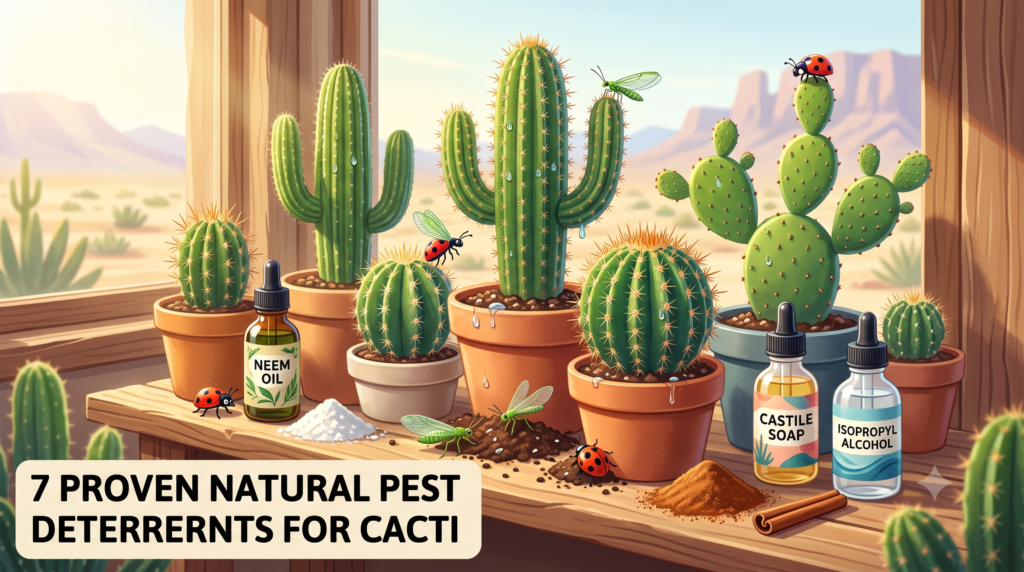
There is a unique kind of heartbreak that comes with discovering fuzzy white spots or tiny, intricate webs on your beloved, slow-growing cactus. You carefully curated perfect soil, found the brightest sunny windowsill, and strictly adhered to a sparse watering schedule, only to find that tiny invaders have claimed your desert gem. Cactus care is supposed to be easy, right?
When infestations strike, the immediate panic often leads plant parents to reach for harsh chemical pesticides. However, these synthetic sprays can permanently damage a cactus’s natural protective coating—known as the glaucous bloom or epicuticular wax—leaving the plant scarred and vulnerable. Furthermore, toxic chemicals compromise your indoor air quality and pose risks to curious pets. The good news? You do not need toxic chemicals to win this battle. By utilizing natural pest deterrents for cacti, you can safely and effectively eliminate infestations while preserving the health of your prickly companions.
Having spent over a decade rehabilitating succulents and cultivating arid plants, I have tested countless organic pest control methods. In this comprehensive guide, we will explore the safest, most effective natural solutions to reclaim your plant’s health, ensuring your desert oasis remains thriving and bug-free. 🪴
Know Your Enemy: Identifying Common Cactus Pests 🔍
Before you can effectively deploy any natural pest deterrents, you must correctly identify the invaders. Different bugs require different eradication strategies. Cacti are tough, but their fleshy stems and nutrient-rich sap make them a prime target for a specific group of sap-sucking insects.
Here is a breakdown of the most common cactus pests you will encounter.
1. Mealybugs (The Fluffy Invaders) ☁️
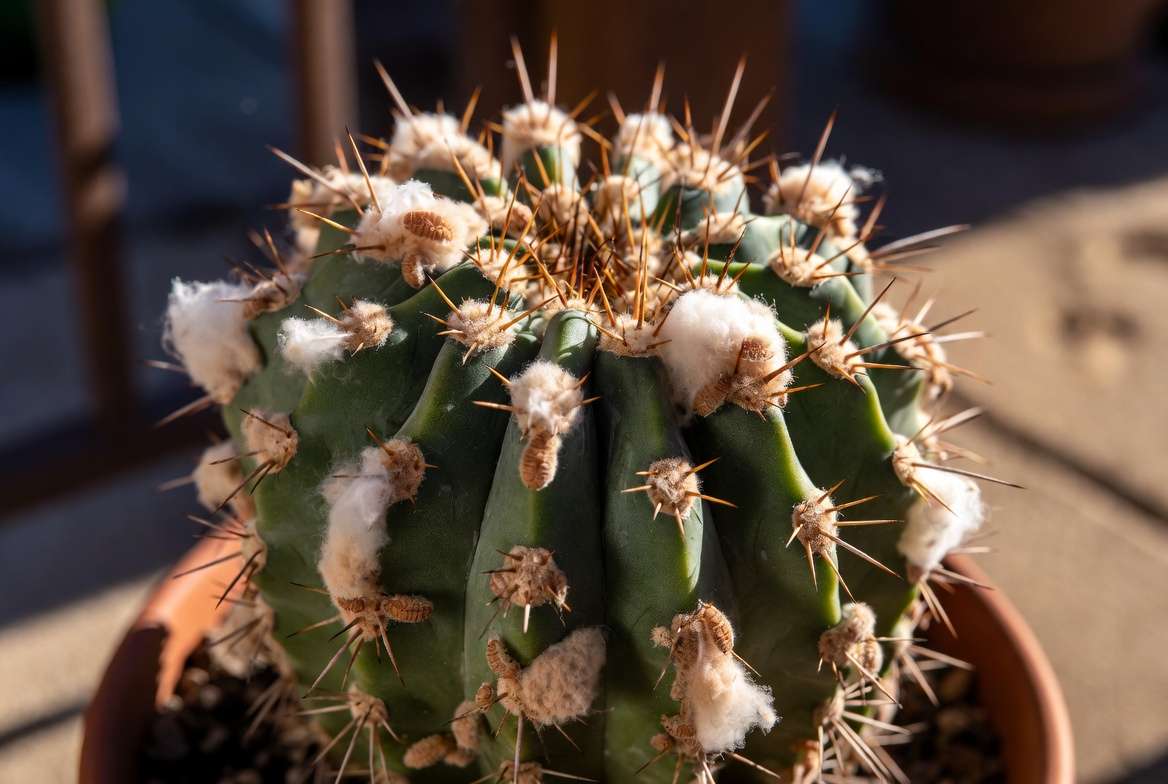
Mealybugs are arguably the most common and frustrating pest for cactus owners. Because cacti have many hidden crevices, ribs, and dense clusters of spines (areoles), mealybugs find perfect, protected hiding spots to multiply.
-
Identification: Look for small, white, cotton-like masses tucked into the crevices of your cactus, often near new growth or at the base near the soil line. The bugs themselves are tiny, soft-bodied, and pinkish-grey beneath their waxy white armor.
-
The Damage: They pierce the plant tissue and suck out the sap. Over time, this leads to stunted growth, yellowing, and a weakened plant. They also excrete a sticky substance called honeydew, which can invite fungal infections.
2. Scale Insects (The Armored Attackers) 🛡️
Scale insects are masters of disguise. They do not look like traditional bugs; instead, they resemble natural blemishes, scabs, or physical damage on the cactus skin.
-
Identification: Scale appears as tiny, hard, brown, beige, or grey bumps stuck firmly to the surface of the cactus. If you gently scrape the bump with your fingernail and it pops off easily without tearing the plant’s skin, you have scale.
-
The Damage: Like mealybugs, scale insects drain the vital sap from your plant. Severe infestations will cause the cactus to look shriveled, yellowed, and sickly.
3. Spider Mites (The Invisible Web-Spinners) 🕸️
Spider mites thrive in the exact same conditions that cacti love: hot, dry environments. Because they are practically microscopic, you will usually see the damage they cause before you see the pests themselves.
-
Identification: The clearest sign of a spider mite infestation is fine, delicate webbing stretched across the spines or the crown of the cactus. If you look incredibly closely, you might see what looks like tiny red or brown dust particles moving along the webs.
-
The Damage: Mites feed by puncturing plant cells, which leaves behind a rusty, yellowish, or silvery scarring on the cactus skin. Once this scarring occurs, the aesthetic damage to the plant is permanent.
4. Fungus Gnats (The Soil Dwellers) 🪰
While adult fungus gnats are mostly just a flying nuisance in your home, their presence indicates a deeper problem within your cactus pot.
-
Identification: You will notice tiny black flies buzzing around the soil surface of your potted cactus whenever you move the pot or water the plant.
-
The Damage: The adult flies are harmless to the plant, but they lay eggs in damp soil. The resulting larvae feed on organic matter in the soil, including the fragile, shallow root system of your cactus. Their presence is also a massive red flag that your soil is staying too wet, putting your cactus at high risk for root rot.
Cactus Pests Quick-Reference Guide
7 Proven Natural Pest Deterrents for Cacti 🌿✨
Now that you know exactly what you are up against, it is time to fight back. The following natural pest deterrents for cacti are highly effective, non-toxic, and safe for indoor use.
1. 70% Isopropyl Alcohol (The Precision Strike) 🧪
When dealing with an active, visible infestation of mealybugs or scale, isopropyl (rubbing) alcohol is your absolute best friend. It provides an immediate, lethal strike to soft-bodied insects.
-
Best for: Mealybugs and Scale insects.
-
How it works: Pests like mealybugs have a protective waxy coating that makes them resistant to standard water sprays. Isopropyl alcohol instantly melts this waxy armor and desiccates (dries out) the insect on contact, killing it immediately.
-
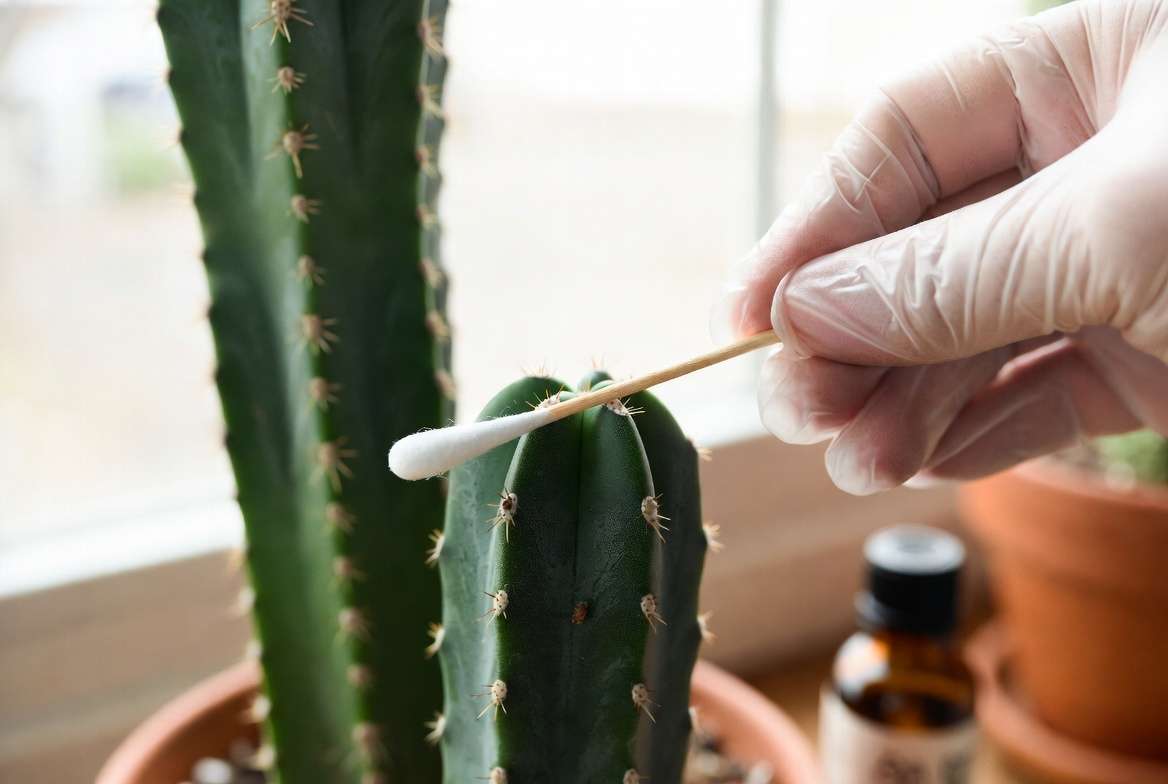
Expert Application Tip: Do not pour alcohol directly onto the soil, as it can damage the roots. Instead, dip a Q-tip or a soft-bristled paintbrush into 70% isopropyl alcohol and dab the pests directly. For larger, widespread infestations, you can fill a small spray bottle with alcohol and lightly mist the affected areas. The alcohol evaporates rapidly, so it will not leave a lingering residue or moisture that could rot the cactus.
2. Cold-Pressed Neem Oil (The Organic Powerhouse) 🍃
Neem oil is the holy grail of organic pest control. Extracted from the seeds of the neem tree, it has been used for centuries in agriculture and gardening. It is incredibly effective, but it must be used correctly on desert plants.
-
Best for: Spider mites, aphids, preventing future generations of pests, and treating minor fungal issues.
-
How it works: Neem oil contains an active compound called Azadirachtin. When insects ingest it, it disrupts their hormonal systems. They forget to eat, stop mating, and fail to molt into their next life stage. It does not kill instantly on contact, but it systematically destroys the colony over a few days.
-
Crucial Warning: Neem oil makes plants highly photosensitive (prone to severe sunburn). Never apply neem oil to a cactus during the day or leave a freshly treated cactus in direct sunlight. Always apply your neem oil spray in the late evening, allowing it to dry completely overnight before the sun hits the plant again.
3. Pure Castile Soap & Water Spray (The Gentle Suffocator) 🫧
Insecticidal soaps are excellent for treating widespread infestations of soft-bodied insects. However, standard dish soaps (like Dawn) contain harsh chemical degreasers that will strip away the natural, protective wax on your cactus skin. Pure Castile soap is the safe, organic alternative.
-
Best for: Soft-bodied pests like mealybugs and newly hatched scale crawlers.
-
How it works: The fatty acids in the soap break down the cell membranes of the insects, effectively dehydrating and suffocating them.
-
Recipe: Mix 1 teaspoon of liquid, unscented Castile soap (like Dr. Bronner’s baby unscented) with 1 quart of distilled water in a spray bottle. Shake well and thoroughly coat the cactus, ensuring you spray inside the deep ribs. Like neem oil, only apply this mixture in the evening to avoid magnifying the sun’s rays and burning the plant.
4. Food-Grade Diatomaceous Earth (DE) (The Micro-Barrier) 🪨
If you are dealing with pests that live in or crawl across the potting soil, Diatomaceous Earth is a highly effective, completely natural solution. Ensure you purchase food-grade DE, rather than the type used for pool filters, to keep it safe for your household.
-
Best for: Soil-dwelling pests like fungus gnat larvae, ants, and other crawling insects.
-
How it works: To the human touch, DE feels like soft talcum powder. However, on a microscopic level, it is made of crushed, fossilized algae shells (diatoms) that have razor-sharp edges. When insects crawl through the powder, it cuts their exoskeletons and absorbs their body fluids, causing them to dehydrate and die.
-
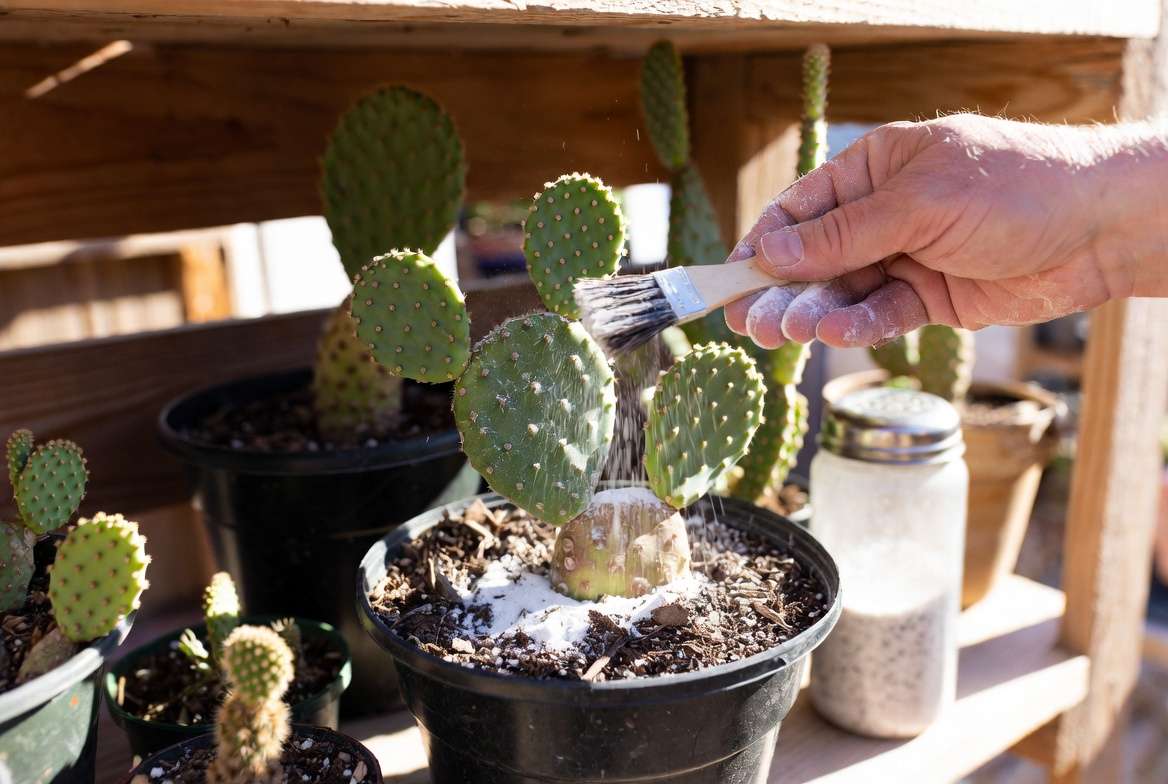
Expert Insight: Diatomaceous earth only works when it is dry. If it gets wet, it loses its jagged edges and becomes ineffective. To use it, lightly dust a layer of DE over the dry topsoil of your cactus pot. When it is time to water your plant, bottom-water (letting the pot soak from a tray below) to keep the top layer undisturbed, or simply reapply a fresh dusting of DE once the topsoil has dried completely.
5. Cinnamon Powder (The Natural Fungicide & Repellent) 🍂
You likely already have this powerful natural pest deterrent sitting in your pantry! Cinnamon is not just for baking; it is a phenomenal organic tool for plant health, especially regarding root and soil issues.
-
Best for: Fungus gnats, preventing root rot, and deterring ants.
-
How it works: Cinnamon contains a highly active compound called cinnamaldehyde. This compound acts as a natural fungicide, destroying the microscopic fungi in damp soil that fungus gnat larvae rely on for food. Without their food source, the larvae starve. The strong scent also masks the earthy smells of the soil, deterring adult gnats from laying eggs there in the first place.
-
Application: Sprinkle a generous, even layer of ground cinnamon across the surface of your cactus soil. You can also lightly dust the base of the cactus stem if you are worried about potential rot after treating a mealybug infestation.
6. Essential Oil Sprays (Peppermint & Rosemary) 🌱
For a preventative measure that leaves your room smelling wonderfully fresh, essential oils can be a fantastic biological repellent.
-
Best for: Repelling a wide variety of pests, including spider mites, aphids, and mealybugs, before they establish a colony.
-
How it works: Many insects are highly sensitive to strong odors. Peppermint and rosemary oils contain compounds (like menthol and camphor) that overwhelm an insect’s receptors, making the cactus an incredibly unappealing place to feed or lay eggs.
-
Recipe: In a spray bottle, mix 1 cup of water, 5-7 drops of peppermint or rosemary essential oil, and a tiny drop of Castile soap (the soap acts as an emulsifier to mix the oil and water). Shake vigorously and lightly mist the plant.
7. Beneficial Insects (Nature’s Tiny Army) 🐞
If you have a large indoor collection, a greenhouse, or keep your cacti on a patio, introducing natural predators is the most ecologically sound way to manage an infestation.
-
Best for: Large-scale infestations in enclosed or semi-enclosed growing spaces.
-
How it works: This is biological warfare at its finest. Instead of spraying your plants, you release predatory insects that naturally hunt and consume your pests.
-
Examples: Ladybugs and Lacewings are voracious consumers of aphids and mealybugs. If you are battling spider mites, introducing Predatory Mites (Phytoseiulus persimilis) will wipe out the bad mites without harming your plant. It is a 100% hands-off approach that perfectly mimics nature’s balance.
Step-by-Step: How to Apply Treatments Without Harming Your Cactus 🧤
Knowing what natural pest deterrents for cacti to use is only half the battle; knowing how to apply them to a spiky, sensitive succulent is just as critical. Many well-meaning plant owners accidentally damage their cacti by applying treatments too aggressively. Follow these expert steps for safe eradication:
-
Isolate the Patient (The Quarantine Zone): The moment you spot a pest, immediately move the infected cactus away from all other plants. Pests like spider mites and mealybugs spread rapidly. Keep the plant in isolation for at least 3-4 weeks.
-
Spot Test First: Cacti skin can be surprisingly sensitive. Before dousing the entire plant in neem oil or insecticidal soap, apply the solution to a small, hidden area at the base of the plant. Wait 24 hours to ensure there is no discoloration or chemical burn.
-
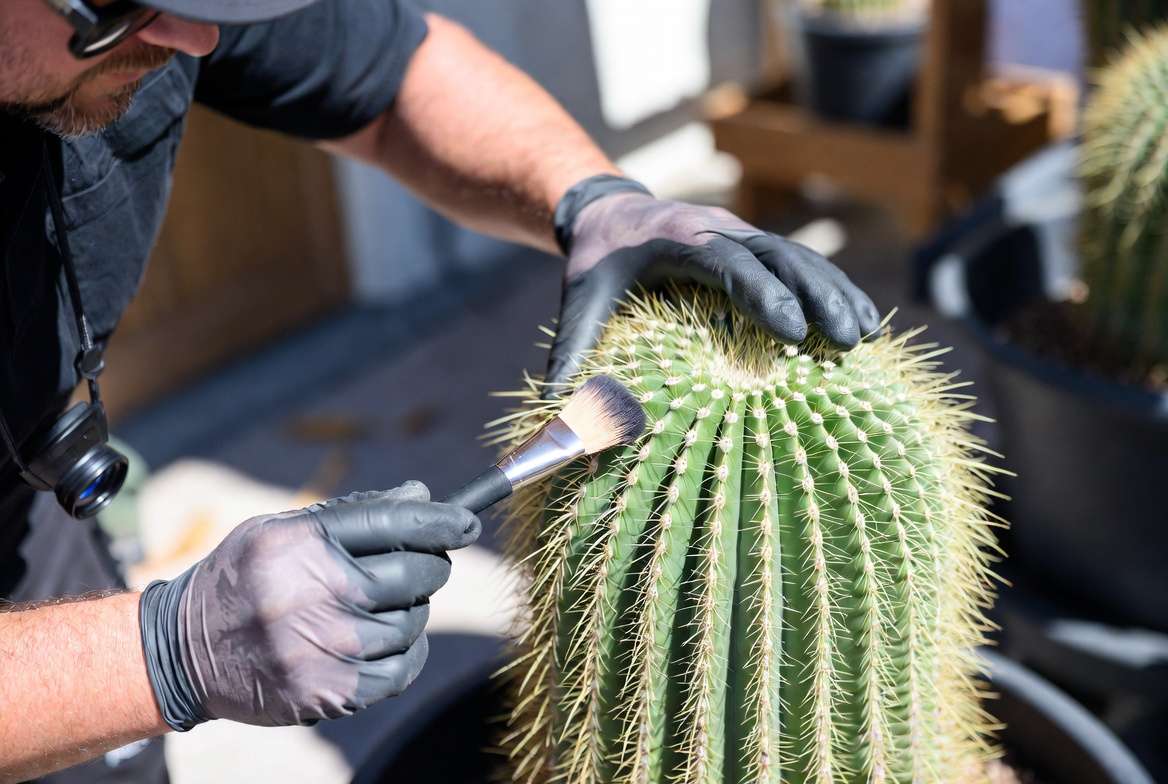
Target the Crevices: Because cacti spines make it difficult to wipe down the stems, use a soft-bristled makeup brush or a clean, soft toothbrush. Dip the brush into your alcohol or soap solution and gently scrub deep between the ribs and around the areoles where pests hide.
-
Rinse if Necessary: If you use a heavy application of Castile soap, it is often best to rinse the cactus with clean water the following morning. Dried soap residue can sometimes clog the plant’s stomata (pores), hindering its ability to photosynthesize.
-
Timing is Everything: As mentioned with neem oil, never apply liquid treatments during the peak heat or sunlight of the day. Water droplets and oils act like tiny magnifying glasses for UV rays, which will scorch the cactus skin. Always treat at dusk.
Proactive Plant Care: Preventing Future Infestations 🛡️
The ultimate secret to a bug-free collection is not having the best pest spray; it is cultivating an environment where pests do not want to live. A healthy, stress-free cactus has a robust immune system capable of fending off minor pest encounters.
-
Master the Watering Schedule: The number one cause of cactus pests (especially fungus gnats and root mealybugs) is overwatering. Cacti need their soil to dry out completely—100%—between waterings. Damp, boggy soil is a breeding ground for pests and pathogens.
-
Optimize Airflow: Indoor environments are often stagnant. Pests despise windy, well-ventilated areas because it makes it difficult for them to settle and reproduce. Keep a small oscillating fan running in your plant room to keep the air moving.
-
The Golden Quarantine Rule: Never bring a new plant home from the nursery and place it directly next to your existing collection. Nurseries are notorious for harboring hitchhiking pests. Always isolate new arrivals for 14 days, inspecting them closely before integrating them.
-
Routine Inspections: Make it a habit to examine your cacti every time you water them. Look closely at the growing tips and the base near the soil line. Catching a single mealybug early is a minor annoyance; catching them a month later is a full-scale war.
Frequently Asked Questions (FAQs) 🙋♀️
Can I use regular dish soap on my cactus? It is highly recommended that you avoid standard dish soaps like Dawn. These products are formulated as chemical degreasers to strip baked-on fat from pans. When applied to a cactus, they strip away the plant’s natural epicuticular wax (the glaucous coating), leaving the plant highly vulnerable to sunburn, dehydration, and future fungal infections. Stick to pure, organic Castile soap.
How long does it take to get rid of mealybugs naturally? Patience is key with organic pest control. Because natural deterrents do not have lingering toxic residues, you must break the pests’ life cycle. Expect to treat your cactus once a week for 3 to 4 weeks before declaring the plant fully pest-free.
Are natural pest deterrents safe for pets? Most natural deterrents, such as food-grade Diatomaceous Earth, cinnamon, and Castile soap, are completely safe to use around dogs and cats. However, you should exercise caution with essential oils. Oils like peppermint and eucalyptus can be toxic to cats if ingested or inhaled in high concentrations. Always ensure your pet cannot access freshly sprayed plants.
Conclusion: Reclaiming Your Desert Oasis 🏜️💚
Discovering an infestation on your favorite succulent can feel overwhelming, but you now possess the knowledge to fight back effectively and safely. By utilizing natural pest deterrents for cacti—like the precision of 70% isopropyl alcohol, the hormonal disruption of cold-pressed neem oil, and the protective micro-barrier of Diatomaceous Earth—you can eradicate pests without compromising the health of your plant, your home, or the environment.
Remember that pest management is a marathon, not a sprint. Be consistent with your applications, keep your recovering plants out of harsh, direct sunlight during treatment, and adjust your watering habits to create an environment where pests simply cannot survive. Your prickly companions are incredibly resilient; with a little bit of targeted care, they will bounce back stronger and healthier than ever.











